How to Deep Clean Your Room in 6 Steps, Floor to Ceiling
Part of Bedroom & Tidying · article 3 of 4
On this page

What You Need Before You Deep Clean Your Room: Checklist, Supplies, and Time Estimates
Before you touch anything, walk the room and build a checklist broken into zones: ceiling and walls, windows and blinds, closet, furniture surfaces, floor, and trash or donation items. Working zone by zone keeps you from bouncing between tasks and losing track of what's done.
Gather supplies in one caddy so you're not hunting mid-clean: a microfiber duster or extendable cobweb tool for ceilings and corners, microfiber cloths (at least six, since you'll separate dirty from clean), an all-purpose cleaner, glass cleaner for mirrors and windows, a vacuum with a brush attachment and crevice tool, a mop or steam mop suited to your floor type, a bucket, dish soap for washable surfaces, and a few trash bags or bins labeled keep, donate, and toss. If you're also tackling blinds or window tracks, add a soft brush or an old toothbrush for grooves.
For time estimates, budget realistically rather than optimistically. A small bedroom with light clutter runs 2 to 3 hours start to finish. A cluttered room, or one that hasn't had a deep clean in six months or more, can take 4 to 6 hours, especially if you're sorting a closet or under-bed storage. Add 30 minutes if you're washing bedding and need a wash-and-dry cycle to finish before you remake the bed.
If you want the full supply list mapped to every room in the house, not just the bedroom, the cleaning supplies list broken down task by task is worth checking before shopping.
How to Deep Clean Your Room Step by Step
Declutter and sort everything
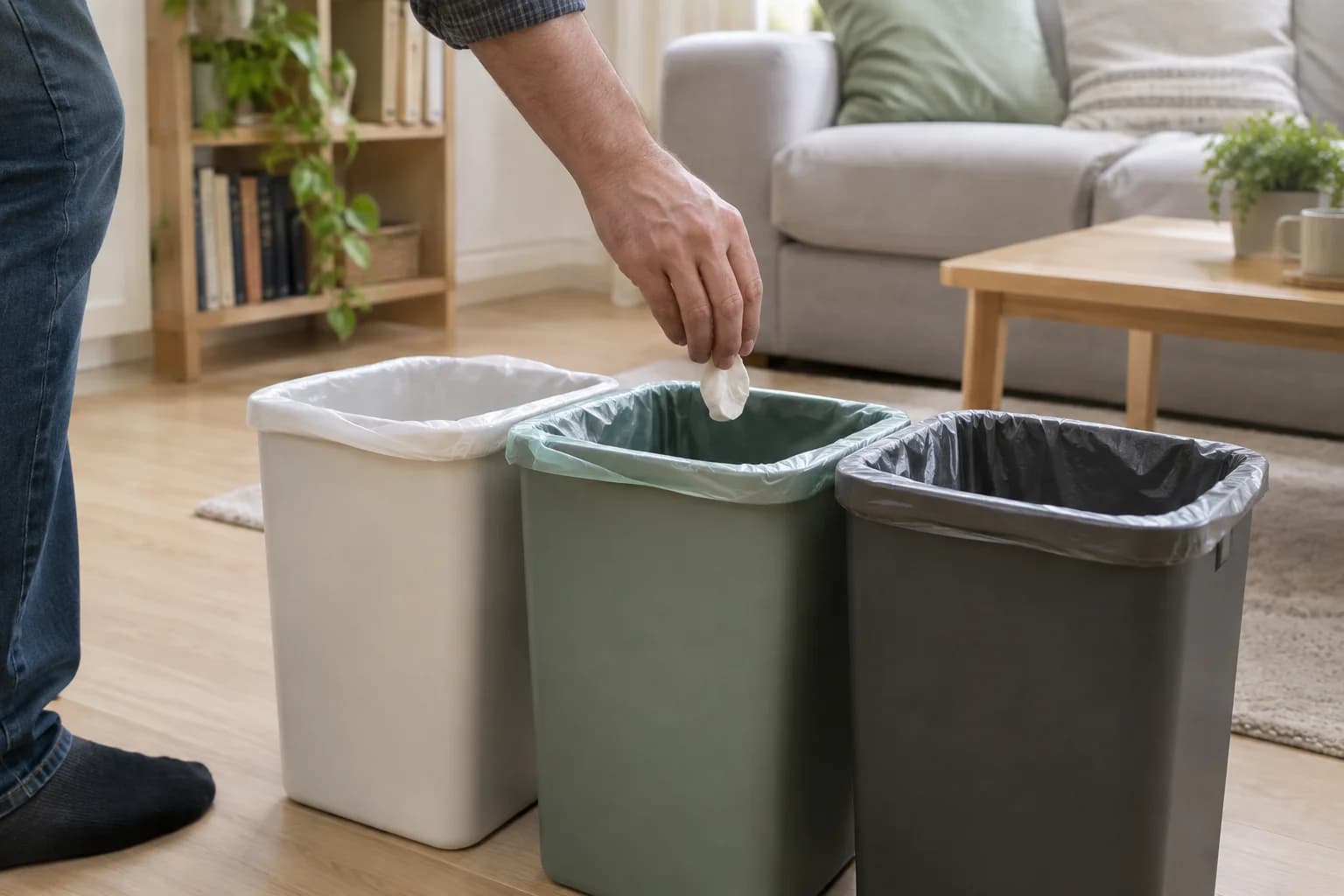
Pick up every item from the floor, surfaces, and furniture, then sort into piles: keep, donate, trash, and put away elsewhere. Clearing clutter first gives you full access to every surface you need to clean.
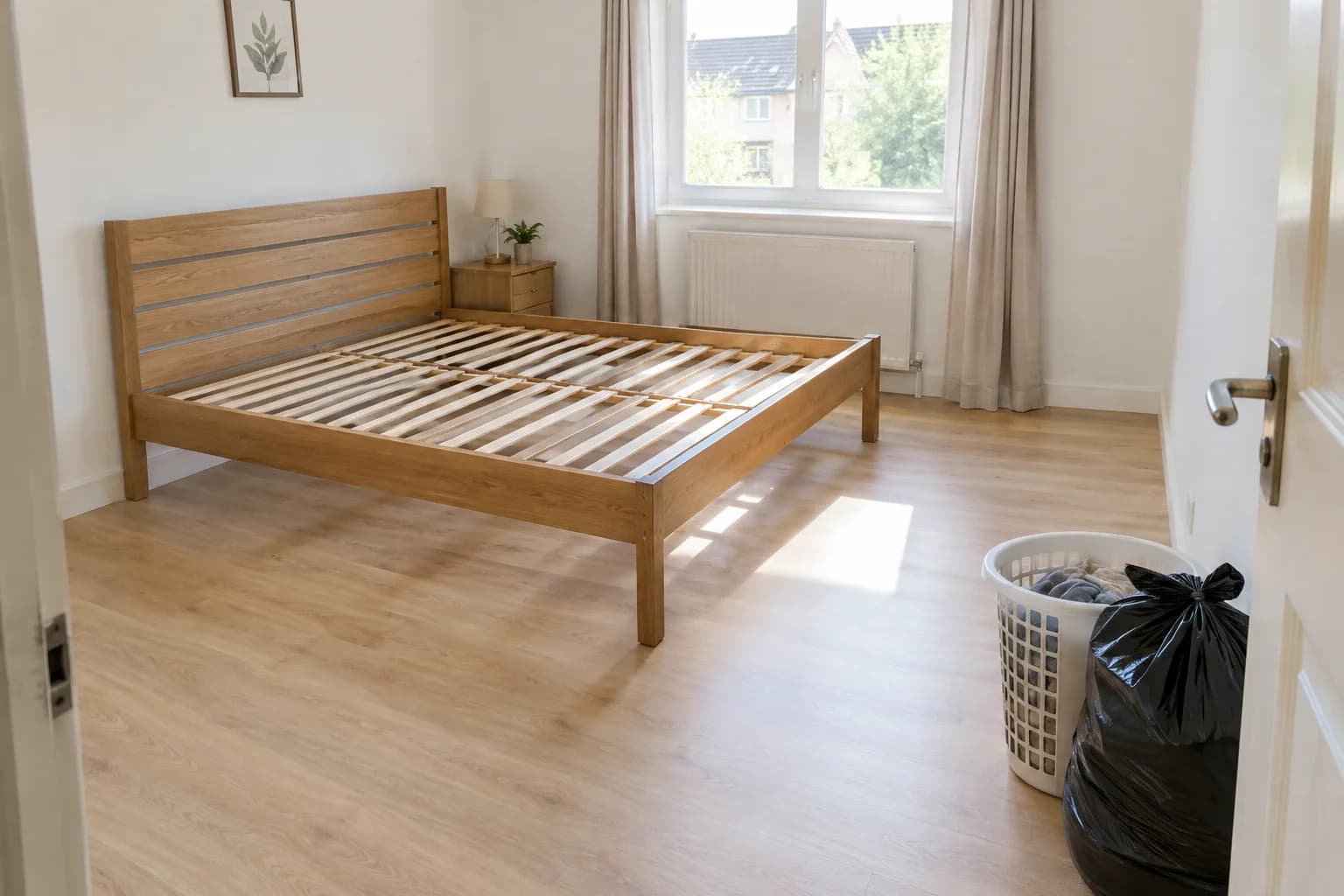
Strip and wash all bedding
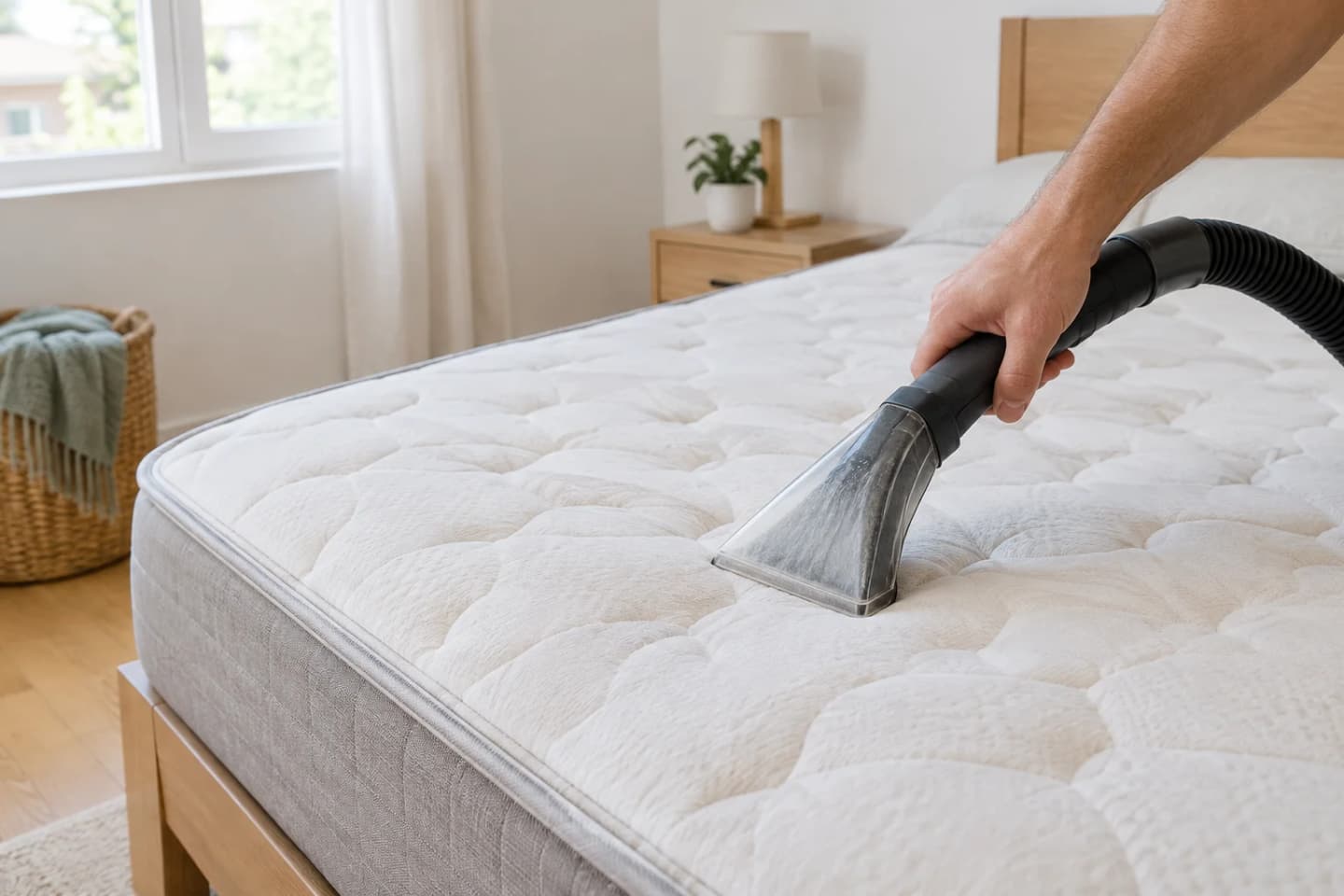
Vacuum the bare mattress with the upholstery attachment while the sheets and mattress protector wash in hot water. Remove sheets, pillowcases, blankets, and the mattress protector, and wash them in hot water appropriate for the fabric. While the bedding is in the wash, vacuum the mattress itself using the upholstery attachment to lift dust and dead skin.
Dust from top to bottom
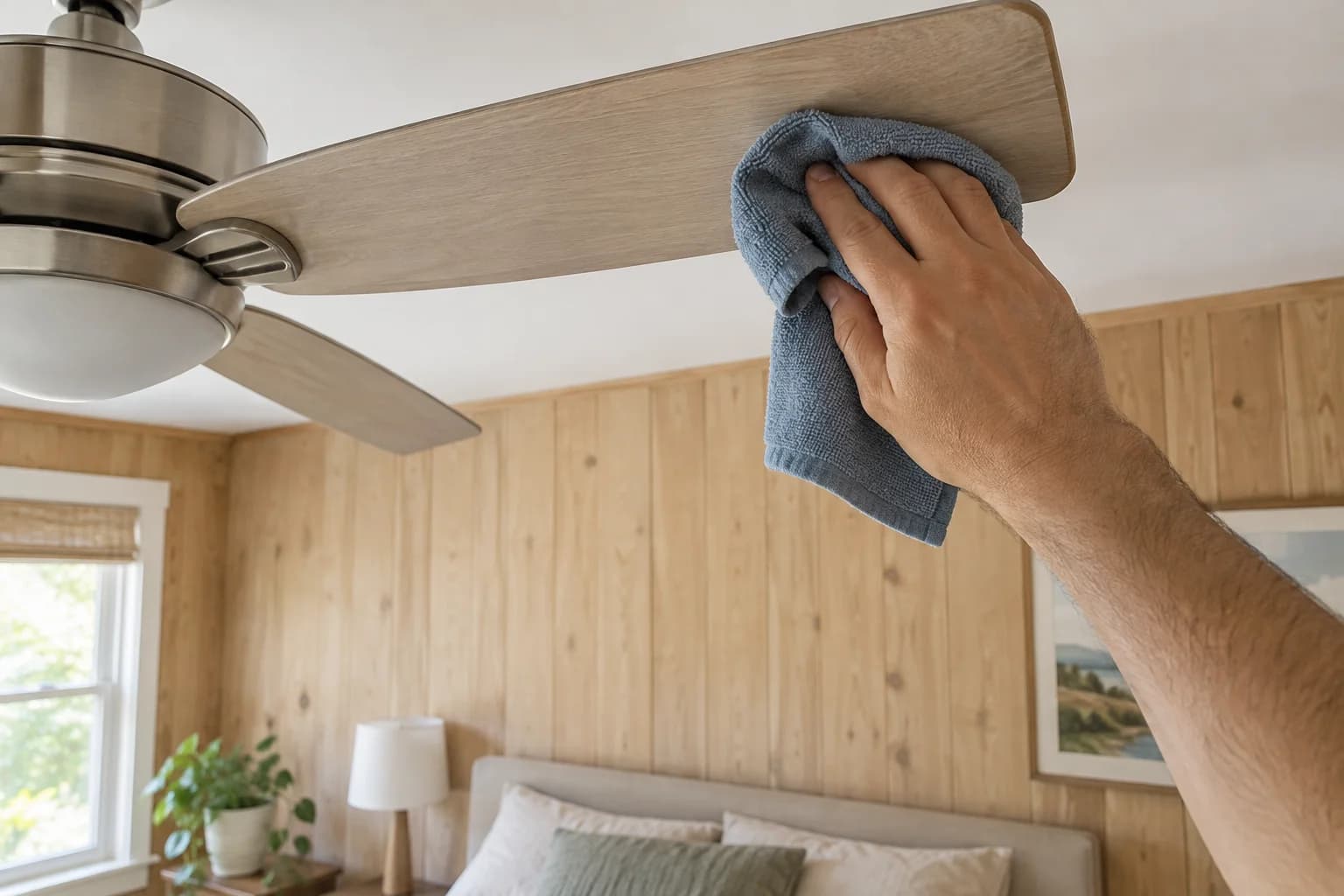
Work from ceiling fans and light fixtures down to shelves, picture frames, window sills, and baseboards, using a microfiber cloth or duster that traps dust instead of scattering it. Always dust before vacuuming so fallen particles end up on the floor, not back on clean furniture.
Clean windows, mirrors, and screens
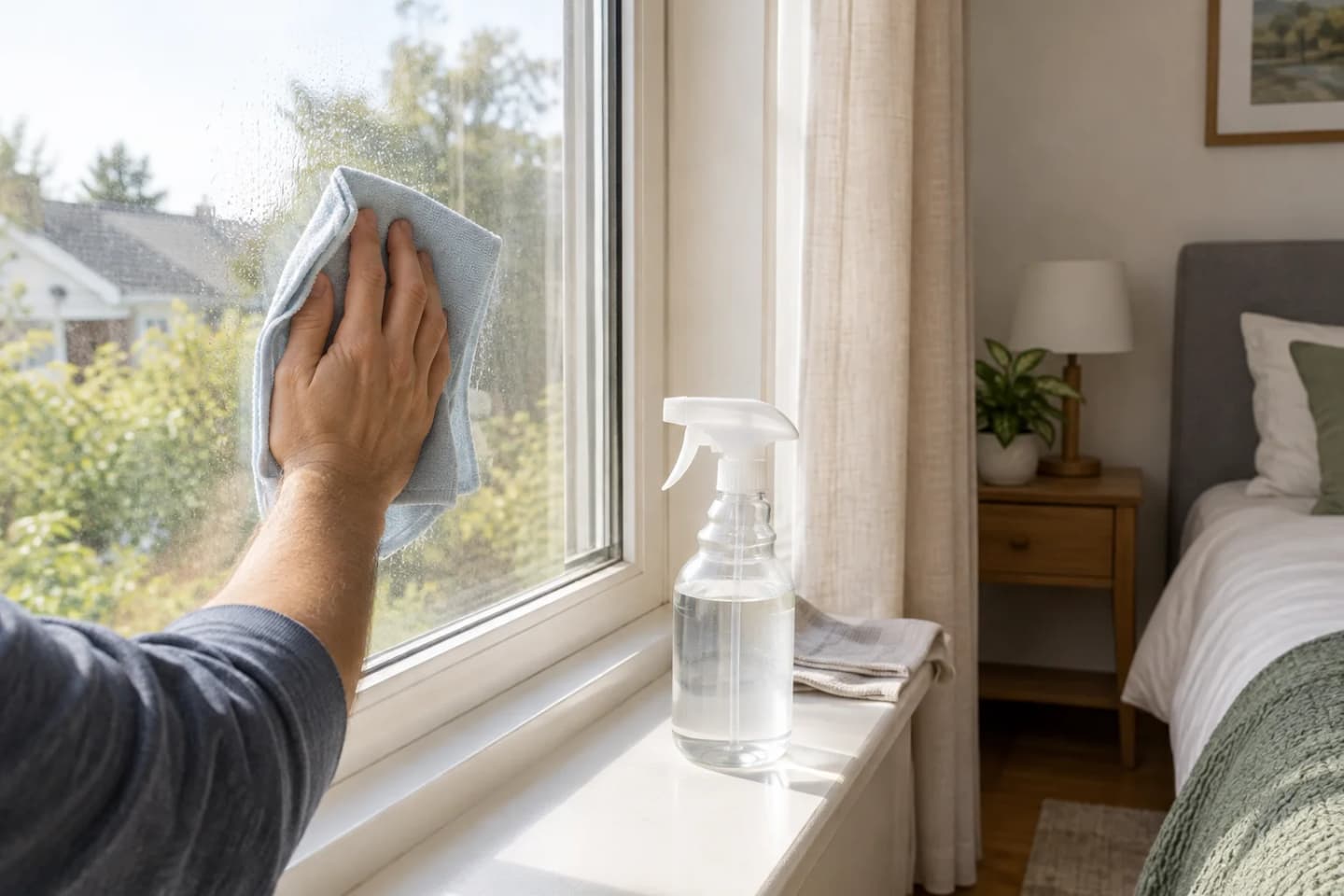
Spray the vinegar and water solution on glass only, and wipe with a lint-free cloth for a streak-free finish. Spray glass surfaces and mirrors with a vinegar and water solution (about 1/4 cup vinegar per 2 cups water) and wipe with a lint-free cloth for a streak-free shine. For any TV or computer screen in the room, skip liquid cleaners entirely and use a dry microfiber cloth, adding only a slight dampness with water if needed.
Wipe down furniture and hard surfaces
Use a pH-neutral cleaner on natural stone surfaces like marble nightstands, and an all-purpose cleaner or soapy water on painted wood, laminate, and plastic furniture. Pay attention to door handles, light switches, and drawer pulls, which collect grime but are often overlooked.
Vacuum or mop the floors last
Vacuum carpets thoroughly, including under the bed and furniture, and mop hard flooring with a cleaner suited to the material, rinsing with warm tap water rather than boiling water if you have plastic trim or pipes nearby. Finishing with the floors ensures you capture all the dust and debris that settled during the rest of the clean.
How Often Should You Deep Clean a Bedroom to Keep It That Way?
A full floor-to-ceiling deep clean belongs on the calendar every three to four months for most bedrooms. That interval gives dust, dead skin cells, and allergens enough time to build up in mattresses, vents, and baseboards to make the work worthwhile, but it doesn't let grime set so deep that routine maintenance stops making a dent in between. If you have pets, allergies, or carpet rather than hard flooring, lean toward the three-month mark since dander and trapped fibers accumulate faster than you'd expect.
Between those quarterly sessions, the goal is a short weekly routine that keeps the room from sliding backward. Strip and wash bedding every one to two weeks, vacuum floors and under the bed weekly, and wipe down nightstands, dressers, and light switches while you're at it. Add a five-minute daily reset: make the bed, clear surfaces of clutter, and hang up clothes instead of draping them over a chair. These small habits matter more than people assume, since clutter and surface dust are what make a room feel like it needs deep cleaning again, even when the underlying job, like washing walls or flipping the mattress, hasn't come due yet.
Rotate a few less-frequent tasks into that weekly routine on a staggered basis: dust ceiling fans and vents once a month, wash curtains or blinds every two to three months, and flip or rotate the mattress twice a year. Spreading these out means no single session ever becomes overwhelming. For a structured way to split tasks like this across the week rather than letting them all pile up, a weekly cleaning schedule can help you assign specific chores to specific days so the bedroom never needs a full reset from scratch.

Closets, Drawers, and Under-Bed Storage: Clearing Out Hidden Dust and Clutter
Closets, drawers, and the space under the bed trap more dust than almost anywhere else in a bedroom, mostly because they go untouched during everyday cleaning. Start by pulling everything out rather than cleaning around items still sitting on shelves. Empty one closet section or drawer at a time so the job stays manageable and nothing gets lost in a single overwhelming pile.
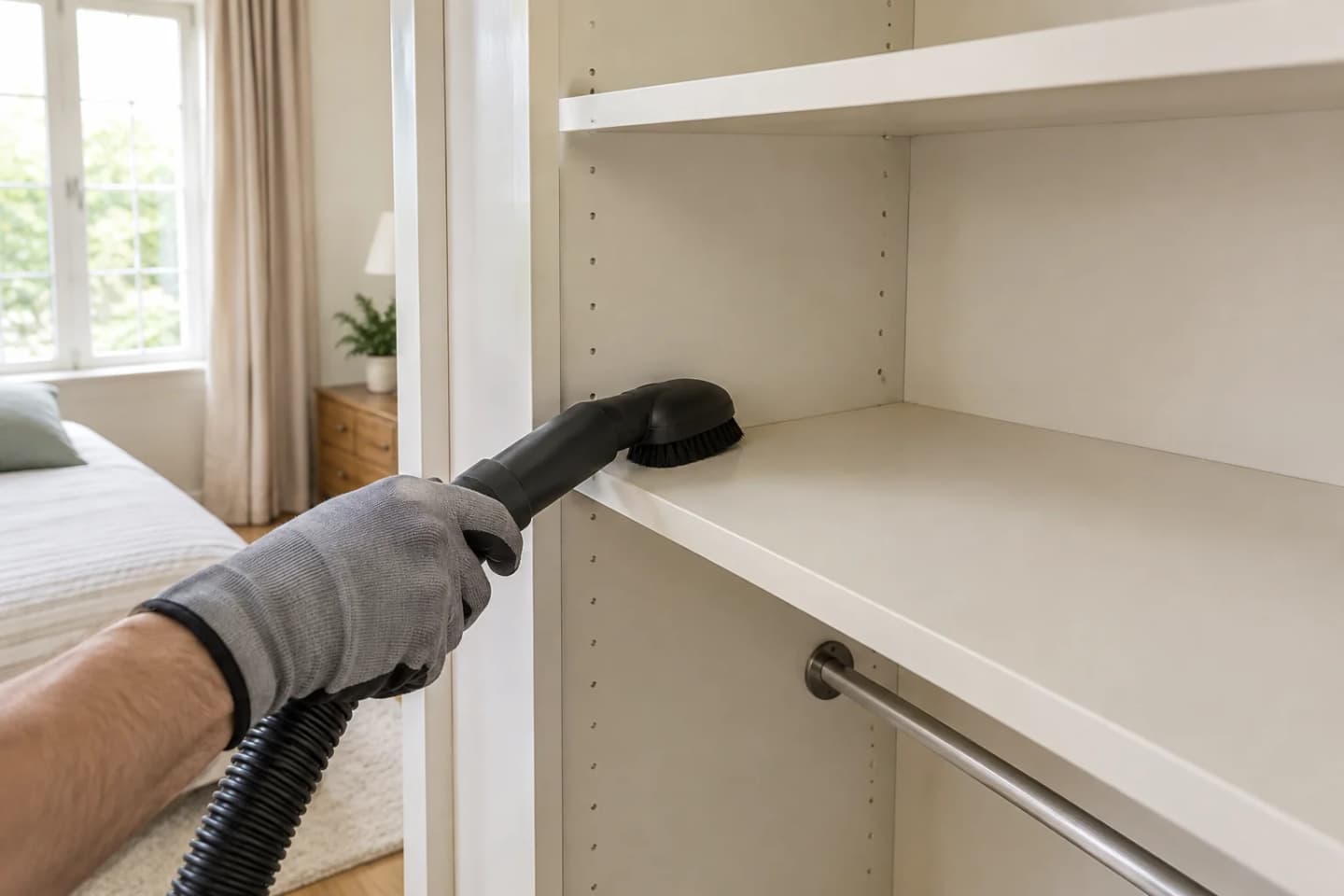
With the space empty, vacuum the interior using a brush attachment, working corners, tracks, and shelf edges where dust bunnies and hair collect undisturbed for months. Wipe down shelves and drawer interiors with a damp microfiber cloth, going over closet rods and any wire shelving, since both accumulate a gray film you won't notice until you run a finger across them. Vacuum the closet floor last, since that's where dust settles after you've disturbed everything above it.
For under-bed storage, slide out bins and boxes, then vacuum the floor beneath, including against the baseboards where dust tends to drift and pack down. Wipe the undersides of bins before sliding them back, since they carry their own layer of grime that otherwise transfers back onto a clean floor.
As you handle each item, sort it into keep, donate, or toss piles instead of putting everything straight back. This is the point in a deep clean where clutter actually gets resolved rather than just dusted around. Items you're keeping should go back organized, grouped by category or season, so the next deep clean takes less time. Clothing you haven't worn in a year, broken items, and duplicate linens are the easiest candidates to let go of. If you want the full room-by-room breakdown this step fits into, the general walkthrough at How to Clean Your Room: 6 Steps From Clutter to Shine covers where closets and drawers fall relative to the rest of the process.
Freshening Air, Curtains, Rugs, and Upholstered Furniture
A few habits in this step cause damage that no amount of redoing will fix. Spraying a fabric odor eliminator directly and heavily onto upholstered furniture can leave water rings or dark blotches on fabrics like silk, rayon, or anything marked "dry clean only," because the liquid dissolves dyes and finishes unevenly as it dries. Always test on a hidden patch, like the underside of a cushion, and wait a full hour to check for discoloration before treating the whole piece. The same caution applies to rugs with jute or natural-fiber backing: oversaturating them invites mold and a musty smell that's worse than what you started with, since moisture can get trapped between the fibers and the backing for days.
Baking soda is safe on most carpets and upholstery for absorbing odor, but let it sit dry for at least 15 minutes before vacuuming, and never mix it into a wet cleaning solution on fabric, since clumps can grind into fibers and are difficult to extract fully. For curtains, check the care tag before washing; some linings shrink or pucker permanently in a washing machine even on a gentle cycle.
Stop and call a professional cleaner when a rug has a pet urine odor that persists after surface cleaning, when upholstery has a widespread musty smell suggesting moisture got into the cushion foam, or when any fabric is antique, heirloom, or structurally fragile. At that point, home treatment risks setting the odor permanently or ruining the material outright.
Frequently asked questions
What does a deep clean of a bedroom actually include that regular cleaning doesn't?
How do you clean your room step by step for a deep clean?
What should be on a deep cleaning room checklist?
How long does it take to deep clean a bedroom?
Do you need to move furniture to deep clean a bedroom?
How this article was made
Edited by Claire Mercier, Editor. The guides are written with AI assistance.