Clean Your Room in 6 Steps, From Clutter to Shine
Part of Bedroom & Tidying · article 1 of 4
On this page
The Complete Room Cleaning Checklist: From Clutter to Final Check
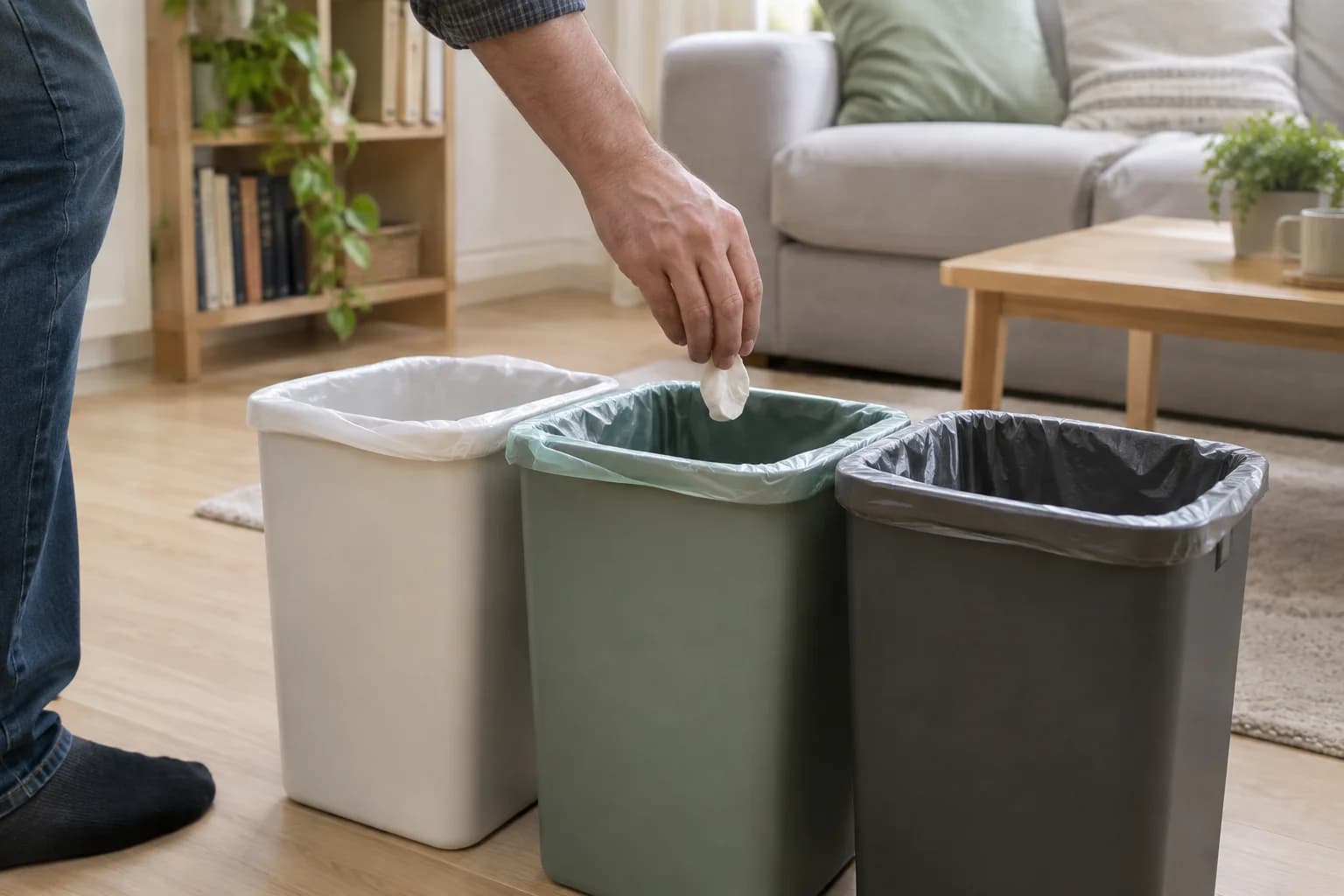
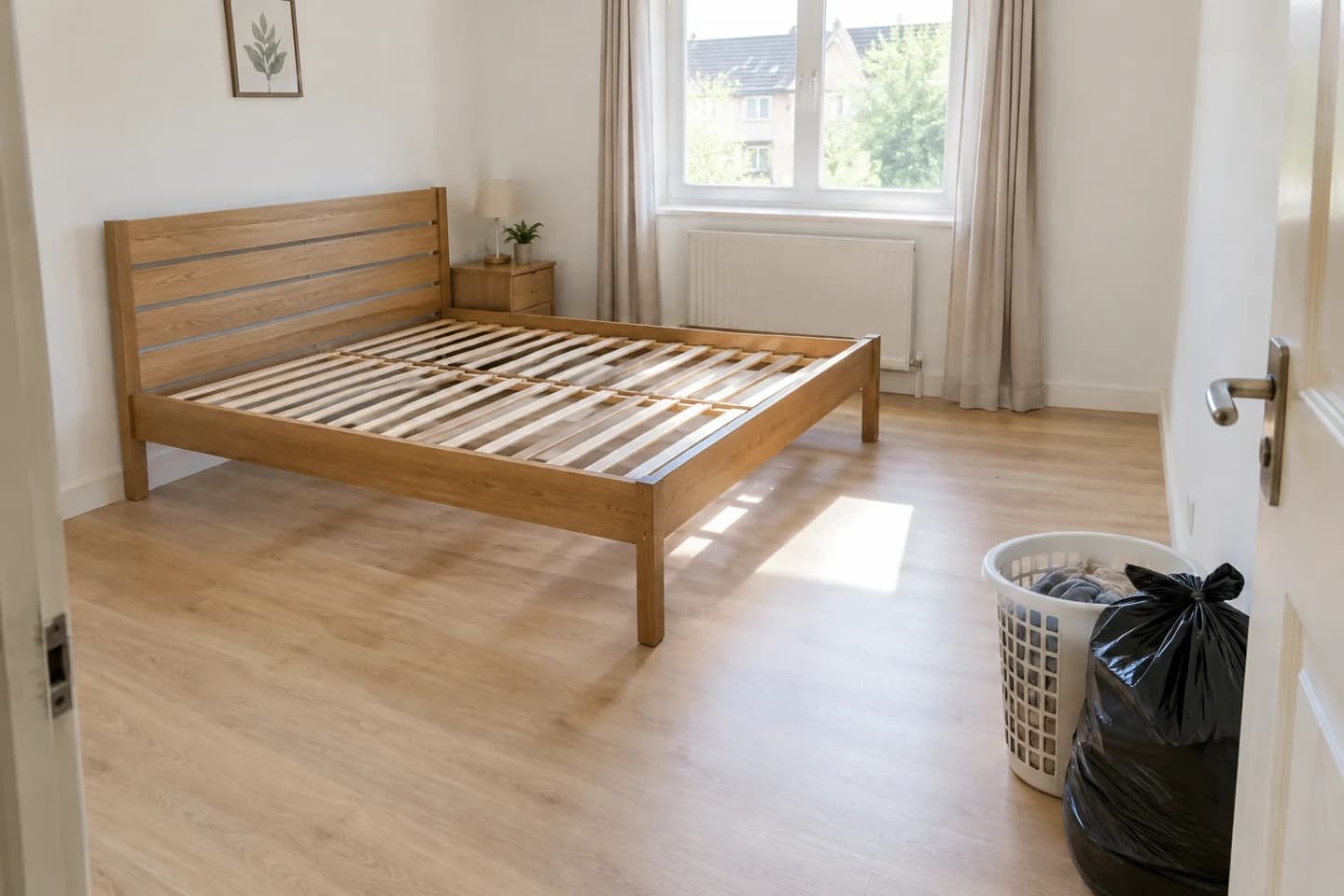
Work through the room in the same order every time and the checklist stops feeling random. Start with trash: carry a garbage bag and a laundry basket into the room and do a fast sweep for wrappers, bottles, and anything headed for the trash can, then a second sweep for dirty clothes into the basket. Next comes sorting what's left on the floor and surfaces into three piles: put away, donate, and undecided, which keeps decision fatigue from stalling the whole job.
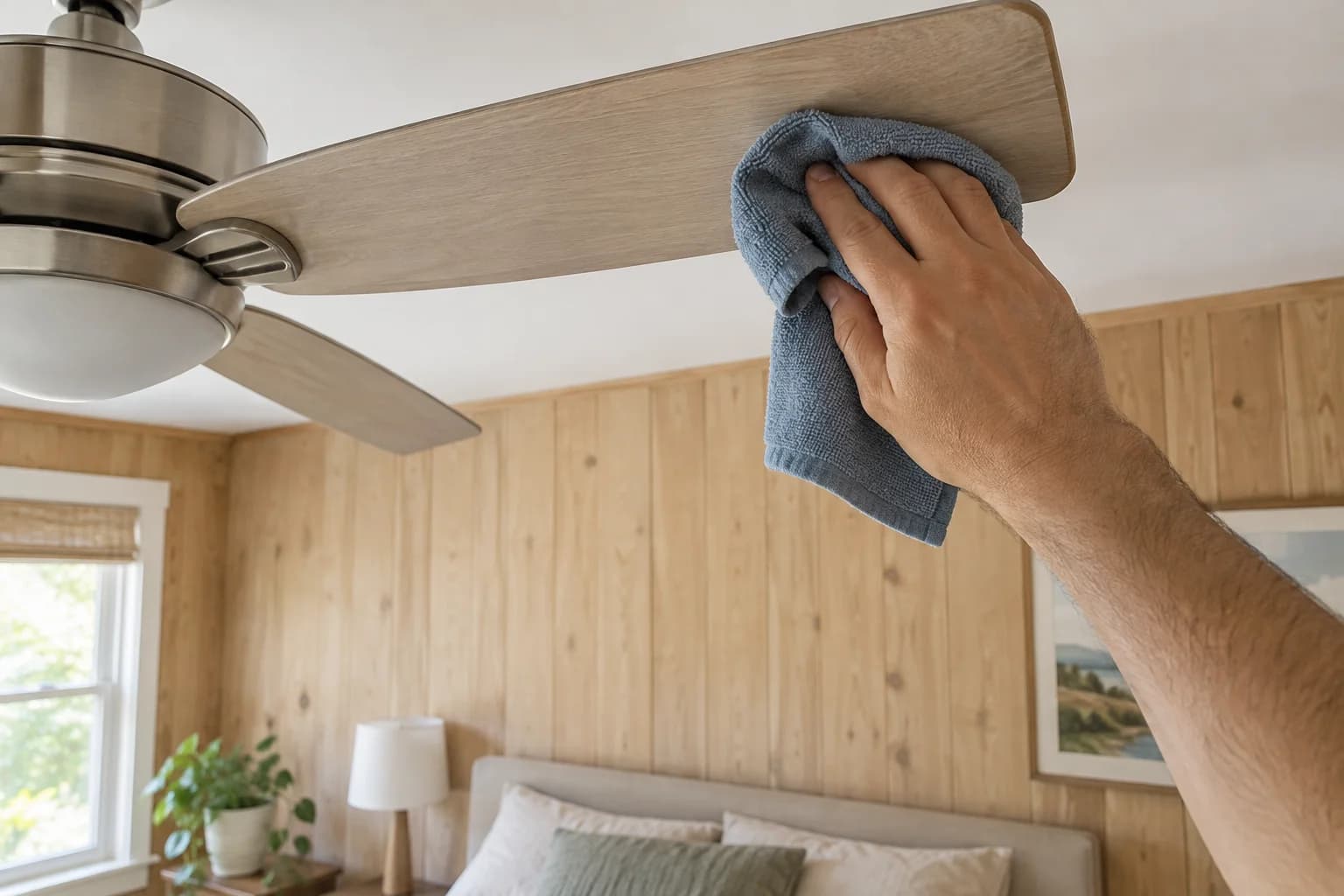
Once the floor and surfaces are clear, move to dusting before vacuuming, always top to bottom: ceiling fan blades and light fixtures first, then dressers, shelves, and nightstands with a microfiber cloth, then baseboards last. Dust falls as you work, so cleaning high surfaces before low ones means you're not redoing a shelf after you've already wiped it.
With dust handled, wipe down surfaces that touch skin or hands often: doorknobs, light switches, desk, and nightstand, using an all-purpose spray or disinfecting wipes. Then vacuum the floor, including under the bed and inside closet corners, switching to a microfiber mop if you have hardwood or laminate instead of carpet.
Finish with a final check: make the bed, straighten the pile you kept, and empty the trash can one more time. Running through these same steps weekly keeps the room from sliding back into clutter, and pairing them with a broader routine like a weekly cleaning schedule keeps the rest of the house on the same rhythm.
How to Clean Your Room Step by Step
Declutter first
Pick up everything that doesn't belong in the room and sort it into keep, donate, or trash piles. Clearing the floor and surfaces first makes every later step faster and more effective.
Strip and wash the bedding
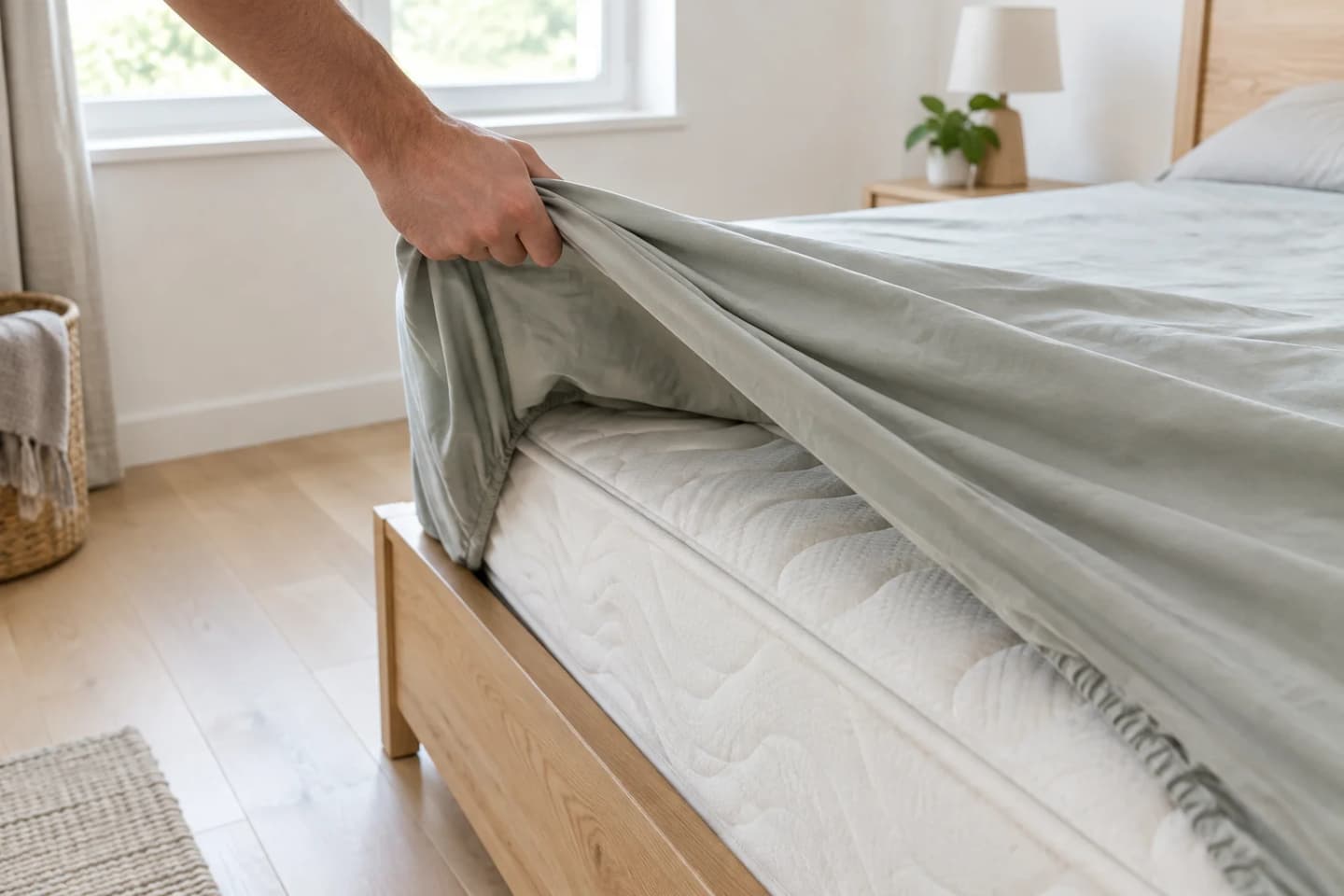
Strip the sheets, pillowcases, and blankets and wash them in warm water per the care label. Remove sheets, pillowcases, and blankets and launder them in warm water according to the care label. Let the mattress air out while you clean the rest of the room, then remake the bed last.
Dust from top to bottom
Use a microfiber cloth to dust ceiling fans, shelves, picture frames, and furniture surfaces before you vacuum, since dust will settle downward. Wipe electronics such as monitors and TV screens with a dry microfiber cloth, slightly dampened only if needed.
Clean windows and mirrors
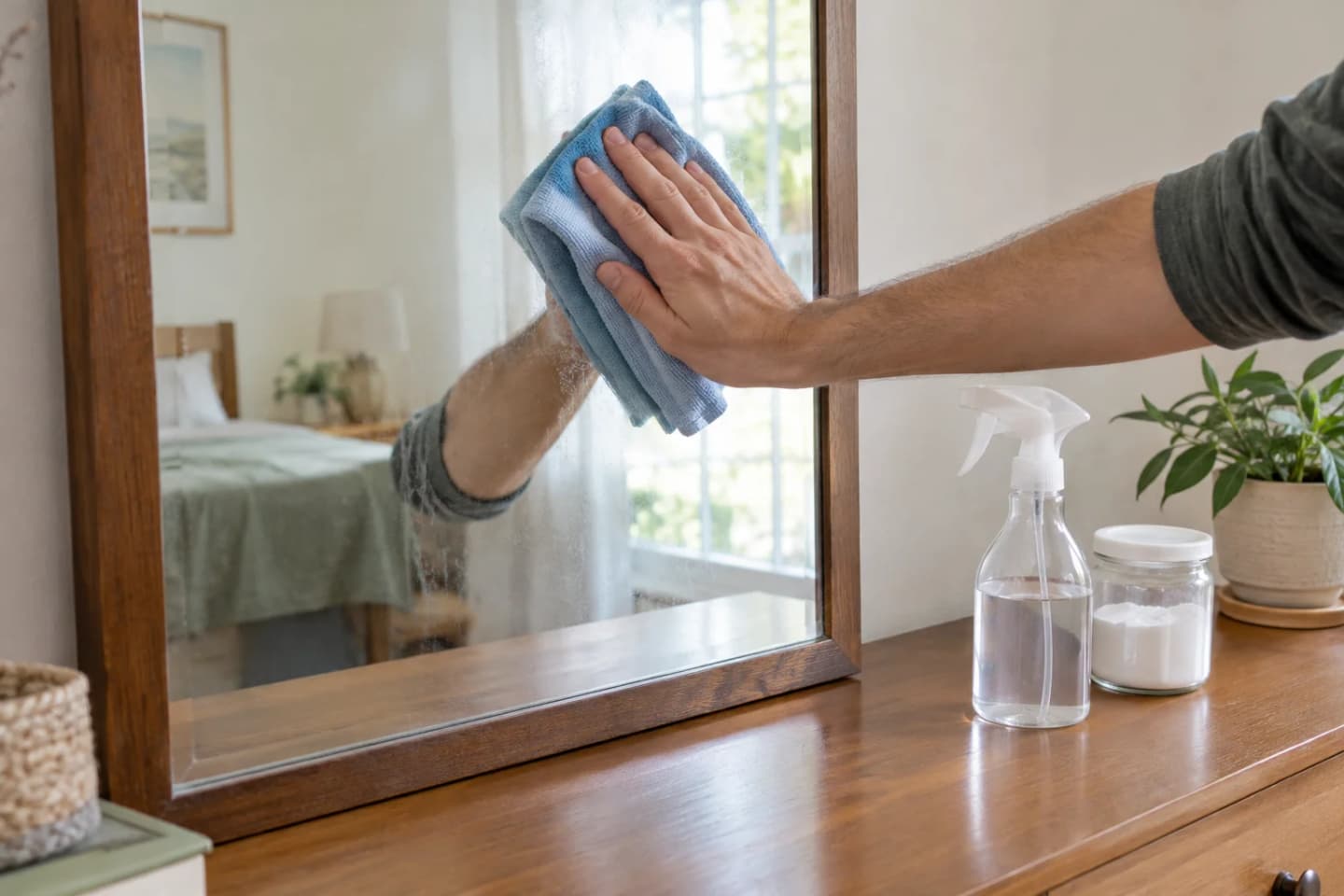
Spray the vinegar and water solution on glass and mirrors, then wipe with a lint-free cloth for a streak-free shine. Spray a vinegar and water solution, about 1/4 cup vinegar per 2 cups water, onto glass and mirrors and wipe with a lint-free cloth for a streak-free shine. Avoid using this acidic mix on any stone windowsills; use a pH-neutral cleaner there instead.
Vacuum and mop the floors
Vacuum carpets, rugs, and corners thoroughly, then mop hard floors with a pH-neutral cleaner or a mild dish soap solution. For tile grout, a vinegar and water mix can help cut through grime without damaging the surface.
Organize and do a final check
Put away clean clothes, return items to drawers and shelves, and empty the trash can. Take a last look around the room to make sure surfaces are clear, the air smells fresh, and everything has a place.
How Do You Keep Your Room Clean After the Deep Clean?
The habits that keep a room clean matter more than the deep clean itself, because a spotless room left to drift for a few weeks ends up right back where it started. The simplest fix is a two-minute reset before bed: clothes go in the hamper or the closet, dishes and cups leave the room, and anything on the floor gets picked up. This single habit prevents most of the buildup that forces another deep clean down the road.
Make the bed every morning. It takes less than a minute and instantly changes how the whole room looks and feels, even if everything else is slightly messy. Pair that with a "one-touch" rule: when you pick something up, put it where it belongs instead of setting it down somewhere else temporarily. Surfaces collect clutter one setback at a time, so this rule alone stops a lot of accumulation.
Weekly, set aside fifteen to twenty minutes for the tasks that daily tidying skips: wiping down the desk and nightstand, vacuuming or sweeping the floor, and sorting through anything that's piled up on chairs or the floor. Doing this on the same day each week, like Saturday morning, keeps it from turning into a bigger job later.
Storage solutions matter as much as the routine. Give every category of item a specific home: a tray for loose change and keys, a bin for charging cables, a labeled basket for mail or school papers. Clutter builds up fastest when things don't have an assigned spot, because there's nowhere obvious to put them back. If closet or drawer space is tight, under-bed bins and stackable baskets free up floor and surface space without requiring new furniture.
For a broader routine that covers the rest of the house alongside your room, a weekly cleaning schedule can help you fold these habits into a consistent, sustainable pattern.

Tools, Products, and Tips for Tackling Neglected Spots Like Under the Bed and Inside Closets
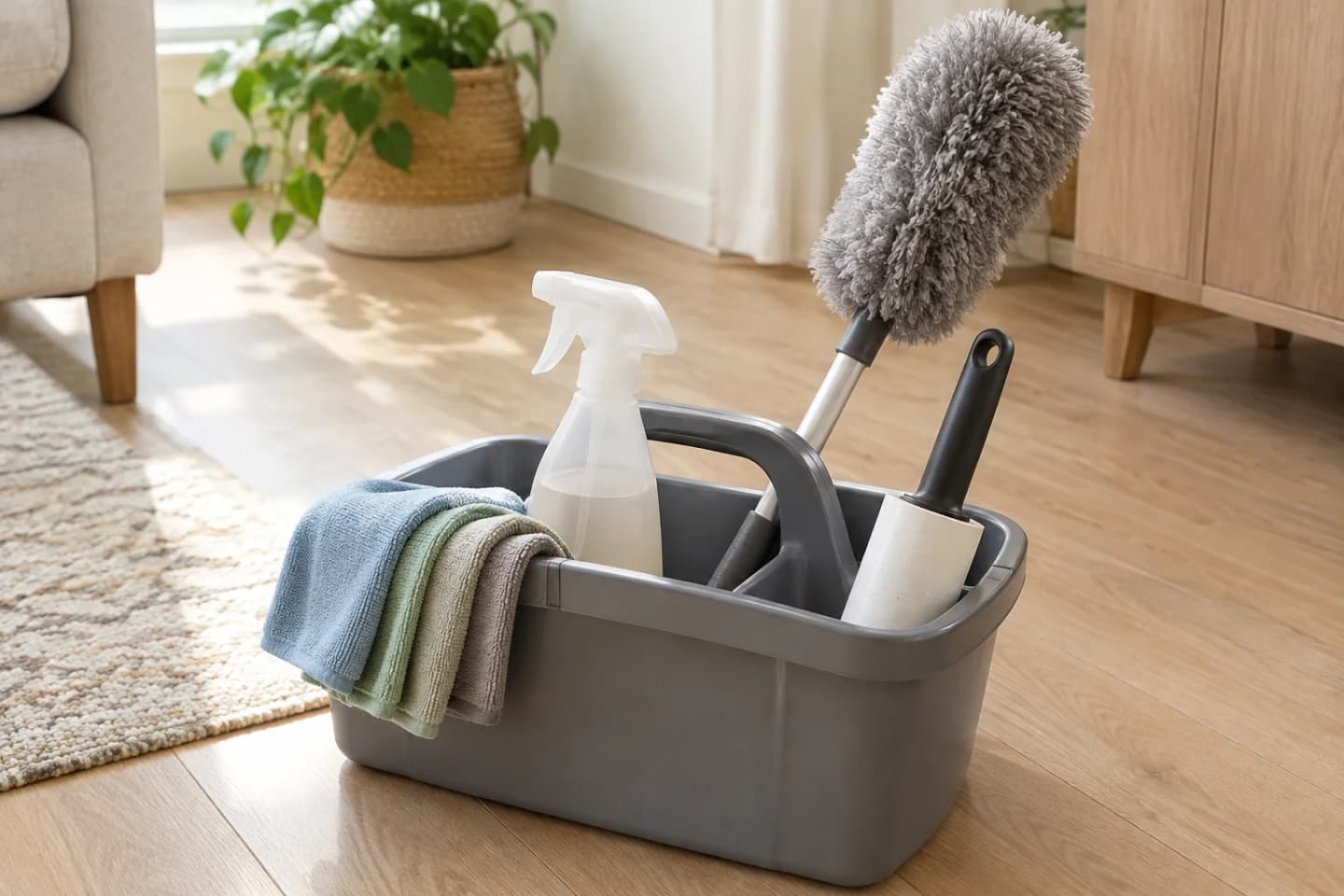
A caddy you can carry in one trip saves more time than any single product. Stock it with a microfiber cloth or two, a multi-surface spray, a duster with an extendable handle, and a lint roller for upholstery and lampshades. Working from one caddy keeps you from making five trips back to the kitchen for things you forgot, which is where most room-cleaning sessions stall out.
Work top to bottom and far to near. Dust shelves, dressers, and ceiling fan blades first, then let that debris settle before you vacuum, so you're not redoing the floor. A handheld vacuum attachment or a crevice tool handles the gap between the mattress and headboard, baseboards, and the dusty corners behind furniture legs that a standard vacuum head skips entirely.
Under the bed collects the most neglected buildup in any bedroom: dust bunnies, stray socks, forgotten snack wrappers. Pull storage bins out first, vacuum the floor underneath with a flat attachment, then wipe the bed frame rails with a damp cloth before sliding everything back. Do this monthly and it stays a five-minute job instead of an hour-long excavation.
Closets need the same treatment on a smaller scale. Pull everything off the floor, wipe down shelving with a damp microfiber cloth, and vacuum the corners where lint and hair accumulate. While things are out, sort clothes into keep, donate, and toss piles rather than shoving them back in, since re-cluttering a closet you just cleaned wastes the effort.
Set a timer for each zone, ten minutes for surfaces, ten for floors, five for the closet, to keep momentum and stop perfectionism from derailing you mid-task. If you're folding bedroom upkeep into a broader home routine, a weekly cleaning schedule can help you decide how often each of these neglected spots actually needs attention.
Why Do You Keep Putting Off Cleaning Your Room, and How Do You Get Started?
Procrastination around a messy room usually isn't about laziness. It's about the task feeling too big to start, so your brain avoids it entirely. The fix is to make the starting point smaller than your resistance to it.
Set a timer for 10 minutes and commit to nothing beyond that. Most people keep going once they see visible progress, but if you stop at 10 minutes, you've still made the room better than it was. This works because the dread is almost always about the imagined scope of the job, not the actual physical work.
Pick one visual anchor, usually the floor or the bed, and clear that single surface first. A made bed or a clear floor changes how the whole room reads, even if clutter remains elsewhere, and that quick visual win is what keeps you moving instead of quitting after five minutes.
Sort before you clean. Carrying a laundry basket around and grouping items into trash, laundry, and belongs-elsewhere piles removes the decision fatigue that makes cleaning sessions stall out halfway through.
Music or a podcast helps more than it seems like it should, since it gives your hands something to do while your mind is occupied elsewhere, which shortens how long the task feels.
If you're tackling more than just the bedroom in one go, a room-by-room checklist can keep momentum going without losing track of what's left.
Frequently asked questions
How do you clean your room step by step?
How do you keep your room clean once it's done?
What are some practical room cleaning tips for neglected spots?
How do you get motivated to clean your room when you keep putting it off?
How often should you deep clean your bedroom versus just tidying?
How this article was made
Edited by Claire Mercier, Editor. The guides are written with AI assistance.