The Fastest Ways to Remove Stains from Mattress Fabric
Part of Fabric & Carpet Care · article 13 of 14
On this page
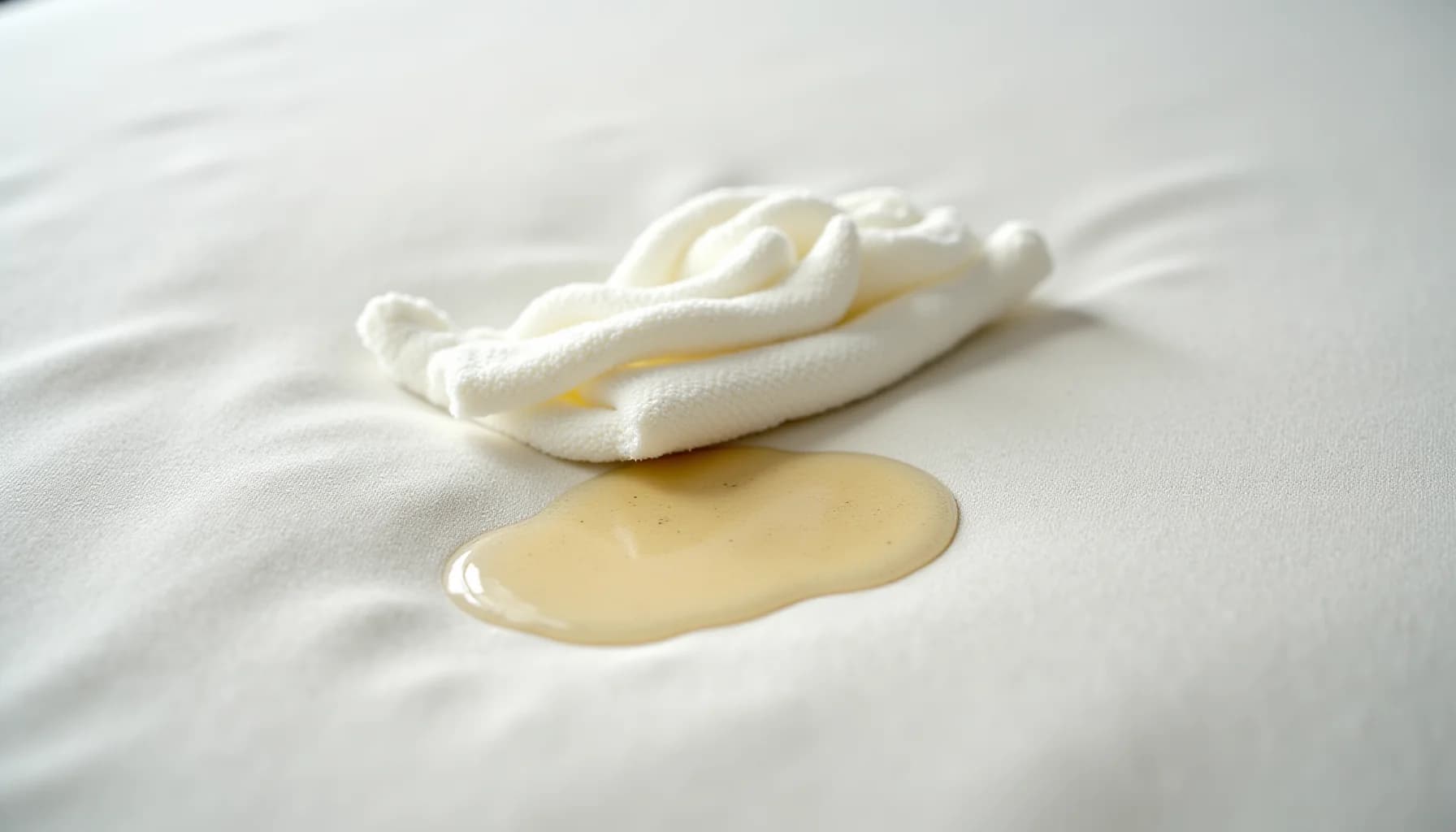
Blotting with a dish soap solution (1 tablespoon of mild dish soap mixed with 1 cup of cold water) handles most fresh stains, while an enzyme cleaner is the faster, more thorough choice for blood, urine, or sweat. For urine stains specifically, a 50/50 white vinegar and cold water spray followed by baking soda speeds up both odor removal and drying. Never use hot water on blood: it sets the protein into the fabric permanently. Never rub a stain; blot from the outer edge inward. Keep the mattress as dry as possible throughout, because saturating foam layers invites mold that no cleaner can fully fix.
Why do mattress stains get harder to remove over time?
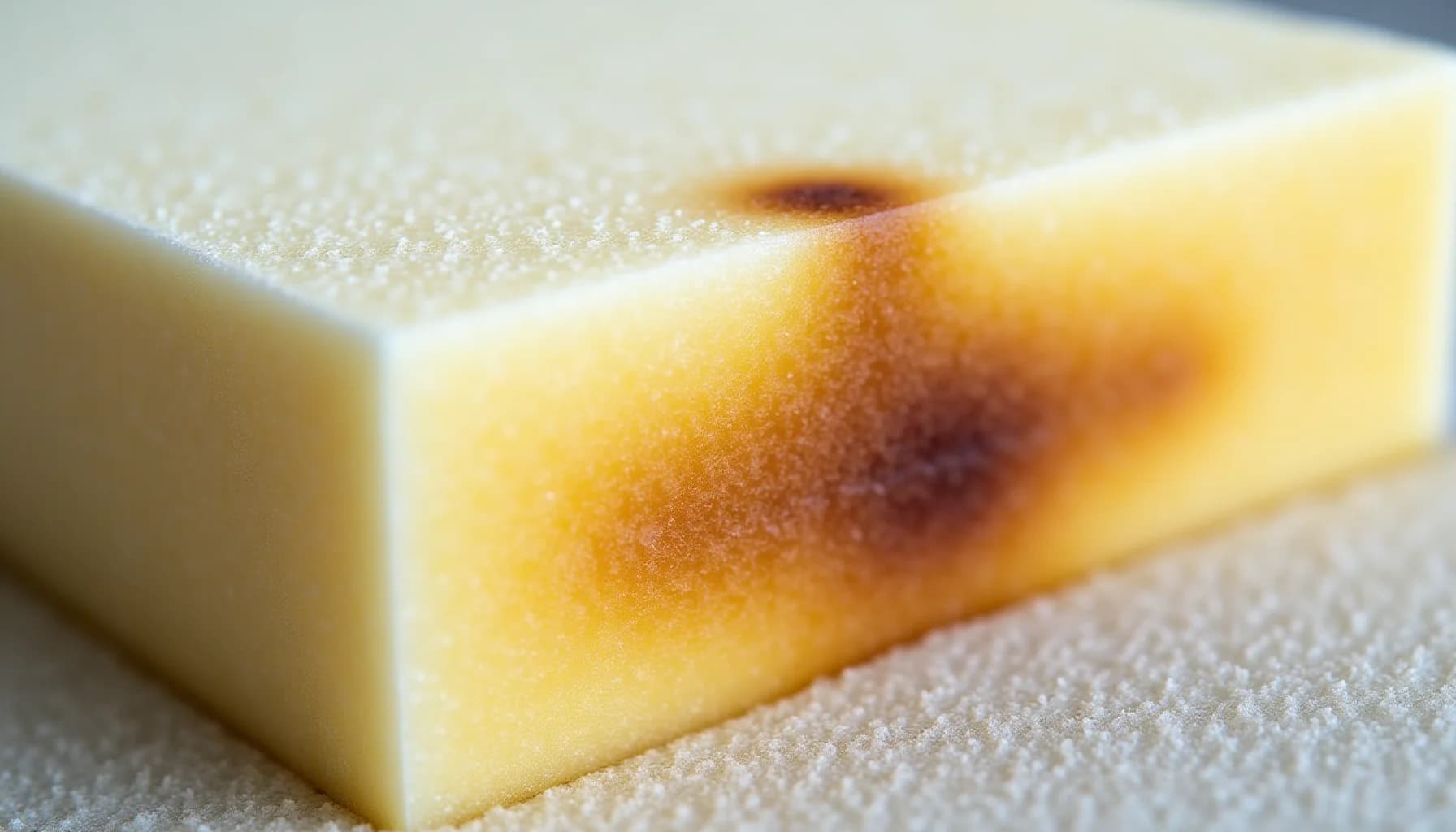
When a liquid hits your mattress, there is a brief window, maybe a minute or two, where it sits on the surface fabric before being pulled down into the foam layers beneath. Once it reaches those layers, it binds with the foam's cellular structure and begins to oxidize. That oxidation is what turns a pale spill into the dark yellow-brown discoloration you find weeks later when you finally strip the bed. By that point, the stain has physically changed at a molecular level, and no amount of blotting will reverse it.
Organic stains, specifically blood, urine, and sweat, carry proteins, fats, and carbohydrates that act like glue once they dry. A standard dish soap can lift surface residue, but it cannot break down what has already bonded to the foam. That is why enzyme cleaners, products that contain protease, lipase, and amylase, exist specifically for this problem. They literally digest the stain from the inside out. A stain treated within the first hour responds to a basic dish soap solution. The same stain left for 48 hours may need a full enzyme cleaner treatment of 8 to 24 hours to get any meaningful result.
Urine is a useful example. A fresh accident responds quickly to cold water and a 50/50 white vinegar solution. A dried urine stain that has oxidized into the foam is a much harder job, and the odor compounds are harder to neutralize too. For a detailed look at that specific scenario, cleaning pee out of a mattress covers the process step by step.
The practical takeaway: treat it now, while you still have the easy option.
Which cleaning solution works best for your stain type
Blot the stain immediately, do not rub
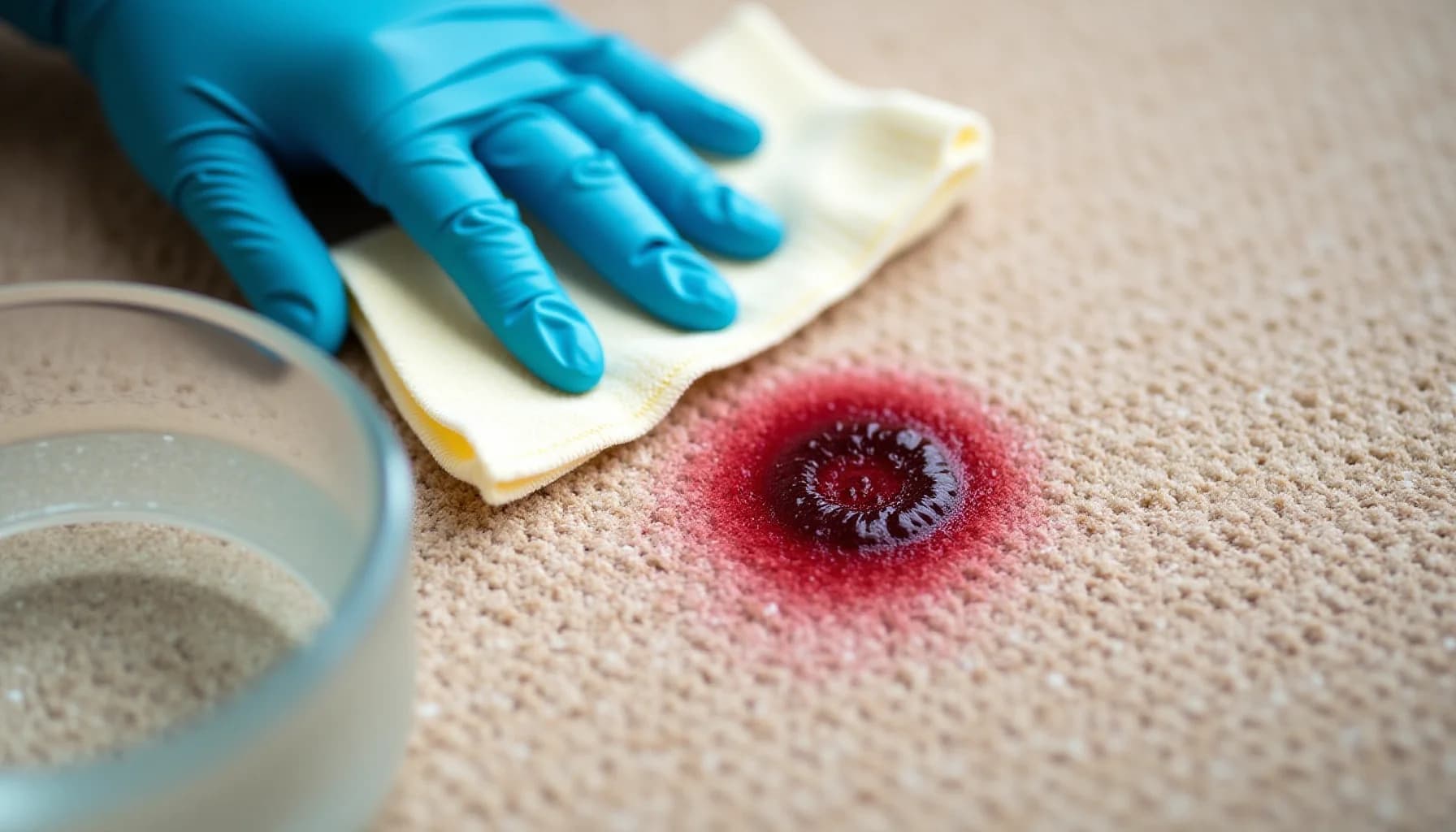
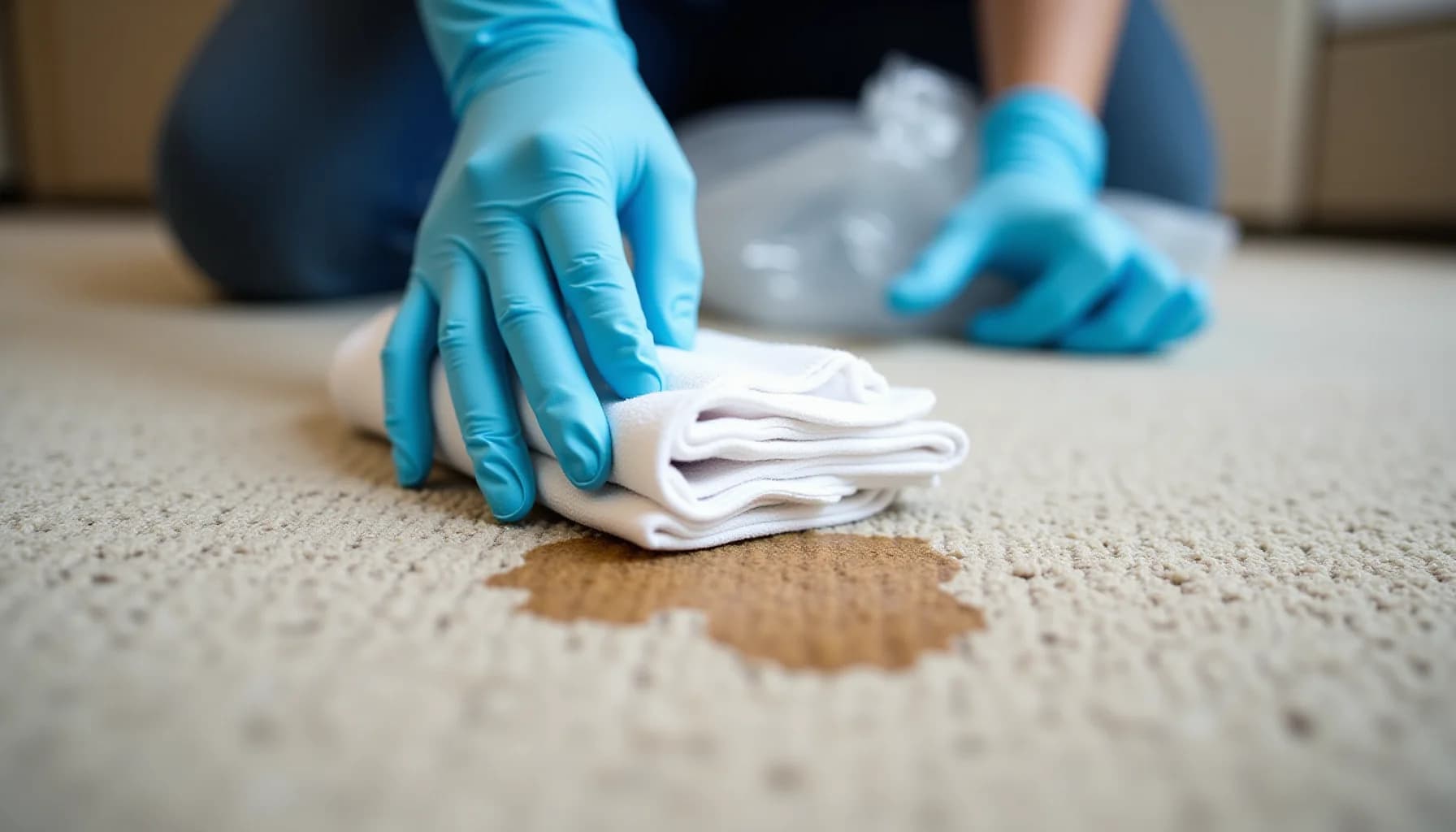
As soon as a spill happens, press a clean dry towel firmly onto the area to absorb as much liquid as possible. Rubbing pushes the stain deeper into the fabric and foam, so keep blotting with fresh sections of the towel until no more liquid transfers.
Identify the stain type before choosing a cleaner
Protein-based stains like blood, urine, and sweat need cold water and an enzyme cleaner or hydrogen peroxide. General food and dirt stains respond well to dish soap, so matching your cleaner to the stain type saves time and prevents setting the stain further.
Apply the correct cleaning solution sparingly
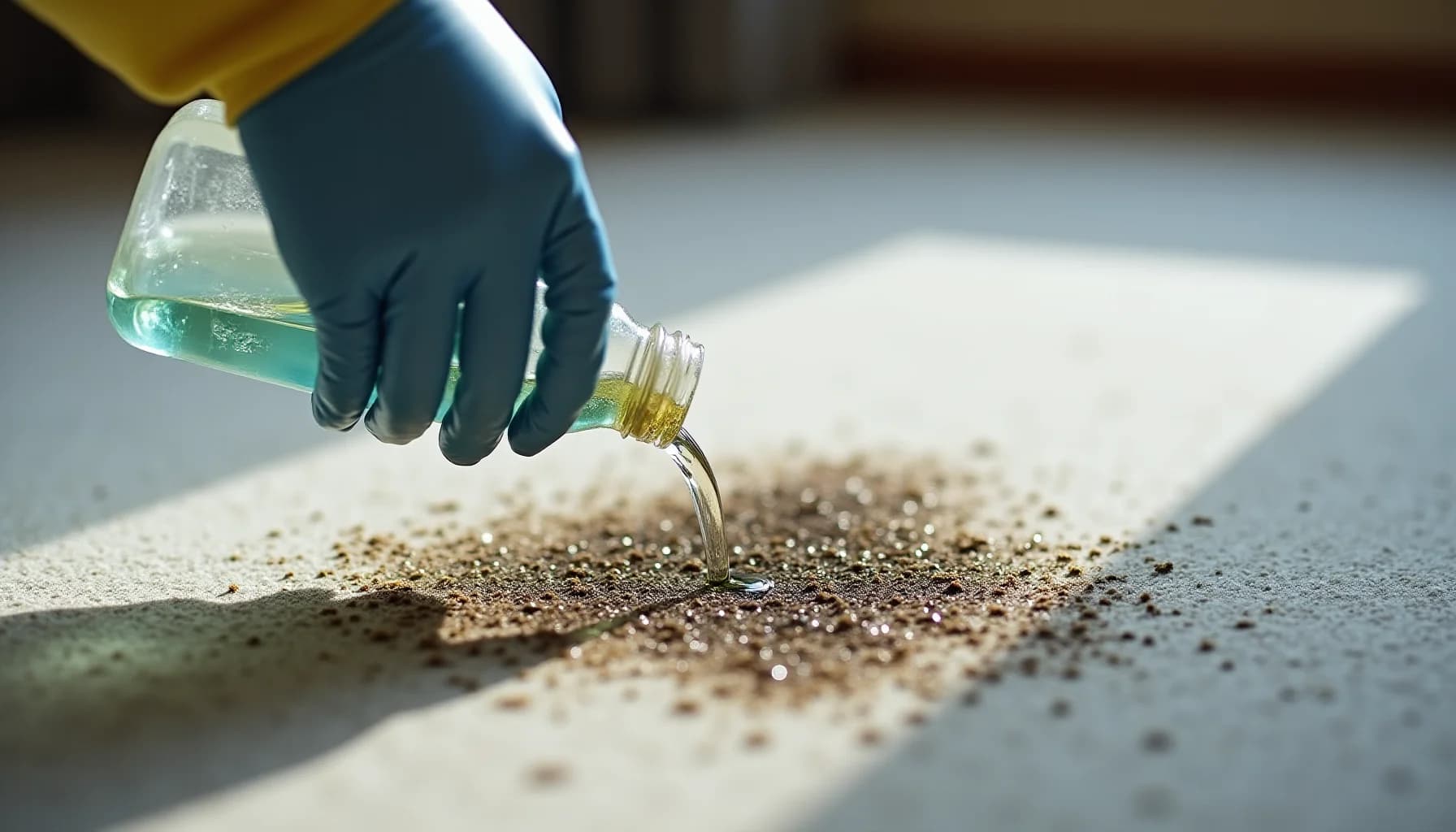
For blood, pour one cup of 3% hydrogen peroxide directly onto the stain and blot the foam it produces after five minutes, always using cold water since hot water sets blood permanently. For urine, spray a 50/50 mix of white vinegar and cold water, let it sit for five minutes, then blot dry. For general stains, mix one tablespoon of mild dish soap with one cup of cold water and dab it onto the stain, repeating until it lifts.
Use an enzyme cleaner for stubborn organic stains
Spray or pour an enzyme cleaner containing protease, lipase, and amylase directly onto blood, urine, or sweat stains, applying enough to keep the area visibly damp throughout the treatment. Leave it in place for 8 to 24 hours, since the biological enzymes need sustained contact time to fully break down the proteins at a molecular level.
Sprinkle baking soda to absorb residual moisture and odor
Once the stain has lifted, cover the damp area with a generous layer of baking soda and leave it for at least four hours, preferably overnight. Vacuum it completely off afterward. Note that baking soda handles odor and moisture absorption only; it does not remove stains on its own.
Dry the mattress completely before replacing bedding
Place the mattress in direct sunlight if possible, or run fans and open windows to maximize airflow until the treated area is fully dry to the touch. Putting bedding back on a damp mattress traps moisture inside the foam, which can lead to mold or mildew growth that typically requires replacing the mattress entirely.
How do you treat blood, urine, and sweat stains step by step?
Each of these three stain types has a different chemical makeup, so the step-by-step approach shifts depending on what you're dealing with.
Blood stains
Use cold water only, never warm or hot. Heat causes the proteins in blood to coagulate and bond permanently with fabric fibers, turning a treatable stain into a permanent one. Dampen a clean cloth with cold water and blot the stain from the outer edge toward the center, lifting as much as possible before applying any cleaner. Then apply one cup of hydrogen peroxide directly to the stain. It will foam on contact as it reacts with the proteins. Blot that foam away gently, let the area sit for five minutes, then blot again with a cold, damp cloth to clear the residue. For stains that have already dried, an enzyme cleaner containing protease is your best option. Spray it on, keep the area damp, and allow 8 to 24 hours for the enzymes to break down the proteins at a molecular level.
Urine stains
Act immediately. Blot up as much liquid as you can with a dry towel, pressing firmly without rubbing. Mix equal parts white vinegar and cold water in a spray bottle, apply it to the stained area, and let it sit for five minutes, then blot dry. Sprinkle a generous layer of baking soda over the damp area and leave it for 4 to 8 hours to draw out remaining moisture and odor. Vacuum off the baking soda once it has fully dried. For a deeper treatment of set-in urine, the full process in how to clean pee out of a mattress covers persistent odor removal in more detail.
Sweat stains
Yellow discoloration from sweat responds well to a diluted hydrogen peroxide solution, applied lightly rather than poured on. Test it on a hidden corner first, since it can lighten certain fabrics. Alternatively, sprinkle baking soda across the stained area and leave it for several hours in a well-ventilated room. Baking soda alone will not lift the stain, but it reduces odor while the area airs out. For the stain itself, a diluted enzyme cleaner with both protease and lipase handles the mix of proteins and fats that sweat deposits over time.
How do you dry a mattress completely after cleaning it?
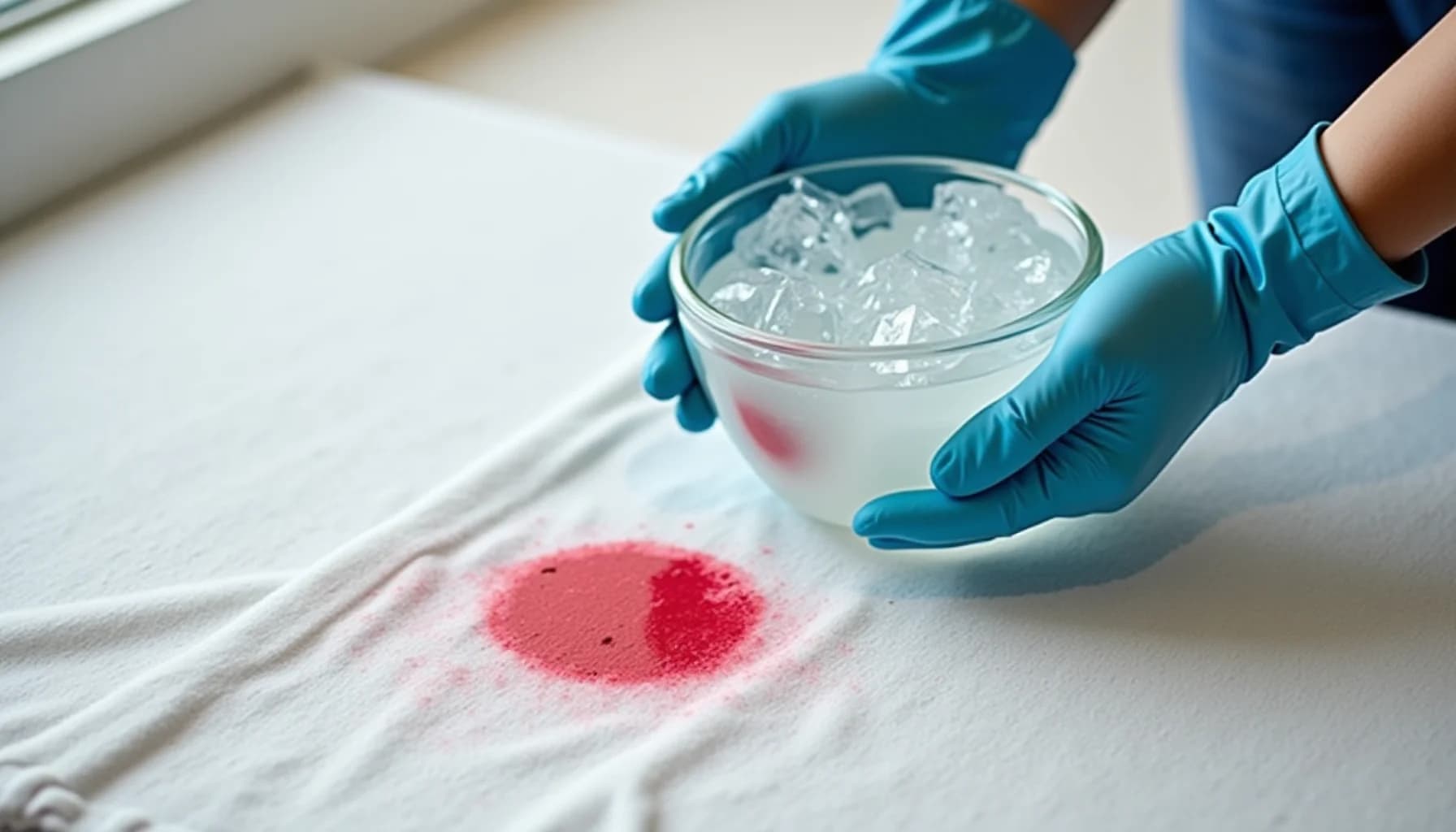
Once you have treated and blotted a stain, the single biggest mistake most people make is remaking the bed too soon. Moisture trapped inside a mattress, particularly inside memory foam, has nowhere to go and will eventually breed mold or mildew. At that point, surface cleaning becomes irrelevant; a mattress with mold growth typically needs to be replaced entirely.
The gold standard for drying is direct sunlight. If you can safely move your mattress outside, prop it against a fence or lay it flat in a sunny spot with good airflow and leave it for several hours. UV light accelerates evaporation and carries a mild disinfecting effect. For most homeowners, though, carrying a mattress outside is impractical. In that case, stand the mattress on its side near an open window so air can circulate around both faces rather than just one. Point one or two box fans directly at the damp area and run them on their highest setting. If you have central air conditioning, turn it on; dry, climate-controlled air pulls moisture out of foam faster than stagnant room air.
Baking soda is useful at this stage. After blotting away as much liquid as possible, sprinkle a generous layer of baking soda over the treated area and leave it for at least four hours, overnight if you can. It draws residual moisture toward the surface, where it can evaporate or be vacuumed away. Remove the baking soda completely with a vacuum before assessing whether the mattress feels dry.
Press the back of your hand firmly against the treated area before deciding it is ready. If it feels even slightly cool or damp, continue drying. Foam retains moisture well below the surface even when the top layer feels dry to the touch. Give the mattress a minimum of 24 hours before putting fitted sheets back on.
| Drying Method | Drying Speed | Mold/Mildew Risk | Best Used When |
|---|---|---|---|
| Direct sunlight | Fastest | Lowest | Weather permits, portable mattress |
| Fans plus open windows | Moderate | Low | Indoors, no sunlight available |
| Air drying indoors, no airflow | Slow | High | Last resort only |
| Dehumidifier in closed room | Moderate | Low | Cold or rainy weather |
Do mattress cleaning myths make stains harder to remove?
Several widely repeated cleaning tips actively make mattress stains harder, or impossible, to remove. Knowing which ones cause real damage is worth more than any list of cleaning products.
Baking soda removes stains. It does not. Baking soda absorbs surface odors and draws out a small amount of moisture, which is genuinely useful after you have already treated a stain. Applied alone to a urine or blood mark, it leaves the underlying proteins completely intact. The stain stays, and the delay costs you the window when removal was easiest.
Hot water is safe for most stains. This one causes irreversible damage. Hot water denatures the proteins in blood, bonding them permanently to foam fibers. Once that happens, no enzyme cleaner or detergent will fully reverse it. Always use cold water on any protein-based stain, including blood, urine, and sweat. If you have already treated a bloodstain with hot water and it has turned dark and fixed, stop. No DIY method will recover it at that point, and a professional cleaner should assess whether anything can be done.
Stains fade on their own over time. They do not fade; they oxidize and set deeper into the foam's cellular structure, turning progressively darker over days and weeks.
A mattress protector makes cleaning unnecessary. Protectors reduce the frequency of stains reaching the mattress, but dust and debris penetrate the protector over time and settle into inner layers regardless. For anyone managing recurring urine stains specifically, the full treatment process is covered in how to clean pee out of a mattress.
If you find visible mold or mildew growth, stop all DIY attempts immediately. Surface vacuuming will not remove mold that has penetrated foam, and disturbing mold spores without containment creates a health hazard. A mattress with confirmed mold growth should be replaced, not treated at home.
Frequently asked questions
Does hot water help remove blood stains from a mattress?
Why should I avoid soaking my mattress when cleaning it?
What is the most effective cleaner for organic stains like urine or blood?
Can baking soda alone remove a stain from my mattress?
When should you replace your mattress instead of cleaning it?
The honest answer is that cleaning has a ceiling. If you open your mattress to find visible mold or mildew colonies, no DIY method will fully resolve it. Surface spores can sometimes be vacuumed away, but mold that has penetrated the foam layers is extremely difficult to remove completely and poses genuine health risks. At that point, replacement is the safer and more practical choice, not a cleaning upgrade.
That outcome is almost always the result of accumulated moisture over months or years, which is why prevention habits matter far more than any single cleaning session. Fit your mattress with a quality waterproof protector from day one. While protectors are not a permanent barrier, they significantly slow how quickly spills and sweat reach the foam layers beneath. Wash the protector regularly so dust and debris don't eventually work through it.
Strip your bedding weekly and give the mattress surface a quick vacuum pass. Every month, spot-check for any discoloration and address it before it sets. Experts recommend a proper mattress clean at least every six months, working through the methods in this article based on whatever stain types have appeared. If you're dealing specifically with urine that has already soaked through, treat it promptly because ammonia and bacteria from urine accelerate the kind of deep moisture damage that shortens a mattress's usable life considerably.
How this article was made
Researched and written with AI assistance. What gets published is a human editorial decision. Grounded in 8 cited sources.
Edited by Claire Mercier, Editor. The guides are written with AI assistance.
Sources (8)
- How to Clean & Spot-Treat a Mattress | Clorox™
- How to Remove Tough Stains From Your Mattress | Saatva
- How to Get Stains Out of Your Mattress - John Ryan By Design
- Easy Ways to Remove Mattress Stains With Household Items
- How to Get Stains Out of a Mattress | Bed Guru
- How to remove mattress stains and smells — get rid of pee, vomit, yellow marks and more
- How to Clean a Mattress
- 7 proven hacks to remove yellow stains from your mattress and pillows