The Right Way to Clean Luxury Vinyl Flooring Without Wrecking It
Part of Floor Cleaning · article 7 of 10
Mop luxury vinyl flooring weekly using hot water and a pH-neutral cleaner applied with a well-wrung mop, then immediately dry any remaining moisture with a microfiber cloth. The floor's wear layer stays intact as long as you skip steam mops, wax, bleach, and abrasive scrubbers, all of which strip or scratch the protective coating that keeps the planks from warping.
What should you use to clean luxury vinyl floors?
The short answer is pH-neutral cleaners, because luxury vinyl flooring has a protective wear layer that reacts badly to chemistry outside that narrow range. Acidic or alkaline products, including ammonia, bleach, and soap-based detergents, break down that coating over time, leaving the surface dull and far more vulnerable to scratching and moisture intrusion. Once the wear layer degrades, dirt and water find their way into the planks themselves, which is when real structural damage begins.
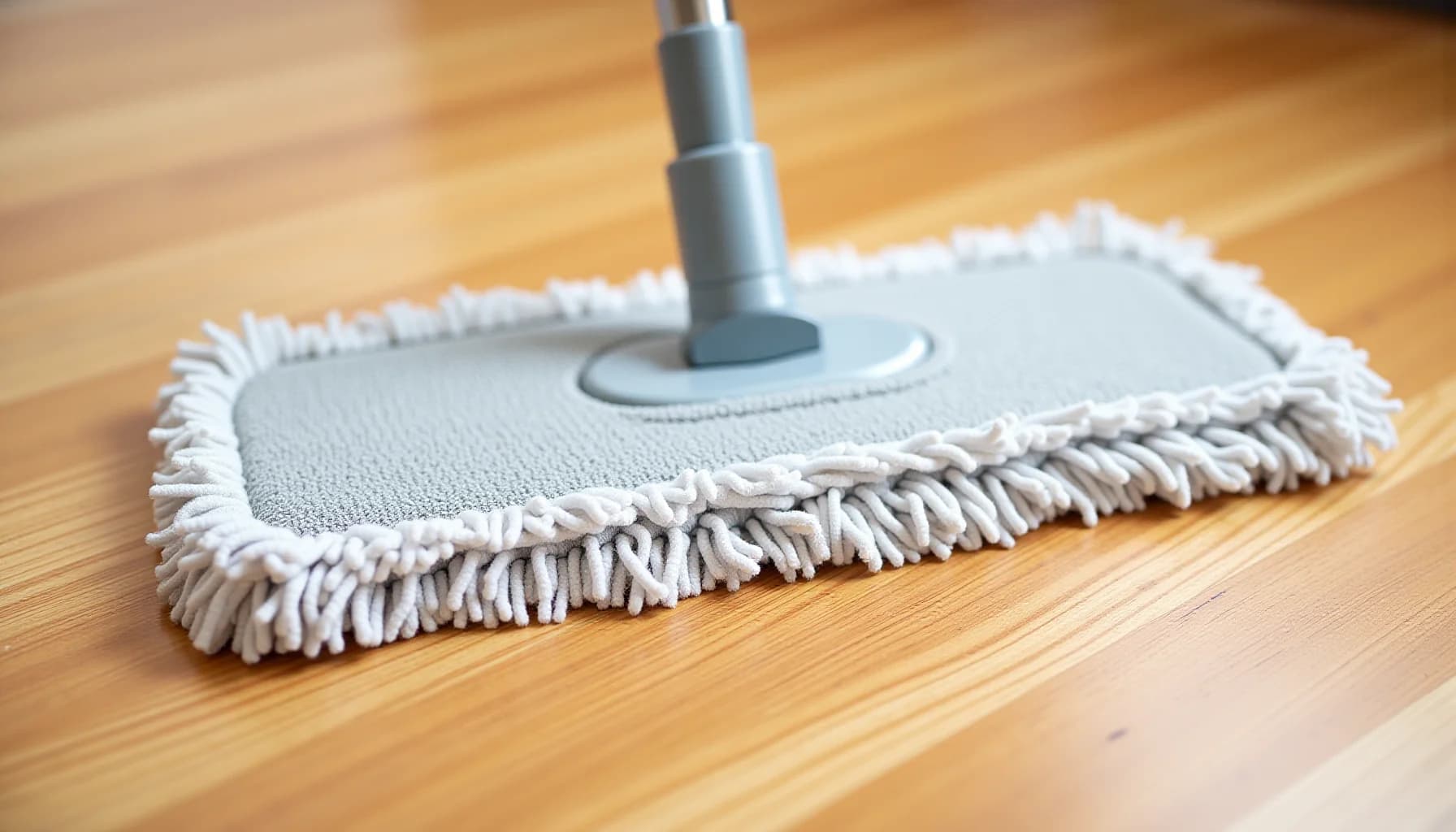
For routine dry cleaning, use a vacuum on its bare-floor or hard-floor setting. This matters because the beater bar spins at high speed to agitate carpet fibers, and dragging that across vinyl scratches the wear layer. Auto mode or a manual hard-floor switch disengages it. A microfiber dust mop works equally well for quick passes between vacuuming sessions.
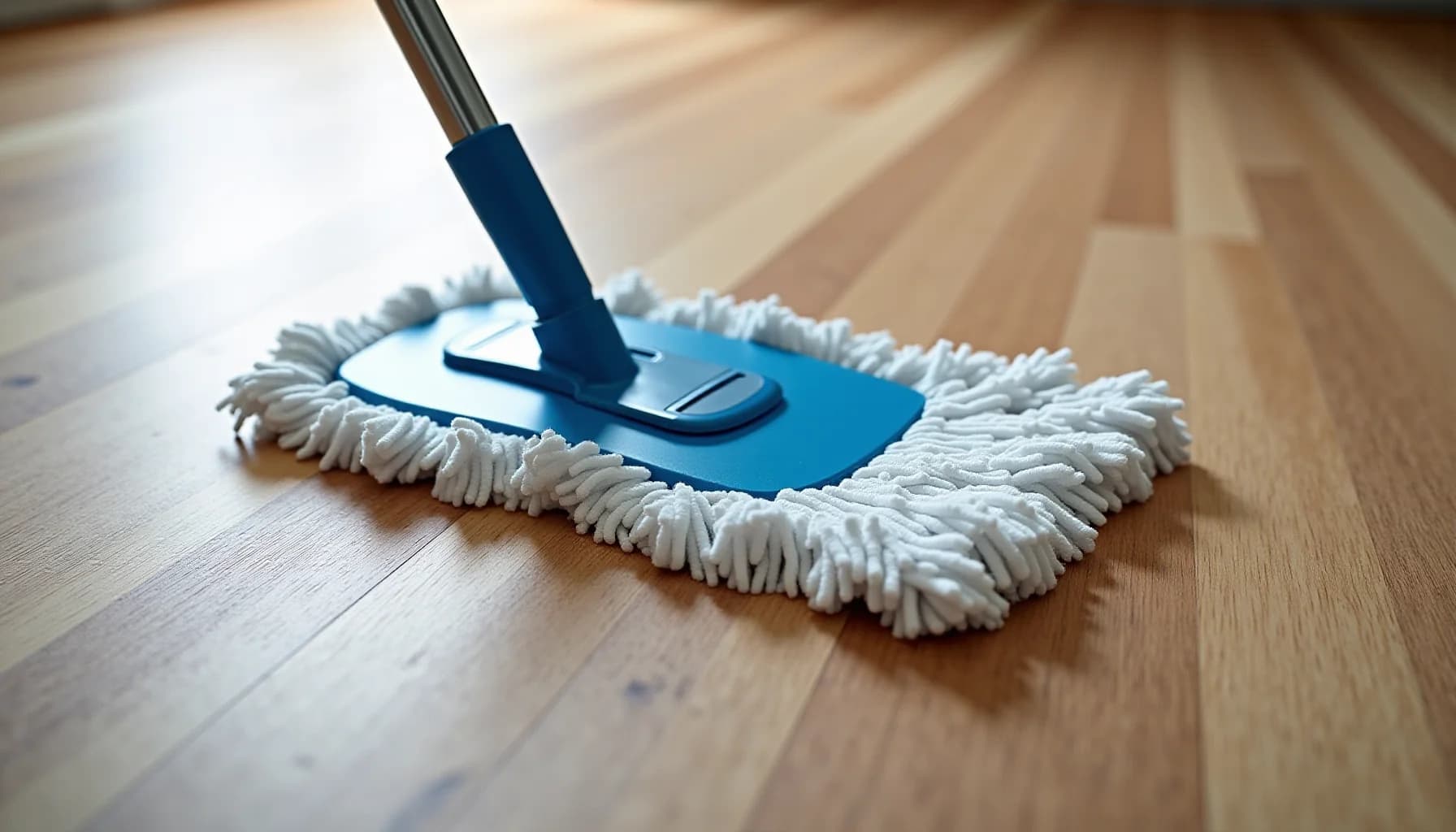
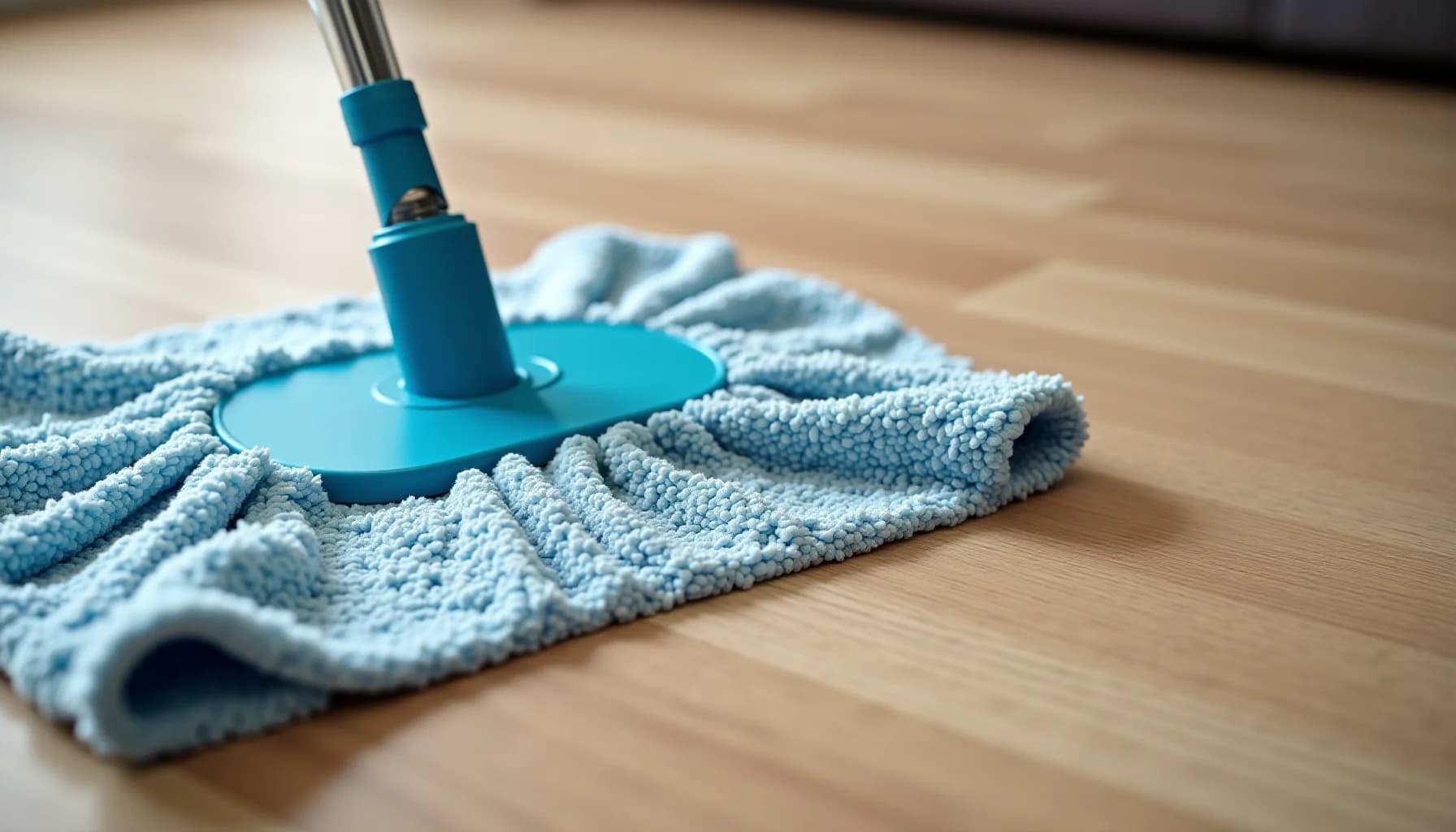
For damp mopping, mix one cup of white vinegar into a gallon of hot water. If the floor is greasier than usual, add two drops of dish soap to that same solution. The vinegar provides mild acidity that cuts through grime without being aggressive enough to strip the coating. Wring the mop thoroughly before it touches the floor. You want the mop damp, not wet, because excess moisture that pools or sits in seams causes the buckling and warping that vinyl is specifically designed to resist.
Avoid "mop-and-shine" products, wax, and anything marketed as a resurfacing treatment. Wax does not bond to vinyl the way it does to hardwood; it simply sits on top, builds up, and eventually creates a cloudy, uneven film. If you are ever uncertain whether a product is safe for your specific floor finish, checking a floor-type cleaner guide before you apply anything new is a reasonable step.
Repeat the damp mop routine every two weeks, and dry any remaining moisture with a clean microfiber cloth immediately after.
What damages luxury vinyl floors and how can you prevent it?
Most damage to luxury vinyl flooring happens gradually, through small daily choices that compound over time. Understanding where that damage starts helps you stop it before it becomes irreversible.
The wear layer is the first thing to go. Dirt and grit tracked across the surface act like sandpaper, and once those fine scratches accumulate, moisture has a path to the core. On planks without a fully rigid core, that moisture leads to swelling and eventually rot. Preventing this starts at the door: place mats at every entrance to trap soil and moisture before it reaches the floor. Avoid mats with latex or rubber backings though, since those can cause yellowing or discoloration over time. Felt pads under all furniture legs will stop dents and scratches from forming where you least expect them.
Never slide heavy furniture across the floor. Dragging even a moderately heavy chair can gouge the surface in a single move. Lift and carry what you can, and use furniture sliders for anything that needs to be repositioned.
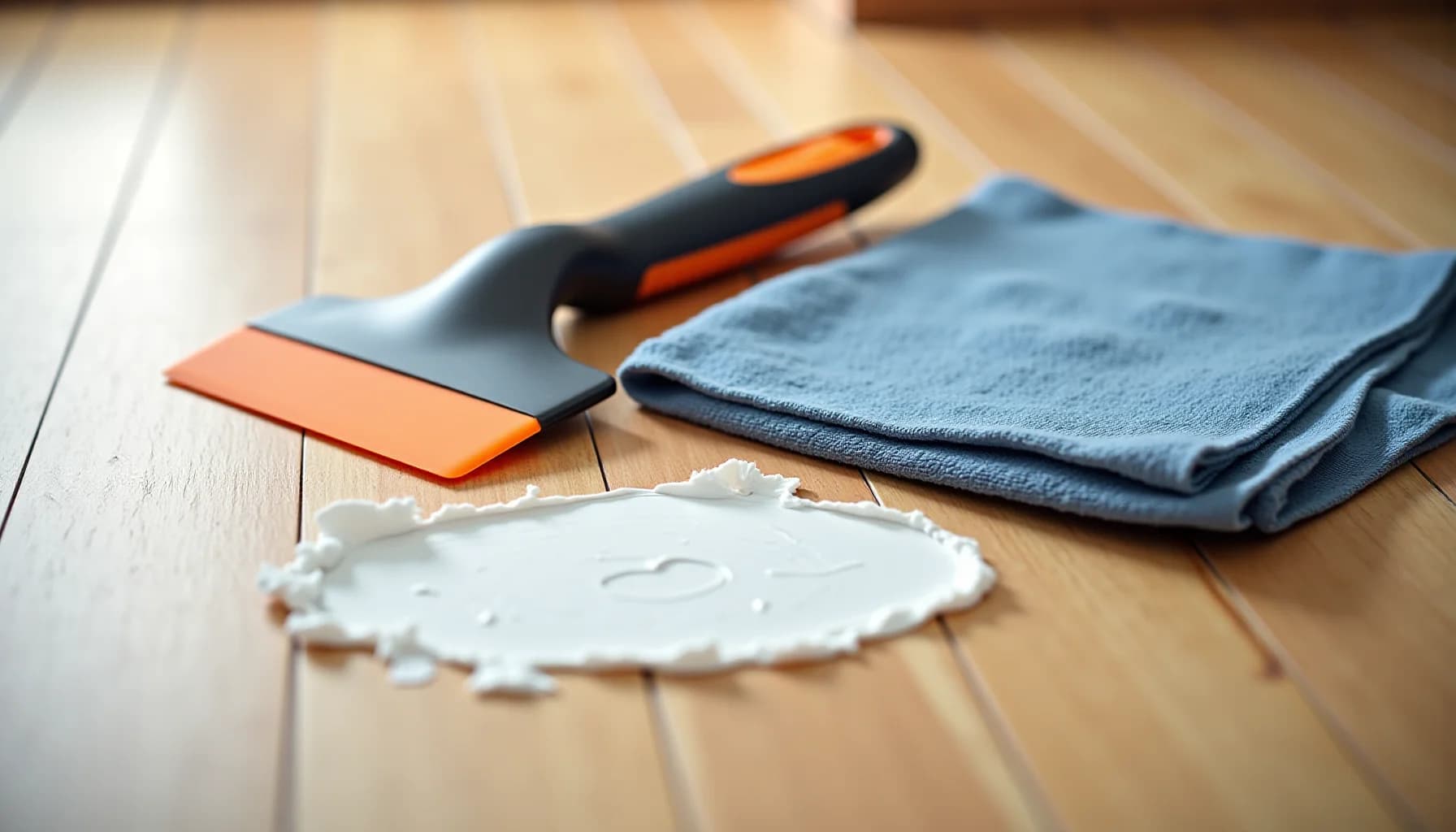
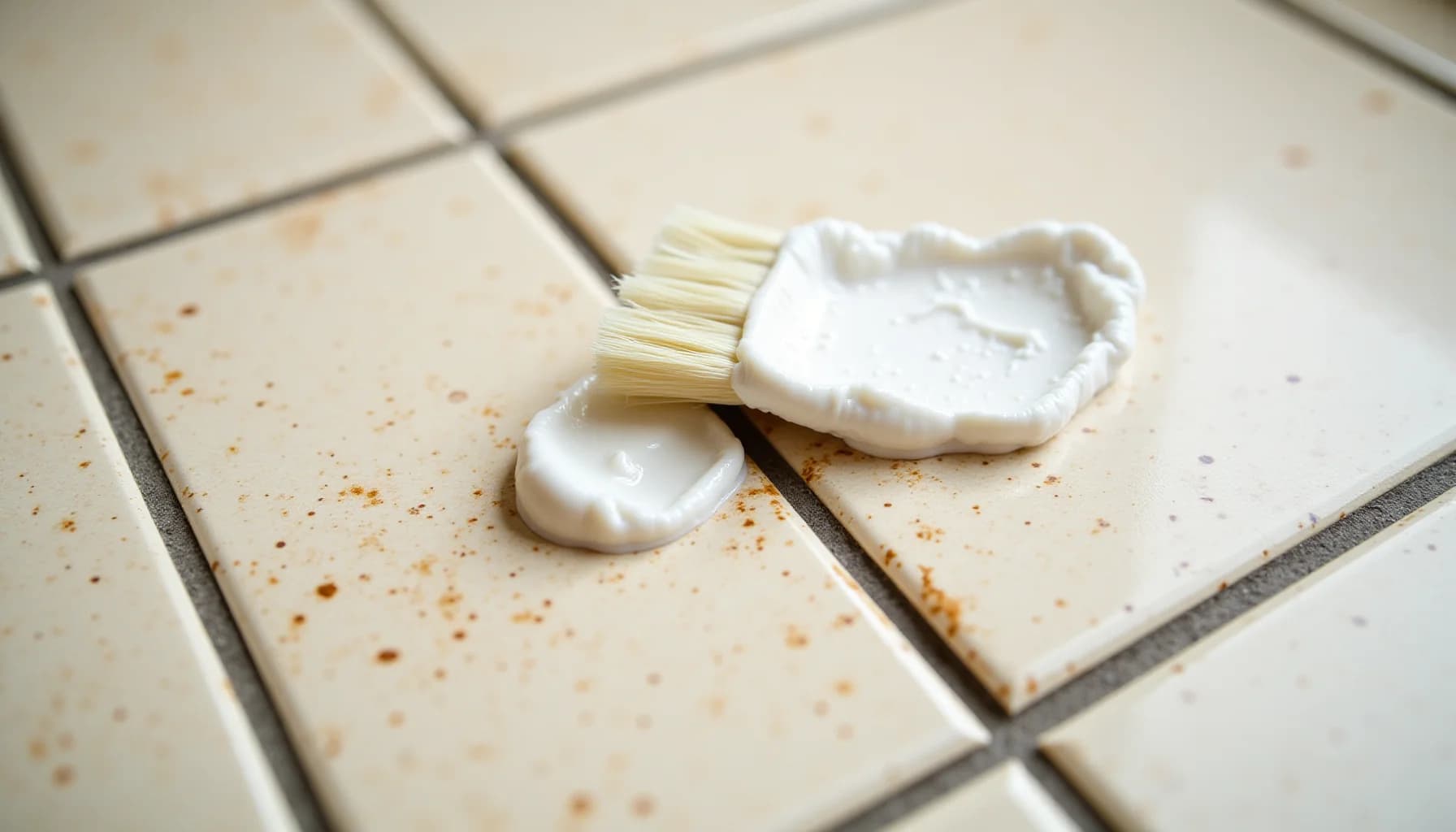
Spills are where the timeline shrinks fast. When liquid sits in or around seams, it works its way down, and the floor starts to buckle or warp from beneath. Blot spills immediately with a dry cloth or paper towel. Do not rub: rubbing spreads the liquid and pushes it further into the surface. For stubborn stains such as rust, urine, dye markings, grass, or food, start with a full-strength vinyl cleaner. If that doesn't lift it, move to a 10-to-1 water-to-bleach dilution, then isopropyl alcohol as a last resort.
Rubber-backed rugs left in place are another slow offender, staining the floor through contact over time. Swap them for fabric-backed or vinyl-safe alternatives and you remove the risk entirely.
How this article was made
Researched and written with AI assistance. What gets published is a human editorial decision. Grounded in 8 cited sources.
Edited by Claire Mercier, Editor. The guides are written with AI assistance.
Sources (8)
- Vinyl Floor Care & Maintenance | Shaw Floors
- How to Clean Luxury Vinyl Flooring: Care & Steam Mop Tips
- Luxury Vinyl Care & Maintenance - Great Floors
- How to Clean Vinyl Plank Flooring
- The Clean Routine Your Vinyl Floor is BEGGING You to Follow
- How to Clean Luxury Vinyl Plank Flooring Safely
- How to Clean Luxury Vinyl Plank Flooring: Best Methods & Mistakes to Avoid
- How to Clean Vinyl Plank Flooring: Dos and Don'ts - eufy US