Spring Cleaning Checklist: 30 Tasks for Every Room in Your Home
Part of Cleaning Checklists · article 5 of 9
30 tasks across 5 zones take about 10 h 25 min total. Start in the kitchen and work toward Utility and outdoor areas, the longest zone at 2 h 45 min.
On this page
Before you start
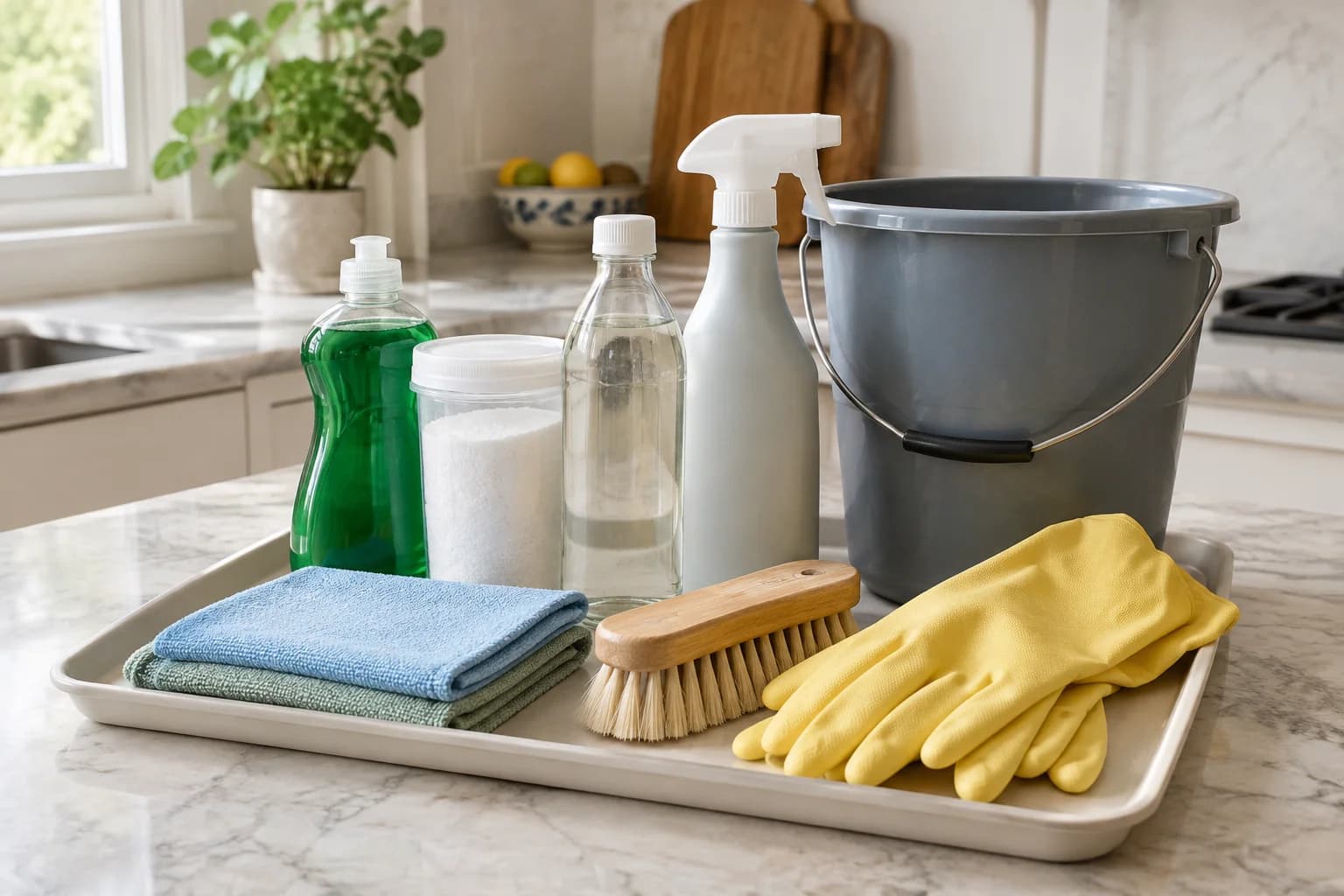
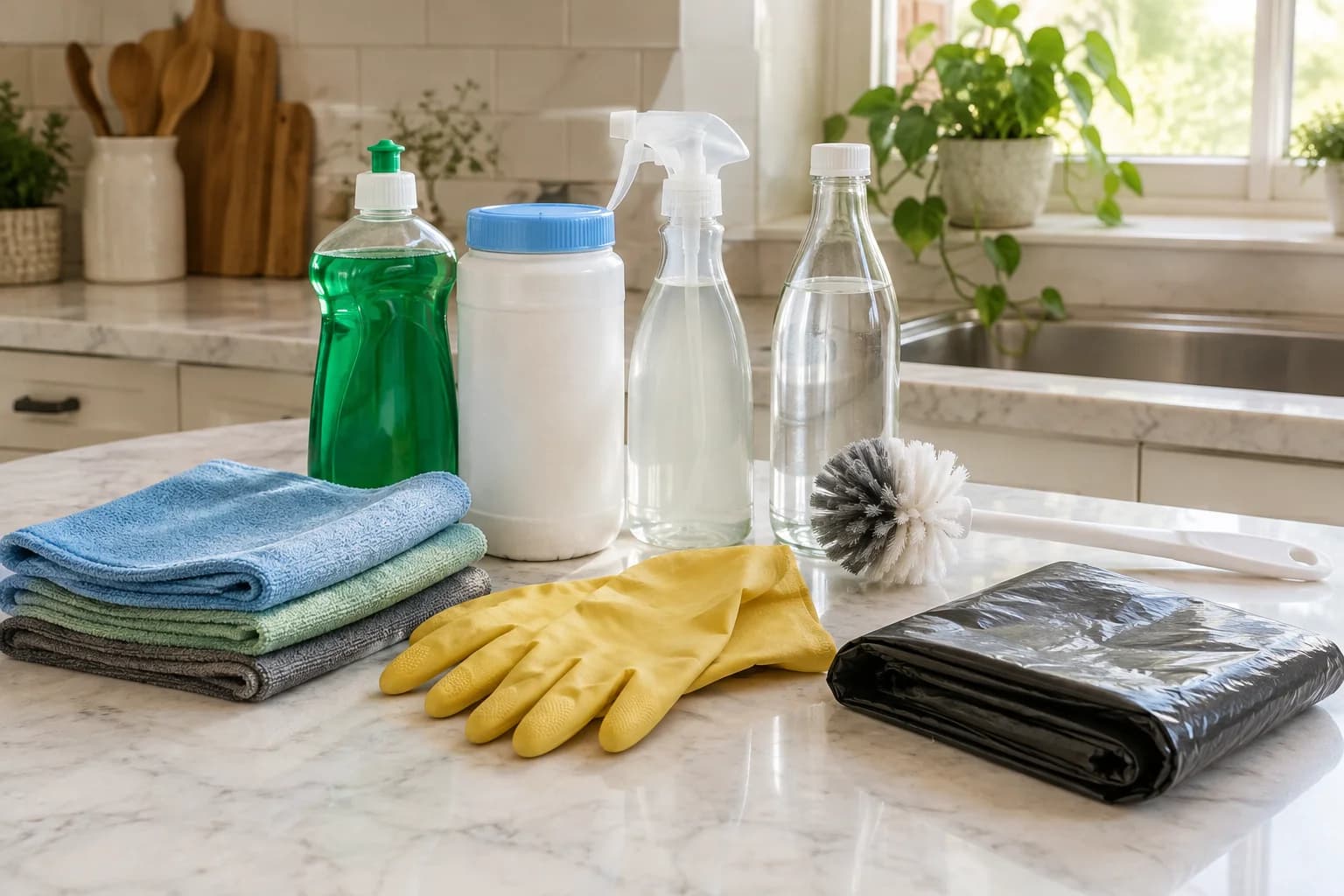
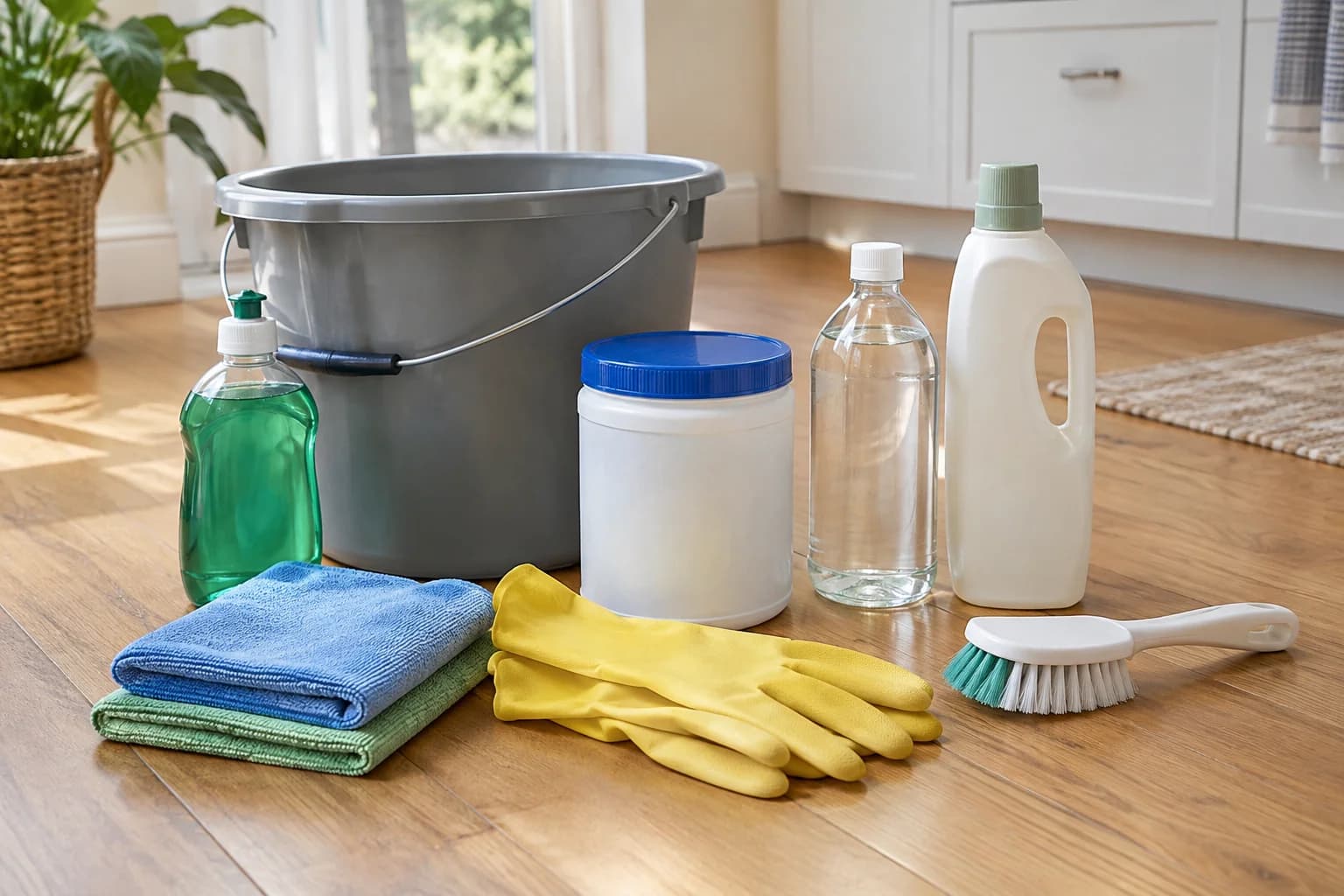
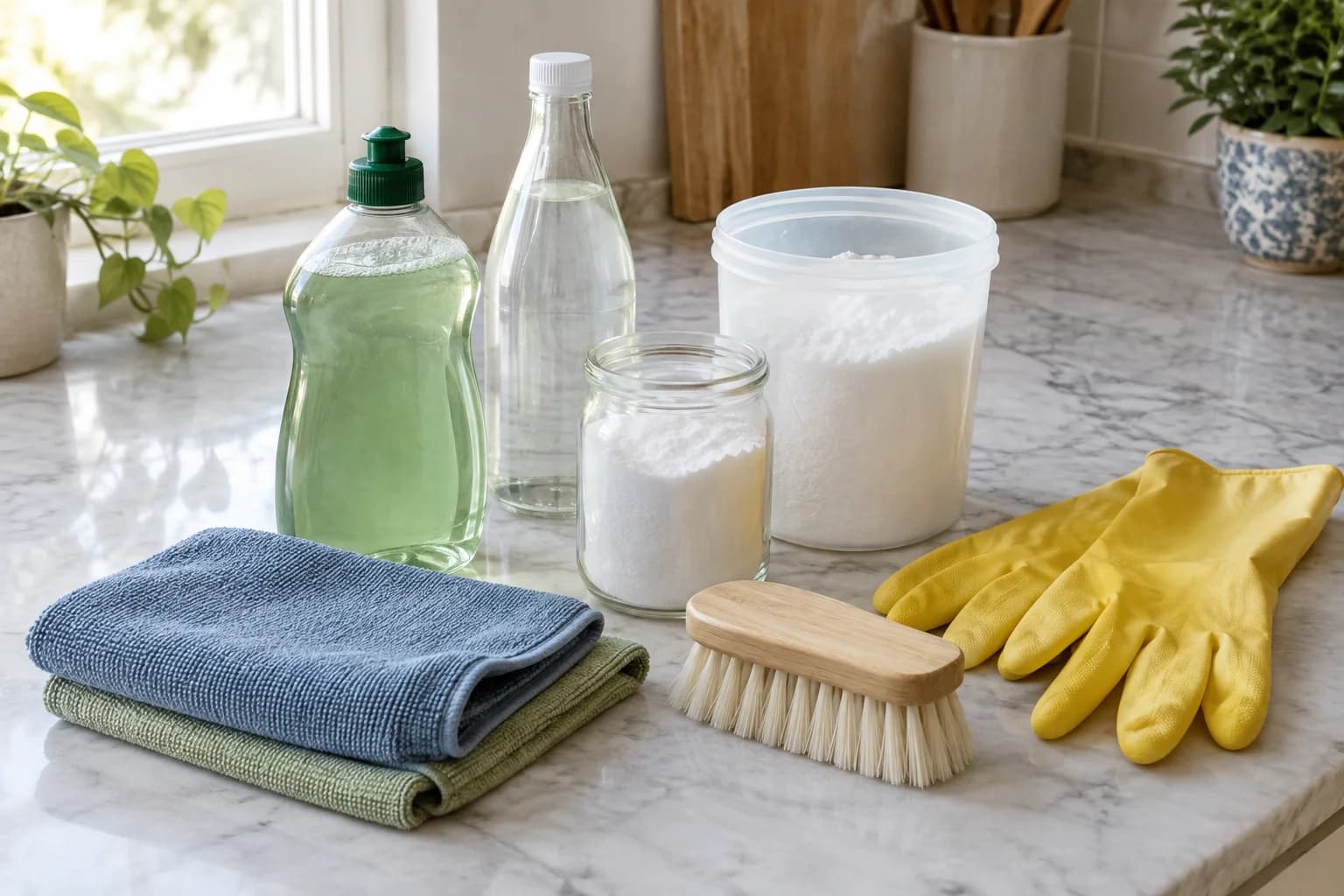
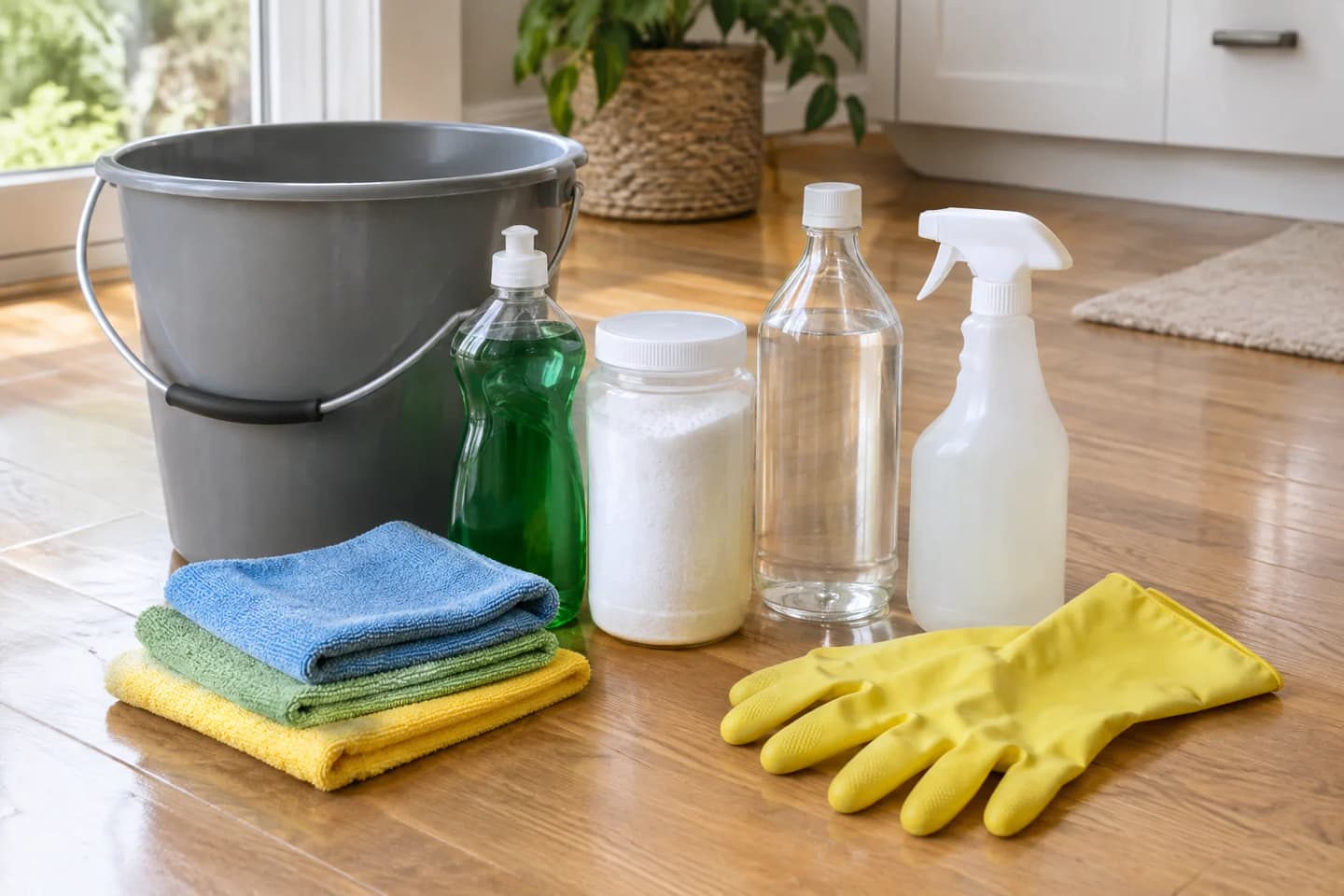
Gather a bucket, microfiber cloths, a vacuum with attachments, dish soap, oxygen bleach, a pH-neutral cleaner, white vinegar, and rubber gloves before you begin. Work room by room, moving from the highest surfaces down to the floors so dust and debris fall where you'll clean last. Open windows for airflow, and never mix cleaning products together; rinse surfaces between different products instead. Walk through the home in this order: kitchen, bathrooms, living areas, bedrooms, then outdoor and utility zones.
Kitchen 1 h 55 min
Starting here makes sense because food residue hardens fastest, so grease on the stovetop and crumbs on the floor only get harder to remove the longer they sit. Clean the refrigerator before the countertops, since spills inside it can drip out and undo your work on the surfaces below. You'll know this zone is done when the floor is the last surface touched, not the first.
- 15 min
- 30 min
- 20 min
- 15 min
- 15 min
- 20 min
Bathrooms 1 h 50 min
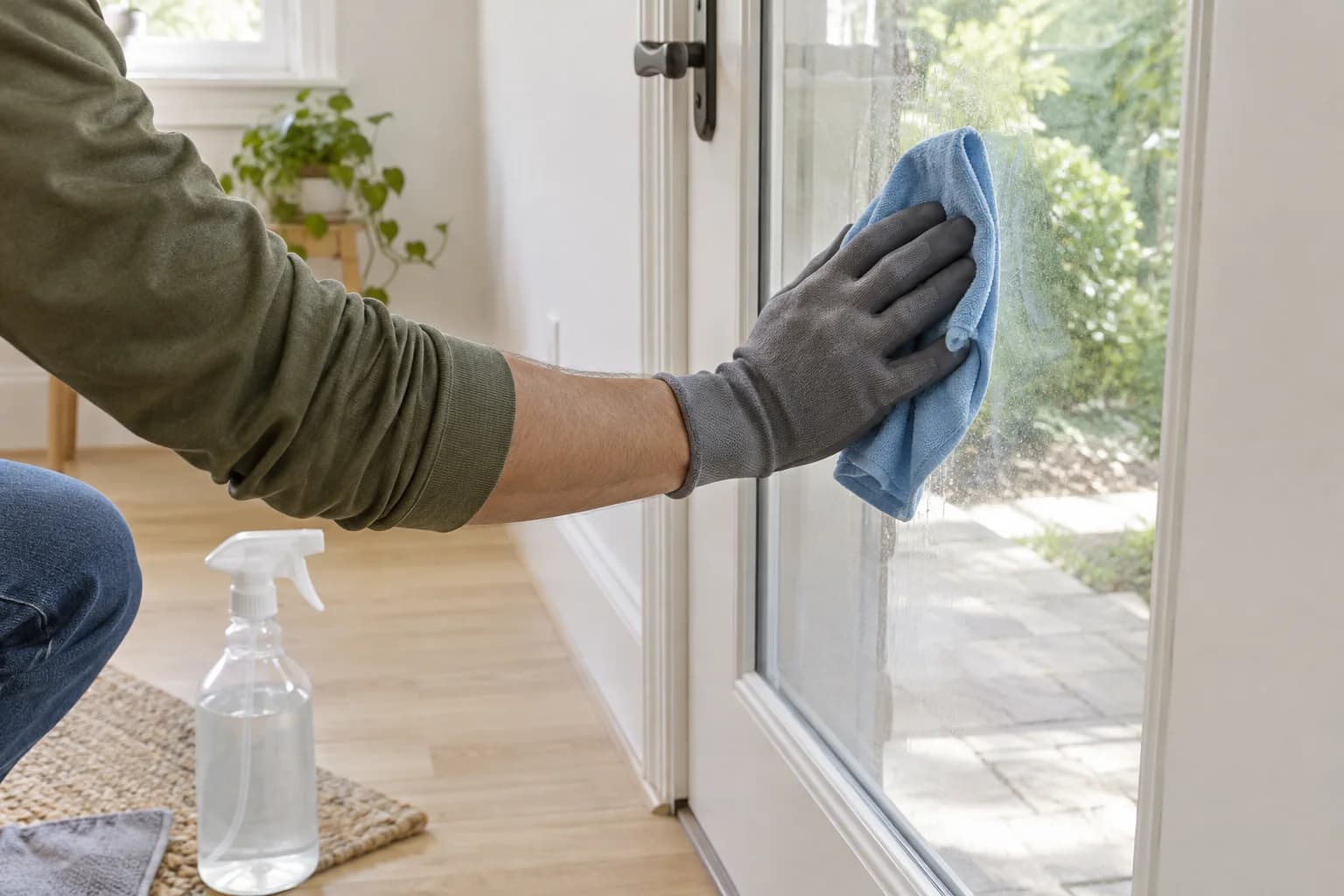
Soap scum and mineral deposits respond better to a short soak than to hard scrubbing, so let the shower tile sit with cleaner before you move to the toilet. A common mistake is washing mats and curtains last; do it early so they have time to dry while you finish the floor. This zone is finished once the mirror shows no streaks under direct light.
- 25 min
- 35 min
- 15 min
- 10 min
- 10 min
- 15 min
Living areas 2 h
Dust always falls downward, which is why ceiling fans come before carpets in this zone rather than after. Skipping the baseboards is easy to do but leaves a visible line of dust once the floors are clean, so don't treat trim as optional. You'll notice the room is done when upholstery no longer releases dust when pressed.
- 15 min
- 20 min
- 20 min
- 25 min
- 10 min
- 30 min
Bedrooms and closets 1 h 55 min
Decluttering before vacuuming saves time, since sorting the closet first means you won't vacuum around piles twice. Mattress care is easy to forget between seasons, so flipping or rotating it here keeps wear even without adding a separate reminder. This zone wraps up once closets are vacuumed last, after shelves and floors are clear of items.
- 15 min
- 10 min
- 40 min
- 15 min
- 15 min
- 20 min
Utility and outdoor areas 2 h 45 min
This zone runs longest mainly because of the washing machine's hour-long cycle, so start it first and clean the dryer vent while it runs. Gutters depend on stable weather and a steady ladder, so treat that task as flexible rather than fixed to a strict order. You'll know this zone is complete once the bins and patio are dry, not just rinsed.
- 1 h
- 10 min
- 10 min
- 20 min
- 20 min
- 45 min
How to Work Through This Spring Cleaning Checklist: One Big Push or One Zone a Week
Both approaches work with the same 30 tasks across 5 zones, so pick based on how much time you actually have free in one stretch versus scattered across weeks.
For the one-off push, block out most of a weekend: with all 30 tasks totaling about 10 h 25 min, two people splitting the list can realistically clear it in a day and a half, starting with Utility and outdoor areas since that zone alone runs 2 h 45 min and tends to stall if left for last when energy is lowest. For the zone-a-week approach, tackle one zone every Saturday morning for five weeks, which keeps each session under three hours and spreads the heavier zone out instead of front-loading it.
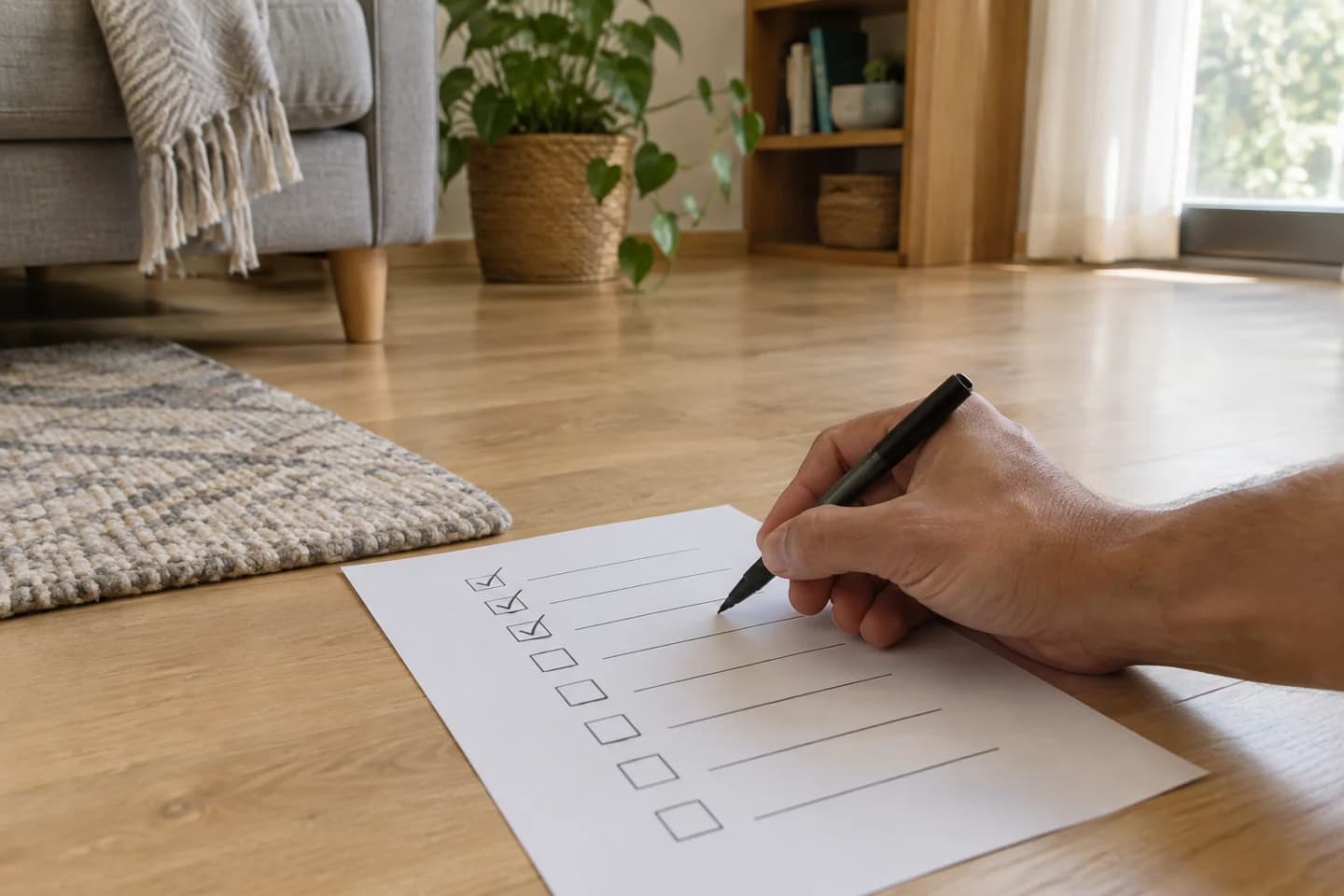
To track progress, print the checklist and check off tasks as you go, or keep a copy on your phone and mark items complete in any note-taking app. Either way, jot the date beside each finished task so you can see at a glance which zones are done and which still need attention next weekend.
If you'd rather build your own version, strip out the task descriptions and keep just the room-by-zone structure, then fill in the chores that actually apply to your home. This works particularly well for homes that don't have, say, a garage or a fireplace, or that need extra lines for things like window tracks or blinds that a generic list won't cover in detail.
Short on Time? Which Tasks Matter Most and Which Can Wait
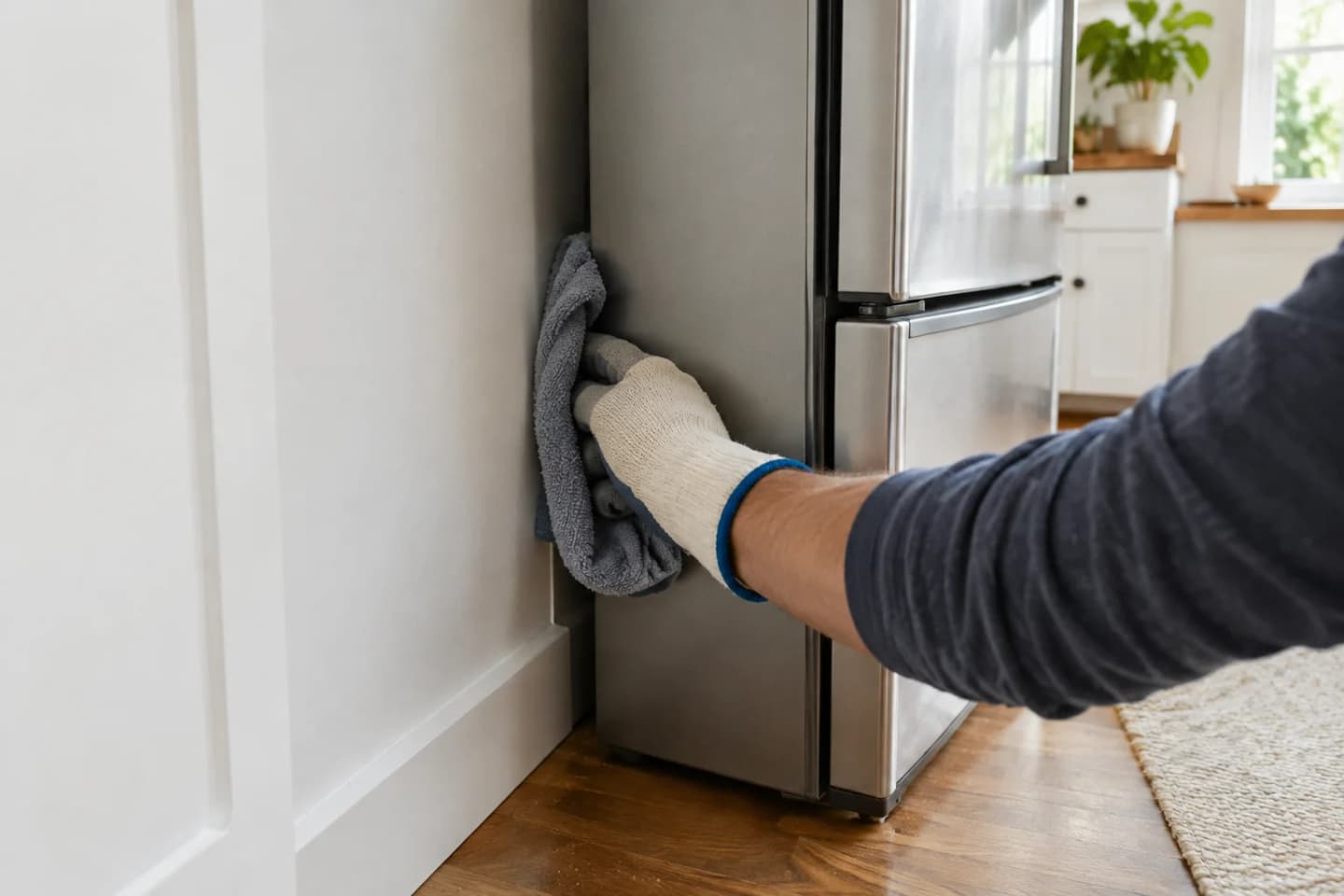
If you can't get through all 30 tasks and about 10 hours and 25 minutes of work in one stretch, prioritize by consequence, not visibility. Tasks that prevent damage or protect air quality come first: cleaning behind the refrigerator and under appliances where grease attracts dust, washing windows and tracks before pollen season peaks, and tackling the utility and outdoor zone, the longest at 2 hours 45 minutes, since neglected gutters, dryer vents, and exterior spigots cause real damage if left another year.
Tasks that can wait without consequence are mostly cosmetic: polishing baseboards, detailing light fixtures, or wiping down decorative items. These affect appearance but not function, so push them to a slower weekend.
A practical approach is to spread the list across several days using whatever block of time you actually have, rather than clearing a single long day. If you're deciding between a once-a-year push and a recurring routine, a zone cleaning schedule spreads similar tasks across the month so nothing piles up this dramatically again. For a shorter version of this same reset, a whole-house cleaning checklist covers the essentials without the seasonal extras.
Frequently asked questions
What is spring cleaning?
What are some practical spring cleaning tips?
Where can I find a full spring cleaning list?
How do spring cleaning and decluttering work together?
How long does it take to finish an entire spring cleaning checklist?
How this article was made
Edited by Claire Mercier, Editor. The guides are written with AI assistance.