The Right Way to Clean a Mirror Without Leaving Streaks
Part of Windows & Glass · article 7 of 7
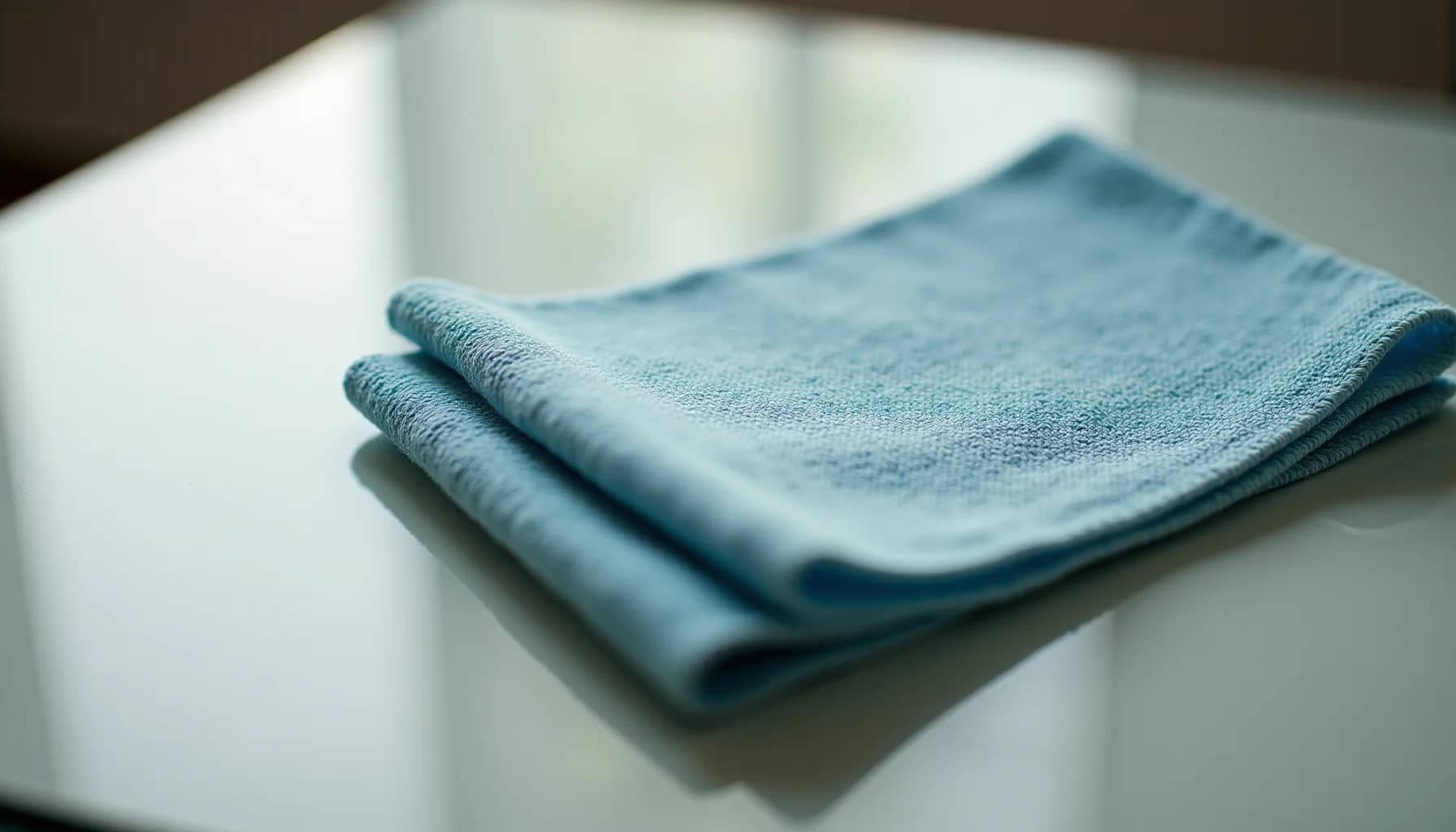
Spray your cleaning solution onto a clean microfiber cloth rather than directly onto the glass, then wipe side-to-side across the surface and buff the edges completely dry, since trapped moisture at the mirror's rim is the most common cause of the black tarnish marks that permanently damage the silver coating behind the glass. This same principle of keeping liquid away from vulnerable edges applies across glass surfaces in your home, including the frames and tracks covered in our guide to cleaning window tracks the right way.
Why does mirror construction change how you clean it?
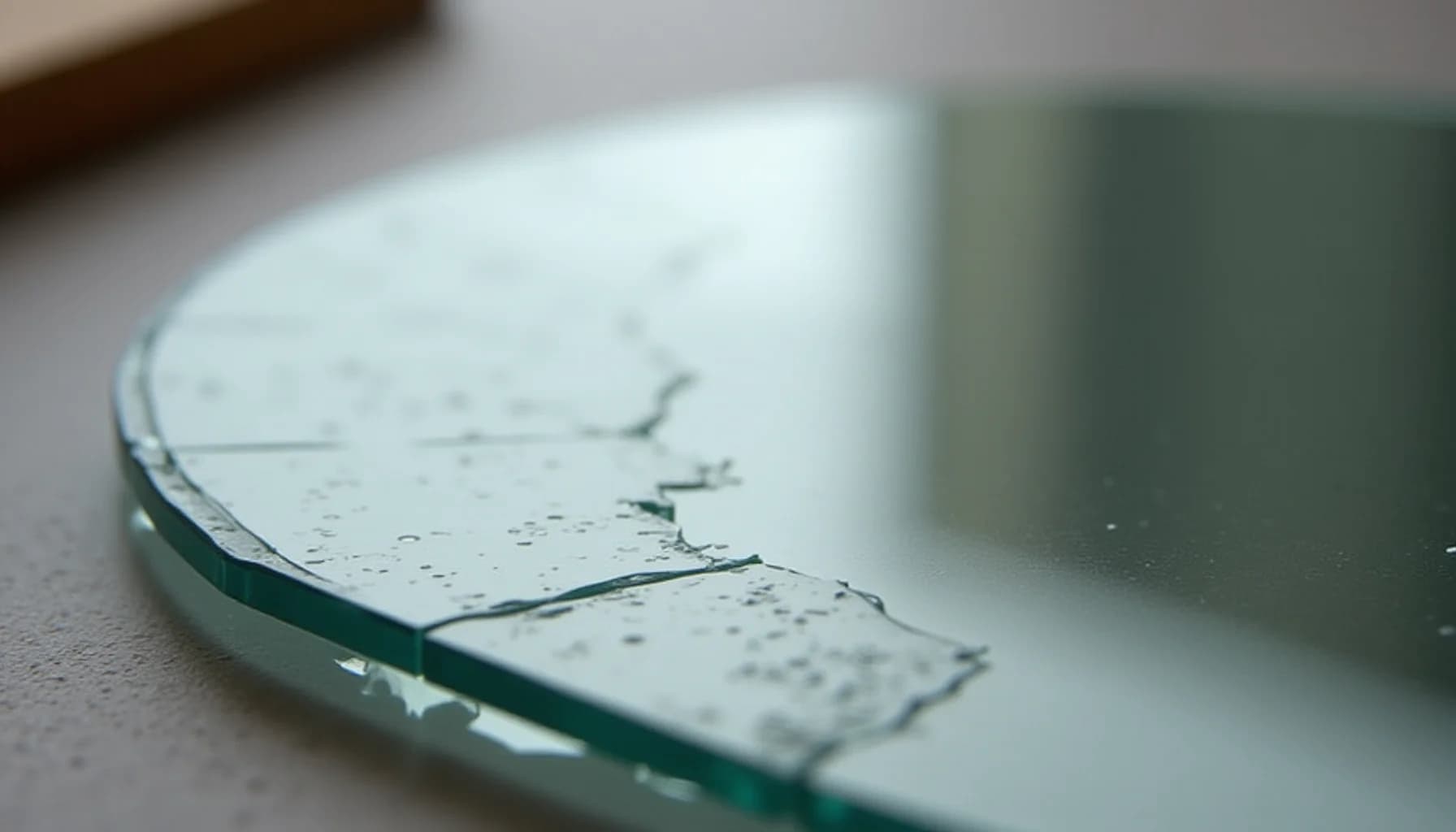
A mirror looks like a single object but is actually a layered sandwich, and the weakest part of that sandwich is invisible from the front. Behind the glass sits a thin silver or aluminum coating, which is the layer doing all the reflective work. Over that coating sit multiple layers of lacquer, applied to protect the metal from the air. The problem is that protection stops at the edges.
The perimeter of a mirror is where the silver coating is exposed, and that exposure is what makes liquid so dangerous during cleaning. Water, or any water-based cleaning solution, that pools near an edge can wick behind the glass by capillary action. Once moisture reaches the silver layer, it begins to corrode it. The result is what most people recognize as black spots or dark tarnish creeping inward from the corners of an older mirror. Those marks are permanent. No amount of cleaning removes them because the damage is behind the glass, not on it.
This vulnerability explains every meaningful decision in how you clean a mirror correctly. Spraying solution directly onto the glass creates puddles that migrate toward the edges before you can wipe them away. Soaking a cloth rather than lightly dampening it deposits more liquid than the surface needs, raising the same risk. Skipping the final dry buff leaves residual moisture sitting on the glass, especially along the bottom edge where it collects. Even the choice to dry the edges deliberately, rather than treating them as an afterthought, traces back to this same structural fact.
The glass itself is largely forgiving. The backing is not. Clean with that difference in mind, and the rest of the process follows logically.
How do you clean a mirror without leaving streaks?
Start with the mirror dry. Before any liquid touches the glass, run a clean, dry microfiber cloth across the surface to lift dust and loose debris. Skip this step and you will drag that grit through your cleaning solution, turning it instantly into a streak-producing slurry.
Next, mix equal parts distilled white vinegar and cold water in a spray bottle. Distilled water matters here because tap water carries the same dissolved minerals that cause hard water stains in the first place. Spray the solution onto your microfiber cloth, not onto the mirror. Spraying directly onto the glass lets liquid run toward the edges, where it can seep behind the silver coating and eventually cause black tarnish marks or rust spots that no amount of cleaning will fix.
Wipe the moistened cloth across the mirror in a side-to-side motion. Circular motions feel thorough but actually redistribute dust and product back over the glass, which is exactly how streaks form. Work your way down the mirror in overlapping horizontal passes, then immediately follow with a second dry microfiber cloth to buff the surface before any moisture has a chance to evaporate on its own and leave residue behind. Pay particular attention to the edges, pressing the dry cloth gently along the frame line to wick away any trapped moisture.
Common mistakes that cause streaks every time:
- Using a cloth that looks clean but has not been washed recently
- Overspraying, since excess product that does not fully evaporate leaves a cloudy film
- Reaching for paper towels, which leave lint, or newspaper, which can leave streaks with modern paper formulations
For stubborn sticky residue, apply a few drops of rubbing alcohol to a cotton pad and dab, do not scrub, until it lifts. For foggy bathroom mirrors, a thin layer of shaving cream buffed to clear creates a barrier that resists condensation between cleanings. For chalky white mineral deposits from hard water, mix baking soda and water into a paste the consistency of toothpaste, apply it gently, then rinse and buff dry.
How this article was made
Researched and written with AI assistance. What gets published is a human editorial decision. Grounded in 8 cited sources.
Edited by Claire Mercier, Editor. The guides are written with AI assistance.
Sources (8)
- Cleaning mirrors | Kärcher International
- How to Clean a Mirror for a Streak-Free Shine | Lowe’s
- Best Methods for Cleaning Vanity Mirrors and Treating Tough Stains
- How to Clean a Mirror: Easy Proven Steps
- www.chairish.com
- 4+ Surprising Ways to Remove Cloudiness from Mirrors
- How to clean a mirror without leaving streaks
- The Easiest Way to Clean a Mirror Without Streaks—Using Just 2 Pantry Ingredients