The Right Order to Clean a Bathroom (and the Products That Work)
Part of Bathroom Cleaning · article 1 of 16
On this page
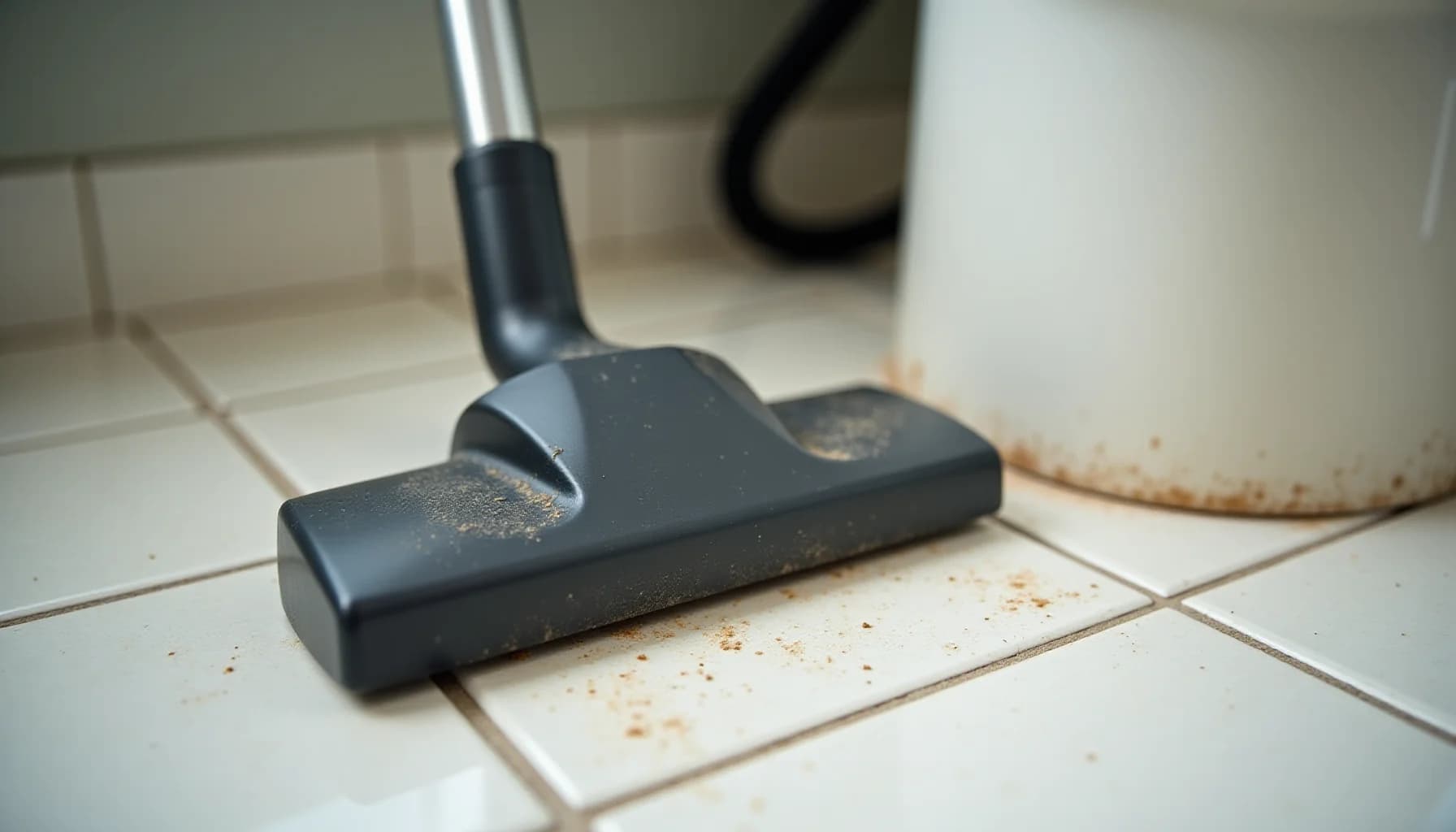
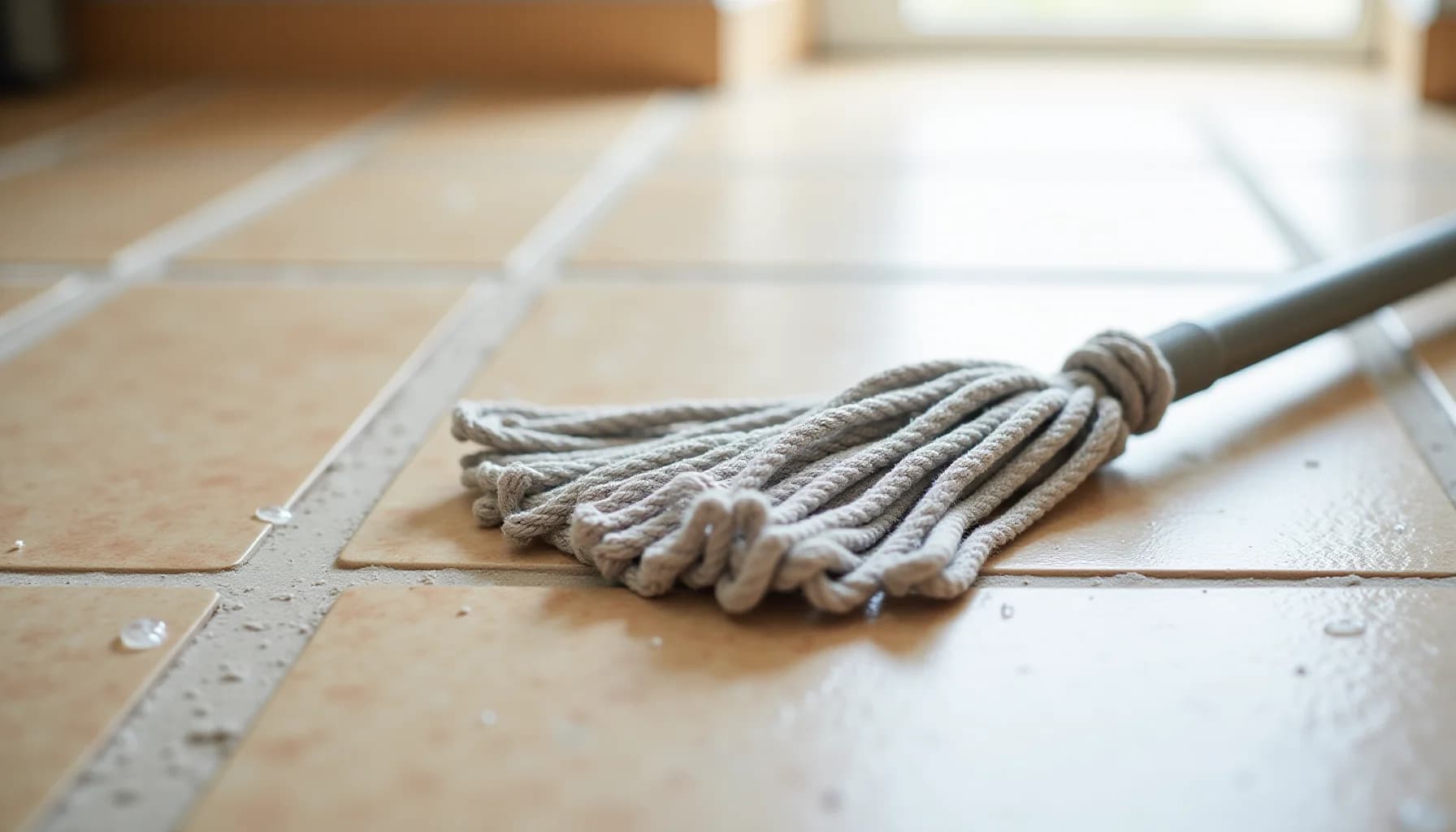
Start at the top and work down: dust and debris fall, so cleaning in the wrong order means re-doing surfaces you already finished. Begin with light fixtures and shelves, move to the mirror and countertop, then the sink, toilet, tub or shower, and finish with the floor. Vacuum around the toilet base and vanity before mopping so grit doesn't scratch the floor surface.
For products, use an EPA-registered disinfectant or white vinegar on most surfaces, and always open a window or run the exhaust fan — chemical fumes build fast in a small enclosed space. Never mix bleach with vinegar or ammonia-based cleaners; the combination produces toxic gases. Bleach disinfects and whitens but does not lift dirt, grease, or hard-water mineral deposits. If your toilet bowl has rust-colored rings or calcium buildup along the waterline, an acid-based cleaner dissolves those deposits far more effectively than bleach, which can actually set iron stains deeper. For grout, skip the vinegar-and-baking-soda combination on older or natural stone tile — acid erodes unsealed grout and permanently etches stone. A paste of baking soda and 3% hydrogen peroxide is a safer, more effective option for cleaning grout lines on ceramic or porcelain tile.
How often should you clean your bathroom?
Frequency depends almost entirely on how many people use the bathroom and how often. A single-person bathroom sees far less bacterial buildup than a family bathroom cycled through multiple times every morning, so no single schedule fits every home.
A practical framework for most households looks like this:
- Daily: Wipe down the sink, faucet handles, and mirror with a damp microfiber cloth. These surfaces accumulate toothpaste, soap, and fingerprints quickly and take under two minutes to address.
- Weekly: Scrub the toilet bowl (inside and under the rim) with a toilet brush and an appropriate bowl cleaner, clean the toilet exterior, scrub the shower and tub walls, and mop the floor after vacuuming around the toilet base, vanity, and baseboards first.
- Every three days: Swap out bath towels. Towels stay damp between uses, and that moisture combined with skin cells creates exactly the conditions bacteria need. Most homeowners stretch this to once a week, but every three days is the hygienically sound interval.
- Monthly: Descale faucets, clean the exhaust fan grille, and scrub grout lines that see heavy soap and water exposure. If your shower shows early signs of mold, monthly attention to those spots will head off a much larger problem.
- Every 6 to 12 months: One thorough deep clean covering areas that routine maintenance skips, such as behind the toilet, inside the vanity, and recaulked surfaces.
High-traffic family bathrooms will need toilets cleaned twice a week rather than once. Guest bathrooms used only occasionally can stretch most weekly tasks to every two weeks without issue.
What order should you clean a bathroom in?
Clear the bathroom and ventilate
Remove towels, rugs, and the trash can to the hallway, and take all items off the shower, tub, and sink surfaces. Open a window or turn on the exhaust fan before you begin using any chemical cleaners, so fumes dissipate safely in the enclosed space.
Apply cleaners and let them dwell, working top to bottom
Spray or apply your chosen cleaner to the highest surfaces first, including shelves, the mirror, and the vanity, then work downward to the toilet, tub, and shower. This order ensures loosened dirt and soap scum fall onto surfaces not yet cleaned, so you never have to re-clean an area.
Steam the shower to loosen soap scum and buildup
Run the shower at the hottest temperature for five minutes, turn it off, close the bathroom door, and let the room steam for 20 minutes. This softens hardened soap scum and body-oil deposits, making them far easier to scrub away without extra chemical effort.
Scrub the toilet with the right product for your water type
Use an EPA-registered disinfectant or an acid-based bowl cleaner if your home has hard water, because bleach is an oxidizer that causes iron deposits to rust further into the porcelain rather than dissolving them. If you have a septic tank, avoid bleach entirely and use a septic-safe cleaner instead.
Clean grout with the correct method for the stain level
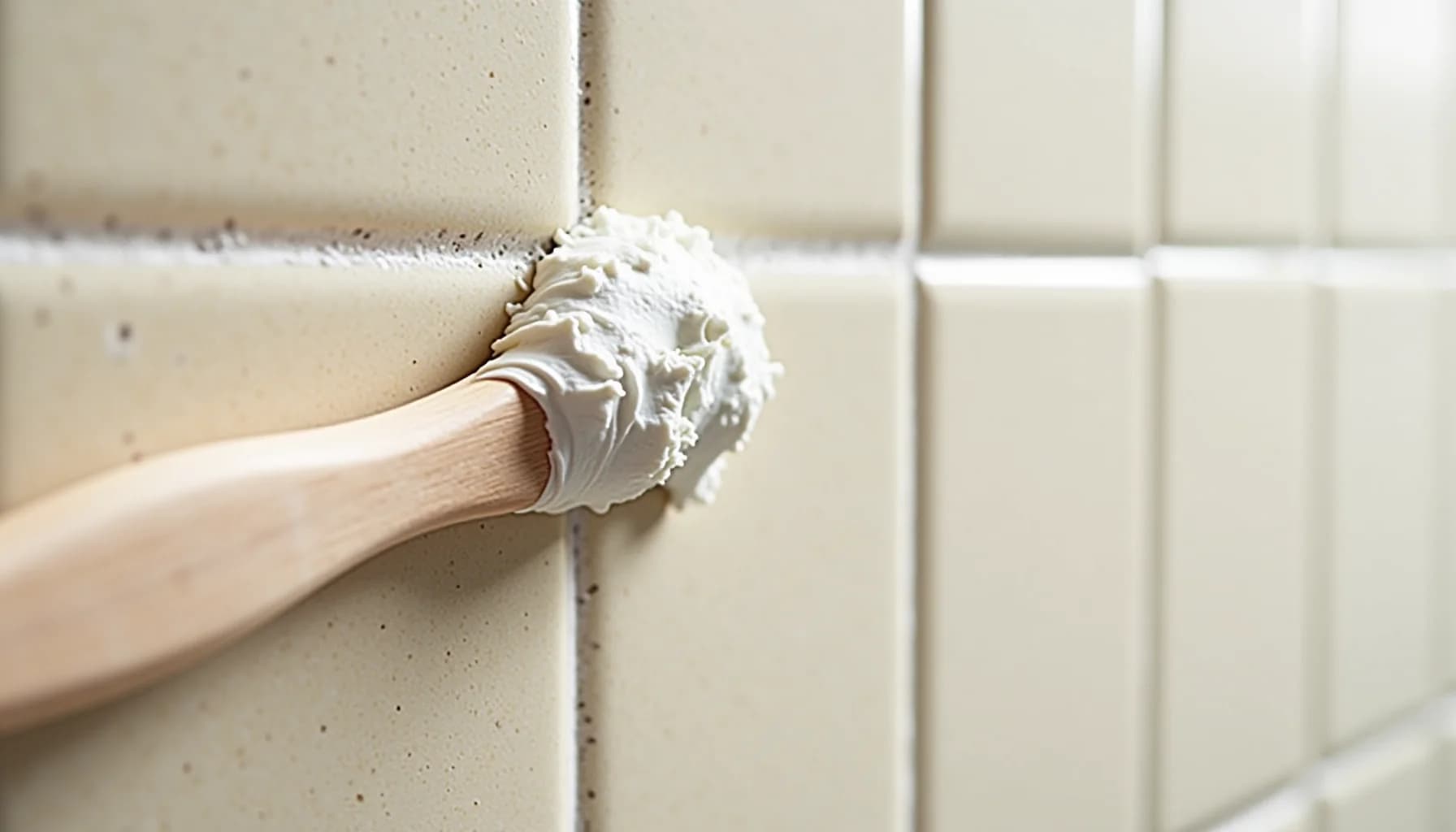
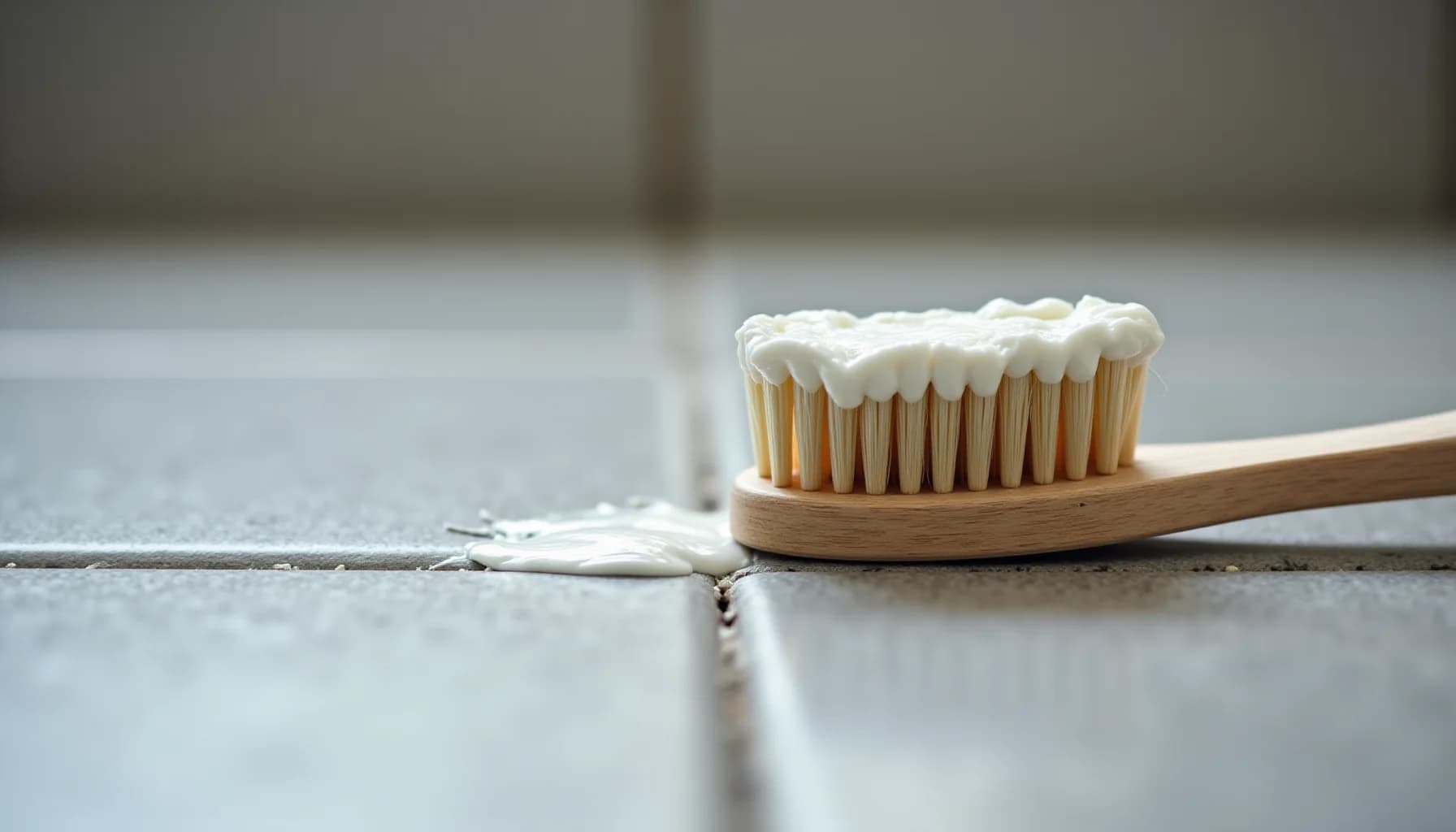
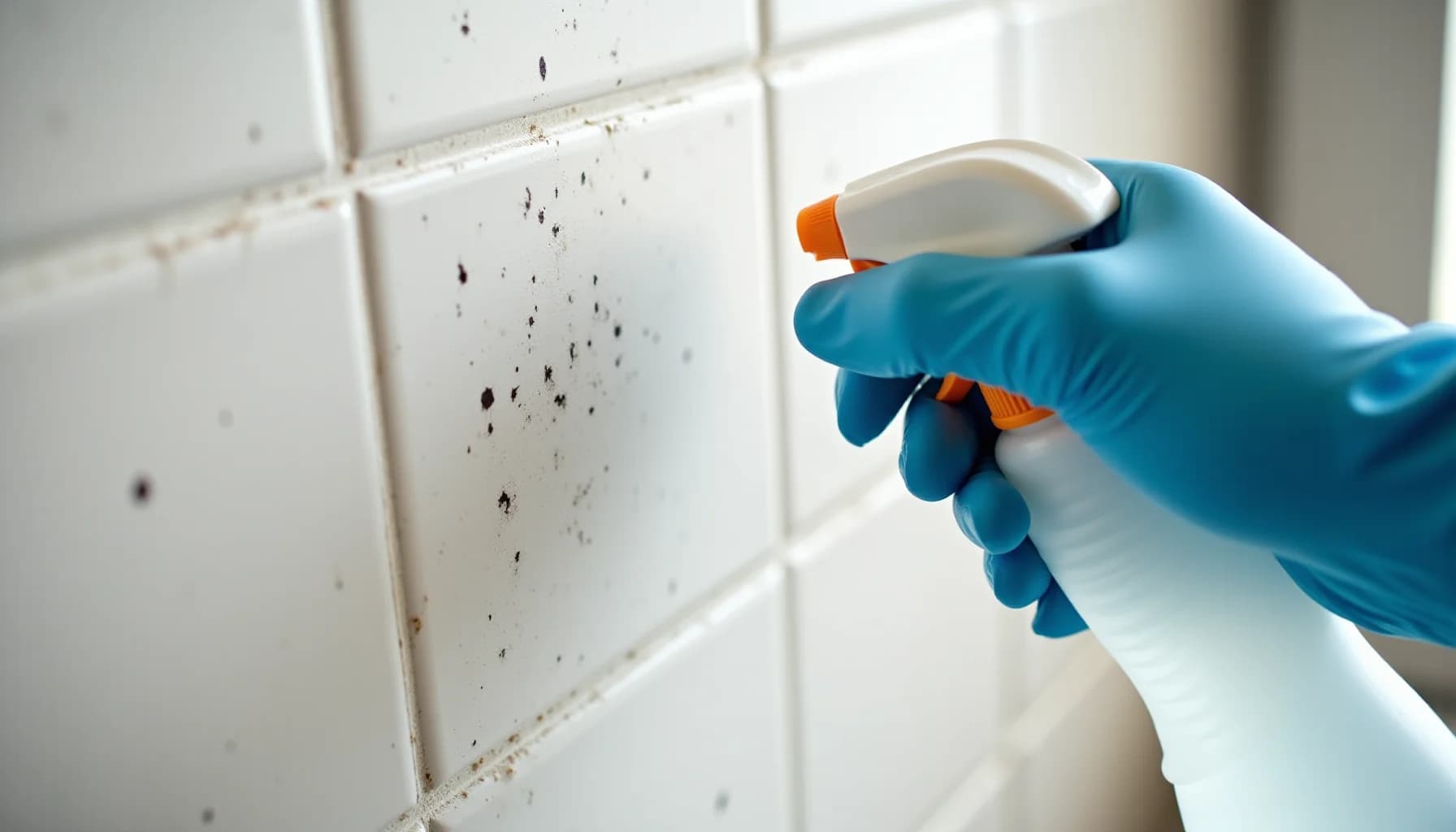
For light grime, scrub with a baking-soda-and-water paste; for yellowed or darkened grout on ceramic or porcelain tile, apply a paste of baking soda and 3% hydrogen peroxide, which whitens without the risk of etching. Avoid using vinegar on older, unsealed, or natural stone grout, as the acid gradually weakens and permanently damages the surface.
Vacuum the floor, mop, then disinfect high-touch surfaces
Vacuum thoroughly around the toilet, vanity, and baseboards before mopping so grit does not scratch the floor or clog the mop. Finish by wiping cabinet knobs, drawer pulls, light switches, and door handles with a disinfectant, as these surfaces collect bacteria quickly and are easy to overlook.
What cleaning products actually work, and which combinations are dangerous?
Not every product that smells clean actually cleans, and the wrong combination can be actively dangerous in a small, poorly ventilated space.
For disinfection, look for an EPA-registered product. That registration means the product has been tested and proven to kill the specific pathogens listed on the label. If you prefer a natural route, white vinegar carries genuine antibacterial properties and handles light mineral deposits and soap residue reasonably well, though its limitations matter: it will not remove uric acid buildup or hard water rings from a toilet bowl, and repeated use on older or unsealed grout can gradually weaken the surface. On natural stone tiles, the acid in vinegar will permanently etch the finish, so check which cleaner is safe for your specific tile type before reaching for it by default.
For soap scum and greasy buildup, bleach is the wrong tool. Bleach whitens and disinfects, but it does not lift dirt or grease from surfaces. It is also an oxidizer, which means that on toilets with hard water staining, it can actually cause iron deposits to rust further and lock into the porcelain rather than releasing them. An acid-based cleaner dissolves those mineral deposits so they can be scrubbed and rinsed away. Bleach is also incompatible with septic systems.
Ventilation is not optional. Open a window or run the exhaust fan whenever you use chemical cleaners. Fumes from disinfectants and bleach concentrate quickly in a small bathroom, and exposure in an enclosed space is genuinely harmful.
On mixing: more product does not mean more cleaning power. Bleach combined with ammonia-based cleaners or acidic cleaners produces toxic gases. Use one product at a time, and rinse surfaces thoroughly before switching to a different cleaner.
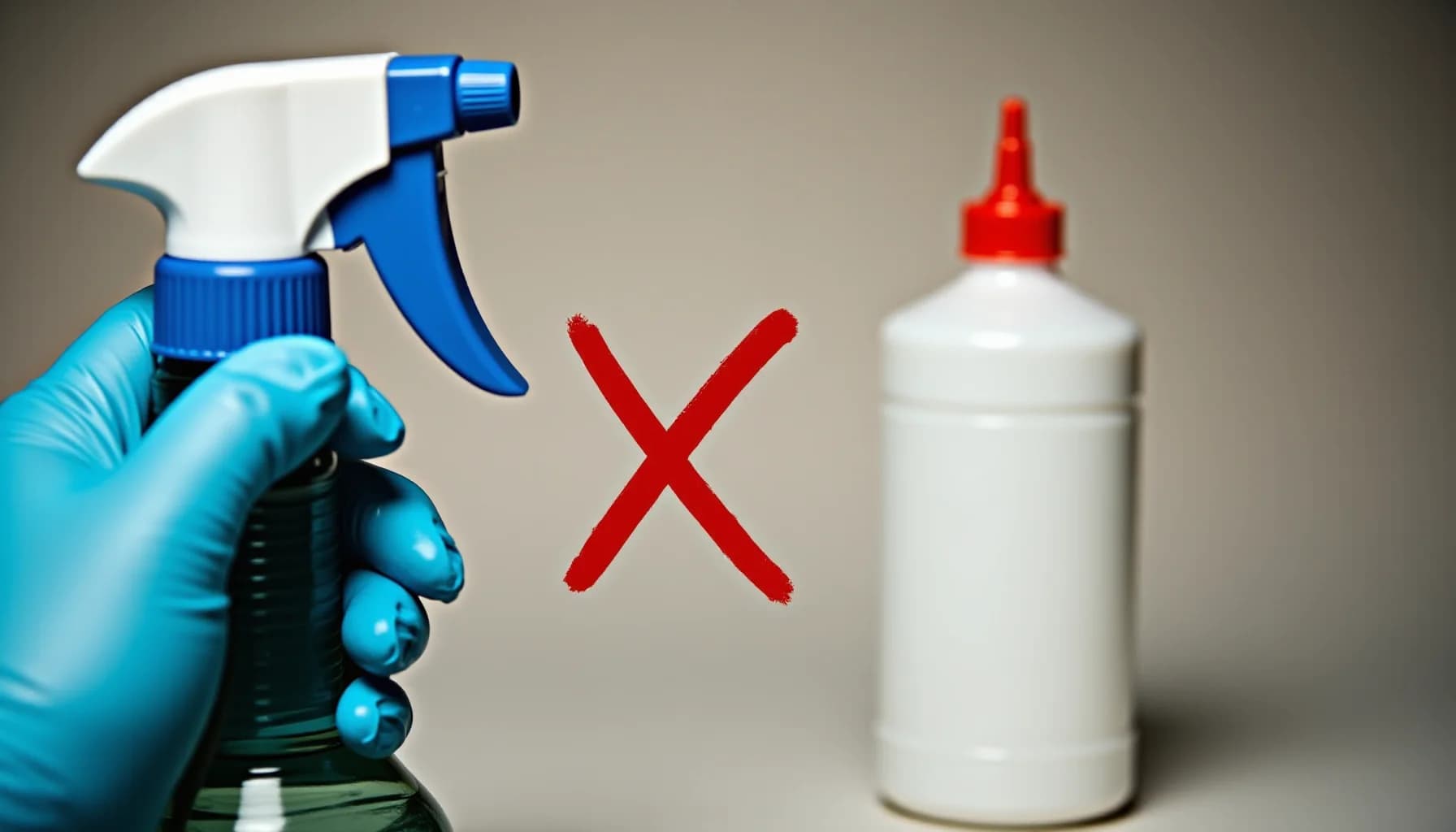
Is bleach really the best cleaner for your bathroom?
Bleach has a strong reputation in bathroom cleaning, and that reputation is partly earned. It kills germs effectively and whitens stained surfaces, which is why it appears in so many toilet bowl and tub cleaners. The problem is that people use bleach as an all-purpose solution when its actual function is much narrower: it disinfects and it whitens. It does not lift dirt, dissolve grease, or remove grime. Spraying bleach on a grimy surface and rinsing it off leaves that surface disinfected but not actually clean.
The distinction matters most with hard water, which affects a large portion of US homes. Hard water deposits iron, calcium, and other minerals along the toilet's water line and inside the bowl. When bleach, an oxidizer, contacts iron deposits, it causes them to rust further and bond more stubbornly to the surface rather than releasing. Acid-based cleaners work the opposite way: they dissolve mineral deposits so they can be scrubbed and rinsed away. If your toilet bowl has rust-colored rings or chalky buildup at the waterline, reaching for bleach will likely make those stains worse, not better.
There is also a compatibility issue that many homeowners overlook. If your home uses a septic tank, bleach should not go into the toilet bowl at all. Septic systems depend on active bacterial colonies to break down waste, and bleach disrupts that biological process.
None of this means bleach has no place in bathroom cleaning. For sanitizing a toilet seat, wiping down a non-porous sink surround, or tackling mildew on a sealed surface, it performs well. The issue is treating it as a universal answer rather than one specific tool with defined limits.
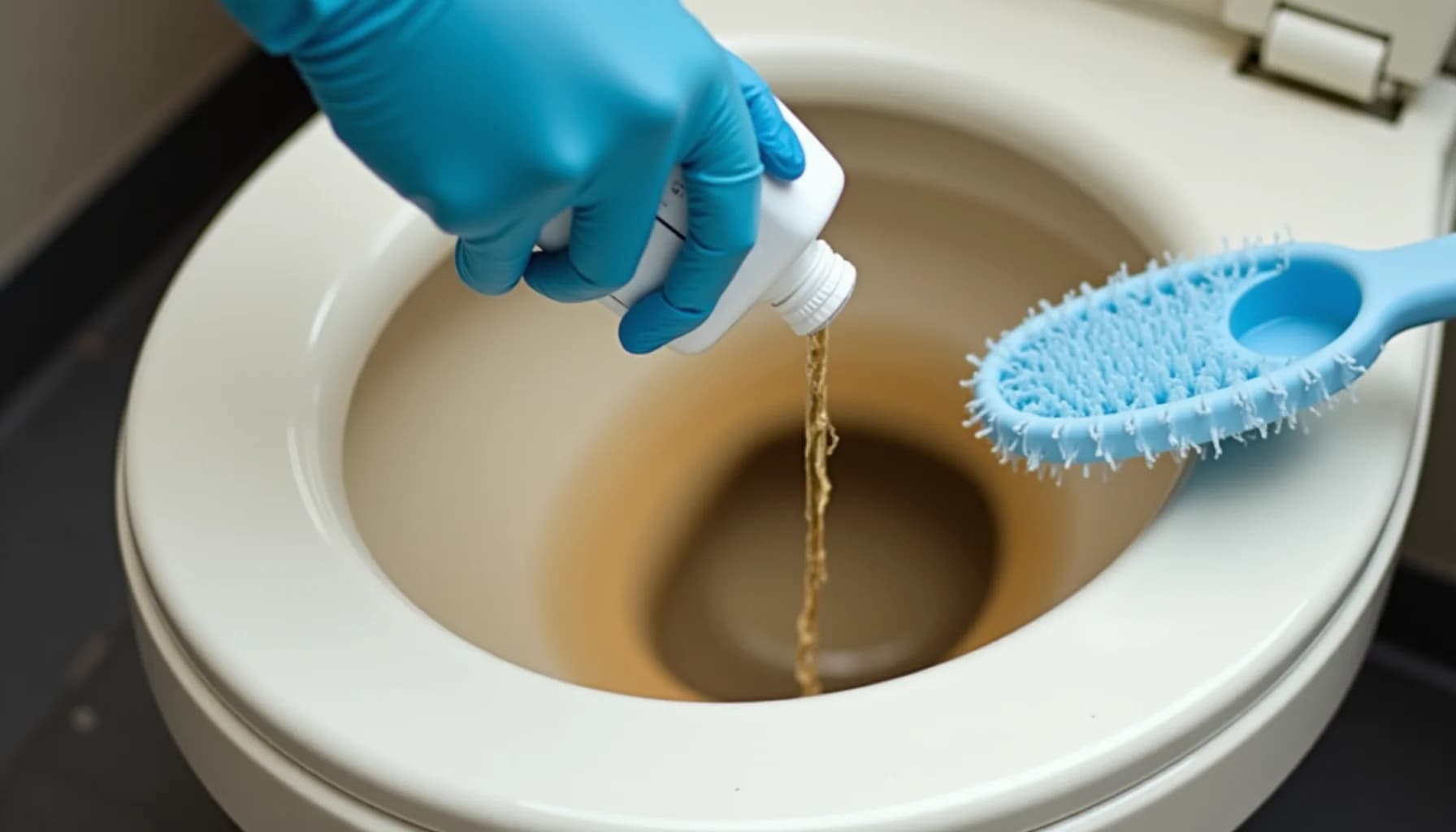
Will baking soda and vinegar actually clean your grout?
Baking soda and vinegar earn their reputation in specific, limited circumstances. For routine surface dirt and light discoloration on ceramic or porcelain tile grout, a paste of baking soda mixed with a little water scrubs away soap residue and superficial grime effectively. Vinegar adds mild acidity that can lift additional buildup. Used together, they handle everyday maintenance well.
The failures are equally specific, and some are permanent. On natural stone tile, including marble, travertine, and slate, vinegar's acid does not just clean: it etches the surface, causing irreversible pitting and dulling that no amount of scrubbing will fix. If you are unsure what your tiles are made of, stop and identify your tile type before choosing any cleaner — the wrong choice on stone cannot be undone. On older or unsealed grout, repeated vinegar applications slowly erode the surface over time, widening the lines and making them more porous and harder to keep clean.
For grout that has yellowed or darkened beyond light surface dirt, a paste of baking soda and 3% hydrogen peroxide outperforms vinegar. Apply it, let it sit for ten to fifteen minutes, then scrub with a stiff brush and rinse thoroughly.
When grout is deeply stained, crumbling, or pulling away from the tile, cleaning is the wrong tool. A professional re-grouting job is the correct next step. No paste or cleaner will restore structurally compromised grout, and continued scrubbing only accelerates the damage.
Frequently asked questions
How often should I clean my bathroom?
Does bleach clean and disinfect my toilet bowl?
Is it safe to mix bleach with other bathroom cleaners?
What is the best homemade cleaner for stained grout?
How often do you really need to deep clean your bathroom?
Weekly cleaning and a twice-yearly deep clean are two different commitments, and conflating them is what turns a manageable chore into an overwhelming project. For most households, a full deep clean every six to twelve months is genuinely sufficient, provided weekly maintenance is actually happening. That weekly routine, cleaning the toilet once or twice, scrubbing the shower, and mopping the floor, is what prevents the kind of buildup that makes deep cleaning feel like a half-day job.
Prevention matters just as much as cleaning frequency. Running the shower at its hottest setting for five minutes, then closing the bathroom door and letting the steam sit for twenty minutes before you scrub, loosens soap scum and body oil deposits before you touch a brush. That single habit reduces the physical effort required each week. After every shower, running a squeegee across tile walls and glass removes the standing water that would otherwise leave mineral deposits and feed mildew growth. Good ventilation, whether through an open window or an exhaust fan, cuts the ambient humidity that makes mold viable in the first place.
For households with more people sharing a bathroom, bump the toilet cleaning to twice a week and reassess grout every few months. Grout lines accumulate staining faster than most people expect, and catching discoloration early is far easier than reversing it later.
How this article was made
Researched and written with AI assistance. What gets published is a human editorial decision. Grounded in 6 cited sources.
Edited by Claire Mercier, Editor. The guides are written with AI assistance.