Can You Use a Steam Mop on Your Floor? Know Before You Ruin It
Part of Floor Cleaning · article 3 of 3
Whether a steam mop is safe depends almost entirely on what's under your feet: ceramic and porcelain tile handle steam well, but hardwood, laminate, and vinyl manufacturers broadly warn against it, and using one on those surfaces can void your floor's warranty before you notice any damage. If you're not certain what type of flooring you have, identify your hard floor type before you clean it so you're not guessing with a 212°F appliance.
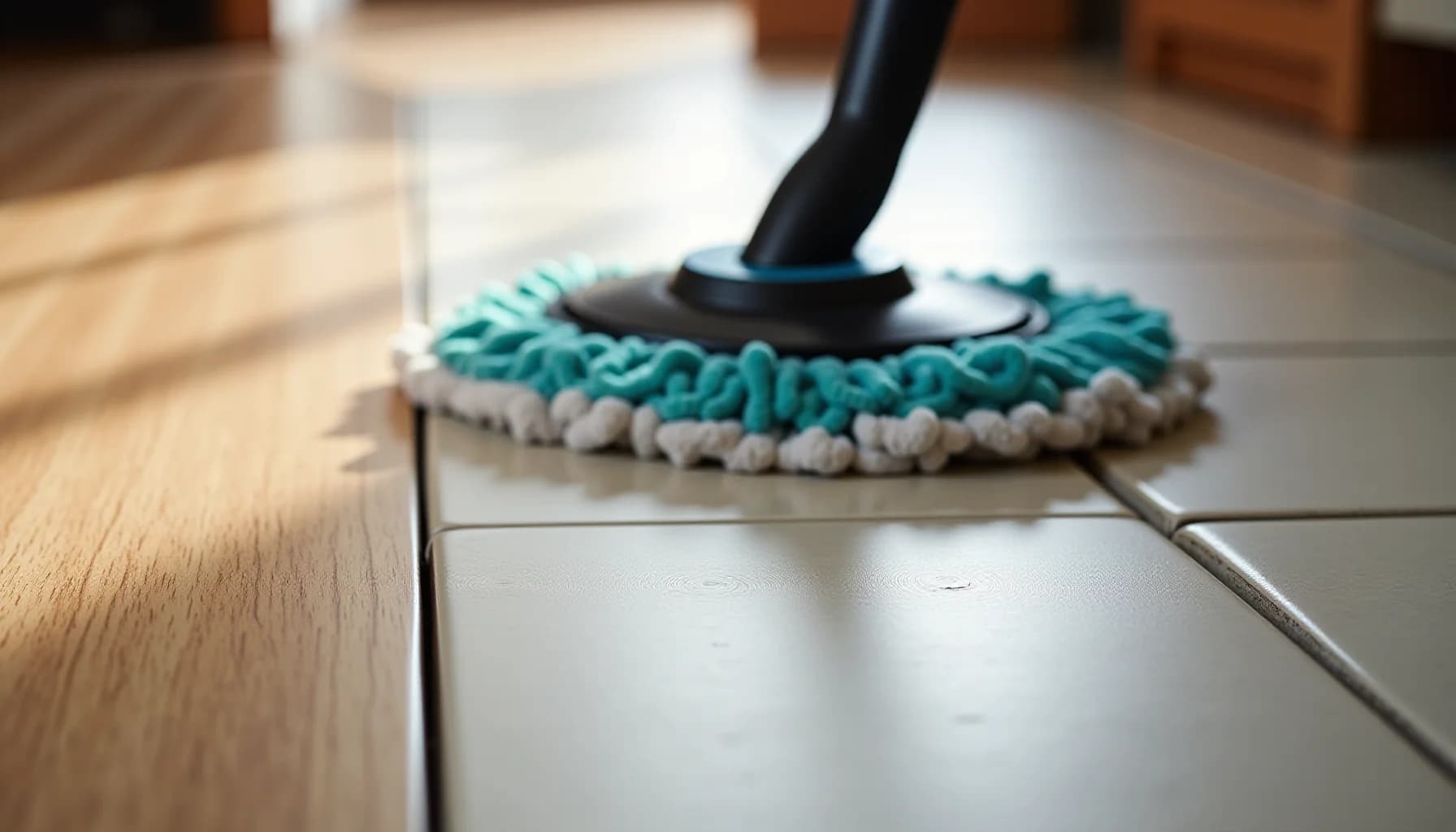
Which floors can you safely steam mop, and which ones can't you?
Ceramic and porcelain tile are the one category where you can steam freely. Both materials are fired at extreme temperatures during manufacturing, so the heat and moisture from a steam mop are genuinely harmless to the surface and the grout. Everything else requires a harder look.
Hardwood, whether solid or engineered, is where the strongest industry consensus sits. The National Wood Flooring Association states plainly that steam mops will damage both the finish and the wood over time, and that guidance holds even for floors that appear fully sealed. The reason is structural: most residential floors have micro-scratches and worn patches that are invisible to the eye, and steam at around 212°F forces vapor directly through those openings and into the wood's grain. Engineered hardwood carries additional risk because its layers are bonded with adhesive, and heat degrades that bond. Consumer Reports testing confirmed that every steam mop model they evaluated left residual moisture on surfaces after use, even on the lowest setting. That residual moisture is what causes warping, joint-line separation, and the cloudy discoloration that appears when a finish has been lifted. If your floor care documentation doesn't explicitly permit steam, assume it doesn't.
Laminate is in the same category, arguably worse. Its fiberboard core absorbs moisture aggressively, swelling at the seams in ways that are permanent and largely irreversible. If you're not certain what type of flooring you have, identifying your hard floor type before you clean it is worth doing before you fill the reservoir.
Luxury vinyl plank and peel-and-stick vinyl tile round out the "avoid" list. Every major LVP manufacturer prohibits steam mops in their care documentation, and the concern is the adhesive: sustained heat softens the bond, which leads to lifting corners and gaps between planks over time.
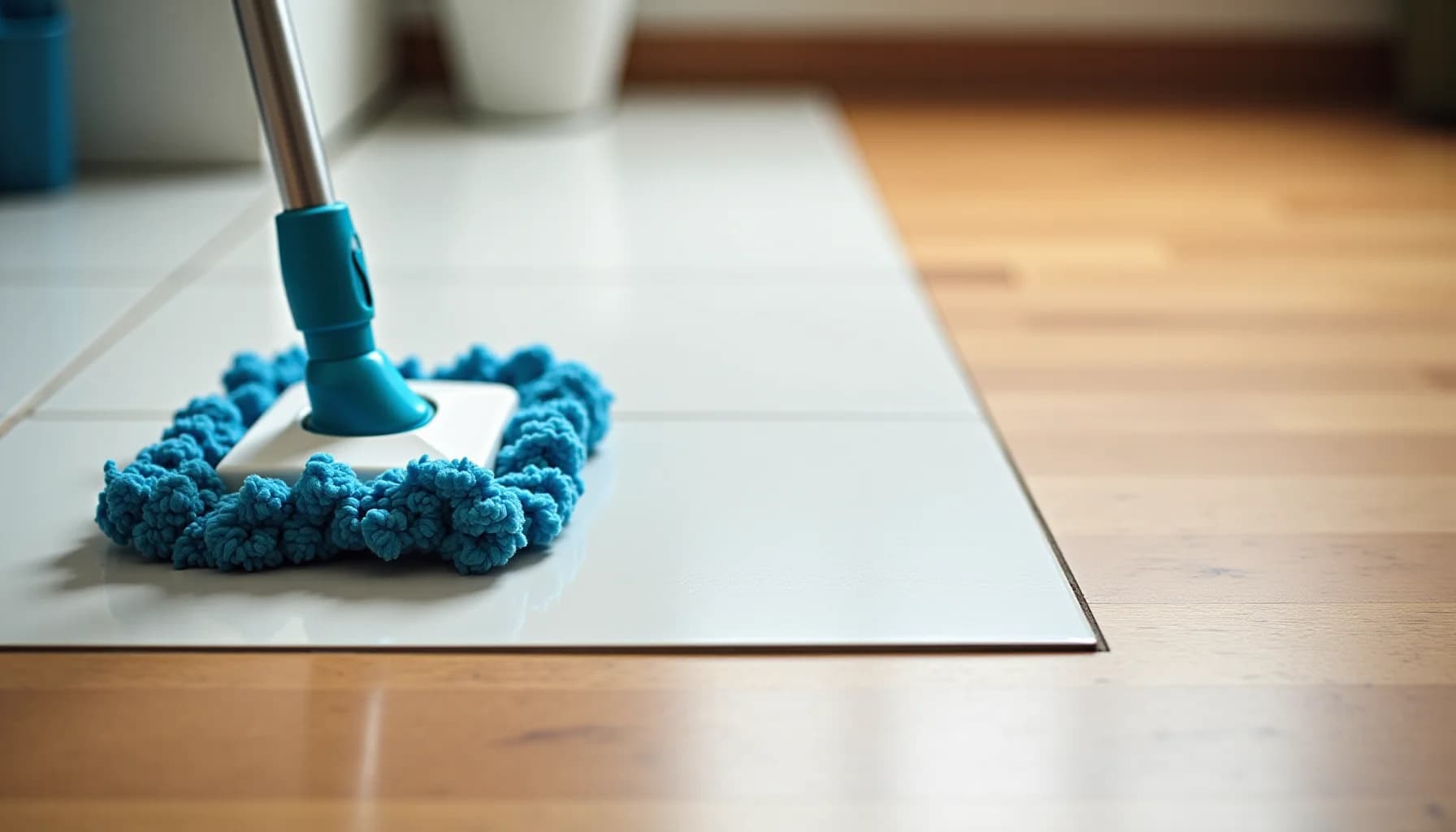
Will Using a Steam Mop Void Your Floor Warranty?
Read your floor warranty before you steam mop anything. Most hardwood warranties explicitly exclude moisture and heat damage, and the language does not distinguish between a steam mop and a flood. If your care guide says no steam, using one anyway voids your coverage on the spot, leaving you responsible for what can be a substantial repair or replacement bill.
The mechanism matters here. Steam exits a mop head at around 212°F, which is well above the 85–95°F maximum that most flooring manufacturers allow at the surface. Even on a low setting, testing has found that steam mops leave residual moisture behind after every pass. That leftover moisture is what triggers the damage: heat softens finishes and adhesive bonds, while pressurized vapor pushes into joints, micro-cracks, and worn spots that are invisible to the eye. The result is swelling, warping, delamination, cloudy discoloration, or joint-line separation, depending on the floor type. Once those changes occur, they are generally irreversible.
Finishes are particularly vulnerable. A surface that looks sealed may have microscopic scratches or wear patterns where the coating has thinned. Steam exploits those gaps. For engineered hardwood, the adhesive bonding the layers is the weak point. For laminate, it is the fiberboard core. For peel-and-stick vinyl, the adhesive itself gives up. The finish damage often appears first as dull, cloudy patches that no amount of buffing will restore.
The safer path is straightforward. A barely damp microfiber mop, used with a cleaner your floor manufacturer specifically approves, delivers effective cleaning without heat or pressure. If you are unsure what your floor type is or what products are compatible with it, start with identifying your hard floor type before you clean it, then cross-reference your options with a guide to which cleaner is safe for your floor finish. Slow and conservative costs nothing; replacing a warped floor does.
How this article was made
Researched and written with AI assistance. What gets published is a human editorial decision. Grounded in 8 cited sources.
Edited by Claire Mercier, Editor. The guides are written with AI assistance.
Sources (8)
- Can You Damage Your Floor With a Steam Mop? | HGTV
- What Floors Can You Use a Steam Mop On? Get the Answer - eufy US
- When Should You Use a Steam Mop? Cleaning Tips, Best Floors & Safety Guide
- Steam Mops: Not the Miracle Cleaning Method We Thought
- Can You Use a Steam Mop on Hardwood Floors | Weles Blog
- Steam Mop on Hardwood Floors: Risks & Safe Cleaning
- Can You Use a Steam Mop on Hardwood Floors Safely? - CU Independent
- Your membership has expired