Carpet Cleaning Hacks: 21 Fixes From Fresh Spills to Deep Odors
Part of Cleaning Hacks & Tips · article 8 of 10
Blot fresh spills first with a dry cloth, then match the stain or odor to the right product before scrubbing; 21 hacks cover 4 zones, 2 take 5 minutes or less, the quickest just 3.
On this page
General Stains
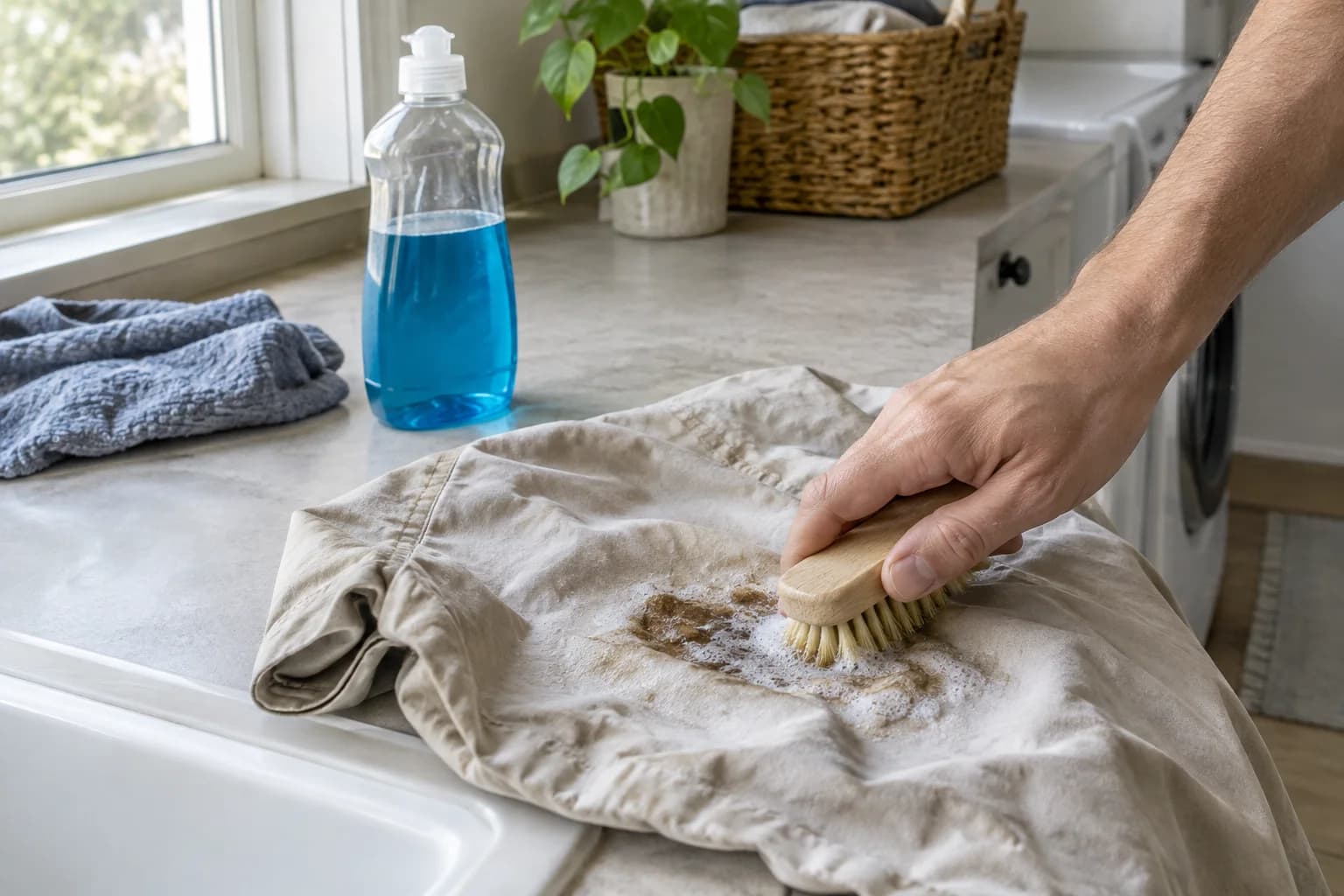
Treat stains while they're fresh, since dried mud or grease absorb deeper into fibers over time. Blotting a spill before it sets, rather than rubbing, keeps the mark from spreading wider. A stain is fully lifted when no color transfers to your cleaning cloth anymore.
1. Lift fresh spills with a blotting cloth before they set
3 min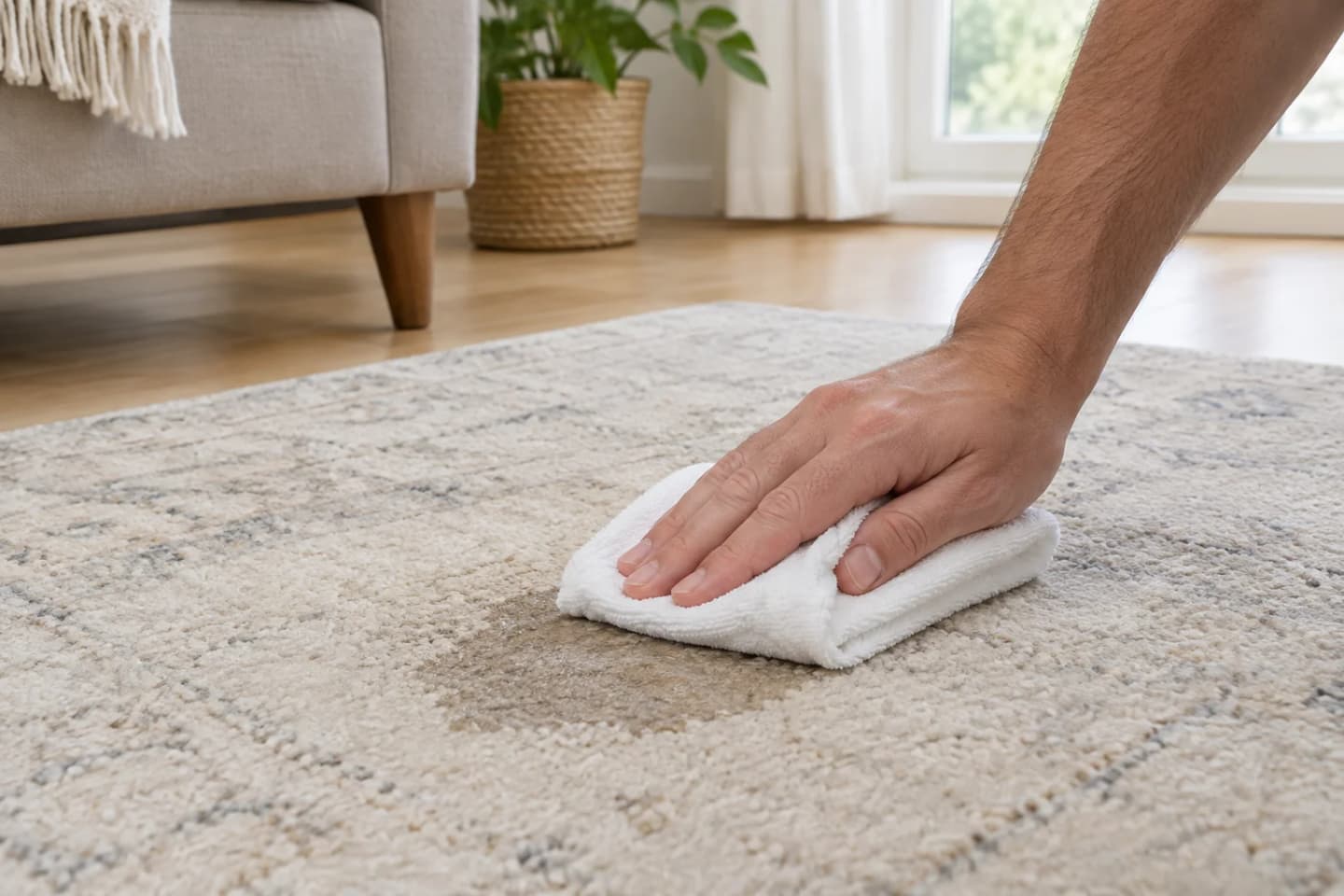
You need
- white cloth (1)
How
Press a dry white cloth firmly onto the spill without rubbing, working from the outside in. Replace with a clean section of the cloth as it absorbs liquid. Continue until no more moisture transfers.
2. Remove wine and juice stains with dish soap and vinegar
10 minYou need
- dish soap (1 teaspoon)
- white vinegar (1 tablespoon)
- warm water (2 cups)
- cloth (1)
How
Mix the dish soap, vinegar, and warm water in a bowl. Dab the solution onto the stain with a cloth, working from the edges inward, then blot with a clean damp cloth to rinse. Let the spot air dry.
3. Pull out dried mud with a stiff brush and vacuum
15 minYou need
- stiff brush (1)
- vacuum cleaner (1)
How
Let the mud dry completely, then break it up by scraping gently with a stiff brush. Vacuum the loosened dirt thoroughly, going over the area in multiple directions. Repeat if residue remains.
4. Treat ink stains with dish soap and warm water
10 minYou need
- dish soap (1 teaspoon)
- warm water (1 cup)
- cloth (1)
How
Mix dish soap with warm water and dab onto the ink stain with a cloth, blotting rather than rubbing. Continue blotting with a clean section of cloth until the ink lifts. Rinse by blotting with a damp cloth afterward.
5. Neutralize grease stains with baking soda before vacuuming
25 min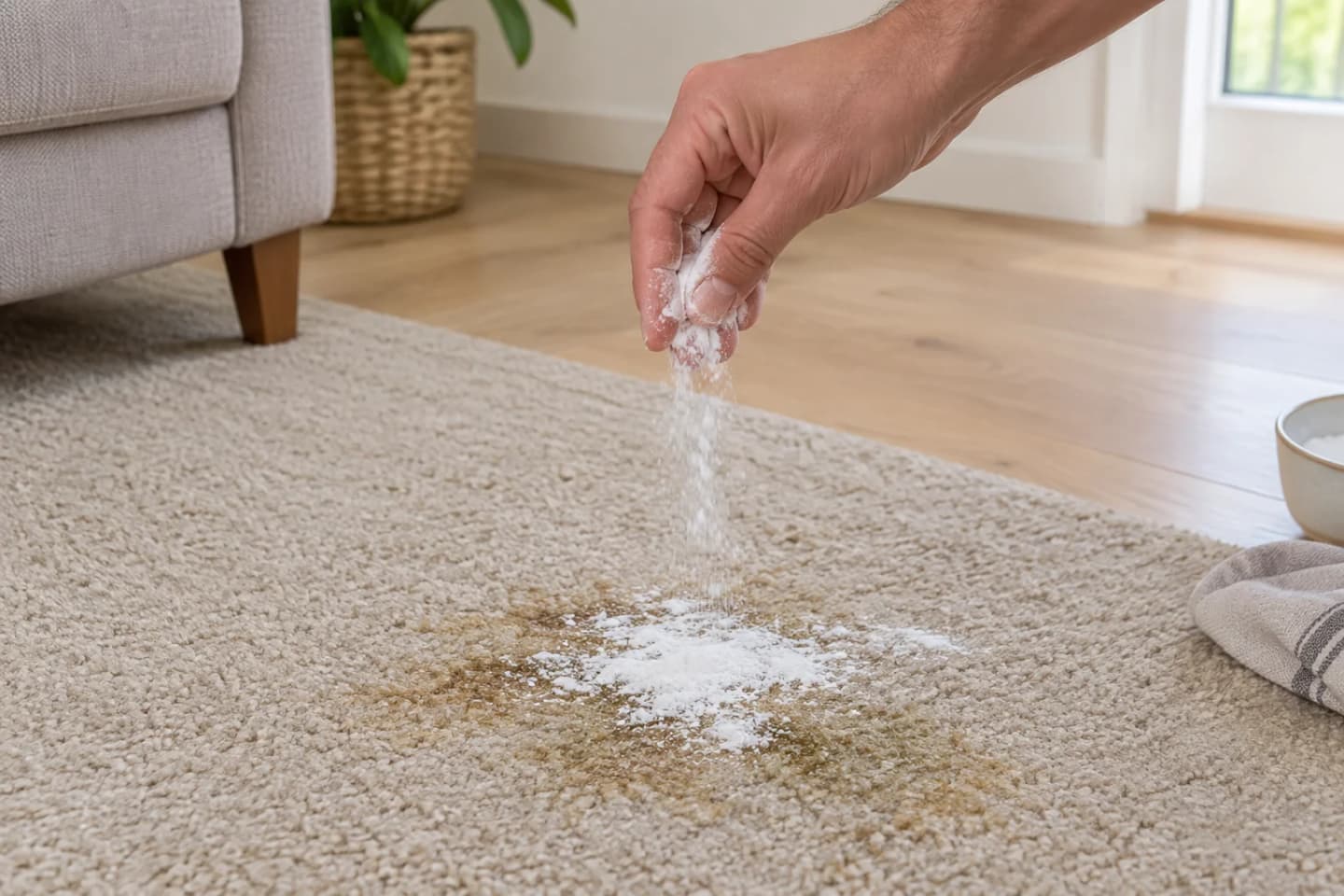
You need
- baking soda (2 tablespoons)
- vacuum cleaner (1)
How
Sprinkle baking soda generously over the greasy spot and let it sit for 20 minutes to absorb the oil. Vacuum thoroughly once the powder has had time to work. Repeat if a faint mark remains.
Odor Removal
Odors often come from moisture trapped deep in the fibers, not just the surface, so give absorbent powders time to work before vacuuming. Skipping the wait time on a method like the baking soda treatment means the smell will linger. Pet and vomit odors need enzyme or extended baking soda contact since regular cleaning won't break down the source.
6. Deodorize the whole carpet with baking soda overnight
15 minYou need
- baking soda (1 cup)
- vacuum cleaner (1)
How
Sprinkle baking soda evenly across the carpet, focusing on areas with lingering odors. Let it sit for at least 8 hours or overnight to absorb smells. Vacuum thoroughly the next morning.
7. Erase pet odors with an enzyme cleaner and warm water rinse
30 minYou need
- enzyme cleaner (as directed on label)
- warm water (1 cup)
- cloth (1)
How
Apply the enzyme cleaner directly to the affected spot following the label instructions and let it sit for the recommended time. Blot with a clean cloth to lift the odor and residue. Rinse the area with a cloth dampened in warm water.
8. Freshen musty carpet with baking soda and essential oil
25 minYou need
- baking soda (1 cup)
- essential oil (5 drops)
- vacuum cleaner (1)
How
Mix the baking soda with essential oil drops in a bowl, stirring to distribute evenly. Sprinkle the mixture across the carpet and let it sit for 20 minutes. Vacuum thoroughly to remove the powder and lingering musty smell.
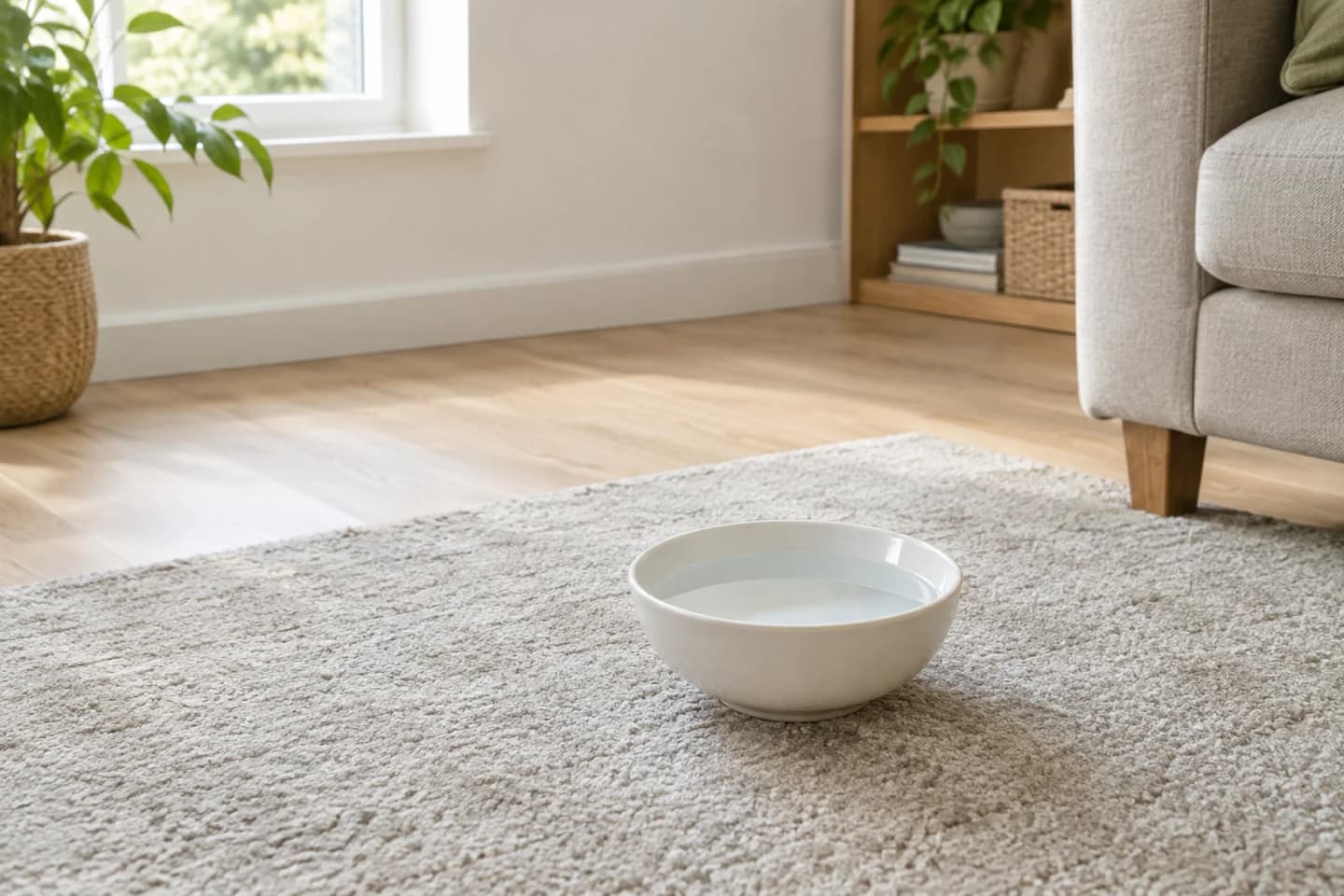
You need
- white vinegar (1 cup)
- bowl (1)
How
Pour white vinegar into a bowl and place it in the room overnight to absorb smoke odors from the air and carpet fibers. Vacuum the carpet the next day for a fresher finish. Repeat for persistent odors.
10. Neutralize vomit odor with baking soda before cleaning the stain
1 h 5 minYou need
- baking soda (3 tablespoons)
- vacuum cleaner (1)
How
Once solids are removed, sprinkle baking soda generously over the affected area to absorb moisture and odor. Let it sit for at least 1 hour. Vacuum thoroughly before treating any remaining stain.
Texture and Deep Clean
Work from gentler methods toward more intensive ones, since steaming flattened spots is quicker than a full dish soap wash. Rushing the drying step after any wet method can leave carpet fibers looking matted again. You'll know the texture has recovered when fibers spring back upright instead of staying pressed down.
11. Lift matted fibers with ice cubes and a spoon
30 minYou need
- ice cubes (3)
- spoon (1)
How
Place ice cubes directly on dented or flattened carpet fibers and let them melt completely. Once the fibers are damp, gently fluff them upright with the edge of a spoon. Let the area air dry fully.
12. Revive carpet texture by steaming and brushing flattened spots
10 minYou need
- clothes steamer (1)
- stiff brush (1)
How
Hold the steamer a few inches above the flattened carpet area and apply steam for a few seconds without touching the fibers directly. Immediately brush the fibers upright with a stiff brush. Let the area dry before walking on it.
Keep the steamer moving and do not let it touch the carpet directly, as excess heat can damage fibers.
13. Deep clean carpet with dish soap and warm water solution
40 min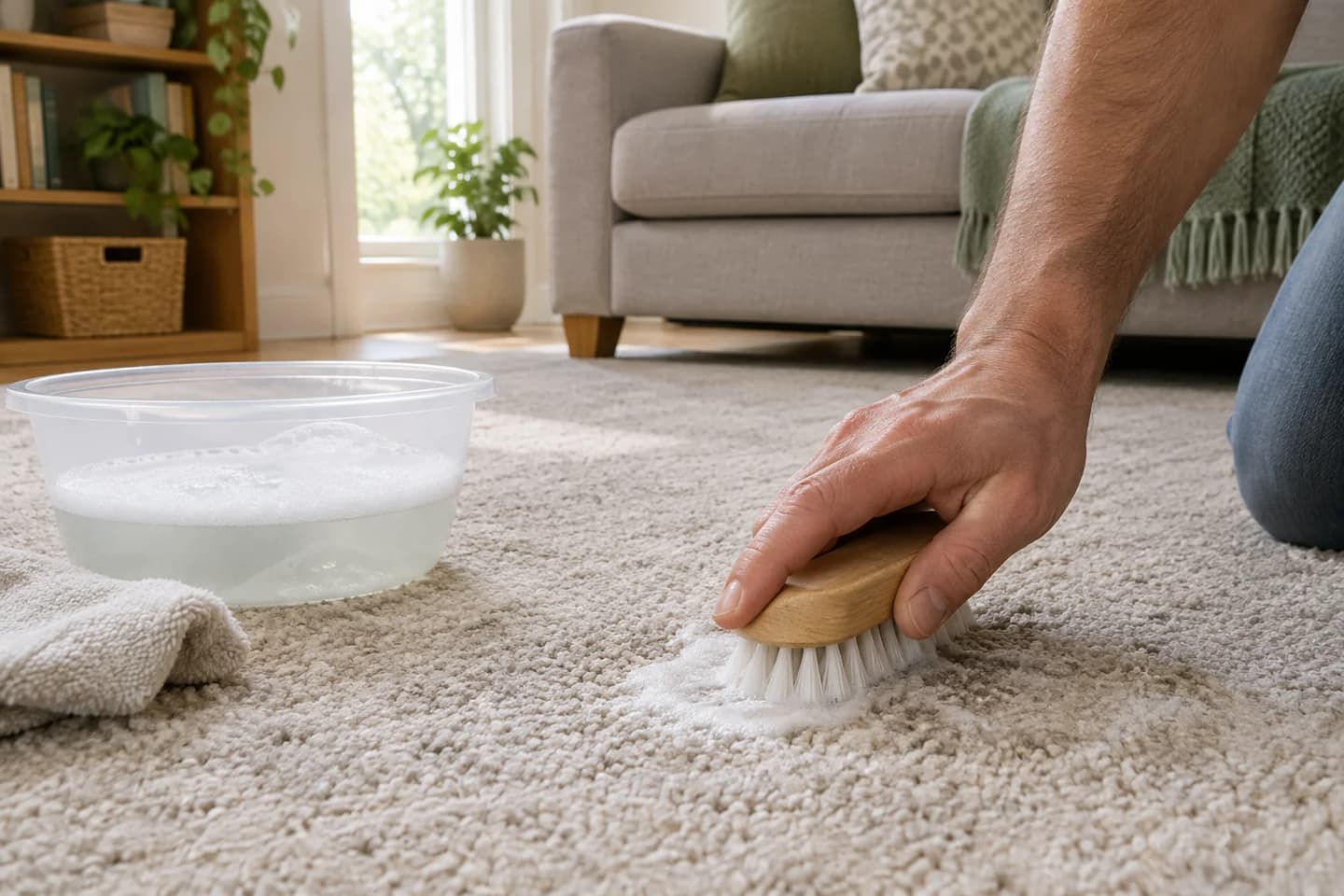
You need
- dish soap (1 tablespoon)
- warm water (4 cups)
- soft brush (1)
How
Mix the dish soap with warm water in a bucket until slightly sudsy. Dip the brush into the solution and scrub the carpet in small circular motions, working in manageable sections. Blot each section with a clean damp cloth to rinse out the soap.
14. Brighten dull carpet color with white vinegar and water spray
20 minYou need
- white vinegar (1/2 cup)
- water (2 cups)
- spray bottle (1)
How
Combine the white vinegar and water in a spray bottle and shake to mix. Lightly mist the solution over the carpet surface, avoiding oversaturation. Let it air dry fully before walking on it.
Avoid using this on wool or natural fiber carpets, as acids can weaken the material.
You need
- fabric conditioner (1 tablespoon)
- warm water (4 cups)
- soft cloth (1)
How
Dilute the fabric conditioner in warm water inside a bucket. Dampen a soft cloth with the mixture and wipe gently over the carpet surface, working in sections. Allow the carpet to air dry completely before use.
16. Vacuum slowly in overlapping passes for a deeper clean
20 minYou need
- vacuum cleaner (1)
How
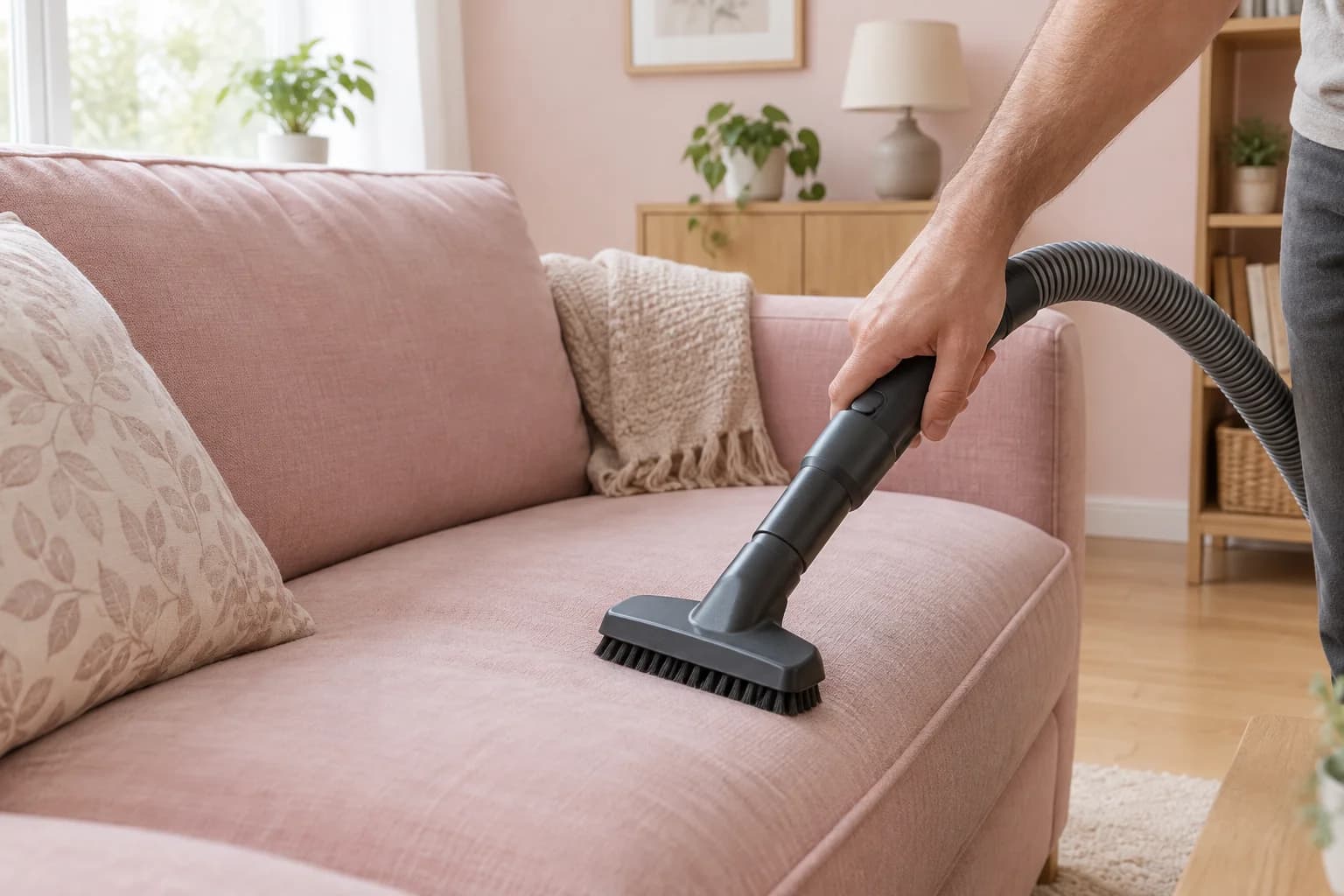
Vacuum the carpet in slow, overlapping passes rather than quick strokes, covering each section at least twice. Go over high-traffic areas a third time. This lifts more embedded dirt than fast passes.
Stubborn and Sanitizing
Save bleach-based methods for isolated stains or white carpet only, since color can lift from treated fibers if you skip a patch test. Cold methods work better than heat on gum, while heat works better than cold on wax. Dust mite treatments need a full vacuum pass afterward, or leftover powder will dull the carpet's appearance.
17. Sanitize carpet with a diluted oxygen bleach solution
20 min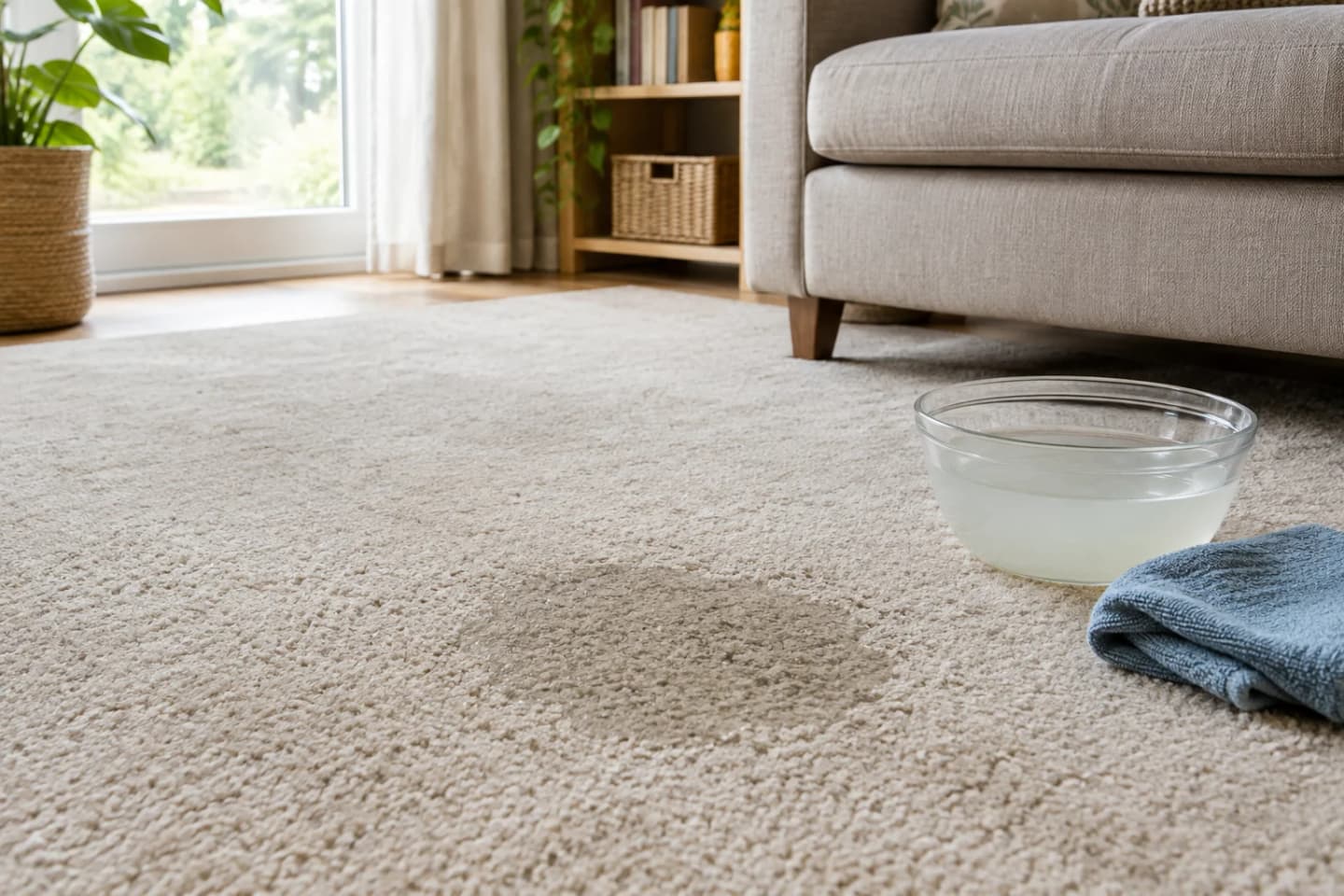
You need
- oxygen bleach (1 tablespoon)
- warm water (2 cups)
- cloth (1)
How
Dissolve the oxygen bleach fully in warm water in a bowl. Dab the solution onto the stained or soiled area with a cloth, letting it sit for 10 minutes. Blot with a clean damp cloth to rinse thoroughly.
Test in a hidden spot first, as oxygen bleach can lighten some carpet dyes.
18. Disinfect carpet spots with diluted chlorine bleach for white carpets only
15 minYou need
- chlorine bleach (1 tablespoon)
- water (2 cups)
- cloth (1)
How
Dilute the chlorine bleach fully in water in a bowl, never using it undiluted. Dab the solution only onto white or colorfast carpet using a cloth, then blot with a clean damp cloth to rinse. Allow the area to air dry fully.
Only use on white or bleach-safe carpet; test in a hidden area first, as bleach can remove color from fibers. Ensure the room is ventilated.
19. Remove chewing gum with ice before scraping it off
15 minYou need
- ice cubes (3)
- plastic bag (1)
- dull knife (1)
How
Place ice cubes inside a plastic bag and hold it against the gum until it hardens completely. Gently scrape the hardened gum off the carpet fibers using a dull knife. Vacuum any remaining crumbs.
20. Loosen wax drips with a warm iron and paper towel
10 minYou need
- paper towel (2)
- iron (1)
How
Place a paper towel over the wax drip and set an iron to low heat. Press the iron briefly over the towel so the wax melts and transfers onto the paper. Replace the paper towel and repeat until all wax is lifted.
Keep the iron moving and use low heat only, as prolonged direct heat can scorch carpet fibers.
21. Kill dust mites by sprinkling and vacuuming borax powder
35 minYou need
- borax powder (1/2 cup)
- vacuum cleaner (1)
How
Sprinkle borax powder evenly over the carpet and let it sit for 30 minutes to reach into the fibers. Vacuum thoroughly to remove the powder along with dust mites and debris. Repeat monthly for ongoing control.
Keep children and pets away from the area until the powder is fully vacuumed up.
Why Carpet Cleaning Hacks Fail: Checking the Amount, the Surface, and the Time Left On
Of the 21 fixes here, most failures trace back to one of three mistakes. The first is amount: a teaspoon of dish soap or a splash of club soda blotted onto a dinner-plate-sized stain just won't lift it. Match the volume of cleaning solution to the size of the spill, and work from the outside in so you're not spreading it wider. The second is surface mismatch: a hack suited to synthetic carpet fiber can discolor wool or leave a residue on a treated stain-resistant weave, so test any solution on a hidden patch (inside a closet, under furniture) and wait a few minutes before applying it to the visible area. The third, and most common, is time left on. Baking soda needs to sit long enough to absorb odor, often overnight, not five minutes before vacuuming. A stain treatment blotted away too soon hasn't finished pulling the spill out of the fibers, while one left too long can dry into a crust that's harder to remove. If a fix still fails after you've checked quantity, compatibility, and dwell time, repeat it once with fresh solution rather than doubling the concentration, which can leave sticky buildup. For odors that persist after drying, check how moisture is affecting the pad underneath; see How Long Does It Take Carpet to Dry After Cleaning (and Faster) for how drying time connects to lingering smells.
Building a Routine Around the Fastest Fixes, Including the 3-Minute One
Out of 21 hacks across the four zones, two take 5 minutes or less, and the fastest, the club soda blot for a fresh spill, takes just 3 minutes. Those are the ones worth turning into habit, not the deep-odor treatments that need hours to sit.
Keep a small caddy near the busiest carpeted room: club soda or plain water, a stack of white cloths, and baking soda. When a spill happens, blot immediately rather than finishing what you're doing first; the 3-minute window matters because the longer liquid sits, the deeper it sets into the fibers and padding below. Make that the one rule everyone in the house knows.
Pair the quick fixes with a weekly pass: a five-minute vacuum of high-traffic paths catches grit before it grinds in, which is most of what causes carpets to look dull. Save the longer treatments, baking soda sits, enzyme soaks, steam passes, for a monthly slot rather than trying to do everything at once. If you're also mapping out when carpets fit into the rest of your cleaning, a weekly cleaning schedule gives the quick tasks a fixed day so they don't get skipped.
Frequently asked questions
How many carpet cleaning hacks does this guide cover?
What is the single most important carpet cleaning tip for fresh spills?
Can I use vinegar on all types of carpet?
How long should baking soda sit on carpet before vacuuming?
Is it safe to use bleach on carpet?
How this article was made
Edited by Claire Mercier, Editor. The guides are written with AI assistance.