Which Cleaning Method Is Safe for Your Fabric: A Fiber Guide
Part of Fabric & Carpet Care · article 3 of 14
On this page
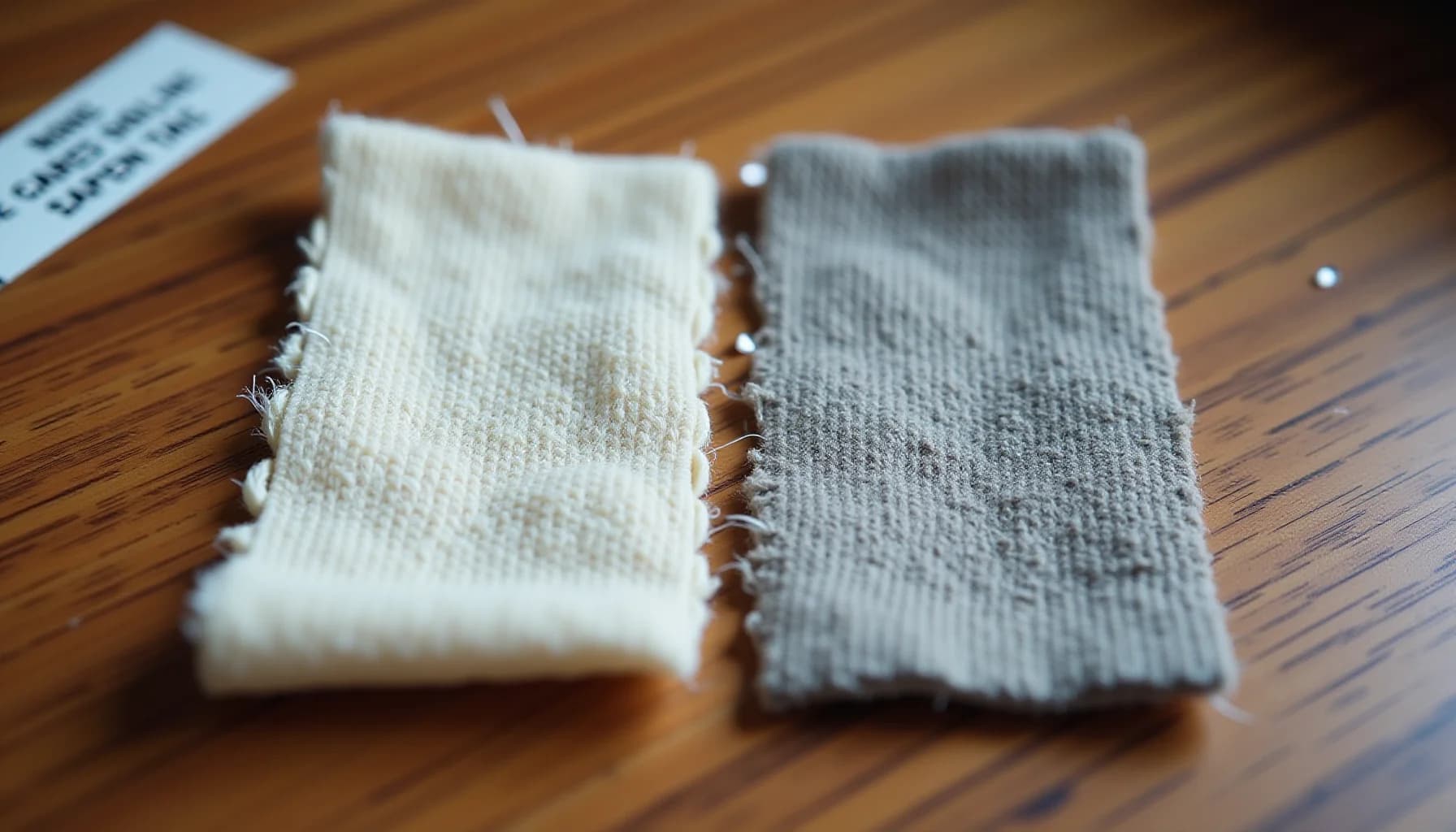
The safest cleaning method for any fabric depends on its fiber type and the care code sewn into its label. Check that label before anything else. Codes break down simply: W means water-based cleaners are safe, S means solvents only, WS allows either, and X means vacuuming only, no liquids at all.
Fiber type drives most of the risk. Silk can spot, discolor, and weaken from water contact alone. Wool and cashmere felt irreversibly in a standard washing machine, where agitation binds fibers together permanently. Acetate and rayon are similarly water-sensitive. For these, a professional cleaner is the safest route. Many S-coded silk or wool garments can be hand-washed in cold water with a mild detergent, but results vary by construction, so research the specific item first rather than treating the category as uniform.
Water temperature is a real variable, not a preference. Cold water, around 30°F, preserves color and prevents shrinkage. Hot water sets protein-based stains like blood and egg, making them harder, not easier, to remove. Reserve warm or hot water for oil-based stains on fabrics that can handle it.
On bleach: chlorine bleach damages wool and silk and will degrade white bedding over repeated use. Oxygen bleach is gentler and works safely on all washable fabrics. Always spot-test in a hidden seam area before applying either type across the full fabric.
More detergent does not mean cleaner results. Excess detergent leaves residue that dulls fabric and makes it stiff. Use the measured amount specified for your load size.
What do the fabric care codes on your labels actually mean?
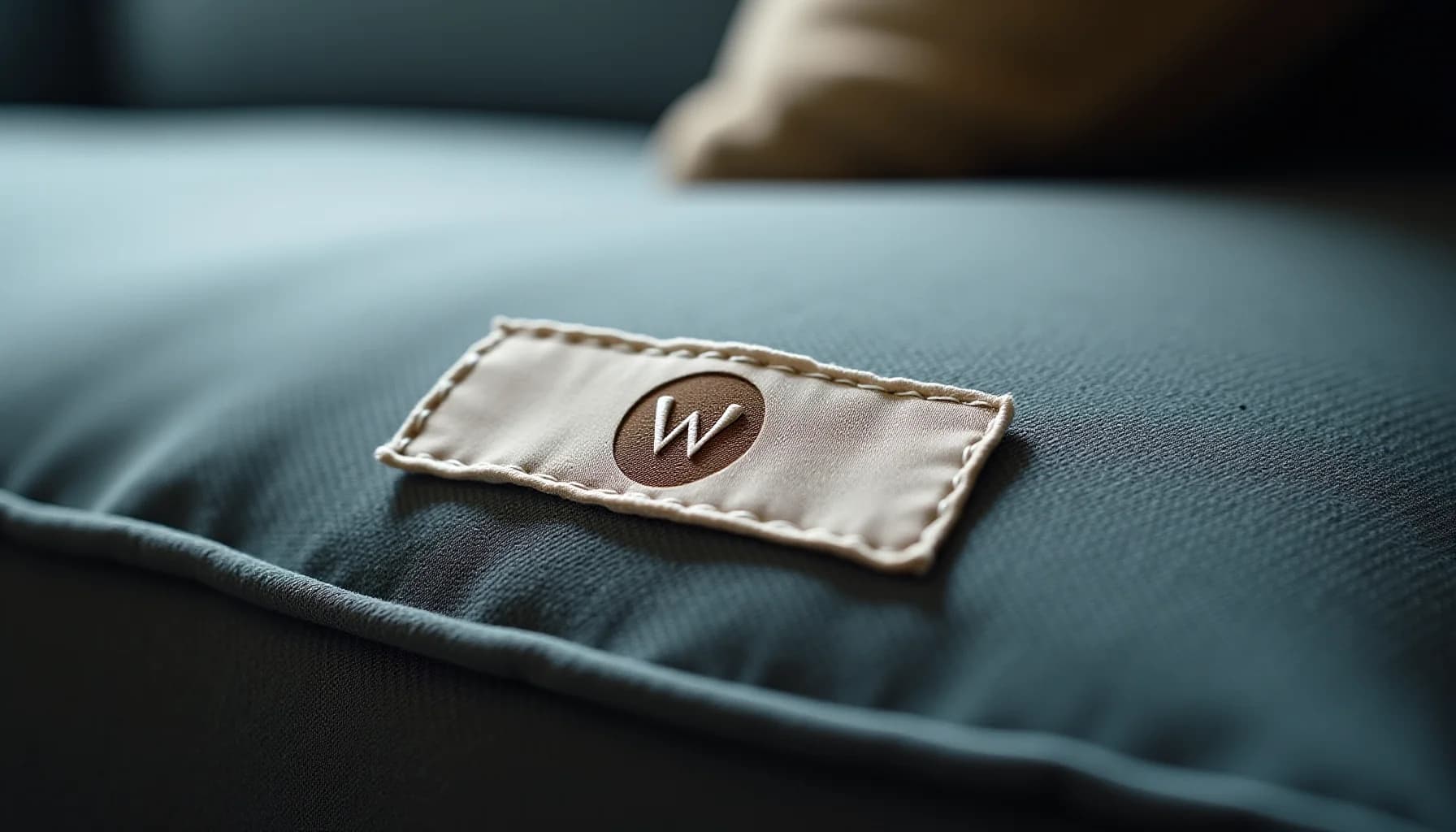
The small label sewn into every garment and upholstered piece of furniture carries a standardized code that tells you exactly how that fabric can be safely cleaned. Four codes exist, and each one is specific.
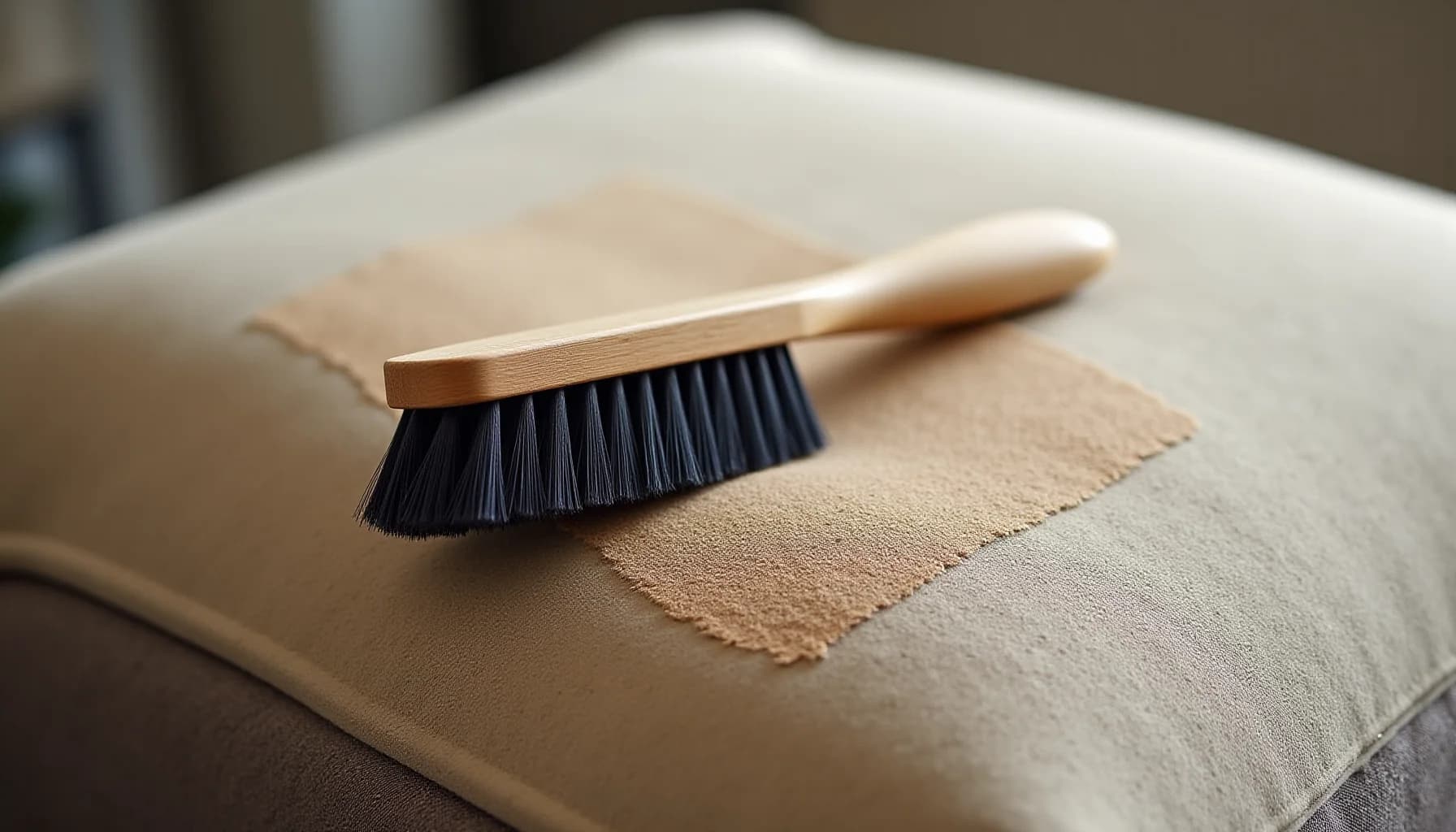
W means water-based cleaning products are safe to use. This includes water-extraction machines, steam cleaners, and water-mixed upholstery shampoos. S means solvent-based cleaners only: no water at all. Fabrics with this code will spot, distort, or shrink if you apply moisture, so stick to dry-cleaning solvents or dry-compound powders. WS gives you the most flexibility, allowing either water-based or solvent-based products depending on what the stain calls for. X is the most restrictive: neither water nor solvents should be applied. Vacuuming with a soft brush attachment is the only safe maintenance option for X-coded fabric.
One point worth understanding: the care code describes the most aggressive treatment the fabric can tolerate without damage. A milder approach is always acceptable. If a sofa cushion is coded WS, you can still choose a dry-compound method even though water would technically be permitted. The code sets the ceiling, not the floor.
According to the American Cleaning Institute's 2019 National Cleaning Survey, 77% of people read care tags frequently, but only about a third always check them before washing. That gap matters most with fabrics coded S or X, where a single incorrect water-based cleaning attempt can cause permanent spotting or fiber distortion that no follow-up treatment will fix.
Does water temperature really affect how well your fabric gets clean?
Read the care label and identify the cleaning code
Every fabric carries a care label with one of four codes: W (water-based cleaners only), S (solvent-based cleaners only), WS (either method is safe), or X (vacuum only, no liquids or solvents). The label describes the most aggressive treatment the fabric can tolerate, so a gentler approach is always acceptable.
Match your water temperature to the fabric and the stain
Use cold water for protein-based stains such as blood or sweat, since hot water sets these stains and makes them harder to remove. Reserve warmer temperatures for oil-based stains, and default to cold for delicates like silk, wool, and cashmere, which shrink, felt, or spot when exposed to heat.
Choose the right cleaning agent for the fiber type
Use chlorine bleach only on compatible whites and colorfast washables, never on wool or silk, as repeated use degrades and weakens fibers. Oxygen bleach is the safer default for all washable fabrics, and avoid using excess detergent, since residue buildup leaves fabric looking dingy and feeling stiff.
Decide between hand washing and professional cleaning based on fiber risk
Silk, wool, cashmere, acetate, and rayon are highly vulnerable: silk can spot and weaken from water contact, while wool and cashmere felt irreversibly in a standard machine. Hand washing reduces machine agitation but results are inconsistent, and professionally cleaned garments last 3 to 5 times longer, making professional care the lower-risk choice for these fibers.
Handle dry-cleaning solvents safely and know their limits
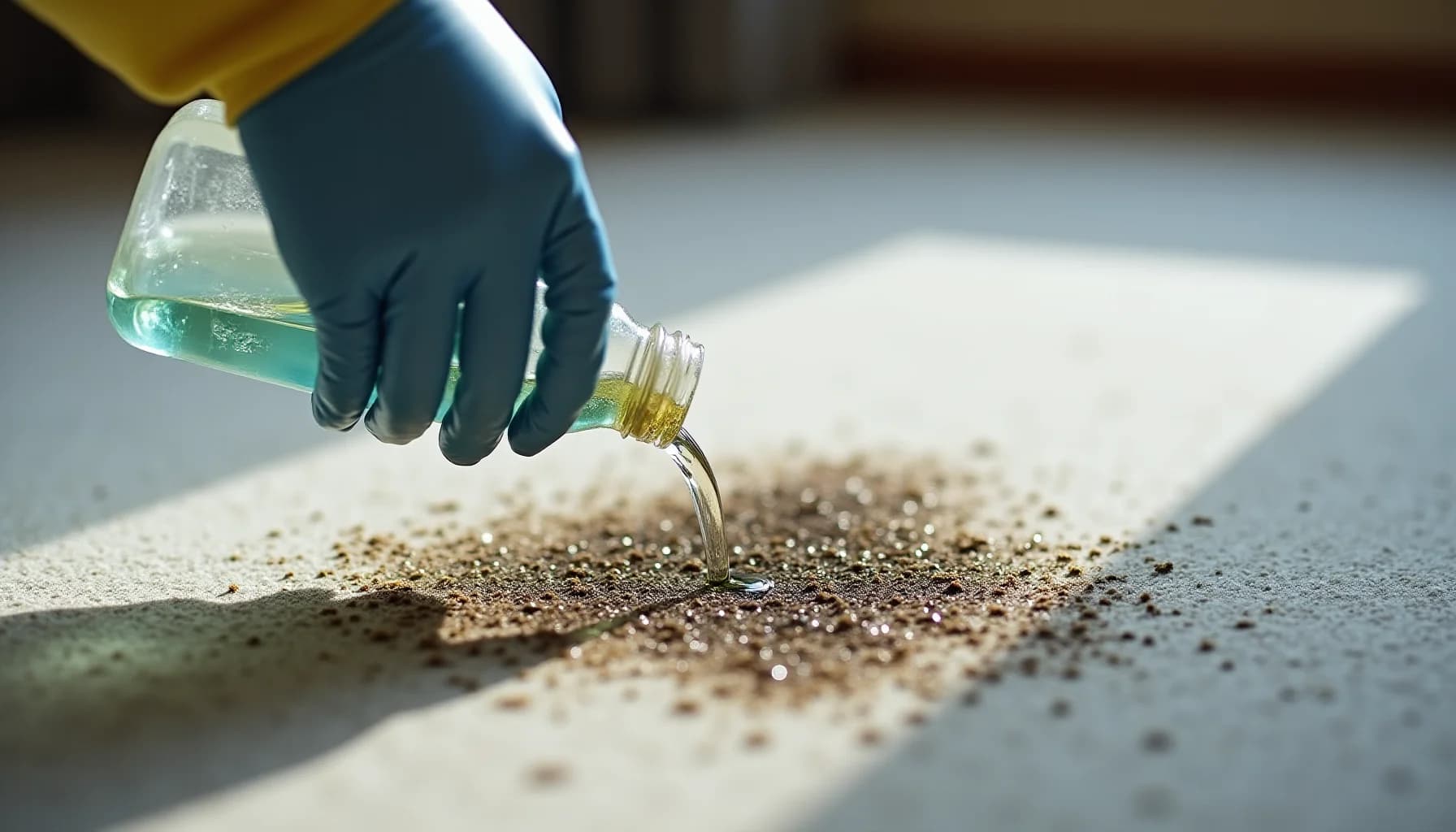
If a fabric is coded S, use a solvent-based cleaner in a well-ventilated area and wear rubber gloves, as solvents are harmful to skin. Full dry cleaning at home is not recommended because professional machines control solvent levels and drying temperatures in ways home kits cannot replicate.
Maintain fabric regularly to reduce the need for deep cleaning
Vacuum upholstery at least once a week using a soft brush attachment, focusing on seams, corners, and cushion gaps, and schedule professional upholstery cleaning every 6 to 12 months. Treating stains promptly and avoiding overloading the washer preserves fiber integrity and delays the need for costly replacement.
What happens to silk, wool, cashmere, and synthetic blends when you wash them wrong?
Each fiber type carries its own failure mode when exposed to the wrong cleaning method, and the damage is often permanent before you realize what went wrong.
Silk is among the most water-sensitive fabrics you'll encounter. Even plain tap water can cause spotting and discoloration on untreated silk, because water disrupts the protein structure of the fiber unevenly as it dries. Prolonged moisture exposure weakens the filaments themselves, leaving the fabric thin, dull, or distorted. A silk blouse that goes through a standard machine cycle, even on a gentle setting, may emerge with permanent watermarks or a limp, lifeless hand that no amount of ironing will restore.
Wool and cashmere share a related but distinct problem: felting. Wool fibers are covered in microscopic scales that, under heat, agitation, and moisture together, lock together irreversibly. The result is a garment that has shrunk, stiffened, and lost all resemblance to its original drape. Cashmere is especially unforgiving because its fibers are finer, which makes them mat together faster and more completely. A cashmere sweater exposed to a warm wash cycle and a standard spin may shrink several sizes in a single pass. Neither wool nor cashmere recovers from felting. The fiber structure has been permanently altered, not just distorted.
Synthetic blends, including polyester-cotton mixes and nylon-spandex combinations, face a different set of risks. High heat is the primary enemy: dryer temperatures above what the care label specifies can melt or warp synthetic fibers, cause pilling to worsen, and permanently set creases in wrong places. Spandex and elastane lose their stretch when repeatedly exposed to hot water or high dryer heat, leaving waistbands and cuffs that no longer recover after wearing.
The consistent thread across all four fiber categories is that heat and mechanical agitation amplify whatever vulnerability the fiber already has. Reducing both is always the safer starting point.
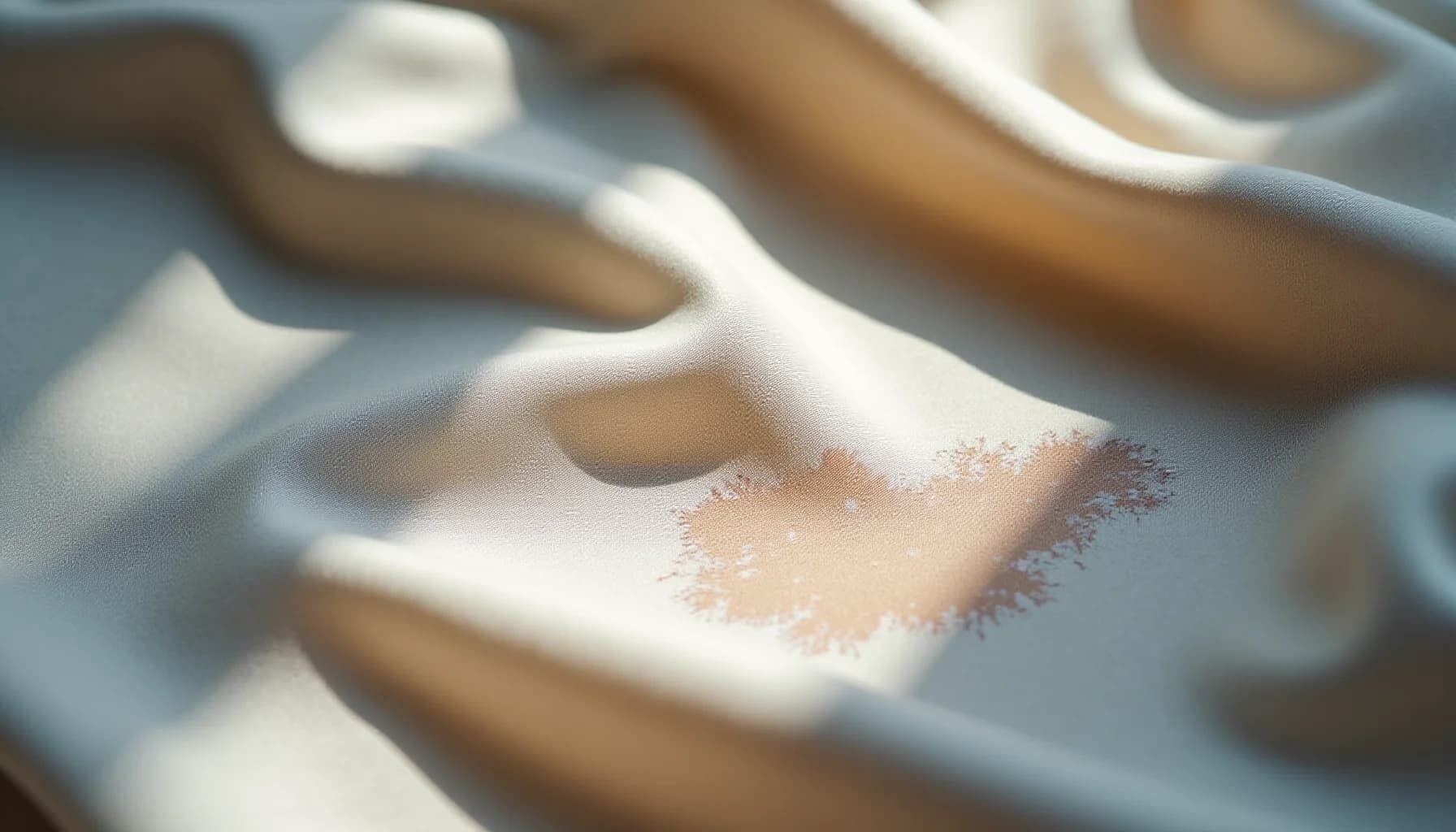
Is bleach safe to use on your fabrics?
The short answer is: it depends on which bleach you are using and what fabric you are treating. These two variables change everything.
Chlorine bleach, sold as sodium hypochlorite solution, is the stronger of the two common types. It works well on white and colorfast cotton and synthetic blends, but it is genuinely destructive to wool, silk, spandex, and most delicate fibers. Using it on those materials breaks down the fiber structure rather than just lifting the stain. The widespread assumption that "it's white, so bleach is fine" is where most bleach damage starts. A white silk blouse and a white cotton T-shirt look identical in a pile of laundry, but they respond to chlorine bleach very differently. The cotton tolerates it; the silk weakens and may discolor permanently.
Oxygen bleach, sometimes labeled as color-safe bleach and sold in powder or liquid form, is the gentler option. It works on all machine-washable fabrics, including colored ones, and poses far less risk of fiber damage. For routine brightening of mixed loads, oxygen bleach is the more reliable default.
Regardless of bleach type, spot-test before you commit. Apply a small amount to a hidden seam allowance or interior hem, let it sit for the same duration you would use during washing, then blot and check for any color shift or texture change. This takes two minutes and prevents ruining the entire garment.
One more practical point: chlorine bleach used repeatedly on white bedding and towels does degrade and weaken the fabric over time, even when used as directed. Rotating it with oxygen bleach, or using it only when genuinely needed rather than as a weekly habit, extends the life of those items considerably.
| Bleach Type | Safe Fabrics | Unsafe Fabrics | Primary Use |
|---|---|---|---|
| Chlorine (sodium hypochlorite) | Whites, colorfast washables | Wool, silk, spandex | Heavy disinfecting, whitening |
| Oxygen (color-safe) | All washable fabrics | None documented | Brightening colors, gentle stain removal |
When should you hand wash versus call a professional?
Hand washing works for lightly soiled items made from fabrics like silk, wool, or cashmere, provided you use cold water and a detergent specifically formulated for delicates. The risk rises sharply with technique. Wringing or twisting wool causes irreversible felting, where fibers bind together permanently and no amount of reshaping will restore them. Rubbing silk against itself creates friction that weakens and permanently discolors the fibers. Even the right fabric washed at the wrong temperature can shrink to an unwearable size in minutes.
Stop hand washing and call a professional when any of these conditions apply: the care label shows an S code (solvent-only), the garment is structured, lined, or has padding that will lose its shape when wet, the fabric is acetate or rayon, which can dissolve or pucker with water exposure, or the item has already been damaged and you are trying to reverse it. Home remedies rarely reverse water damage on silk or felting on wool. Attempting them usually compounds the problem.
Professional dry cleaning is also the correct choice whenever solvents are involved. Dry-cleaning solvents are not safe for home use without industrial ventilation and protective equipment, and consumer-grade home dry-cleaning kits are not substitutes for professional machines that control solvent levels and drying temperatures precisely. Garments cleaned professionally last three to five times longer than those handled improperly at home, which makes the cost far more defensible than replacing a damaged piece outright.
Frequently asked questions
What do the fabric care codes W, S, WS, and X actually mean?
Is hot water better for getting clothes really clean?
Can I use bleach on all white fabrics?
Do all dry-clean-only garments have to go to a professional cleaner?
What habits keep fabrics in good shape between deep cleanings?
Weekly vacuuming does more for upholstery and fabric furnishings than any occasional deep clean can fix after the fact. Use a soft brush attachment and work systematically: flat surfaces first, then corners, seams, and the spaces between cushions where crumbs and grit accumulate and act as abrasives against the fibers with every use. Once a week is the minimum; high-traffic pieces benefit from two passes.
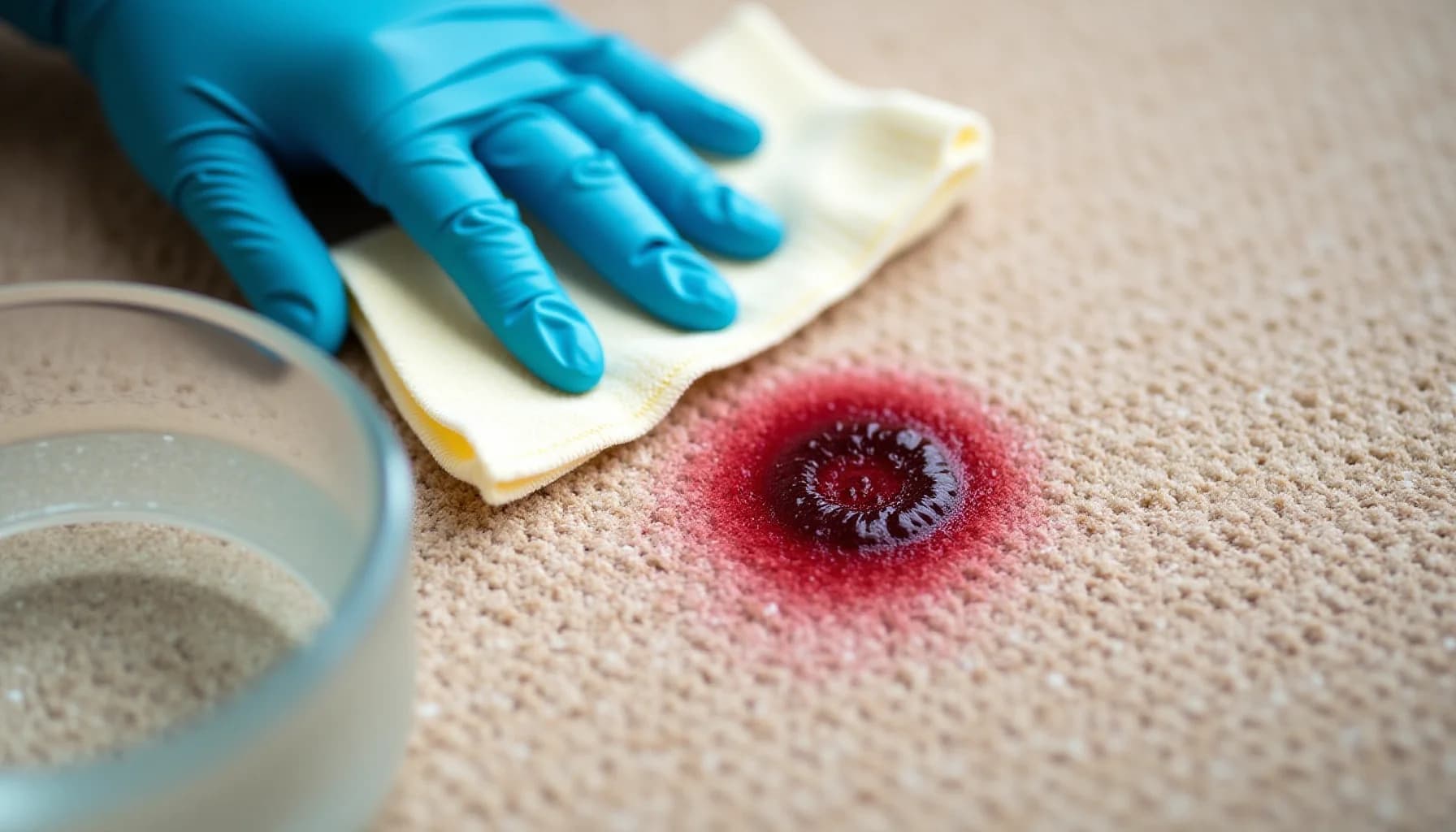
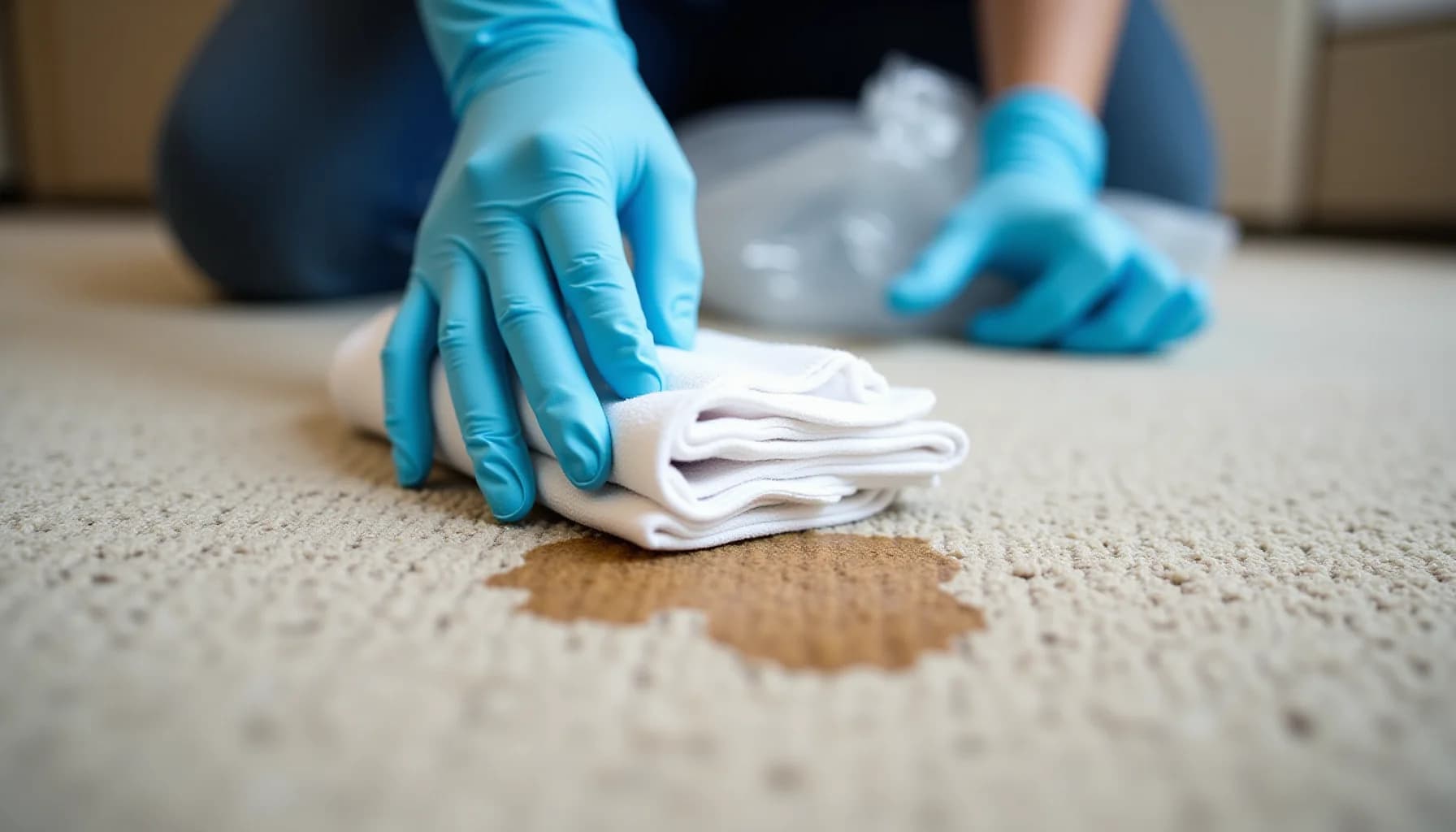
Address spills immediately rather than letting them dry. Blot, never rub. Rubbing spreads the stain laterally and pushes it deeper into the weave. Keep a clean white cloth nearby so you can act within the first minute, when most spills are still removable without any product at all.
Rotate cushions and pillows regularly so wear distributes evenly. Flip reversible cushions each time you vacuum. This alone extends the usable life of a sofa noticeably, since one-sided compression and fading from light exposure are cumulative.
Keep fabric away from prolonged direct sunlight. UV exposure degrades fibers and fades dye faster than most cleaning mistakes do. Repositioning furniture or using window coverings during peak light hours costs nothing.
Finally, avoid overloading washers with garments or fabric items. Crowded loads create friction between pieces and prevent detergent from rinsing out cleanly, leaving residue that makes fabric feel stiff and look dull over time. Smaller loads, washed in cold water, are gentler on fibers and use significantly less energy.
How this article was made
Researched and written with AI assistance. What gets published is a human editorial decision. Grounded in 2 cited sources.
Edited by Claire Mercier, Editor. The guides are written with AI assistance.