How to Clean a Humidifier and Stop Mold Coming Back
Part of Air & HVAC · article 1 of 12
On this page
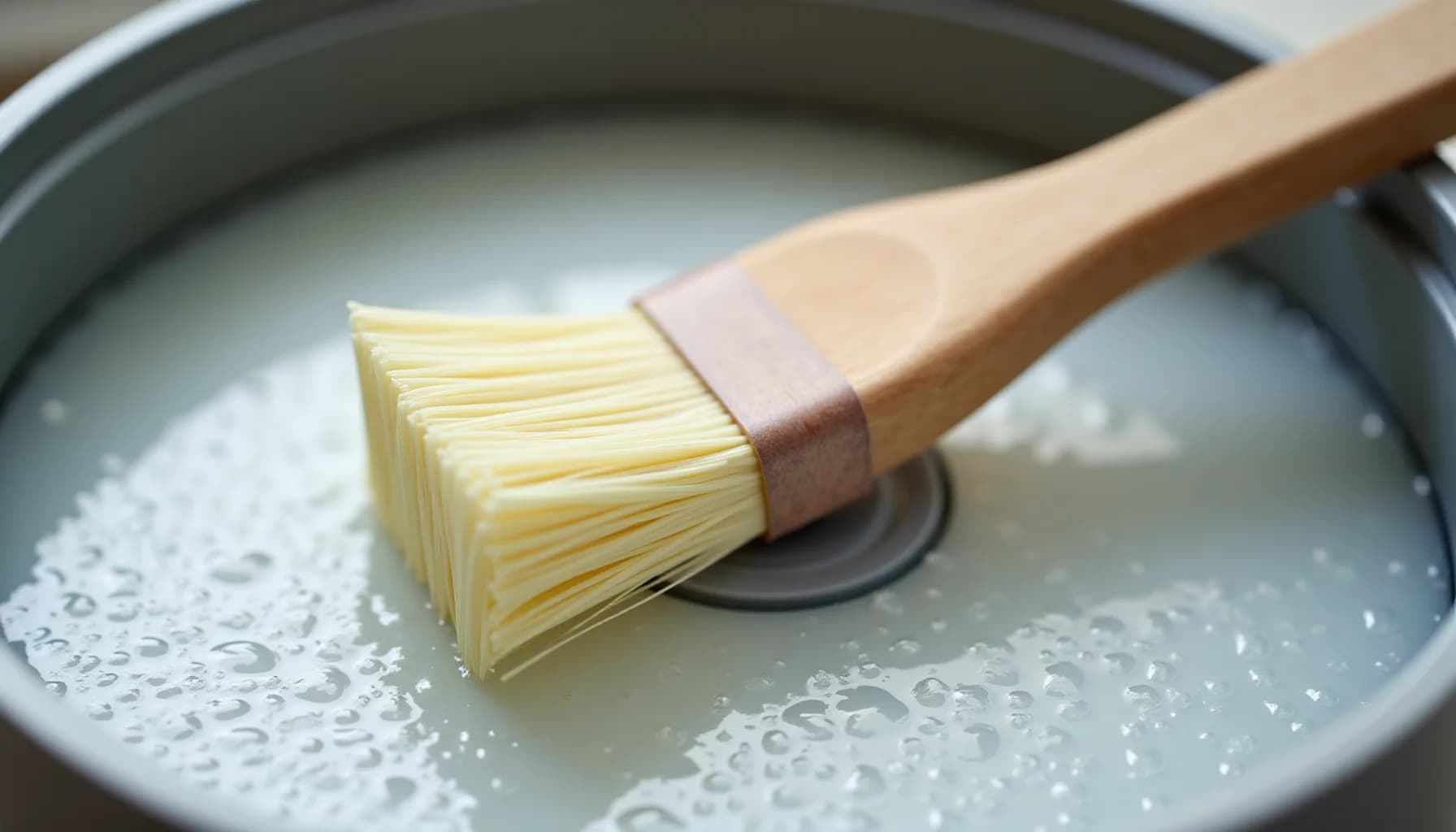
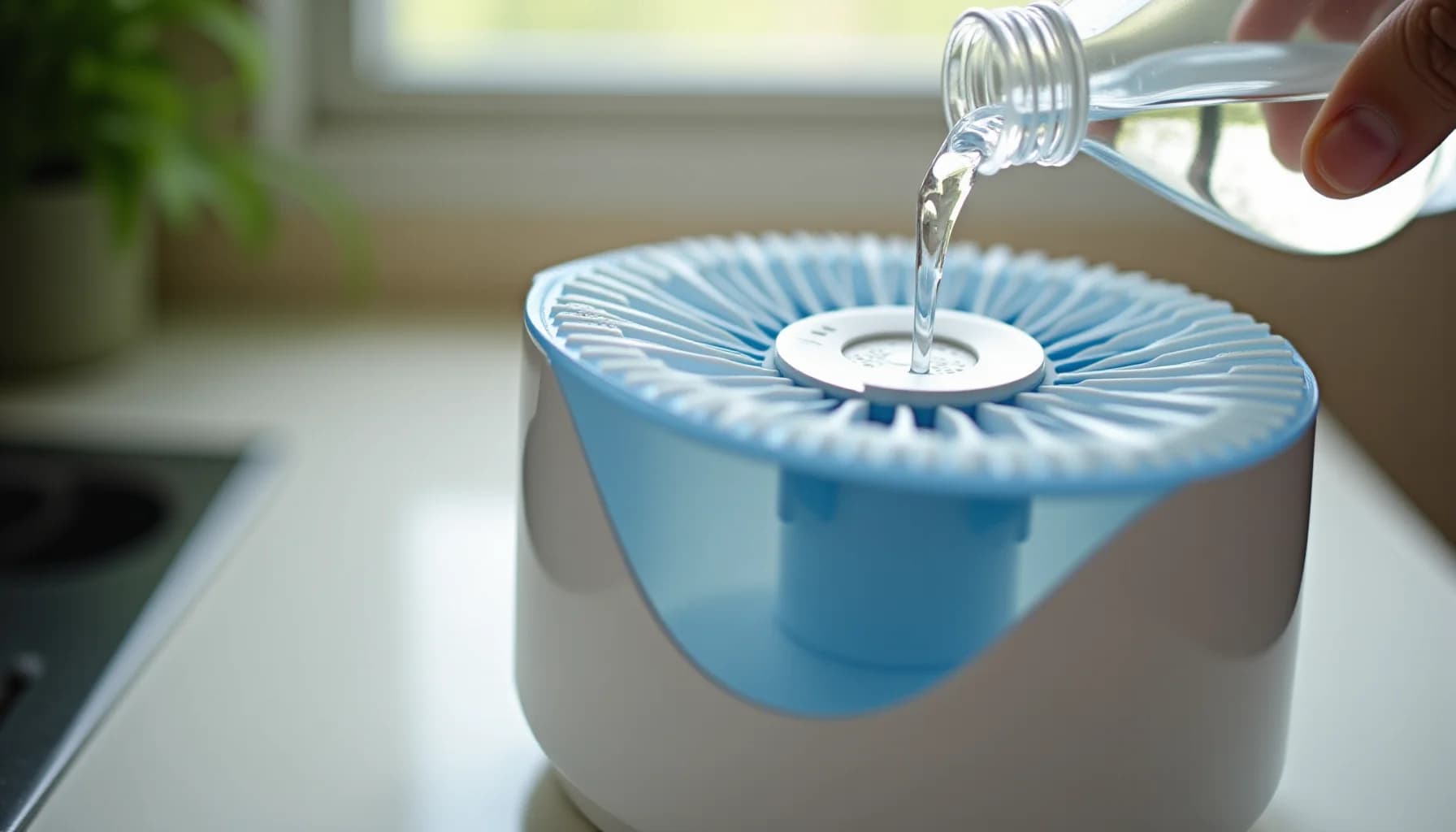
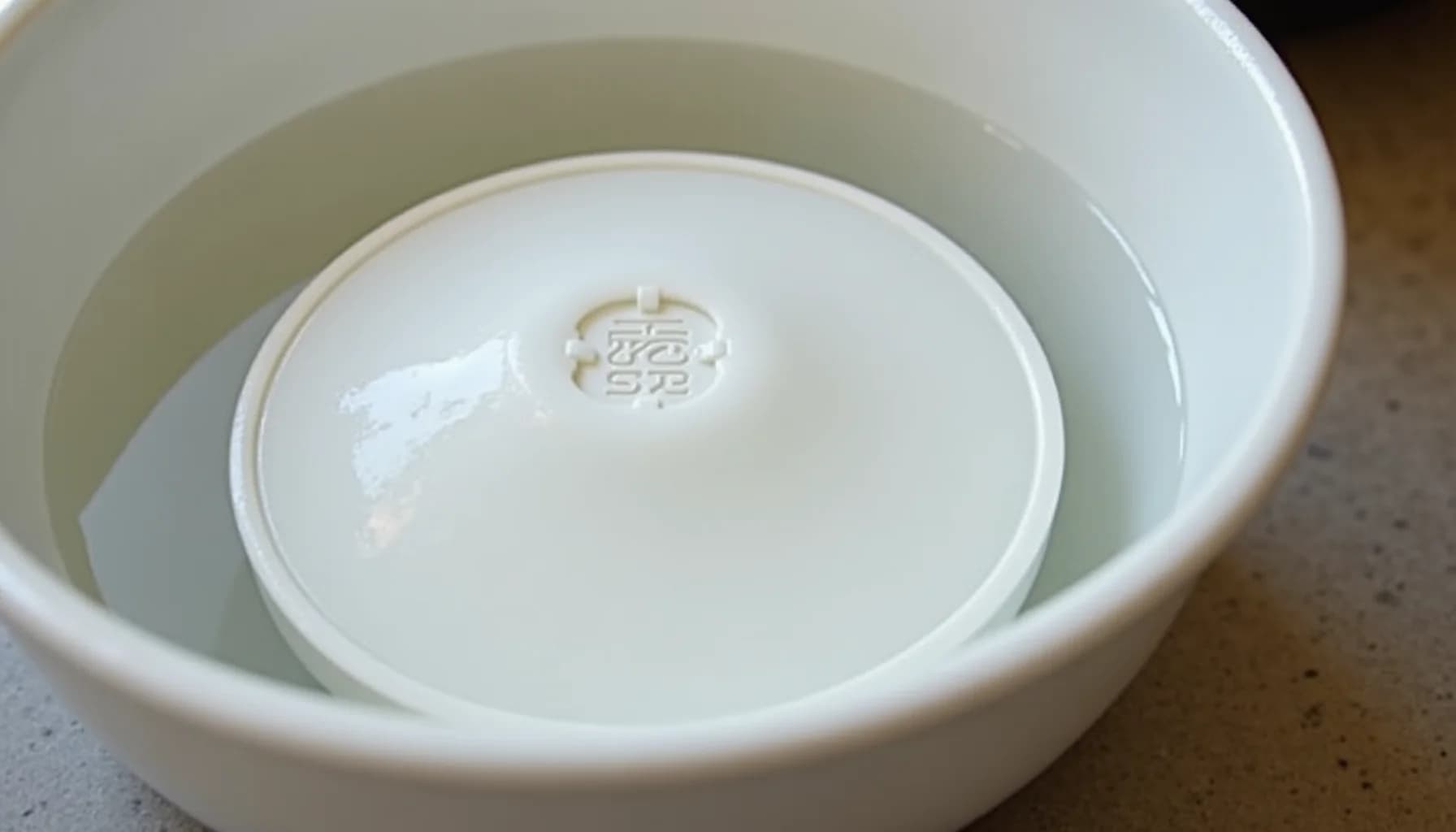
Pour 1 to 2 cups of distilled white vinegar into the base and water tank, swish it around, and let it sit for up to 20 minutes to loosen mineral deposits, then scrub with a soft brush and rinse until no vinegar smell remains. For disinfection, mix half a teaspoon of bleach into half a gallon of water, though bleach can degrade some plastics, so the EPA suggests a 3 percent hydrogen peroxide solution as a gentler alternative. Always use distilled or demineralized water rather than tap water: municipal tap water carries 150 to 500 ppm total dissolved solids compared to 0 to 5 ppm in distilled water, and those minerals feed both scale buildup and the biofilm that mold and bacteria form inside neglected tanks. Towel-dry every part completely before reassembling, and keep indoor humidity between 30 and 50 percent; above 60 percent, mold spreads to walls and ceilings regardless of how clean the unit is.
How often should you clean your humidifier?
The honest answer is that there is no single schedule that fits every household. Three variables drive the right frequency: how often you run the unit, how hard your local water is, and how large the tank is.
For most portable humidifiers, the EPA recommends cleaning every three days to keep mineral scale and microorganisms from getting a foothold. Rinse the tank daily, towel it dry, and refill with fresh water. That daily habit costs you two minutes and meaningfully slows contamination between deeper cleans.
Tank size shifts the math. The Consumer Product Safety Commission draws a specific line at five gallons: portable units at or above that capacity should be sanitized every two weeks rather than every three days, because larger water volumes create more surface area for biofilm to develop.
Water hardness is just as important as tank size. Municipal tap water typically carries 150–500 ppm of total dissolved solids, mostly magnesium and calcium, and those minerals plate onto interior surfaces fast. If you live in a hard-water area, a weekly clean is realistic. In softer-water regions, a biweekly or even monthly clean may be enough for routine maintenance, though a deeper descale every few months is still worthwhile to clear anything that has slowly accumulated inside water lines and nozzles.
Humidifier type also nudges the schedule. Warm mist models should be disassembled and cleaned weekly because heat accelerates mineral baking onto heating elements. Evaporative humidifiers with wick filters require filter replacement on top of tank cleaning, since saturated wicks lose effectiveness regardless of how clean the tank itself looks.
What supplies do you need and how do you clean a humidifier step by step?
Gather your supplies
You need distilled white vinegar, water, a soft brush or cloth, and optionally a small amount of mild detergent or bleach. Having everything ready before you disassemble the unit keeps the process quick and safe.
Disassemble and empty the humidifier
Unplug the unit, then remove the water tank, base, and any detachable parts. Discard any standing water, since stagnant water left in the tank is a direct breeding ground for mold, bacteria, and biofilm.
Descale with white vinegar
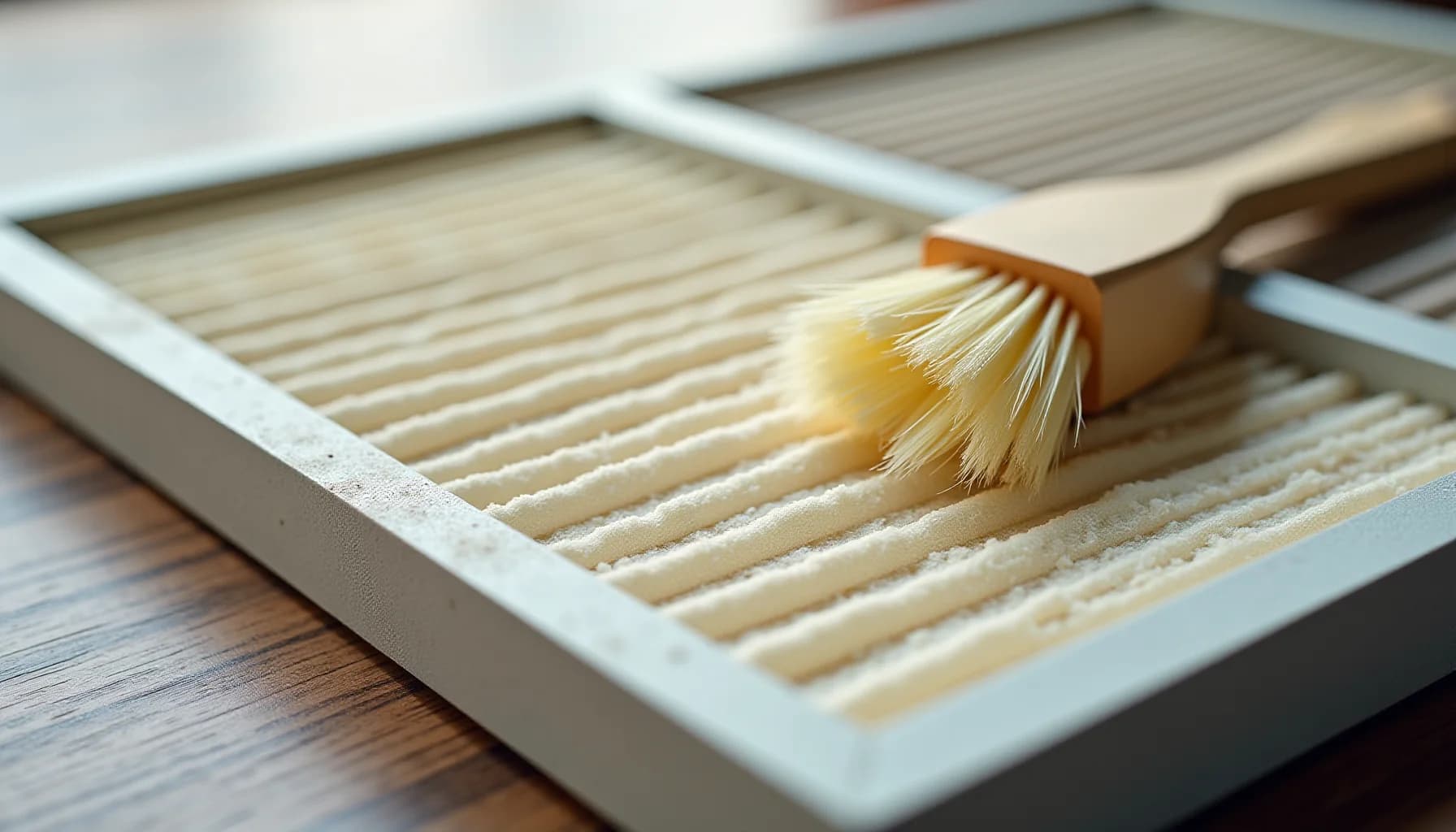
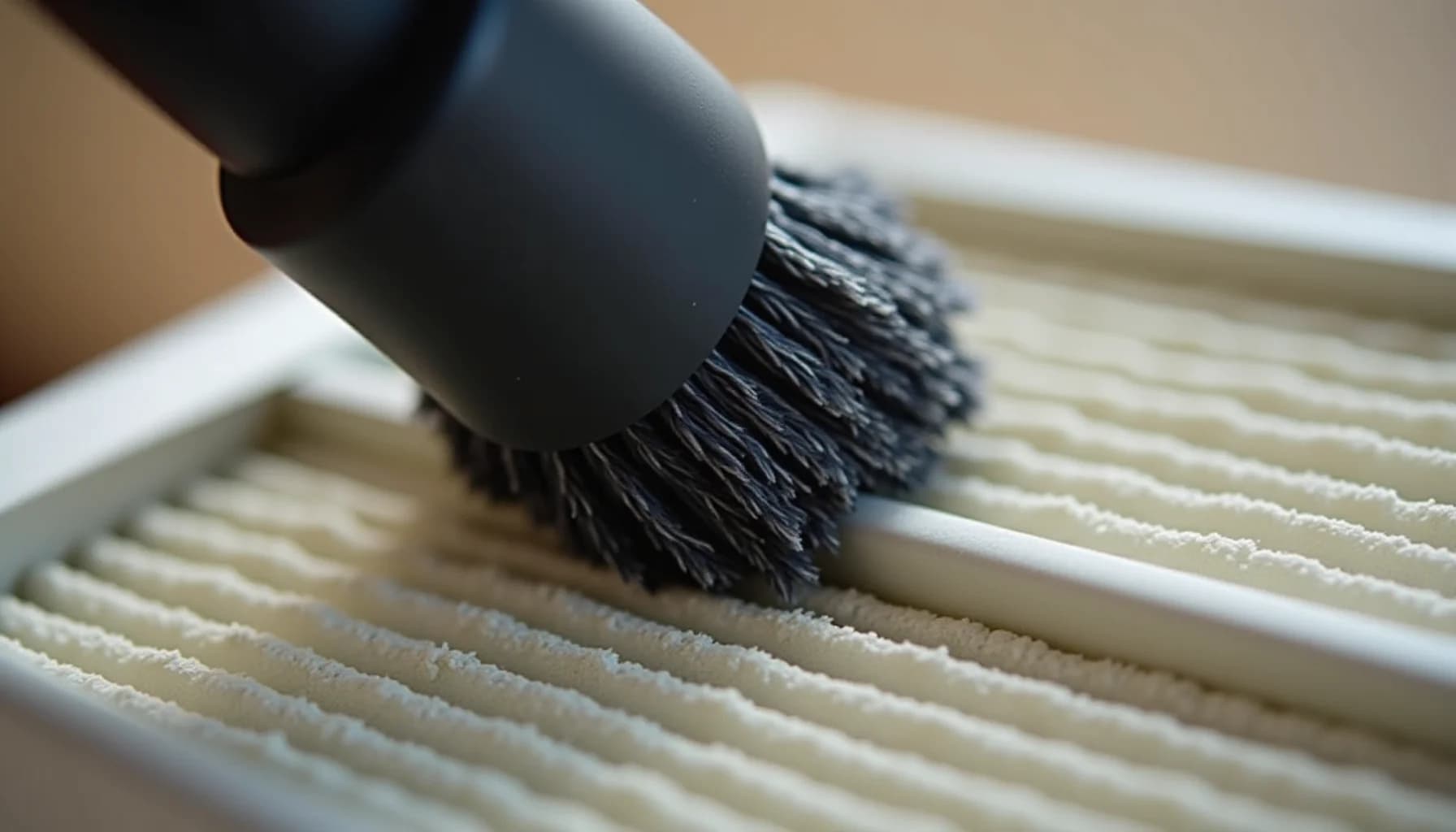
Pour 1 to 2 cups of distilled white vinegar into the base and tank, swishing it around to coat all interior surfaces, then let it sit for 20 to 30 minutes to loosen mineral deposits. For heavier buildup, fill the tank with a mix of one part vinegar to two parts water and scrub with a soft brush after soaking.
Disinfect with a bleach or hydrogen peroxide solution
Mix half a teaspoon of bleach into half a gallon of water, or use a 3 percent hydrogen peroxide solution as the EPA recommends, and apply it to the tank and base. Note that bleach can degrade some plastics and seals over time, so hydrogen peroxide is a safer choice for frequent use.
Rinse thoroughly and dry
Rinse every part with clean water, repeating until no vinegar or disinfectant smell remains. Towel-dry all components completely before reassembling, because any residual moisture left inside encourages the microbial growth you just removed.
Refill with distilled or demineralized water and reassemble
Use distilled or demineralized water rather than tap water: tap water contains 150 to 500 ppm of dissolved solids, including minerals and microorganisms, compared to 0 to 5 ppm in distilled water. Set your humidifier to maintain indoor humidity between 30 and 50 percent, the range at which mold growth on walls, ceilings, and furniture is not encouraged.
Does the type of water you use in your humidifier really matter?
The short answer is yes, significantly. The water you pour into your humidifier determines how quickly mineral deposits build up, how fast biofilm forms, and how often you need to scrub the tank out.
Tap water is the most convenient option but the most problematic. Municipal tap water typically contains 150 to 500 ppm of total dissolved solids (TDS), a measure that includes minerals like calcium and magnesium. Those minerals settle on interior surfaces and the nebulizer of ultrasonic models, eventually clogging the unit or slowing mist output. Beyond minerals, tap water can carry trace bacteria, fungi, and cleaning agents like chlorine and chloramine. The EPA has found that ultrasonic and impeller humidifiers can disperse these microorganisms and minerals directly into your indoor air, which is reason enough to reconsider what goes in the tank.
Distilled water sits at the opposite end of the spectrum, testing at 0 to 5 ppm TDS. The distillation process removes virtually all dissolved solids and most microorganisms, so there is very little material left to form deposits or seed biofilm. The CPSC specifically instructs users to choose distilled or demineralized water for room humidifiers rather than tap water. In practice, this means you clean less often and the cleaning itself is easier, because there is far less scale to shift.
Demineralized water is produced through ion exchange rather than heat, but the result is similar: mineral content is stripped down to near zero, making it a solid alternative to distilled.
Reverse osmosis water sits between tap and distilled in purity. An RO system pushes water through a semipermeable membrane that blocks most dissolved solids and contaminants. It is not as pure as distilled, but it is a substantial step up from tap. If you already have an RO system under your kitchen sink, the water it produces is a practical and effective choice for your humidifier.
What happens if you stop cleaning your humidifier?
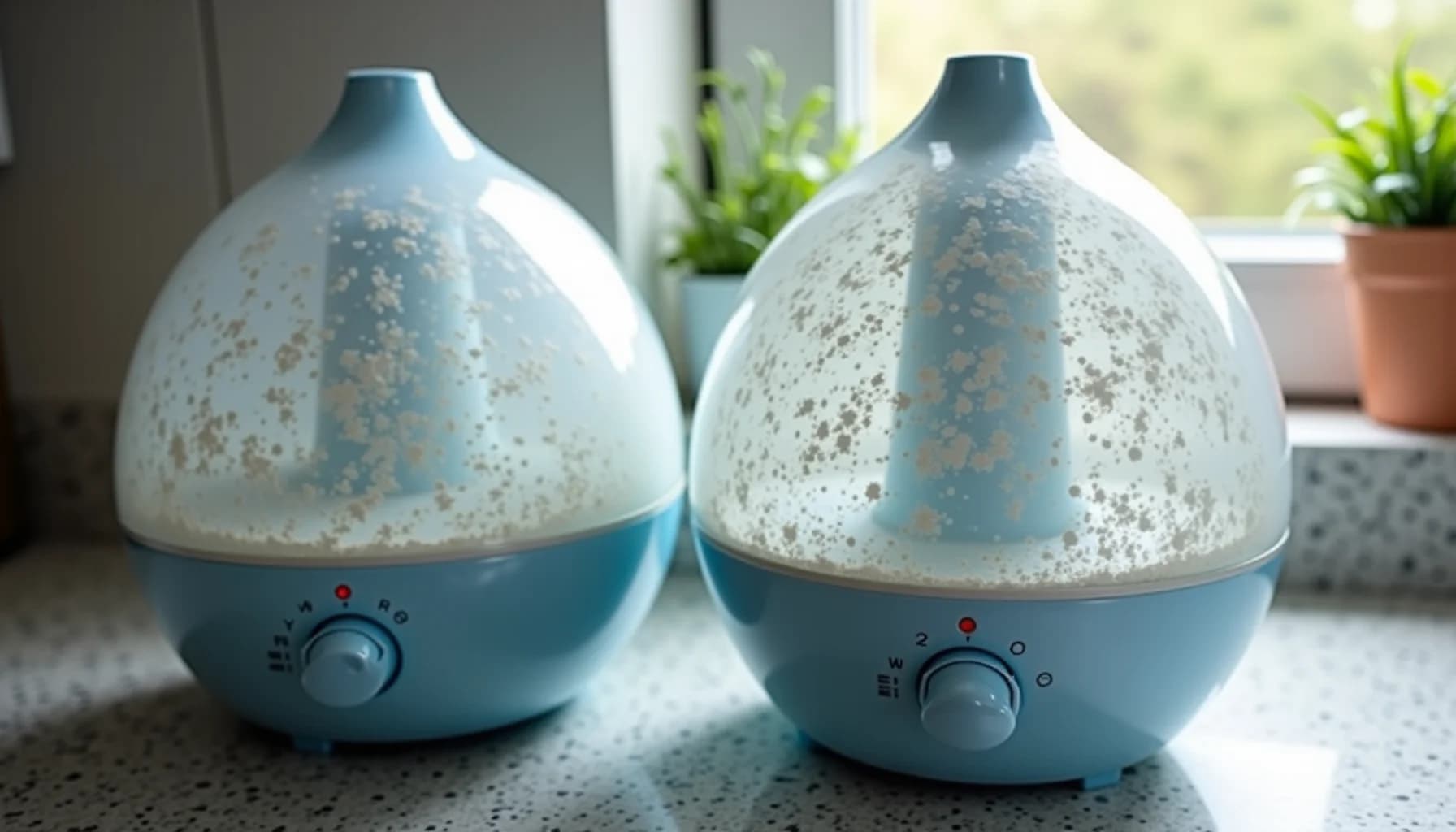
A neglected humidifier does not just get grimy. It becomes an active source of contamination that gets pumped directly into the air your family breathes.
The core problem is biofilm. According to the CDC, bacteria, fungi, and amebas can form a sticky, layered community inside the water tank that protects them and accelerates their growth. This biofilm is not removed by simply swapping out the water. Once established, it clings to the interior surfaces of the tank, base, and any tubing, and ordinary rinsing does little to dislodge it.
From there, the health consequences are real. The EPA has confirmed through studies that ultrasonic and impeller humidifiers can disperse microorganisms directly from a contaminated tank into indoor air. Breathing that air regularly can trigger upper respiratory tract infections, worsen asthma or allergy symptoms, and cause eye and skin irritation if mist lands on exposed surfaces. Gastrointestinal problems are also possible if a child ingests contaminated mist or water.
Mineral buildup compounds the problem. Tap water typically carries 150–500 ppm of dissolved solids, including calcium and magnesium, which settle as scale on internal components. On an ultrasonic humidifier, this scale collects on the nebulizer and eventually slows mist output significantly. Beyond the efficiency hit, those mineral particles are dispersed into the air as white dust, which can irritate the lungs of sensitive individuals.
Mold growth inside the unit follows the same logic. Standing water left in a tank for even a day or two provides exactly the conditions mold needs. If you are already dealing with mold elsewhere in the home, it is worth reading how to remove mold from a bathroom ceiling and keep it gone, since high indoor humidity from a poorly maintained humidifier can feed that problem too.
Does your humidifier type change how you clean it?
Yes, your humidifier type changes almost everything about the cleaning sequence, and getting it wrong can permanently damage the unit or push contaminated mist into your home's air.
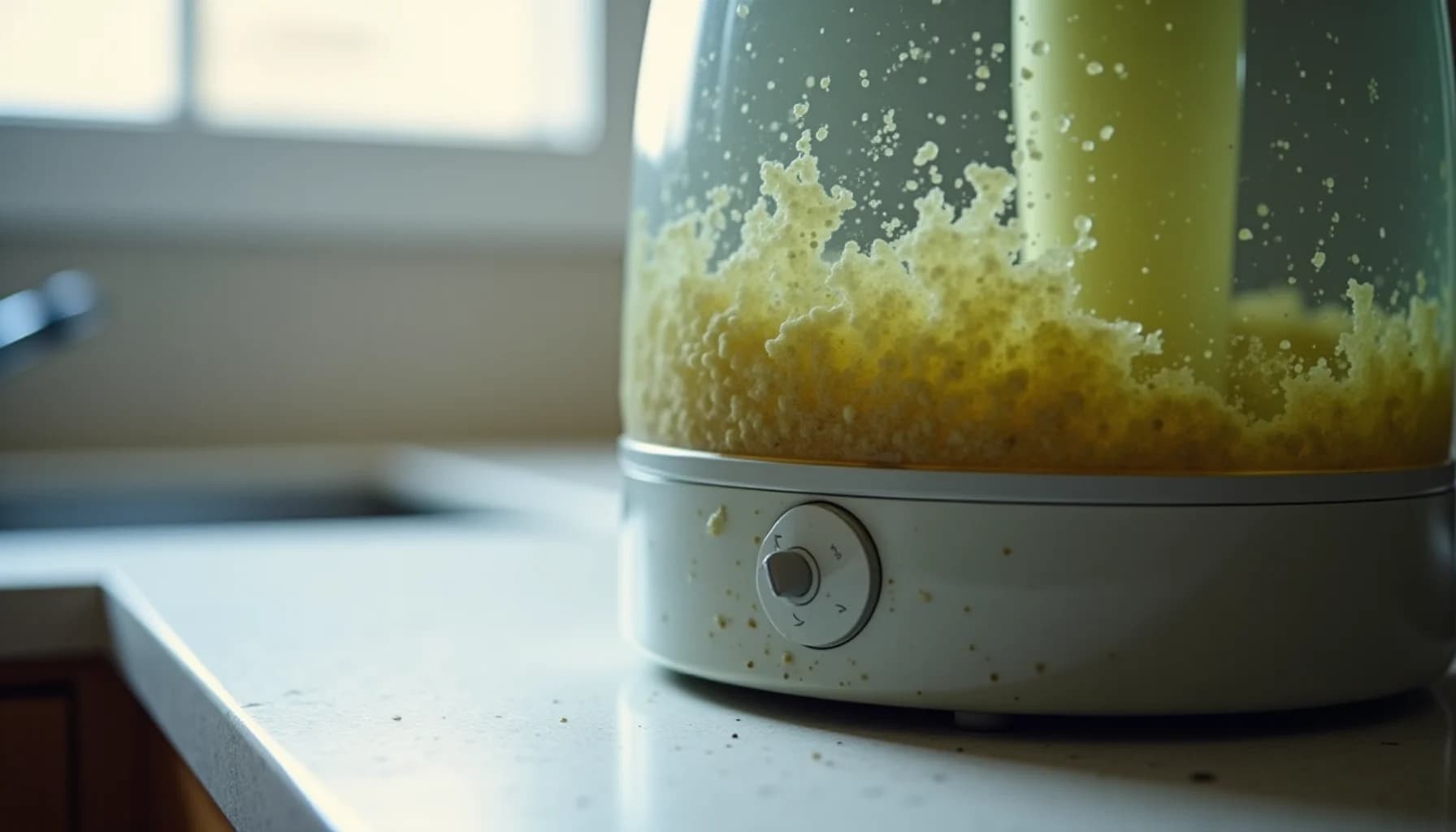
Ultrasonic humidifiers vibrate a metal or ceramic nebulizer at high frequency to produce mist. Mineral deposits from tap water collect directly on that nebulizer disc, and once buildup is heavy enough, the disc slows or stops producing mist altogether. Scrubbing the nebulizer with anything abrasive, even a stiff toothbrush, can scratch or crack it beyond repair. Use only a soft cloth or cotton swab dampened with undiluted white vinegar. If the disc is visibly corroded or pitted and mist output has not recovered after two cleaning cycles, the unit needs professional service or replacement, not another round of scrubbing.
Warm mist humidifiers heat water to boiling point, which accelerates mineral scaling on the heating element. Disassemble and clean weekly. Bleach solutions can degrade the plastic seals that keep the unit watertight, so stick to vinegar for descaling. Never reassemble while any component is still damp; residual moisture near a heating element is a fire and electrical hazard.
Evaporative humidifiers use a wick filter that actively traps minerals and impurities. Once that filter turns stiff, discolored, or visibly crusted, cleaning it is not enough. A saturated wick forces the fan to work harder and can blow mineral-laden air through the room. Replace it on the manufacturer's schedule, or sooner if it hardens before that point.
Frequently asked questions
How often should I clean my humidifier?
What is the best way to remove mineral deposits from a humidifier?
What type of water should I use in my humidifier?
Can a dirty humidifier make you sick?
What humidity level should you maintain, and how do you store a humidifier properly?
Keep your humidifier set between 30% and 50% relative humidity. Below 30%, you lose the comfort benefits; above 50%, you create conditions where mold can take hold, not just inside the unit but on walls, ceilings, and furniture throughout the room. Most modern humidifiers have a built-in humidistat, so set it and check it periodically rather than running the unit on full output indefinitely.
For short breaks of even a few days, drain the tank and the well completely and leave both empty. Standing water stagnates quickly, and a half-full tank sitting idle is exactly the kind of environment where mold and bacteria establish themselves before your next use.
End-of-season storage deserves its own attention. Before you put the unit away, do a full cleaning, including a vinegar soak to clear any mineral deposits and a thorough rinse until no vinegar smell remains. Then allow every component to dry completely, including the inside of the tank, before reassembling or boxing the unit. Any residual moisture sealed inside a stored humidifier becomes a problem by the time fall rolls around again. If your home already deals with mold in humid spaces, the guidance at how to remove mold from bathroom ceiling covers the broader conditions that let mold persist, which often come down to the same humidity discipline.
How this article was made
Researched and written with AI assistance. What gets published is a human editorial decision. Grounded in 8 cited sources.
Edited by Claire Mercier, Editor. The guides are written with AI assistance.
Sources (8)
- Portable Humidifiers Need Regular Cleaning During Winter Months
- Use and Care of Home Humidifiers | US EPA
- How To Clean A Humidifier: A Maintenance Guide | Abt
- How to Clean Your Humidifier - Vicks Humidifiers
- How to Clean Your Humidifier – Airdog USA
- How to Clean Your Humidifier via @ConsumerReports
- How to Clean Your Humidifier
- How To Clean A Humidifier Properly | Johnson’s HVAC