Before You Clean Your AC Drain Line, Check This First
Part of Air & HVAC · article 12 of 12
On this page
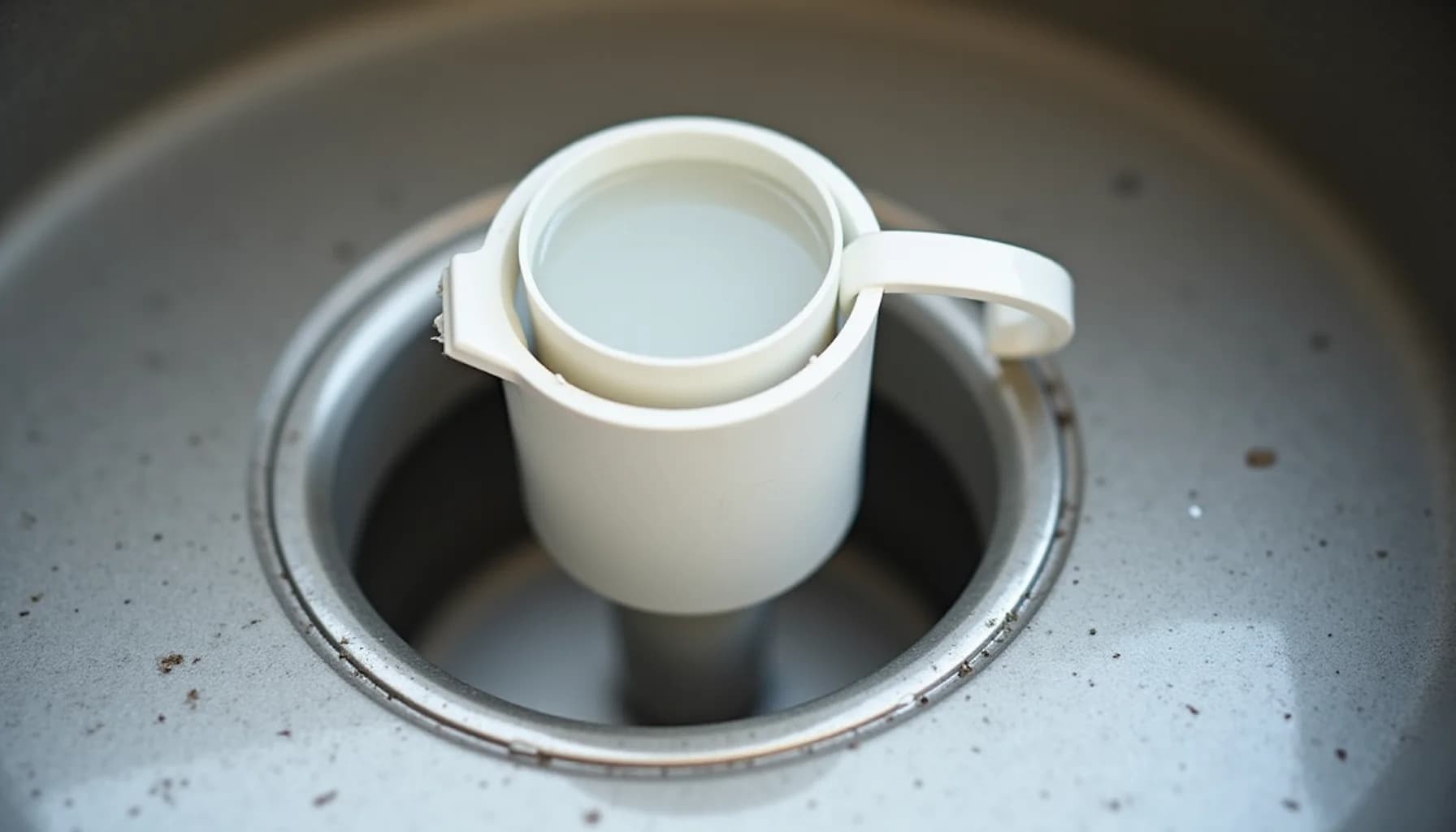
Pour 1 cup of distilled white vinegar into the drain line access point (the T-shaped vent above the indoor drain pan), let it sit for 30 minutes, then flush with 2 cups of hot water. That handles routine maintenance. For an active clog, the vinegar won't move it; attach a wet/dry shop vac to the outdoor end of the drain line, remove the paper filter first, seal the gap with duct tape or a rag, and run it for two to three minutes.
Avoid bleach. It can corrode the metal drain pan and weaken the PVC cement at pipe joints, causing structural damage that outweighs any short-term cleaning benefit. Apple cider vinegar is equally off the list: its natural sugars and sediment can feed the same biological growth you're trying to kill. Use only distilled white vinegar at standard 5% acidity. If mold is already visible around the unit or pan and you want to understand what vinegar actually does to it, how vinegar works against mold growth covers that in detail.
What is the AC condensate drain line and where do you access it?
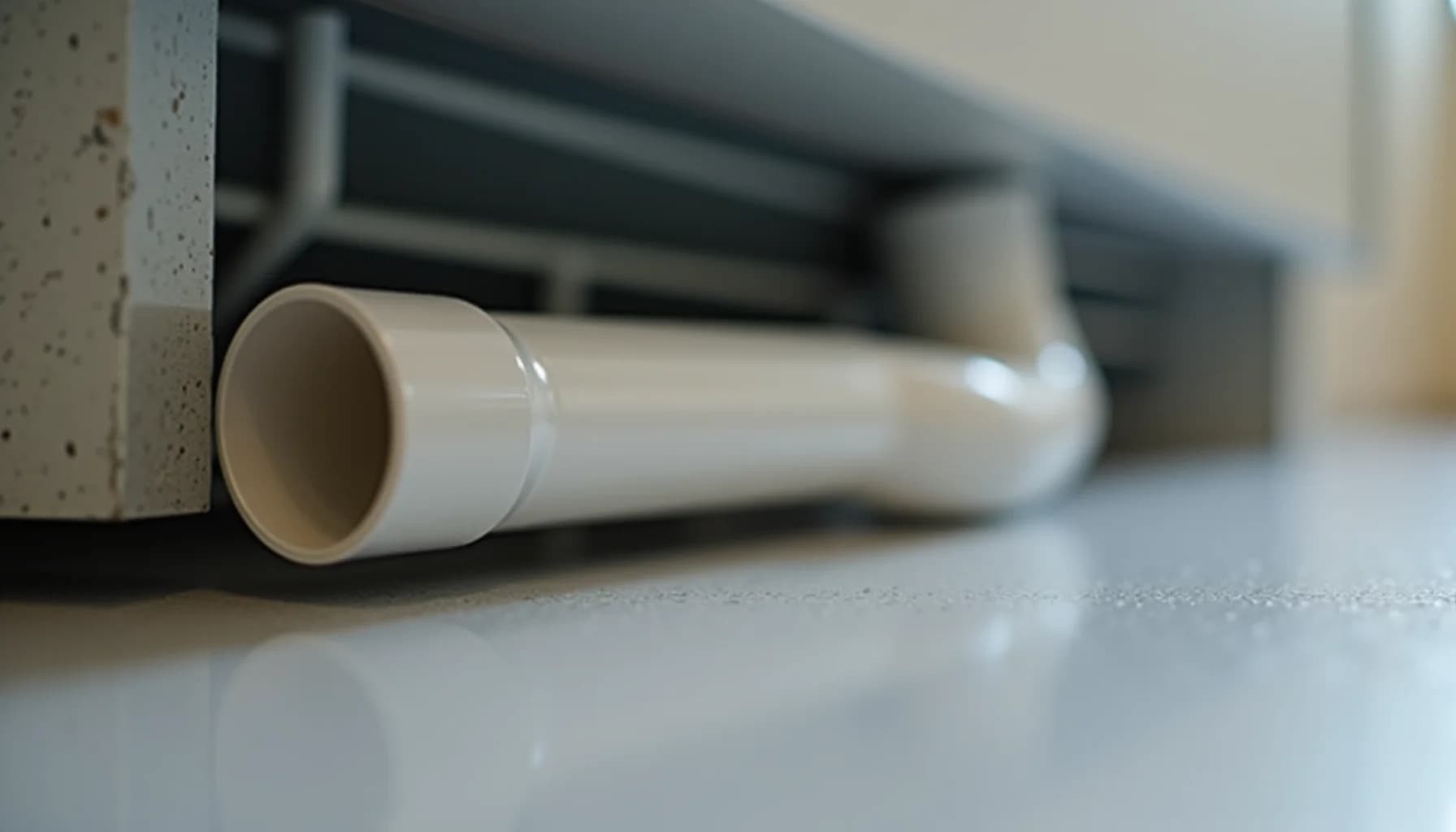
The condensate drain line is a PVC pipe, typically three-quarters of an inch in diameter, that carries water away from your indoor HVAC unit to the outside of your home. Here is what happens: as your air conditioner runs, the evaporator coil gets cold enough to pull moisture out of the warm indoor air passing over it. That moisture condenses on the coil's surface, drips down into a drain pan sitting directly beneath it, and then exits through the drain line. On a humid summer day, a standard central AC system can produce several gallons of condensate this way.
The indoor unit, whether that is an air handler or a furnace with an evaporator coil mounted on top, is where you will find the drain pan and the beginning of the drain line. Follow the PVC pipe leading away from that pan and you will come across the access point: a T-shaped vent fitting with a removable cap, positioned above the drain pan level. That cap is what you pull off to pour in a cleaning solution or check for blockages. Some systems route this pipe through a utility closet or attic; others run it along an interior wall before exiting through the exterior. The outdoor end is simply an open pipe stub, often visible low on an exterior wall or near the foundation. On some older homes the line may be copper rather than PVC, which matters when choosing a cleaning method, covered in a later section of this article.
What causes AC drain line clogs and how can you tell when one is forming?
Locate the drain line access point
Find the T-shaped vent with a removable cap on the PVC drain line near your indoor air handler or furnace. This cap sits above the drain pan and gives you direct access to the line for cleaning.
Remove the vacuum filter and attach the hose to the outdoor drain end
Pull the paper filter out of your wet/dry shop vac to protect it, then go outside and remove any cap or plug from the open end of the 3/4-inch PVC drain pipe. Press the vacuum hose firmly against that opening and seal the gap with duct tape or a rag.
Run the vacuum for two to three minutes
Switch the shop vac on and let it run for a full two to three minutes. This pulls out the compacted mass of algae, mold, dirt, or debris that is physically blocking the line, which no liquid solution alone can dissolve.
Pour one cup of distilled white vinegar into the indoor access point
Back inside, remove the T-vent cap and use a funnel to pour one cup of distilled white vinegar down the drain line. Use only distilled white vinegar at five percent acidity: apple cider vinegar contains sugars and sediment that encourage new biological growth, and bleach can corrode the metal drain pan and weaken the PVC cement at the pipe joints.
Let the solution sit for 30 minutes, then flush with hot water
Leave the vinegar undisturbed for 30 minutes so it can kill remaining mold and algae inside the line. After the dwell time, flush the line with two cups of hot water to clear out any loosened buildup, then replace the T-vent cap.
Check the drain pan and set a maintenance schedule
Look into the drain pan directly below the indoor unit: standing water means the clog has not fully cleared and you should call a professional, who may charge up to $400 for a service call. If the pan is dry, schedule a vinegar flush every one to three months and inspect the drain line at least once a month during peak cooling season.
How do you use a wet/dry vacuum to clear a drain line clog?
A wet/dry shop vac is the most reliable way to physically remove a full clog from the condensate drain line, and the process is straightforward if you follow the steps in the right order.
Before you start, remove the paper filter from inside the vacuum. This is easy to overlook, but a wet job will ruin a dry paper filter and reduce suction exactly when you need it most. Once the filter is out, you're ready to work from the exterior end of the drain line.
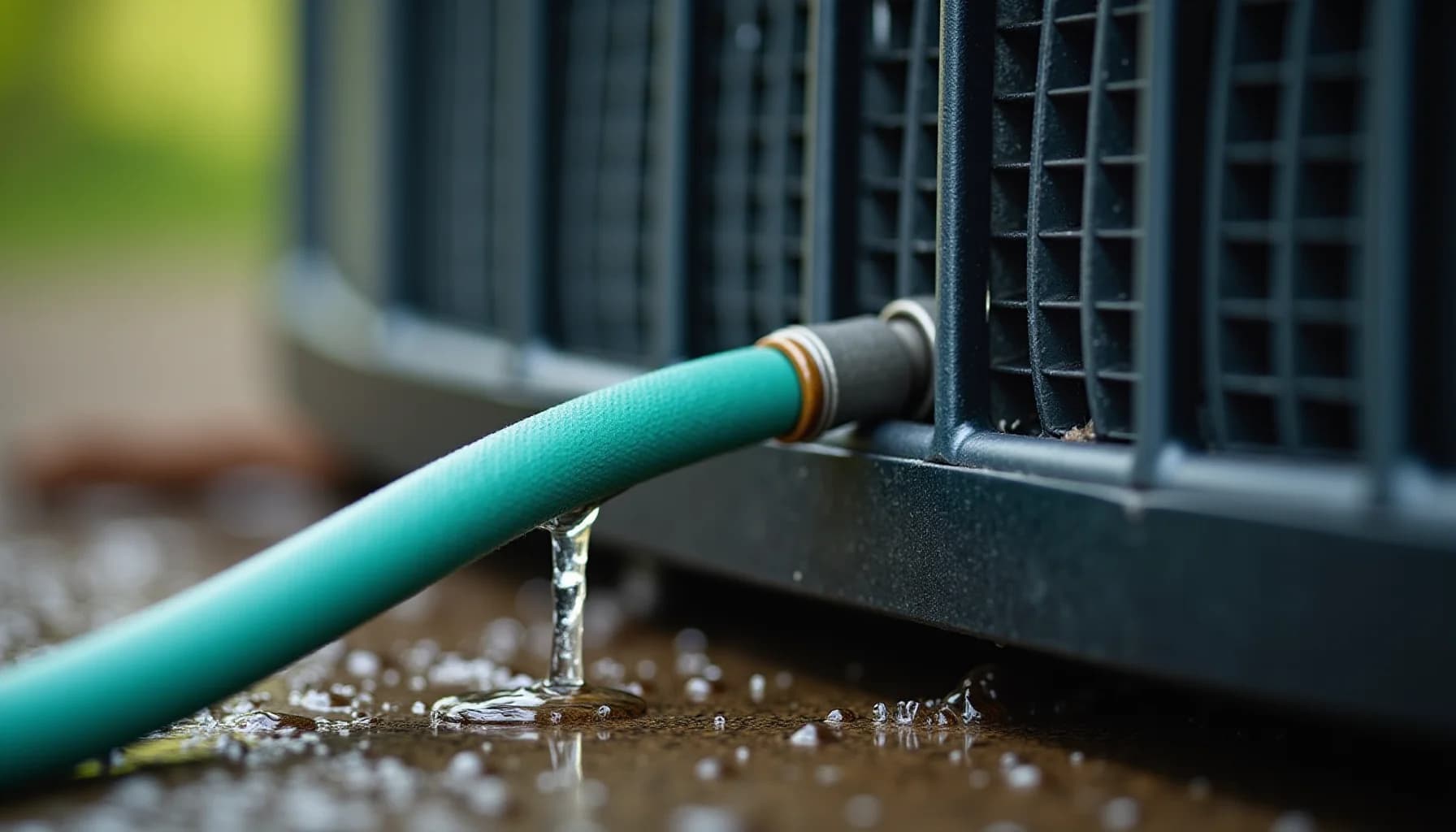
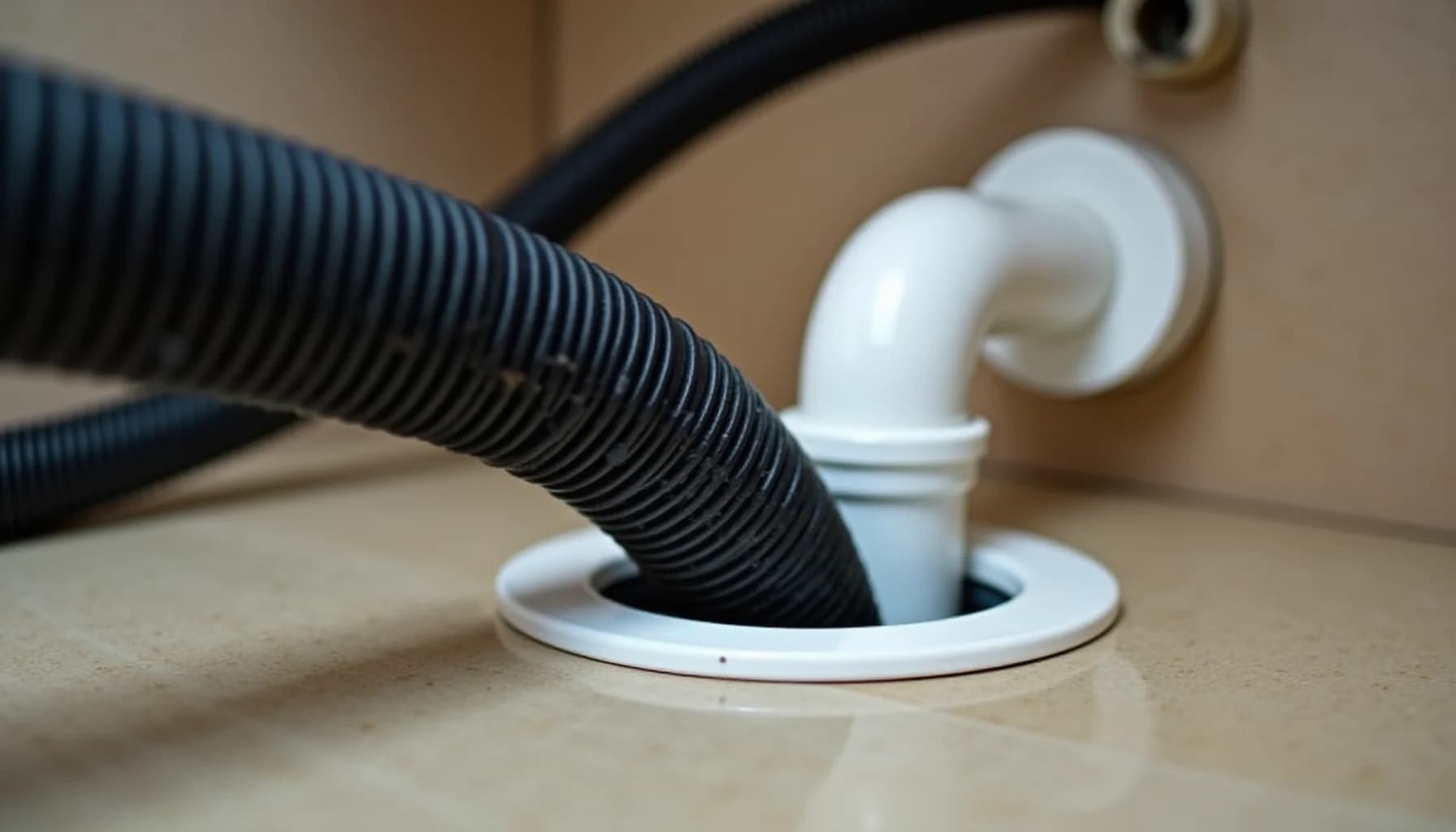
Go outside and locate the open end of the condensate drain, typically a ¾-inch PVC pipe emerging from the side of your house near the indoor unit. Remove any cap or plug from the pipe end. Press the shop vac hose firmly against the opening, then pack the gap between the hose and the pipe with a folded rag or a strip of duct tape. That seal is what generates the suction pressure needed to pull a clog backward through the line. Without it, air bypasses the hose and the vacuum draws nothing useful.
Turn the vacuum on and hold it in place for two to three minutes. You don't need to run it longer than that. If there's a soft clog made up of algae, mold slime, or compacted debris, the sustained suction should dislodge it and draw it into the vacuum drum. When you switch off the vac, check the drum. Slime, gunk, or standing water in the drum confirms the line has cleared.
Return indoors and check the drain pan. If it holds standing water, use the vac or a cloth to remove it before it sits long enough to encourage further mold growth. Once the pan is dry, this is a good point to follow up with a vinegar flush to kill any remaining biological growth in the line.
If the clog doesn't clear after a second attempt, do not escalate to chemical drain openers like Drano. HVAC professionals specifically advise against them because they can damage PVC fittings and metal drain components. At that point, the blockage likely needs professional attention.
Should you flush your AC drain line with vinegar or bleach?
Both options kill mold and algae, but they behave very differently once inside your drain line, and that difference matters for the long-term condition of your system.
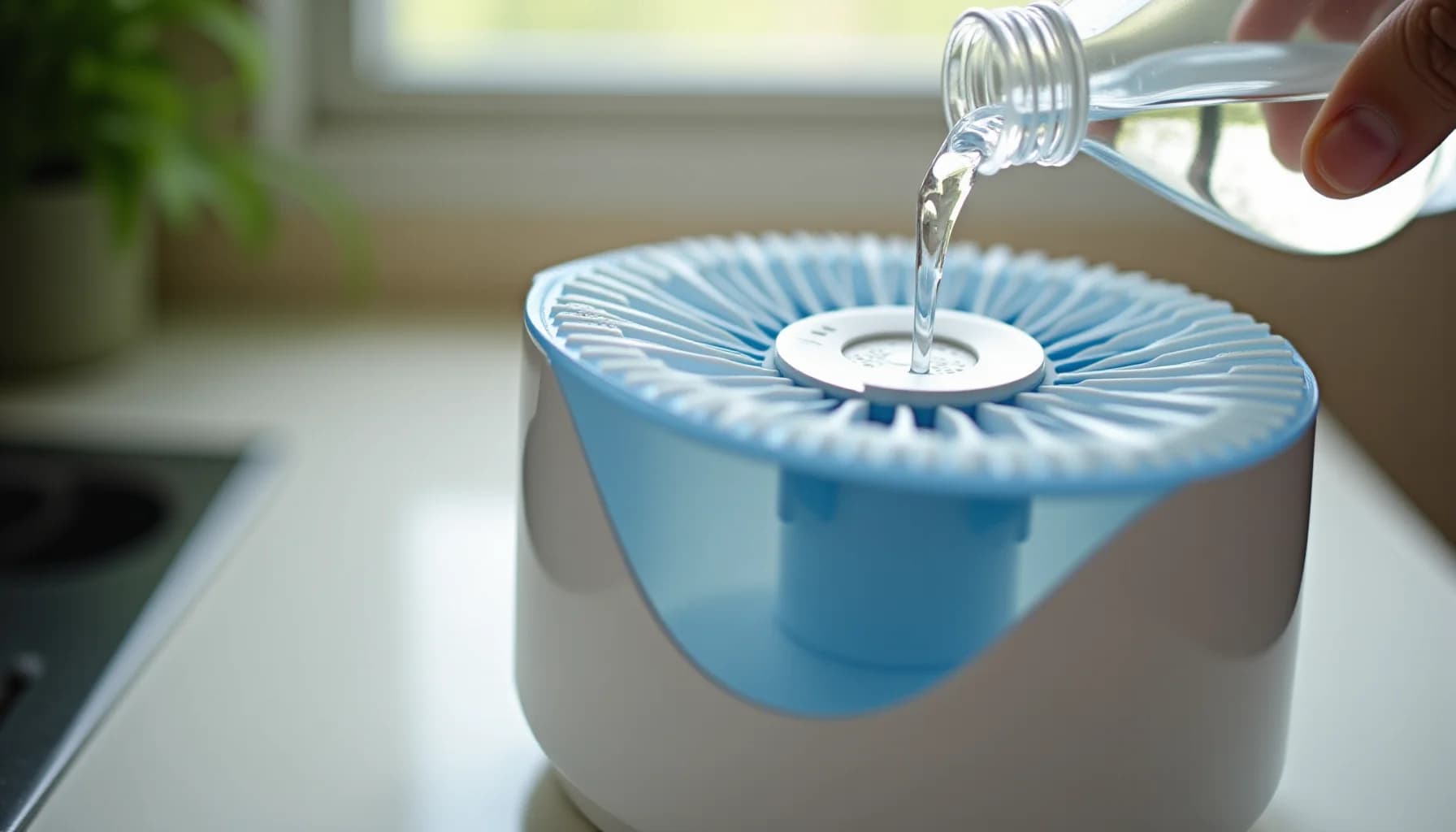
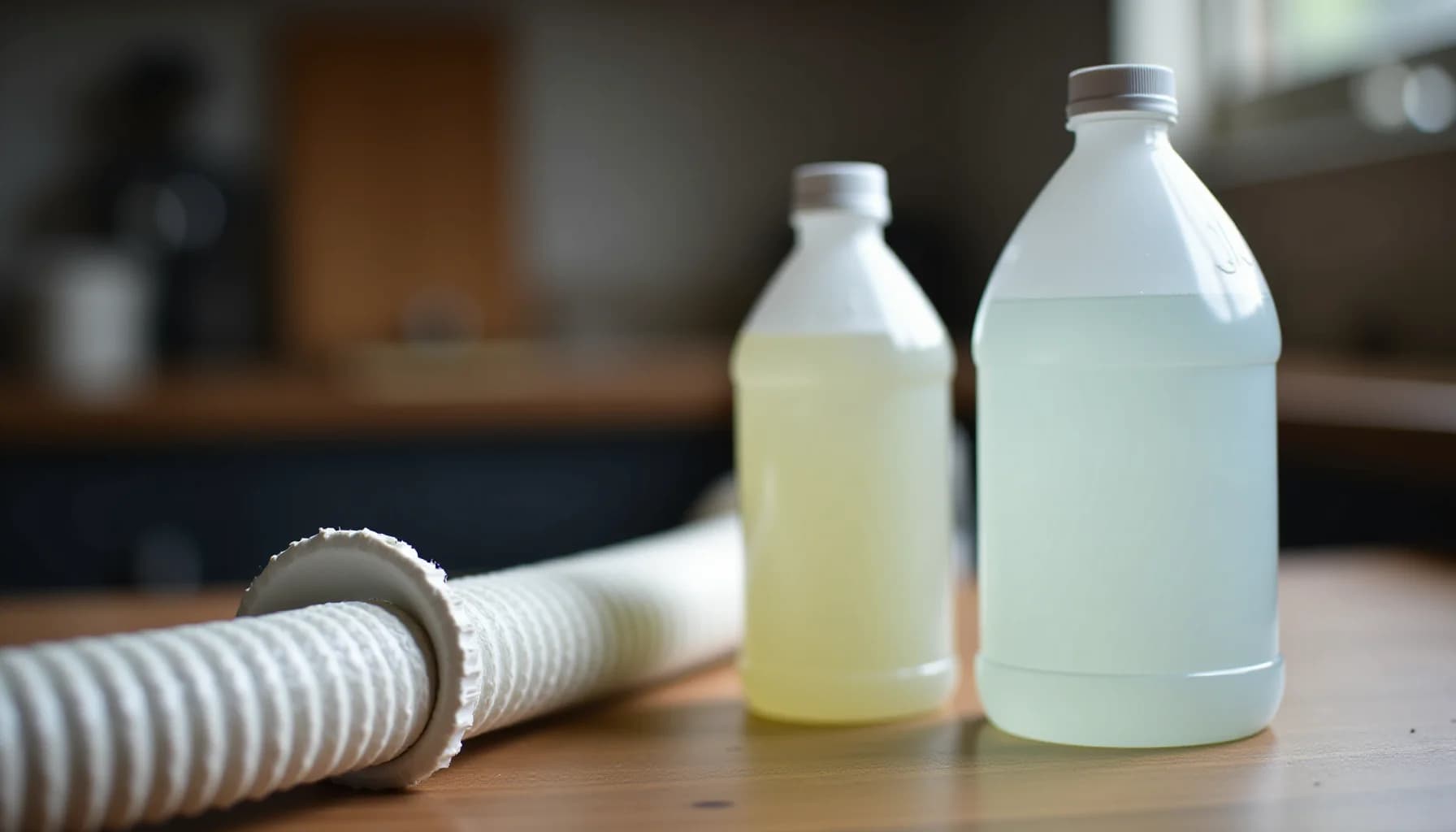
Distilled white vinegar is the right choice for routine maintenance. Use plain distilled white vinegar at 5% acidity, which is the standard grocery-store concentration. Pour 1 cup through the T-vent access above the drain pan using a small funnel, then let it sit for 30 minutes. The acidity breaks down mold colonies, algae film, and soft debris without attacking the metal drain pan or the PVC cement holding your pipe joints together. After the dwell time, flush with 2 cups of hot water to push the loosened material out. One thing worth flagging: apple cider vinegar is not a substitute here. Its natural sugars and sediment can actually feed new biological growth inside the line, which is the opposite of what you want. If you're curious about how vinegar performs against mold in different contexts, the underlying chemistry is the same as it is here.
Bleach is where the guidance gets complicated. Several sources recommend against it because chlorine can erode the glue and cement at pipe fittings and eat through metal drain pans over repeated use. The structural risk compounds with every application. Some conditional guidance exists: if your system is actively running during summer and condensate is flowing continuously, the bleach gets diluted and flushed out quickly, which reduces residue buildup. But for most homeowners doing routine preventative cleaning, that margin is too narrow to rely on. Some newer HVAC units explicitly advise against both bleach and vinegar, recommending only hot water instead, so checking your unit's documentation first is worth the two minutes it takes.
The practical rule: default to distilled white vinegar every one to three months, and reserve bleach only if a professional recommends it for your specific system.
How often should you clean your AC drain line?
Flush the drain line every one to three months during the cooling season, and check it at least once a month when the system is running daily. If you live in a humid climate where the AC runs hard from May through September, lean toward the shorter end of that range. Algae and mold build up faster when the drain pan stays continuously wet, so monthly attention in those months is genuine prevention, not excessive.
The routine is straightforward: pour one cup of distilled white vinegar into the access port at the T-vent cap, let it sit for 30 minutes, then flush with two cups of hot water. Do this consistently and you are removing the biological growth before it has any chance to solidify into an actual blockage.
Air filter condition matters more than most homeowners expect. A clogged or neglected filter allows extra dust and debris to reach the evaporator coil, and that material eventually finds its way into the drain pan and line. Replacing the right filter on the right schedule eliminates a significant share of what clogs drains in the first place.
Annual professional service, as Carrier and other major manufacturers recommend, is a reasonable backstop even if you maintain the line yourself. A technician can inspect the condensate safety switch, check the drain pan for rust or cracks, and clear any buildup in sections of the line you cannot reach from the access port.
Frequently asked questions
Does a clogged AC drain line reduce my home's cooling efficiency?
Can I use bleach to clean my AC drain line?
How do I flush my AC drain line with vinegar?
When should I call a professional instead of cleaning the drain line myself?
When should you call a professional, and what will it cost?
If you've vacuumed the line from the outdoor end, tried a vinegar flush, and still see standing water in the drain pan a day later, that's the clearest signal to stop and call a licensed HVAC technician. A persistent clog usually means the blockage is too deep, too dense, or too far into the line for DIY tools to reach. The same applies if you notice rust staining around the base of your indoor unit or water has already seeped into drywall or flooring. At that point, the priority shifts from clearing a drain to limiting water damage, and a professional can assess both problems at once.
Some technicians carry a wet/dry vacuum with commercial-grade suction, or use a pressurized nitrogen flush that clears obstructions a standard shop vac simply cannot budge. They can also inspect the drain pan for hairline cracks and check whether your system has a condensate safety switch installed. If it doesn't, adding one is a straightforward upgrade worth asking about during the visit.
On cost: professional AC drain line cleaning typically runs up to $400, depending on the technician's experience, your local market, and how much access the line requires. If you're unsure whether the work falls within what a homeowner can handle, the breakdown at which AC parts you can clean yourself is a useful reference before you book the call.
How this article was made
Researched and written with AI assistance. What gets published is a human editorial decision. Grounded in 8 cited sources.
Edited by Claire Mercier, Editor. The guides are written with AI assistance.
Sources (8)
- How to Clean an AC Drain Line
- How to Clean AC Drain Line | AC Maintenance Guide
- What Products Can Be Used to Clean an AC Drain Line?
- Clean & Unclog Your AC Drain Line with Bleach
- How to Clean Air Conditioner Drain Line?
- How to Clean an Air Conditioner Drain Line | CW Suter Blog
- How to Clean Air Conditioner Drain Line Like a Pro - American Home Water & Air
- AC Drain Line Clogged? Don't Make These Mistakes | Aire Serv