The Right Way to Clean Air Purifier Filters, Without Wrecking Them
Part of Air & HVAC · article 7 of 12
On this page
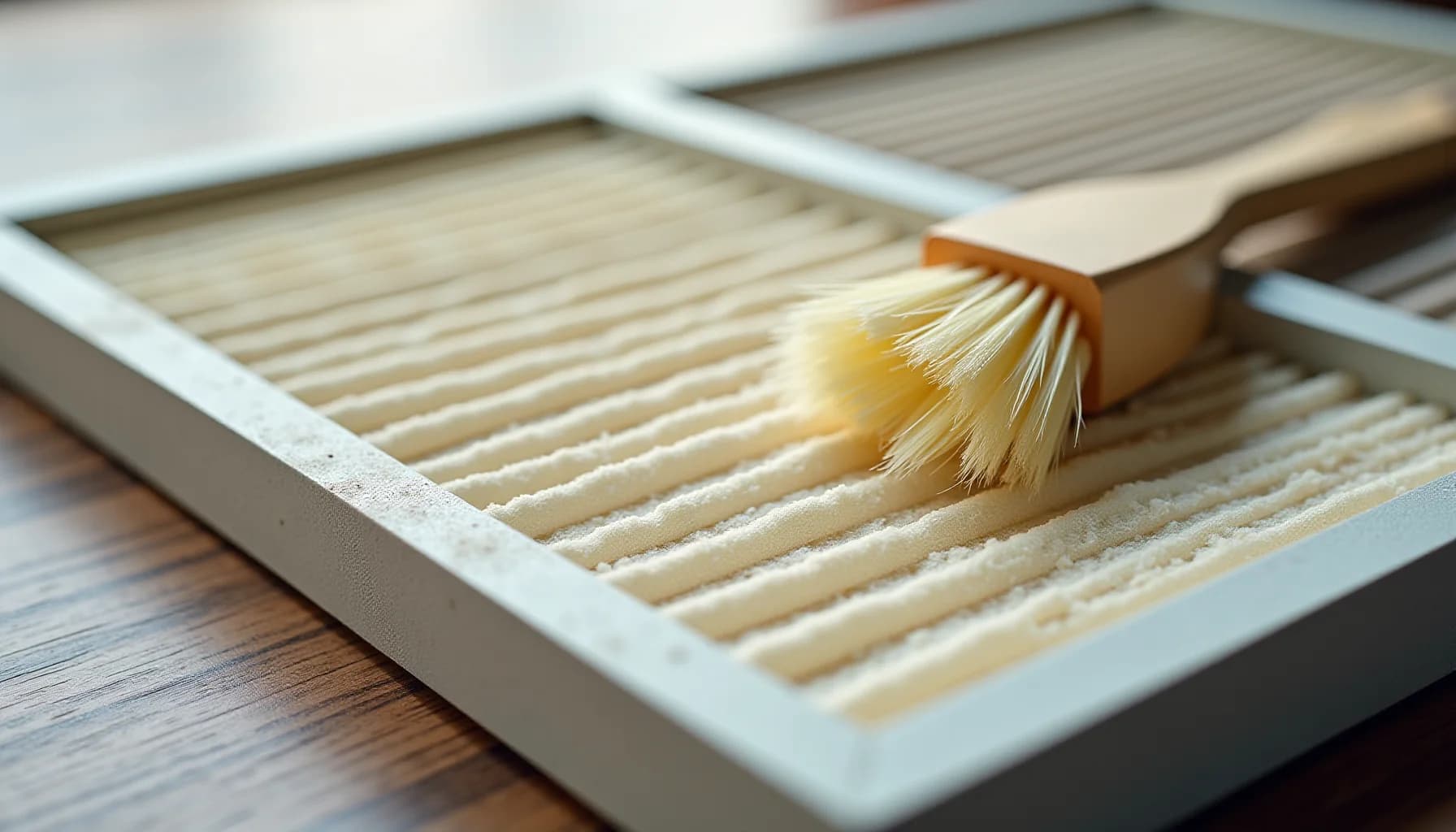
The method depends entirely on which filter you're dealing with. Most air purifiers have three stages: a foam or mesh pre-filter, a HEPA filter, and an activated carbon filter. Each one requires different handling, and mixing up the methods is how filters get ruined.
The pre-filter is the only component you can wash regularly. Remove it, rinse under warm water with a drop or two of dish soap, work up a lather, rinse until the water runs completely clear, wring it out gently, and let it air-dry fully before reinstalling. Between full washes, a light vacuum every two to four weeks removes surface buildup. In pet households, visible debris accumulates within 10 to 14 days, so check it often.
For HEPA filters, identifying your filter type before cleaning is the critical first step. Unless the filter is explicitly labeled washable or permanent, do not use water on it. Water destroys the delicate fiber structure and can reduce filtration efficiency by 15 to 23%, or cause mold growth inside the unit. For non-washable HEPA filters, a vacuum across the surface buys a little time but cannot pull particles embedded deep in the fibers. Replacement every 12 to 18 months is necessary regardless.
Never use water on an activated carbon filter. It absorbs odors and chemicals until saturated, and no cleaning process regenerates it. Replace it every three to six months.
Always unplug the unit before opening it, wear a mask and gloves during cleaning, and never reinstall any filter that is still damp.
What types of filters does your air purifier contain, and why does it matter?
Most air purifiers sold in the US run air through at least two or three distinct filter stages, and treating them all the same way is the single most common maintenance mistake homeowners make.
The first stage is usually a pre-filter, made from foam or mesh. Its job is to catch larger particles, things like pet hair, lint, and visible dust, before they reach the finer filters downstream. Because it handles the coarsest debris, it also accumulates grime the fastest. In homes with pets, a pre-filter can look visibly clogged within 10 to 14 days. This is also the one filter you can genuinely clean with soap and water on a regular schedule.
Behind the pre-filter sits the HEPA filter, which is built from densely packed glass-fiber strands fine enough to trap particles as small as 0.3 microns. That fiber structure is precisely why most HEPA filters cannot be washed. Water disrupts the fiber arrangement and, depending on the model, can reduce filtration efficiency by 15 to 23% or cause mold to grow inside the filter mat. Some manufacturers produce washable or "permanent" HEPA filters that tolerate cold-water rinsing, but these are a minority of what is on the market. The safest habit is to identify your filter type before cleaning rather than guessing.
Many units add a third stage: an activated carbon filter, usually a flat pad or a layer of granules. Carbon filters absorb odors and volatile chemicals through adsorption, a physical process that cannot be reversed by rinsing. Water does not regenerate carbon; it only shortens the filter's useful life.
Each material has a different tolerance for moisture, physical handling, and cleaning frequency, which is why the right approach for one filter will ruin another.
Can washing a HEPA filter damage it?
Unplug the unit and put on protective gear
Turn off the air purifier and unplug it from the wall to prevent electrical shock. Put on a face mask and gloves before opening the unit, and ask anyone with severe allergies to leave the room, as disturbing the filters can release trapped particles.
Check your manual to identify each filter type
Open the manual and confirm which filters your unit contains: a pre-filter, a HEPA filter, and possibly an activated carbon filter. The manual will also state whether any HEPA filter in the unit is labeled washable or permanent. This single check determines every cleaning step that follows.
Clean the pre-filter with warm water and dish soap
Remove the foam or mesh pre-filter and rinse it under warm water with a drop or two of dish soap, working up a light lather, then rinse until the water runs completely clear. Gently wring it out and set it aside to air-dry fully before reinstalling. Repeat this full wash every three months, or vacuum the surface lightly every two to four weeks to remove surface dust between washes.
Maintain the HEPA filter using the correct method for its type
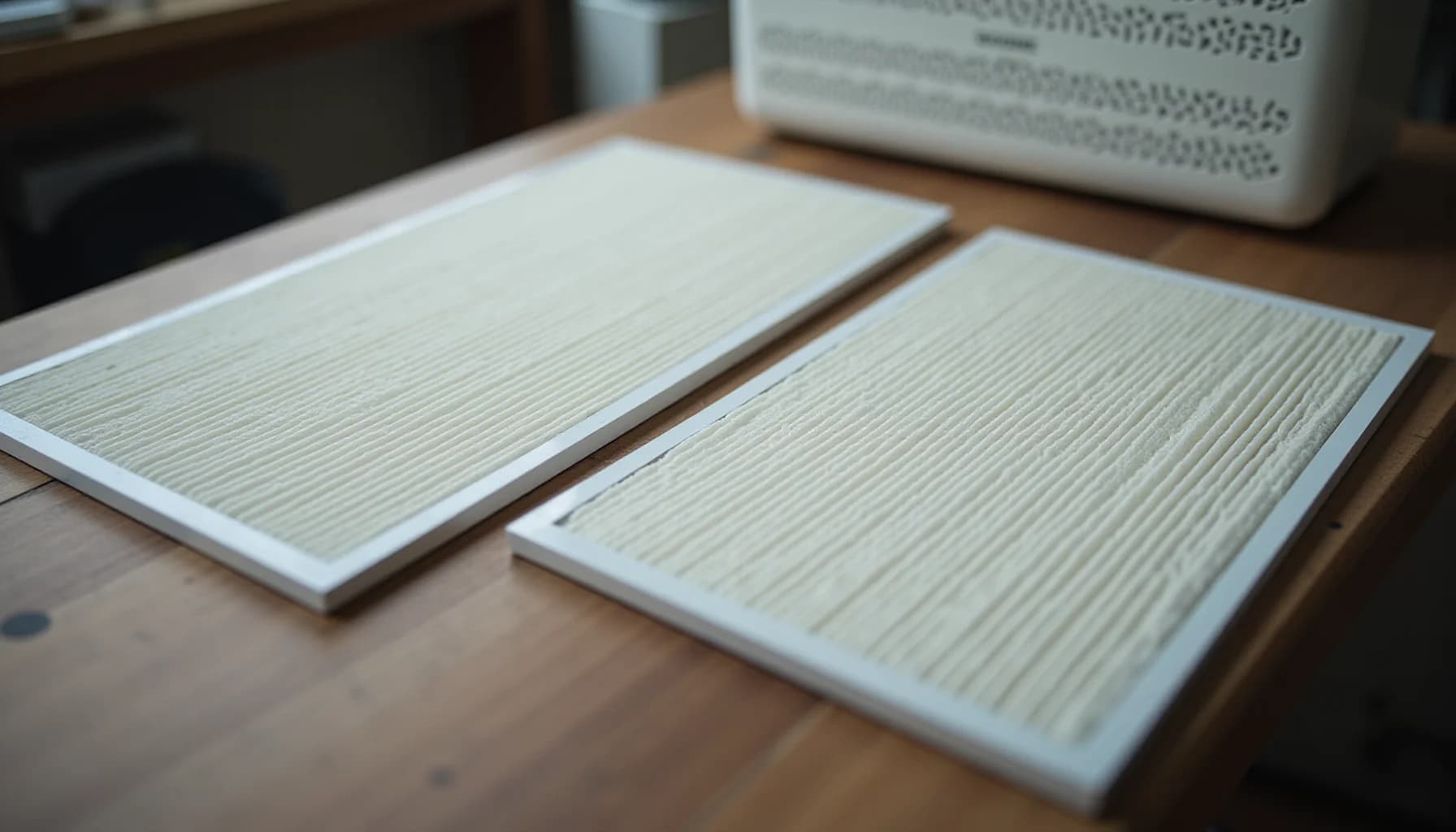
If the manual confirms the HEPA filter is washable, rinse it under cold running water from both sides without scrubbing or using soap, then let it air-dry completely. If the filter is not labeled washable, use only a vacuum on its surface to remove loose dust. Do not use water on a non-washable HEPA filter: washing one reduces its filtration efficiency by roughly 15 to 23 percent and can cause permanent fiber damage or mold growth.
Leave the activated carbon filter alone and plan to replace it
Do not use water or a vacuum on the activated carbon filter. Carbon filters absorb odors and chemicals until fully saturated and cannot be restored through any cleaning method. Budget to replace this filter every three to six months, sooner if the unit runs continuously or the home has strong odor sources.
Wipe down the unit exterior and reinstall only fully dry filters
Use a clean damp cloth to wipe the outside of the unit, and clear the air outlet vents on the top and back with a dry, soft-bristled brush. Before reassembling, confirm every washed or rinsed filter is completely dry to prevent mold growth inside the purifier, then reinstall all components and plug the unit back in.
How do you wash and dry a pre-filter properly?
Pre-filters are foam or mesh, and they're the one component in your air purifier you can genuinely wash by hand on a regular schedule. The process is straightforward, but a few details matter.
Start by removing the pre-filter from the unit (with the purifier already unplugged and powered off). Take it to a sink and rinse it under warm running water to loosen the bulk of accumulated dust, pet dander, and debris. Once the initial rinse is done, add a drop or two of dish soap directly to the filter, work it in gently with your fingers, and lather the entire surface. Don't scrub hard or twist the material aggressively; these filters rely on an intact mesh or foam structure, and rough handling can deform them.
Rinse again under warm water, turning the filter over to flush both sides, until the water running off it is completely clear and no soap remains. Any soap left behind will attract dust faster once the filter is back in service.
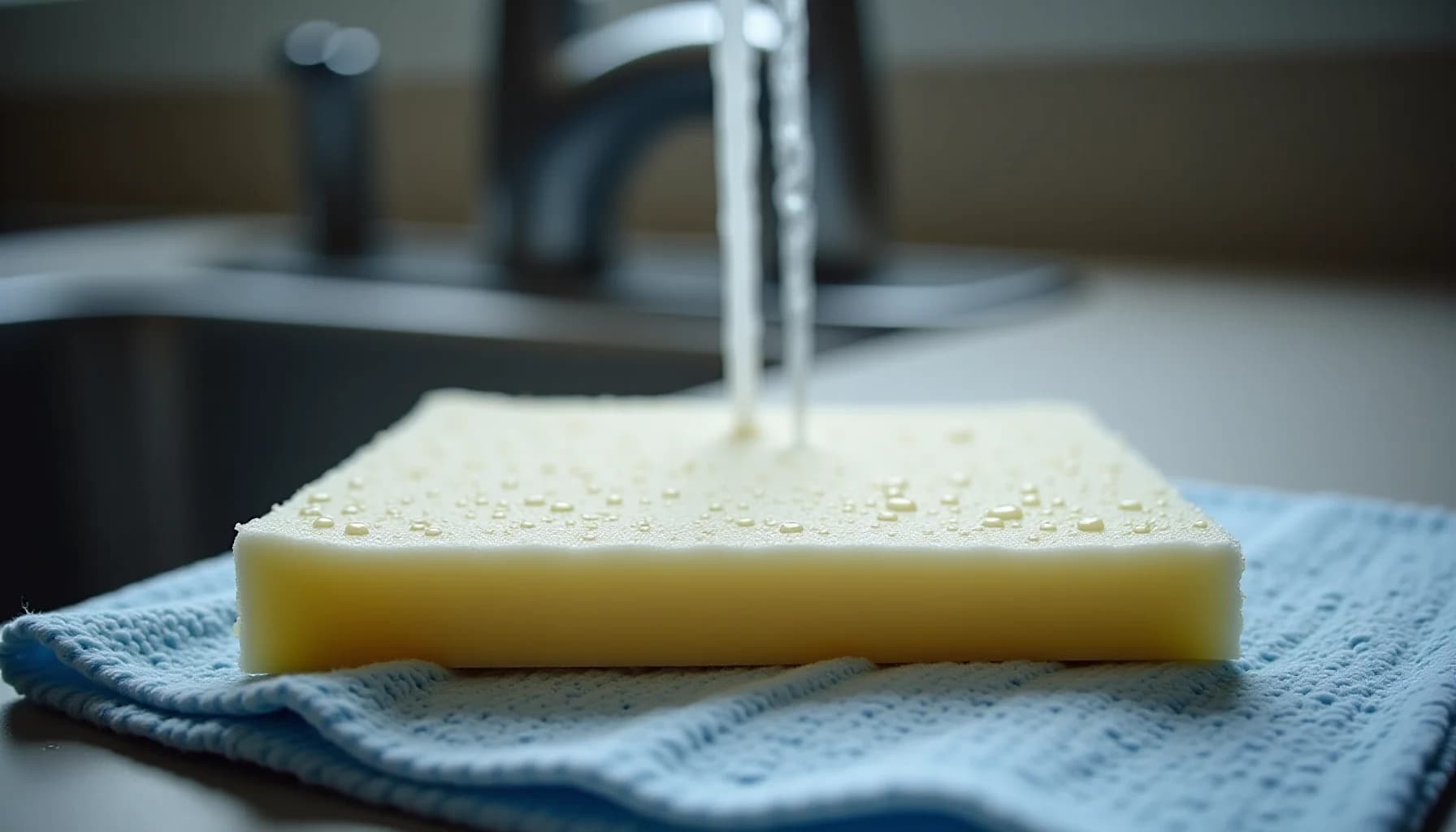
After rinsing, gently squeeze out the excess water, similar to how you'd wring out a sponge, but without twisting. Then set the filter on a clean, dry towel in a well-ventilated spot and let it air-dry completely before reinstalling. This is non-negotiable: putting a damp pre-filter back into the unit creates conditions for mold or mildew growth inside the housing. Depending on humidity and airflow in your home, full drying can take several hours.
For timing, a full wash like this every three months covers most households. If you have pets, visible debris tends to collect within 10 to 14 days, so light vacuuming of the surface every two to four weeks extends the interval between full washes. Pet-free homes typically see meaningful buildup after three to four weeks.
If you have hard water, consider finishing with a rinse of purified or filtered water. Mineral deposits from hard water accumulate in washable filters over repeated cleaning cycles and gradually degrade the material.
Can you vacuum a non-washable HEPA filter instead of replacing it?
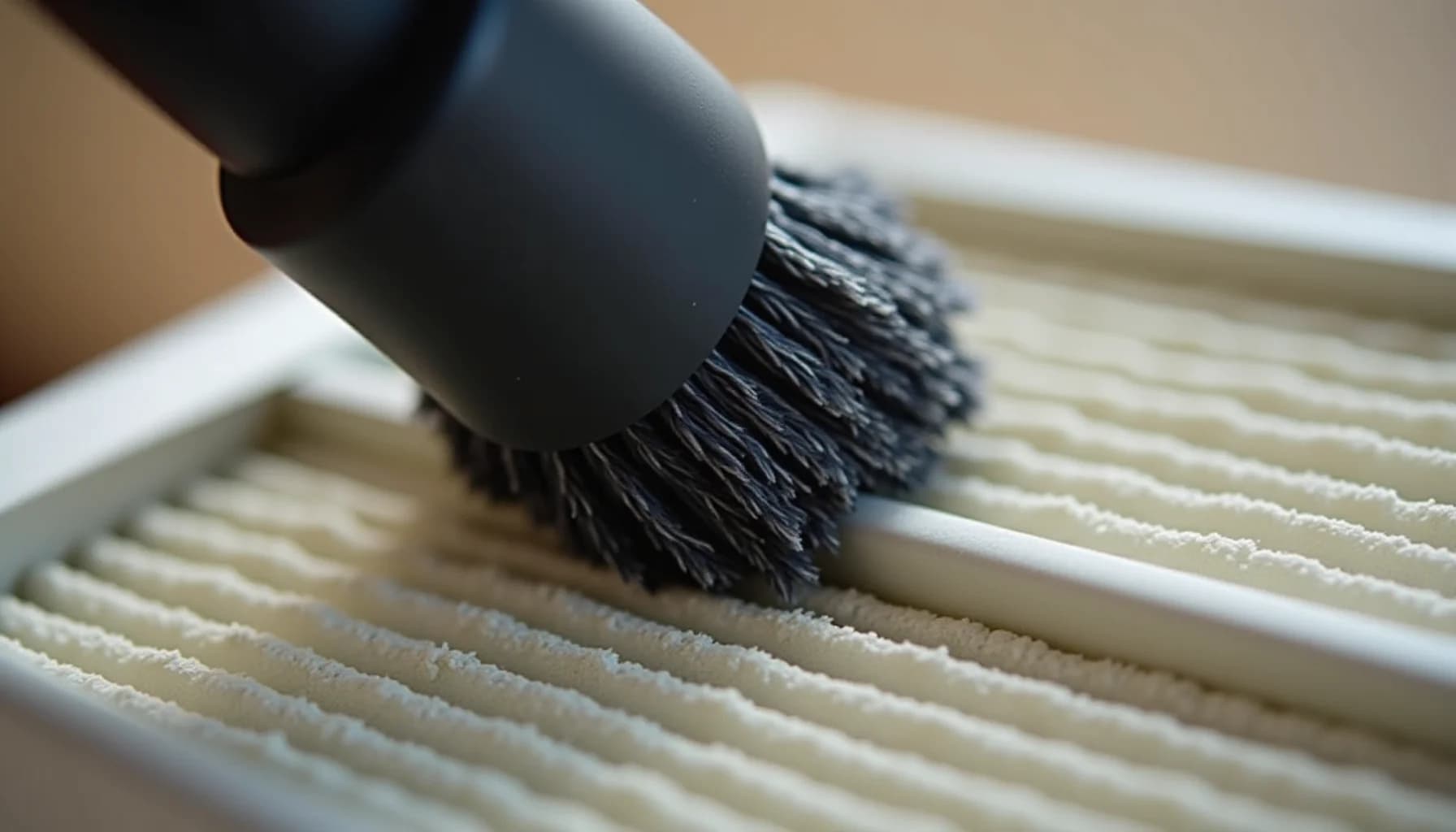
Vacuuming a non-washable HEPA filter is a legitimate maintenance step, but it's worth being precise about what it actually accomplishes. Run the brush attachment of your vacuum gently across the surface of the filter, working in slow, light passes. The goal is to lift the loose dust and debris sitting on the outermost layer of the filter media, which can partially restore airflow that surface buildup has restricted.
That's where the benefit stops. HEPA filters work by trapping particles deep within a dense matrix of delicate fibers, not just on the surface. A vacuum can reach only what sits on the exterior. The fine particulate matter, allergens, and microscopic pollutants that have been captured inside those fibers over months of operation are entirely out of reach. No amount of vacuuming dislodges them. This means vacuuming extends the usable period between replacements by a matter of weeks at most, not months, and it does nothing to restore filtration efficiency.
Be careful with suction strength and technique. HEPA filter fibers are fragile, and pressing the nozzle firmly against the surface or using high suction can tear the media or distort the pleats. Either outcome compromises the filter's ability to do its job just as surely as washing a non-washable filter with water would.
If you're unsure whether your filter is the washable or non-washable type, identifying your filter type before attempting any cleaning will save you from an expensive mistake.
The practical rule: vacuum the surface every two to four weeks to keep airflow reasonable, but treat this as a stopgap, not a substitute for replacement. When airflow drops noticeably, odors start coming from the unit, or allergy symptoms return despite the purifier running, the filter has reached the end of its service life and vacuuming will not bring it back.
| Maintenance Action | Removes Surface Dust | Removes Embedded Particles | Restores Filter Efficiency |
|---|---|---|---|
| Vacuuming surface | Yes | No | No — only delays replacement |
| Washing (non-washable) | Yes | Partially | No — reduces efficiency 15–23% |
| Full replacement | N/A | N/A | Yes — full rated efficiency restored |
Can you clean an activated carbon filter with water?
No. Water will permanently destroy an activated carbon filter, and there is no threshold at which a little water becomes acceptable. The reason is chemical, not just physical: activated carbon works by adsorption, meaning odor molecules and volatile chemicals bond to the enormous internal surface area of the carbon granules. Once water saturates those granules, it displaces the trapped gases, releases them back into your air, and clogs the pores that would otherwise capture new pollutants. The filter cannot recover from this. There is no drying time that reverses it.
The equally important point is that activated carbon filters cannot be meaningfully cleaned at all, wet or dry. Vacuuming the surface does nothing useful because the saturation happens inside the carbon matrix, not on the outer face you can see. When the filter smells stale, emits odors itself, or simply reaches the 3-to-6-month mark, it is chemically exhausted. The only correct response is replacement.
This means you should never attempt to rinse, spray, wipe, or soak a carbon filter to extend its life. Homeowners sometimes try this after reading advice meant for pre-filters or washable components; the mistake is understandable but the damage is immediate and irreversible.
There is no scenario with a carbon filter that warrants calling a professional. The filter itself is a consumable part. If you are uncertain which filter type you are looking at before removing anything, the article how to identify your filter type before cleaning covers that step in full.
Frequently asked questions
Can I wash my HEPA filter to make it last longer?
How do I clean a pre-filter?
How often should I clean or replace my air purifier filters?
Can I clean an activated carbon filter with water?
How often should you replace air purifier filters?
Most HEPA filters need replacing every 12 to 18 months under normal household conditions, though some manufacturers cite 12 months as a firm ceiling. Activated carbon filters wear out faster, typically every 3 to 6 months, because once they've absorbed their capacity of odors and chemicals, no cleaning process restores that capacity. Pre-filters don't follow a fixed replacement schedule the same way, but swap them out whenever they look worn, torn, or no longer hold their shape after washing.
Several variables shorten all of those timelines significantly. A purifier running 24 hours a day reaches its limits faster than one used only during sleeping hours. Households with pets often see filters degrade in roughly half the expected time. Heavy wildfire smoke seasons, urban pollution, or anyone in the home who smokes can cut HEPA life down to 6 months or less. Hard water is a quieter culprit: minerals left behind from repeated washing gradually compromise washable filter fibers over time.
Watch for these degradation signals if your unit lacks a filter indicator light: noticeably weaker airflow from the outlet, more dust settling on furniture than usual, or allergy and asthma symptoms creeping back after a period of relief. Any of those signs means replacement is overdue, regardless of where you are on the calendar schedule.
How this article was made
Researched and written with AI assistance. What gets published is a human editorial decision. Grounded in 8 cited sources.
Edited by Claire Mercier, Editor. The guides are written with AI assistance.
Sources (8)
- How to Clean an Air Purifier Easily | Lowe’s
- How to Clean Air Purifier Filters | SafeWise
- How to Clean an Air Purifier | Aire Serv
- How to Clean Air Purifier Filter: Complete Maintenance Guide
- How to Clean an Air Purifier and Filter: Step By Step Guide | Alen
- How to Clean an Air Purifier - The Home Depot
- How to Clean Your Air Purifier FAQ | 3M United States
- How to Clean Air Purifier Filter Safely and Effectively - VEVOR Blog