How to Clean Levoit Air Purifiers Without Wrecking the Filters
Part of Air & HVAC · article 8 of 12
On this page
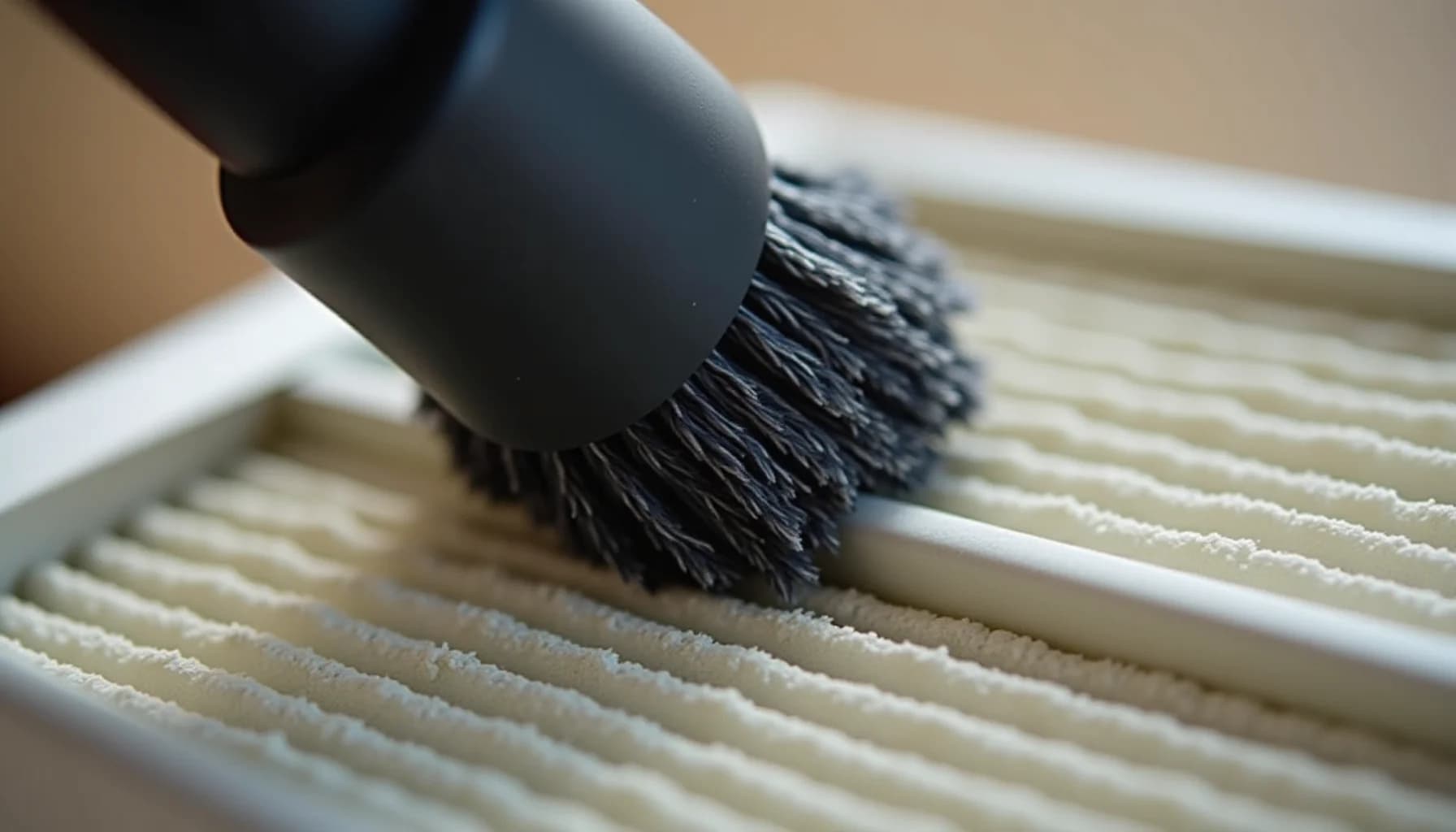
Vacuum the pre-filter with a brush attachment every one to three weeks, wipe the exterior with a damp microfiber cloth every two to four weeks, and replace the True HEPA and activated carbon filters every six to twelve months. Never wash the HEPA layer. Wetting it destroys the fiber structure and testing shows efficiency drops by 15 to 23 percent after a single wash, with damage compounding each time. If you are uncertain whether your filter is washable or replaceable, check your filter type before you start cleaning. Unplug the unit before touching anything inside.
What are the different filter types in a Levoit air purifier, and which ones can actually be cleaned?
Most Levoit air purifiers use a three-stage filtration system, and each stage has a completely different job, a different material, and a different maintenance approach. Treating them all the same way is where most cleaning mistakes start.
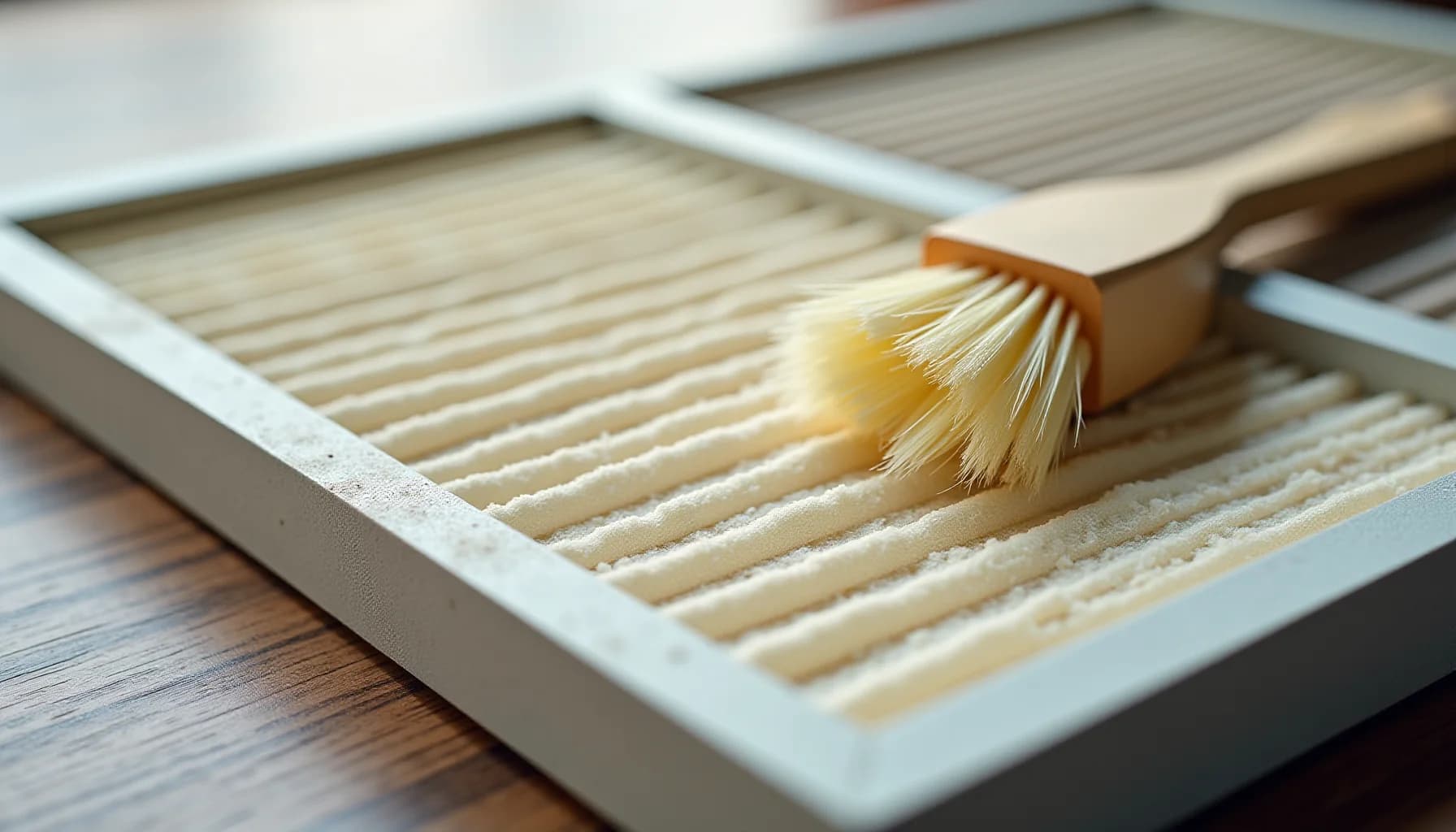
The pre-filter is the outermost layer and the only one designed to be cleaned repeatedly. Its job is straightforward: capture large, visible particles like pet hair, lint, and dust before they reach the finer filters underneath. Because it traps coarser debris, it clogs faster and needs attention every one to three weeks, either with a vacuum brush attachment or, on washable pre-filter models, a rinse under warm water. Keeping this layer clean pays a real dividend: a clear pre-filter lets the downstream filters breathe properly, which measurably extends their usable life.
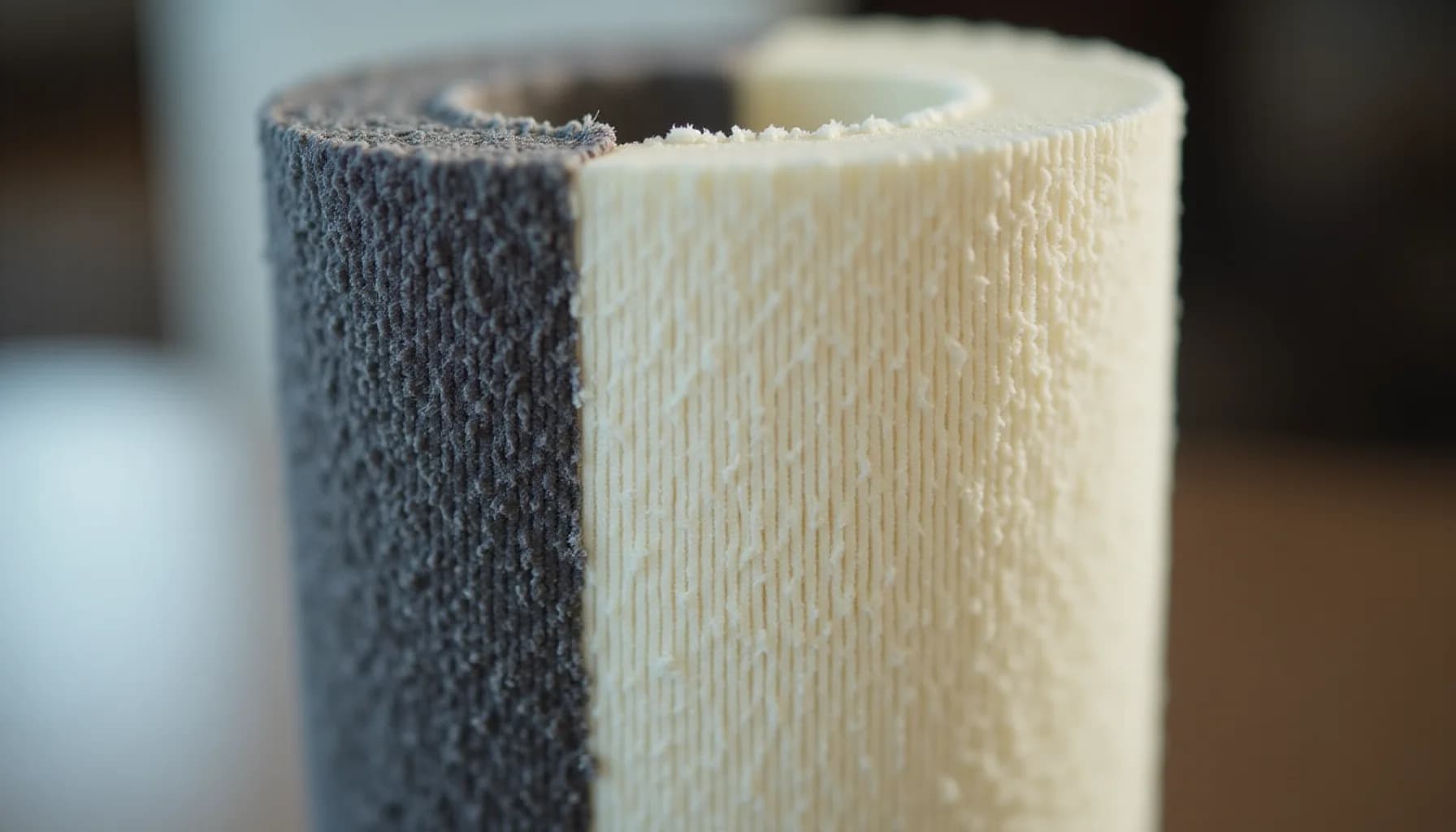
The True HEPA filter sits in the middle stage and handles the heavy lifting, capturing particles as small as microscopic allergens that the pre-filter lets through. This filter is not washable, full stop. The fibers that make it effective are destroyed by moisture, and washing reduces filtration efficiency by roughly 15 to 23 percent in testing. If you're unsure how to identify your filter type before cleaning, check the label or your model's manual before touching it with anything damp. Vacuuming the HEPA surface very gently is acceptable; water is not.
The activated carbon filter handles gases, odors, and chemical fumes by adsorbing them into its porous surface. Once that surface is saturated, no cleaning method restores it. This filter can only be replaced, never refreshed.
How do you clean the pre-filter and exterior of a Levoit air purifier?
Unplug and gather your supplies
Turn off your Levoit air purifier and unplug it from the wall before touching any component. Collect a vacuum with a brush attachment, a microfiber cloth, mild detergent, warm water, rubbing alcohol, cotton swabs, and safety gloves.
Vacuum the pre-filter
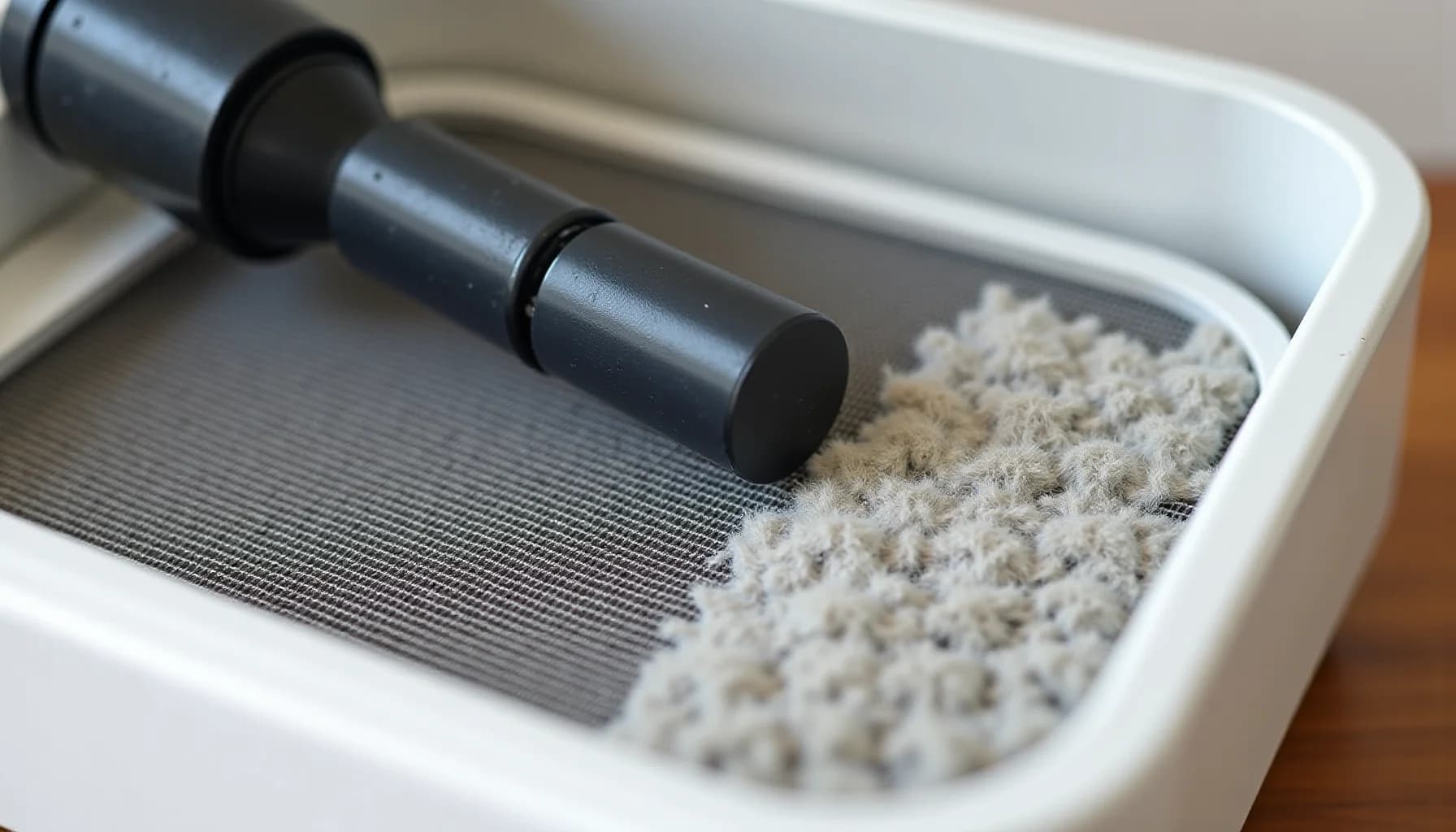
Remove the pre-filter and use the vacuum's brush attachment to gently lift dust and debris from its surface every 1 to 3 weeks. If your model's pre-filter is washable, rinse it with warm soapy water, rinse thoroughly, and let it dry completely before putting it back.
Wipe down the exterior
Dampen a microfiber cloth with warm water and a small amount of mild detergent, then wipe all outer surfaces every 2 to 4 weeks. Use a cotton swab dipped in rubbing alcohol to clean around buttons, vents, and small crevices, keeping moisture away from all openings.
Check the HEPA and activated carbon filters, but do not wash them
Inspect both filters for visible clogging or odor, but never apply water to either one: wetting a True HEPA filter destroys its fiber structure and reduces filtration efficiency by up to 23%. Replace both filters every 6 to 12 months, or every 6 to 8 months on models like the Core 300 used 8 hours daily, and always use genuine Levoit replacement parts.
Respond to the check filter indicator light immediately
When the indicator light turns on, your filter has reached the end of its usable lifespan and must be replaced. Continuing to run a clogged filter restricts airflow and allows more particles to pass through, making the unit progressively less effective.
Disinfect the interior during your annual deep clean
Every 3 to 6 months, mix a 1:1 solution of bleach and water, dip a clean cloth into it, wring out excess liquid, and wipe down all interior surfaces of the housing. This step prevents mold and bacteria buildup, which is especially important in humid environments.
What happens if you wash a HEPA filter?
The fiber structure inside a True HEPA filter is the reason it works at all. Manufacturers weave those fibers into a dense, randomly arranged mat that forces microscopic particles, down to 0.3 microns, to collide with and stick to the material as air passes through. That structure is also what makes water so destructive to it.
When you run water over a HEPA filter, several things happen at once. The fibers absorb moisture and swell, then collapse and clump together as they dry. That random, open arrangement that made the filter effective is gone. The passages air needs to flow through are narrowed or blocked entirely, and the fibers themselves lose their electrostatic charge, which is a major part of how they capture particles in the first place. The damage is not subtle: testing data shows that washing a HEPA filter reduces its filtration efficiency by roughly 15 to 23 percent. More significantly, that degradation compounds with repeated washing. Each rinse makes it worse, and a filter submerged in water long enough is simply destroyed.
There is no drying time that reverses this. Leaving a wet HEPA filter out for 24 or 48 hours before reinstalling it does not restore the fiber matrix. What it does do is create a warm, damp environment where mold and bacteria can establish themselves inside the filter material before it ever goes back in the unit. At that point, the purifier is actively circulating contaminated air rather than cleaning it.
This is why Levoit and every reputable manufacturer are explicit: True HEPA filters are not washable. If your filter type is unclear, the model's manual is the definitive source, and identifying your filter type before cleaning can prevent a costly mistake. A vacuumed pre-filter buys the HEPA layer more time; water ends its useful life immediately.
How often should you vacuum, wipe, and deep clean your Levoit air purifier?
Keeping your Levoit running well comes down to four distinct tasks, each on its own schedule. Treat them separately and maintenance stays manageable.
Vacuuming the pre-filter: every 1–3 weeks. This is your most frequent task. The pre-filter catches large visible particles, pet hair, and dust before they reach the HEPA layer. Use a vacuum with a soft brush attachment and work gently across the surface. Consistent vacuuming here does real work beyond just keeping the pre-filter clean: it extends the lifespan of the main HEPA filter by reducing the particle load that reaches it, which directly reduces how often you need to buy replacements.
Wiping down the exterior: every 2–4 weeks. Use a microfiber cloth dampened with warm water. Keep moisture away from the air intake openings and the control panel. A cotton swab dipped in rubbing alcohol works well for cleaning around buttons and small crevices where dust collects.
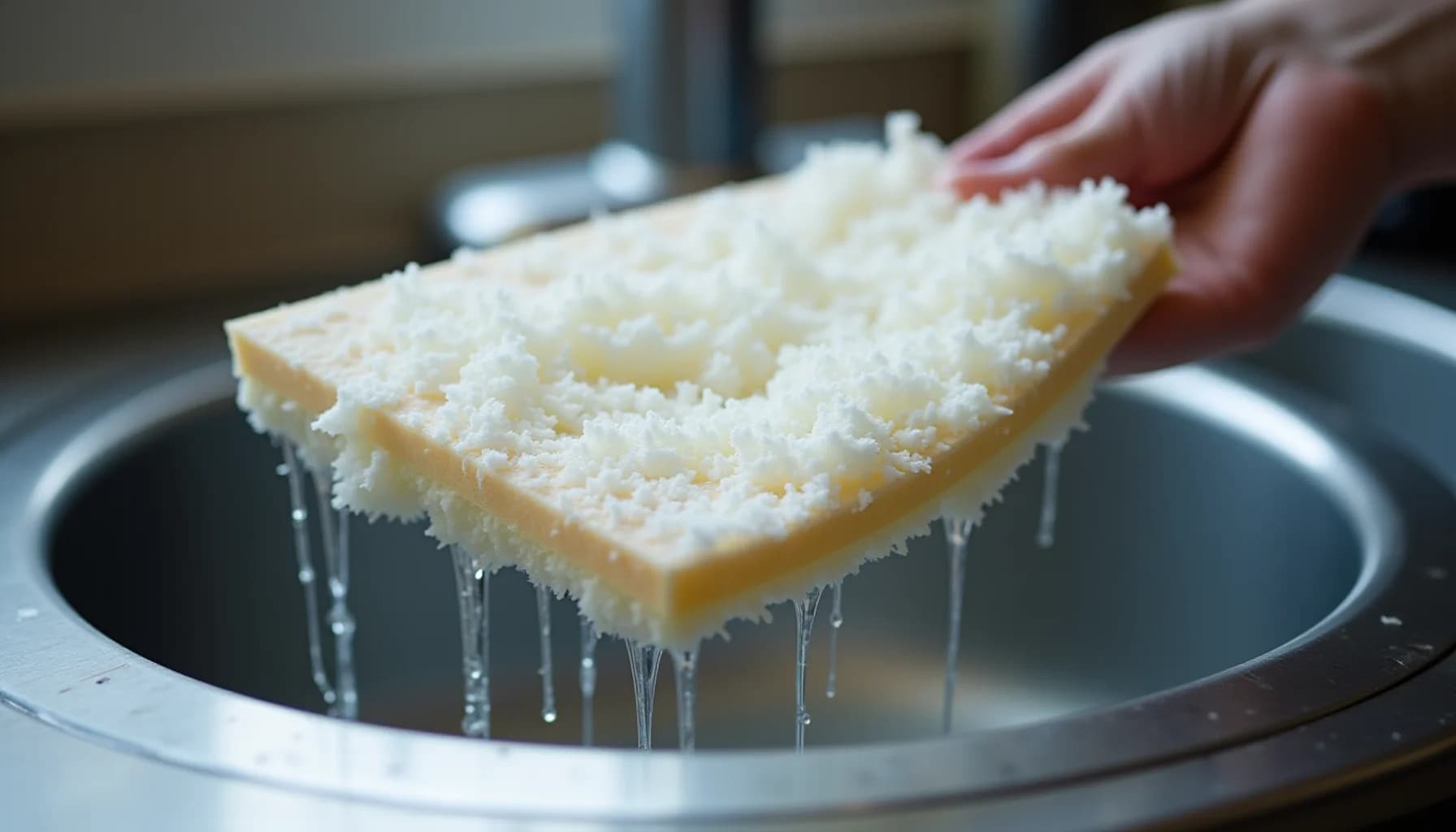
Washing the pre-filter (where the model allows): every 2–4 weeks. If your specific Levoit model has a washable pre-filter, rinse it with warm soapy water, rinse thoroughly, and let it dry completely before putting it back. Incomplete drying is a real problem, not a minor detail: reinstalling a damp pre-filter can promote mold growth inside the unit.
Interior disinfection: every 3–6 months. Over time, mold and bacteria can accumulate inside the housing, especially in humid rooms. Mix a 1:1 bleach-and-water solution, wring a clean cloth until barely damp, and wipe all interior surfaces. If you also run a humidifier in the same room and want to understand mold risk in similar appliances, the maintenance logic is closely related.
Annual deep clean: once a year. Combine the interior disinfection with a thorough inspection of every component, checking for visible damage, unusual odors, or reduced airflow that might point to filter replacement ahead of the standard schedule.
How do you know when your Levoit filter needs replacing?
Levoit builds a filter indicator light into most of its models for exactly this reason: the unit tracks cumulative run time and triggers the light once the filter has reached the end of its rated lifespan, typically somewhere between 6 and 12 months. When that light comes on, the filter is spent. Running the purifier past that point does not simply mean slightly degraded performance. A clogged filter restricts airflow, which forces the motor to work harder, and a saturated True HEPA layer stops capturing fine particles efficiently. You are, at that stage, circulating air through a dirty obstruction rather than cleaning it.
Beyond the indicator, trust your senses. Reduced airflow from the vents, a musty or stale smell that the unit used to handle, and an increase in audible motor noise are all reliable signs that replacement is overdue. The Core 300 is rated for 6 to 8 months of filter life at 8 hours of daily use, but that figure changes with your actual environment. Homes with pets, heavy cooking, or high ambient dust loads, and anyone running the purifier with windows open regularly, will burn through filters faster because the unit is processing a higher concentration of pollutants per hour.
If you notice visible mold growth on internal components or a persistent smell that does not clear after replacing the filters, stop using the unit and contact Levoit support. That is not a cleaning problem you should try to solve yourself.
Frequently asked questions
Can I wash the HEPA filter in my Levoit air purifier?
How often should I clean the pre-filter on a Levoit air purifier?
When do the main HEPA and activated carbon filters need to be replaced?
Can I clean the activated carbon filter to make it last longer?
What tools and supplies do you need before cleaning your Levoit air purifier?
Gather everything before you unplug the unit, so you are not hunting through drawers mid-task. The short list covers most Levoit models:
- A vacuum cleaner with a soft brush attachment
- Several microfiber cloths (at least two: one damp, one dry)
- Mild dish detergent
- Warm water
- Cotton swabs
- Rubbing alcohol
- Disposable gloves
- Genuine Levoit replacement filters for your specific model
The vacuum with a brush attachment does the real work on the pre-filter, lifting dust without tearing the mesh. Keep the suction on a low-to-medium setting; high suction can warp a thin pre-filter over time. The cotton swabs and rubbing alcohol handle the small crevices around the control panel and air outlets where a cloth cannot reach without pushing debris further inside.
On replacement filters: Levoit makes model-specific filter sets, and using a generic off-brand unit risks poor fitment and gaps that let unfiltered air bypass the HEPA layer entirely. Order your replacements when you start a cleaning session, not after the check filter light comes on, so you are never running the unit on an exhausted filter while waiting for shipping. If you are unsure which filter type your unit uses, identifying your filter type before cleaning prevents a costly mistake.
Finally, keep every water-dampened cloth well away from the vents and electronic components. Moisture inside the housing can cause mold to develop on interior surfaces, which then gets pushed back into your living space with every cycle.
How this article was made
Researched and written with AI assistance. What gets published is a human editorial decision. Grounded in 8 cited sources.
Edited by Claire Mercier, Editor. The guides are written with AI assistance.
Sources (8)
- How to Clean Your Air Purifier – Levoit
- How to Clean Levoit Humidifier and More Best Practices
- Levoit Core TM Mini Air Purifier Models: LAP-C161-WUS, LAP-C161-KUS
- How to Clean Your Air Purifier
- Air Purifier Filters Guide: Types, Lifespan & Maintenance – Levoit
- Explore Levoit Air Purifiers
- Levoit Air Purifiers Maintenance: Filter Replacement & Cleaning Guide
- Optimizing Your Indoor Air: Air Purifier Maintenance – Levoit