How to Clean a Vicks Humidifier Without Wrecking It
Part of Air & HVAC · article 6 of 12
On this page
Clean your Vicks humidifier with white vinegar and water: a 1:1 mix handles mineral deposits safely, and undiluted vinegar works directly on the nebulizer or heating element for stubborn buildup. Let any vinegar solution soak for at least 20 minutes before rinsing. For disinfection, Vicks specifies half a teaspoon of bleach per half-gallon of water, swished around the tank for 20 minutes. Never combine bleach and vinegar; the gases produced are genuinely dangerous. Keep the base out of any sink or bucket of liquid, wipe it with a damp cloth only, and never run the unit while cleaning. If mold keeps returning despite regular cleaning, the broader problem may be indoor humidity above 50%, not cleaning frequency alone.
How often should you clean your Vicks humidifier?
The EPA recommends cleaning humidifiers every three days as a general baseline, but a practical schedule breaks that down into three tiers that are easier to build into your routine.
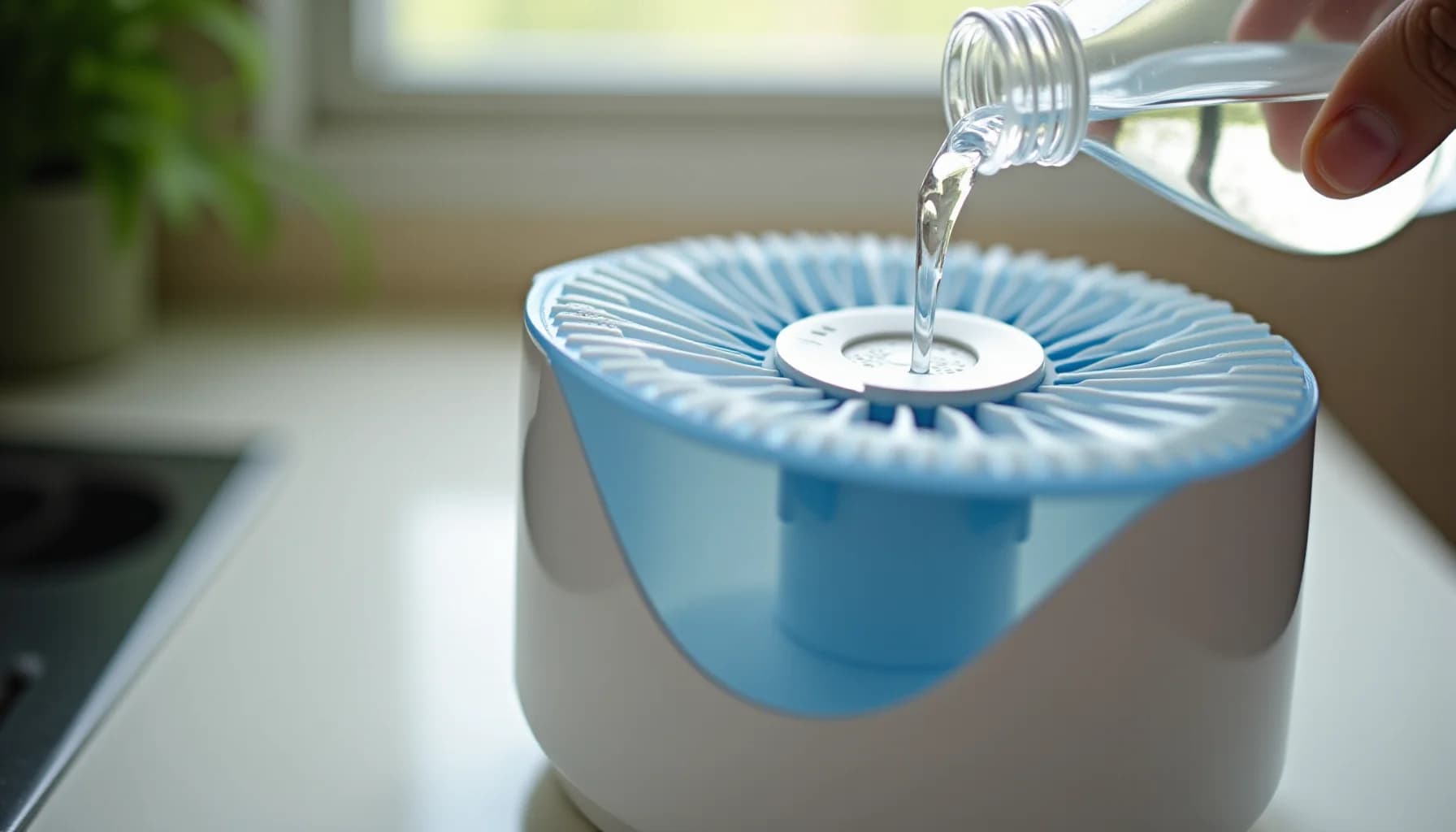
Daily is the simplest: empty whatever water remains in the tank, rinse it with fresh water, and dry the inside with a microfiber towel before refilling. Standing water left in the reservoir overnight is exactly what mold and bacteria need to get established. This step takes two minutes and prevents the bulk of problems people run into.
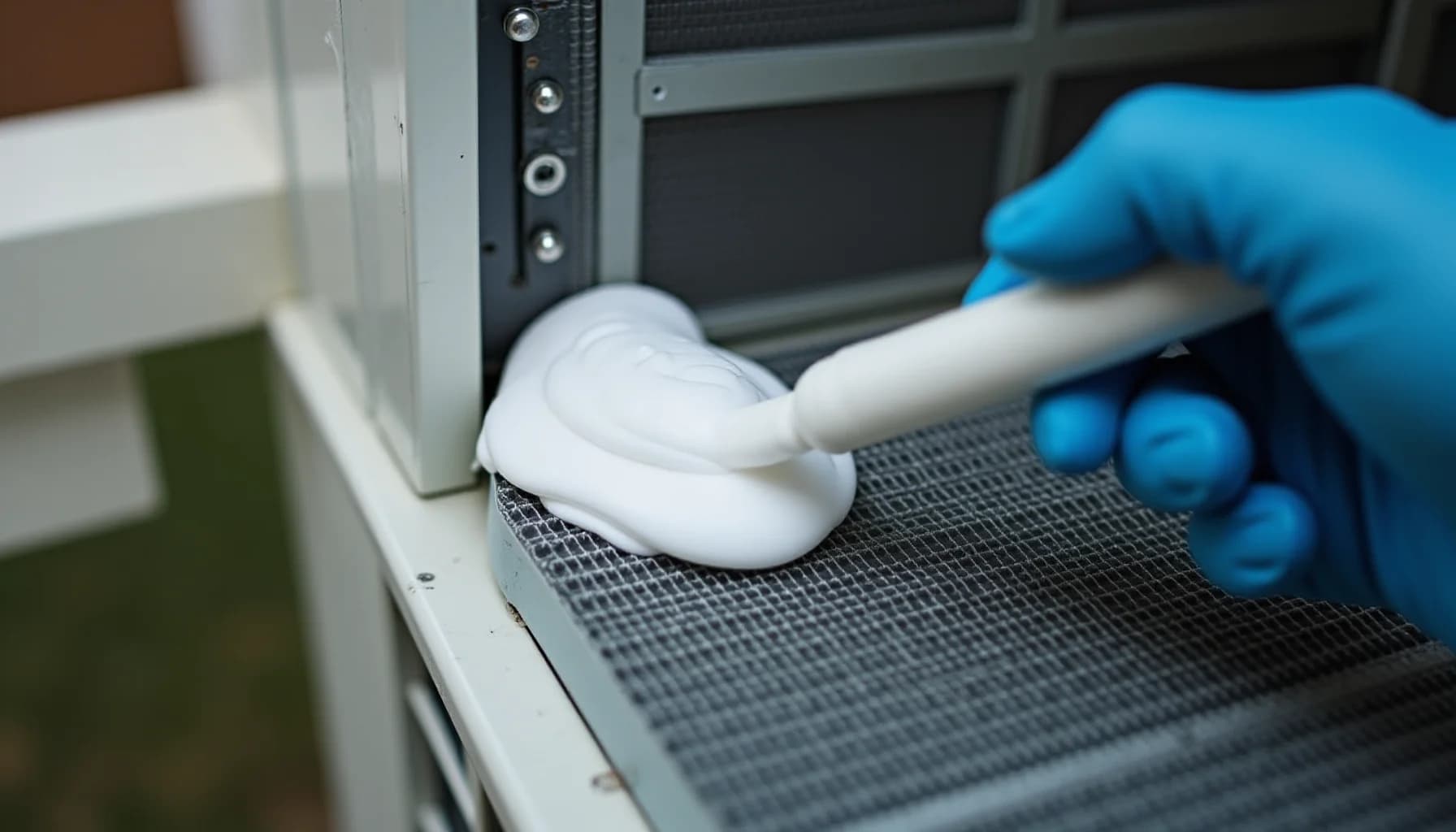
Weekly, do a more thorough pass using white vinegar. Fill the tank with a 1:1 mixture of distilled white vinegar and water, let it sit for 30 minutes, then empty and rinse. For the base, wipe it down with the same solution using a cloth. This step handles the slow accumulation of mineral deposits before they harden into something that takes real effort to remove, and before they start restricting mist output.
Monthly, step up to a full deep clean that includes disinfecting with a bleach solution (the proportions and method are covered separately in this article) and a closer look at model-specific components like the nebulizer on ultrasonic units or the heating element on warm-mist models such as the Vicks V745A.
If mold has been a recurring issue in your home, the broader problem may be indoor humidity running above 50%. Keeping levels between 30 and 50 percent reduces the conditions that let mold thrive between cleaning sessions, regardless of how diligent your schedule is.
How do you use white vinegar to clean a Vicks humidifier?
Empty and dry the tank daily before you start any deeper clean
Pour out any remaining water from the reservoir each day and wipe the inside dry with a microfiber towel. Standing water is the primary reason mold and bacteria take hold, so this step is non-negotiable before moving on.
Soak the tank weekly with a 1:1 white vinegar and water solution
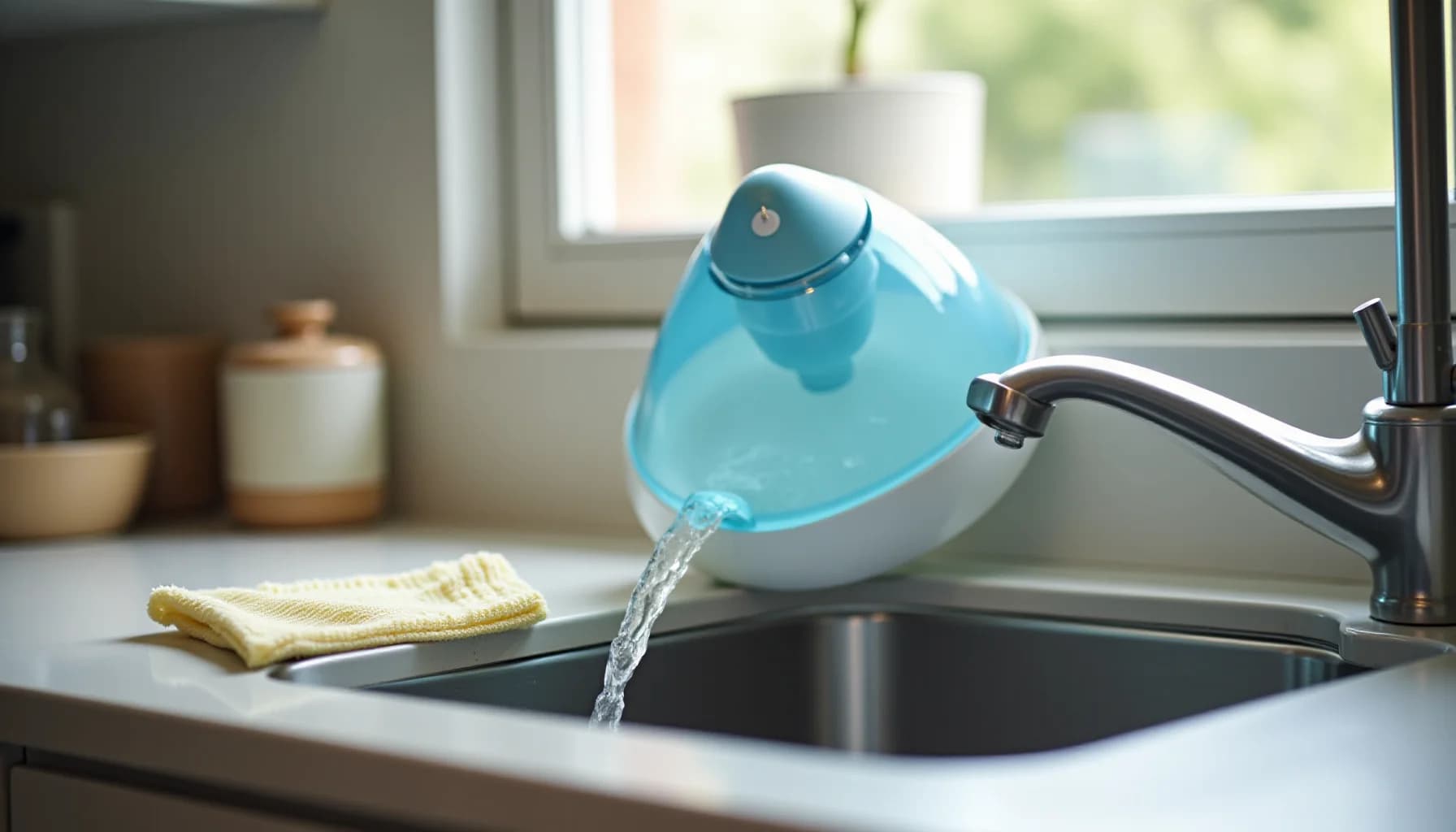
Fill the water tank with equal parts distilled white vinegar and water, seal it, and let the solution sit for 30 minutes to dissolve mineral deposits and neutralize odors. Drain, then rinse thoroughly with clean water until the vinegar smell is gone.
Clean the nebulizer or heating element based on your humidifier type
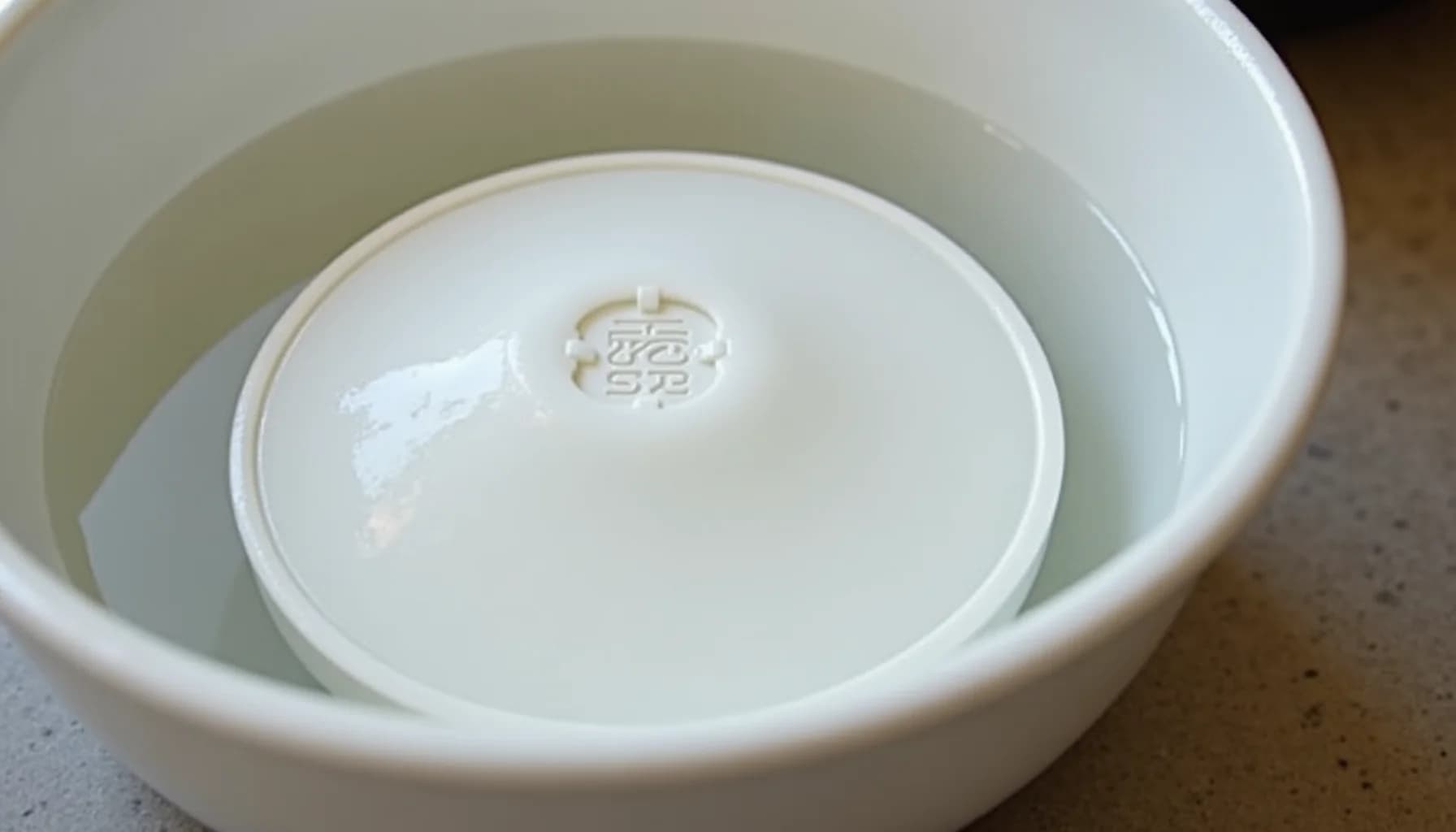
For ultrasonic models, pour enough undiluted white vinegar into the base to cover the nebulizer disc, soak for at least 20 minutes, then use a cotton swab to wipe away loosened mineral deposits. For warm-mist models, submerge only the heating element in undiluted vinegar for at least 20 minutes, then wipe it clean with a damp cloth, never rinse the heating element or mist chimney under running water as water can reach internal parts and void the warranty.
Disinfect the tank monthly with a measured bleach solution
Mix half a teaspoon of bleach into half a gallon of cool water, pour the solution into the water tank, cap it, and gently swish so it coats the entire interior. Let it soak for 20 minutes, swishing every few minutes, then drain and rinse the tank completely before reassembling. Never mix this bleach solution with vinegar or any acidic cleaner, as combining them creates dangerous gases.
Wipe the base with a damp cloth, never submerge it
Use a cloth or paper towel dampened with your vinegar-water solution to wipe down the base and mist chamber. Submerging the base in any liquid can force water into internal components, damage the unit, and void the warranty.
Refill with distilled water and keep indoor humidity between 30 and 50 percent
Distilled water contains no minerals, which dramatically reduces the scale buildup that clogs the nebulizer and promotes mold growth. Keeping your home's humidity within the 30 to 50 percent range prevents mold from returning even if a cleaning cycle is missed.
Can you use bleach to disinfect a Vicks humidifier?
Yes, but with strict proportions and safety rules that matter more here than with most household cleaners.
Vicks' official guidance calls for mixing ½ teaspoon of bleach into ½ gallon of water, which works out to roughly one teaspoon per gallon. That dilution is intentionally mild. Pour the solution into the water tank, replace the tank cap, and gently swish it so the liquid coats the entire interior surface. Then let it soak for 20 minutes, swishing the solution around the sides every few minutes during that time. After soaking, empty the tank completely and rinse it several times with clean water until you can no longer detect any bleach smell.
Two rules are non-negotiable. First, never use hot water when mixing or applying the bleach solution. Hot water accelerates off-gassing, raising the concentration of fumes in your workspace and increasing the risk of irritating your lungs and eyes. Work with cool or lukewarm water and make sure the room is ventilated. Second, never mix bleach with vinegar, ammonia, or any acid-based cleaner. Combining bleach with an acid produces chlorine gas; combining it with ammonia produces chloramine. Both are dangerous. If you cleaned the tank with vinegar earlier in the same session, rinse it thoroughly with plain water before introducing any bleach solution.
One more practical caution: not every Vicks model handles bleach the same way. Some third-party humidifier manufacturers explicitly advise against bleach because it can degrade internal plastics and void the warranty. Before using this method, check the owner's manual for your specific unit. If your manual is missing, Vicks posts them on the product pages of their website. For a broader look at how mold grows inside humidifiers and what actually stops it coming back, that context is worth having before you decide how often this disinfection step is necessary.

How do you clean each part of a Vicks humidifier?
Each part of a Vicks humidifier collects a different kind of problem, so cleaning them separately, with the right method for each, matters.
Water tank. Empty any remaining water first, then fill the tank with equal parts distilled white vinegar and water. Cap it, swish it to coat the interior, and let it soak for 30 minutes. That soak loosens mineral scale and clears odors. Rinse thoroughly with clean water afterward until the vinegar smell is gone.
Nebulizer (ultrasonic models only). The nebulizer is the small round disc sitting in the base of ultrasonic units. It vibrates at ultrasonic speeds to produce mist, and mineral deposits will slow it down until mist output drops noticeably. Pour enough undiluted white vinegar into the base to cover the disc and let it soak for at least 20 minutes, longer if you can see heavy white scale. While it soaks, run a cotton swab gently around the disc to lift loosened deposits. Do not scrub hard; the disc is fragile.
Heating element (warm-mist models only). Pour undiluted white vinegar into the base so the heating element is fully submerged, but do not submerge the entire base unit in any liquid. Let it soak for at least 20 to 30 minutes to dissolve scale. Never turn the unit on during this process.
Base and mist chamber. Wipe down the base using a cloth dampened with your vinegar-water solution. Do not rinse the base, the heating element, or the mist chimney under running water; moisture entering the internal components will damage the unit and void the warranty. A damp cloth or paper towel only.
Filters. Not every Vicks model includes a filter. If yours does, check your owner's manual for whether that filter is rinseable or replacement-only, since identifying your filter type before cleaning the wrong way saves you from damaging a filter that was never meant to get wet.
What actually prevents mold and mineral buildup in your Vicks humidifier?
The single biggest thing you can do for your Vicks humidifier has nothing to do with cleaning products: fill it with distilled water instead of tap water. Tap water carries dissolved minerals that deposit on the nebulizer, heating element, and tank walls every time the unit runs. Distilled water has had those minerals removed through boiling and condensation, so there is far less material left behind to scrub away later.
Daily habits matter just as much. Each day you use the humidifier, empty whatever water remains in the reservoir and dry the tank with a clean microfiber towel before you refill it. Standing water, even overnight, gives bacteria and mold a foothold. If you let it sit for days between uses without drying, you are essentially incubating the problem rather than preventing it.
When you store the unit for any extended period, such as at the end of heating season, clean it thoroughly first, then leave the tank and base open to air-dry completely before boxing it away. Sealing moisture inside a closed unit in a closet is one of the most reliable ways to ensure you open it to mold the following fall.
Your home's indoor humidity level also determines how hard the humidifier fights against itself. Keep indoor humidity between 30 and 50 percent. If your readings consistently run above 50 percent, mold will return regardless of how often you clean, because the broader environment favors its growth. A basic digital hygrometer, available at most hardware stores for under $15, lets you monitor this without guesswork. For persistent whole-home mold linked to humidity, removing mold from a bathroom ceiling follows similar environmental logic and is worth reading alongside this guidance.
Frequently asked questions
How often should I clean my Vicks humidifier?
What is the correct bleach ratio for disinfecting a Vicks humidifier?
Can I use vinegar instead of bleach to clean my Vicks humidifier?
Will cleaning my humidifier stop mold from coming back?
Why Does My Vicks Humidifier Smell Musty or Produce Less Mist?
Both of those problems, a stale or musty smell and visibly reduced mist, point to the same root cause: you are overdue for a clean, and the unit is telling you so in the most direct way it can.
Mineral deposits are the most common culprit for weak mist output, particularly on ultrasonic models. The nebulizer, a small round disc in the base, vibrates at ultrasonic speeds to produce mist. When minerals from tap water accumulate on its surface, it slows below the threshold needed to generate adequate output. A 20-minute soak in undiluted white vinegar, followed by gentle cleaning with a cotton swab around the disc, typically clears the buildup. If your tap water is consistently hard, switching to distilled water addresses the problem at the source rather than just treating the symptom each week.
Musty odors almost always signal bacterial or mold growth in standing water. Cool-mist models are especially susceptible because they lack the heat that naturally inhibits microbial growth. If the smell persists after a thorough vinegar soak, that is a sign the unit needs a more frequent routine, not just a deeper single clean. For a broader look at stopping mold from returning in a humidifier, the same principles of complete drying between uses and low indoor humidity (30–50%) apply universally.
One caution worth keeping front of mind: never rinse the heating element or mist chimney of a warm-mist model under running water. Water that reaches internal components damages the unit and, depending on your model, voids the warranty. Use a damp cloth only.
How this article was made
Researched and written with AI assistance. What gets published is a human editorial decision. Grounded in 8 cited sources.
Edited by Claire Mercier, Editor. The guides are written with AI assistance.
Sources (8)
- Portable Humidifiers Need Regular Cleaning During Winter Months | CPSC.gov
- 4+ Easy Ways on How To Use A Vicks Humidifier
- The Ultimate Guide to Effortlessly Cleaning Your Vicks Humidifier
- How to Clean a Vicks Cool Mist Humidifier (With Pictures) - Prudent Reviews
- How to Clean Your Humidifier - Vicks Humidifiers
- Vicks Vaporizer (V150) - Vicks Humidifiers
- Cleaning Your Humidifier | Vicks Humidifiers Canada
- How to Clean a Vicks Humidifier | Step-by-Step Guide