How to Identify Your Blind Material Before You Clean It
Part of Windows & Glass · article 2 of 7
On this page
| Material | How to Recognize It | Cleaning Implication |
|---|---|---|
| Aluminum | Lightweight, smooth, metallic slats; cool to the touch | Wipe with damp cloth; won't rust but can dent |
| Vinyl / PVC | Plastic-like feel, smooth surface, no visible grain | Easy to wipe clean; safe in humid rooms |
| Real Wood | Visible wood grain, warm feel, heavier slats; label says cedar or basswood | Damp-wipe only; never soak or use excess moisture |
| Faux Wood | Grain pattern present but feels slightly plastic up close | Handles moisture better than real wood; damp-wipe freely |
| Fabric (polyester or blend) | Soft, may mimic linen or cotton look; check label — appearance alone is unreliable | Dust or light wipe only; harder to clean than hard materials |
| Natural Fiber (jute, seagrass, cotton) | Woven, textured, lighter weight; organic appearance | Spot-clean only; moisture causes swelling or mildew |
Start by checking the blind itself, not your instincts. Run your hand along one slat or panel: vinyl and PVC feel smooth and slightly plastic, while aluminum feels cool, rigid, and thin enough to flex with light pressure. Wood slats have visible grain lines and feel dense; faux wood mimics that look but feels lighter and slightly waxy at the edges. Fabric panels, whether polyester, cotton, or a blend, have a textile softness that hard-material blinds never quite replicate.
The single test that separates faux wood from real wood: press a fingernail firmly into an inconspicuous edge, and real wood will dent slightly while faux wood resists and stays smooth.
Never trust marketing names alone. A blind sold as "linen texture" may be 100% polyester. Check the product tag, the original packaging, or the manufacturer's documentation before choosing any cleaning method, because vinyl, wood, and fabric each demand a different approach and getting it wrong causes permanent damage.
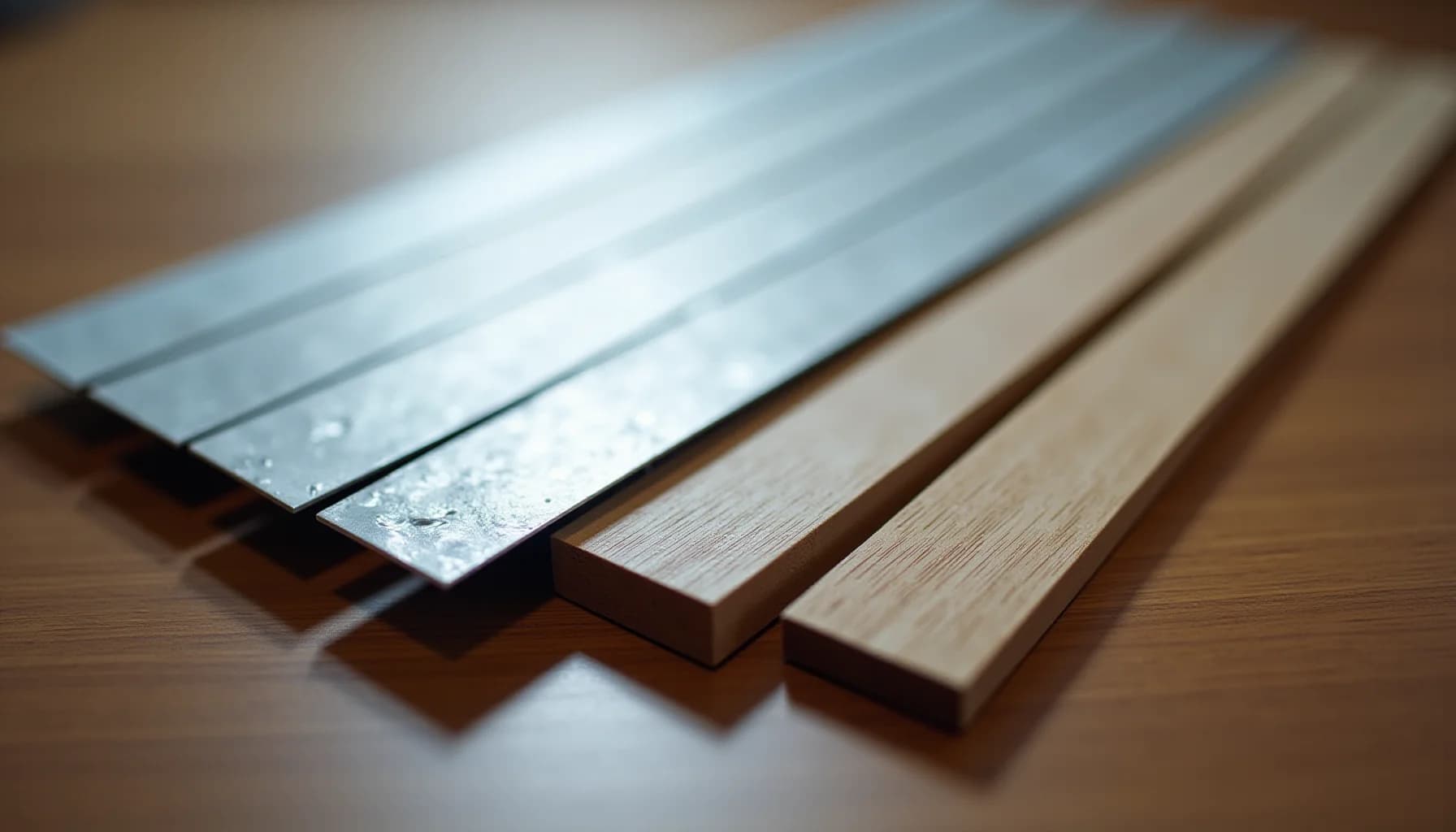
What does each blind material look, feel, and weigh?
- faux wood
- A synthetic blind material, usually made from PVC or a composite, designed to mimic the appearance of real wood. It resists moisture and warping better than natural wood, making it a practical choice for bathrooms and kitchens.
Aluminum slats are the easiest to identify. They are thin, slightly flexible, and cool to the touch. Run a finger along the surface and you will feel a smooth, matte finish. The slats are lightweight enough that a full blind weighs very little, and they make a faint metallic rattle when disturbed.
Vinyl and PVC slats share a similar smoothness but feel more rigid and slightly warmer than aluminum. They have a faint plastic quality when you press them between your fingers. Thicker than aluminum, they hold their shape without flexing much. The surface often has a slight sheen.
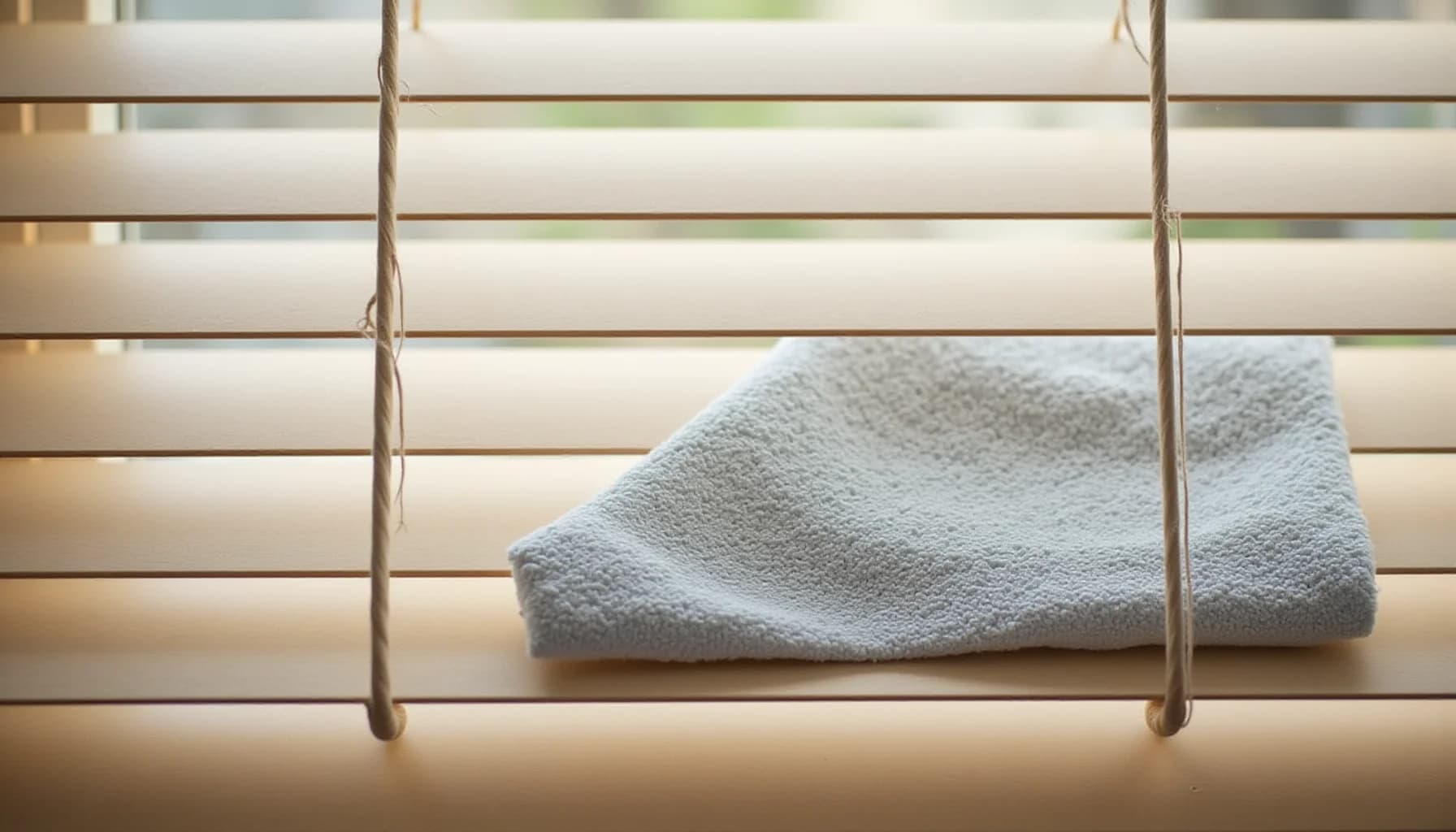
Real wood slats are noticeably heavier than either of those options. Cedar and basswood have a visible grain pattern and a matte, slightly porous surface. They feel warm and have a faint natural texture you can follow with a fingernail. The weight of a full wood blind is substantial compared to an equivalent vinyl set.
Faux wood is a convincing imitation at a distance but tends to feel uniform and plastic-like on close inspection. It lacks the grain variation of real wood and has a consistent, almost waxy surface. It is also heavier than vinyl but lighter than solid timber.
Fabric blinds vary the most. Polyester feels smooth and slightly slippery. Blended fabrics, such as an 80/20 polyester-cotton mix, feel softer and have a loose, woven texture. Natural fibers like cotton, jute, and seagrass are coarser, visibly textured, and lighter in weight, with a handmade, organic character that synthetic fabrics cannot fully replicate.
Can you really identify blind material just by looking at it?
Probably not, and if you get it wrong, the cleaning consequences range from bent slats to dissolved coatings to warped mechanisms that can't be repaired.
The most common trap is trusting descriptive marketing language. A blind sold as "linen texture" or "natural weave" describes how it looks, not what it's made from. That same blind is very likely 100% polyester. Wipe it down with the wrong solvent assuming it's a natural fiber that needs gentle handling, and you may not cause harm. But flip the assumption the other way: treat a genuine natural fiber blind as though it's synthetic and soak it with a damp cloth more aggressively than you should, and you're looking at swelling, mildew, and permanent distortion. The material doesn't forgive the mistake just because you couldn't see it coming.
Tactile cues are similarly unreliable. Modern faux wood is engineered to feel convincingly solid, yet it behaves completely differently from real wood under moisture. Real wood slats exposed to humidity warp, swell, and crack. Faux wood holds its shape. Confuse the two, and a supposedly "safe" wipe-down in a high-humidity room can buckle a real wood blind within weeks.
The only source worth trusting is the product label or tag attached to the blind itself, or the original manufacturer documentation. If the blind is older and the tag is gone, check retailer purchase records or contact the manufacturer directly with the blind's measurements and style details. This same principle applies across home materials generally: just as identifying your hard floor type before cleaning it prevents costly mistakes, identifying your blind material before you touch it with any cleaning product is a non-negotiable first step.
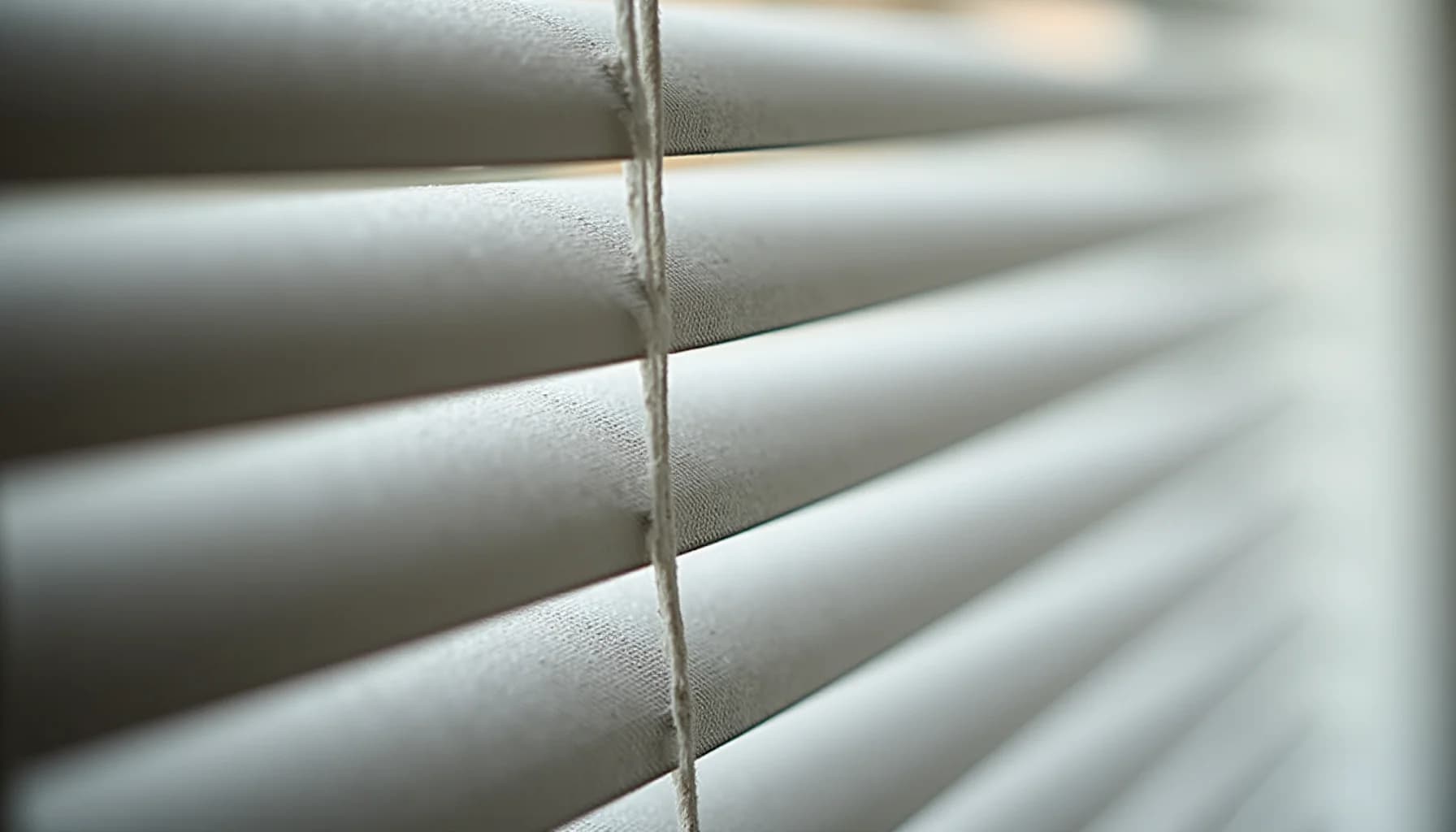
What does your blind's material mean for cleaning and care?
Still unsure?
- Check the product label or tag attached to the blind's headrail or hem — this is the most reliable source of material information and should be your first stop
- Review any manufacturer documentation, warranty card, or original packaging that came with the blinds, as these list exact fiber or material composition
- Search retailer purchase records or order confirmations if the blinds were bought recently, since product pages typically specify material details
- Contact the manufacturer directly with your blind's measurements, style, and color — if no label or documentation survives, this is the definitive way to confirm composition before choosing a cleaning method
Does the material in your blinds affect where they should go and how long they'll last?
Where you hang your blinds matters as much as what they're made of. Vinyl, PVC, and aluminum hold their shape in humid rooms because they neither absorb moisture nor warp. Put real wood blinds in a bathroom, though, and repeated humidity cycles will cause swelling and warping that no amount of careful cleaning can undo. Natural fiber blinds, seagrass and jute among them, belong in living areas and bedrooms where humidity is controlled; in those spaces, their tight weave resists sagging and the fibers actually develop character with age rather than deteriorating.
Durability expectations are just as material-dependent. Aluminum, faux wood, and quality wood blinds routinely last 10 to 15 years with routine care. Fabric blinds, particularly those in high-traffic rooms or south-facing windows with intense UV exposure, may show wear sooner. If you've identified your current blinds as a lower-grade vinyl or a thin polyester blend, that context helps you weigh whether a repair makes financial sense or whether replacement is the more practical call.
Once you know the material and have confirmed it's suited to its room, the cleaning approach follows directly from there. Different materials need different methods, and getting that step right starts with the identification work covered in this article.
How this article was made
Researched and written with AI assistance. What gets published is a human editorial decision. Grounded in 8 cited sources.
Edited by Claire Mercier, Editor. The guides are written with AI assistance.
Sources (8)
- Guide to blinds materials - Fabric Gallery & Interiors
- Best Fabric Blinds for Windows: Materials, Types & Styles
- Choosing Fabrics: Which is Best for Roller Blinds?
- 15 Types of Blinds Everyone Should Know | The Shade Store
- Your Guide To Window Blind Material Types - Helioscreen Awnings, Retractable Roofing, Screens & Blinds
- Blind Fabrics and Materials Guide
- How to choose a fabric blind | Different Type of Fabric Blinds – Livingstone Textiles
- Blind Materials Guide: Choosing Right Fabric & Finish for Windows