Which Cleaner for Which Window Surface: A Frame-by-Frame Guide
Part of Windows & Glass · article 3 of 7
On this page
| Surface / Situation | How to Recognize It | Recommended Cleaner |
|---|---|---|
| Uncoated, untinted glass | Clear glass, no visible film or coating | 1:1 white vinegar and distilled water |
| Low-E coated glass | Inner pane has thin metallic sheen; often labeled Low-E | pH-neutral soap plus distilled water; no vinegar |
| Tinted glass | Glass has a visible color tint or film | Diluted dish soap; no ammonia-based cleaners |
| Vinyl frames | Smooth white or colored plastic frame | 3 parts vinegar to 7 parts water, or mild detergent |
| Wood frames | Painted or lacquered timber frame | Warm water with mild neutral soap; no bleach or ammonia |
| Hard water mineral deposits | White crusty or chalky buildup on glass | Vinegar-based solution; plain water will not dissolve deposits |
The table pairs each window surface with its recommended cleaner. To use it, find your frame material in the left column, then cross-reference your glass type and the soil you're dealing with. The row for each combination gives you both the cleaner to reach for and the products to keep away from that surface.
Two rows that look nearly identical are vinyl frames and fiberglass frames, since both tolerate warm soapy water. The single test that separates them: vinegar mixed three parts to seven parts water is specifically recommended for vinyl, while fiberglass takes any standard window spray without the same sensitivity to harsh chemicals.
Wood and vinyl can also seem interchangeable at first glance, since both call for mild soap and water. The distinguishing test there is ammonia: wood frames with a lacquered finish will cloud and dull under ammonia-based products, while vinyl's main restriction is abrasive compounds rather than ammonia itself.
Every other row follows the same logic. Identify the surface, note what the cleaner must avoid, and match accordingly.
Does your glass have a coating or tint? Use this cleaner
- Low-E coating
- A thin metallic layer applied to the interior surface of a window's outer pane, designed to reflect heat while allowing light to pass through. It is more delicate than standard glass and requires pH-neutral, non-abrasive cleaners to avoid degradation over time.
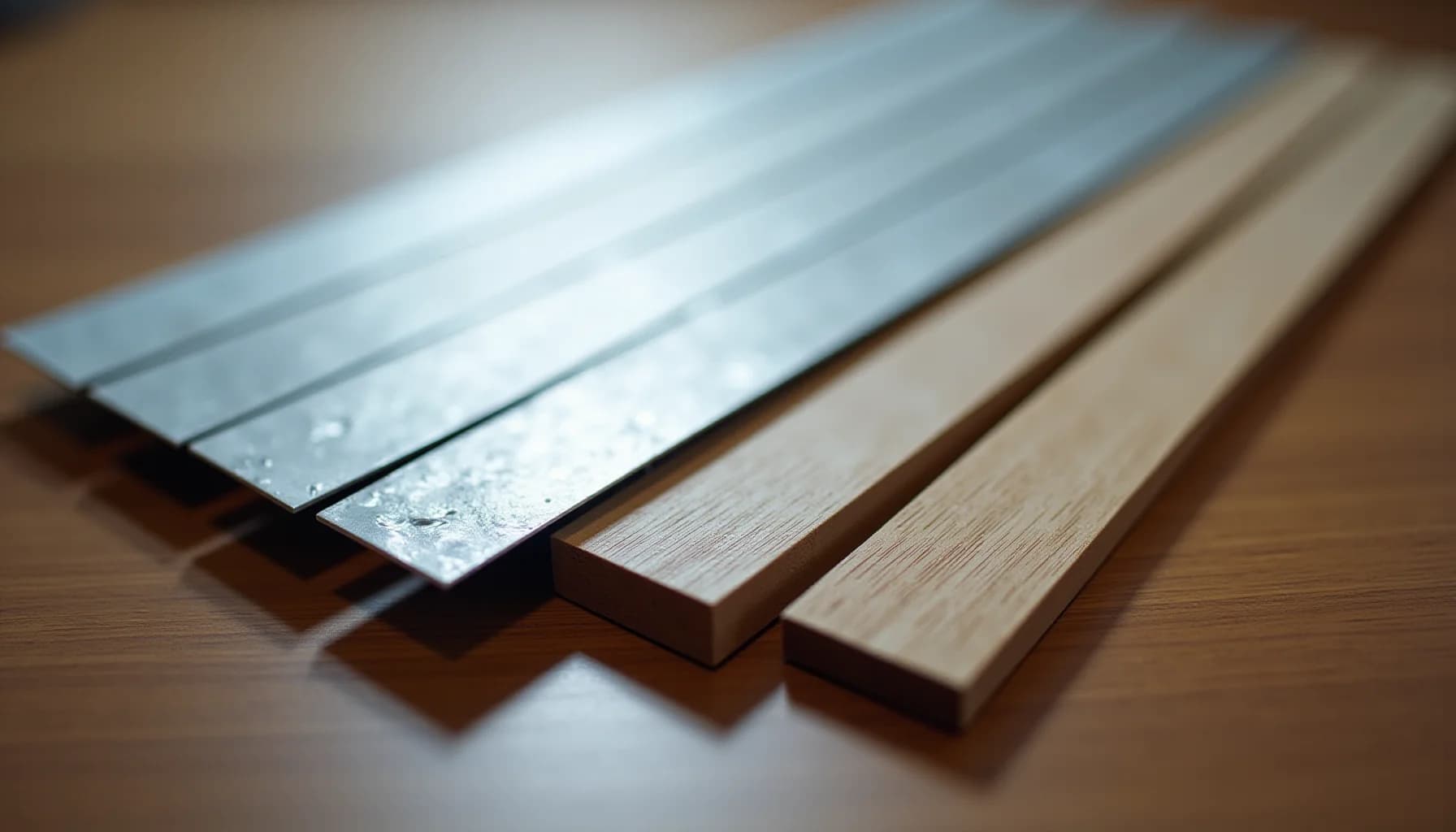
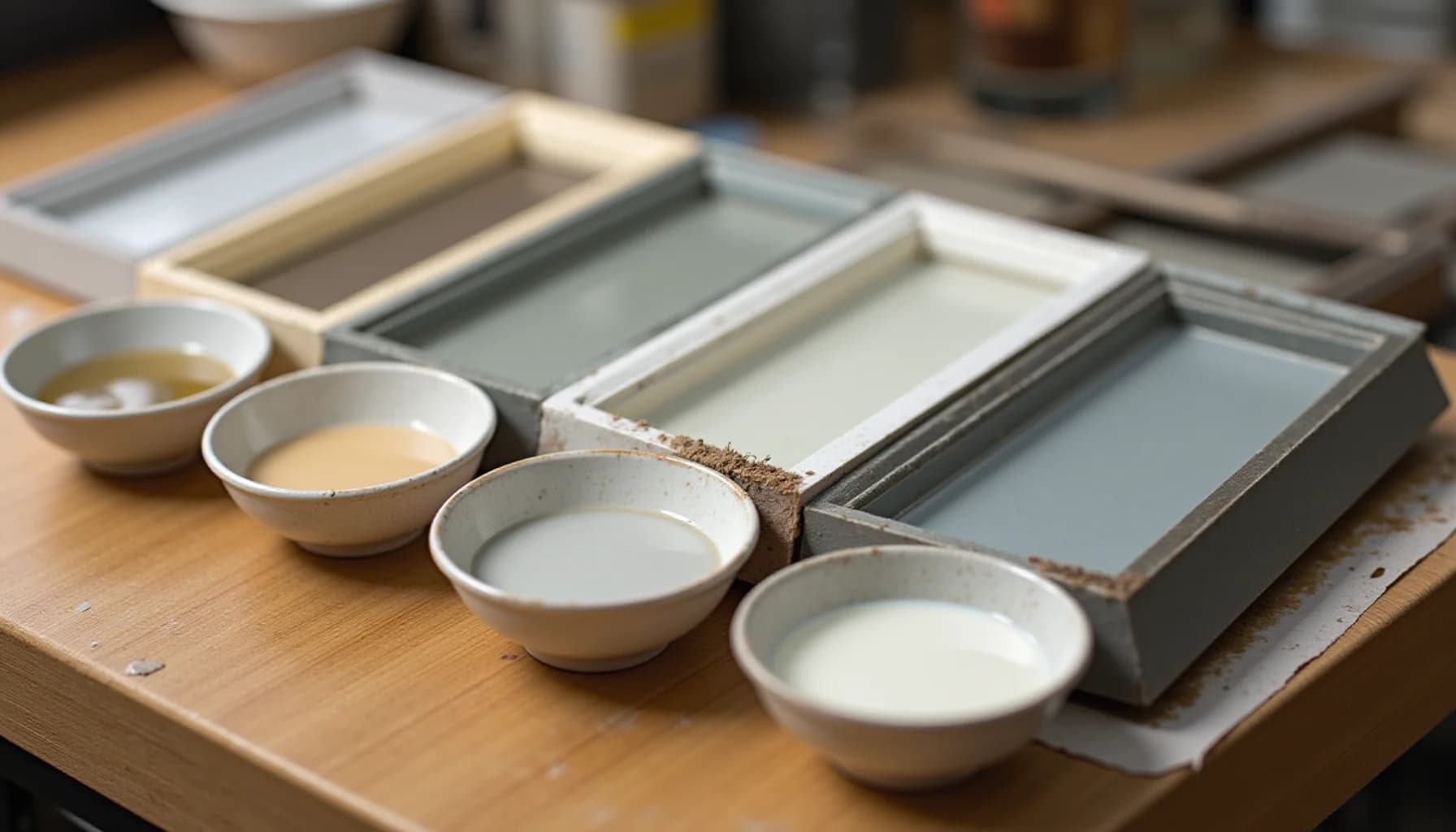
Bare glass, Low-E glass, and tinted glass are three distinct surfaces, and treating them identically is one of the most common ways homeowners cause slow, cumulative damage.
Bare, uncoated glass has no film or metallic layer to protect, so it tolerates a wider range of solutions. A mix of 30% white distilled vinegar to 70% water is what window manufacturers recommend for routine cleaning on this surface. It handles water spots and light mineral haze effectively. If you have persistent calcium or magnesium buildup from hard water, however, plain vinegar solution alone will not dissolve those deposits reliably, and you will need a product specifically formulated for mineral scale.
Low-E glass carries a thin metallic coating on the interior surface of the outer pane. That layer is more delicate than the glass beneath it. Acidic cleaners, including undiluted vinegar used repeatedly, can degrade it over time. Tap water is also a problem here because its dissolved minerals leave spots on the treated surface. The correct cleaner is a mild, non-alkaline soap mixed with distilled water, or any commercial product labeled safe for Low-E glass.
Tinted glass has a film applied to control light and heat. Ammonia-based cleaners break down that film gradually, fading its effectiveness. A diluted dish soap solution is the safe default: mild enough to leave the tint undisturbed while still lifting everyday grime.
Does your window frame material change which cleaner you should use?
Yes, frame material changes everything about which cleaner is safe to reach for.
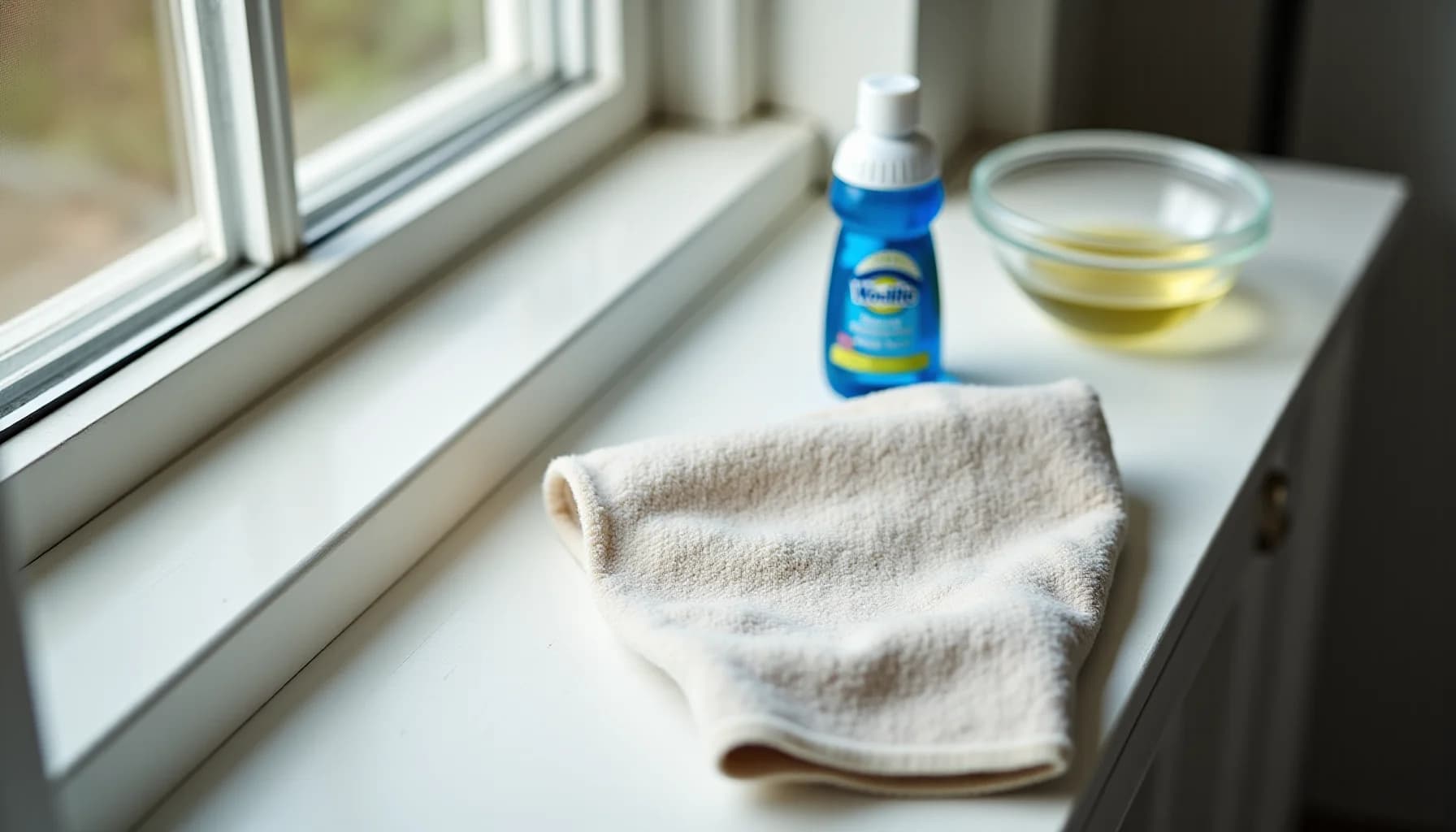
Vinyl frames are sensitive to harsh chemicals and abrasive products. Use a solution of three parts distilled white vinegar to seven parts water, or a mild detergent such as Dreft or Woolite applied with a soft cloth or soft-bristle brush. Getting this wrong, say by reaching for a concentrated all-purpose cleaner or an abrasive scrubbing pad, can cause surface crazing and discoloration that won't buff out. The damage is cosmetic but permanent.
Wood frames carry the highest stakes. Ammonia breaks down the lacquer finish on painted or coated wood, leaving a cloudy, irreversible film. Bleach strips finish and causes discoloration. Soaking the wood, even with plain water, risks swelling, warping, and rot at the joints. The safe method is a soft, damp cloth with warm water and a neutral, mild soap or a cleaner formulated for wood, applied sparingly. Wood frames should be cleaned and inspected every six months at minimum. The same caution that applies to cleaning hardwood floors without wrecking them applies here: excess moisture is the enemy.
Aluminum frames are more forgiving. Vinegar solutions and commercial aluminum cleaners are both compatible, and foam cleaners that cling to the surface work well near edges without leaving residue behind.
Fiberglass frames are the most low-maintenance of the four. Warm water with a standard soap, or any typical window cleaning spray, handles dark spots and routine grime without risk of surface damage.
The pattern is consistent: the more porous or finished the frame material, the narrower the safe cleaner range and the costlier the mistake.
What kind of dirt are you dealing with, and does it change the cleaner you should use?
Still unsure?
- Check whether your glass has a Low-E coating or tint film before reaching for any cleaner — Low-E requires a pH-neutral solution with distilled water, and tinted glass requires an ammonia-free product.
- Identify your frame material next: use a diluted vinegar-and-water mix for vinyl or aluminum frames, but switch to warm water with a mild neutral soap for wood frames and skip bleach, ammonia, and abrasive cleaners entirely.
- Match your cleaner to the soil type — use a vinegar-and-water mix for mineral deposits and light grime, a mild dish soap solution for everyday dust, and an alcohol-based or surfactant cleaner for greasy residue or oily fingerprints near kitchen windows.
- If streaks persist, damage appears (cloudy film, seal failure, finish discoloration), or you are unsure about an unfamiliar coating or custom frame material, stop and consult a qualified window professional before cleaning further.
What technique and timing actually prevent streaks and damage?
The single biggest enemy of streak-free glass is heat. When direct sunlight hits the pane while you're cleaning, the solution evaporates before you can wipe it away, and it leaves behind a hazy residue that's harder to remove than the original grime. Pick a partly cloudy day, or work early morning and late afternoon when the sun isn't directly on the glass.
Once timing is sorted, technique takes over. Spray or apply your chosen solution, then use a squeegee pulled in overlapping horizontal strokes from top to bottom. Wipe the squeegee blade with a clean lint-free cloth after each pass. The solution matters less than the finish: after squeegeeing, run the edge of a dry microfiber cloth along the frame border and corners where liquid pools and dries into streaks. A crumpled sheet of newspaper works similarly in a pinch, though microfiber is more consistent.
For tools, soft is the rule everywhere. A soft-bristle brush handles textured frame surfaces without scratching. Never use abrasive pads, metal scrapers, or razor blades on any glass surface, and avoid high-pressure sprays entirely, since forceful water can seep into crevices and compromise seals. For construction residue or paint specks that tempt you toward a blade, the better path is a purpose-made solvent applied with a soft cloth.
How this article was made
Researched and written with AI assistance. What gets published is a human editorial decision. Grounded in 8 cited sources.
Edited by Claire Mercier, Editor. The guides are written with AI assistance.
Sources (8)
- Glass Cleaners - Titan, EBC, Cliche, and more – WindowCleaner.com
- Best Glass Cleaning Solutions By Glass Type
- What Is the Best Glass Cleaner for Home Windows? - Jack's Glass
- My Top 8 Glass Cleaners- Which is the Best Glass Cleaner?
- How to Choose the Best Glass Cleaner for Windows – Berryhill Window Cleaning
- What Is The Best Window Cleaner For Your Home Windows
- Your membership has expired
- Glass and Multi Surface Cleaner 5L