How to Clean Window Screens Without Wrecking the Mesh
Part of Windows & Glass · article 5 of 7
On this page
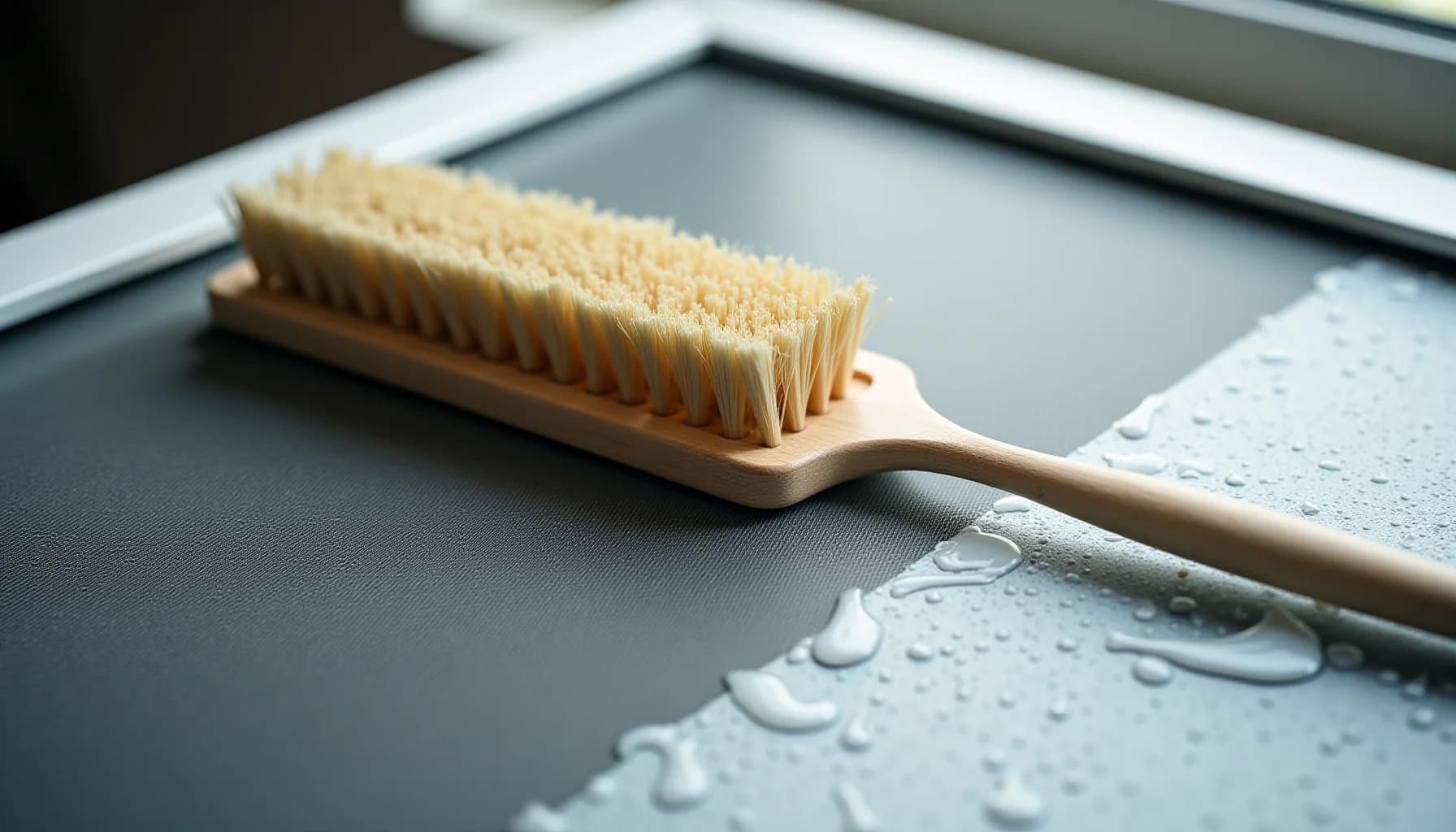
Mix ¼ cup of dish soap into a gallon of warm water, or use one part white vinegar to three parts water, and scrub both sides of each screen with a soft-bristle brush using side-to-side strokes. Rinse from top to bottom with a garden hose set to low pressure. High pressure tears the mesh loose from its spline and leaves screens permanently saggy. Skip ammonia-based cleaners entirely: they irritate skin and airways and can discolor aluminum frames. Pressure washers cause the same damage, punching holes or fraying the mesh beyond repair. Air-dry screens completely before reinstalling to prevent mold from forming against the frame.
How often should you clean window screens?
For most households, cleaning window screens every three to four months is a reasonable baseline. That schedule keeps pace with the steady accumulation of pollen, dust, and airborne particles that settle into the mesh throughout the year. If you prefer a simpler rhythm, spring and fall are the two non-negotiable moments: spring cleaning removes road salt residue and winter grime, while a fall pass clears out the pollen and dust that built up over summer.
Where you live and what surrounds your home matters far more than any calendar, though. In a high-wind area, dust and debris blow against screens constantly, and cleaning two to three times a month may be necessary to keep airflow from dropping noticeably. High-humidity climates present a different problem: moisture encourages mold and mildew to take hold in the dust that sits on mesh, so screens in those regions need more frequent attention even when they don't look visibly dirty.
Rain does not reset the clock. Many homeowners assume a good rainstorm rinses the screens clean, but rain actually leaves dust embedded in the mesh wet and compacted, which feeds mold growth as humidity rises afterward.
Between full cleans, run a lint roller or a vacuum with a soft brush attachment over both sides of each screen once a month. It takes under five minutes per screen and prevents the kind of heavy buildup that turns a quick wash into a scrubbing session. Think of it as protecting the investment of the deeper clean, not a substitute for it.

What cleaning solution works best for window screens?
Remove the screen carefully
Slide a butter knife or screwdriver into the frame edge and ease the screen out without twisting or bending it. Warped frames make reinstallation harder and can gap the seal against insects.
Rinse off loose debris with a garden hose on low pressure
Run water gently over both sides of the screen to lift loose dirt, pollen, and cobwebs before any cleaning solution goes on. Skipping this step traps grit under the brush and risks scratching or tearing the mesh.
Mix a gentle cleaning solution and scrub both sides
Combine one teaspoon of mild dish soap per gallon of warm water, or mix one part white vinegar with three parts water. Spray or apply the solution liberally, let it sit for about one minute, then scrub side to side with a soft-bristle brush.
Rinse from top to bottom on low pressure and air-dry completely
Run the hose from the top edge down so dirty water falls away from already-clean areas. Stand screens upright in a shaded spot and let them dry fully before reinstalling: putting a damp screen back traps moisture and encourages mold.
Clean the window tracks before reinstalling
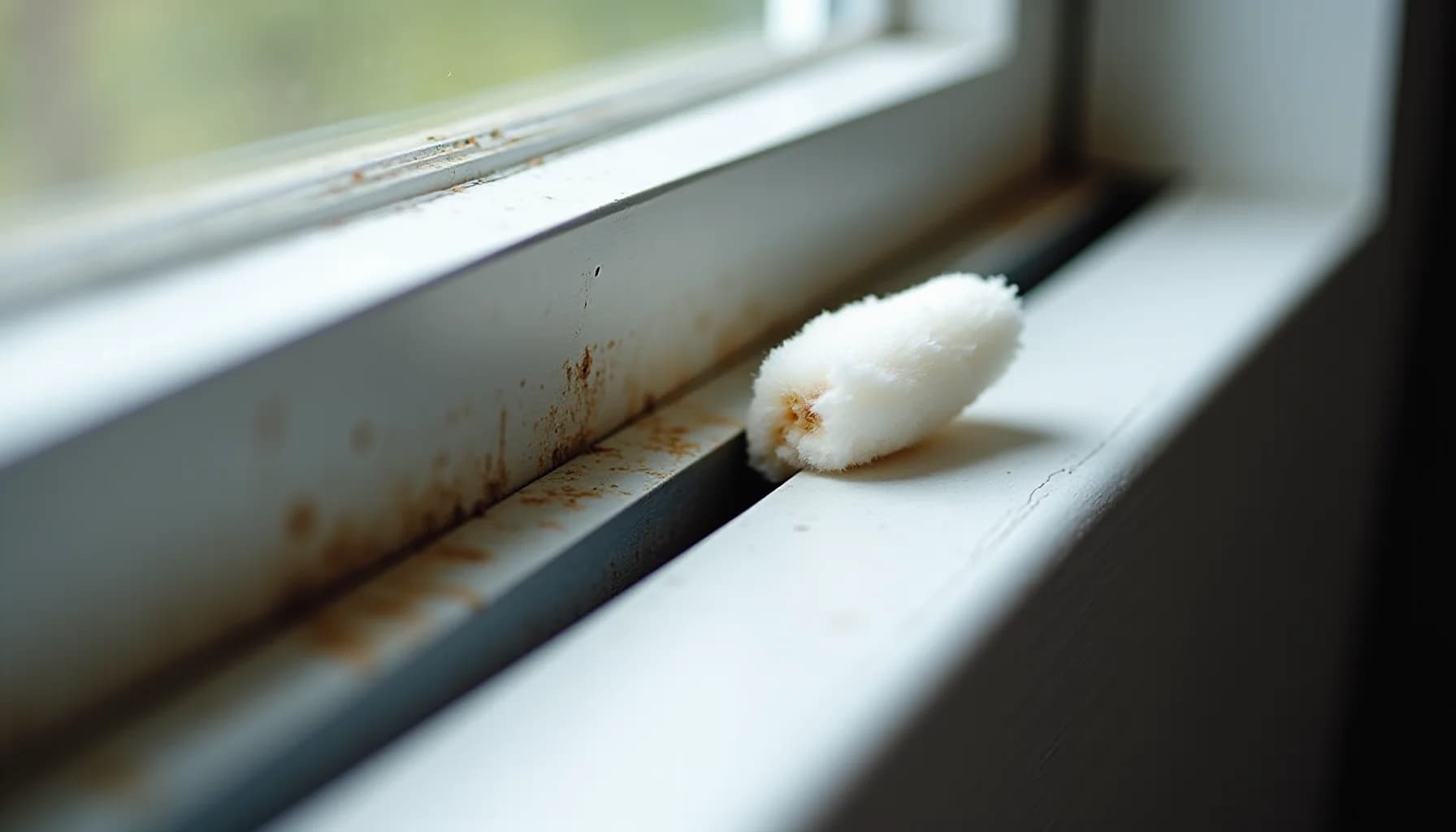
Run a damp microfiber cloth or old toothbrush along every track to clear out the grit that built up while the screens were out. Dirty tracks pull debris straight back onto fresh mesh and prevent the screen from sitting flush against the frame.
Keep up with quick maintenance between deep cleans
Once a month, run a vacuum brush attachment or lint roller over both sides of each screen while it is still in place. This five-minute habit stops heavy buildup from forming and means the next full deep clean takes far less effort.
How do you deep clean window screens from start to finish?
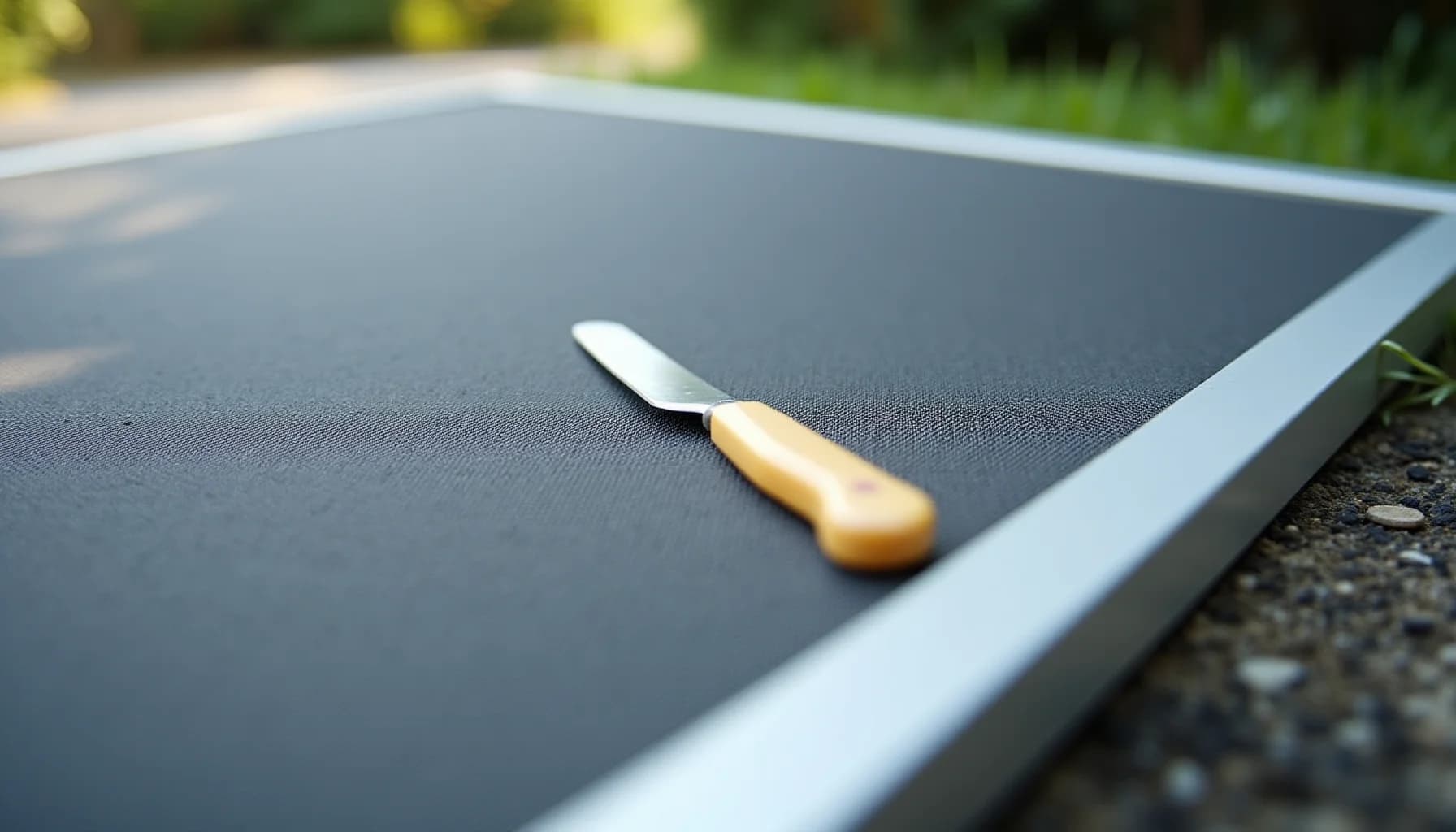
Start by removing the screen carefully. Slide a butter knife or flathead screwdriver under the frame edge and ease it out without twisting or bending the frame. Even minor bends in aluminum frames can prevent screens from seating flush when you reinstall them, so take your time.
Once the screen is out, lay it flat or lean it against a fence or wall where you can work both sides. Before applying any cleaner, rinse the screen with a garden hose set to very low pressure. This first pass removes loose dirt, dead bugs, and pollen, which lets your cleaning solution reach the caked-on grime underneath rather than just moving surface debris around.
Mix your cleaning solution: a quarter cup of dishwashing liquid to a gallon of warm water works reliably. If you prefer a vinegar-based option, one part white vinegar to three parts water is a practical alternative. Avoid over-soaping, since too much dish soap leaves a residue that attracts new dirt almost immediately. Spray or sponge the solution liberally onto both sides of the screen and let it sit for about one minute.
Scrub gently using a soft-bristle brush, working from side to side rather than in circles. An old soft-bristled paint brush works well if you don't have a dedicated cleaning brush. Keep the pressure light; the mesh doesn't need force, it needs contact time with the solution.
Rinse again from top to bottom using the hose on low pressure. High-pressure rinsing can push the mesh loose from the spline that holds it in the frame, leaving it saggy and difficult to reinstall. After rinsing, shake off the excess water and stand the screens upright somewhere with good airflow. Let them air-dry completely before putting them back. Reinstalling damp screens traps moisture against the frame and mesh, which encourages mold.
Before the screens go back in, wipe out the window tracks with a damp microfiber cloth or an old toothbrush. Gritty tracks pull dirt straight back onto clean mesh the first time the screen slides into place.
Can You Clean Window Screens Without Taking Them Down?
Removing screens for a full wash is the thorough approach, but it is not always necessary. For routine upkeep between deep cleans, you can tackle most surface buildup in under 10 minutes without ever lifting a screen out of its frame.
Start with a vacuum. Fit your vacuum with a soft brush attachment and run it gently over both sides of the screen. This lifts loose dust, cobwebs, and pollen before they have a chance to spread across the mesh or drop onto the sill. Keep the suction moderate: pressing too hard or using an attachment without soft bristles can pull the mesh away from the frame edge or cause fraying, so let the bristles do the work and keep the nozzle moving.
If you do not have a vacuum handy, a lint roller works surprisingly well for surface debris. Roll it lightly across the dry mesh to pick up fine dust and pet hair. It will not reach deeply caked-on grime, but for a screen that was cleaned recently and just needs a quick refresh, it does the job without any moisture or drying time.
For anything stickier than dry dust, a spray bottle is your next tool. Mix a teaspoon of mild dish soap into a quart of warm water, or use a one-to-three vinegar-and-water solution, and spray both sides of the screen lightly. Wipe with a soft sponge or cloth, working in gentle side-to-side strokes rather than scrubbing in circles, which can stress the mesh threads. Follow up with a spray of clean water to rinse away any soap residue, then dab dry with a cloth. Leftover soap film attracts fresh dirt faster than a clean screen would, so the rinse step is worth doing properly even on a quick in-place clean.
Monthly maintenance like this keeps buildup from hardening into the kind of grime that only a full removal and scrub can clear.
Can pressure washers damage window screens?
Yes, a pressure washer will damage window screens, often permanently. The force of the water punches holes or tears through wire mesh, and even a brief pass at high pressure can separate the mesh from the spline around the frame's edge, leaving the screen sagging and loose. There is no safe way to pressure wash a standard window screen, so skip it entirely.
The same caution applies to a standard vacuum without the right attachment. Running a bare vacuum nozzle across mesh pulls the material away from the frame edge or causes fraying. Always use a soft brush attachment, hold it lightly against the surface, and move in slow, even passes across both sides.
For rinsing with a garden hose, keep the pressure low throughout. High-pressure bursts, even from a hose, loosen screens from their splines the same way a pressure washer does, just more slowly. Work from top to bottom so dirty water runs clear rather than back across mesh you have already cleaned.
When scrubbing, use a soft-bristled brush and move side to side in short strokes. Wire brushes, abrasive scrubbing pads, and steel wool will shred mesh on contact. Even a stiff-bristled brush can snag fiberglass screens, so check what your mesh is made of before you start.
If the frame is bent, the spline has pulled free along more than one edge, or the mesh has tears wider than a quarter inch, cleaning will not fix the problem. At that point, replace the screen rather than reinstalling damaged mesh that lets insects through.
Frequently asked questions
Can I just hose down my window screens instead of scrubbing them?
Will rain keep my window screens clean between washes?
How often should I clean window screens?
Is it safe to use a pressure washer or strong chemicals on window screens?
Do window tracks and frames need cleaning too?
Yes, frames and tracks need cleaning every time you clean the screens. Skipping them undoes most of your effort.
Window frames and tracks collect as much grime as the mesh itself, and if you reinstall a freshly cleaned screen into a dirty track, that accumulated debris transfers straight back onto the mesh within days. Before sliding any screen back into place, run a damp microfiber cloth along the full length of each track channel. For the corners and tight grooves where compacted dirt resists a cloth, an old toothbrush works well. A quick pass removes the layer of dust, dead insects, and gritty buildup that settles in tracks while screens are out for the season.
Make this a standing habit rather than an afterthought. Each time you do a monthly vacuum pass on your screens, wipe down the frames at the same time. It adds about two minutes per window and keeps the seal between screen and frame snug, which matters for keeping insects out. Frames that stay clean also resist rusting and surface staining longer, so the screens themselves stay in better shape.
Clean tracks let screens slide in smoothly and sit flush. That flush fit is what maintains an actual barrier. A screen that sits slightly proud of its frame because grit is jamming the channel creates gaps that defeat the entire point of having a screen in the first place.
How this article was made
Researched and written with AI assistance. What gets published is a human editorial decision. Grounded in 8 cited sources.
Edited by Claire Mercier, Editor. The guides are written with AI assistance.
Sources (8)
- How to Clean Window Screens
- How to Clean Window Screens | Simple Green
- How to Clean Window Screens - Phifer
- How to Clean Window Screens
- How to clean window screens | Andersen Windows
- Spring Cleaning: How to Best Clean Your Window Screens | Power Home Remodeling
- How to Clean Window Screens Without Removing Them - Blog
- How to Clean Window Screens - Heller’s Hardware