The Right Way to Clean Air Conditioner Coils, Fins Intact
Part of Air & HVAC · article 10 of 12
On this page
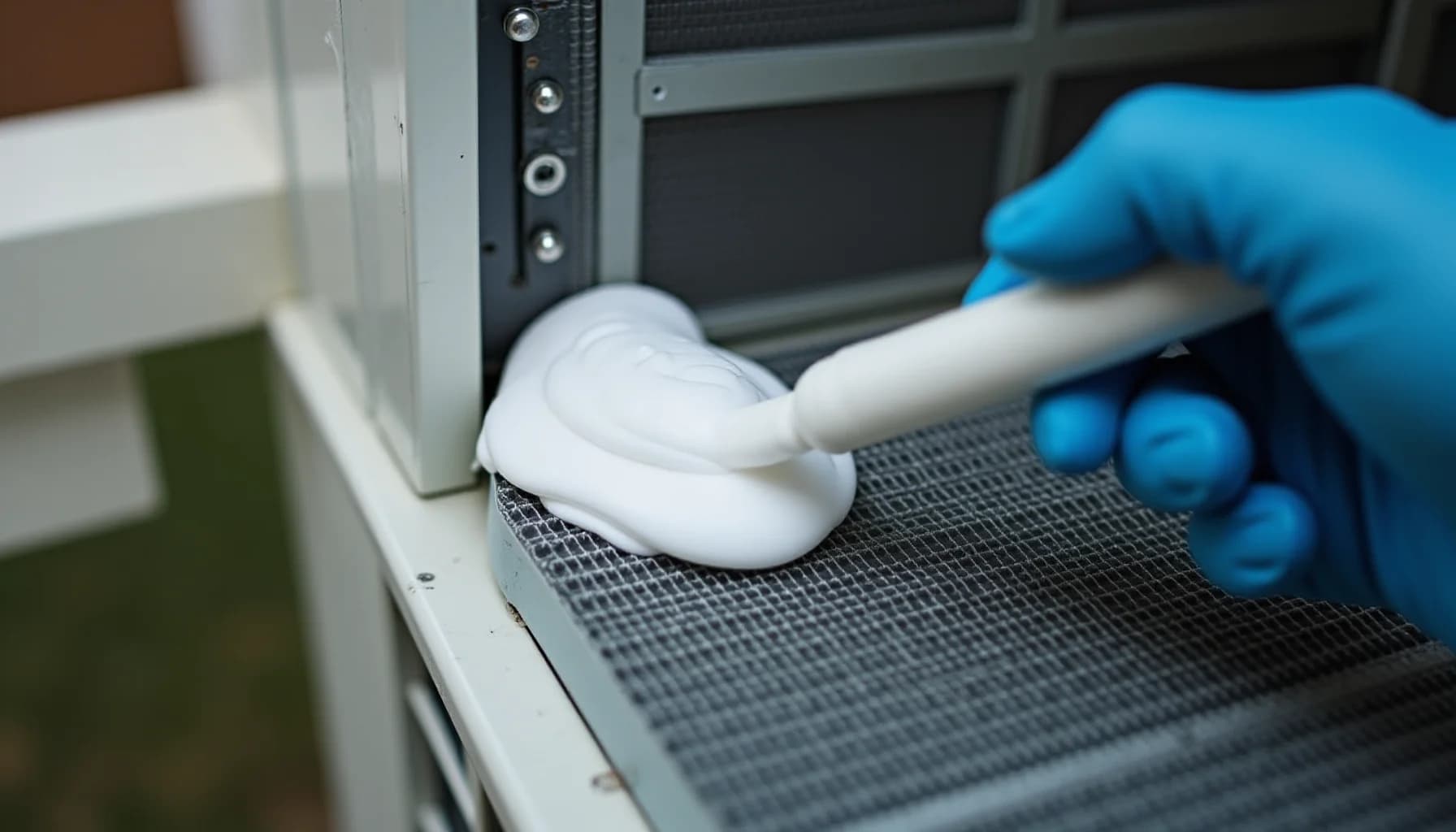
Use a non-corrosive, foaming coil cleaner made specifically for AC coils, applied after cutting power to the unit and removing the access panels. Brush away loose debris with a soft brush first, then spray the cleaner and let it break down the grime. If it is not self-rinsing, rinse gently with low-pressure water and let everything dry completely before restoring power. Never use a power washer, acidic solutions like vinegar, or any high-pressure spray: the aluminum fins are thin enough that even moderate force bends them, blocking airflow and undoing any cleaning benefit.
What are AC coils and why do they get dirty?
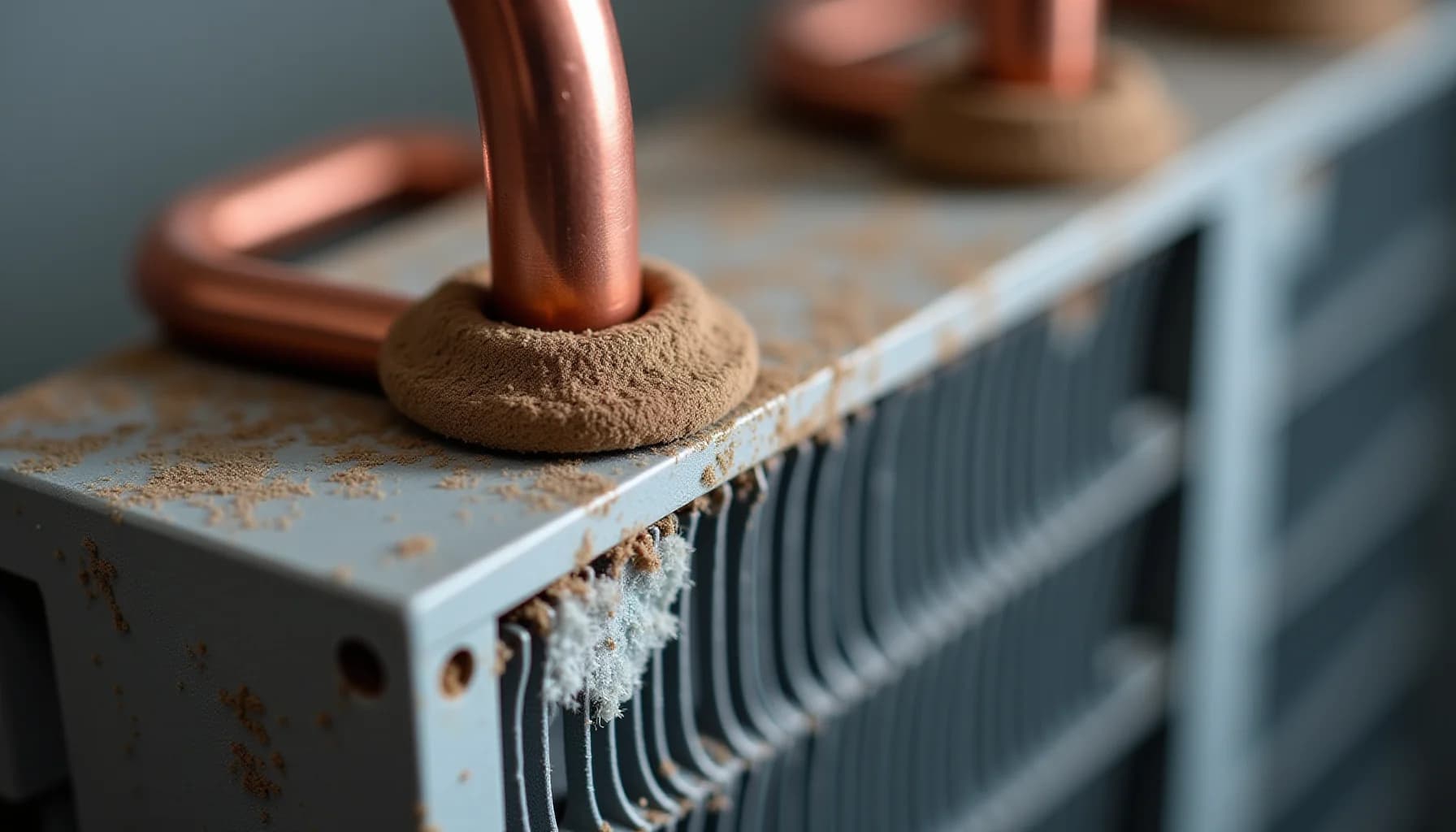
Your central air conditioning system uses two separate coils, each built from copper tubing threaded through rows of thin aluminum strips called fins. The indoor unit contains the evaporator coil, positioned on the air intake side of the air handler or on the outlet side of the furnace. As warm household air passes across it, refrigerant inside the copper tubing absorbs the heat, leaving cooler air for the blower fan to push back through your vents. The outdoor unit contains the condenser coil, which does the opposite job: it releases that captured heat to the outside air so the refrigerant can cycle back indoors and repeat the process.
Both coils rely on the aluminum fins to maximize surface area for heat transfer. Those fins are closely spaced by design, which creates the first condition for dirt accumulation. The evaporator coil compounds the problem further because the cooling process draws moisture from the air, leaving the coil surface perpetually damp. Dust and microscopic particles suspended in your home's airflow stick readily to that wet metal, building up layer by layer with every hour the system runs. The condenser coil faces its own version of this: grass clippings, cottonwood seeds, pollen, and windblown debris collect between the fins from outside.
The result in both cases is an insulating layer of grime sitting between the metal and the air that needs to cross it. Heat transfer slows, the system strains to compensate, and efficiency drops measurably, even before the buildup is visible to the naked eye.
What do dirty coils actually cost you?
Turn Off Power to the Unit
Switch the thermostat to off, then cut power at the circuit breaker or the outdoor disconnect box. Confirm the unit is fully off before touching any internal components.
Remove Access Panels and Clear Loose Debris
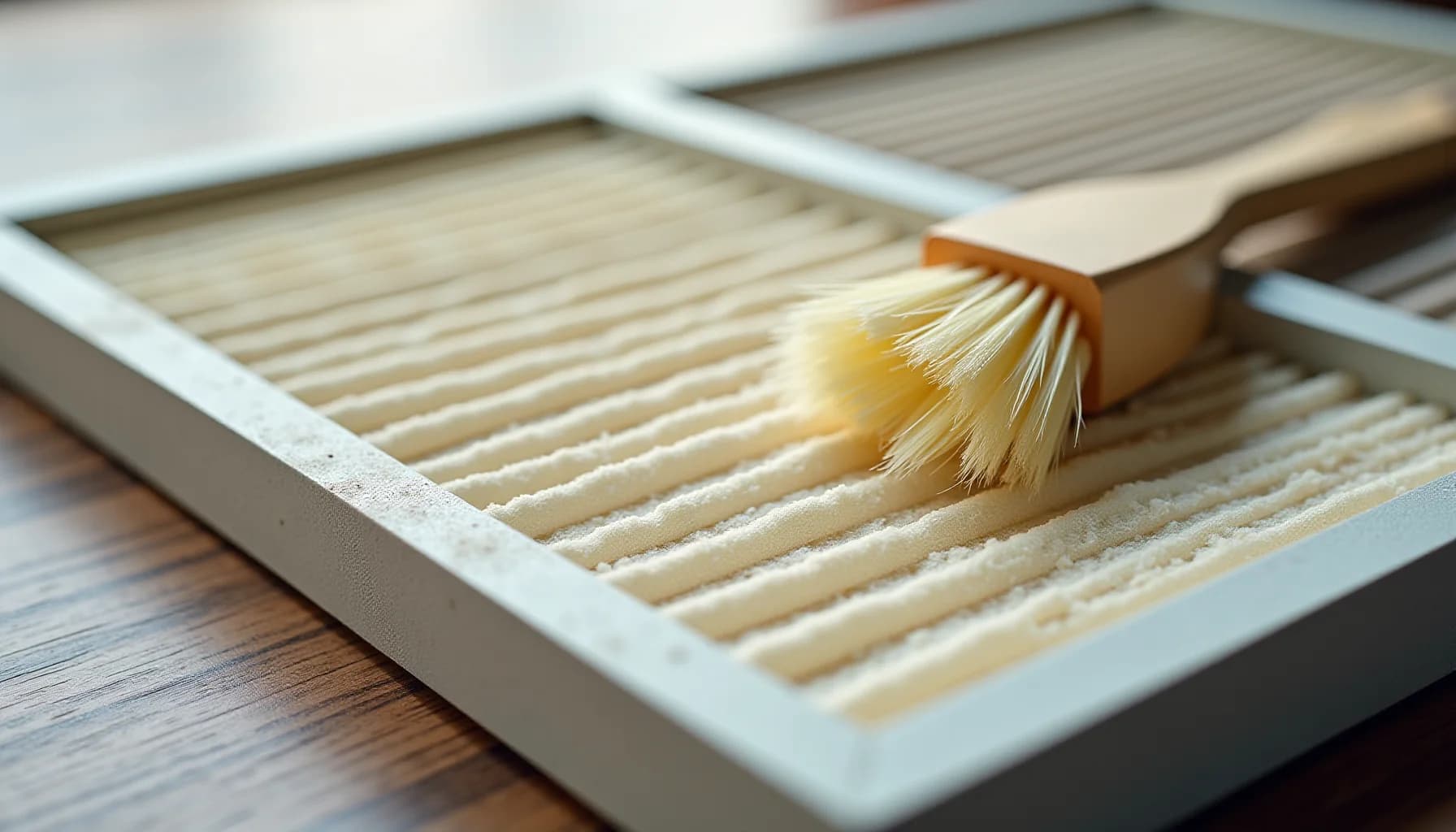
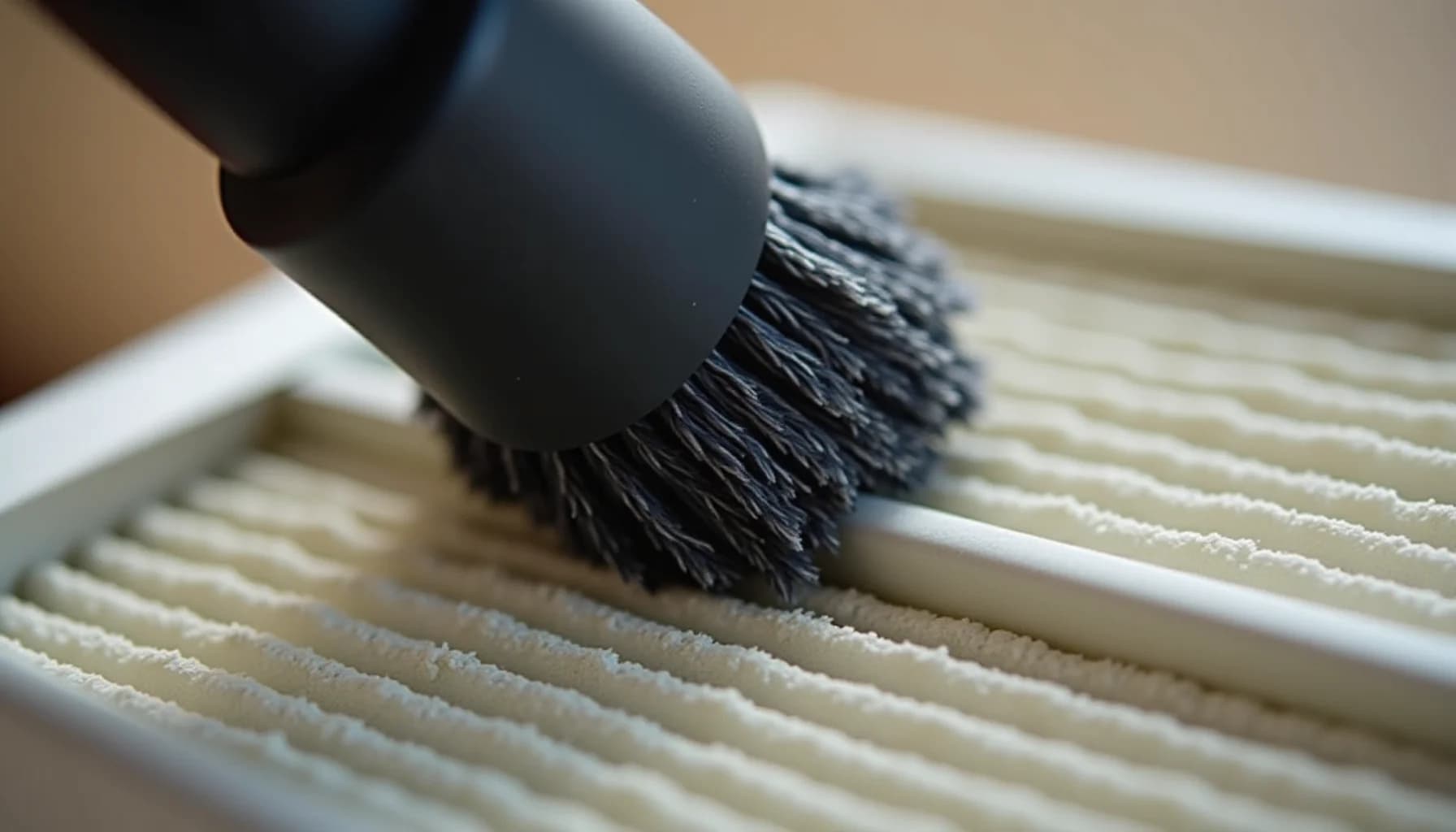
Unscrew and set aside the access panels on the air handler for the evaporator coil, or remove the top grille on the outdoor condenser unit. Use a soft brush or short burst of compressed air to gently remove loose dust and debris from the coil surfaces and fins.
Apply a Non-Corrosive Foaming Coil Cleaner
Spray a foaming cleaner made specifically for AC coils directly onto the coil surface. Avoid acidic solutions such as vinegar, which can corrode the copper tubing and aluminum fins, and never use high-pressure sprays that can bend the delicate fins.
Let the Cleaner Break Down the Buildup
Allow the foam to dwell for the time stated on the product label so it can loosen dirt, dust, and grime from the fin surfaces. Many coil cleaners are self-rinsing and drain away with condensate; check the label to confirm whether your product requires a separate rinse step.
Rinse Gently If Required, Then Dry
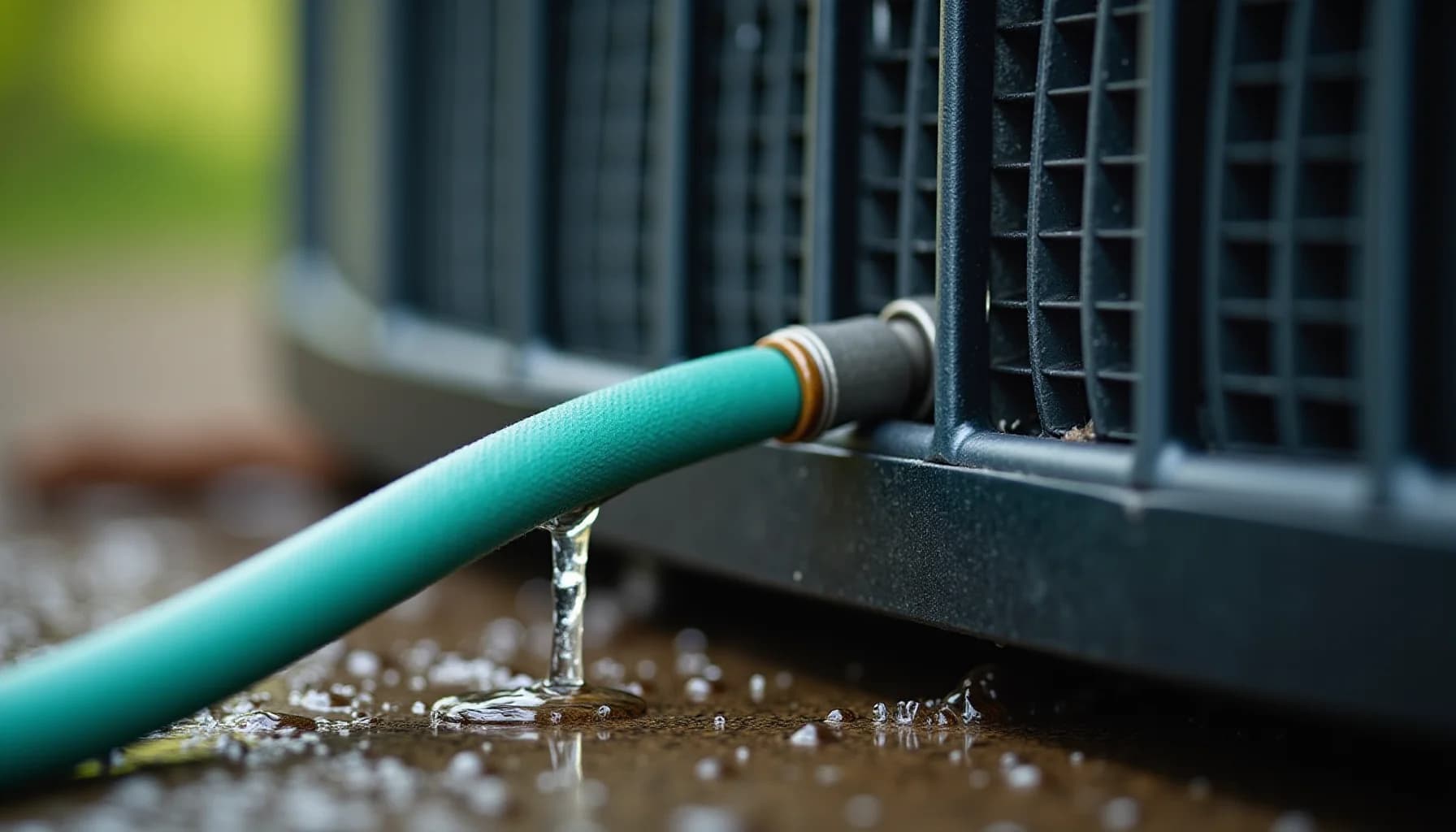
If the product is not self-rinsing, flush the coils with a gentle, low-pressure stream of water, working in the same direction as the fins to avoid bending them. Allow all components to dry completely before replacing access panels.
Restore Power and Check Performance
Refit all access panels, restore power at the breaker, and set the thermostat back to cooling mode. Monitor your energy bills and cooling cycle duration over the following weeks: any improvement confirms the cleaning was effective, while persistent issues may indicate the need for a professional inspection.
How can you tell your AC coils need cleaning?
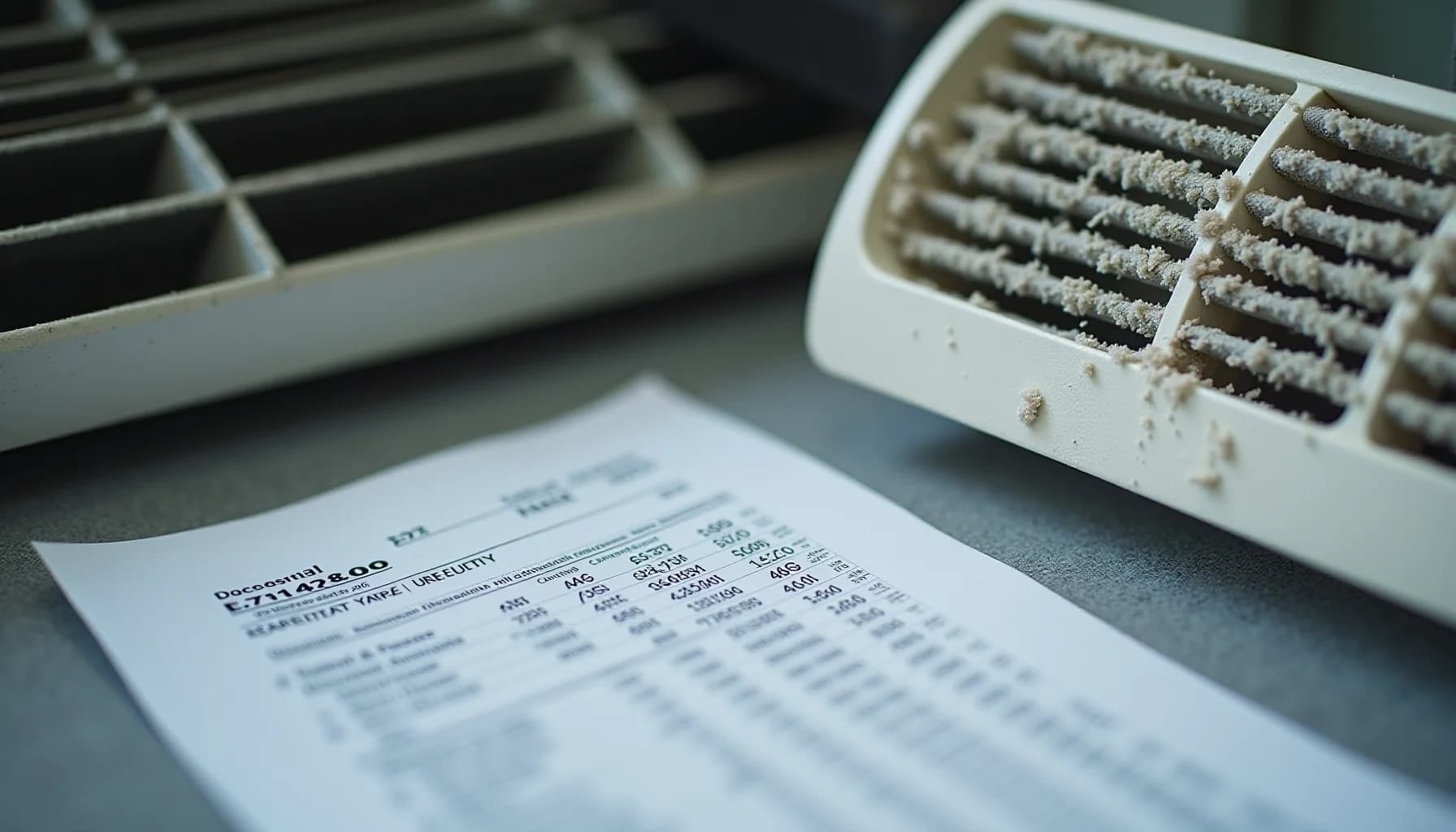
Your energy bills are usually the first place dirty coils show up. If your monthly electricity costs have crept upward without any obvious change in how often you run the AC, the coils are worth inspecting. The U.S. Department of Energy has documented that dirty coil conditions can increase compressor energy consumption by up to 30 percent, which translates directly to a higher bill every month the problem goes unaddressed.
Pay attention to how long your system runs to reach the temperature you've set. A clean system cools your home and cycles off. A system with fouled coils keeps running, struggling to move heat efficiently, because even a thin layer of grime makes a measurable difference. ASHRAE research shows dirty evaporator coils can reduce system efficiency by 10 to 25 percent, and that degradation happens gradually enough that many homeowners never connect the dots.
A musty or stale smell when the AC kicks on is a more direct signal. The evaporator coil operates in a moist environment by design, and a dirty coil gives mold and mildew a surface to colonize. That odor isn't just unpleasant; it means the air moving through your home is passing over contaminated metal before it reaches your vents.
Notice whether your home feels dustier than usual, or whether the air seems less fresh even with the AC running. A clogged or dirty system loses filtering effectiveness, and particles that would ordinarily be captured get recirculated instead.
Finally, walk out to your outdoor unit and look at it. Visible debris, grass clippings packed against the condenser fins, or a visible coating of grime on the coil surface are straightforward indicators that cleaning is overdue. If you're unsure whether what you're seeing on the indoor unit is normal, which AC parts you can clean yourself and which to skip is worth reading before you touch anything.
How often should you clean your AC coils?
For most residential homes, cleaning the AC coils at least once a year is the baseline recommendation. The practical timing is spring, before the cooling season puts sustained demand on the system. That way, any accumulated grime from the previous year gets cleared before the compressor is working at full load.
That baseline, however, is a floor rather than a ceiling. Several home conditions push the cleaning frequency higher:
Pets. Pet dander and hair work into the air stream and collect on both the evaporator and condenser fins faster than typical household dust. Homes with one or more shedding animals often need coil cleaning twice a year.
Dusty or arid climates. Homes in desert regions, near unpaved roads, or in areas with high particulate counts in the air see condenser coil buildup accelerate. The same is true for coastal environments, where salt air adds a corrosive layer on top of the dust.
Heavy usage. If your system runs for long stretches daily, more air cycles through the coils and deposits more particulate matter over the same calendar period. High-use households should inspect coils every six months rather than annually.
Air filter habits. The evaporator coil and your air filter work in sequence. A filter that goes too long between changes stops intercepting particles before they reach the coil. Knowing your filter type and its replacement schedule is one of the more practical ways to protect the coils between professional visits.
If you are uncertain where your home falls, a quick visual check of the outdoor condenser unit each spring and fall is enough to tell you whether debris has accumulated to the point where cleaning is overdue. Visible grime or restricted airflow around the fins is a clear prompt to act sooner rather than waiting for the annual service.
How do you actually clean AC coils without damaging them?
Before touching anything, cut power at both the thermostat and the disconnect box next to the outdoor unit. This is not optional caution — capacitors inside the unit store a charge that can deliver a serious shock even after the system stops running. Cutting power before you start is the single step most DIYers skip, and it is the one that causes injury.
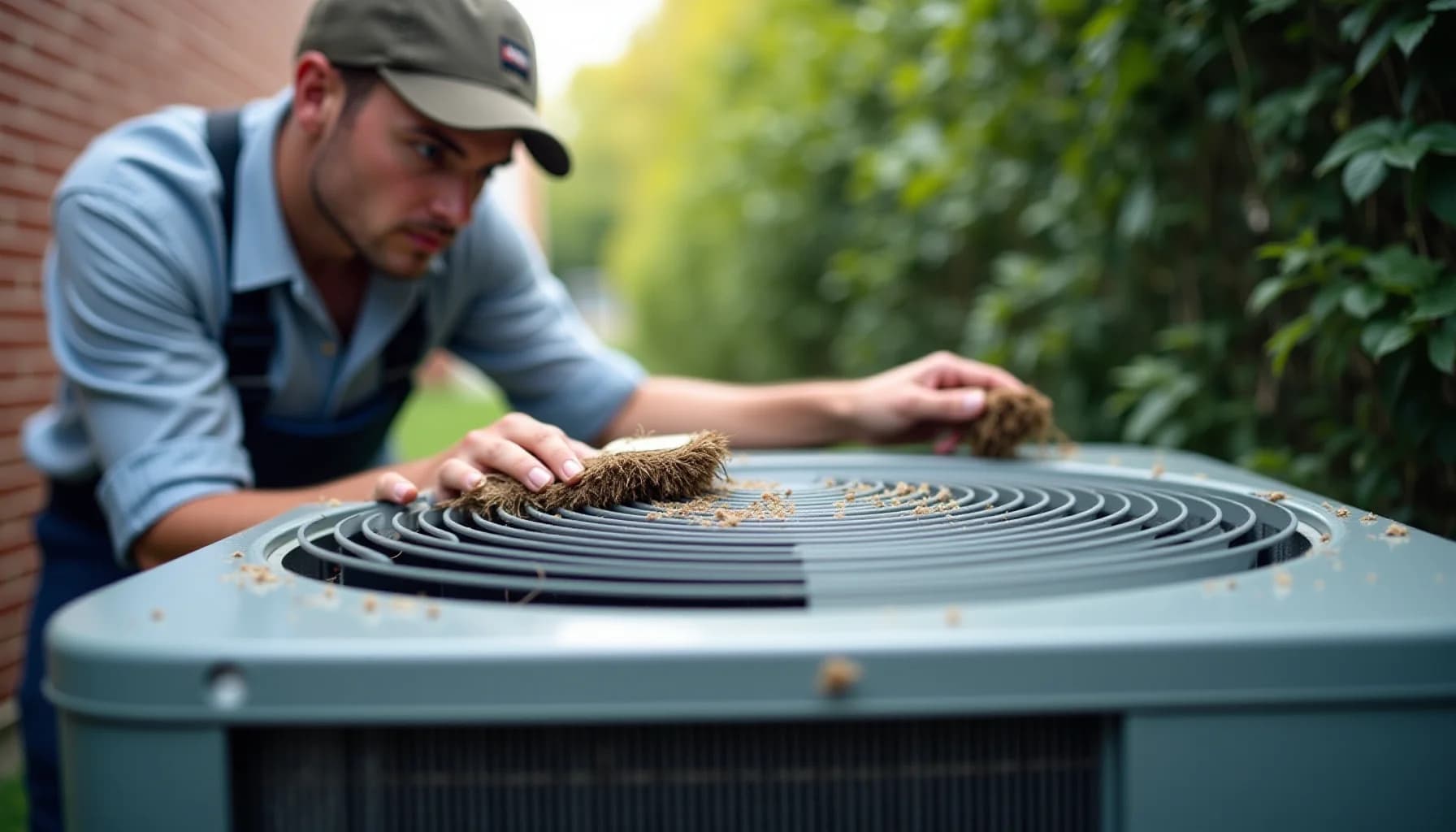
For the outdoor condenser coil, remove the access panel and use a soft-bristle brush to loosen surface debris, working with the fin direction rather than across it. Crossing the fins bends them. Even moderate sideways pressure on aluminum fins is enough to crimp them permanently, which restricts airflow and defeats the purpose of cleaning. Follow the brush with a non-corrosive foaming coil cleaner sold specifically for AC use. Apply it, let it dwell for the time listed on the label, then rinse gently with a low-pressure garden hose. Never use a pressure washer, full stop. The force that makes a pressure washer useful on a driveway will crush coil fins flat.
Never use vinegar. It is acidic enough to corrode the copper tubing and aluminum fins over repeated applications, even diluted.
For the indoor evaporator coil, access is tighter and the coil is more vulnerable. Apply a self-rinsing foaming cleaner, which drains away through the condensate line without rinsing.
Stop and call a professional if you see bent fin sections covering more than a small area, if there is visible mold growth deep within the coil, or if the coil has any frost or ice on it. Ice on the coil points to a refrigerant or airflow problem that cleaning will not fix and that only a licensed HVAC technician can diagnose safely.
DIY supply costs run roughly $25 to $60 for a brush, coil cleaner, and fin comb. That is a reasonable outlay for light buildup. Heavy grime, a confined evaporator compartment, or an active manufacturer warranty are each sufficient reason to hand the job to a professional instead.
Frequently asked questions
How often should I clean my air conditioner coils?
What happens if I never clean my AC coils?
Can I use a pressure washer or vinegar to clean the coils?
Is DIY coil cleaning safe, or should I hire a professional?
Should you clean AC coils yourself or hire a professional?
Most HVAC manufacturers recommend professional service for coil cleaning, and the reason is practical rather than just commercial: a trained technician knows how to work around the delicate aluminum fins without bending or crushing them. If your system is still under warranty, DIY cleaning can void that warranty entirely, so check your documentation before picking up a brush. For evaporator coils especially, which sit deep inside the air handler, professional access is safer and more thorough. That said, light surface cleaning of the outdoor condenser coil is feasible for homeowners who follow the right steps, and which AC parts you can clean yourself and which to skip is worth reviewing before you start.
On prevention, the habits that matter most are simple and recurring. Replacing your air filter on schedule is the single highest-leverage task: a clogged filter pushes dirt directly onto the evaporator coil, undoing any cleaning you've already done. Check the filter monthly and replace it before it loads up. Outside, keep landscaping trimmed at least two feet back from the condenser unit on all sides, and clear away leaves, seed pods, and grass clippings after every mow. A quick visual check of the outdoor unit each week takes under a minute and catches debris before it compacts into the fins. Build these habits into your routine and the annual professional service visit becomes lighter, faster, and less likely to surface any expensive surprises.
How this article was made
Researched and written with AI assistance. What gets published is a human editorial decision. Grounded in 8 cited sources.
Edited by Claire Mercier, Editor. The guides are written with AI assistance.
Sources (8)
- CX 026753
- How to Clean AC Coils | Improve Efficiency & Comfort
- How to Clean AC Coils Properly | Boost AC Performance | CRC
- How To Clean AC Coils | AC Coil Cleaner Tips & Maintenance
- How to Clean Your AC Coils for Better Cooling
- Air Conditioner Coil Cleaning | How To Clean AC Coils
- Tips on How to Clean Air Conditioner Coils
- How to Clean Condenser Coils - Trane®