The Right Way to Clean a Fiberglass Shower Without Scratching It
Part of Bathroom Cleaning · article 18 of 18
On this page
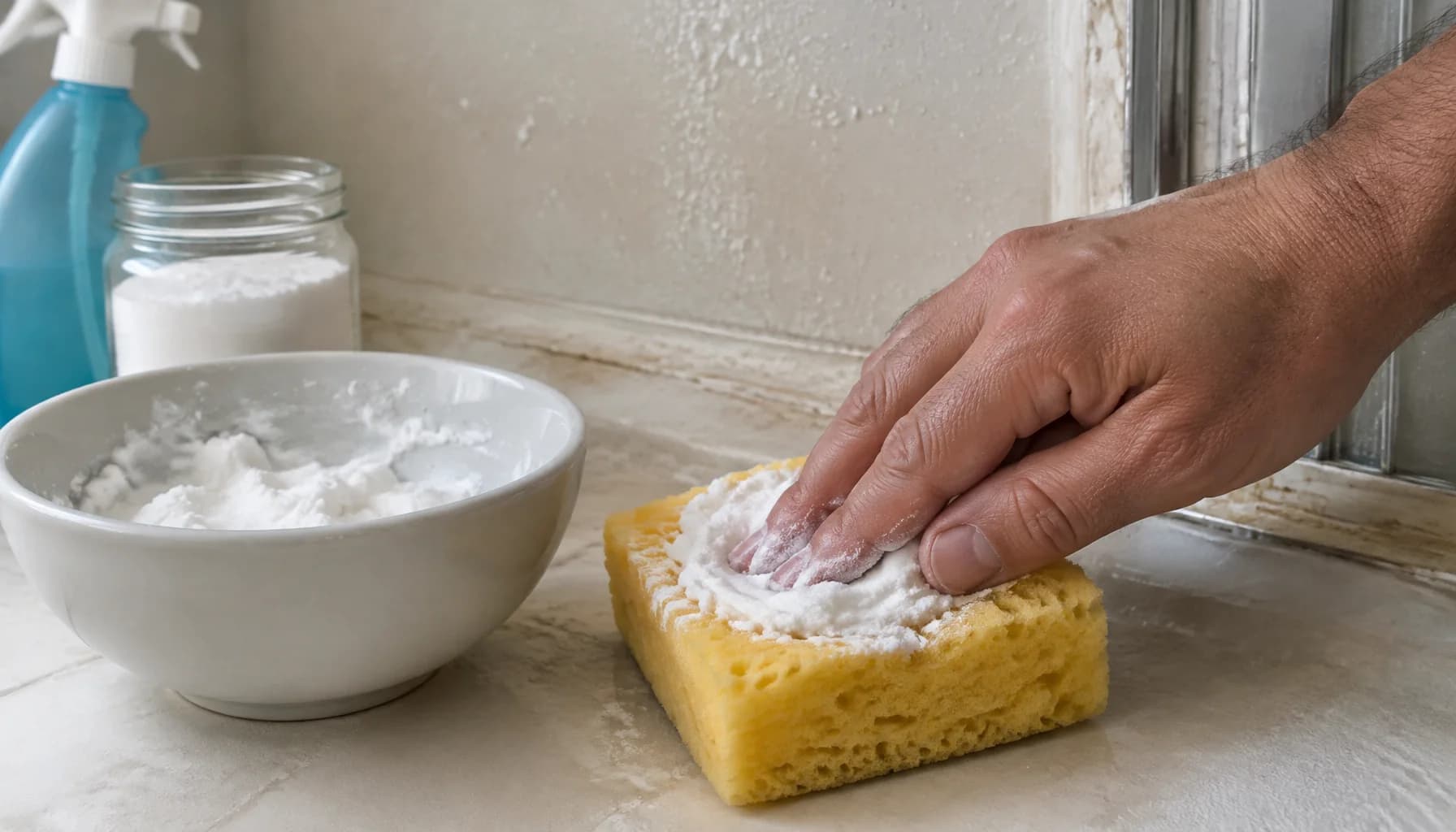
A paste of baking soda and water is the right starting point for a fiberglass shower: it cleans effectively without the abrasive grit that scratches the gel coat. Apply it with a soft sponge, let it sit for a few minutes so it can penetrate soap scum, then wipe and rinse. For persistent mildew, a liquid household bleach-based cleaner can remove stains, but never mix it with ammonia, toilet bowl cleaners, or other chemicals, as the combination releases hazardous gases. Keep the door or curtain open after every shower to let surfaces dry, which slows mildew growth between cleans. If shower mold has already taken hold, treat it before it spreads to grout lines. Avoid abrasive powders, stiff brushes, and metal scrapers entirely. Fiberglass scratches easily, and those scratches trap soap film and accelerate staining over time.
What can you do after each shower to prevent soap scum and mildew from building up?
The single most effective thing you can do for a fiberglass shower is address soap scum and mineral deposits before they bond to the surface. Once water dries on fiberglass, it leaves behind a film of soap residue and dissolved minerals that hardens with each successive shower. A brief routine after every use interrupts that process entirely.
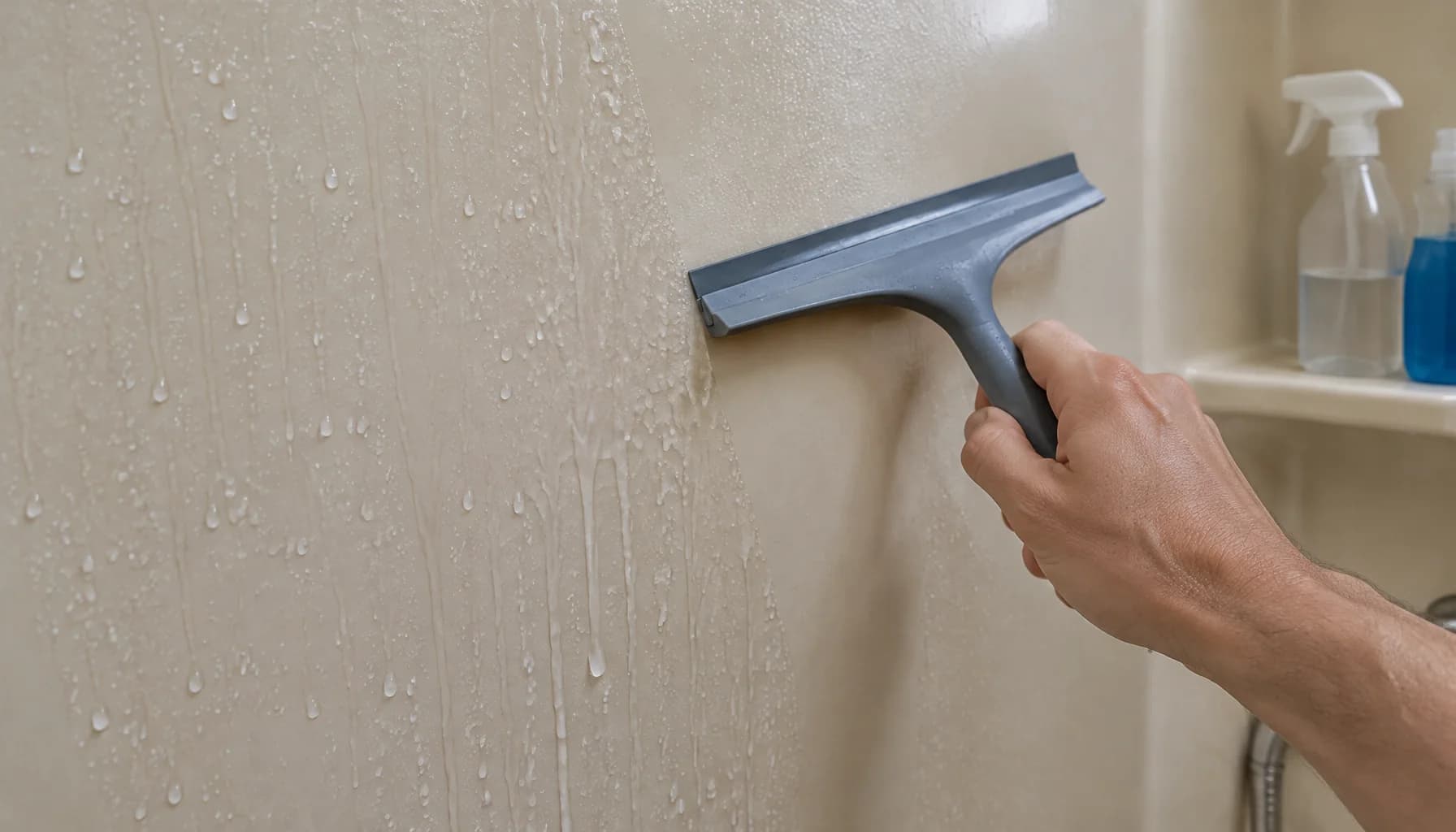
Start by rinsing the walls thoroughly with cool or lukewarm water right after you step out. The walls are still warm and wet, which makes rinsing far more effective than it would be on a dry, cold surface. Pay attention to the lower third of the enclosure where soap collects most heavily. Then run a squeegee from top to bottom in overlapping strokes to pull the remaining water off the walls. A squeegee with a soft rubber blade is ideal for fiberglass because it removes water without any abrasive contact. If you do not have a squeegee, a clean towel works. The goal is to leave as little standing water as possible, since water is the carrier for both soap film and the minerals that form hard water deposits.
Finally, leave the shower curtain or door open after you finish. Keeping the door or curtain open after every shower lets surfaces dry, which slows mildew growth between cleans. A dry surface gives mildew almost nothing to work with, so this one habit does a surprising amount of the preventive work for you.
For a shower that already has mildew taking hold, the approach shifts from prevention to treatment, which the cleaning section on shower mold covers in detail.
How do you clean fiberglass shower walls without scratching them?
Rinse the shower right after every use
After each shower, rinse the walls and floor with water to stop soap film and hard water deposits from forming on the fiberglass surface.
Squeegee or wipe down the walls while they are wet
Run a squeegee or dry towel over the fiberglass walls immediately after rinsing to remove standing water, which is the main driver of soap scum buildup.
Leave the door or curtain open to air dry
Keep the door or curtain open after every shower to let surfaces dry completely, which slows mildew growth between cleans.
Apply a daily shower spray to wet, warm surfaces
Mist the fiberglass walls and floor right after showering while surfaces are still wet and warm. No rinsing, wiping, or scrubbing is needed, so the product can keep soap scum, mildew stains, and hard water deposits from taking hold.
Scrub stubborn soap scum with a baking soda paste
For built-up soap film or staining, mix baking soda and water into a paste, apply it to the affected area, and let it penetrate before rubbing gently. Baking soda is mildly abrasive enough to lift residue without scratching fiberglass.
Treat mildew stains with a liquid household bleach cleaner
If mildew appears, spray a bleach-based cleaner directly onto the area, allow it to stand for 10 minutes, then rinse thoroughly. Never combine bleach with ammonia, vinegar, or any acid-based product, as the resulting gases are hazardous to breathe.
How do you remove mildew stains without mixing dangerous chemicals?
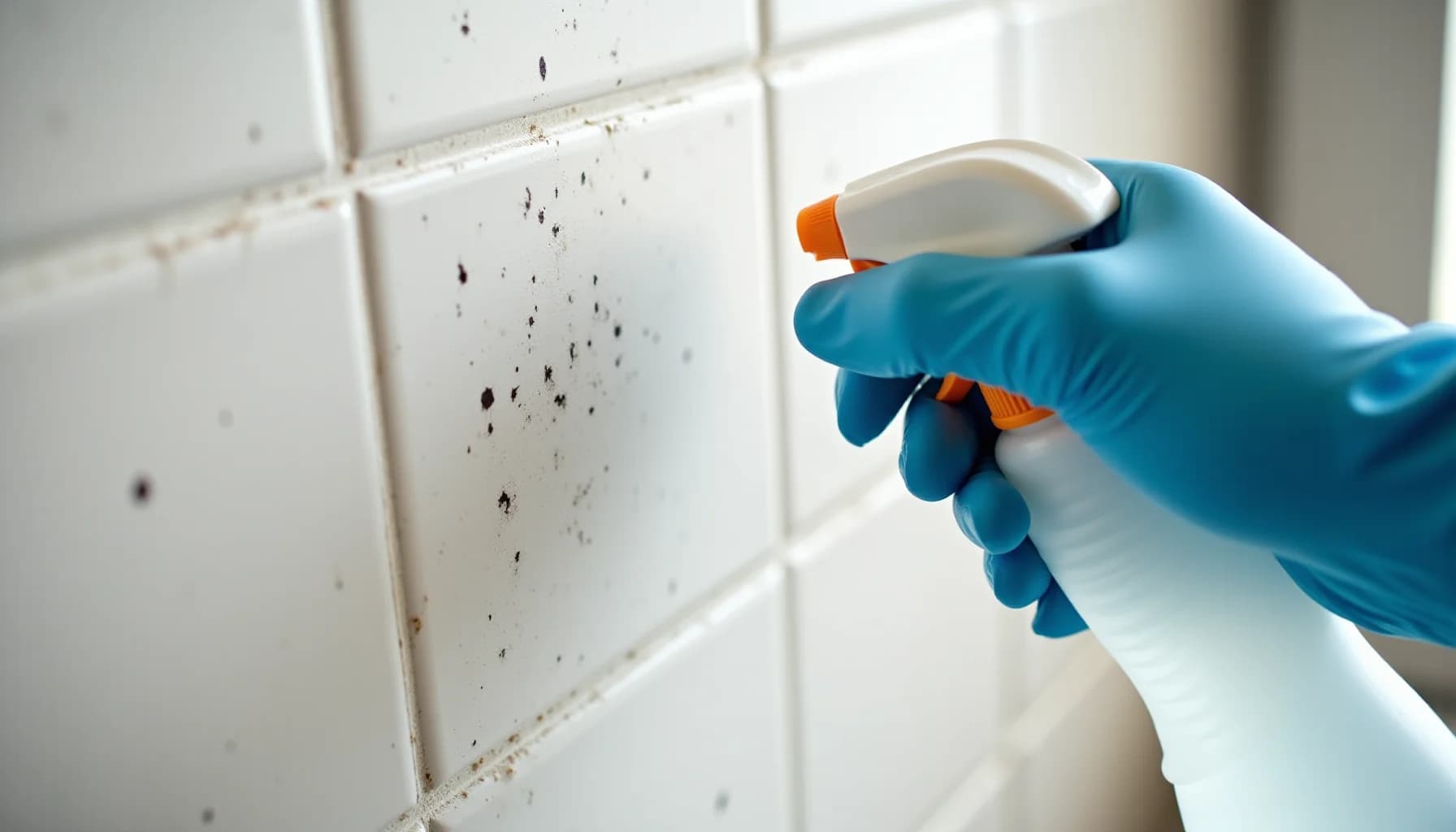
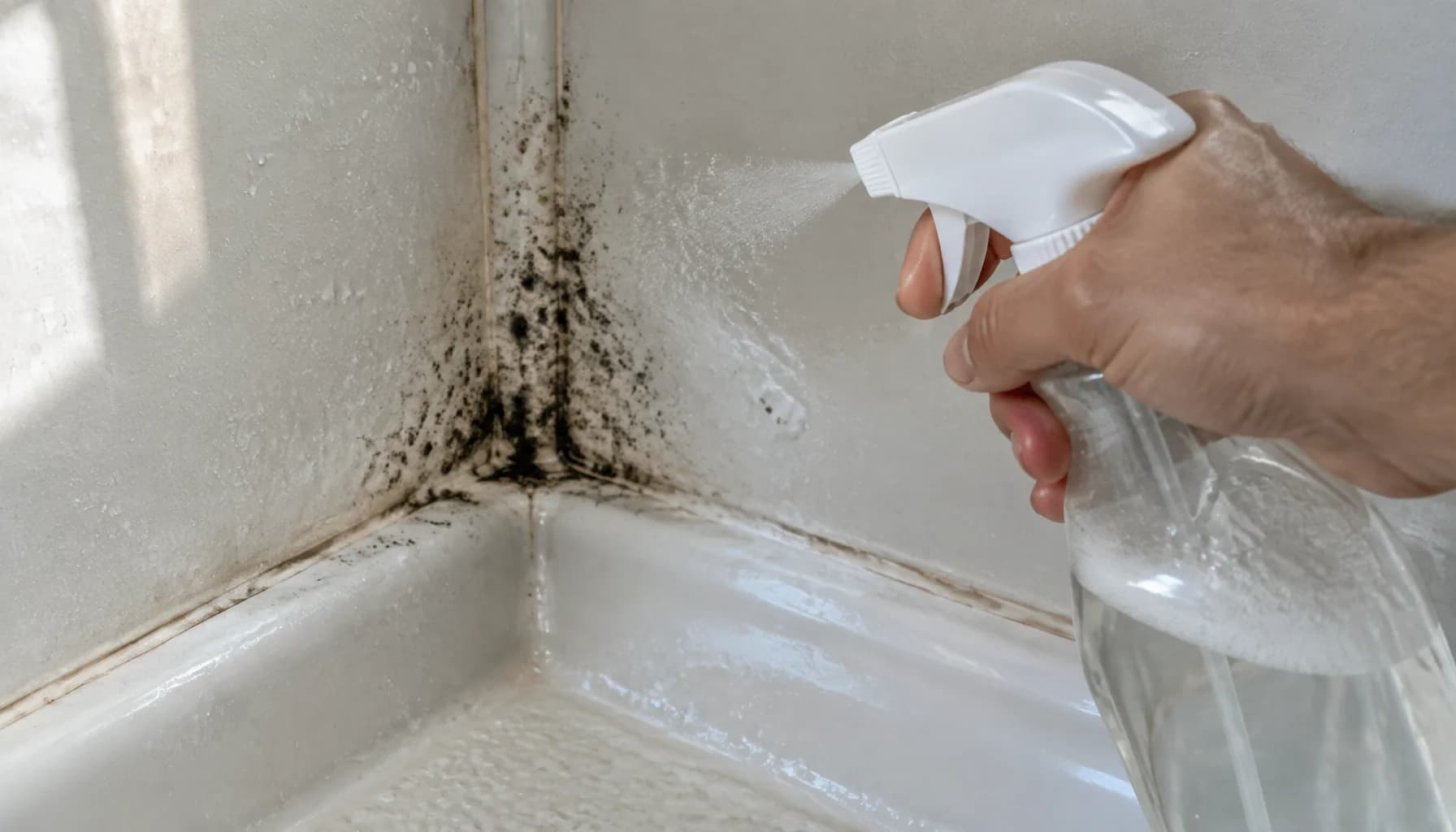
Mildew on fiberglass shows up as dark spots, usually in corners and along grout lines where water lingers longest. A bleach-based cleaner removes those stains effectively, but the way you apply it matters both for results and for your safety.
Spray the cleaner directly onto the affected area and allow it to stand for 10 minutes before rinsing. That contact time is what kills the mildew rather than just masking it. Rinse thoroughly afterward, and repeat if any staining remains. For grout lines that hold mildew particularly stubbornly, the methods in how to clean shower grout walk through targeted approaches that protect the surrounding fiberglass surface.
The critical safety rule is one you must follow without exception: never mix a bleach-based cleaner with ammonia, toilet bowl cleaners, or any other cleaning product. Combining bleach with ammonia releases chloramine vapors; combining it with acids releases chlorine gas. Both are toxic and can cause serious irritation to the eyes, lungs, and mucous membranes. This means you should finish using one product, rinse the surface completely, and allow it to dry before applying anything else. Do not layer products on top of each other, even if you think they are mild.
Bleach-based cleaners can also damage surfaces you did not intend to treat. Keep the product off wood, painted surfaces, metal fittings, and unglazed porcelain. If it contacts your skin, rinse with plenty of water for 15 to 20 minutes. If it reaches your eyes, hold the eye open and rinse slowly and gently with water for 15 to 20 minutes, removing contact lenses after the first 5 minutes if you wear them.
After the mildew stain is gone, keeping the shower door or curtain open after every shower lets surfaces dry completely, which slows mildew growth between cleans. If mildew is appearing on the ceiling above the shower rather than on the fiberglass itself, that is a separate problem covered in how to remove mold from a bathroom ceiling.
How do you clean a fiberglass shower floor and textured non-slip surfaces?
The floor is the hardest part of a fiberglass shower to keep clean. Water pools there rather than sheeting off, and the raised texture that prevents slipping also traps soap residue, body oils, and mineral deposits in every ridge and groove. Abrasive scrubbers cut through grime on smooth surfaces but will scratch the gel coat on textured fiberglass, so the floor needs a different approach.
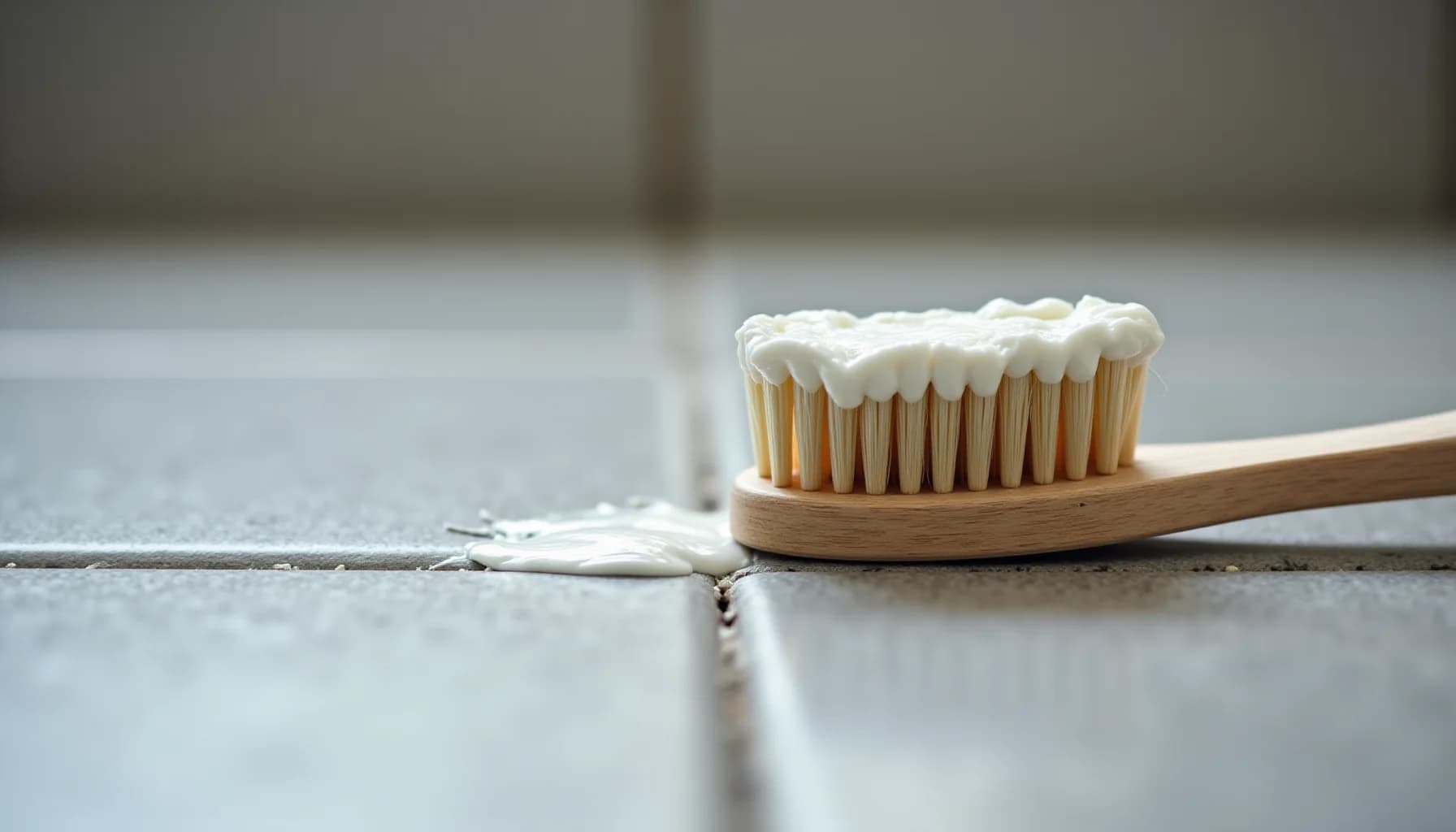
Start with a paste of baking soda and water. Spread it generously across the floor, work it into the textured pattern with a soft-bristle brush, a nylon scrub brush, or an old toothbrush for tighter channels, then let it sit for several minutes before rinsing. The mild alkalinity of baking soda lifts grease and light soap scum without cutting into the gel coat. Rinse thoroughly, because baking soda residue left in the texture will attract new grime quickly.
For heavier soap scum on the floor, a thick liquid or foam cleaner is more effective than a thin spray on a horizontal surface because it stays in contact with the soil long enough to penetrate it. Apply the cleaner, allow it to dwell until the soil softens, then scrub with a soft-bristle brush and rinse. On stubborn buildup, a second application with a longer dwell time is better than scrubbing harder.
If mildew has settled into the texture, spray a bleach-based cleaner directly onto the area and allow it to stand for 10 minutes before rinsing. Keep the bathroom well ventilated during this step. Never mix a bleach-based cleaner with any other product, including ammonia or acidic cleaners, as the combination releases hazardous gases.
After cleaning, rinsing the floor right after every subsequent shower stops new soap film and hard water deposits from forming in the texture before they can build up again. Keep the door or curtain open after every shower to let surfaces dry completely, which slows mildew growth between cleans.
How do you clean shower doors, curtains, and tracks to stop mildew and water spots?
Doors, curtains, and tracks collect mildew and mineral deposits for the same reason the rest of the shower does, but each surface has its own failure point that is easy to miss.
For glass doors, a rubber or plastic squeegee across the glass after every shower removes most of the water that would otherwise dry into hard mineral spots. If spots have already built up, a paste of baking soda and water applied with a soft cloth lifts the deposits without scratching the glass. For more stubborn hard-water filming on glass, the right way to clean glass shower doors covers the process in detail. The mistake that causes irreversible damage here is using a steel scraper or an abrasive pad: both leave permanent fine scratches that trap future deposits and fog the surface permanently.
For fabric or vinyl curtains, the bottom hem stays damp the longest, which is exactly where mildew takes hold first. Keep the curtain spread fully open after every shower so air reaches the entire surface. If mildew appears on a vinyl curtain, spray a bleach-based cleaner directly onto the area, allow it to stand for 10 minutes, then rinse thoroughly. Never mix that cleaner with ammonia or any other cleaning product; doing so releases toxic gases. Do not let a bleach-based cleaner contact fabric you do not intend to discard, as it will discolor or damage fibers permanently.
Tracks collect the most debris of any part of the assembly, a combination of soap residue, mineral scale, hair, and standing water that becomes a reliable mildew habitat. Clear gross debris first, then spray the track thoroughly with a bathroom cleaner and allow it to penetrate before wiping. A narrow brush or a folded cloth works better than a sponge for getting into corners without leaving residue behind. If the track has corroded metal or the frame shows deep staining that does not respond after two full cleaning attempts, the sealant or the frame itself may be failing. That is the point to call a professional rather than risk forcing open the gap between the frame and the fiberglass pan, which can crack the pan or break the watertight seal.
Frequently asked questions
Can you use the same cleaners on an acrylic shower as on a fiberglass shower?
What is the best cleaner for an acrylic shower?
What is the best cleaner for a fiberglass shower floor?
How do you clean a walk-in shower without damaging the fiberglass?
How do you clean fiberglass shower walls and floors safely?
What surfaces and chemicals should you keep the cleaner away from?
Bleach-based cleaners are effective on fiberglass, but they react badly with several materials nearby. Keep the spray away from wood and painted surfaces you do not intend to repaint, unglazed porcelain, and metal fixtures. Contact with fabric is equally risky: a bleach-based cleaner that drifts onto a bath mat, towel, or shower curtain fabric can permanently discolor or damage it. Move anything fabric out of the stall before you spray.
The same cleaners should never be mixed with ammonia, toilet bowl cleaners, or any other cleaning product. Combining them can release hazardous gases that irritate the eyes, lungs, and mucous membranes. Use one product at a time, rinse thoroughly, and ventilate the bathroom before applying anything else.
Skin and eye contact require prompt action. If the cleaner contacts skin, rinse with plenty of water for 15 to 20 minutes. If it reaches the eyes, hold the eye open and rinse slowly and gently with water for 15 to 20 minutes, removing contact lenses after the first 5 minutes if you wear them.
For routine cleaning where you want to avoid chemical exposure altogether, a paste of baking soda and water is the gentler starting point: it cleans effectively without the chemical risks that come with stronger products. If mildew has also spread to the grout lines around the shower, cleaning shower grout requires its own approach, since the porosity of grout changes what products are safe to use.
How this article was made
Researched and written with AI assistance. What gets published is a human editorial decision. Grounded in 3 cited sources.
Edited by Claire Mercier, Editor. The guides are written with AI assistance.