How to Clean Travertine Tiles Without Wrecking Them
Part of Bathroom Cleaning · article 14 of 16
On this page
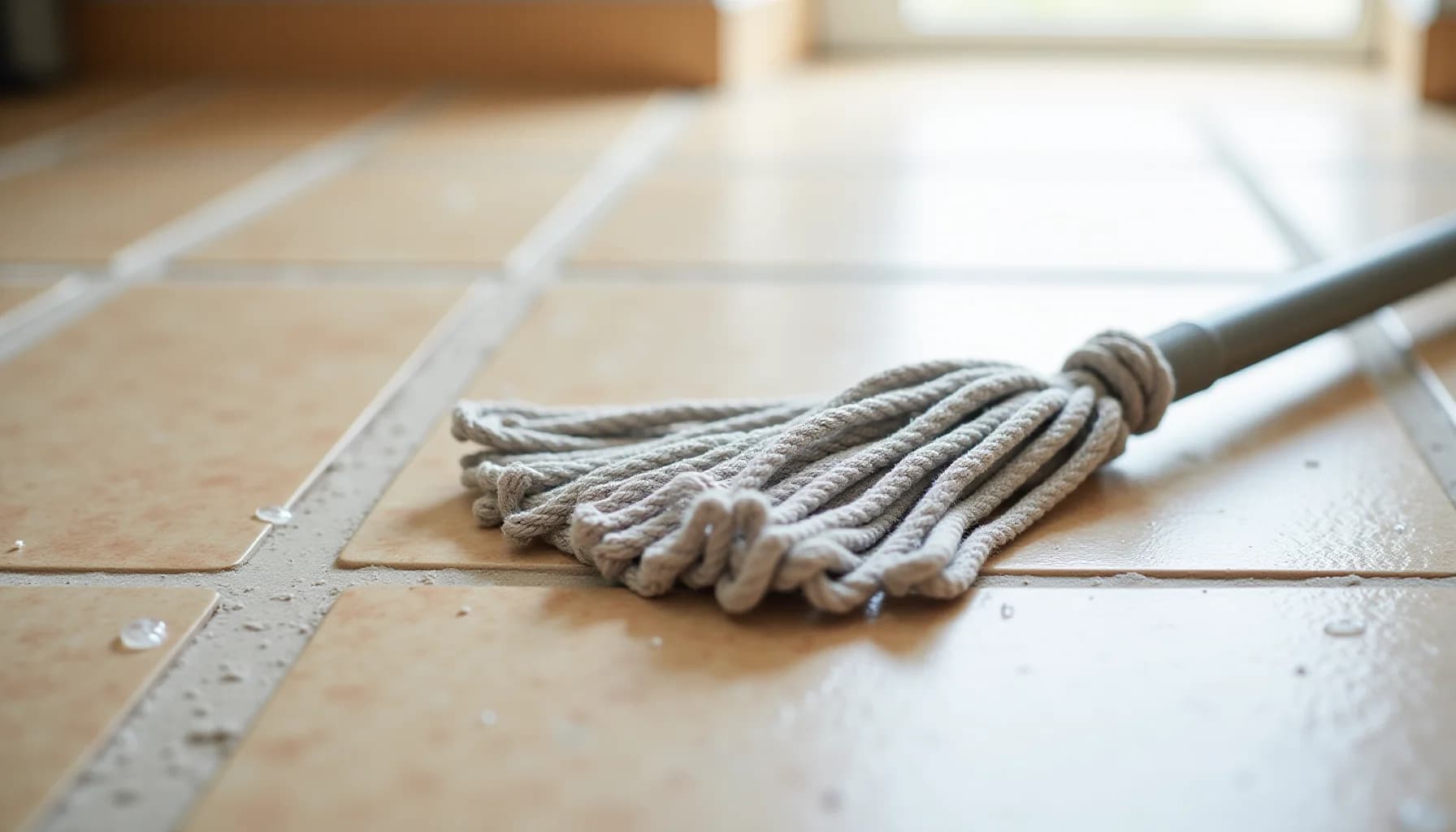
Clean travertine tiles by sweeping or vacuuming daily with a soft-bristled attachment, then damp-mopping weekly using one tablespoon of mild, non-acidic dish soap in a bucket of water. Wring the mop until it is barely damp, not dripping. Immediately after mopping, go over the floor a second time with clean water to remove soap residue, then dry the surface with a microfiber cloth. Never leave standing moisture on the stone. For grout cleaning between travertine tiles, use a baking soda paste with a soft brush only — no acidic grout cleaners. Avoid vinegar, lemon juice, bleach, ammonia, steam cleaners, and rough scrubbing pads entirely. Each of these either etches the calcium carbonate surface permanently or strips the protective sealer. Reseal the stone every one to three years, or every six to twelve months in kitchens and entryways. Check whether resealing is due by dropping water on the surface: if it soaks in within seconds rather than beading up, the sealer is gone.
Why travertine damages so easily compared to ceramic and porcelain tile
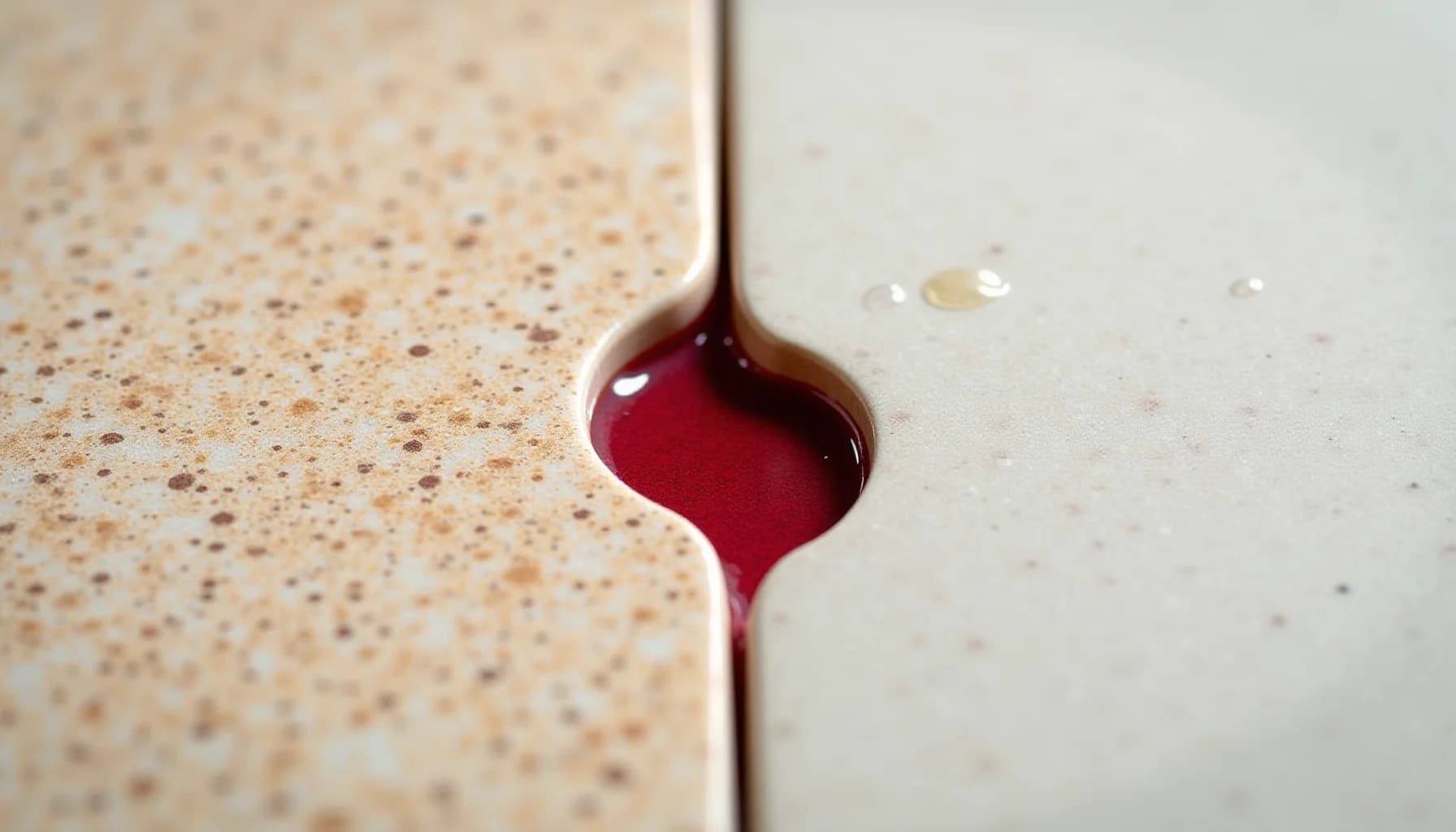
Ceramic and porcelain tiles are manufactured products, fired at high temperatures until they become dense and essentially non-porous. Spill something on unglazed porcelain and it sits on the surface long enough for you to wipe it up. Travertine does not offer that margin. It is a sedimentary limestone formed from mineral deposits, and its surface is riddled with natural holes and fissures. Those voids are part of what makes it visually distinctive, but they also mean liquid can absorb into the stone within seconds rather than minutes.
The more consequential difference is chemical. Travertine is composed primarily of calcium carbonate, the same compound found in chalk and limestone. Calcium carbonate reacts with acids, and the reaction is fast and visible: the surface dissolves slightly, leaving a dull, pitted area called an etch mark. Vinegar, with a pH of around 2.5, triggers this reaction on contact. So does lemon juice, citrus-based cleaner, and most general-purpose tile sprays formulated for ceramic. With ceramic tile, those products are routine. With travertine, a single application can permanently alter the surface. If you are uncertain what tile type you are working with before you reach for any cleaner, field tests that identify tile type can prevent a costly mistake.
Ceramic is also factory-sealed during production. Travertine arrives unsealed or lightly sealed and needs resealing on a regular schedule throughout its life. Without an intact sealer, even plain water mopped on too heavily can penetrate the stone, weaken its structure, and create conditions for staining and microbial growth. That combination, chemical reactivity plus porosity, is what makes travertine so unforgiving compared to the tile most homeowners are used to.
What is the correct step-by-step method for routine travertine cleaning?
Sweep or vacuum loose debris first
Use a soft-bristled broom or a vacuum without a beater bar to remove dirt and grit before any wet cleaning. Skipping this step means a mop will drag abrasive particles across the surface and scratch it.
Mix a neutral pH cleaning solution
Add one tablespoon of mild, non-acidic dish soap to a bucket of warm water. Never substitute vinegar, lemon juice, citrus-based sprays, bleach, or ammonia: each one will chemically etch or degrade travertine in ways that cannot be undone.
Damp-mop with a microfiber mop, not a wet one
Submerge a microfiber mop in the solution and wring it until it is barely damp, not dripping. Excess moisture seeps into the stone's natural pores, dulls the finish, and creates conditions for mold growth; a microfiber pad lifts soil into its fibers rather than pushing dirty water back into the holes.
Rinse the floor with clean water
Go over the entire floor a second time using a clean mop dampened with plain water to remove any soap residue left behind. Residue left on the surface can build up over time and create a dull haze.
Dry the surface immediately with a microfiber cloth
Wipe the floor dry with a soft towel or clean microfiber cloth right after rinsing. Even a short period of standing moisture puts unsealed or lightly sealed travertine at risk of water damage and staining.
Test the sealer and reseal on schedule
Drop a small amount of water on the tile: if it soaks in within seconds instead of beading up, the sealer needs to be refreshed. Reseal every one to three years for normal use, or every six to twelve months in high-traffic areas like kitchens and entryways, to keep the stone protected against stains and moisture damage.
What products and methods will permanently damage travertine?
Vinegar is the most frequent offender, and the chemistry explains why it causes permanent harm. With a pH of around 2.5, it reacts directly with the calcium carbonate in travertine, dissolving the surface in a process called etching. Etching leaves a dull, pitted finish that no amount of cleaning will reverse. The same applies to lemon juice, citrus-based sprays, and most general-purpose tile cleaners formulated for ceramic or porcelain. The fact that vinegar is natural does not make it gentle on stone. Many homeowners learn this after reaching for what they already have under the sink — and if you routinely use vinegar elsewhere in your bathroom, keep it well away from any travertine surfaces.
Bleach and ammonia cause a different but equally serious category of damage. Bleach discolors grout and degrades the stone's surface over repeated use. Ammonia-based cleaners break down the protective sealer and progressively dull the stone. Once the sealer is compromised, travertine absorbs moisture and stains far more readily, which compounds the problem with every subsequent cleaning.
Steam cleaners seem like a logical choice for a thorough clean, but they force heat and moisture into the stone simultaneously, which weakens the surface and strips the sealer even faster than liquid cleaners do. Wet mopping carries a related risk: excess water sitting in travertine's natural pores and fissures creates conditions for fill loss, structural weakening, and microbial growth that causes discoloration. A traditional cotton mop makes this worse by pushing dirty water directly into those holes rather than lifting soil away.
Finally, abrasive scrub pads, stiff brushes, and worn mop heads all scratch the surface. If you are unsure which cleaners are appropriate for other stone and tile types in your home, which cleaner is safe for your tile covers compatibility by material. Travertine tolerates less than almost any other common flooring material, and the damage from a single wrong product is often irreversible.
How do you handle fresh spills, set-in stains, and grout haze without harming travertine?
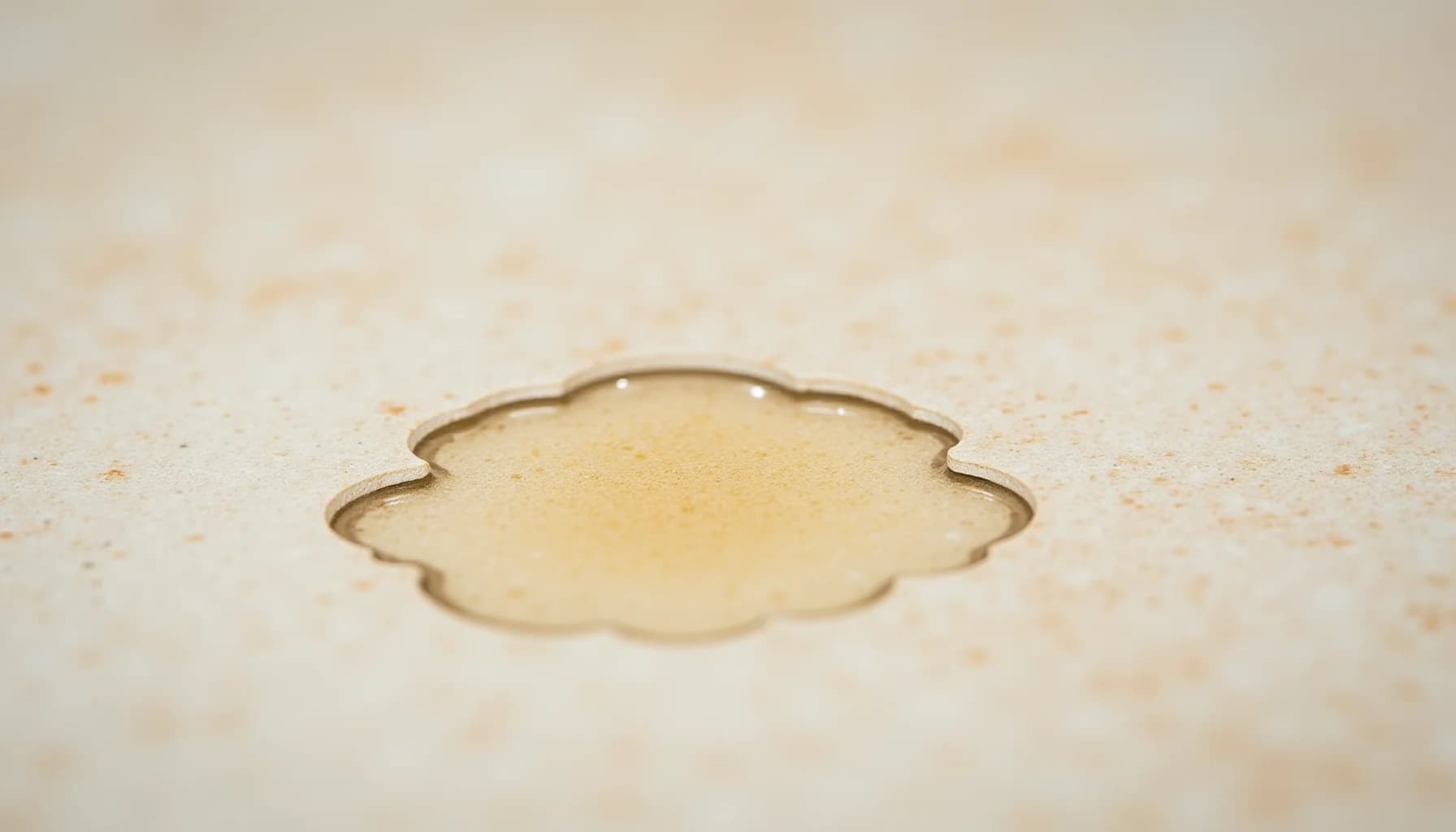
Fresh spills are the easiest problem to solve, provided you act immediately. Because travertine is porous, any liquid left to sit will begin wicking into the stone within minutes. The moment a spill happens, blot it with a dry cloth. Do not wipe, which spreads the liquid outward. Work from the outside edge of the spill inward, pressing the cloth down firmly to absorb as much as possible before the stone drinks it in. Even water left standing for a short period can cause staining if your sealer has worn thin.
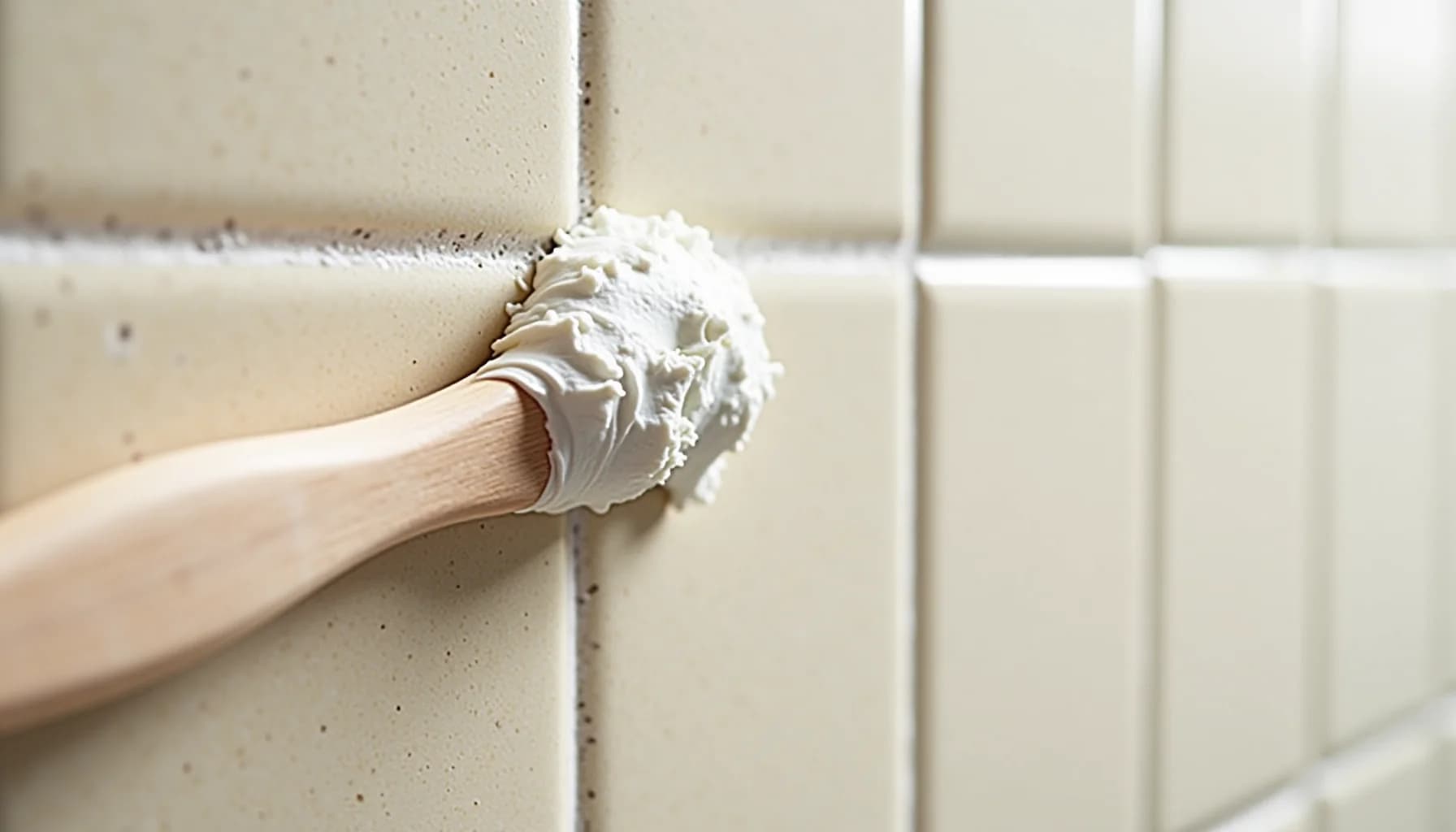
For stains that have already set, particularly oil-based ones, a poultice is the most effective approach that won't damage the stone. Mix baking soda with water until the paste reaches a thick, peanut-butter-like consistency, then spread a generous layer over the stained area. Cover the paste with plastic wrap and tape down the edges to slow the drying process. Leave it overnight. The next morning, remove the dried paste, brush the area gently with a soft brush, and rinse thoroughly with clean water. This method works by drawing the stain out of the stone rather than pushing chemicals into it. Resist the temptation to reach for bleach or undiluted hydrogen peroxide, both of which can chemically alter the stone surface.
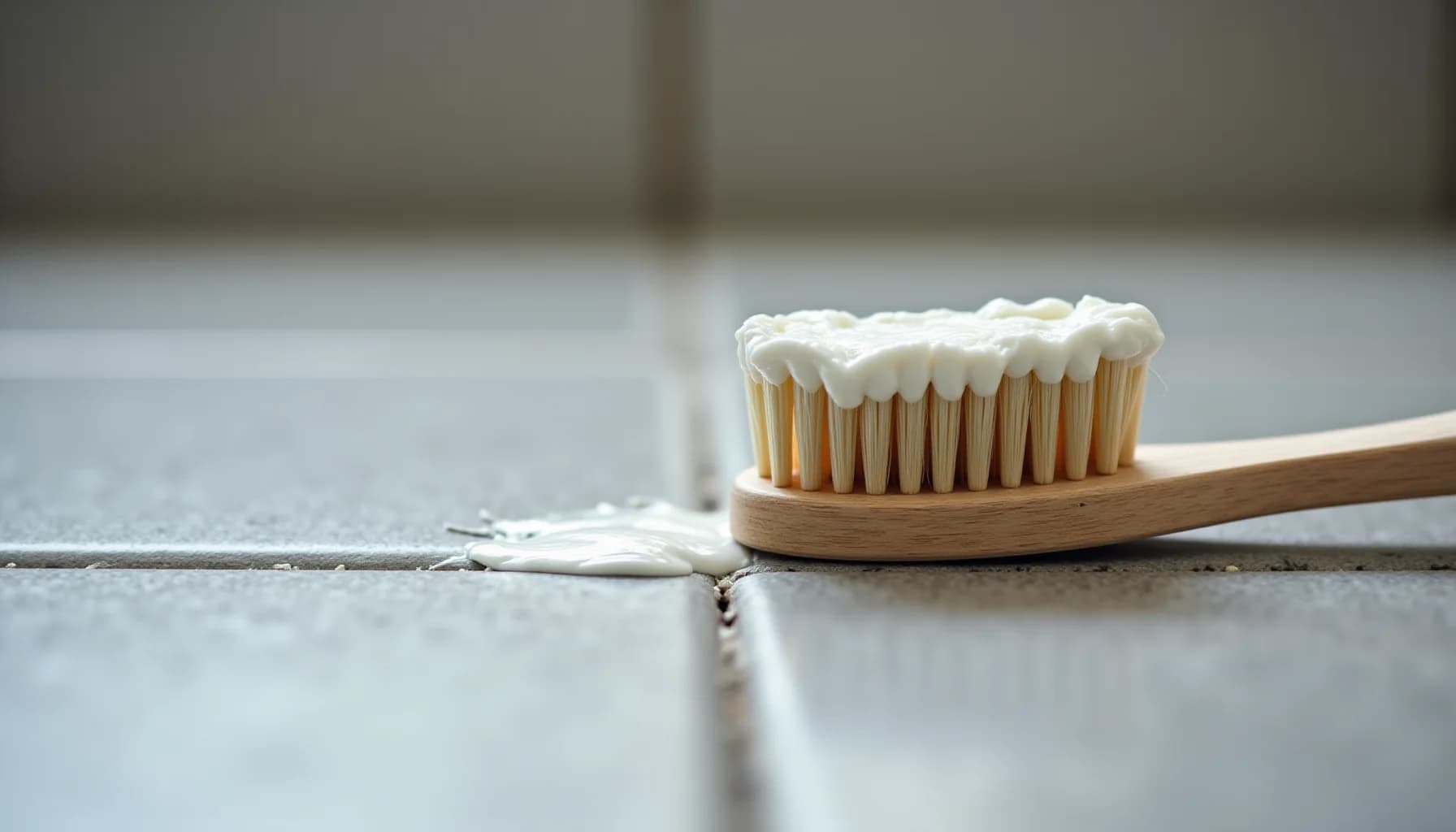
Grout haze is a separate challenge. To clean grout lines between travertine tiles, mix equal parts baking soda and water into a thick paste, apply it to the grout with a soft brush, and scrub gently. If grout haze remains after installation, use a professional grout haze remover specifically formulated for natural stone. Acidic grout cleaners will etch the travertine surrounding the grout lines, so they are not an option here regardless of how effective they may be on ceramic or porcelain installations.
| Situation | Recommended Method | Tool to Use | Key Risk if Done Wrong |
|---|---|---|---|
| Fresh liquid spill | Blot immediately; do not rub | Dry cloth | Porous stone absorbs liquid fast, causing stains |
| Set-in oil stain | Baking soda and water poultice left overnight | Soft brush; plastic wrap to cover | Baking soda can scratch if scrubbed too hard |
| Surface grout residue | Baking soda and water paste scrubbed gently | Soft brush | Acidic grout cleaners etch travertine permanently |
| Grout haze post-installation | Stone-safe professional grout haze remover | Soft applicator | Acidic removers cause irreversible surface etching |
How often does travertine need to be resealed?
Most travertine surfaces need resealing every one to three years, but that range is wide for a reason. A bathroom floor sees different stress than a kitchen entryway or a living room. High-traffic areas and wet zones, particularly shower floors and kitchen surfaces near the sink, may need fresh sealer every six to twelve months. Neglecting this schedule is one of the more consequential mistakes a homeowner can make, because once liquids penetrate an unsealed surface and cause deep staining or structural weakening, no amount of cleaning reverses it.
The simplest way to check whether your sealer is still doing its job is the water drop test. Pour a few drops of water onto the tile surface and watch what happens. If the water beads up and sits on top, the seal is intact. If it soaks into the stone within seconds, leaving a dark wet patch, resealing is overdue. Do this test in several spots, since wear is uneven, especially along high-foot-traffic paths.
Moisture is the variable that shortens a seal's lifespan faster than anything else. Steam cleaners are particularly destructive: the heat and pressurized moisture penetrate the stone simultaneously and break down the sealer from beneath. Even routine wet mopping, rather than damp mopping, gradually degrades the protective layer and opens the stone to absorption.
If you notice persistent dark staining that resealing does not resolve, or if the surface has developed a dull, pitted texture across a large area, stop and call a professional stone restoration specialist. That condition is etching, and it requires grinding and refinishing equipment that is well beyond DIY scope.
Frequently asked questions
Can I use vinegar or lemon juice to clean travertine tiles?
How often should travertine floors be sealed?
What is the safest way to mop travertine floors?
Is steam cleaning a safe option for travertine?
Does Travertine in Showers and High-Traffic Areas Need Extra Care?
Travertine in showers and high-traffic entryways faces conditions that magnify every vulnerability the stone has. Humidity, standing water, and constant foot traffic all accelerate the damage that improper care causes more slowly elsewhere in the home.
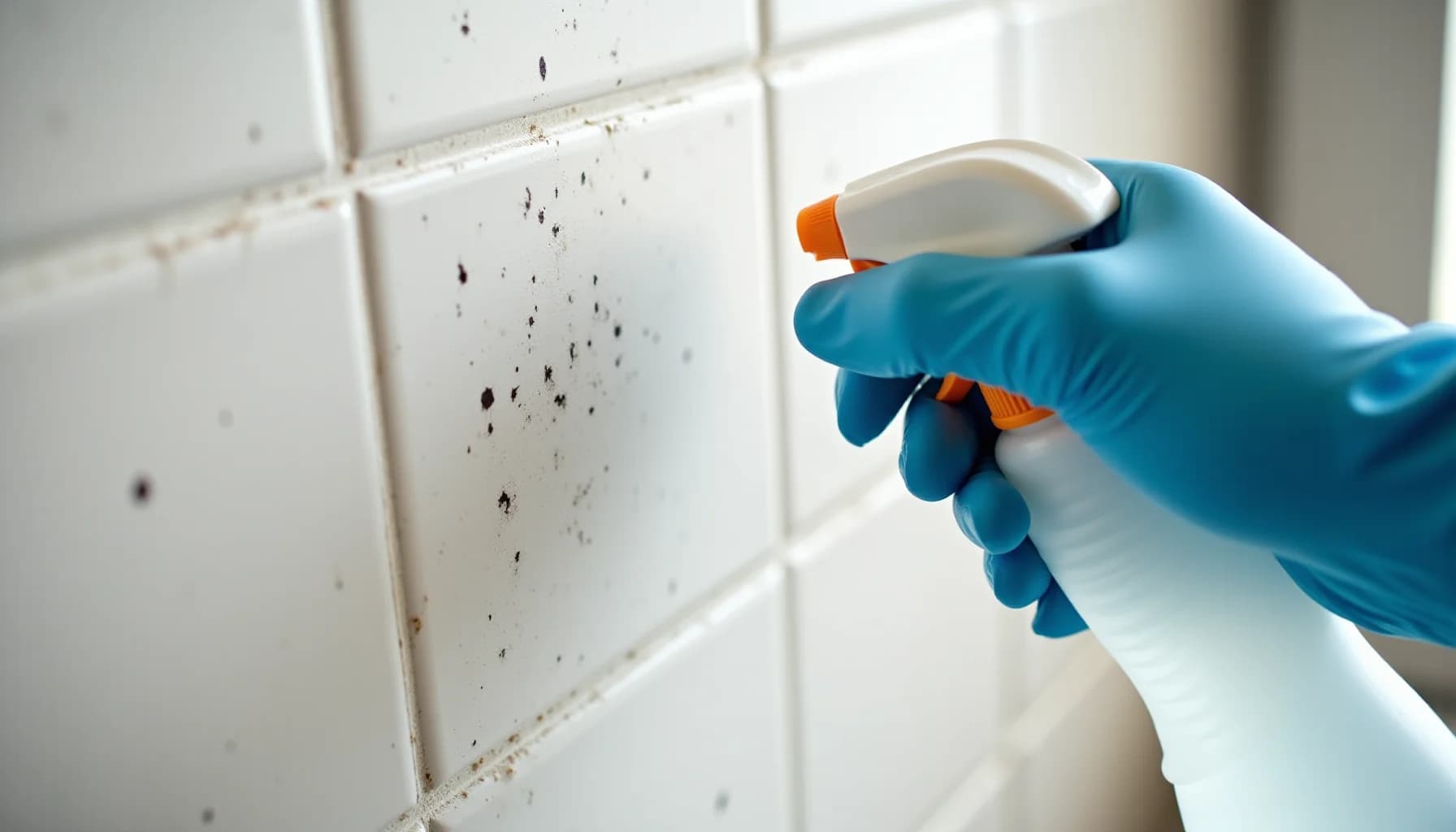
In the shower, the single most effective habit is drying the walls and floor after every use. A squeegee takes about thirty seconds and removes the film of water that would otherwise sit in the stone's pores, feeding mold and mildew. Follow that with a dry towel on any areas the squeegee misses. Because bathrooms stay humid even after showering ends, good ventilation matters: run the exhaust fan for at least fifteen minutes after each shower, or crack a window if you have one. If mold does take hold in the grout or on the stone surface, address it promptly, since travertine showers are particularly vulnerable to the discoloration and health risks that shower mold brings.
High-traffic floors, particularly entryways and kitchen areas, need sealing on the shorter end of the maintenance window. Where a bedroom floor may hold its seal for two to three years, an entryway that sees daily foot traffic, tracked-in grit, and occasional wet shoes may need resealing every six to twelve months. The water-drop test tells you exactly where you stand: bead means protected, absorption means reseal now.
How this article was made
Researched and written with AI assistance. What gets published is a human editorial decision. Grounded in 8 cited sources.
Edited by Claire Mercier, Editor. The guides are written with AI assistance.
Sources (8)
- How To Clean Travertine Tile
- How to Clean Travertine Tile - Easy Steps for a Polished Look | Lowe’s
- Simple Green | US | Household | Living Room | Floors Travertine
- How to Clean Travertine Floors Safely (No Etching or Damage) – Narwal Robotics
- How to Clean & Mop Travertine Floors? - ECOVACS US
- The Complete Guide to Cleaning and Maintaining Travertine - Texas Travertine
- Travertine Stain Removal: How to Treat Every Stain Safely – OUTERclé
- How To Clean Tile Floors The Right Way