Before You Clean a Shower Drain, Check This
Part of Bathroom Cleaning · article 13 of 16
On this page
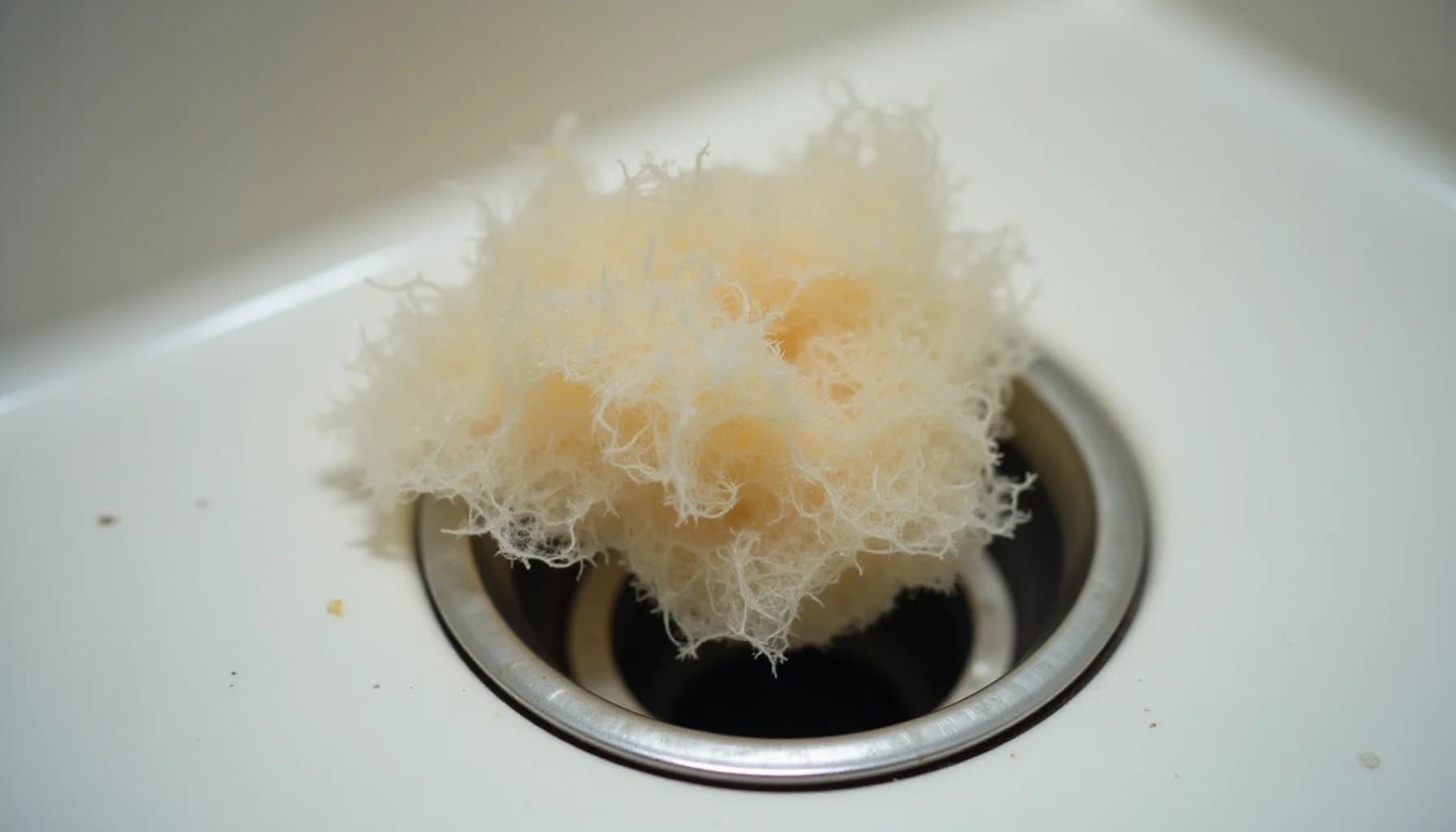
Pull the hair out first. Hair causes roughly 90% of shower clogs, and in most cases the blockage is a soapy, tangled clump sitting just inside the drain that you can remove with your fingers, even if water is standing in the tub. Remove the drain cover, reach in, and clear what you find. For blockages further down, a drain snake, a flexible tool that feeds deep into the pipe, will pull out what fingers cannot reach.
From there, escalate based on how the drain responds. A plunger works well on stubborn clogs: cover the drain opening with the rubber cup, add enough water to submerge the cup's lip, and pump the handle rapidly. If the pipes in your home are metal, pouring a kettle of boiling water down the drain, slowly and in stages, can help shift grease and soap scum. Do not use boiling water on PVC pipes; the heat can soften or melt them, causing leaks.
For serious clogs that physical methods cannot shift, an acidic chemical drain cleaner (sulfuric or hydrochloric acid-based) can clear hair, grease, and soap scum in under 15 minutes. Wear a respirator, safety glasses, and chemical-resistant gloves, cover your skin, and follow the product timing instructions exactly. These cleaners generate heat and can damage aluminum, chrome, stainless steel, galvanized steel, or older pipes of any kind, so know your pipe material before you use them. If you later call a plumber, tell them what you applied.
Avoid bleach for clogs: it sanitizes but does not dissolve the hair-and-grease matrix causing the blockage. Skip baking soda and vinegar as a primary fix too. The reaction produces carbon dioxide, water, and a small amount of salt, not anything that dissolves grease or hair. It may reduce odor or shift the faintest early-stage buildup, but it will not clear an actual clog, and on older pipes the gas pressure can cause damage.
The most cost-effective step is prevention: fit a drain screen to catch shed hair, brush your hair before showering, and flush metal pipes weekly
Why does your shower drain keep clogging?
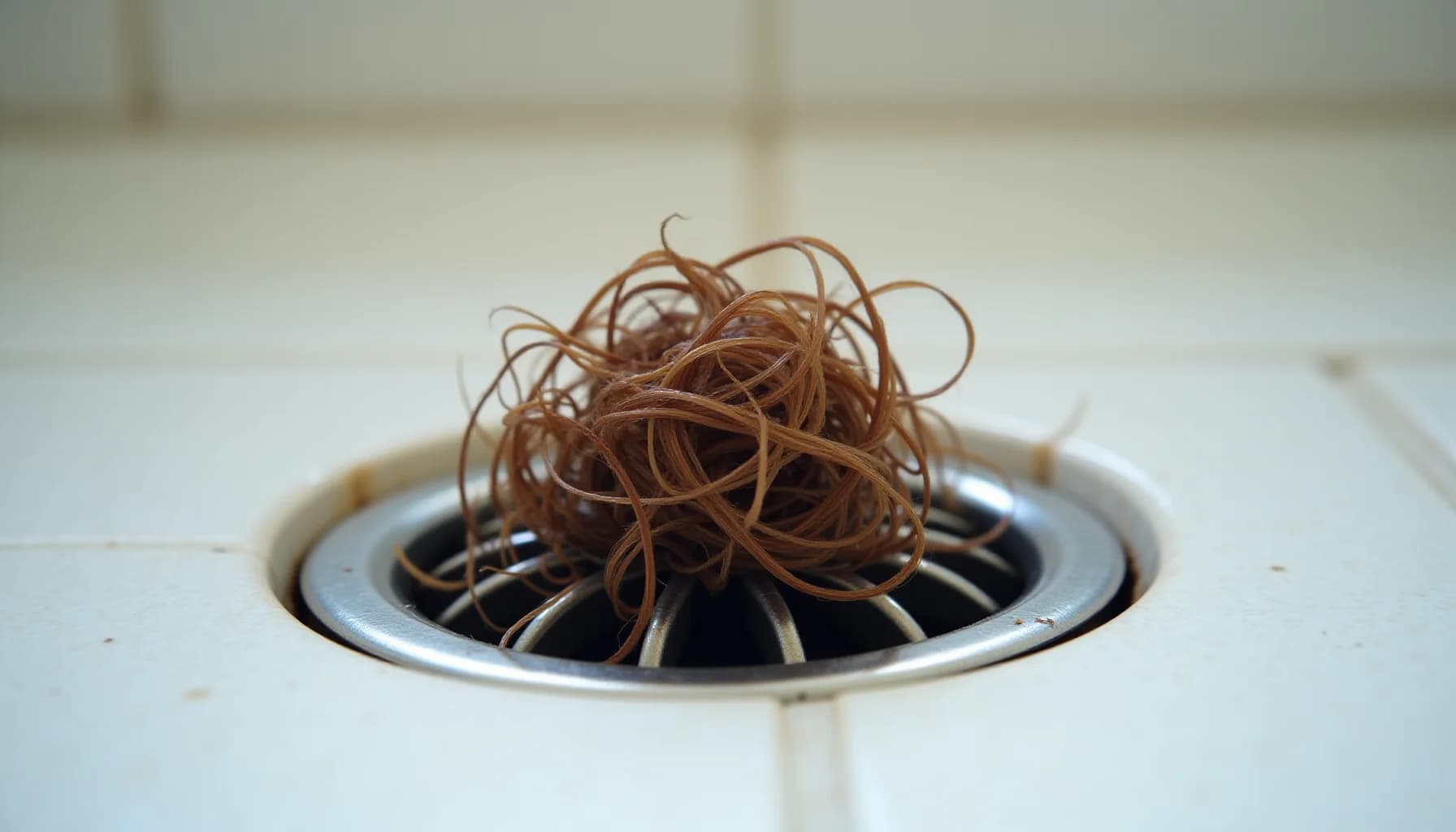
Hair is the single biggest reason shower drains fail, responsible for roughly 90% of clogs. The average person sheds between 50 and 100 hairs during a shower, and those strands don't simply wash away. Instead, they collect inside the drain or P-trap and form a loose net, which then catches everything else that passes through, soap residue, product rinse-off, skin cells. What starts as a thin mesh becomes a dense, waterlogged mass surprisingly quickly.
Soap and shampoo residue make the problem worse by acting as a binder. The oils in conditioners, body washes, and styling products are particularly stubborn. They coat the hair mass and the pipe wall around it, turning a loosely tangled clump into something more like a plug. This is why a drain that seems fine one week can back up noticeably the next, the buildup compounds rather than staying constant.
If you live in an area with hard water, there is a second mechanism running in parallel. Calcium and magnesium minerals dissolved in your water supply gradually deposit on the inside surface of pipes, narrowing the effective diameter of the drain over time. That mineral roughness also gives hair and soap scum more surface to grip. You may already be familiar with hard water deposits on your shower head; the same chemistry is happening inside pipes where you cannot see it.
Between the hair net, the oil coating, and any mineral narrowing, most clogs are a combination of all three factors rather than one cause acting alone.
Does baking soda and vinegar actually unclog a shower drain?
Remove the drain cover and pull out hair by hand
Lift or unscrew the drain cover, then reach in and pull out the tangled clump of hair and soap residue with your fingers or a paper towel. Hair accounts for 90% of shower clogs, and this direct removal is the safest, cheapest first step.
Use a drain snake for blockages out of reach
Feed a flexible drain snake into the pipe, rotate it to hook hair and debris, then pull the blockage out. This reaches deep into the drain and P-trap where fingers cannot.
Try a plunger if water is still standing
Remove the drain cover, place the rubber cup firmly over the drain opening, and run enough water to cover the cup's lip. Move the handle up and down rapidly to force the clog loose.
Flush metal pipes with boiling water only
If your pipes are metal, pour a full kettle of boiling water down the drain slowly, a little at a time, to dislodge grease, soap scum, and remaining debris. Never use boiling water on PVC pipes, as the heat can soften or melt them and cause leaks.
Use an acidic chemical drain cleaner for serious clogs, with caution
For stubborn clogs in newer plastic or metal pipes, a sulfuric or hydrochloric acid-based cleaner can dissolve hair, grease, and soap scum in 15 minutes or less. Wear a respirator, safety glasses, chemical-resistant gloves, and skin-covering clothing, and never use these products on aluminum, chrome, stainless steel, galvanized steel, or older pipes of any type. If you later call a plumber, tell them what you used so they can work safely.
Prevent future clogs with a hair catcher and weekly hot-water flushes
Place a drain screen or tub strainer over the drain and empty it after every shower to stop hair from entering the pipe. Brush your hair before showering, and once a week pour a kettle of boiling water slowly down metal pipes to clear grease and soap before buildup forms.
Which Drain Cleaning Method Should You Use First?
Start with the least invasive option and escalate only if it fails. That sequence protects your pipes, your wallet, and your safety.
Step 1: Physical removal. Remove the drain cover and look inside with a flashlight. Most shower clogs are a soapy knot of tangled hair sitting just inside the drain or caught in the P-trap. If you can see it, pull it out with your fingers or a pair of needle-nose pliers. A drain snake, which is a flexible metal tool that feeds down through the pipe, is worth buying if the blockage sits deeper than your fingers can reach. Either way, physical removal addresses the actual problem rather than just pushing it further along.
Step 2: Plunger. If water is still standing after manual removal, a plunger can dislodge what remains. Pull off the drain cover, set the rubber cup squarely over the drain opening, run just enough water to cover the cup's rim, then pump the handle up and down rapidly with firm, short strokes. The pressure forces the clog loose.
Step 3: Boiling water, for metal pipes only. A slow drain rather than a full clog often responds to a kettle of boiling water poured in gradually. This works on grease and soap residue that hasn't yet formed a hard blockage. Skip this step entirely if your home has PVC pipes: boiling water can soften or melt PVC, causing leaks that are far more expensive than the original clog.
Step 4: Chemical drain cleaners, as a last resort. Acidic cleaners containing sulfuric or hydrochloric acid can clear hair, grease, and soap scum in 15 minutes or less. They are appropriate only for newer plastic or copper pipes; never use them on aluminum, chrome, stainless steel, galvanized steel, or any older metal pipe. Wear a respirator, safety glasses, and chemical-resistant gloves. If you use a chemical cleaner and later call a plumber, tell them what you used so they can work safely around any residual product.
If a clog returns within weeks, or if multiple drains in the house are slow at the same time, chemical cleaners are unlikely to solve the underlying problem. That is when a plumber is the more practical call.
Can you use chemical drain cleaners safely in your shower?
Chemical drain cleaners can clear heavy-duty hair and grease clogs in 15 minutes or less, but using them safely requires knowing your plumbing before you pour anything down the drain.
Pipe material is the first thing to check. Acidic cleaners, typically formulated with sulfuric or hydrochloric acid, are generally safe for newer plastic pipes and metal pipes such as copper. They should not be used on older plastic or metal pipes, and they are off-limits entirely for pipes made of aluminum, chrome, stainless steel, or galvanized steel, regardless of age. If you are unsure what your pipes are made of, skip chemical cleaners and use a drain snake instead. Left too long, these products generate enough heat to melt pipes or crack a porcelain bowl, so follow the timing instructions exactly.
Septic systems are a separate concern. If your home runs on a septic tank rather than a municipal sewer line, avoid chemical drain cleaners altogether. Their strong ingredients disrupt the natural bacterial balance inside the tank, which reduces its ability to break down waste. Restoring that bacterial balance can mean expensive repairs or pumping.
Personal safety requires more than just gloves. Acidic cleaners can burn skin and irritate eyes and lungs on contact. Before opening the bottle, put on chemical-resistant gloves, safety glasses, and clothing that covers your skin, and use a respirator if the space is poorly ventilated. Work quickly, keep the bathroom door open, and do not mix products.
Tell your plumber what you used. If the cleaner does not work and you call a professional, disclose exactly what you poured down the drain. Residual chemicals sitting in the pipe put the plumber at risk if they are not warned.
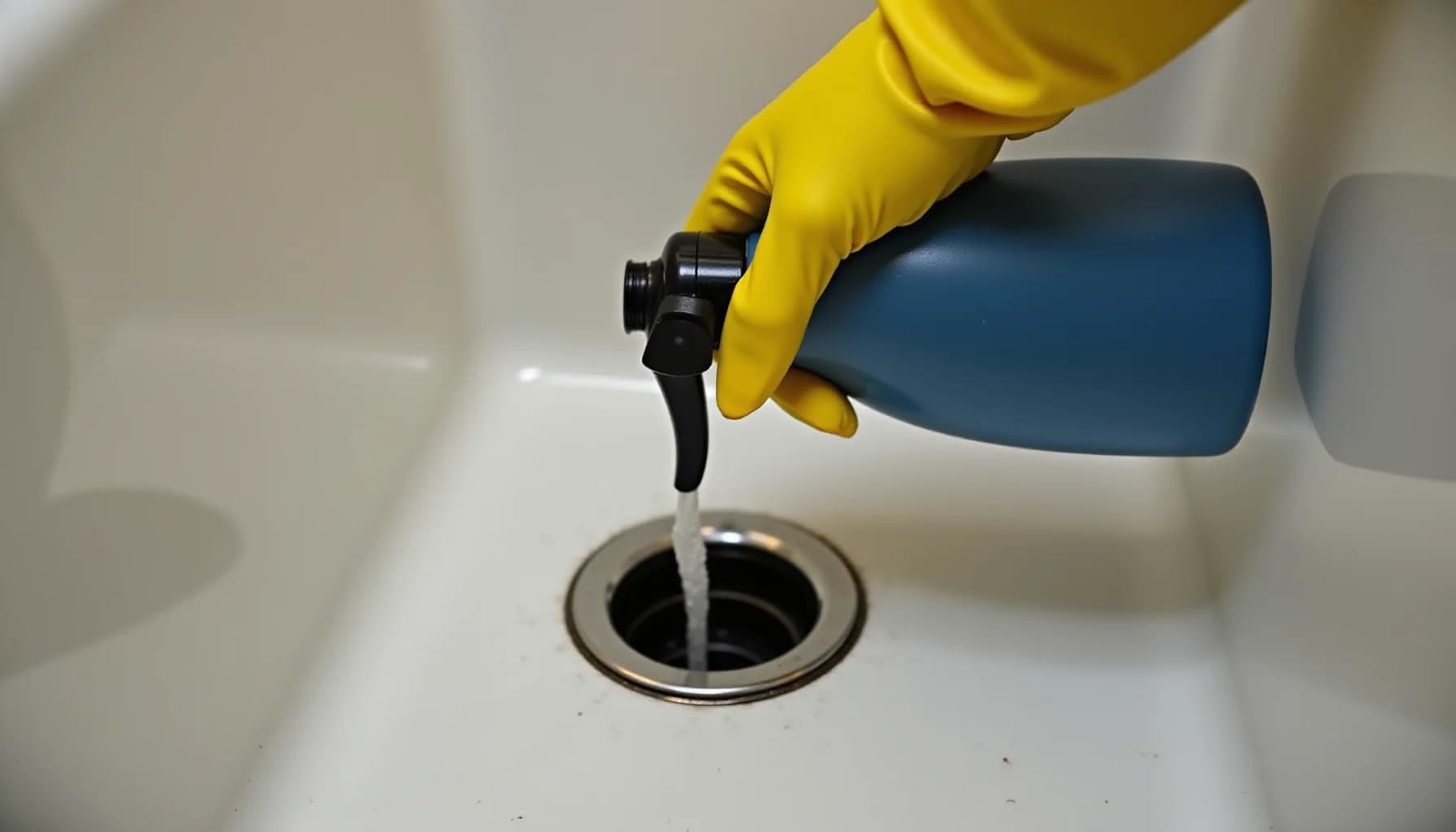
Simple habits that prevent most shower drain clogs
Most shower clogs are entirely avoidable. Hair accounts for 90% of blockages, and the majority of that hair never had to reach the drain at all.
The single most effective purchase you can make is a drain screen or tub strainer. This sits over the drain opening and catches loose hairs before they enter the pipe and form the net that traps soap scum and mineral deposits behind it. Empty it after every shower. It takes five seconds. Neglecting it defeats the purpose entirely, because a loaded screen still lets hair slip around the edges as water backs up.
Brushing your hair thoroughly before stepping into the shower removes the hairs that are already shed and sitting loosely in your hair. Those are the ones that come off in volume the moment water hits them. This one habit alone meaningfully reduces what reaches the drain.
For metal pipes, a weekly kettle flush helps keep things moving before buildup has a chance to solidify. Pour boiling water down the drain slowly, a little at a time, roughly once a week. This helps shift grease, body oils, and soap residue while they are still soft. Do not attempt this with PVC pipes. Boiling water softens and can melt PVC, causing leaks that are far more disruptive and expensive than any clog. If you are unsure whether your pipes are metal or plastic, check under a nearby sink or consult a plumber before committing to this routine.
Frequently asked questions
What causes most shower drain clogs?
Does the baking soda and vinegar method actually work on shower clogs?
Can I pour boiling water down my shower drain to clear a clog?
How often should I clean my shower drain to prevent clogs?
When should you stop DIYing and call a plumber?
Most clogs respond to a drain snake, a plunger, or manual hair removal. When they don't, that's useful information. If you've worked through the physical methods and the water still drains slowly or pools entirely, and a repeat attempt produces the same result, the blockage is likely deeper in the pipe system than household tools can reach.
A few specific signs point to a job for a licensed plumber rather than another DIY round. Slow drainage or standing water across multiple fixtures at the same time, say the shower and the bathroom sink both backing up, suggests a problem in the main line rather than a single drain. A gurgling sound from one drain while another is running points the same direction. If you smell sewage rather than the mild mustiness of soap-scum buildup, that warrants a professional inspection quickly.
Recurring clogs deserve extra scrutiny. A hair clog that seems to clear with a chemical cleaner but returns within a few weeks likely isn't fully gone; the cleaner moved it rather than removed it. Repeated chemical treatments on a stubborn recurring blockage risk damaging the pipe itself without ever solving the underlying problem.
If you've used a chemical drain cleaner before calling, tell the plumber exactly what product went down the drain. Residue in the pipe is a genuine safety hazard for anyone working on it.
How this article was made
Researched and written with AI assistance. What gets published is a human editorial decision. Grounded in 8 cited sources.
Edited by Claire Mercier, Editor. The guides are written with AI assistance.
Sources (8)
- How to Clean a Shower Drain That Can’t Be Removed
- How to Unclog a Shower Drain - The Home Depot
- [How-to] Clean your shower drain in 3 steps | Easy Drain
- How to unclog a shower drain without a plumber
- cleaning a shower drain is the devil of all cleaning jobs but this household staple makes it easy
- How to Unclog a Shower Drain
- How to Clean a Shower Drain Using Common Household Staples
- Prevent Hair Buildup in Shower Drains: A Simple Guide – TubShroom.com