Does Vinegar Work? How to Clean Mold with Vinegar, Tested
Part of Bathroom Cleaning · article 9 of 16
On this page
Use regular white distilled vinegar (5% acidity) for most jobs; upgrade to cleaning vinegar (6%) if the growth is heavy or on grout.
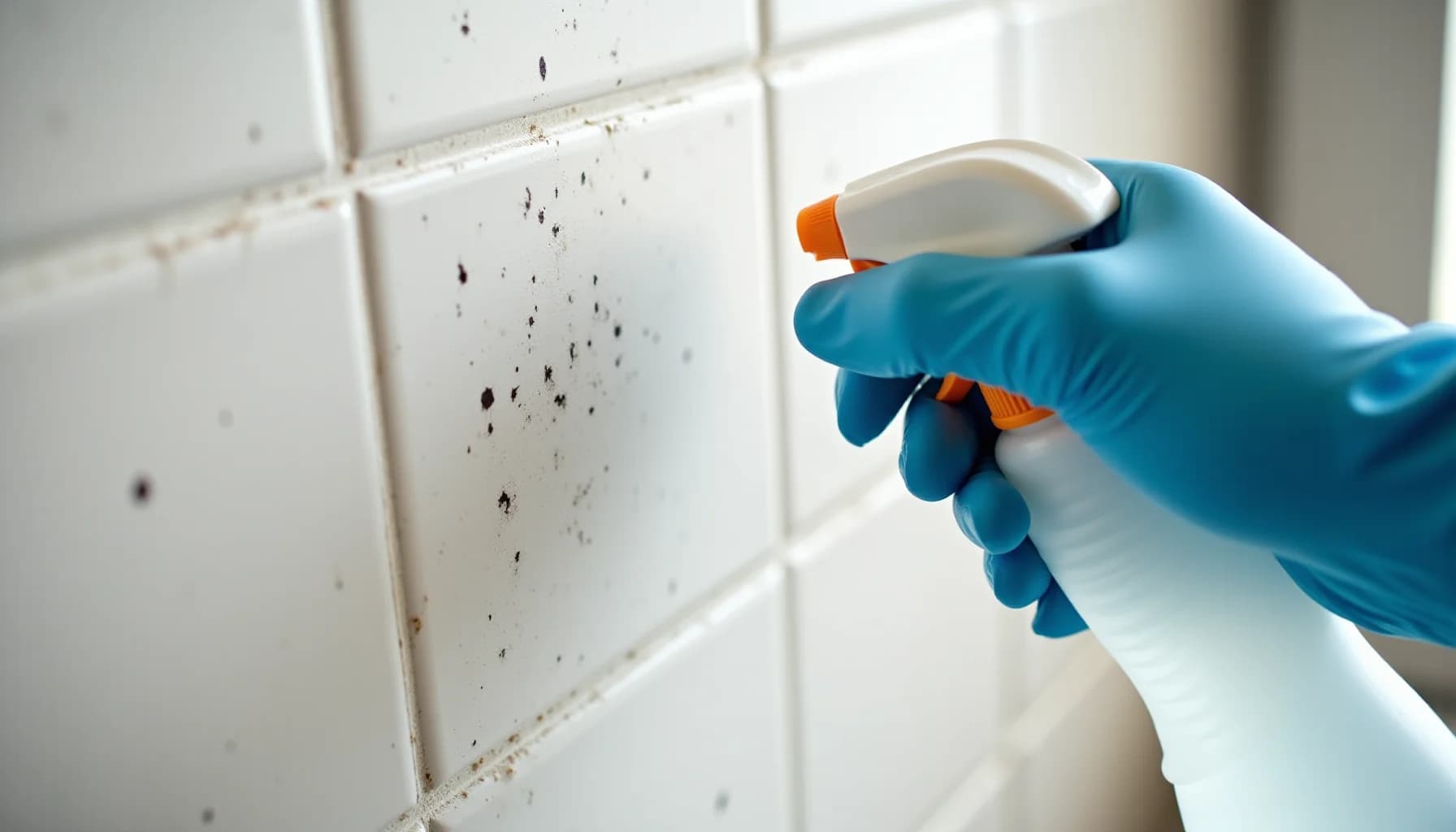
Spray full-strength vinegar directly onto the mold, then leave it for at least 60 minutes. On porous surfaces like grout or textured tile, leaving it overnight and scrubbing the next day gets better results. After the dwell time, scrub with a stiff brush, then follow up with a baking soda solution (one teaspoon per two cups of water) to lift residual staining. Wear gloves, goggles, and a mask throughout, and keep the area ventilated. One firm rule: never mix vinegar with bleach, as the combination produces toxic chlorine gas.
Vinegar kills roughly 82% of mold species on hard, non-porous surfaces like ceramic tile and glass. It will not fully reach mold rooted below the surface of carpet, ceiling tiles, or drywall, and those materials typically need replacement. If the patch covers 10 square feet or more, or if you suspect black mold, call a professional rather than treating it yourself.
Killing the mold and removing the stain it leaves are two separate outcomes. Vinegar handles the first reliably; the dark discoloration on grout lines or caulk often requires additional scrubbing or a targeted product. Whatever you use, address the underlying moisture source first, whether that is a slow leak, poor ventilation, or chronic humidity. Without fixing that, mold returns regardless of how thoroughly you clean.
Does vinegar actually kill mold?
White vinegar kills roughly 82 percent of mold species. That number comes from its acetic acid content, typically 5 to 8 percent in household white distilled vinegar, which produces a pH around 2.5 to 3.5. At that level of acidity, the solution disrupts fungal cell membranes and creates an environment hostile enough to kill most common household molds on contact, given enough time.
The 18 percent it cannot reach matters. A 2015 study found that a 4 to 4.2 percent acetic acid solution worked against Penicillium chrysogenum, a common household mold, but failed against Aspergillus fumigatus. That gap is not a rounding error. If the species on your wall happens to fall into the resistant category, vinegar will not solve the problem regardless of how long you leave it.
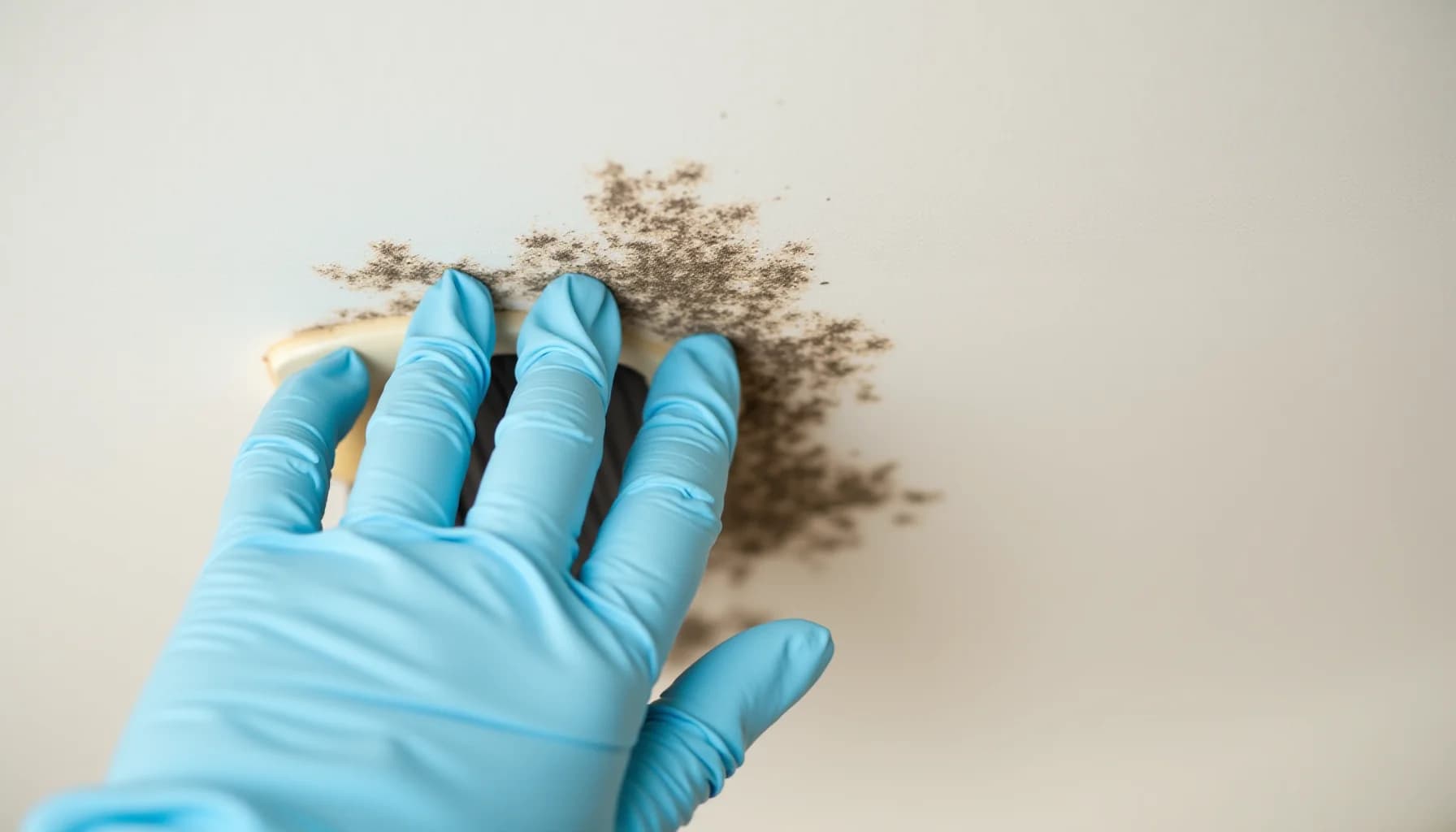
There is also a structural limit to what killing mold actually means. Vinegar can kill live mold at the surface, but it does not remove spores or reach root-like structures called hyphae that extend into porous materials. On a hard, non-porous surface such as glass shower doors or ceramic tile, vinegar reaches the mold completely. On grout, drywall, or caulk, the mold lives below the surface beyond the acid's reach, so visible growth may die while the colony underneath survives.
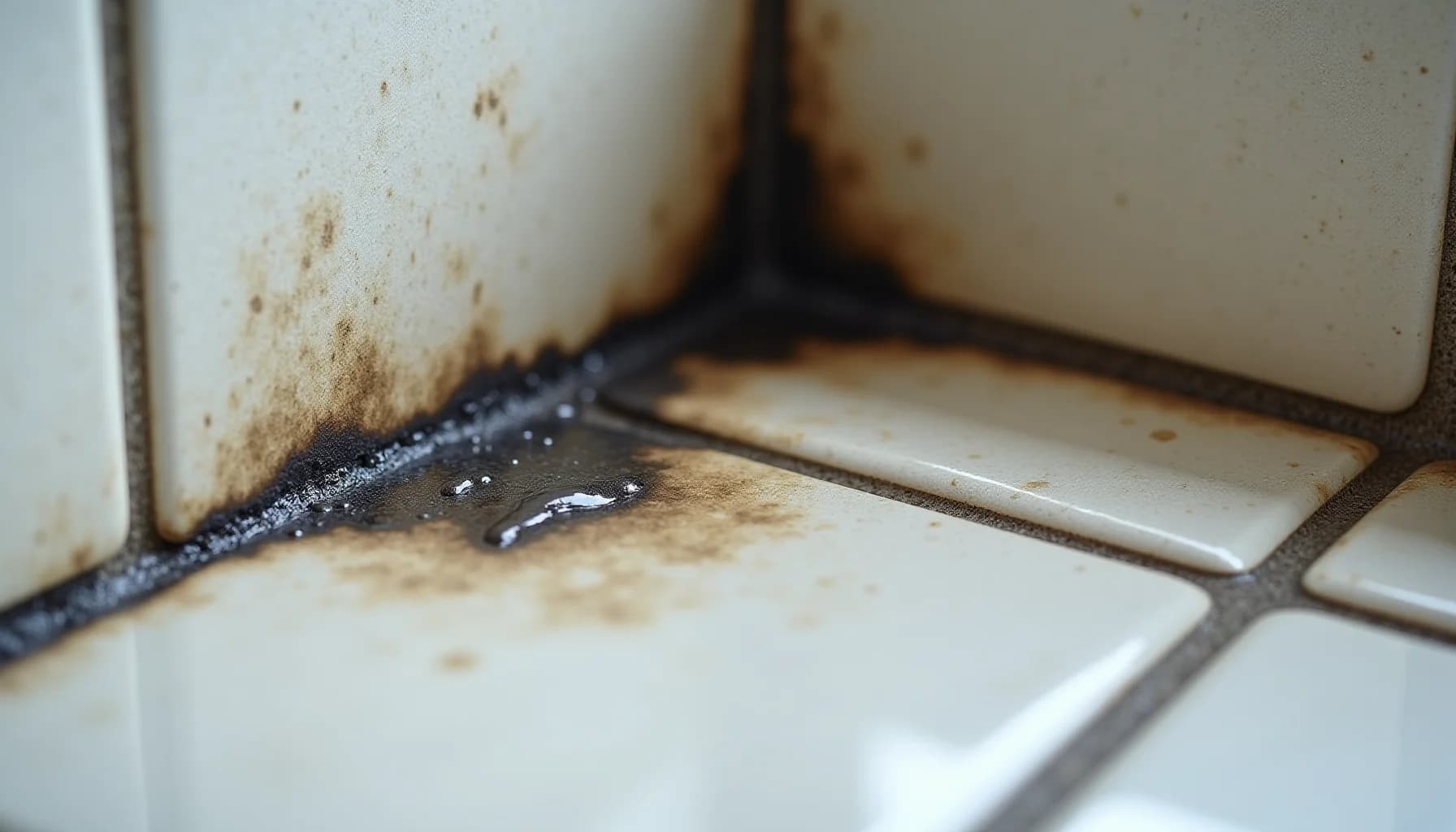
One more distinction worth holding: killing mold and removing its stain are two separate outcomes. Vinegar handles the first better than the second. Dark discoloration on grout lines or silicone caulk often remains after a successful vinegar treatment, which is not a sign the mold is still alive.
What type of vinegar should you use, and what safety gear do you need?
| Aspect | White Vinegar | Bleach |
|---|---|---|
| Kills mold at roots | Yes, antifungal properties penetrate beyond surface | No, only kills surface mold; roots survive and regrow |
| Effectiveness on porous surfaces | Mold membranes are disrupted but vinegar cannot fully reach roots | Mold membranes move deeper to avoid chemical; ineffective |
| EPA recommendation | Not specifically discouraged for mold removal | Not recommended except in special circumstances |
| Safety when combined | Should not be mixed with bleach | Mixing with vinegar creates toxic chlorine gas |
Why does mold keep coming back after cleaning?
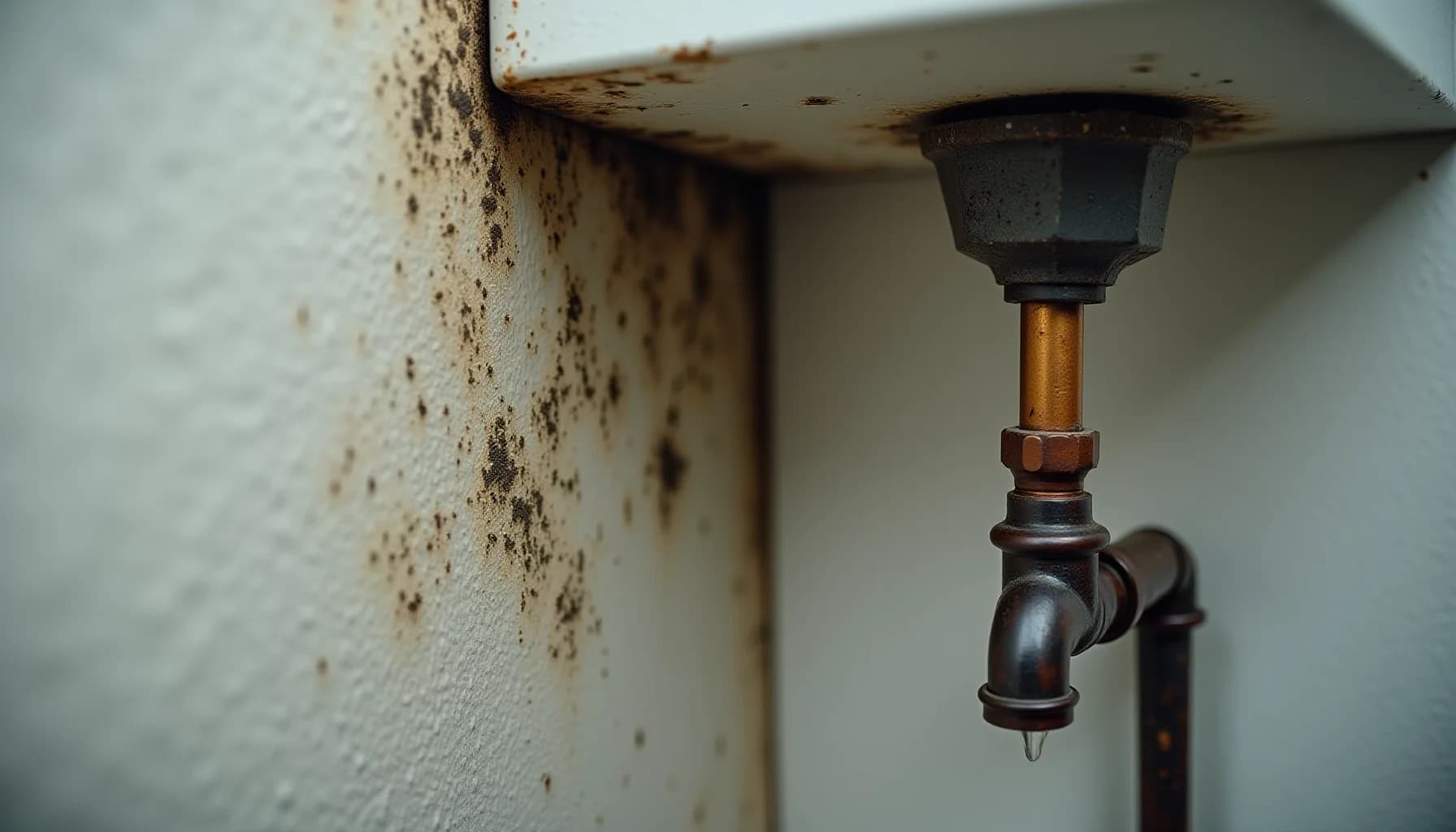
Mold keeps coming back because vinegar, bleach, or any other surface treatment is applied to a symptom while the cause stays untouched. If a bathroom exhaust fan is undersized, a supply line is weeping behind a vanity, or a window seal has failed and is letting humid air pool against a cold wall, mold will recolonize a freshly cleaned surface within weeks. The cleaning accomplished nothing lasting.
Before reaching for the spray bottle, track down where the moisture is actually coming from. Run your hand along pipes under sinks and around the base of the toilet tank. Check that your bathroom exhaust fan vents to the outside rather than into the attic space, and confirm it moves enough air for the room's square footage. Look for grout that has cracked or caulk that has pulled away from a tub surround, since both let water seep behind tile and sit against drywall or wood indefinitely. If you find mold recurring specifically on a bathroom ceiling, the cause is almost always inadequate ventilation combined with steam that has nowhere to go, a problem covered in detail in how to remove mold from bathroom ceiling.
High ambient humidity is its own driver. A bathroom that stays above 60 percent relative humidity, even without an obvious leak, gives mold exactly what it needs. Running the exhaust fan for at least 15 to 20 minutes after every shower, not just during it, makes a measurable difference.
Vinegar suits homeowners dealing with a small affected area on a hard, non-porous surface where the moisture source has already been corrected or eliminated. Applied under those conditions, it performs reliably. Applied to a surface that is still damp from an active leak or chronic condensation, it is wasted effort.
Pros
- Kills roughly 82% of mold species on hard, non-porous surfaces like tiles and glass
- Safer than bleach, which the EPA warns against for mold removal and which drives mold deeper into porous surfaces
- Can prevent future mold outbreaks when applied to vulnerable areas
Cons
- Cannot kill all mold types and is ineffective against species like Aspergillus fumigatus
- Ineffective on porous surfaces such as carpet, ceiling tiles, and fabric, which often require professional help or replacement
- Disturbing a mold colony during cleaning can release spores into the air, spreading growth to new areas
How long should you leave vinegar on mold before scrubbing?
The answer is: at least 60 minutes, and overnight if the mold is heavy or the surface is textured.
Here is how to apply that in practice. Fill a spray bottle with full-strength white distilled vinegar, the standard 5 percent or cleaning vinegar at 6 percent. Do not dilute it. Spray the affected area generously until the surface is visibly wet, covering the mold and a few inches around it to catch any growth that has spread beyond what you can see.
Then leave it alone. A 60-minute minimum dwell time gives the acetic acid long enough to penetrate and kill surface mold on hard, non-porous materials like ceramic tile, porcelain, glass, and sealed grout. Wiping it off in ten minutes, which is where most DIY attempts fail, is not enough contact time for the acid to do its work.
For heavier buildup, skip the 60-minute wait and go straight to overnight soaking. Spray the area, then lay a paper towel or cloth over the mold and saturate that with vinegar too, so the surface stays wet rather than drying out. Open a window or run an exhaust fan, because the smell is sharp. In the morning, scrub with a stiff-bristled brush, then wipe the surface clean with a damp cloth.
After scrubbing, spray a baking soda solution over the area: one teaspoon of baking soda dissolved in two cups of water. Scrub again lightly. Baking soda acts as a mild abrasive and helps lift any residual staining, which the vinegar kills but does not always erase. For persistent discoloration on grout lines specifically, you may need a dedicated grout cleaner as a follow-up step.
Rinse, then let the surface dry completely before assessing whether another treatment is needed.
Will vinegar work on carpet, ceiling tiles, and wood floors?
The surface type is the single biggest factor in deciding whether vinegar is the right tool. On hard, non-porous materials like ceramic tile or glass, vinegar can reach the mold directly. On porous materials, it cannot, because mold does not sit on the surface. It grows into it.
Carpet is the clearest example. Mold threads work down into the pile and the backing, well beyond where any spray can penetrate. Vinegar applied to moldy carpet may kill what is visible on top while leaving the colony intact below. The EPA guidance here is straightforward: if carpet is moldy, replace it. The same logic applies to ceiling tiles. Their fibrous, absorbent structure makes them essentially impossible to remediate once mold has taken hold, and replacement is the standard recommendation.
Wood floors sit in between. Vinegar can technically reach surface growth on a sealed floor, but flooring manufacturers frequently warn against using vinegar on finished wood precisely because the acidity breaks down the protective coating over time. Strip that finish, and you make the wood more porous, not less, which creates a better environment for future mold growth. Use a cleaner rated for your floor's finish type instead.
The practical test: press your finger firmly to the surface and lift. If any material pulls, catches, or feels fibrous, treat it as porous. If mold is present on a porous surface, decide between professional remediation and full replacement before reaching for the vinegar bottle.
Frequently asked questions
Does vinegar kill all types of mold?
How long should I leave vinegar on mold before wiping it off?
Can I use vinegar to remove mold from carpet or drywall?
Is it safe to mix vinegar with bleach for a stronger mold cleaner?
What should you do after the vinegar has done its job?
Once the vinegar has had at least an hour to work, mix a teaspoon of baking soda into two cups of water in a spray bottle, spritz it directly onto the treated area, and scrub with a stiff brush. Baking soda is mildly abrasive, which helps dislodge loosened mold and lift surface residue that the acid alone leaves behind. For grout specifically, a narrow grout brush gives you far better contact than a sponge, and the grout cleaning methods ranked by what works are worth reviewing before you start, since grout is one of the surfaces where staining outlasts the mold itself.
That last point matters: killing mold and erasing the stain it leaves are two separate outcomes. After a successful vinegar treatment, dark discoloration on grout, silicone caulk, or aged tile often remains. That discoloration is cosmetic, not biological, but it can be stubborn. Baking soda scrubbing reduces it; it rarely eliminates it entirely on older surfaces.
For most readers dealing with a small patch on a hard, non-porous surface, the baking soda follow-up is the right finishing step. The exception is any mold patch that covers roughly 10 square feet or more, or any visible black mold. In those cases, stop, leave the area ventilated, and call a licensed mold remediation professional. Vinegar will not reach mold that has taken hold below the surface, and disturbing a large colony without containment spreads spores to other rooms.
How this article was made
Researched and written with AI assistance. What gets published is a human editorial decision. Grounded in 8 cited sources.
Edited by Claire Mercier, Editor. The guides are written with AI assistance.
Sources (8)
- What to Know About Cleaning Mold with Vinegar | The Family Handyman
- A Guide to Cleaning Mold with Vinegar | Merry Maids
- Does Vinegar Kill Mold & Why Bleach Isn’t Better Either
- Does Vinegar Kill Mold| Does Bleach Kill Mold | ServiceMaster Restore®
- Does Vinegar Kill Mold? The Truth Revealed - Sophia's Cleaning Service
- Will Vinegar Kill Mold? Tips, Tricks, and Safety Measures - The Mold Guys
- does vinegar kill mold
- Guide to Cleaning Mold with Vinegar - Safe & Fast Solution