The Right Way to Clean an Air Fryer Without Wrecking the Coating
Part of Appliance Cleaning · article 11 of 13
On this page
Use a soft sponge or non-abrasive cloth with warm, soapy water on the basket and removable parts. For stuck-on residue, apply a paste of 3 parts baking soda to 1 part water, let it sit for 10 minutes, then wipe clean with a soft-bristle brush or toothbrush. What to avoid is equally straightforward: steel wool, scouring pads, sharp tools, and aerosol cooking sprays all damage the non-stick surface. Aerosol sprays leave a lecithin film that bakes onto the coating, causes sticking, and pushes you toward the aggressive scrubbing that scratches it further. For a broader reference on which cleaners are safe for each appliance surface, check your model's manual first, since manufacturer guidance varies.
What should you do before you start cleaning your air fryer?
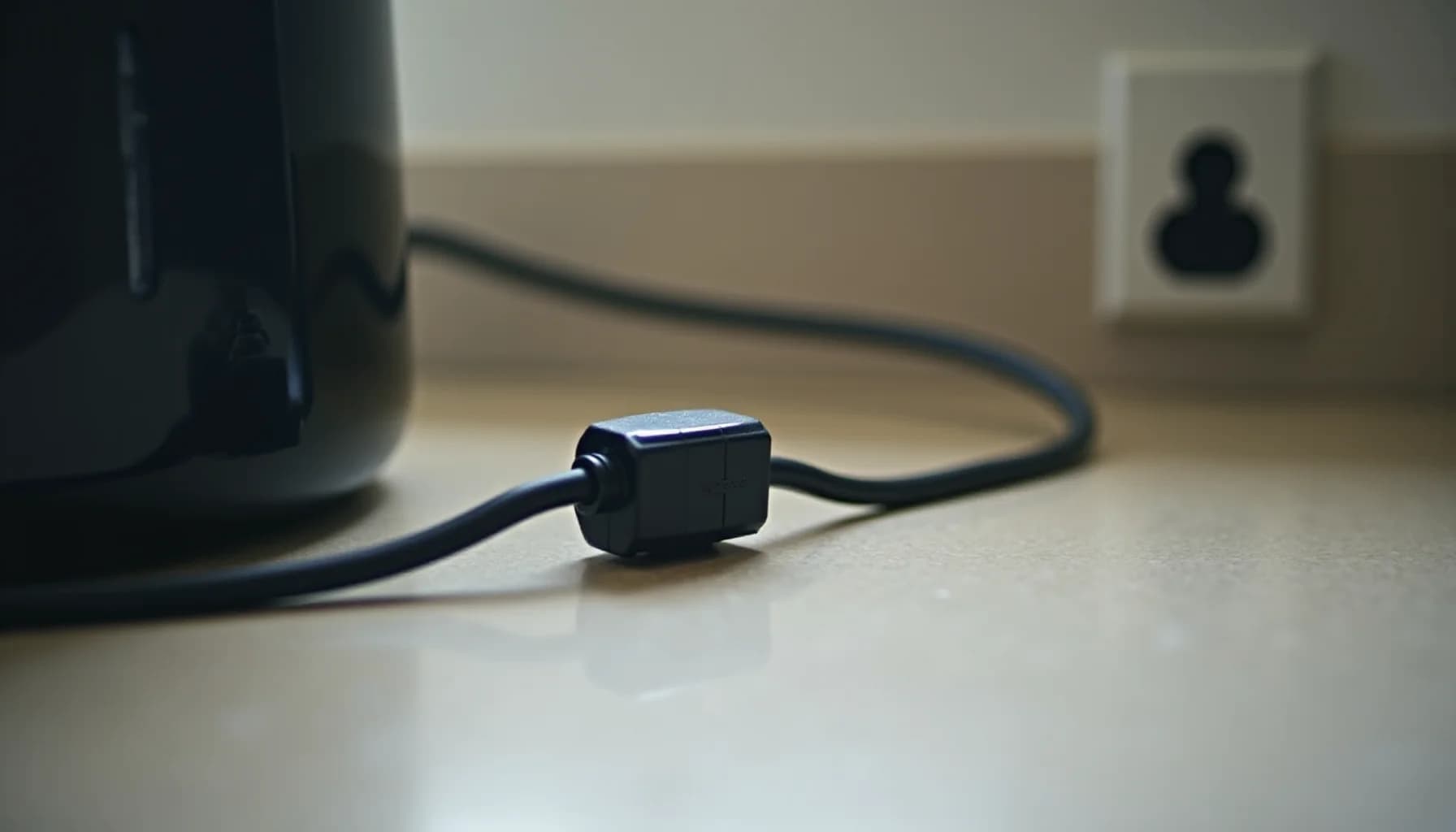
Unplug the air fryer before you do anything else. Not just switch it off at the unit, but pull the cord from the wall outlet. Air fryers run at high wattages, and any moisture near live electrical components creates a real hazard.
Once unplugged, let the appliance cool completely before you remove the basket, rack, or any other part. That means waiting at least 30 minutes after your last cook cycle. The heating element and interior cavity retain heat long after the display reads zero, and the basket itself can stay hot enough to burn your hands well past when you'd expect. Setting a timer rather than guessing is the most reliable approach.
Cooling time matters for the coating, not only for your safety. Pouring cold water onto a hot non-stick basket causes thermal shock, which can warp the basket and degrade the coating from the inside out. The same applies to rinsing under cold tap water straight from cooking. Room-temperature water is fine once the unit is fully cool; cold water before that point is a problem.
While you wait, resist the urge to wipe down the interior with a damp cloth while it is still warm. Some homeowners do this assuming residual heat helps loosen grease. It might, but contact with a surface that is still hot enough to steam water introduces unnecessary risk. Patience here costs you nothing and protects both the appliance and the person cleaning it.
How often does your air fryer actually need cleaning?
Unplug and cool the air fryer completely
Turn off the appliance, unplug it from the outlet, and wait at least 30 minutes before touching any part of it. Cold water or cleaning solutions applied to a hot surface can crack or warp the non-stick coating.
Wash removable parts with warm, soapy water and a soft sponge
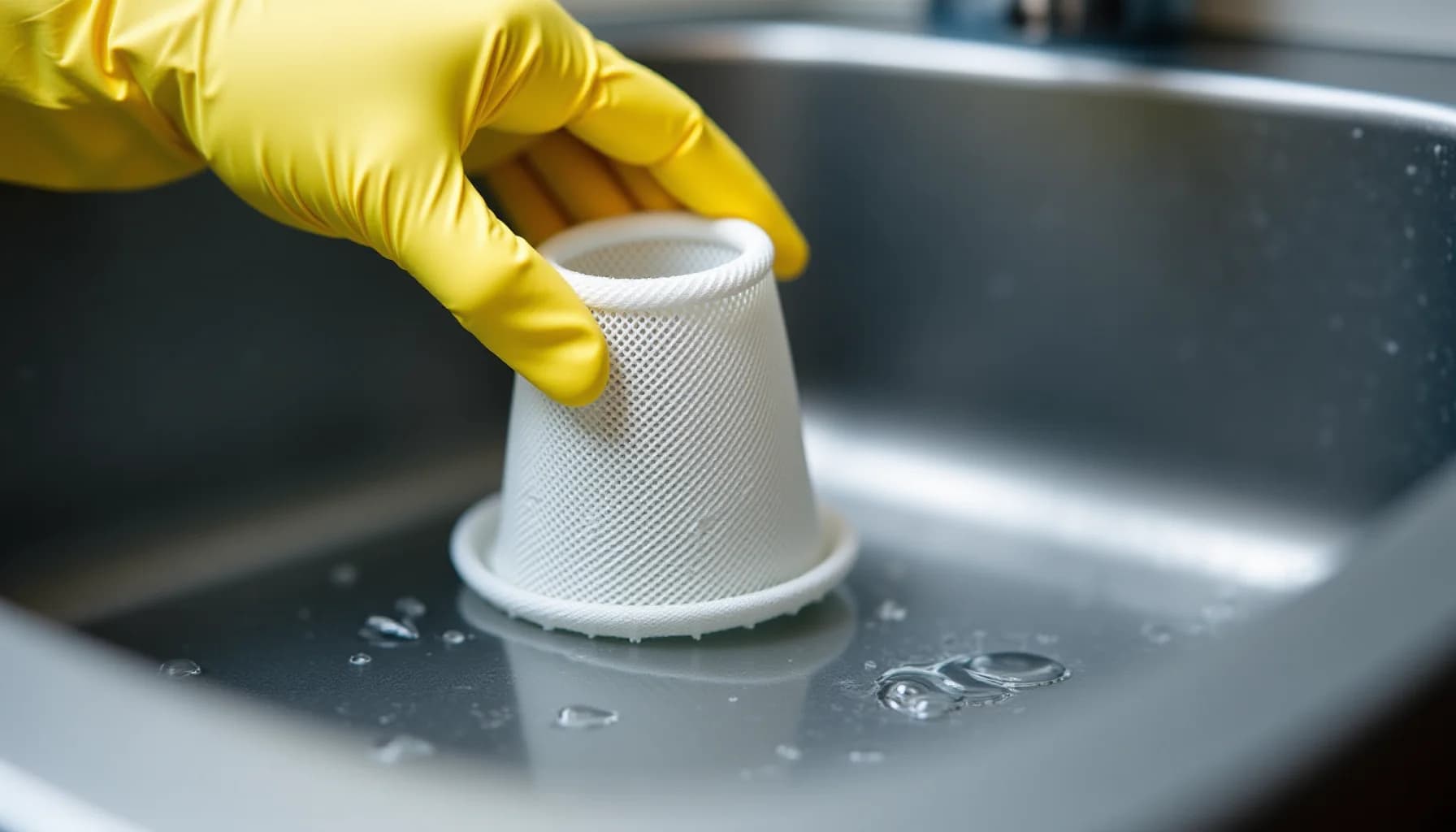
Remove the basket, pan, and any racks, then wash them with warm soapy water and a non-abrasive sponge or cloth. Avoid steel wool, scouring pads, and sharp tools, as these scratch the non-stick coating and make food stick worse over time.
Wipe the heating element with a damp cloth or soft-bristle brush
Flip the unit over to access the heating coil, then gently wipe it with a barely damp cloth or a soft-bristle brush such as a toothbrush. Use water sparingly near the coil to avoid electrical hazards, and add a few drops of dish soap or a baking soda paste (3 parts baking soda to 1 part water) for stubborn grease.
Tackle stubborn buildup by soaking, not scrubbing
For baked-on residue, let the basket soak in warm soapy water for several minutes, or apply a 3-to-1 baking soda and water paste, leave it for 10 minutes, then wipe clean. If grease remains, a small amount of diluted vinegar mixed into warm soapy water helps lift it without damaging the coating.
What tools and cleaning solutions actually work on an air fryer
Before you start
- Unplug the air fryer and set it aside in a clear, stable workspace away from the sink
- Gather a soft sponge or non-abrasive cloth, a soft-bristle brush or old toothbrush, and dish soap
- Mix your baking soda paste (3 parts baking soda to 1 part water) and have diluted vinegar solution ready if grease is heavy
- Move steel wool, scouring pads, and aerosol cooking sprays out of reach so you won't accidentally grab them
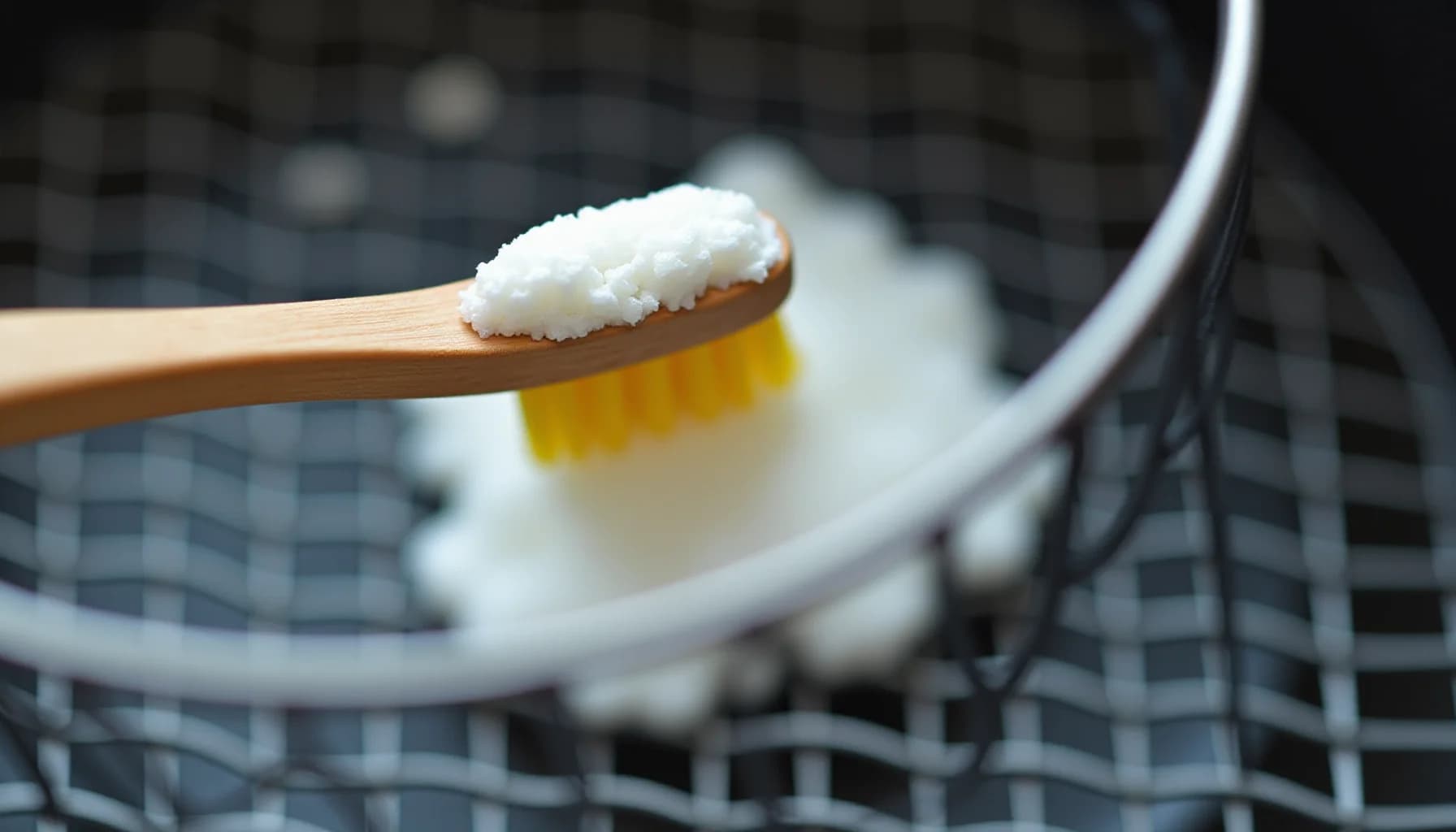
The right tools here are deliberately unexciting: a soft sponge, a non-abrasive microfiber cloth, and an old toothbrush. That toothbrush earns its place around the basket's mesh edges and the ridges of the rack, where a flat sponge can't reach. For the heating element, a soft-bristled brush with a light touch is what you want. None of these tools will scratch the non-stick coating. Steel wool, scouring pads, and anything labeled "heavy-duty scrubber" will, and once that coating is scored, food sticks to it permanently.
For everyday cleaning, warm water and a few drops of dish soap applied with a soft sponge is all you need. Rinse thoroughly and dry with a soft cloth before reassembling.
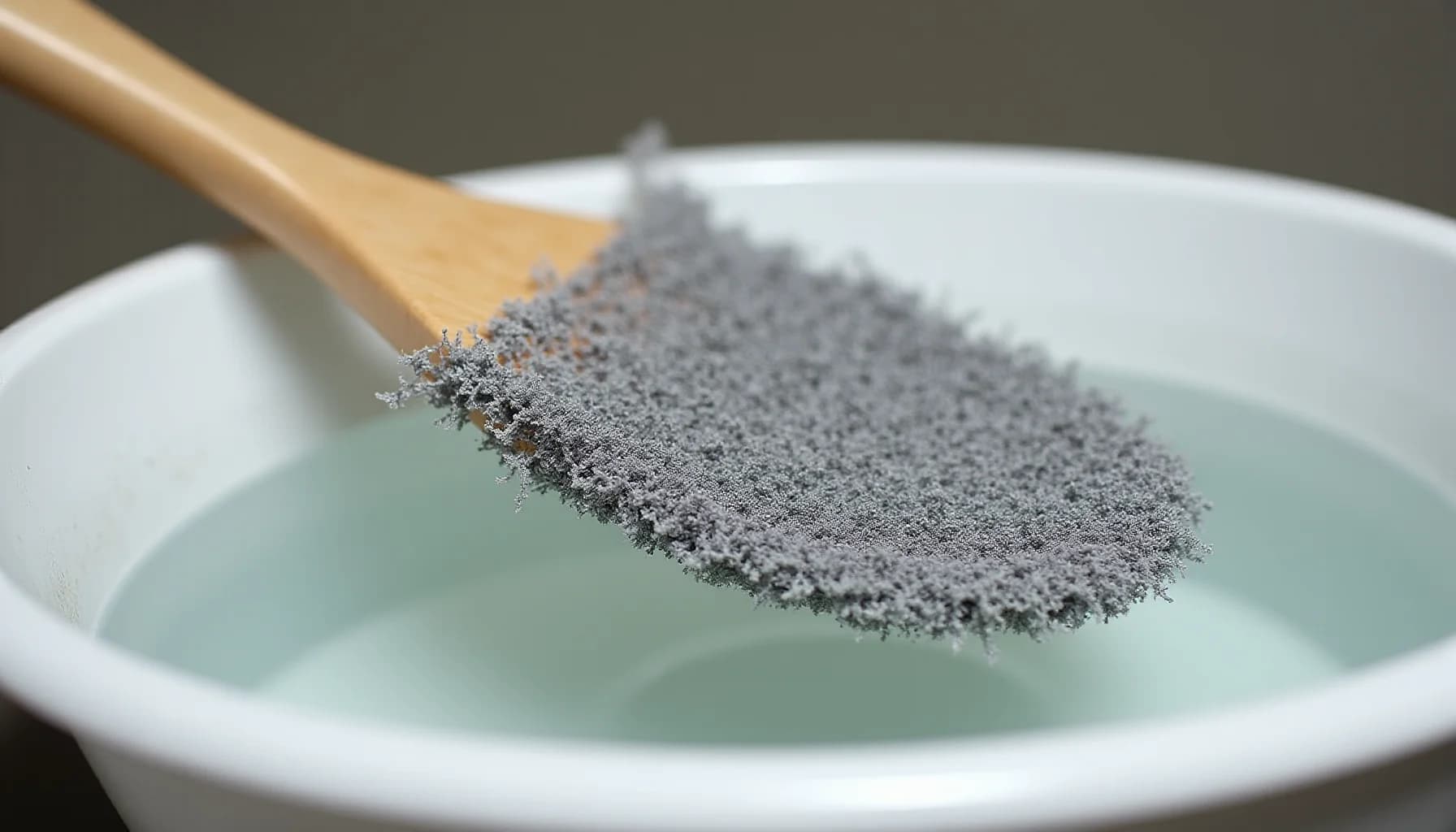
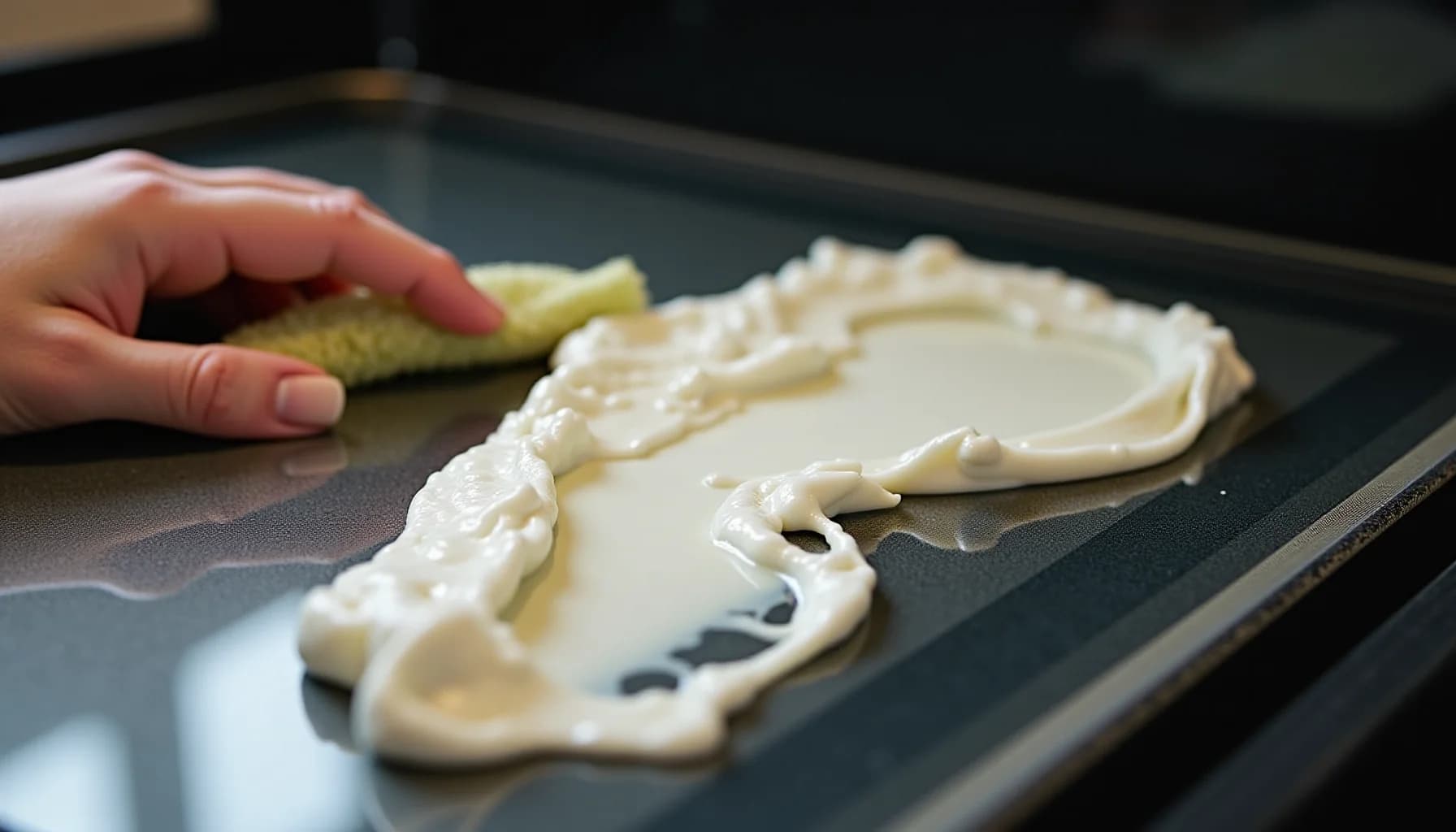
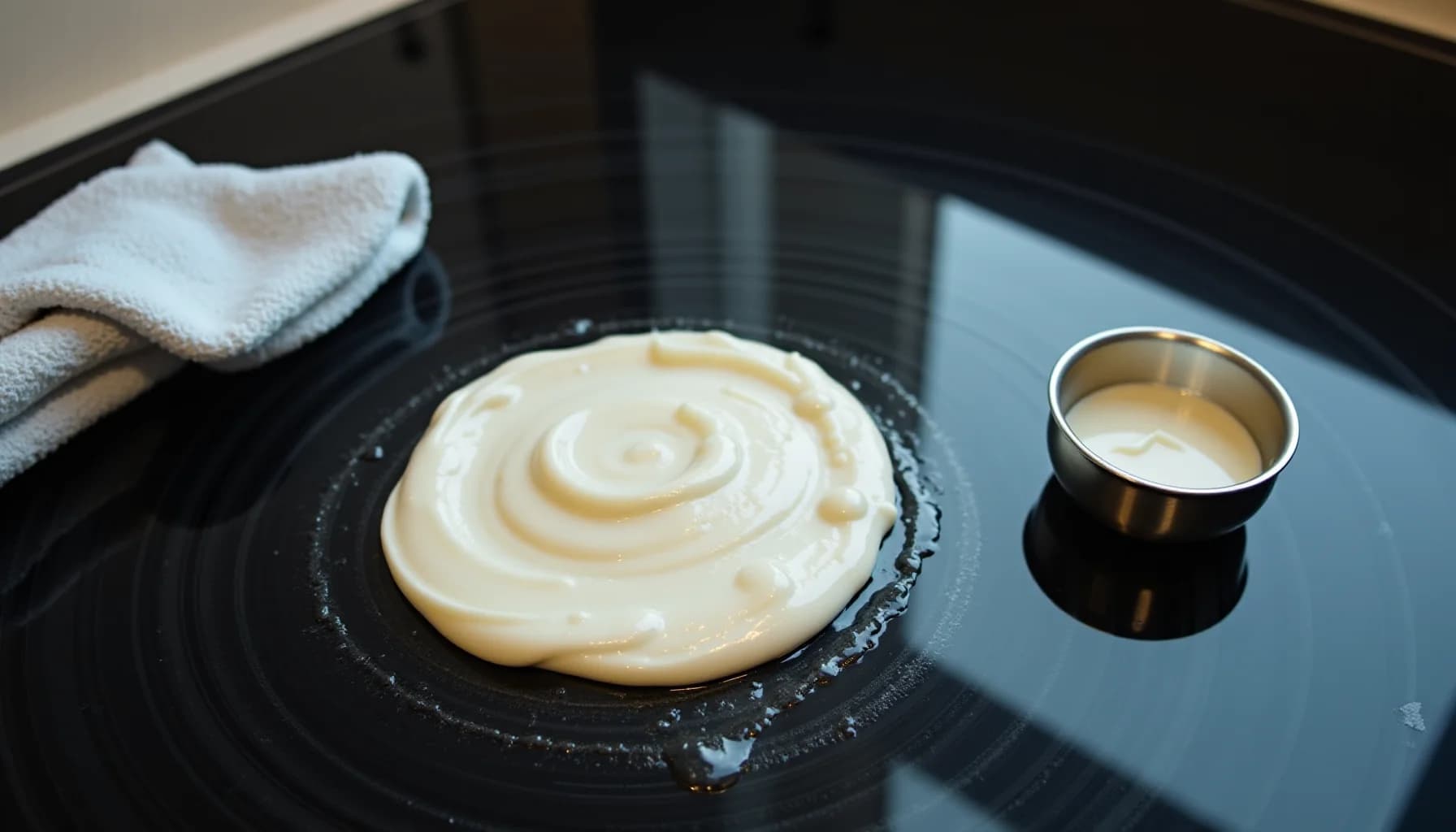
For baked-on residue, a baking soda paste is the most effective non-abrasive option. Mix 3 parts baking soda to 1 part water until it forms a thick paste, apply it directly to the affected area, and let it sit for 10 minutes before wiping it away with a damp cloth. The paste is mildly abrasive enough to lift hardened grease without scratching the surface.
When grease is stubborn but not fully baked on, diluted white vinegar added to warm soapy water helps cut through the residue. Apply it with a sponge, let it sit briefly, then wipe and rinse clean. One caution worth knowing: vinegar is safe on the coated metal surfaces of an air fryer basket, but it causes real damage to natural stone, so if you use this method near stone countertops, keep the solution contained. Which cleaners are safe for each appliance surface covers the broader picture if you're sorting out what works where in your kitchen.
Avoid aerosol cooking sprays entirely. The lecithin emulsifier in those sprays polymerizes onto the coating under heat, creating a sticky, discolored film that resists normal washing and fools people into scrubbing harder than they should. A manual oil mister filled with your preferred cooking oil is a direct replacement with none of that residue risk.
Does your air fryer's heating element need cleaning too?
Most homeowners clean the basket religiously and ignore the heating element entirely. That's the part that causes smoke. The coil sits at the top of the cooking cavity, and because hot air circulates upward, grease and food particles deposit onto it every single time you cook. You can't see this happening from above, and the appliance looks spotless from the outside. Flip it over, or look up into the cavity after it's fully cooled and unplugged, and the picture changes.
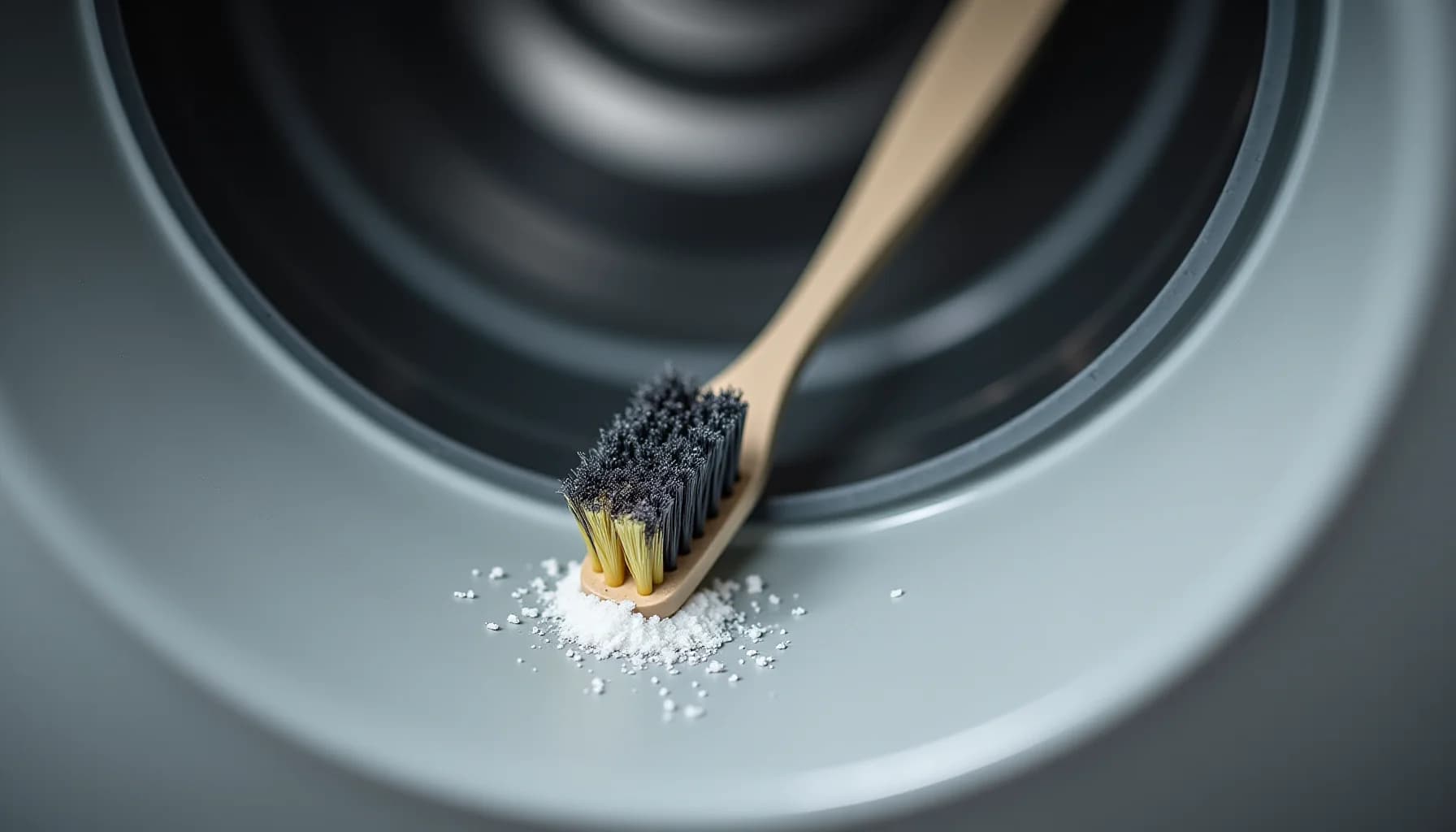
To clean it, turn the unit upside down so you can see the coil clearly. Use a lightly dampened cloth or sponge with a few drops of dish soap to wipe the coil gently. For baked-on residue, a soft-bristle toothbrush gives you the control to scrub between the coil loops without applying damaging pressure. A baking soda paste, mixed at a ratio of 3 parts baking soda to 1 part water, can be applied directly to stubborn spots and left for 10 minutes before wiping away.
The critical mistake here is using too much water. Excess moisture near the heating element creates an electrical hazard. Wring out your cloth until it's barely damp, not wet.
If you notice the coil has visible charring that won't wipe off, corrosion, or any damaged wiring insulation, stop cleaning and do not use the appliance. That is the threshold for a professional technician or manufacturer service call, not a DIY fix.
Frequently asked questions
How often should I clean my air fryer?
Can I put my air fryer basket in the dishwasher?
What should I never use to scrub an air fryer basket?
How do I remove stubborn, baked-on grease without scrubbing hard?
Is your air fryer's non-stick coating still working properly?
A non-stick coating that's working properly releases food cleanly and wipes down in seconds. If you're suddenly scrubbing off residue that used to rinse away with warm water, the surface properties have changed. That functional shift, food sticking where it never used to, often appears before you see any visible peeling or chipping. Take it as an early warning. Once the coating is visibly flaking, replace the basket rather than continuing to cook with it.
Aerosol cooking sprays accelerate this deterioration faster than almost anything else. The lecithin emulsifier in sprays like PAM bonds to the coating under heat and bakes into a film that looks like staining but responds poorly to scrubbing. That film then causes sticking, which pushes people toward abrasive pads, which strips the coating further. Switch to a manual oil mister with your preferred oil instead, which gives you control without the chemical buildup. For a broader look at which cleaners are safe for each appliance surface, that guide covers the relevant chemistry across multiple kitchen surfaces.
On the dishwasher question: many baskets are technically labeled dishwasher-safe, but repeated dishwasher cycles shorten coating life. The combination of high heat, harsh detergent, and long exposure degrades nonstick surfaces over time. Handwashing with warm, soapy water and a soft sponge takes less than two minutes and preserves the coating significantly longer. Always confirm against your specific manufacturer's instructions before putting any basket in the machine.
For prevention, line the basket with perforated parchment paper on high-splatter cooks, and avoid overcrowding, which traps steam and forces grease to pool rather than drain through the basket floor.
How this article was made
Researched and written with AI assistance. What gets published is a human editorial decision. Grounded in 8 cited sources.
Edited by Claire Mercier, Editor. The guides are written with AI assistance.
Sources (8)
- How Often Do I Need to Clean My Air Fryer? A Comprehensive Guide to Maintenance and Hygiene | Official Site
- How to Clean and Maintain Your Air Fryer – COSORI
- How to Clean an Air Fryer (+ Deep Clean & Basket Tips) - Foodess
- Air Fryer Maintenance & Safety Guide: Cleaning, Troubleshooting & Energy Tips
- How to clean an air fryer | KitchenAid US
- How to clean an air fryer: Step-by-step guide
- How to Clean Your Air Fryer: Complete Maintenance Guide | AirFriers.org
- How to clean your air fryer's heating element for the best possible performance