How to Clean Oven Door Glass Without Scratching It
Part of Appliance Cleaning · article 9 of 13
On this page
What do you need before you start cleaning oven door glass?
Before touching the glass, give the oven enough time to cool down completely. Even if the oven feels cool on the outside, residual heat inside the cavity can make cleaning uncomfortable and may cause certain cleaning agents to evaporate too quickly to do their job. A minimum wait of 30 minutes after the last use is a reasonable baseline; longer is better after a full cooking session.
Once the oven is cold, lay old towels flat on the floor directly in front of the oven door. Any paste, liquid, or loosened grime that drips during cleaning lands on the towels rather than your kitchen floor.
For materials, you will need:
- Baking soda and white vinegar: The core cleaning agents for most jobs. Measure out ½ cup of baking soda and 3 tablespoons of water to mix your paste, or prepare a vinegar solution at ⅛ cup of white vinegar per 1 quart of water for lighter soiling.
- Wet microfiber cloths: These are non-negotiable for wiping and buffing. They lift residue without dragging abrasive particles across the glass surface.
- A plastic scraper or silicone scraper: Acceptable for nudging softened buildup. Metal scrapers and steel wool are off the table entirely, as both will scratch tempered glass.
- A Cleaning Brick (compressed pumice): Worth having for heavy, layered grease. Keep a bowl of warm water nearby to keep it damp throughout use.
- A small mixing bowl and spoon for the baking soda paste.
If you are considering a commercial spray cleaner, check whether it contains ammonia. GE specifically notes that ammonia can discolor black oven glass. For a broader look at which cleaners are safe for each appliance surface, it is worth reviewing before you reach for anything unfamiliar.
What cleaning method works best for your oven door's soiling level?
Cool the oven and protect your floor
Make sure the oven is completely cooled down before you touch the glass. Lay old towels on the floor in front of the oven to catch any drips that fall during cleaning.
Choose your cleaning method based on how dirty the glass is
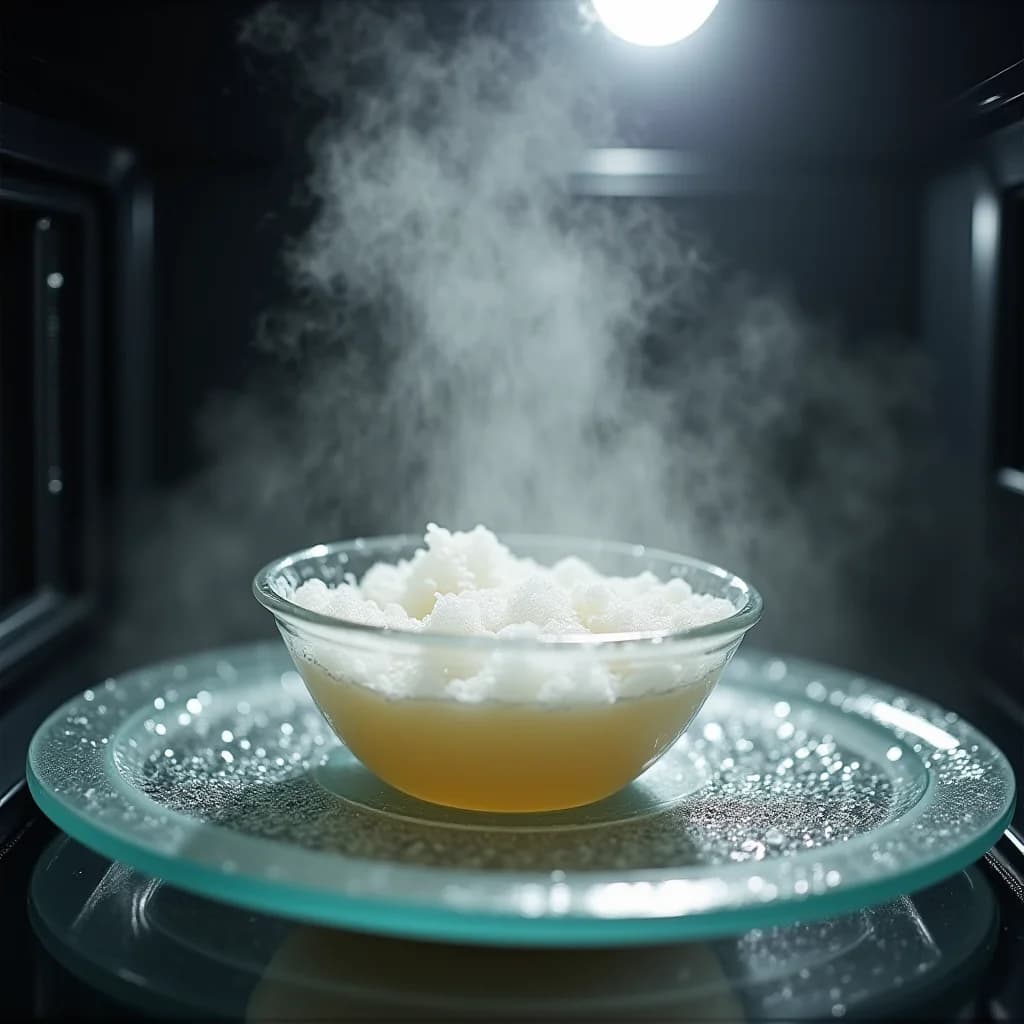
For light smudges, spray the glass with a mix of 1/8 cup white vinegar in 1 quart of water, or increase to a 1-to-1 ratio for slightly tougher spots. For stubborn, baked-on residue, mix 1/2 cup baking soda with 3 tablespoons of water into a paste, apply it directly to the stained areas, and let it sit for 20 minutes.
Scrub gently with the right tools
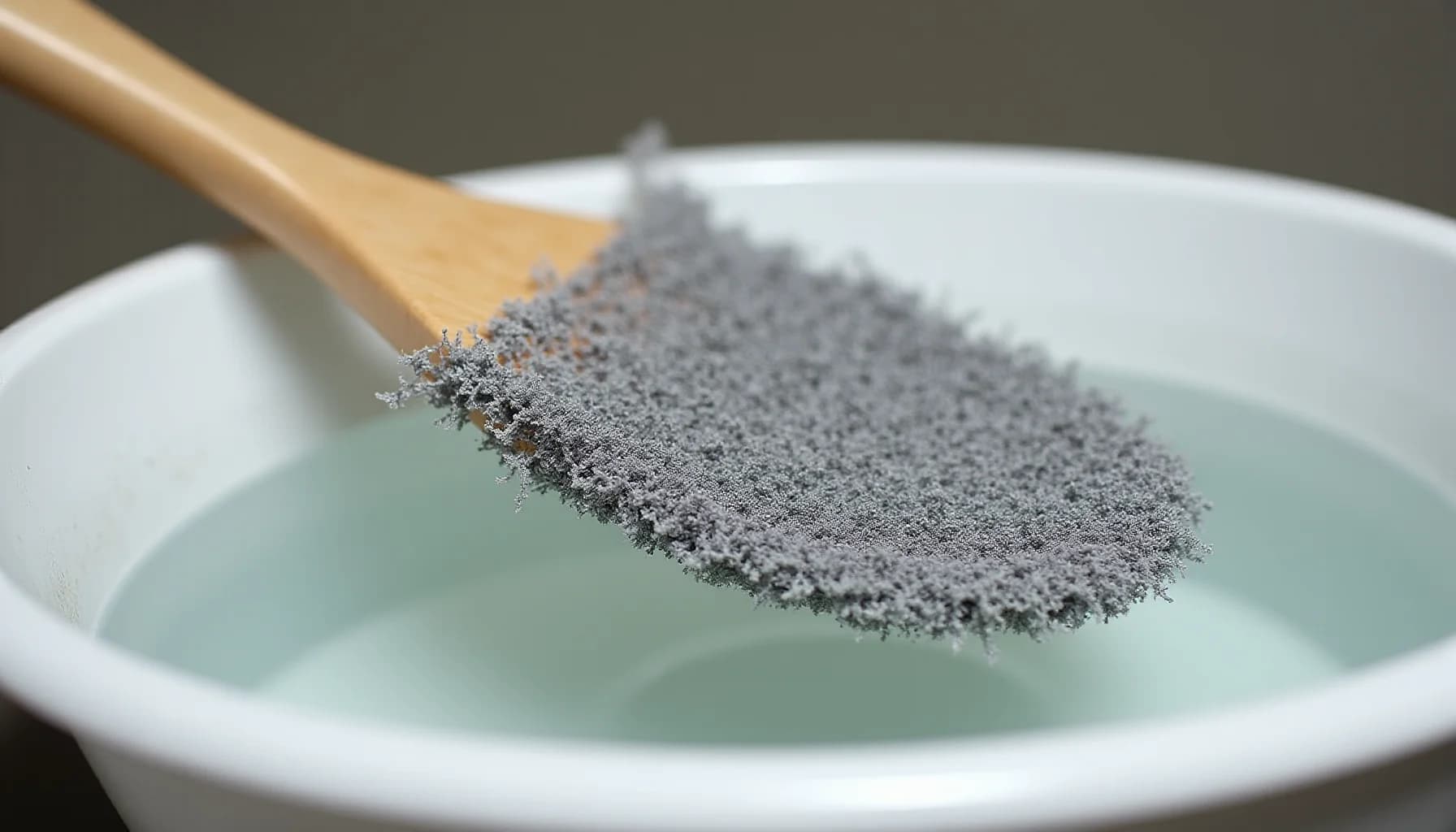
Wipe away the paste or vinegar solution using a wet microfiber cloth in a downward circular motion. If residue remains, use a Cleaning Brick dipped in warm water, keeping it damp throughout to create a gentle slurry that lifts carbonized grease without scratching the glass.
Rinse the glass and avoid damaging materials
Wipe the door with a clean, damp microfiber cloth to remove all residue completely. Never use steel wool, plastic scrub pads, metal tools, or ammonia-based cleaners, as these scratch or discolor the glass and make future buildup harder to remove.
How do you apply baking soda paste and vinegar to oven door glass?
Before you start
- Let the oven cool completely before gathering any supplies
- Mix your cleaning paste: ½ cup baking soda combined with 3 tablespoons of water
- Lay old towels on the floor directly in front of the oven to catch drips
- Set aside any metal tools, steel wool, or abrasive scrub pads so they stay out of reach
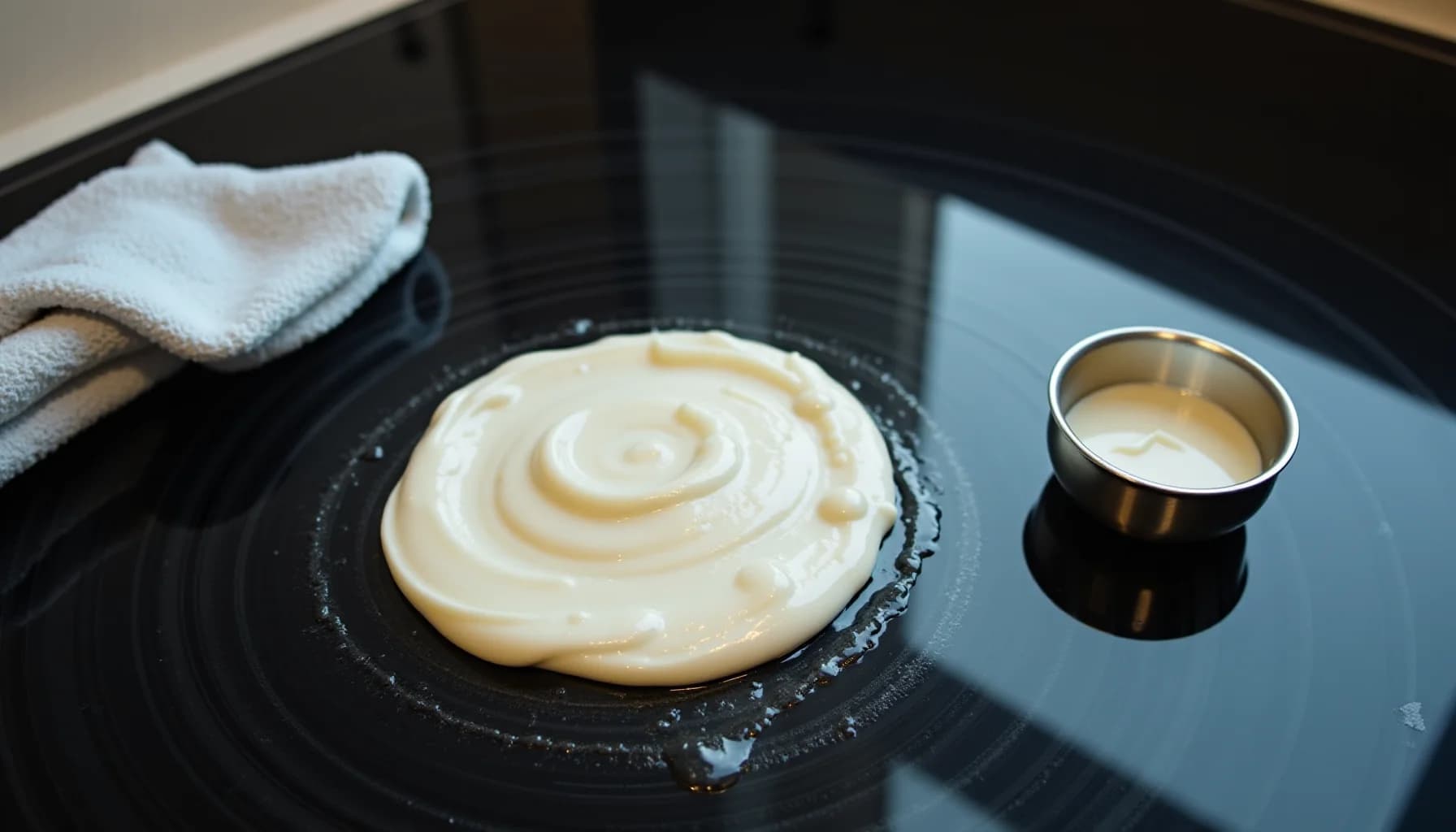
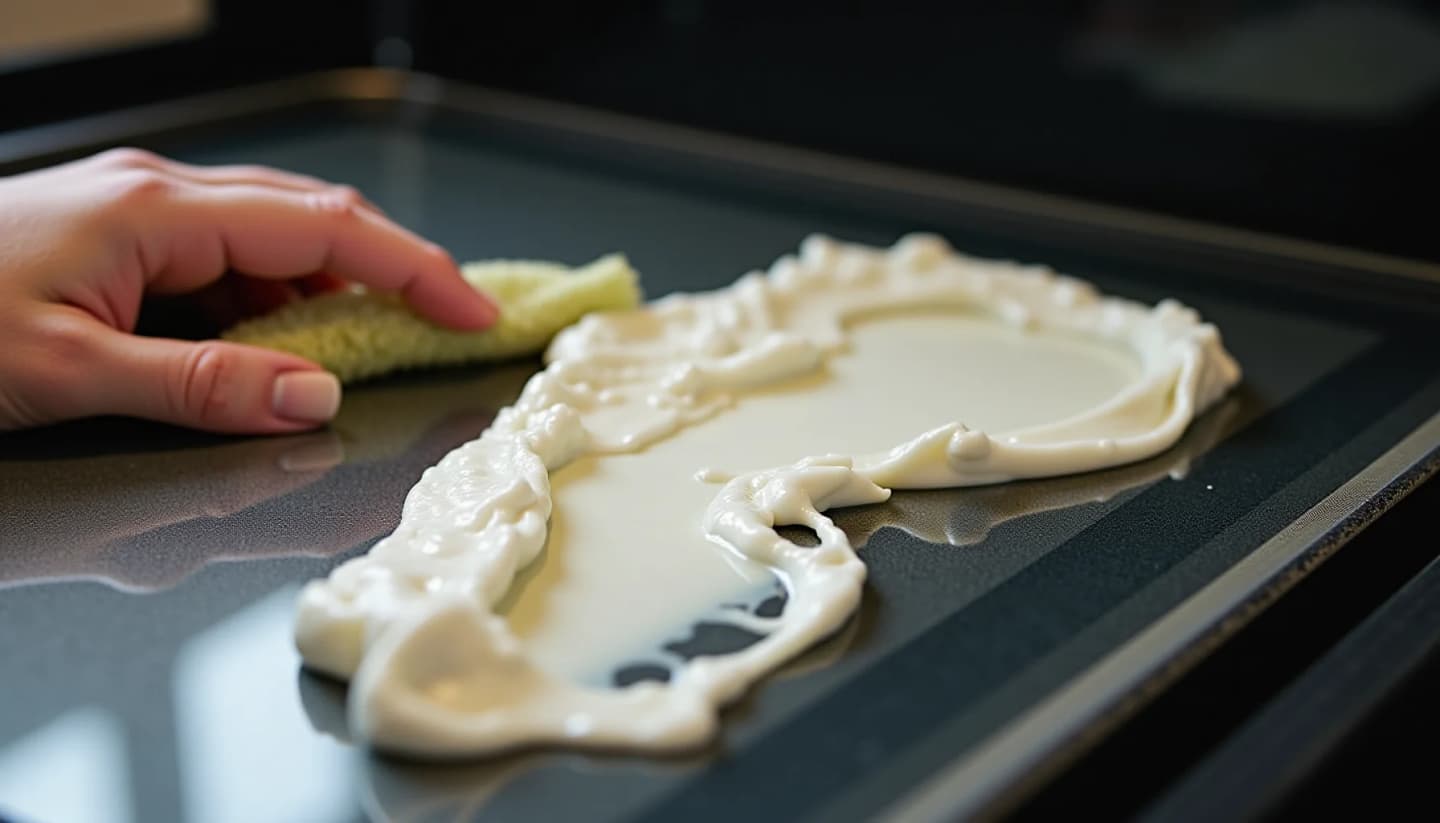
Start with the paste. Mix ½ cup of baking soda with 3 tablespoons of water in a small bowl and stir until you get a thick, spreadable consistency, roughly like toothpaste. If it's too runny, it will drip down the glass before it has a chance to work.
Spread the paste directly onto the stained areas of the glass using your fingers or a soft sponge. You don't need to cover the entire surface if only certain spots are grimy. Press gently so the paste makes contact with the carbonized residue, then leave it undisturbed for 20 minutes. This dwell time is what does the heavy lifting: the baking soda's mild abrasive particles work into the grease while the alkaline chemistry begins breaking down the baked-on film.
After the 20 minutes are up, don't reach for a scrubber. Dampen a microfiber cloth with warm water and wipe the paste away using a downward circular motion. Work methodically from one side to the other. Rinse and re-dampen the cloth as needed until no baking soda residue remains.
Now apply the vinegar. Fill a spray bottle with a mixture of ⅛ cup of white vinegar to 1 quart of water for general cleaning, or go up to a 1-to-1 ratio if stubborn spots remain. Spray directly over the areas where the paste was applied. The vinegar reacts with any remaining baking soda, and the light fizzing action helps lift residue that the paste loosened but didn't fully remove.
Wipe the glass one final time with a clean, damp microfiber cloth. For anyone who regularly deals with baked-on residue across other cooking surfaces, this same baking soda and vinegar sequence transfers well beyond the oven door.
What should you never use on oven door glass?
Steel wool is the most common cause of permanent scratching on oven door glass. Its fibers are hard enough to gouge the surface of tempered glass on contact, and those scratches do not buff out. Once the surface is scored, grease collects in the grooves and bakes on faster with every use, making every future cleaning harder than the last. Plastic scrub pads carry the same risk and should be kept away from the glass for the same reason.
Metal tools, including razor blades and metal scrapers, are equally dangerous here. A razor blade dragged across oven glass at the wrong angle can gouge the surface in a single pass. Some sources suggest razor blades work well on heavy buildup, but appliance manufacturers consistently advise against them, and the risk of irreversible damage is not worth the shortcut.
Ammonia-based cleaners present a different problem. GE specifically warns that ammonia can discolor black oven glass, a cosmetic change that is also permanent. Broader chemical oven cleaners, which are formulated to dissolve carbonized grease on oven interiors, are too aggressive for glass surfaces and can weaken or pit the material over time.
If you find your oven glass is already chipped, deeply scratched, or cracked, stop cleaning and contact the appliance manufacturer or a certified appliance repair technician. Cracked tempered glass can shatter under heat, which is a safety hazard that no cleaning method can resolve.
How often should you clean oven door glass?
For most households, a light wipe-down of the oven door glass after each use, or at least once a week if you cook regularly, prevents the kind of carbonized buildup that requires real effort to remove. A quick pass with a damp microfiber cloth while the oven is still warm (not hot) catches fresh grease before it bakes on and hardens. That small habit, repeated consistently, is what separates glass that cleans up in two minutes from glass that needs a 20-minute baking soda paste treatment.
Beyond weekly spot cleaning, most households benefit from a more thorough cleaning every one to three months, depending on how often the oven is used. If you roast, broil, or bake frequently, lean toward the shorter end of that range.
One thing worth knowing: your oven's self-cleaning cycle is not a substitute for this. That cycle reduces interior residue at high heat, but it rarely leaves the door glass fully clear. Splatters that smoke or produce odors during regular cooking often remain on the glass unaffected. The self-cleaning feature helps with the oven cavity, but the door still needs manual attention. Treat those two tasks as separate jobs, and your glass will stay clearer for longer with far less work each time you get around to it.
Frequently asked questions
What is the safest homemade cleaner for oven door glass?
Can I use steel wool or a razor blade to scrape off baked-on grease?
Does the self-cleaning cycle take care of the oven door glass?
How often should I clean my oven door glass?
How this article was made
Researched and written with AI assistance. What gets published is a human editorial decision. Grounded in 8 cited sources.
Edited by Claire Mercier, Editor. The guides are written with AI assistance.
Sources (8)
- How to Clean Oven Door Glass | KitchenAid
- How to Clean Glass Oven Door Windows | Whirlpool
- How to Clean Oven Door Glass in 3 Steps | Mr. Clean®
- Cleaning Your Oven Glass | How to Clean Oven Glass | Bosch
- How to Clean Oven Glass in 5 Minutes, No Chemicals, No Scratching
- How to Clean Oven Door Glass – Bar Keeper's Friend
- The Best Way To Clean Between Oven Glass Without Taking The Door Apart
- This Easy Way To Clean Your Glass Oven Door Works Like Magic