Clean Electric Stove Top the Right Way: No Scratches, No Damage
Part of Appliance Cleaning · article 7 of 13
On this page
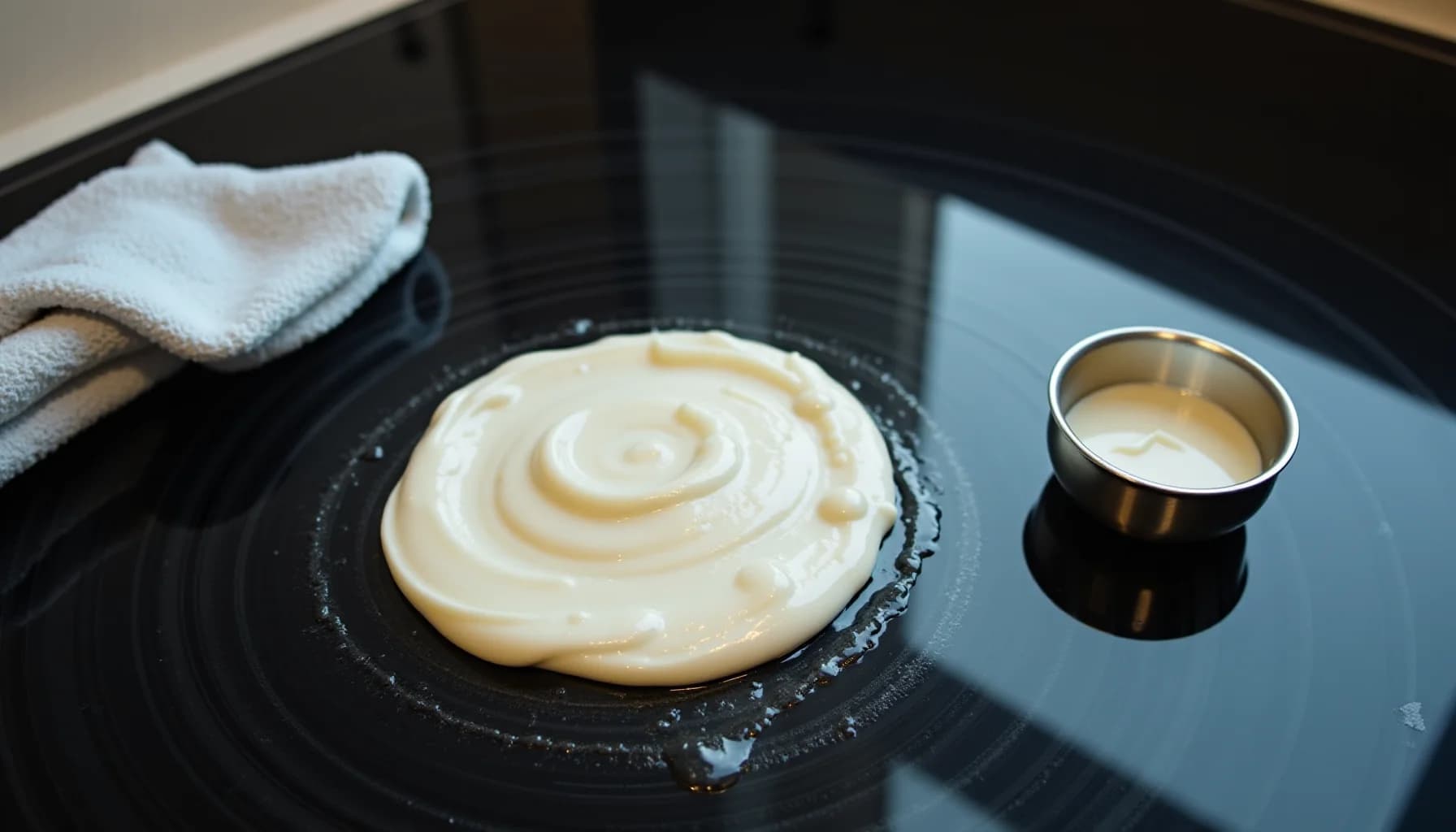
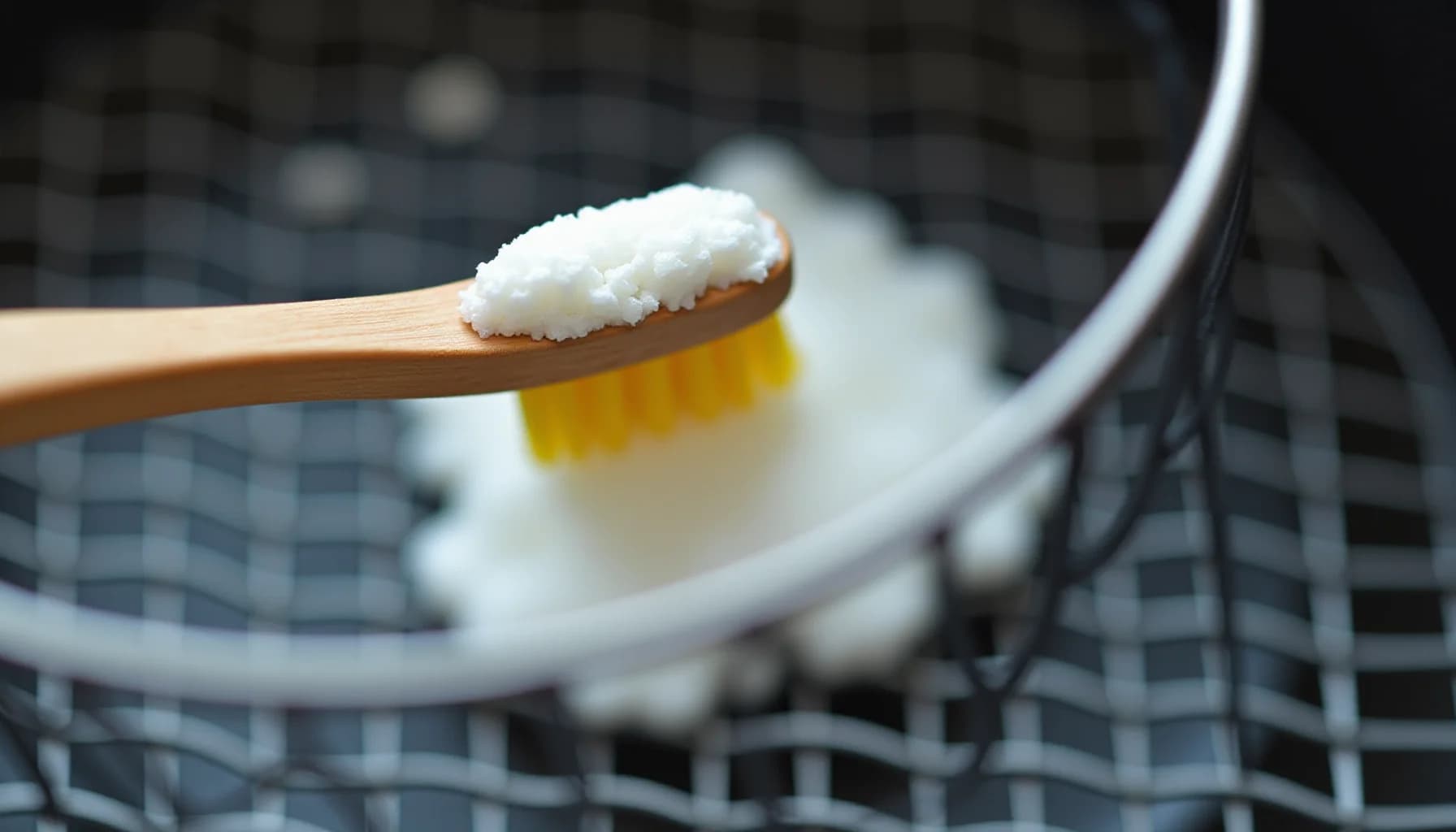
Baking soda and warm soapy water handle almost every electric stove top mess without scratching the surface or damaging electrical components. Make a paste from half a cup of baking soda and three to four tablespoons of water, apply it to stuck-on grease, and let it sit for 15 minutes before scrubbing gently with a soft cloth. Never use steel wool or abrasive pads, they strip the protective enamel and leave scratches that collect rust. Skip ammonia and bleach entirely. For glass-top surfaces specifically, check manufacturer guidelines before reaching for vinegar, since acidic cleaners can damage glass-ceramic finishes on some models.
Is it safe to start cleaning a hot electric stove top?
No, you should not attempt to clean an electric stove top while it is still hot. Cleaning a hot surface puts you at immediate risk of burns, and the heat can also damage or melt the cleaning materials you are using, such as microfiber cloths, plastic scrapers, or spray bottles whose contents vaporize too fast to be effective.
The correct sequence starts with turning every burner to the off position and confirming the stove is completely cool to the touch before you bring any cloth, sponge, or cleaning solution near it. Beyond turning it off, unplug the stove from the wall outlet entirely before cleaning. This step matters because water and cleaning solutions can find their way into electrical components if you are not careful, and an unplugged appliance removes that shock risk entirely.
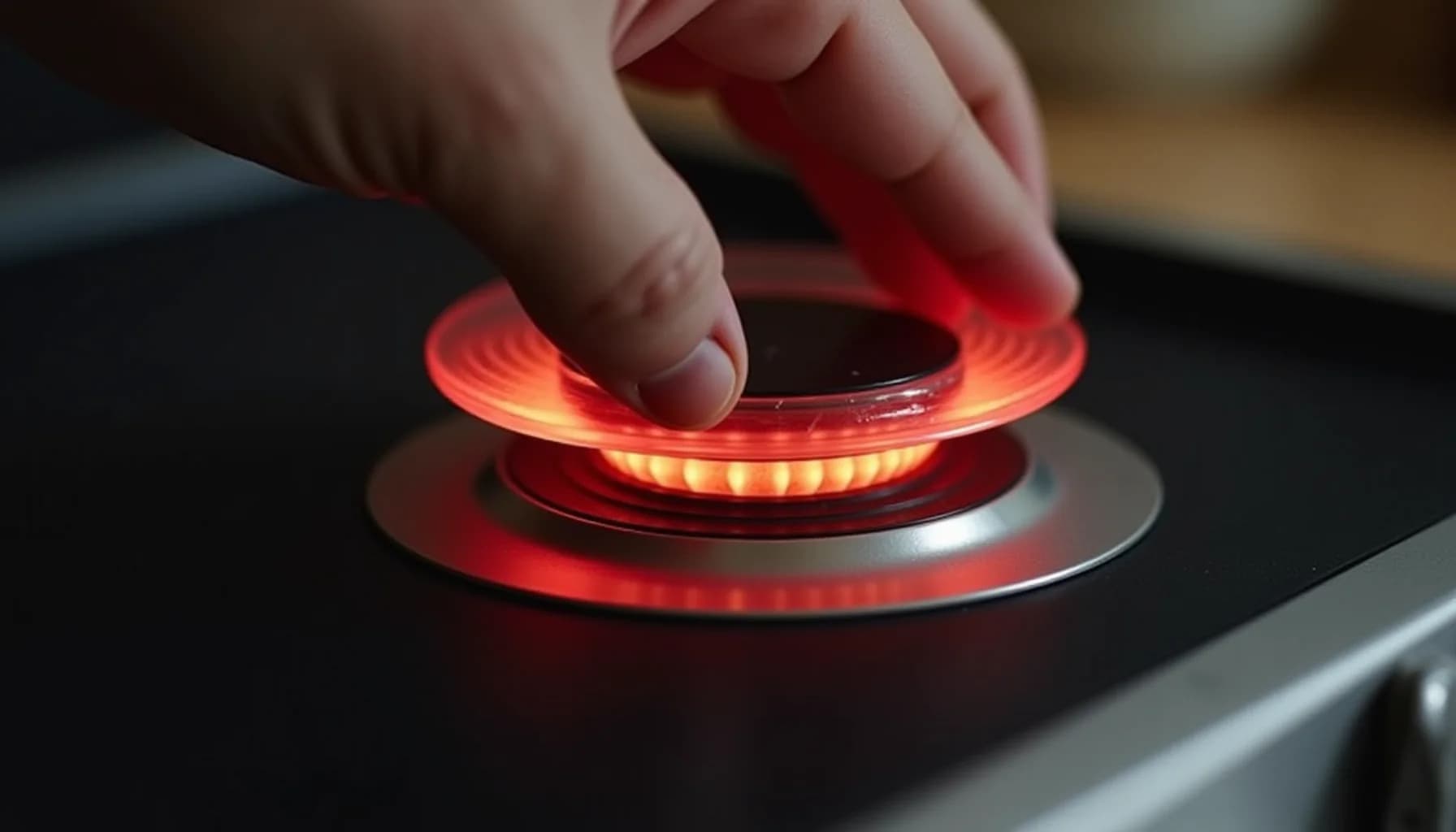
How long should you wait? There is no fixed timer, but a glass-ceramic surface that was running at a high setting can stay dangerously hot for 20 to 30 minutes after the burner is switched off. The indicator light on most modern glass-top stoves will tell you the surface is still hot, so wait until that light goes out, then give it a few extra minutes before touching the surface with your hand or a cloth.
For coil-burner stoves, the coils themselves and the metal drip pans underneath retain heat longer than they appear to, so apply the same patience before handling them. Once everything is genuinely cool and the unit is unplugged, you are ready to move on to the actual cleaning.
When should you deep clean versus just wipe down your electric stove top?
Turn off, unplug, and let the stove cool completely
Switch every burner off and unplug the stove from the wall before you touch any surface. Cleaning a hot or live stove risks burns and electrical damage, so wait until the cooktop is fully cool to the touch.
Wipe away loose debris with warm, soapy water
Dampen a soft cloth or sponge with warm water and a small amount of dish soap, then wipe the entire surface. Use as little water as possible near coil burners and connections to stop moisture from seeping into electrical components.
Apply a baking soda paste to stubborn, burnt-on spots
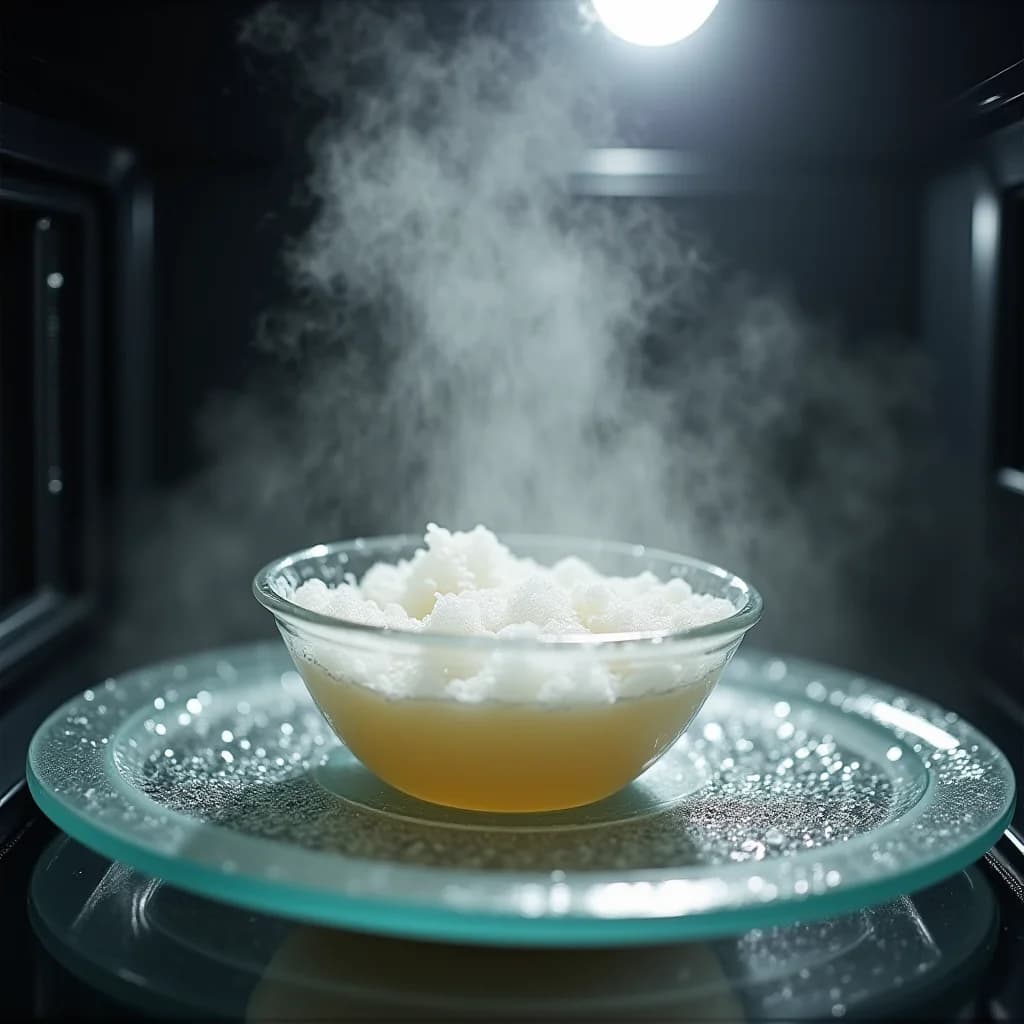
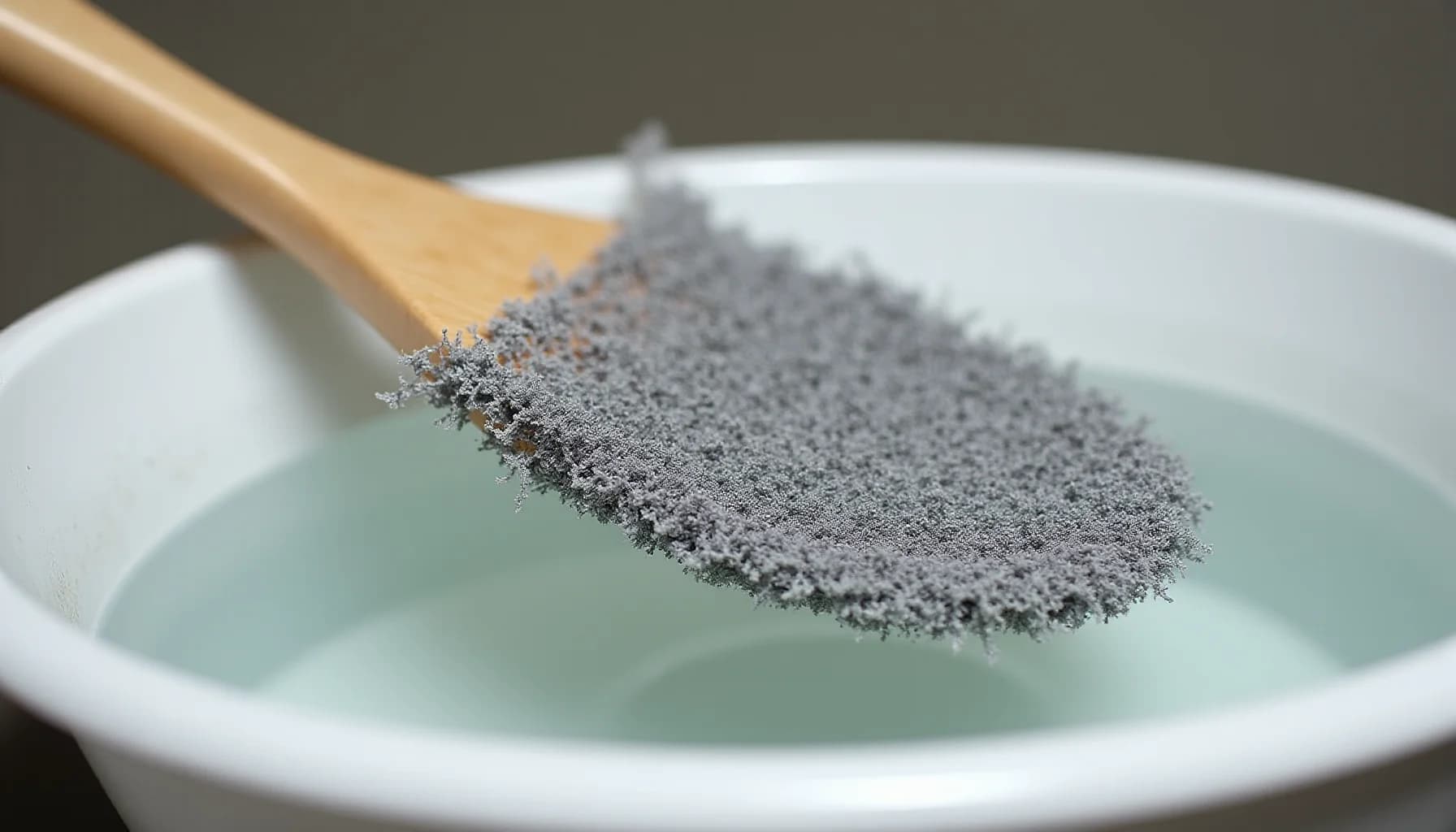
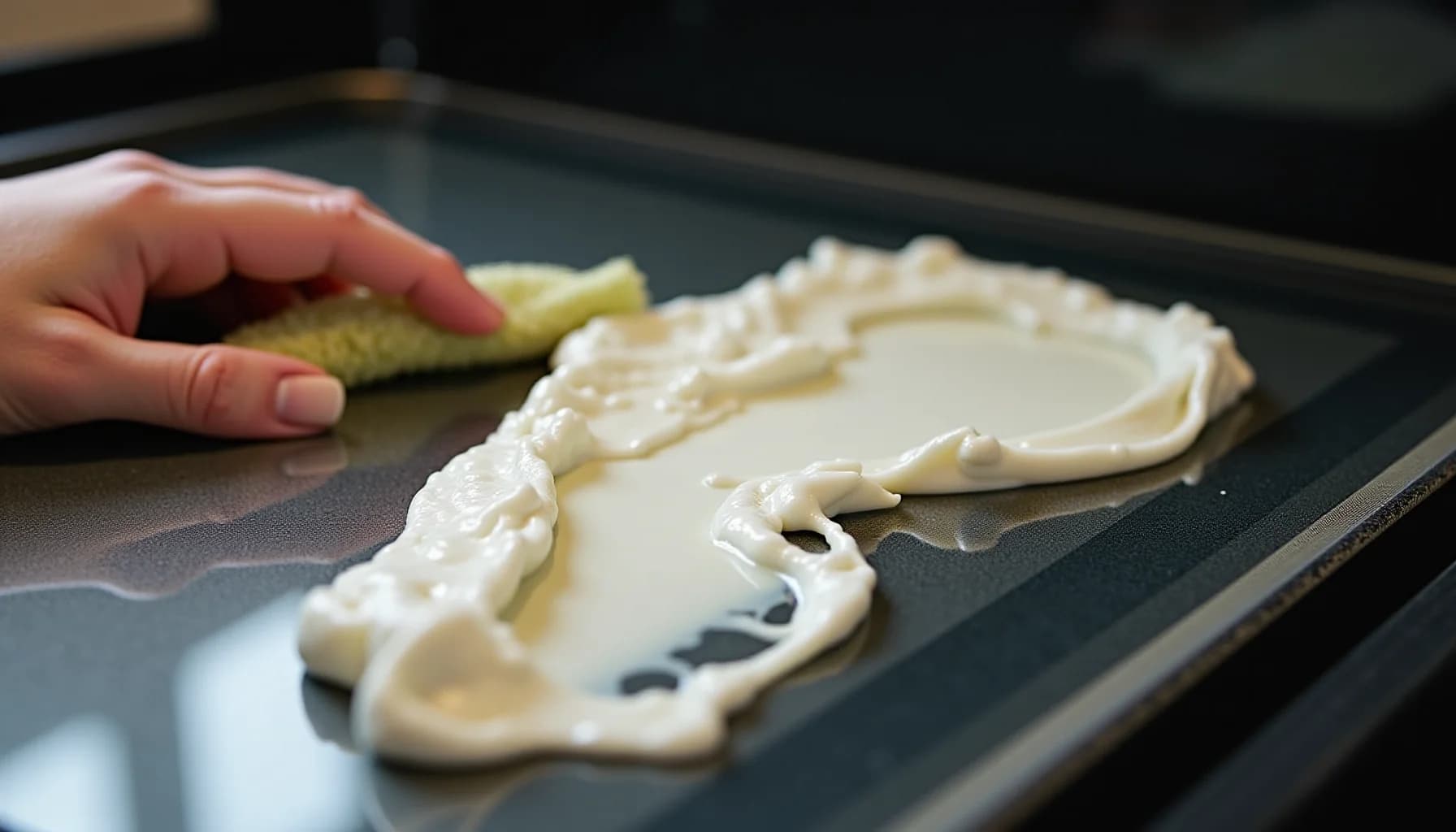
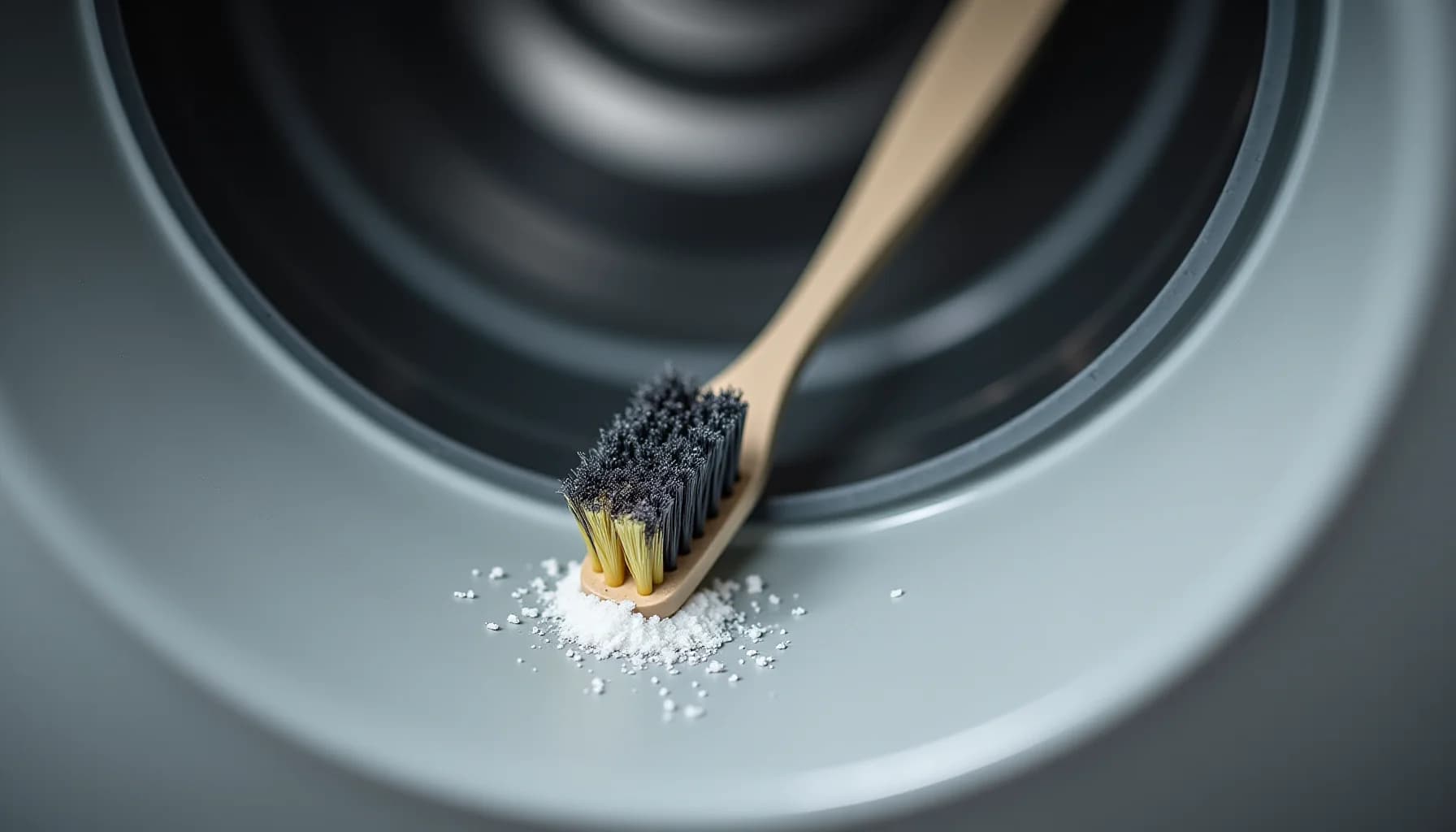
Mix half a cup of baking soda with 3 to 4 tablespoons of water to form a paste, spread it over greasy or stuck-on areas, and let it sit for 15 minutes. For extra lifting power, spray the surface with white distilled vinegar first, then lay a hot, wrung-out towel over the baking soda and wait 5 to 10 minutes before scrubbing gently with a non-abrasive cloth.
Rinse all residue away and dry the surface
Wipe the entire cooktop with a clean, damp cloth until no cleaning solution remains, because leftover residue will burn and smoke the next time you cook. Finish with a dry, lint-free cloth to remove any moisture, paying close attention to the areas around coil burners and drip pan edges.
What cleaning method works best for your type of electric stove top
Before you start
- Turn off all burners and confirm the stove is completely cool before touching any surface
- Unplug the stove from the wall outlet to eliminate any electrical hazard
- Gather your supplies: baking soda, distilled white vinegar, dish soap, warm water, a soft cloth or sponge, and a lint-free towel
- Clear the stovetop of all pots, pans, and drip pans so every surface is fully accessible
Glass-top and coil-burner stoves share a name but little else in terms of cleaning approach. Treating them the same way is one of the fastest routes to a damaged surface.
Glass-ceramic cooktops need a gentle, controlled routine. After cooking, once the surface has cooled enough to touch safely but is still faintly warm, use a cooktop scraper held at a 45-degree angle to lift any stuck-on food or burnt residue. Keep the blade flat against the glass throughout. For general cleaning, mix equal parts distilled white vinegar and water, spray it on, and wipe with a microfiber cloth. For heavier build-up, make a paste from half a cup of baking soda and three to four tablespoons of water, spread it over the affected area, and leave it for 15 minutes before scrubbing gently with a soft cloth. Rinse thoroughly afterward so no residue remains to burn on the next use. Because glass-ceramic surfaces can react poorly to acid, check your manufacturer's guide before reaching for vinegar regularly.
Coil-burner stoves allow more access but come with their own considerations. Wipe the burners lightly with warm, soapy water, keeping the cloth damp rather than wet so moisture cannot seep toward the connections. If residue is baked on, turn the burners to high until any remaining food burns off completely. Expect some smoke; open a window or run the exhaust fan. Once the burners cool, remove them and wipe away debris with a dry, lint-free cloth.
Drip pans sit beneath the coils and collect grease steadily. Remove them, then soak in hot soapy water. For pans with heavy, caked-on grease, seal them in a zip-top plastic bag with a small amount of ammonia and leave them overnight. Rinse thoroughly with clean water the following morning and dry with a lint-free cloth before replacing them. Note that ammonia is suitable for this sealed, offline soak only and should never contact the cooktop surface itself.
What cleaning tools and products should you use on an electric stove top?
The tools you reach for matter as much as the cleaning solution itself. Start with what works safely: a soft microfiber cloth, a non-scratch sponge, a plastic scraper, and either a baking soda paste (half a cup of baking soda mixed with three to four tablespoons of water) or plain distilled white vinegar diluted 50:50 with water. Both are non-toxic, affordable, and gentle enough to clean effectively without leaving marks.
Steel wool and abrasive scrubbing pads are where most permanent damage happens. Vigorous scrubbing with highly abrasive material strips the protective enamel from coil-burner surfaces, leaving dark scratches and exposing the metal underneath to rust. On glass-ceramic tops, those scratches are there for good. There is no repair, only replacement.
Scrapers are useful on glass tops for lifting hardened residue, but only when held at a 45-degree angle, flat against the surface, and moved with light, controlled strokes. Tilt the blade wrong, or press too hard, and you leave a permanent gouge.
Ammonia and bleach are off-limits for all electric stove tops. Ammonia causes pitting on cooking surfaces, and bleach can corrode and discolor finishes. Oven cleaners carry the same risk. If you are unsure which products are safe for your specific surface, check which cleaners are safe for each appliance surface before applying anything.
One caution on vinegar: some glass-ceramic manufacturers advise against acidic cleaners. Check your owner's manual before using it.
If the surface is cracked, deeply pitted, or shows signs of electrical damage, stop cleaning and call a qualified appliance technician. Those conditions are beyond any household remedy.
Frequently asked questions
Do I need to unplug my electric stove before cleaning it?
Can I use vinegar to clean a glass electric stove top?
What is the safest way to remove burnt-on grease from an electric stove top?
Is it okay to use steel wool or abrasive pads on an electric stove top?
What cookware habits prevent scratches and surface damage?
Your cookware choices and how you handle pots and pans have a direct effect on whether your glass-ceramic surface stays smooth or accumulates scratches that cannot be buffed out. The single most important habit to build is lifting cookware completely off the surface before moving it. Dragging even a smooth-bottomed stainless steel pan across glass leaves zig-zag marks, and doing it repeatedly with heavier pieces, like cast iron, compounds the damage fast. Cast iron also carries another risk: dropping or setting it down too aggressively can crack the glass outright, so set it down gently every time.
Check the bottom of your pans before each use. Residue baked onto a pan's base acts like sandpaper against the cooktop, and coarse particles like salt or dried herbs trapped between the pan and the surface do the same. A quick wipe of the pan's bottom before cooking takes seconds and prevents the kind of scratching that builds up invisibly over weeks.
After cooking, always wipe away every trace of cleaning solution with a clean, damp cloth. Residue left on the surface, whether from vinegar, baking soda paste, or a commercial cleaner, will burn and bond the next time you turn the burner on, creating the very stuck-on mess you were trying to avoid. Rinsing thoroughly is not optional; it closes the loop on every cleaning session.
How this article was made
Researched and written with AI assistance. What gets published is a human editorial decision. Grounded in 8 cited sources.
Edited by Claire Mercier, Editor. The guides are written with AI assistance.
Sources (8)
- How to Clean Different Types of Stovetops | KitchenAid
- How to Clean a Glass Electric Stovetop in 5 Steps | Whirlpool
- Pro Tips on How to Clean an Electric Stove Top | Albert Lee | Seattle, Tacoma, Bellevue
- How to Clean a Stove Top
- How to clean a gas stove top to make it look spotless
- How to clean an electric stovetop – and the 4 mistakes cleaning pros say to avoid
- Cleaning Electric Stove Top: Effective and Expert Guide
- How to Clean Electric Stove Top Like a Pro? – The Giro Company