Deep Clean a Dishwasher the Right Way, and Keep It That Way
Part of Appliance Cleaning · article 5 of 13
On this page
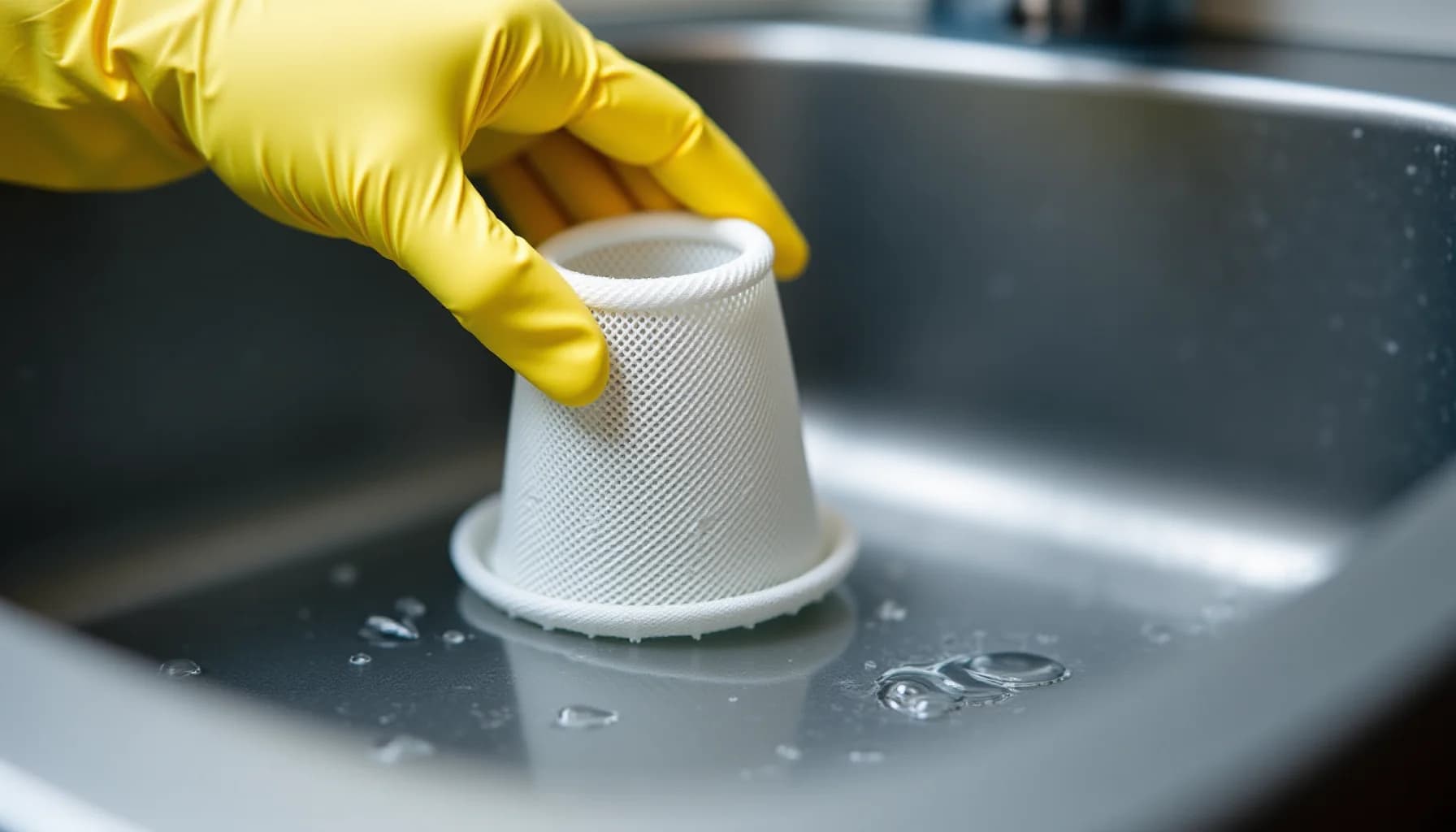
Pull out the bottom rack, lift out the filter, and rinse it under warm water to clear food debris. That single step, done monthly, prevents the buildup most responsible for foul odors and recirculating grime onto clean dishes.
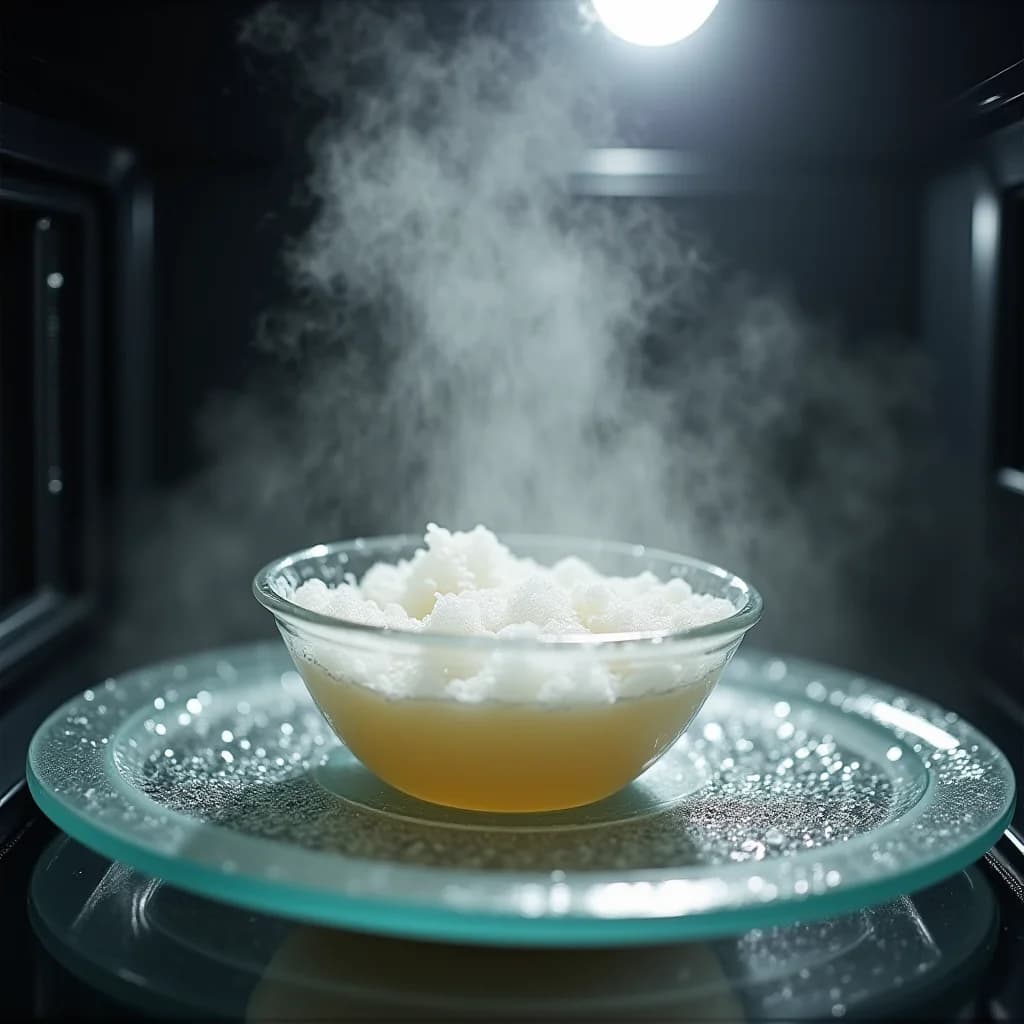
For the tub itself, place two cups of white vinegar in a lidless, dishwasher-safe container on the lower rack and run a hot cycle. Once it finishes, sprinkle one cup of baking soda across the bottom and run a second hot cycle. Keep them separate: combining them cancels out most of the cleaning power. Never pour vinegar into the rinse aid compartment, as the acidity can degrade the compartment's gasket and internal pump seals. Given that some cleaners cause damage that varies by material and surface, check your owner's manual before using vinegar, and limit it to occasional use only. Commercial tablets such as Affresh or Finish are a reliable alternative, particularly for hard-water households that need descaling every few weeks.
Why doesn't a dishwasher clean itself?
The name "dishwasher" creates a reasonable assumption: a machine that runs hot water and detergent through its interior every single cycle must be keeping itself clean in the process. It isn't. The same food particles, grease, and soap scum it strips from your plates have to go somewhere, and much of it settles onto the interior walls, pools around the drain, and clogs the filter sitting at the bottom of the tub.
Here is the core problem. The spray arms push water around at force, but that water is carrying dissolved debris along with it. Over repeated cycles, grease coats the tub walls, mineral deposits from hard water accumulate on the heating element and interior surfaces, and food fragments collect in the filter and drain area. Once that filter is partially blocked, water cannot circulate properly, the machine works harder than it should, and residue from one cycle ends up back on your dishes in the next.
The drainage pipe compounds things further. Partial blockages leave standing water in the tub after a cycle ends. That stagnant water is exactly the condition that produces the sour, musty smell many homeowners notice when they open the door. That odor is not cosmetic; it reflects bacterial growth encouraged by the warm, damp environment.
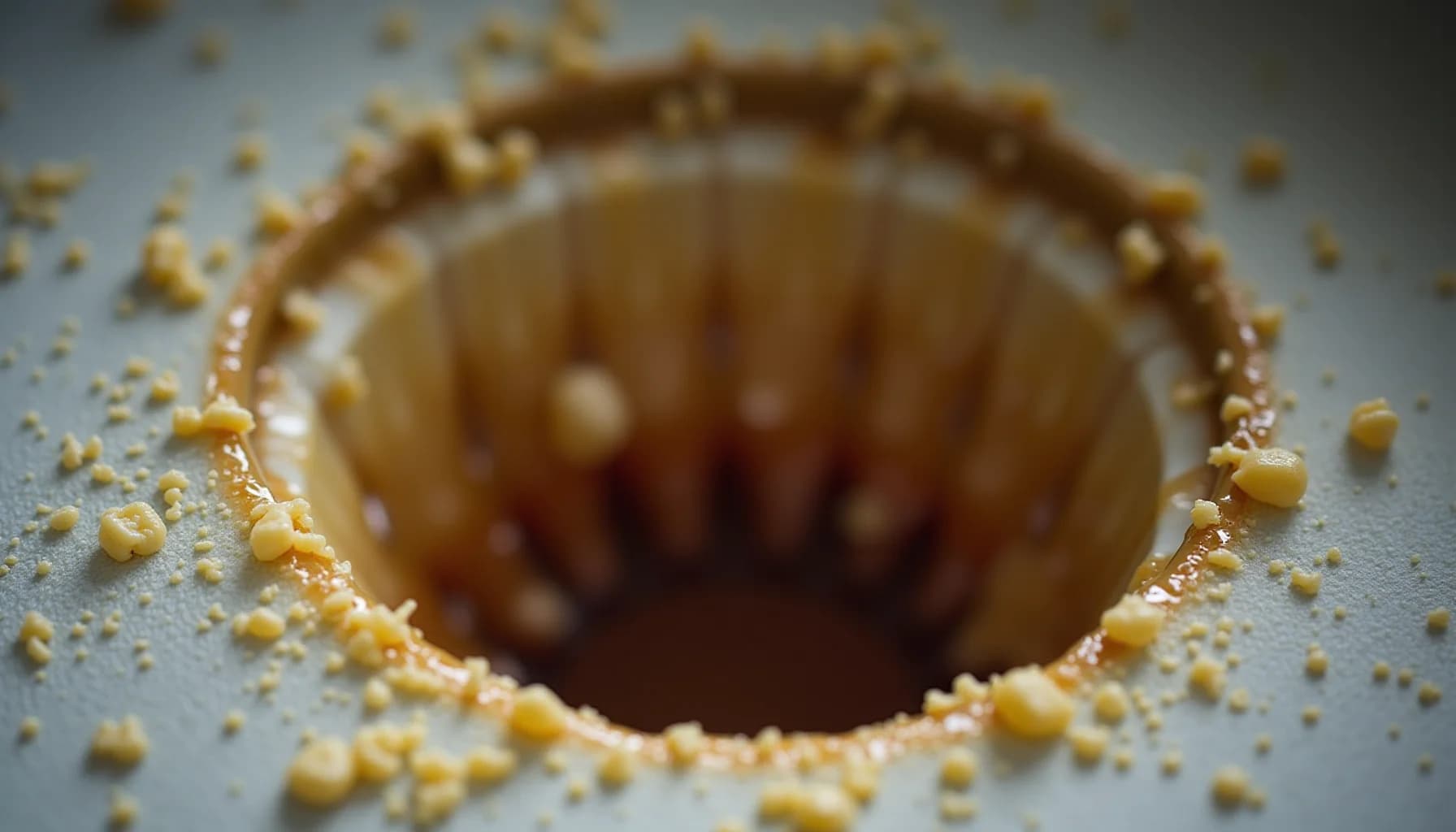
Neglecting this maintenance has real costs beyond bad smells. Limescale and grease buildup strain the pump and heating element, which shortens the appliance's working life. A machine laboring against clogged components also consumes more water and energy per cycle, which shows up on your utility bills. A monthly deep clean is not extra effort; it is what keeps the machine doing the job it was purchased to do.
How often should you deep clean your dishwasher?
Remove and rinse the filter
Pull out the bottom rack, locate the filter at the base of the tub, and lift it out. Rinse it under warm running water to clear food particles and debris, and repeat this step at least once a month.
Clear visible debris from the tub
Check the bottom of the dishwasher for leftover food scraps and remove them by hand before running any cleaning cycle. This stops debris from recirculating and reduces buildup between deep cleans.
Inspect the drain and spray arms
Check the drain area for blockages that could leave standing water in the tub, and look over the spray arm holes for any clogged openings. Clear any obstructions so water can circulate properly during the cleaning cycles ahead.
Run a hot vinegar cycle
Pour 2 cups of white vinegar into a lidless, dishwasher-safe container and place it on the lower rack of an otherwise empty dishwasher. Run a full hot-water cycle to loosen grease, soap scum, and mineral deposits.
Follow up with a baking soda cycle
Once the vinegar cycle is fully complete, sprinkle 1 cup of baking soda across the bottom of the tub and run a second hot-water cycle. Keeping these two steps separate is critical: mixing vinegar and baking soda directly cancels out much of their cleaning power.
Keep vinegar away from the rinse aid compartment
Never pour vinegar into the rinse aid dispenser, as the acidity can degrade the compartment gasket and internal pump seals over time. Only place vinegar in a bowl or container inside the tub, and only for occasional deep cleans, not routine use.
Consider a commercial dishwasher cleaner as an alternative
Tablets such as Affresh or Finish are formulated to break down limescale and mineral buildup and can be run on a normal cycle, with or without dishes. For most households, using one every 1 to 3 months is sufficient, scaling up to every 2 to 3 weeks if you have hard water or run heavy daily loads.
Check your dishwasher manual before using vinegar
Experts disagree on whether vinegar is safe for all seal and gasket materials: it may be fine for silicone or certain synthetic rubbers, but could break down other seal types over time. Consult your specific model's manual to confirm vinegar is appropriate before making it part of your routine.
Set a regular cleaning schedule to protect the appliance
Aim for a deep clean once a month for most households, and increase frequency if you have hard water or a large household. Consistent cleaning prevents premature component failure, reduces energy and water use, and ensures dishes come out hygienically clean.
How do you clean the filter, drain, and spray arms before running a cleaning cycle?
Before you run any cleaning cycle, whether you're using vinegar, baking soda, or a commercial tablet, spend five minutes clearing out the components that accumulate the most grime. Skipping this step means your cleaning cycle is working against a layer of debris rather than treating the dishwasher's interior surfaces directly.
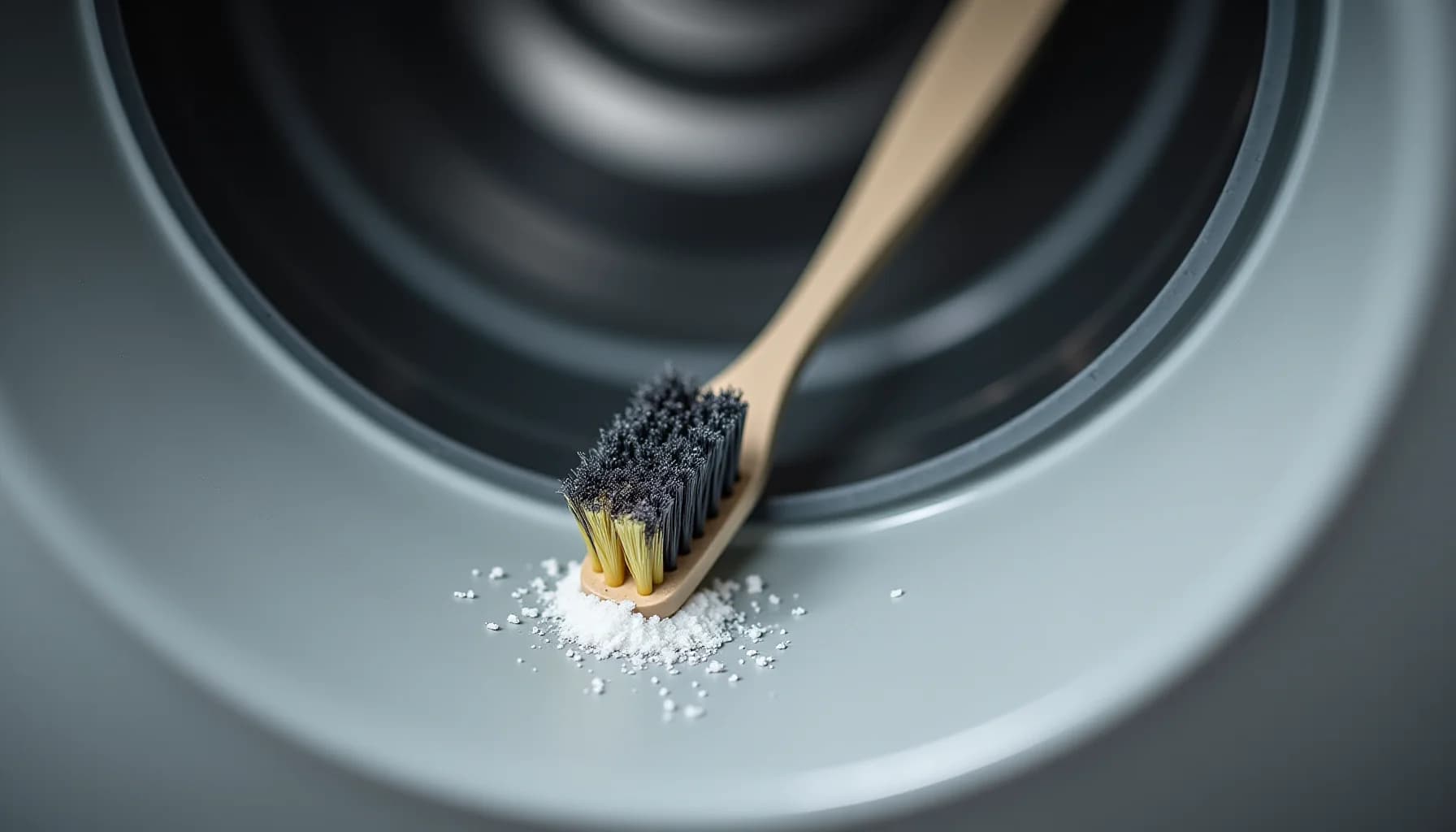
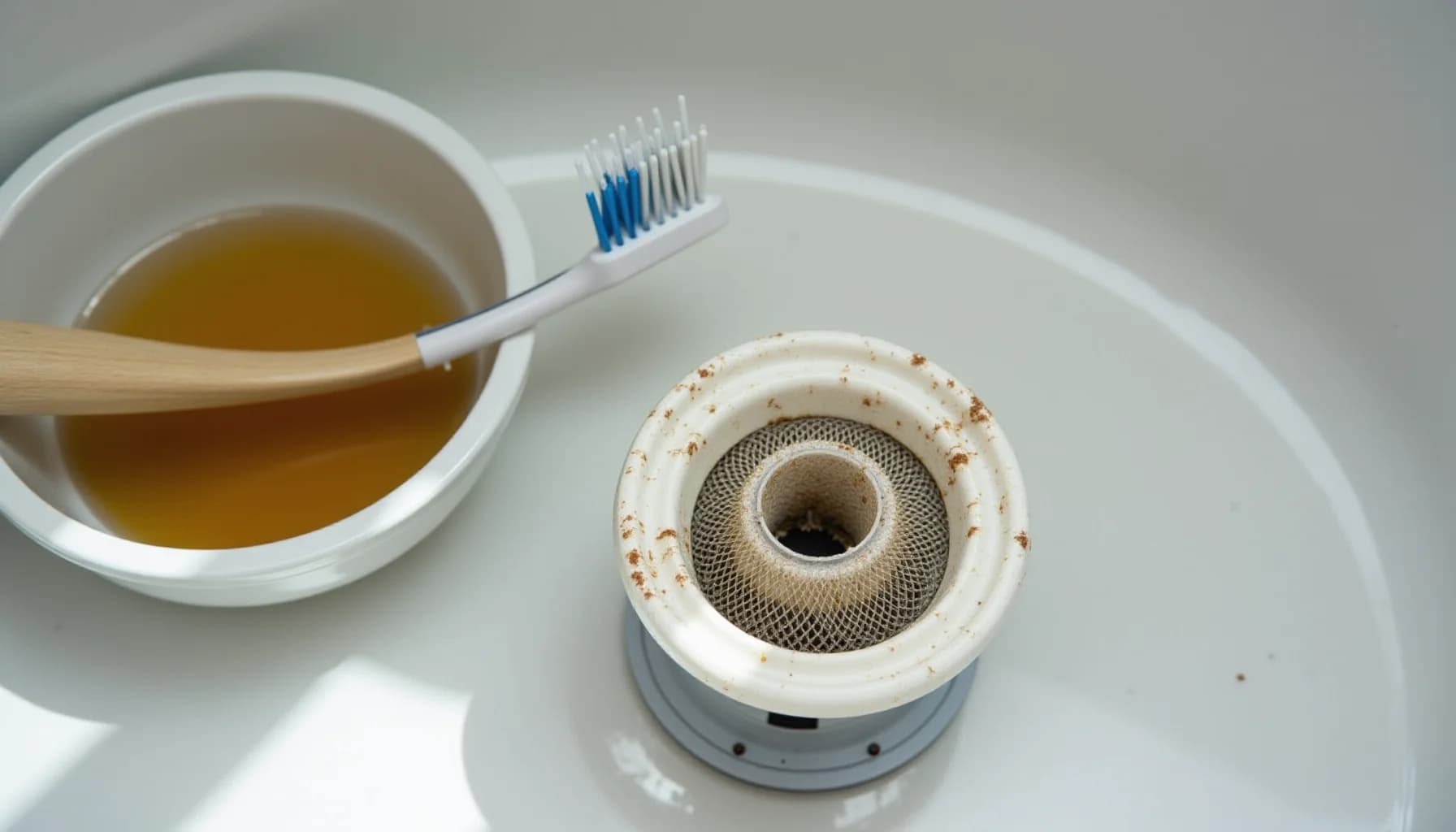
Start with the filter. Pull out the bottom rack and locate the cylindrical filter assembly at the floor of the tub, typically near the back or center. Most filters twist out counterclockwise and separate into a coarse mesh screen and a fine inner filter. Rinse both pieces under warm running water and use a soft brush, an old toothbrush works well, to scrub away any trapped food particles or greasy film. You should be doing this at least once a month. If you can see visible buildup or the filter feels slimy, it has already started affecting wash performance.
Next, check the drain at the bottom of the tub. Remove any loose food debris by hand or with a paper towel. Look for anything that could restrict water flow: broken glass chips, labels from jars, or compacted food. A partially blocked drain is a common cause of standing water and bad odors after a cycle finishes.
Then turn your attention to the spray arms. These are the rotating plastic arms with small holes that jet water across your dishes. Lift them off their mounting points, most unclip or unscrew with minimal effort, and hold them under the faucet. Use a toothpick or thin skewer to clear any clogged holes. Mineral deposits and food fragments block these openings gradually, reducing water pressure and leaving dishes poorly rinsed.
Reassemble everything firmly before loading a cleaning cycle. Loose components can shift during the wash and create noise or reduce cleaning effectiveness.
Can you use vinegar and baking soda together to deep clean your dishwasher?
You can use both, but the key is keeping them apart. Combining vinegar and baking soda in the same step causes them to neutralize each other, producing a fizzy reaction that looks impressive but loses most of its cleaning power before it reaches any grime. Running them in separate cycles is what actually gets results.
Start with the vinegar cycle. Pour two cups of white vinegar into a lidless, dishwasher-safe container and place it on the lower rack of a completely empty dishwasher. Run a full hot water cycle. The vinegar works on mineral deposits, grease, and soap scum coating the interior walls and spray arms. Once that cycle finishes, leave the dishwasher door closed for a few minutes before opening it.
Next comes the baking soda cycle. Sprinkle one cup of baking soda across the bottom of the dishwasher tub and run a second hot water cycle. Baking soda tackles lingering odors and provides a mild abrasive action that lifts residue the vinegar cycle loosened but didn't fully remove. Together across two cycles, the two ingredients address different problems without canceling each other out.
One more step that pairs well with this method: before running either cycle, pull out the bottom rack and clean the filter. The filter sits at the bottom of the tub and traps food particles; a clogged filter undermines the whole cleaning process. Rinse it under warm water, scrub off any debris, and replace it before you start.
A quick placement note: pour the vinegar directly into a container placed in the tub, never into the rinse aid compartment. Adding vinegar to that compartment can degrade the compartment's gasket over time, which creates an entirely different maintenance problem.
When should you use commercial dishwasher cleaner tablets instead of DIY methods?
Commercial dishwasher cleaner tablets, such as Affresh or Finish, are worth reaching for in a few specific situations where the baking soda and vinegar method falls short or simply isn't practical.
The clearest case is hard water. If your home has hard water, limescale accumulates faster than occasional vinegar cycles can address, and dedicated cleaner tablets are formulated specifically to break down mineral deposits at a chemistry level that DIY methods may not match. In that situation, bump your cleaning frequency to every two to three weeks rather than monthly.
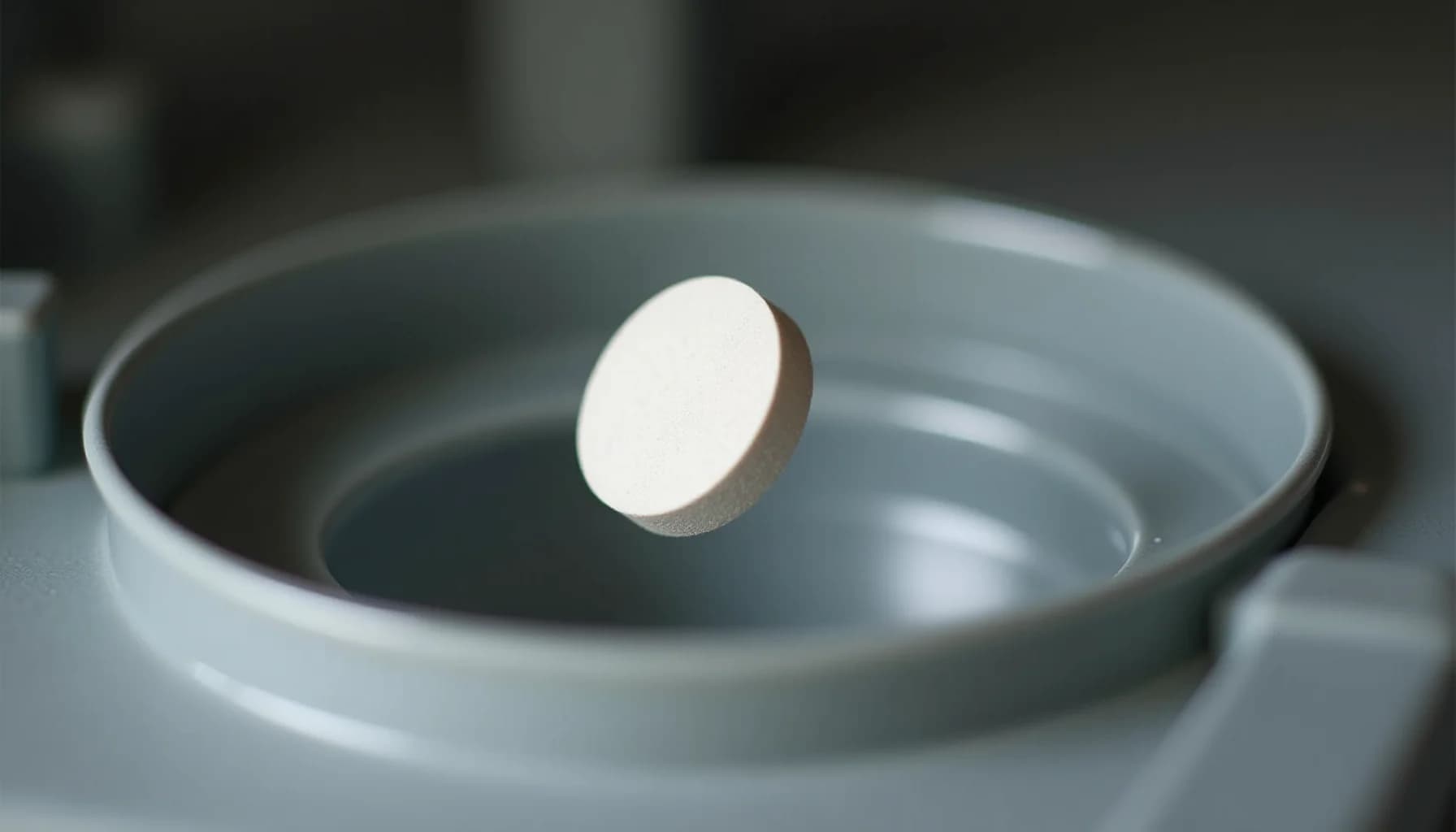
Tablets also make sense when you want a lower-effort maintenance routine. Unlike the two-cycle vinegar-then-baking-soda process, a commercial tablet drops into the detergent dispenser or sits in the bottom rack and runs on a normal cycle. Some products, like Affresh, can even be run alongside a load of dirty dishes, though you should verify that on the packaging for your specific brand and check that it's compatible with your dishwasher model before you start.
For most households with normal water conditions and moderate use, once a month is enough. Light users can stretch that to every three months without meaningful performance loss. If you're running the dishwasher daily with large family loads, every two to three weeks is more appropriate.
One thing tablets cannot replace is physical cleaning. No commercial cleaner substitutes for pulling the filter out, rinsing it under warm water, and removing any debris caught in the drain. Tablets address chemical buildup; hands-on cleaning handles the rest. Treat the two as complementary rather than interchangeable parts of the same job.
| Household Situation | Recommended Method | What to Avoid |
|---|---|---|
| Hard water or heavy mineral buildup | Commercial cleaner (e.g., Affresh, Finish) every 2–3 weeks | Relying on vinegar alone; it may not fully dissolve heavy limescale |
| Light use, soft water | Commercial tablet once every 3 months | Overusing tablets unnecessarily; monthly DIY vinegar cycle suffices |
| Damaged or aging rubber seals | Commercial tablet only | Vinegar; acidity may accelerate seal breakdown over time |
| Vinegar incompatible per manual | Commercial citric-acid-based tablet | Placing vinegar anywhere in the machine, including rinse aid compartment |
| Dishes needed same day (can't run empty cycle) | Commercial tablet on a normal loaded cycle | DIY vinegar method, which requires running the dishwasher empty |
Is vinegar safe for dishwasher seals and gaskets?
The honest answer is that it depends on what your dishwasher's seals and gaskets are actually made of. Vinegar is acidic enough to break down certain rubber compounds over time, and the concern is real, not just manufacturer overcaution. Professional builders specifically flag the rinse aid compartment as a no-go zone: the gasket there is particularly vulnerable, and even occasional vinegar exposure can degrade it, leading to leaks or compartment failure.
That said, the picture is more nuanced than a blanket warning suggests. Vinegar is generally considered safe for seals made from silicone, polypropylene, fluorocarbon, virgin Teflon, and butyl synthetic rubber. Where it becomes problematic is with older or lower-quality natural rubber components, which are more susceptible to acid breakdown with repeated exposure. The trouble is that most homeowners have no idea which materials their specific dishwasher uses, and manufacturers don't always publish that detail in accessible terms.
This is why placement and frequency both matter. Placing an open bowl or container of vinegar on the top rack for a single cycle keeps the acid diluted by the full wash water volume, which is considerably less aggressive than pouring it directly onto a gasket or into a compartment where it sits concentrated. Running this occasionally, not as a routine weekly habit, limits cumulative exposure.
Before using vinegar in any form, check your dishwasher's user manual. Some manufacturers explicitly approve it; others warn against it. That document is the most reliable source for your specific model, and the guidance does vary. If your manual is unavailable, the Which Cleaners Are Safe for Each Appliance Surface guide covers material-compatibility principles worth reviewing before you commit to a cleaning method.
What neglecting deep cleaning costs your dishwasher and utility bills
Grime and limescale don't just look unpleasant inside a dishwasher; they actively work against the machine's core components. Mineral deposits from hard water accumulate on the spray arms, narrowing or fully blocking the small jets that distribute water during a cycle. When those jets are restricted, water pressure drops and dishes come out with food still stuck to them. At that point, many homeowners run a second cycle, which compounds the water and energy waste rather than solving the underlying problem.
The mechanical stakes are serious. Buildup of grime and limescale puts extra strain on the pump and heating element, both of which are expensive to replace. Premature pump failure is the most common consequence of long-term cleaning neglect, and a pump replacement typically costs more than the cleaning supplies needed for years of monthly maintenance. A clogged drain line is the other critical failure point: standing water left in the tub after a blocked drain creates conditions for bacterial growth and persistent odor, and the moisture accelerates corrosion of internal parts.
On your utility bills, a dirty or inefficient dishwasher consumes more water and energy per cycle than a clean one operating as designed. That cost is invisible month to month but measurable over a year of neglected cleaning.
If you notice standing water in the tub after a completed cycle, a persistent sulfur or sewage smell that cleaning does not resolve, or the pump making grinding noises, stop running the machine and call a licensed appliance technician. Those are signs of mechanical damage, not a cleaning problem.
Frequently asked questions
How often should I deep clean my dishwasher?
Can I mix vinegar and baking soda together to clean my dishwasher?
Is vinegar safe to use in a dishwasher?
Do dishwashers clean themselves?
Simple habits that slow buildup between deep cleans
The single most effective habit costs you about thirty seconds per load: scrape plates thoroughly before loading them. Food particles that enter the tub either clog the filter or recirculate onto your "clean" dishes, so keeping them out in the first place dramatically reduces how much work your monthly deep clean has to do.
After each cycle finishes, pull out the bottom rack and quickly remove any visible debris sitting at the bottom of the tub. It takes a moment, but it stops residue from drying into the interior surfaces and becoming far harder to shift later.
Once a month, remove the filter, rinse it under warm running water, and clear out any trapped food or grease. This one step alone goes a long way toward preventing the drainage blockages that leave standing water in the tub and cause the stale odors that most homeowners notice first.
If you live in a hard water area, keep an eye on the spray arms for white mineral deposits forming around the holes. Clearing those regularly keeps water pressure consistent and prevents the kind of mineral buildup that strains internal components over time.
Finally, leave the dishwasher door cracked open after a cycle whenever practical. Allowing moisture to escape reduces the damp, enclosed conditions that encourage bacterial growth between uses, so your next load starts in a genuinely clean machine rather than one that has been sitting sealed and wet.
How this article was made
Researched and written with AI assistance. What gets published is a human editorial decision. Grounded in 8 cited sources.
Edited by Claire Mercier, Editor. The guides are written with AI assistance.
Sources (8)
- Safe, Effective, Non-toxic Cleaning Recipes
- 5+ Effective Ways to Clean Fruit with Baking Soda and Vinegar
- How to Deep Clean a Dishwasher | Maytag
- How To Deep Clean Your Dishwasher (Easy Step-by-Step)
- How to Clean a Dishwasher | Whirlpool
- How To Deep Clean Your Dishwasher Naturally
- The Ultimate Guide to a Clean Dishwasher - Cafe Appliances
- How to deep clean a dishwasher — with top tips from a cleaning expert