How to Clean a Microwave with Vinegar (Without Wrecking It)
Part of Appliance Cleaning · article 10 of 13
On this page
Vinegar and water will clean your microwave thoroughly, with one condition: check your owner's manual before you start, because Bosch explicitly warns against vinegar while Whirlpool and Samsung actively recommend it. If your manual gives no guidance either way, the method is straightforward. Mix one tablespoon of white vinegar with one cup of water in a glass bowl (glass is best since plastic can warp or hold odors), microwave it on high for two to five minutes, then leave the door shut for 15 minutes. The steam does the real work. That resting period lets concentrated vinegar vapor soften splatter that would otherwise require hard scrubbing. Wipe everything down with a soft cloth, and most grime lifts without effort. The process also neutralizes burnt food odors, which no amount of dry wiping will accomplish. For broader guidance on which cleaners are safe for each appliance surface, it is worth a quick review before reaching for any household product.
Why does vinegar steam-clean better than plain water?
Pros
- Steam loosens baked-on food splatter so little to no scrubbing is needed
- White vinegar neutralizes burnt and lingering food odors during the same cleaning session
- Costs only pennies per use and requires no specialty microwave cleaning products
- Acidity intensifies as water evaporates during heating, boosting cleaning power on grease and hard water stains
Cons
- At least one major appliance brand explicitly warns vinegar may damage microwave interior surfaces
- Some models with coated waveguide covers specifically prohibit vinegar, so skipping the owner's manual risks voiding warranty coverage
- Vinegar odor can linger beyond 30 minutes if liquid pools under the turntable ring or ventilation is poor
- Vinegar steam alone does not meet food-contact sanitization requirements in commercial settings, so its germ-killing effectiveness has limits
Plain water produces steam, and steam does soften food splatter. But vinegar adds a chemical dimension that water alone cannot provide, and the difference comes down to acidity and what happens to that acidity under heat.
Distilled white vinegar has a pH of around 2.4, making it genuinely acidic rather than just mildly tart. That acidity is what attacks the bonds holding dried food residue, grease, and hard water deposits to the microwave's interior walls. Those substances tend to be alkaline or neutral, and an acid breaks them down at the molecular level rather than just softening them with moisture.
The heating behavior of vinegar sharpens that effect considerably. Acetic acid, the active component in vinegar, boils at 244°F compared to water's 212°F. Because water evaporates first during microwaving, the remaining liquid grows progressively more concentrated. One measurement recorded a 20% increase in acidity after just 45 seconds of heating. By the time the solution has reached a full rolling bubble, the vapor filling the microwave cavity is carrying a higher acid load than the original mixture contained. That concentrated acidic steam is what coats every surface, including corners and the ceiling, in a way that wiping with a damp cloth never could.
The 15-minute rest period after heating matters for the same reason: it gives that acid-laden steam time to penetrate caked-on residue before anyone touches it. Most of the loosening happens during that waiting period, not during the wipe-down.
This is also why the steam method is specifically preferable to applying vinegar directly to surfaces with a spray bottle. Applying the wrong cleaner directly to an appliance surface skips the dilution buffer that the water-and-steam process provides, concentrating acid contact in one spot rather than distributing it evenly as vapor.
Will vinegar void your microwave warranty?
The honest answer is: it depends entirely on which microwave you own, and most people never check.
Whirlpool explicitly recommends adding one tablespoon of vinegar to water for extra cleaning power. Samsung goes further, suggesting you boil a solution of 1/4 cup of vinegar and one cup of water inside the appliance, noting it will loosen splattered food and deodorize the interior. Both companies treat vinegar as a perfectly reasonable household cleaning agent for their machines.
Bosch takes the opposite position. The company states plainly that it does not recommend cleaning microwaves with vinegar, citing potential surface damage. That is not a vague caution buried in fine print. It is direct guidance from the manufacturer.
This matters because warranties generally exclude damage caused by cleaning agents the manufacturer prohibits. If you own a Bosch and run a vinegar steam cycle, and the interior coating degrades, you likely have no warranty recourse. Some Panasonic and Sharp models go further, explicitly prohibiting vinegar on coated waveguide covers, which are the interior panels that direct energy into your food. Damage to those components is not cosmetic.
The practical step most homeowners skip is reading the owner's manual before picking a cleaning method. It takes two minutes and tells you exactly what the manufacturer will and will not stand behind. If you no longer have the paper copy, the model number on the door frame will get you to a PDF on the manufacturer's site.
The case for vinegar is strong, but it is only worth making for brands that support it. For surfaces where acidic cleaners create documented damage risks, the guidance on which cleaners are safe for each appliance surface is worth reviewing before you commit to a method.
How do you clean a microwave with vinegar step by step?
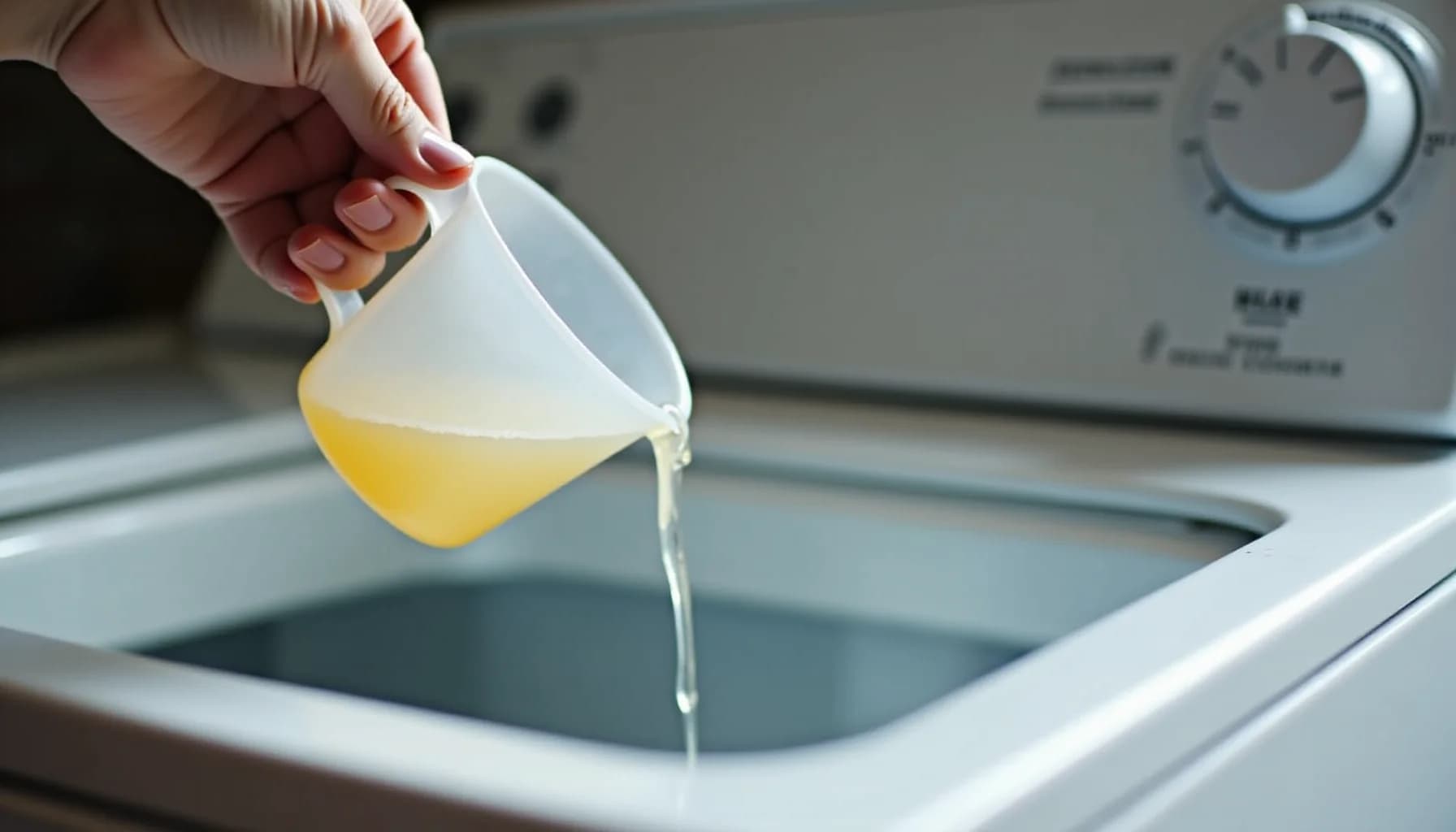
Pour 1 cup of water and 1 tablespoon of white vinegar into a microwave-safe container. A glass measuring cup or a glass bowl is the right tool here: glass doesn't absorb odors the way plastic does, and it won't warp or leach smells back into your microwave during heating. Skip the plastic containers entirely.
Place the container on the turntable, then heat on high for 2 to 5 minutes. You're aiming for a rolling boil that generates a visible cloud of steam inside the cavity. If the interior is heavily soiled, step up to 2 tablespoons of vinegar in 2 cups of water and heat for a full 5 minutes. Never run the microwave empty to generate steam, even for a few seconds. Water must be present throughout the cycle to protect the magnetron.
Once the timer goes off, leave the door closed. This is the step most people skip, and it's where the actual cleaning happens. Keep the door shut for 15 minutes. The trapped steam softens hardened food splatter and grease while the acidity of the vinegar works on the residue. Rushing to wipe immediately wastes most of what the steam accomplished.
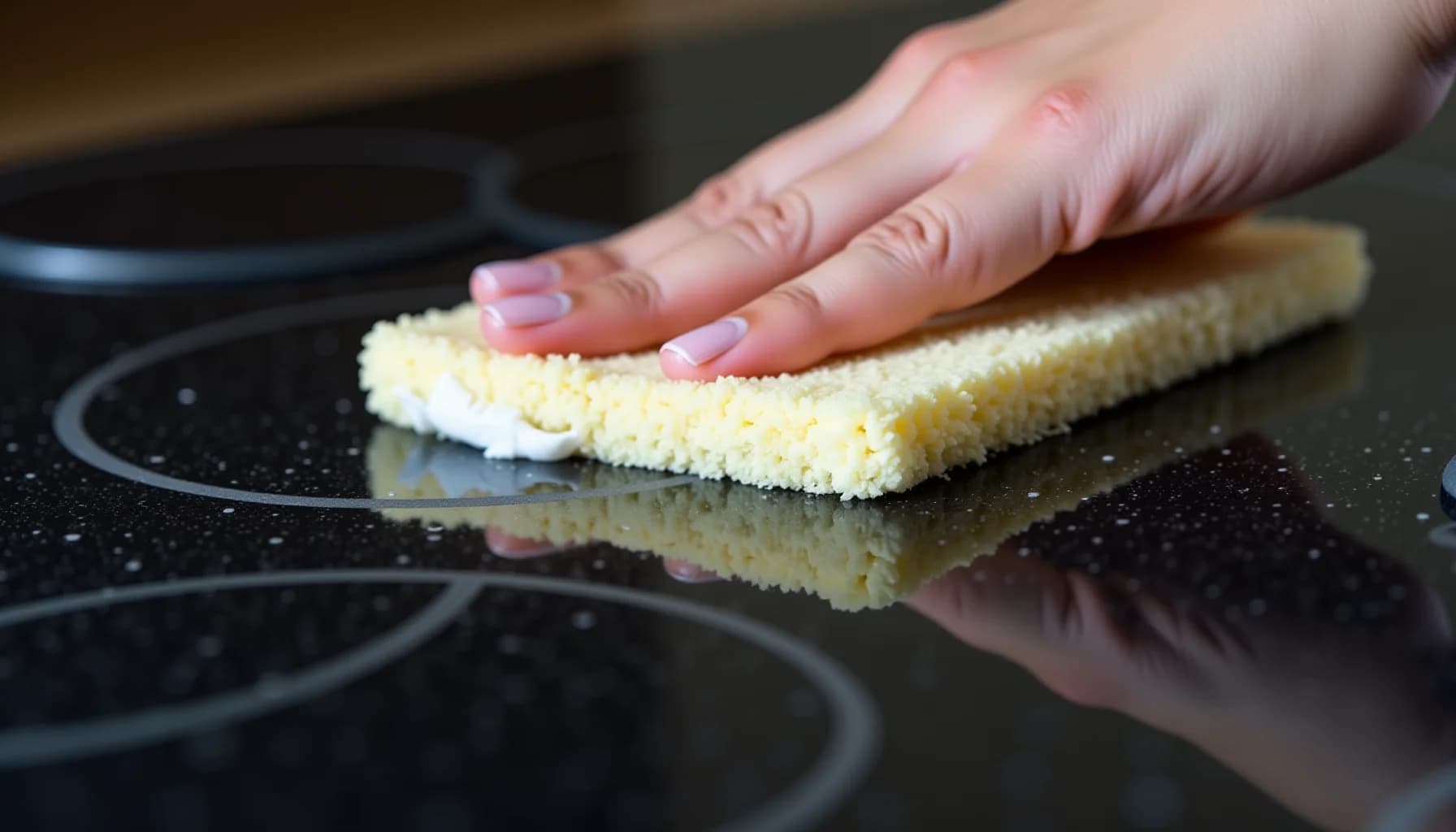
After the wait, open the door and remove the container carefully; the liquid will still be hot. Lift out the turntable plate and set it aside to cool completely before washing it. Rinsing a hot glass plate with cold water risks shattering it. While the plate cools, wipe the interior walls, ceiling, and floor of the microwave with a soft cloth. Most residue will wipe away with minimal pressure. For any spots that resist, a cloth dampened with the cooled vinegar solution from the container handles them without scrubbing.
What safety rules should you follow when cleaning your microwave with vinegar?
What should you do once the steam cycle is done?
Frequently asked questions
Will using vinegar to clean my microwave void the warranty?
Do I apply vinegar directly to the microwave interior or use steam?
How this article was made
Researched and written with AI assistance. What gets published is a human editorial decision. Grounded in 8 cited sources.
Edited by Claire Mercier, Editor. The guides are written with AI assistance.
Sources (8)
- Cleaning the microwave with vinegar | Microwave Maintenance Tips | Bosch Home Appliances
- How to Clean a Microwave: 3 Easy Ways | KitchenAid
- How to Clean a Microwave | Whirlpool
- How to Clean a Microwave (Best Microwave Cleaning Hack Ever!)
- This ‘zero effort’ vinegar hack is a total game-changer for cleaning your microwave
- ways to clean with vinegar
- What are the different ways of cleaning the Microwave Oven?
- Removing Burnt Smell from the Microwave?