How to Clean Butcher Block Countertops Without Wrecking Them
Part of Stone & Countertops · article 13 of 13
On this page
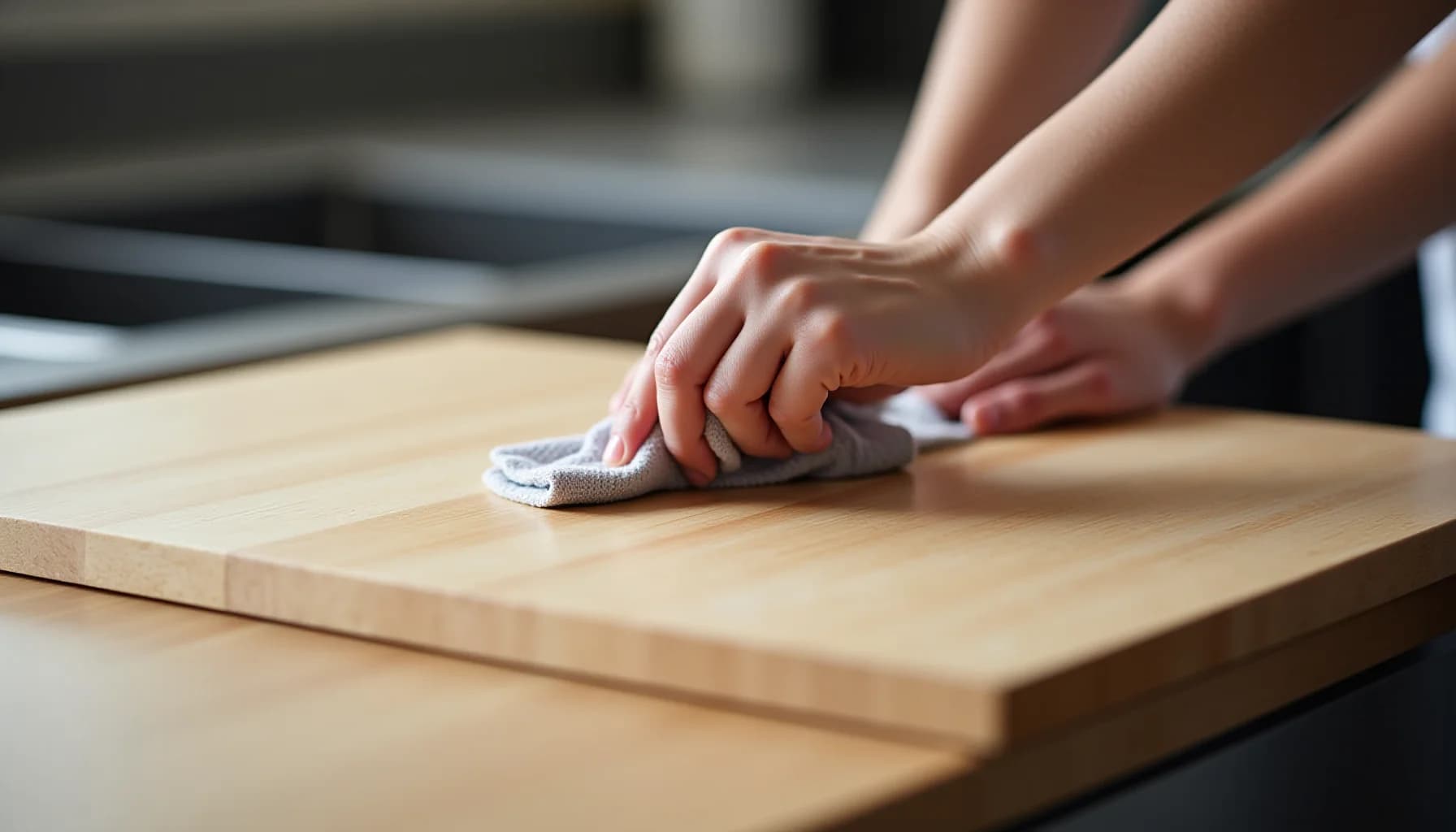
Wipe butcher block down after every use with a damp cloth and warm, soapy water, scrubbing along the grain, then rinse thoroughly and dry completely with a clean towel. That last step matters: standing water is the primary enemy of wood counters, and pooling near the sink will cause black stains and swelling over time. Skip bleach and harsh chemicals entirely; they are unnecessary for daily cleaning and can damage the finish. Dawn works well on grease, but use it sparingly since its degreasing agents strip oil from the wood faster than a gentler soap will.
Does your finish type change how you clean and use butcher block?
Your finish type is arguably the single most important thing to understand about butcher block, because oiled and varnished surfaces have genuinely different rules for both daily use and cleaning.
Oiled butcher block, treated with food-grade mineral oil or a product like Waterlox (a tung oil and resin blend), is the only version you can chop and slice on directly. The oil soaks into the wood rather than forming a surface layer, which means the wood stays exposed and workable, but also more vulnerable. It scores poorly in stain resistance tests, so acidic spills like lemon juice or wine need to be wiped up quickly before they leave a mark. Cleaning is straightforward: warm water, mild dish soap, a cloth or sponge worked along the grain, then dry the surface completely. Avoid leaving it wet.
Varnished butcher block is a different material in practical terms. The varnish creates a sealed topcoat that earns an excellent rating for stain resistance, but that same coating is its weak point. Heat can melt it, and knives will scratch through it. If you have a varnished counter, you need a trivet under hot pots and a separate cutting board for any knife work. Cleaning is still soap and water, but you are protecting a surface layer rather than the wood itself.
The distinction also shapes what you must never do to each type. On an oiled counter, the priority is keeping the wood from drying out. On a varnished counter, the priority is keeping the coating intact. Mixing up the rules for the two is where most maintenance mistakes begin.
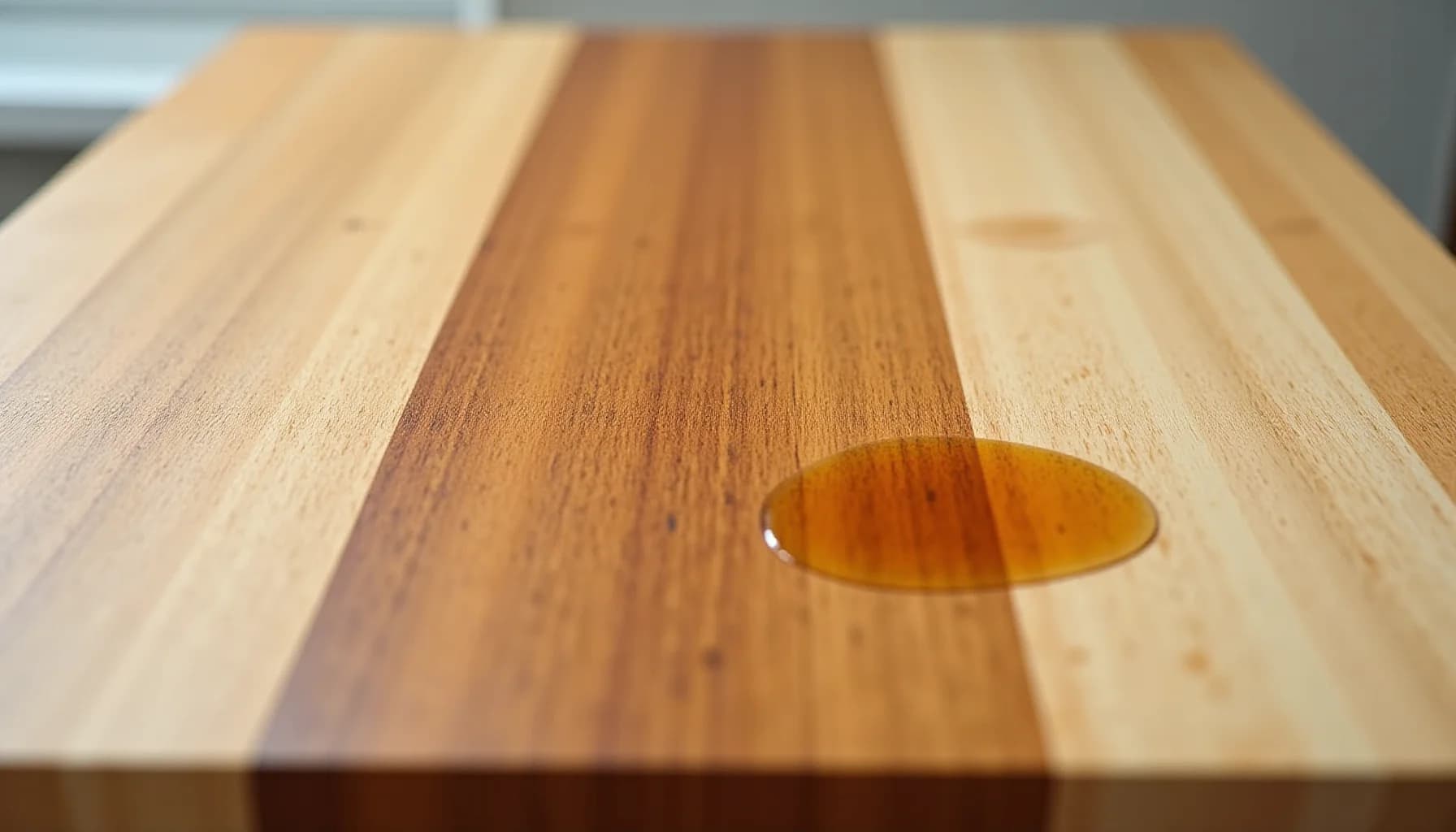
What's the right way to clean butcher block countertops every day?
Identify your finish before you start
Check whether your countertop has an oiled or varnished finish, because cleaning rules, oiling schedules, and heat and cutting restrictions differ significantly between the two. Oiled surfaces can be cut and sliced on directly; varnished surfaces require a cutting board and a trivet.
Wipe down the surface after every use
Scrub along the wood grain with a cloth dampened in warm water and a small amount of mild dish soap, then rinse with clean water to remove all soap residue. Dry the surface completely with a clean towel straight away, since pooling water is the primary cause of swelling, black stains, and warping.
Disinfect and deodorize without harsh chemicals
Spritz the cleaned surface with a solution of 1 part white vinegar to 4 parts water, let it sit for 10 minutes, then wipe it away with a clean, damp cloth. Use this sparingly, as vinegar can damage wood and dissolve glue over time. For a gentler option, rub a lemon quarter and a generous amount of table salt over the area, let the mixture sit for a few minutes, then wipe clean.
Remove stains before they set
On an oiled surface, sprinkle salt on the stain and rub it with a damp sponge. For stubborn stains, sand the spot with fine-grit sandpaper parallel to the grain, then re-oil. On a varnished surface, buff the stain out with light sandpaper or fine steel wool, then re-lacquer if you sanded deep enough to expose bare wood.
Oil or seal the surface on a regular schedule
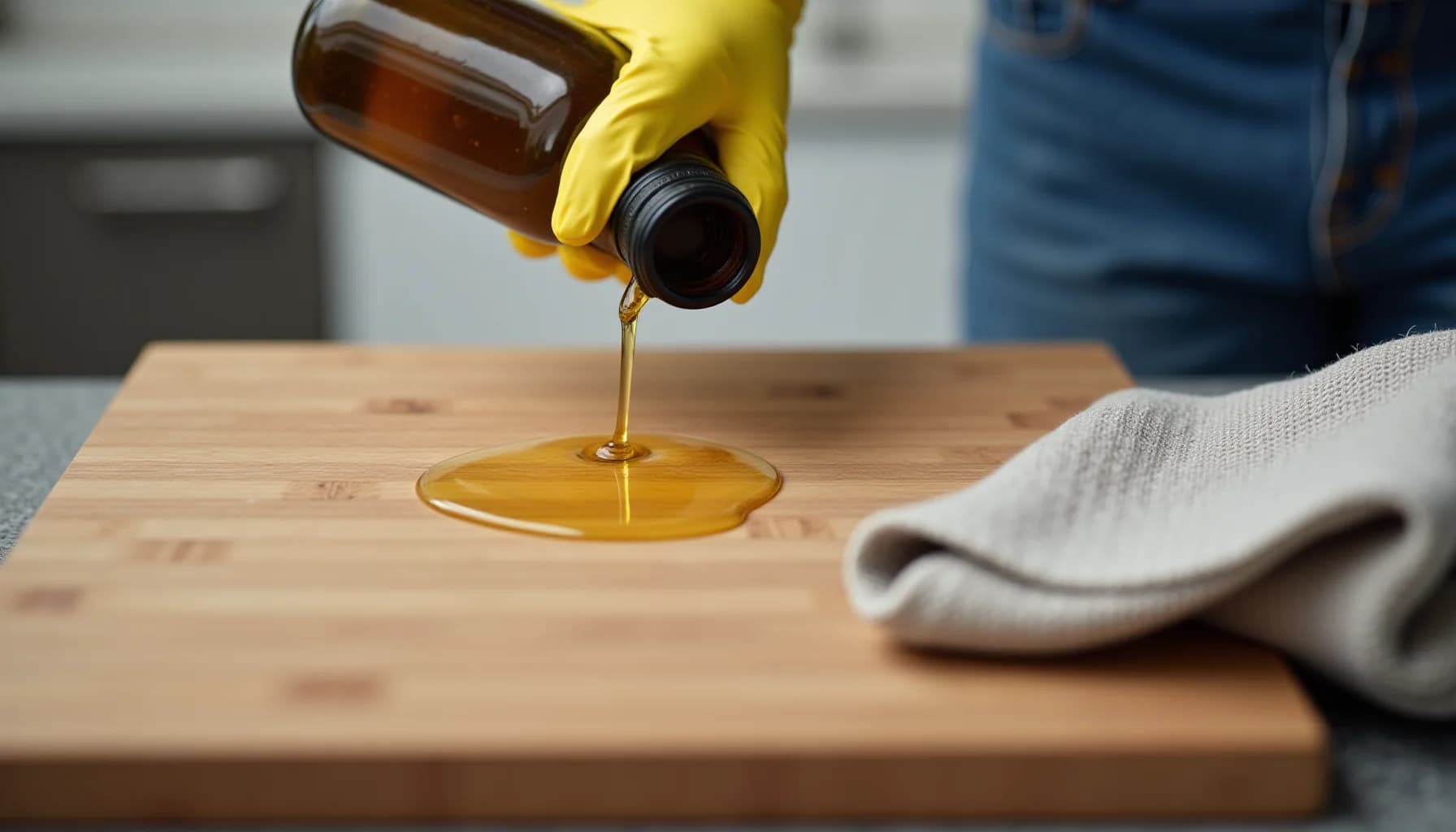
For oiled countertops, apply an even coat of food-grade mineral oil with a cloth, let it penetrate overnight, then wipe off any excess. Oil weekly for the first two months after installation, then once a month for the life of the counter. Never use cooking oil, as it turns rancid and damages the wood.
Sand and refinish when scratches or knife marks build up
Scrub the counter clean, let it dry fully, then sand with progressively finer grits from around 120 up to 220, always moving parallel to the grain. Wipe away all dust and reapply your oil or finish to restore a smooth, protected surface.
How do you disinfect and deodorize butcher block countertops?
Once the surface is clean from your soap-and-water wipe-down, you have three practical options for disinfecting and deodorizing, each with different trade-offs.
The most common approach is a diluted white vinegar spray: mix 1 part white vinegar with 4 parts water, spritz it across the surface, let it sit for 10 minutes, then wipe away with a clean, damp cloth. Vinegar is a natural deodorizer and kills many common bacteria, which makes it genuinely useful here. The catch is that vinegar is acidic enough to damage wood over time, and in some butcher blocks it can begin to dissolve the glue holding the boards together. That 1-to-4 dilution is not a suggestion you can skip, and even at that ratio, it should be used sparingly rather than after every meal.
If you need something stronger, a mild bleach solution works: 1 teaspoon of bleach in 1 quart of water. This is better suited to situations involving raw meat contact or visible contamination than to everyday use. Rinse the surface thoroughly afterward and dry it immediately, since standing moisture is hard on wood regardless of what else is in it.
For routine odor control, the salt-and-lemon method is the gentlest option and arguably the most practical for regular use. Sprinkle a generous amount of table salt over the affected area, then rub it in with a lemon quarter, squeezing juice onto the surface as you work. Let the mixture sit for a few minutes, then wipe clean with a damp cloth. Salt acts as a mild abrasive while absorbing odors, and the lemon juice cuts through surface grime and leaves the wood smelling clean. Because this method contains no acid strong enough to damage wood and no chemicals that affect the finish or glue, it carries none of the risks of vinegar or bleach, making it the go-to for regular deodorizing between deeper disinfection sessions.
How often should you oil and seal butcher block countertops?
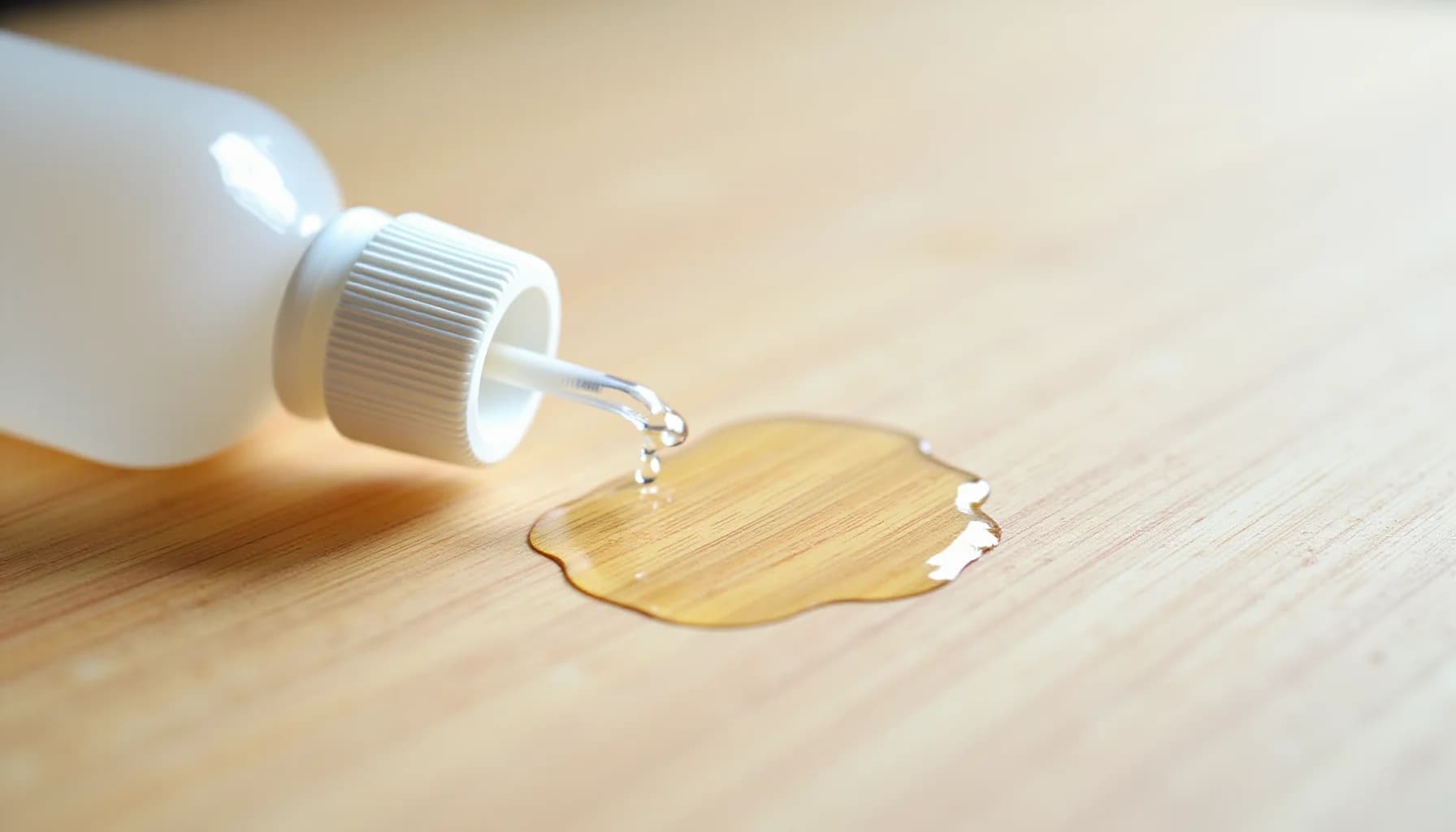
New butcher block needs more conditioning attention in its first few months than it will for the rest of its life. For the first couple of months after installation, oil the surface weekly. This builds up the wood's moisture resistance from the inside out and prevents early warping or cracking. After that initial break-in period, monthly oiling is sufficient for the long term.
The right product matters here. Food-grade mineral oil is the standard choice for oiled butcher block. Apply an even coat using a cloth or paper towel, let it penetrate overnight, then wipe away any excess. Mineral oil is a non-drying oil, meaning it won't polymerize and harden the way tung or linseed oil does. That's a trade-off: it stays liquid and keeps soaking in, but it also evaporates out of the wood more quickly. Tung or linseed oil, by contrast, needs reapplying only once or twice a year once the wood is well-seasoned. Never use cooking oils such as olive or vegetable oil. They turn rancid inside the wood and cause damage that's difficult to reverse.
If you want a more durable sealed finish rather than a straight conditioning routine, Waterlox is worth considering. It's a blend of tung oil and resin that leaves the surface waterproof and food-safe once fully cured. For new or unfinished countertops going through an initial sealing schedule, apply sealer roughly once a month for the full first year to build a solid protective base, then drop to every six months after that.
One note on Dawn dish soap: its grease-cutting formula pulls oil out of the wood faster than a gentler soap does, so if you use it daily, bump up your oiling frequency accordingly to compensate.
How do you remove stains and restore a damaged butcher block countertop?
The approach to stain removal depends entirely on which finish your countertop has, so confirm that before you pick up sandpaper or steel wool.
On an oiled surface, start simple: sprinkle table salt over the stain and rub it with a damp sponge or paper towel. Salt acts as a mild abrasive without tearing the wood fibers. If the stain holds, move to fine-grit sandpaper. Always sand parallel to the grain, never across it. Sanding across the grain tears the fibers and leaves scratches that trap future stains. After sanding, wipe away all dust and reapply food-grade mineral oil to the sanded spot immediately. Bare, unsealed wood absorbs moisture fast.
For a full surface restoration on an oiled counter, scrub it clean, let it dry completely, then work through progressively finer grits starting around 120 and finishing at 220. Wipe all dust, then reapply your oil or finish.
On a varnished surface, light sandpaper or fine steel wool will buff out surface stains. Here is where you need to be careful: the deeper you sand, the more varnish you remove, and a partially stripped varnished top no longer resists moisture evenly. If you sand down far enough to break through the varnish layer entirely, you must re-lacquer the entire surface, not just the repaired patch. Spot-lacquering leaves visible edges and uneven protection.
The threshold for calling a professional is straightforward: if you have black staining, swelling, or soft spots in the wood, that indicates water has wicked into the end grain and caused structural damage. Sanding will not fix this. A countertop professional or finish carpenter needs to assess whether the board can be salvaged or requires replacement.
Frequently asked questions
Can I use bleach to clean my butcher block countertops every day?
How often should I oil my butcher block countertops?
Is it safe to cut directly on a butcher block countertop?
Are butcher block countertops unsanitary and hard to keep clean?
What damages butcher block countertops the most?
Standing water is the single biggest threat to butcher block. Around the sink especially, moisture that pools and sits will wick into the end grain, causing black stains and swelling that go far deeper than anything sandpaper can easily fix. Build the habit of wiping the countertop dry after every task, not just after major spills. Pay particular attention to the area directly beside the sink, and make sure the underside and any sink cutout are properly sealed so water has no easy path in.
Acidic spills need immediate attention on an oiled surface. Lemon juice, vinegar, and wine can all leave marks if they sit. Keep a towel within reach and wipe them up before they have a chance to react with the wood.
Heat is a separate concern that depends on your finish type. An oiled countertop can take hot cookware directly, but on a varnished surface, a hot pan will melt the finish and leave permanent damage. Use a trivet on varnished butcher block every time, without exception.
Mold shows up when moisture is left unmanaged. If you spot it, scrub the affected area with a soft cloth using either a diluted vinegar-and-water solution or a mild bleach solution of 1 part bleach to 10 parts water. Follow up with soapy water, then dry the surface immediately and completely.
How this article was made
Researched and written with AI assistance. What gets published is a human editorial decision. Grounded in 8 cited sources.
Edited by Claire Mercier, Editor. The guides are written with AI assistance.
Sources (8)
- How To Clean Butcher Block Countertops | The Kitchn
- How to Clean Butcher-Block Countertops | HGTV
- How To Clean Butcher Block Surfaces - This Old House
- How We Clean & Maintain Butcher Block Countertops (Easy Steps)
- The complete guide to maintaining butcher block countertops.
- Caring for your butcher block countertop
- How to Stain Butcher Block
- A family sitting at a clean countertops