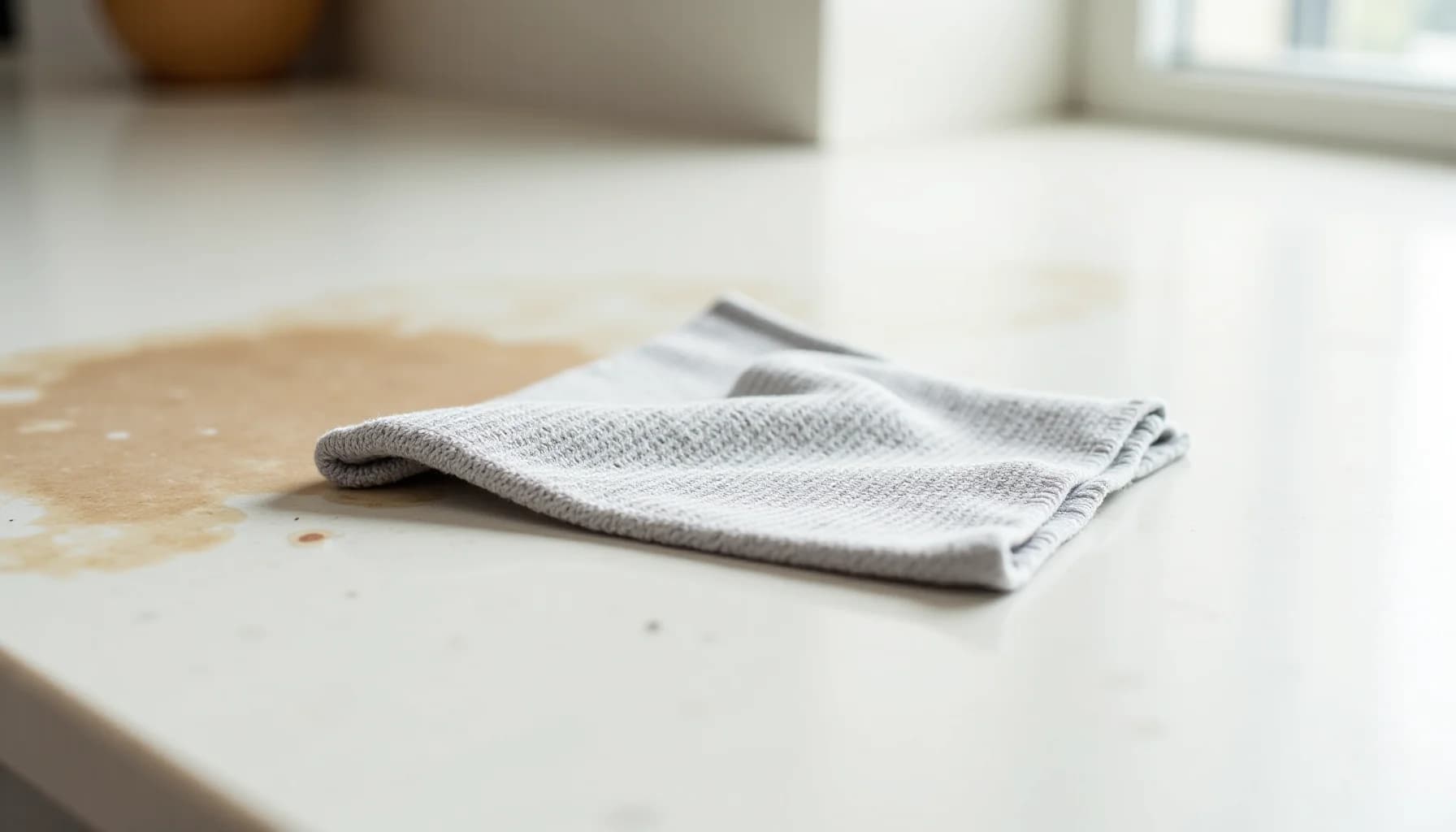
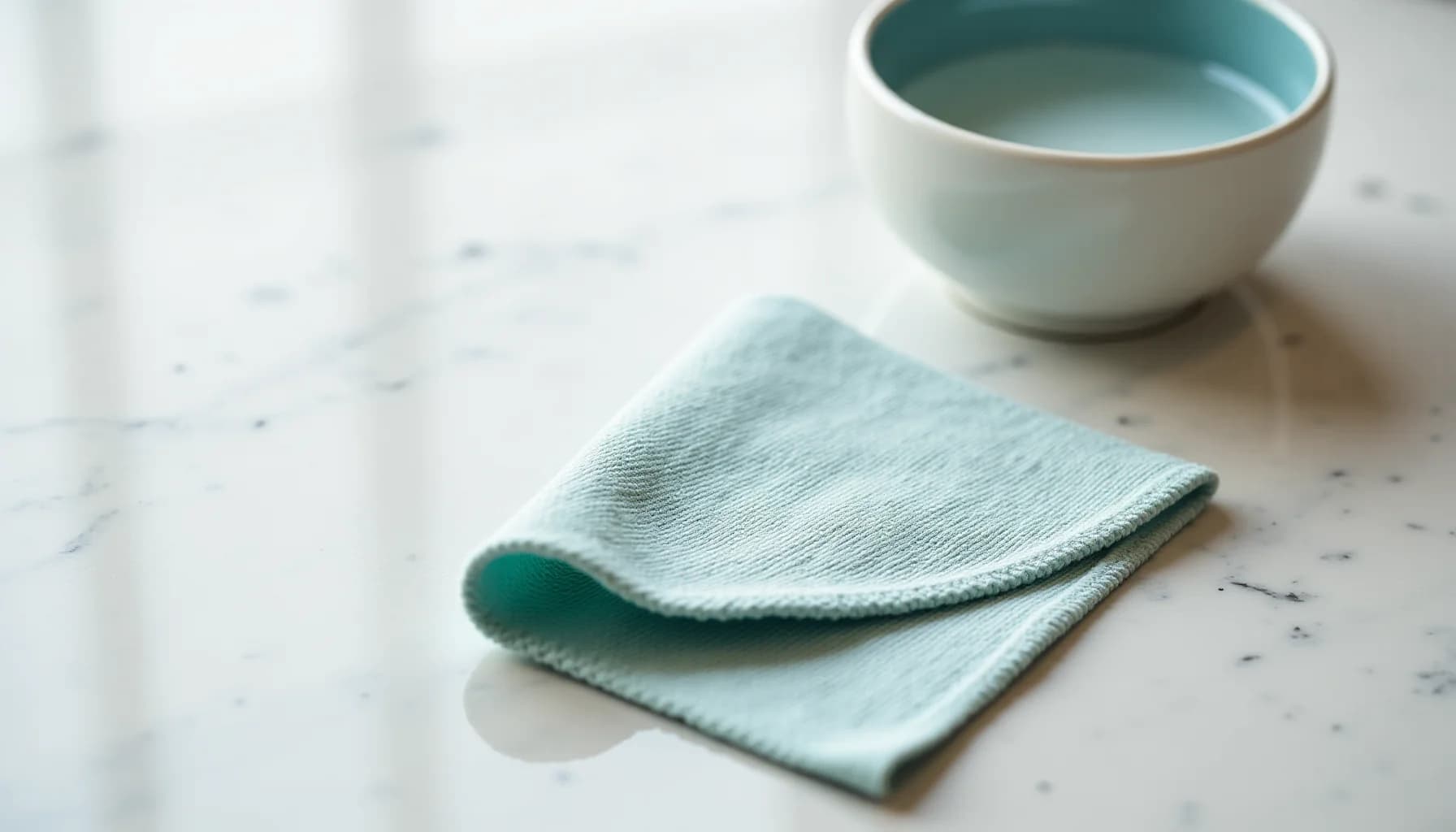
How to Remove Stains from Marble Without Ruining It
Part of Stone & Countertops · article 10 of 13
On this page
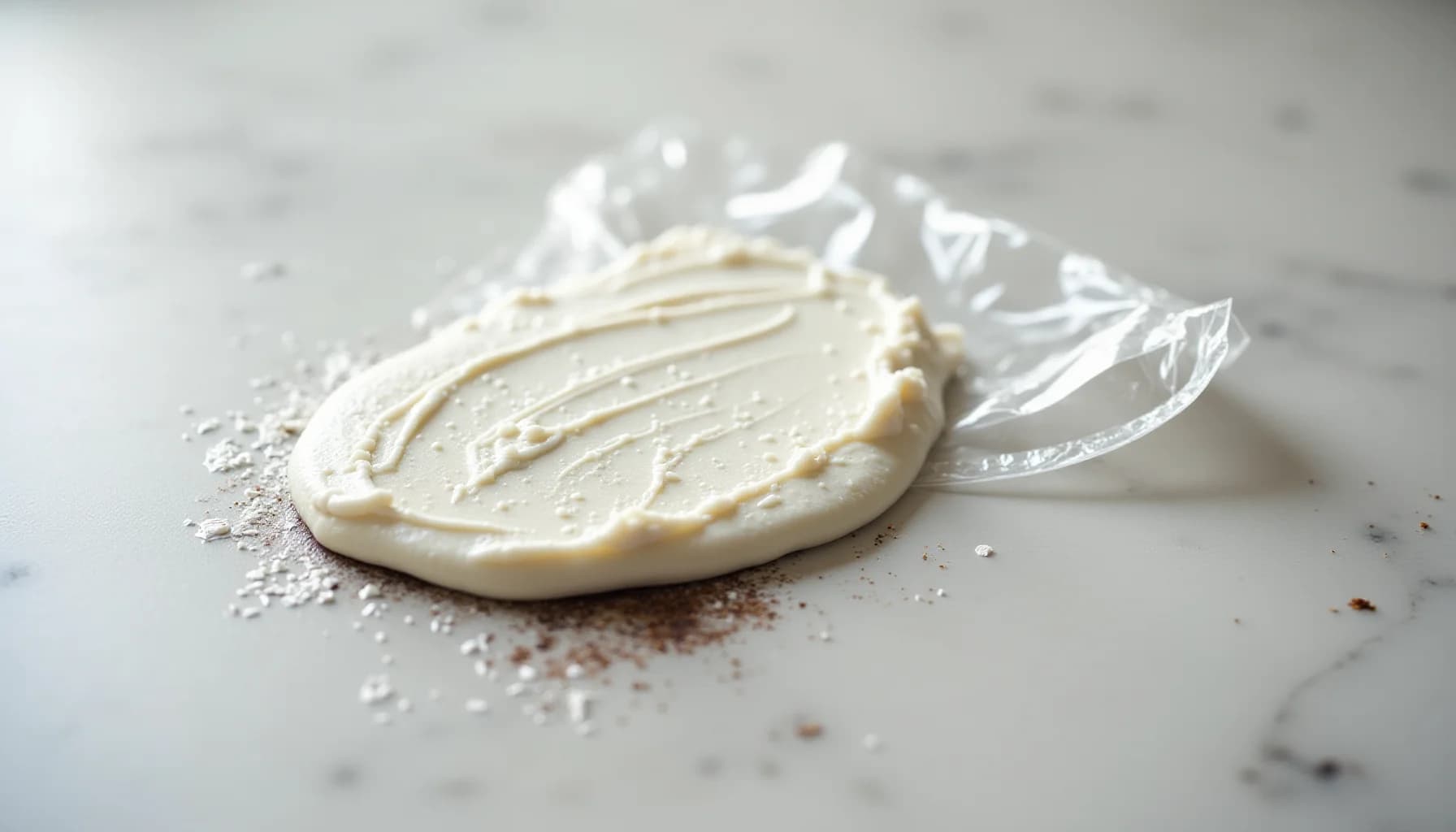
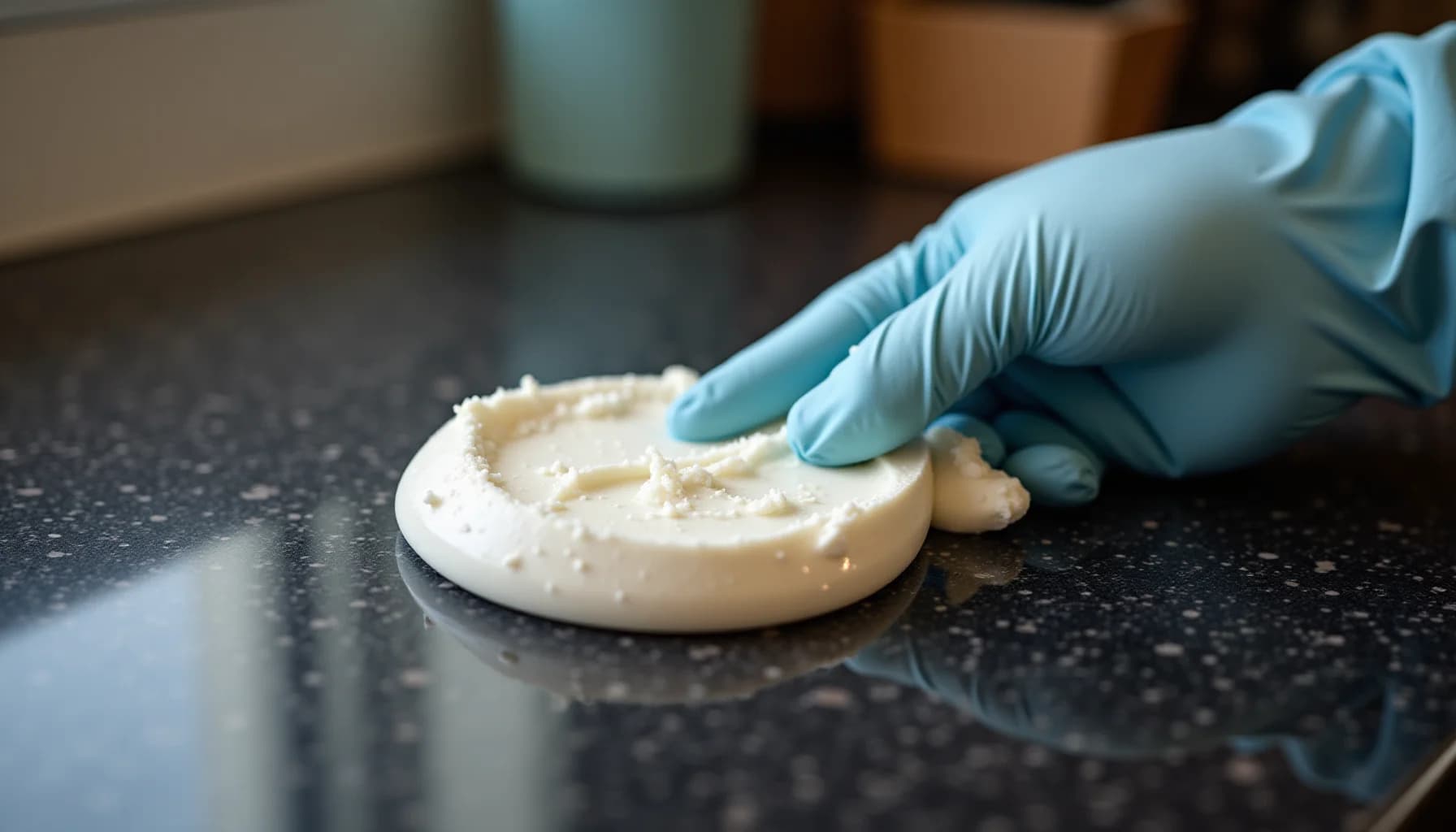
Most marble stains can be removed at home using a poultice: mix one heaping tablespoon of baking soda with about one teaspoon of water until you have a smooth, thick paste, apply it to the stain, cover with plastic wrap, and leave it overnight. By morning it will be dry and flaky; scrape it off with a plastic scraper, then wash the area with mild soap and water. Stubborn stains may need two or three treatments, or a small amount of hydrogen peroxide added to the paste for extra bleaching power.
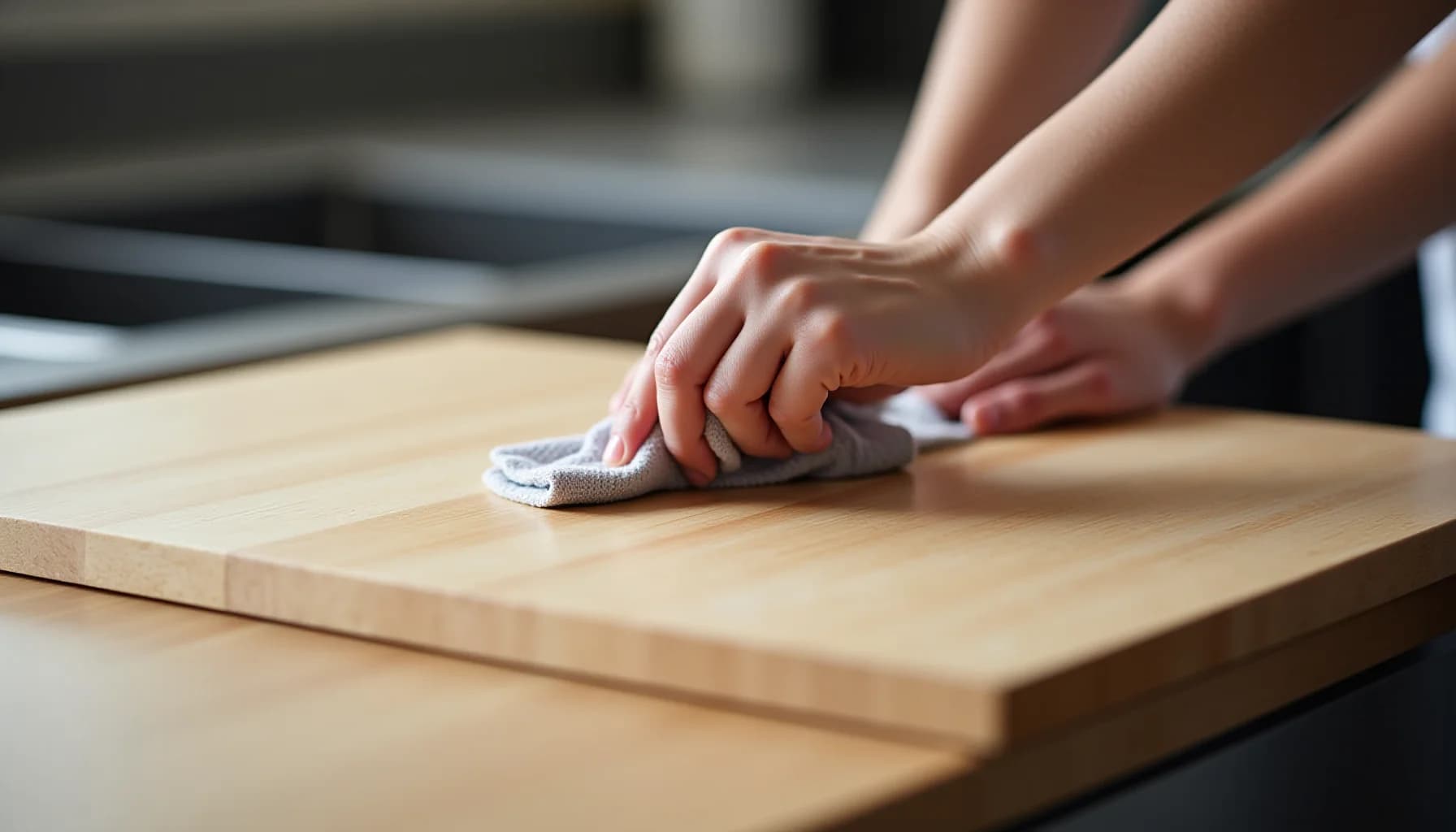
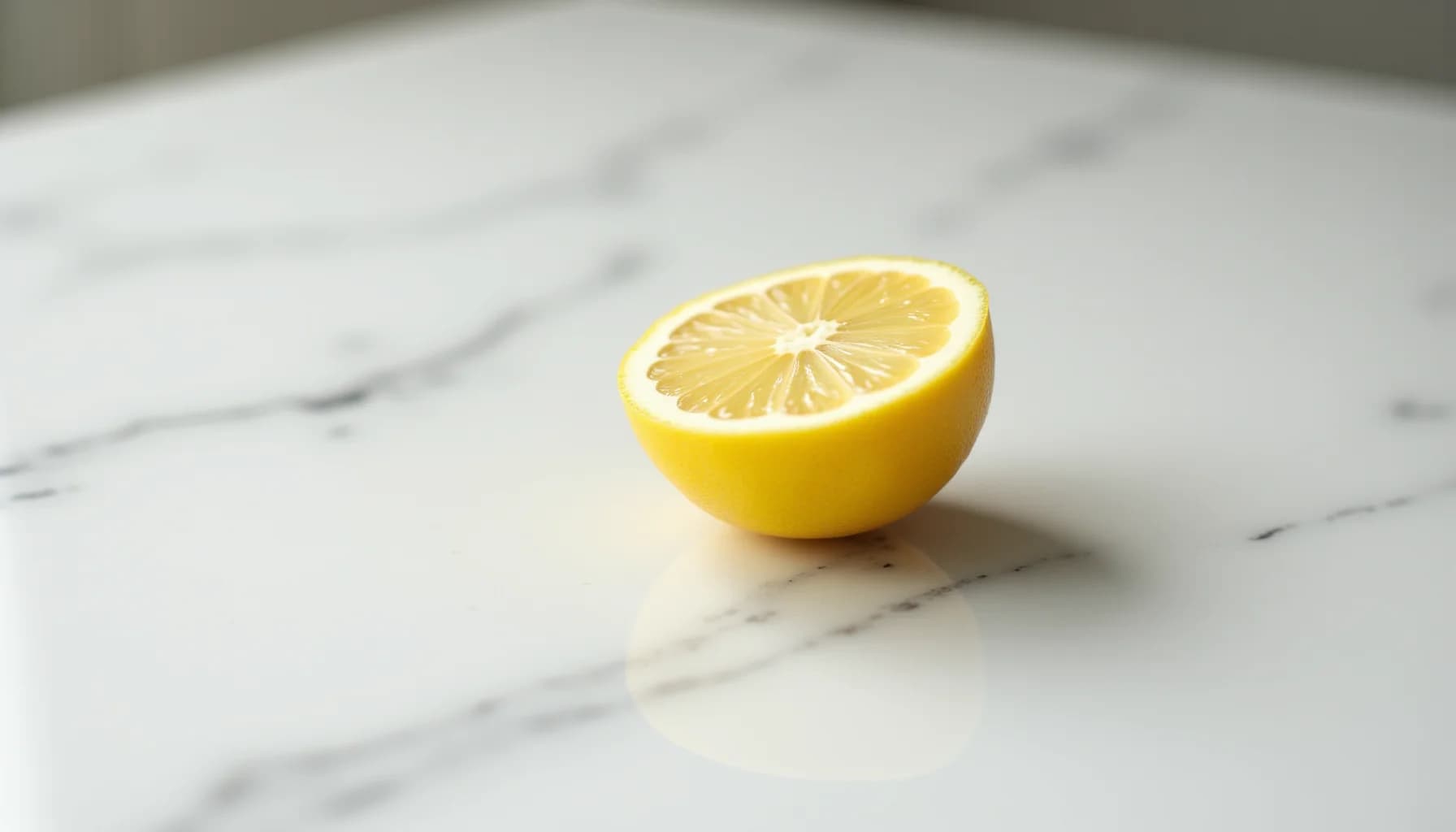
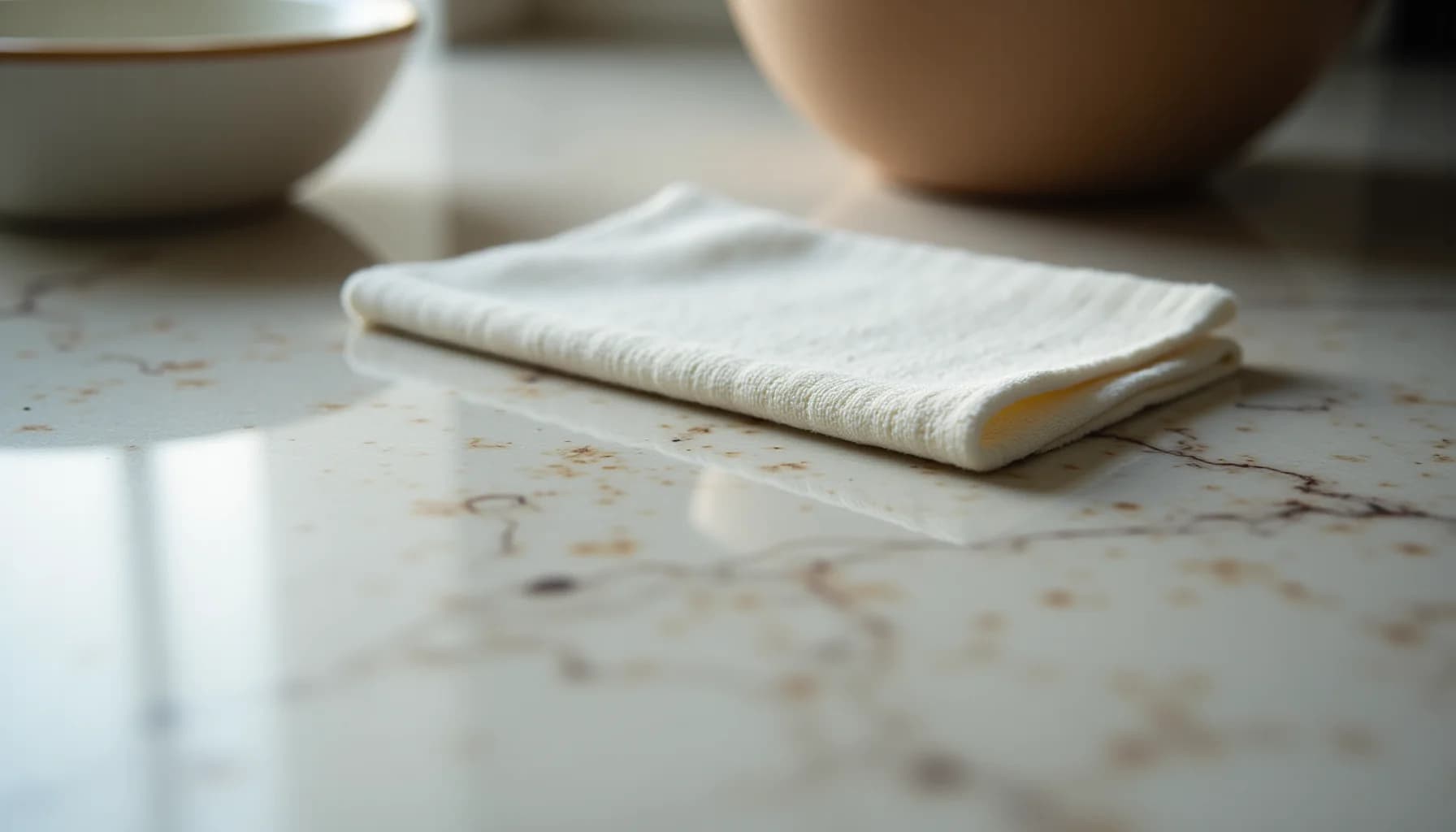
Never reach for vinegar, lemon juice, or bleach. Because marble is calcium carbonate, acidic cleaners etch the surface permanently, leaving dull white patches that no poultice will fix. Skip abrasive scrubbers too; use a microfiber cloth. Speed matters more than any product: blot spills immediately with absorbent paper rather than wiping, which spreads the liquid deeper into the stone's pores. If the stain persists after several treatments, or if you're looking at dull rough patches rather than a darkened area, that's etching rather than a stain, and it requires professional polishing, not a home remedy.
What makes marble so vulnerable to stains and damage?
Marble is a metamorphic rock built almost entirely from calcium carbonate, and that single fact explains most of its cleaning challenges. Calcium carbonate reacts chemically with acids, which rules out a long list of common household cleaners. The stone is also porous, meaning its surface contains microscopic channels that readily absorb liquids when left unsealed or when a seal has worn thin.
These two properties, chemical sensitivity and porosity, produce two distinct types of damage that homeowners regularly confuse with each other. Stains occur when a liquid penetrates the stone's pores and discolors it from within. They typically darken the marble and, in most cases, can be drawn back out with the right technique. Etch marks are a completely different problem. They happen when an acidic substance, fruit juice, wine, or anything containing vinegar, reacts with the calcium carbonate at the surface and physically dissolves a thin layer of the stone. The result is a dull, slightly rough patch that looks lighter than the surrounding marble. Because material has been removed rather than deposited, no amount of cleaning will fix an etch mark. It requires professional polishing to restore the surface.
Telling the two apart before you reach for any product is the most important diagnostic step. Press a dry white cloth to the affected area: if you pick up color, you are dealing with a stain. If the surface simply looks dull and the cloth comes away clean, that is etching. Treating an etch mark as though it were a stain will waste time and potentially cause further damage. For a broader look at which cleaners are safe on natural stone, the differences between stone types matter just as much as the stain type itself.
What types of stains commonly appear on marble?
Identify the damage type before you treat it
Check whether the mark darkens the marble (a stain, which you can treat at home) or appears as a dull, light patch (an etch mark caused by acid reacting with calcium carbonate, which requires professional polishing). Treating them the same way will waste time and risk further damage.
Blot the spill immediately, do not wipe it
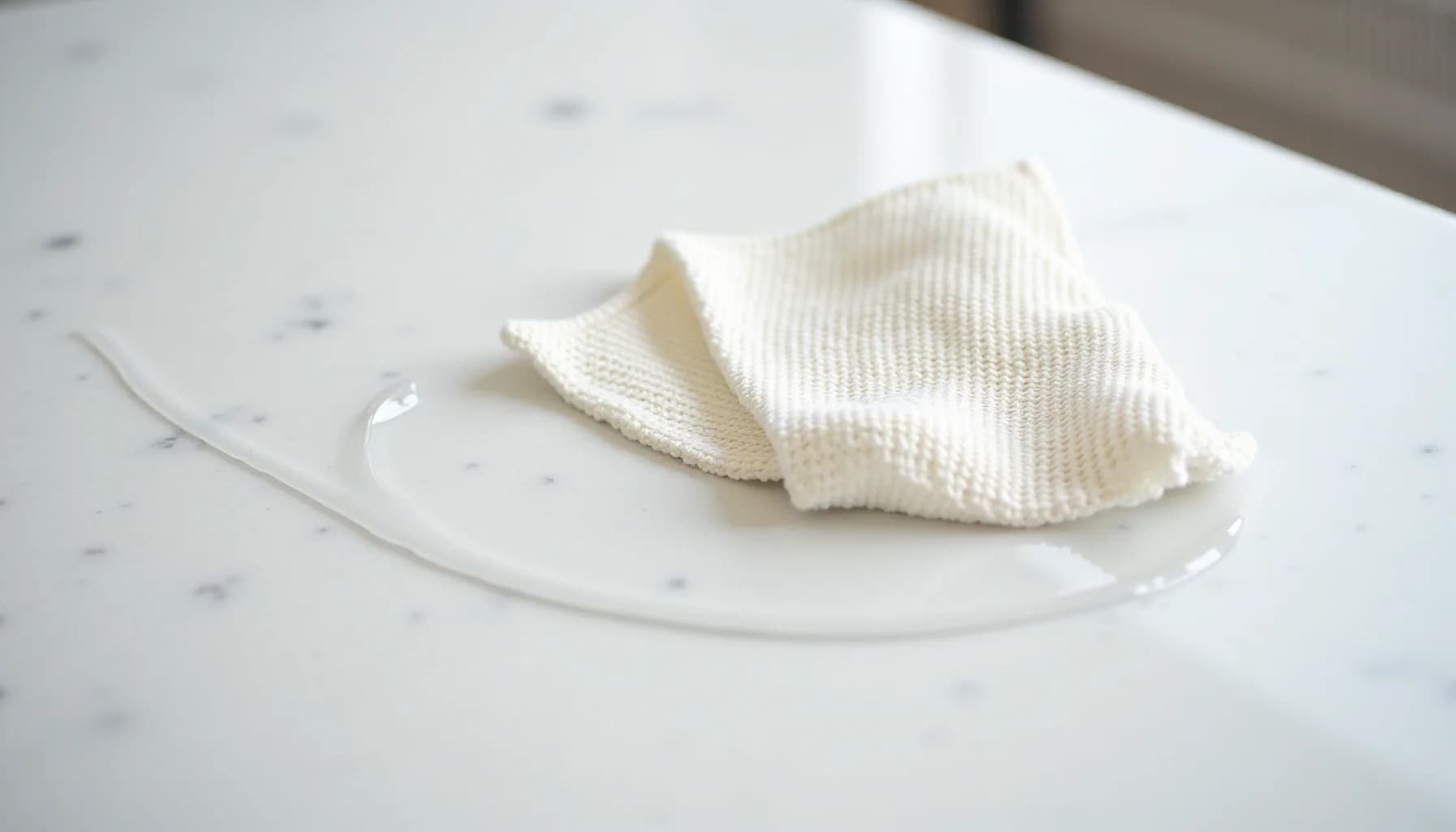
Press absorbent paper firmly over any fresh spill to lift the liquid straight up out of the pores. Wiping spreads the spill across a wider area and drives it deeper into the stone.
Mix a poultice paste and apply it to the stained area
Combine 1 heaping tablespoon of baking soda with about 1 teaspoon of water and stir until the paste is smooth and thick. Spread the paste over the stain, cover it with plastic wrap, and leave it for 24 to 48 hours so it can draw the stain out of the marble.
Scrape off the dried poultice and rinse the surface
Once the paste is dry and flaky, remove it with a pie scraper, then wash the area with mild soap and water and dry it thoroughly with a microfiber cloth. If the stain persists, apply a second batch of paste and leave it for two or three nights, or add a small amount of hydrogen peroxide to the mix for extra bleaching power.
Use a targeted treatment for oil or ink stains
For oil-based stains such as cooking grease or lotion, apply the baking soda and water paste, cover with plastic wrap, and leave for 24 to 48 hours before rinsing. For ink stains, soak a cloth in acetone or lacquer thinner, blot it gently onto the stain without rubbing, then rinse thoroughly and dry.
Reseal the marble and keep acidic products away from it
A poultice can strip the existing sealant along with the stain, so apply a high-quality marble sealer to the treated area once it is clean and dry, and reseal the entire surface every 6 to 12 months. Never use vinegar, lemon juice, bleach, or abrasive scrubbers on marble, as they cause permanent etch marks that no home remedy can fix.
How do you make and use a poultice to remove marble stains?
A poultice works by drawing a stain out of the stone rather than scrubbing it off the surface, which makes it the right tool for marble specifically. Because marble is porous, the stain has migrated into the stone; the poultice reverses that migration by sitting on top and pulling the discoloration upward as it dries.
To make a basic poultice, mix one heaping tablespoon of baking soda with about one teaspoon of water. Stir until the mixture reaches a smooth, thick paste consistency, similar to toothpaste. Spread it directly over the stained area in a layer roughly a quarter-inch thick, making sure the paste fully covers the stain. Leave it overnight. By morning it will have dried to a flaky crust, at which point you can scrape it off carefully with a plastic pie scraper, then wash the area with mild soap and water and dry it thoroughly with a soft cloth.
Most stains respond within 24 to 48 hours. If the stain lightens but does not disappear, mix a fresh batch and repeat the process, leaving it for two or even three nights rather than one. For stains that are proving stubborn, you can add a small amount of hydrogen peroxide to the baking soda paste for extra bleaching power.
A few important points about ongoing use: although baking soda is effective here, it is mildly abrasive, and using it repeatedly on the same area can leave the surface looking dull over time. The poultice can also strip away the sealant on the marble, so once the stain is gone, check whether that area needs to be resealed before the marble is back in regular use. If you are not sure how sealing fits into your overall routine, the guidance in how to clean marble without wrecking the surface covers maintenance practices that protect the stone between treatments.
What cleaning chemicals work best for oil and ink stains on marble?
Oil and ink stains call for different chemical approaches, and using the wrong one can set the stain deeper or damage the surface.
For oil-based stains, including those from cooking grease, butter, lotion, or milk, baking soda and water is your most practical option. Mix the two into a thick paste, apply it directly to the stained area, and cover it with plastic wrap to slow evaporation and keep the paste in contact with the stone. Leave it in place for 24 to 48 hours, then rinse thoroughly and dry the surface completely. The paste works by drawing the oil out of the marble's pores rather than dissolving it on the surface, which is why the extended contact time matters. For a stain that resists the first treatment, adding a small amount of hydrogen peroxide to the paste gives it extra bleaching power without crossing into the acidic territory that damages marble.
Ink stains need a solvent rather than an absorbent paste. Soak a clean cloth in acetone or lacquer thinner, then lay or press it against the stain. The key here is to blot rather than rub; rubbing spreads the ink into a wider area of the stone and makes the problem significantly worse. Once the stain has lifted, rinse the area thoroughly with clean water and dry it right away.
One important note applies to both methods: the poultice process can strip the sealant from the treated area along with the stain. After any poultice treatment, check whether water still beads on the surface. If it soaks straight in, the sealant is gone and that section of marble needs to be resealed before normal use resumes. For a broader look at which cleaners are safe on natural stone, it's worth reviewing that before reaching for anything unfamiliar.
| Cleaning Agent | Best For | Application Method | Key Risk |
|---|---|---|---|
| Baking soda + water paste | Oil-based stains | Apply as poultice, cover with plastic wrap, leave 24–48 hours | Can dull surface or strip sealant if overused |
| Baking soda + hydrogen peroxide | Stubborn or set-in stains | Apply as poultice, leave 2–3 nights | Stronger bleaching; may still strip sealant |
| Acetone or lacquer thinner | Ink stains | Soak cloth, blot gently, rinse thoroughly | Spreading stain if rubbed rather than blotted |
| Vinegar or lemon-based cleaners | Not recommended on marble | N/A | Etches calcium carbonate, leaving dull white marks |
What cleaning products should you never use on marble?
The most destructive mistake homeowners make with marble is reaching for everyday cleaners that work perfectly well on other surfaces. Vinegar is the most common offender. Because marble is composed of calcium carbonate, any acidic substance triggers a chemical reaction the moment it contacts the surface. Vinegar doesn't just fail to clean marble; it permanently dissolves the top layer, leaving dull white patches called etch marks. Those marks are not stains. They cannot be wiped away or treated with a poultice. Repair requires professional re-polishing. The same applies to lemon juice, orange-based sprays, and any cleaner with citric acid in the ingredients. Vinegar causes the same irreversible damage across all calcium-based natural stones, not just marble.
Bleach is equally problematic. Beyond the etching risk, bleach can strip sealant and discolor the stone. Abrasive scrubbing pads, powdered cleansers, and anything gritty will scratch the polished surface in the same way sandpaper would, a loss that is also permanent without professional intervention.
Baking soda deserves a specific caution. It features in legitimate DIY stain-removal methods, but it is a mild abrasive, and repeated use will gradually dull the finish. Use it sparingly and only for targeted stain treatment, never as a routine cleaner.
If you are uncertain which finish or stone type you are working with, stop before applying anything. Treating the wrong surface with the wrong product is how recoverable situations become expensive ones. Identifying your exact stone type before cleaning prevents this entirely.
Frequently asked questions
Can all marble stains be removed at home?
What is the difference between a stain and an etch mark on marble?
How do you make a poultice to remove a marble stain?
How often should marble be sealed?
How do you protect marble and know when to call a pro?
Sealing is the single most effective habit you can build around marble ownership. Apply a high-quality stone sealer every six to twelve months, depending on how hard your surface works. A kitchen countertop used daily warrants the shorter end of that range; a guest bathroom vanity can go closer to a year. The seal closes the pores in the stone, buying you critical seconds when a spill happens, but it does not make marble impervious, so your behavior after a spill still matters.
When something lands on your marble, blot it immediately with absorbent paper. Do not wipe: wiping spreads the liquid across more surface area and pushes it deeper into the stone. The faster you act, the better your odds of lifting the spill before it becomes a stain. For routine upkeep, make blotting spills and a quick wipe-down with a damp microfiber cloth part of your daily kitchen or bathroom close-out, not an occasional task.
One more thing to track: after using a poultice to pull out a stain, check whether the sealant in that area needs to be reapplied, since the poultice can strip it along with the stain.
Call a professional when repeated poultice treatments have not shifted the stain, when you see dull etched patches spreading across the surface, or when rust or mold appears to have penetrated below the surface. If you are unsure what type of marble or finish you have, that uncertainty alone is reason enough to get a professional assessment before attempting further treatment.
How this article was made
Researched and written with AI assistance. What gets published is a human editorial decision. Grounded in 8 cited sources.
Edited by Claire Mercier, Editor. The guides are written with AI assistance.
Sources (8)
- Remove Stains From Gelatin (Flavored/Unflavored)
- How to remove stains from marble using baking soda. Get advice from PMAC
- How to Get Stains Out of Marble: Best Tips in 2026 | Marble.com
- DIY // How to Remove Stains from Marble Surfaces using a Homemade Poultice — The Grit and Polish
- How to Get Stains Out of Marble Countertops - Modul Marble
- How to Remove Stains from Marble Countertops
- How to Remove Stains from Marble: Easy DIY Cleaning Tips
- Marble Stain Removal: DIY or Call a Pro? | The Marble Doctor