How to Clean Marble Floors Without Wrecking Them
Part of Stone & Countertops · article 11 of 13
On this page
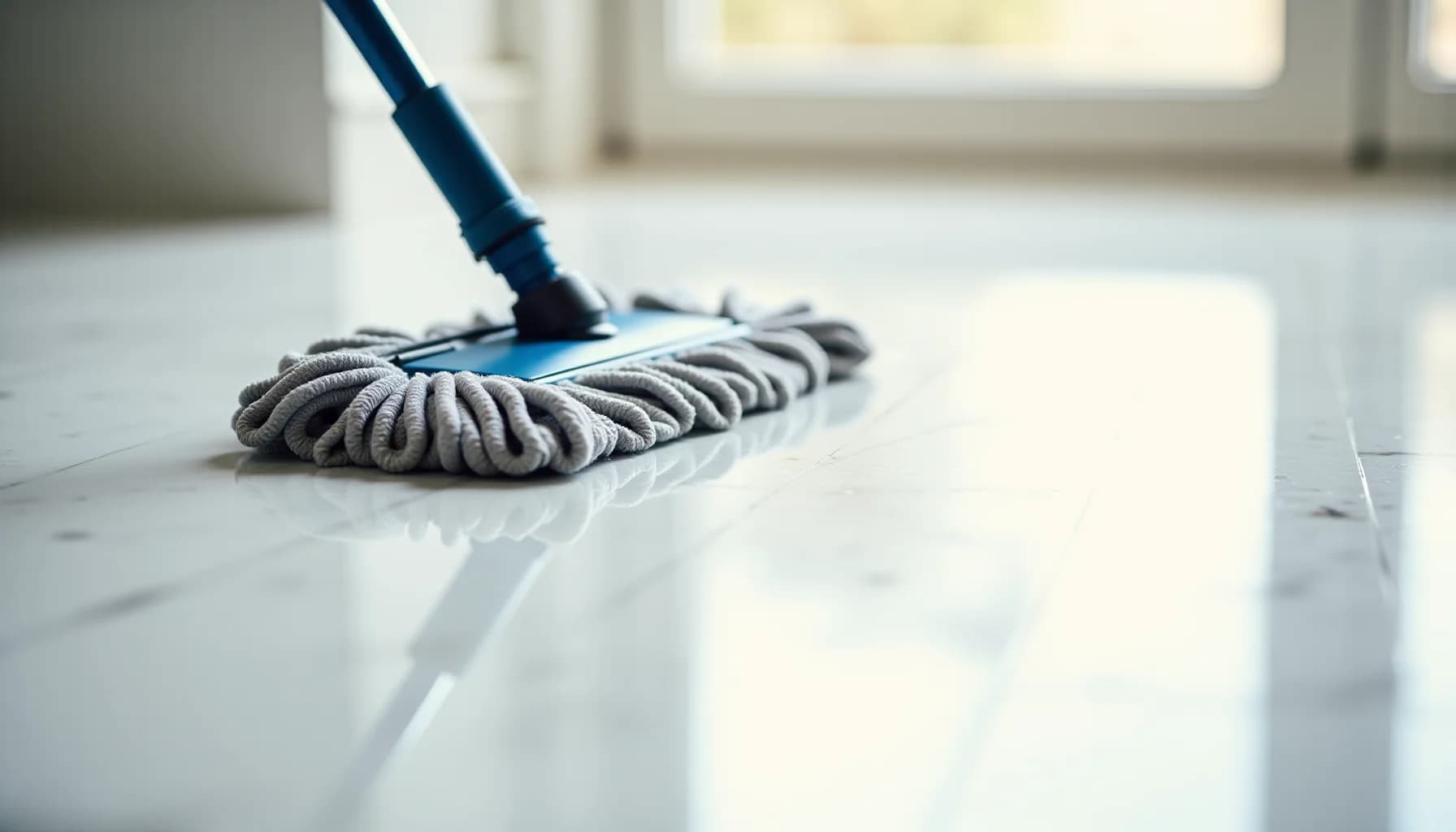
Use a pH-neutral cleaner, distilled water, and a microfiber mop. That combination handles most marble floors safely. Dust daily with a natural fiber or microfiber dry mop, wet-mop weekly with a few drops of mild dish detergent in warm distilled water, and dry the floor immediately after. Skip vinegar, lemon juice, bleach, ammonia, tile-and-grout cleaners, and steam cleaners entirely. These products dissolve the calcium carbonate in marble, leaving permanent dull patches called etch marks that no amount of cleaning will fix. For a broader look at which cleaners are safe on natural stone, the same principles apply across most stone flooring.
Why does marble etch when acids touch it?
Marble is calcium carbonate, the same mineral found in chalk and limestone. That composition makes it beautiful and gives it that distinctive translucent quality, but it also makes it chemically vulnerable in a way that ceramic, porcelain, and even granite are not. When an acid contacts calcium carbonate, a straightforward chemical reaction occurs: the acid dissolves the calcite crystals at the surface. The result is a dull, slightly rough patch called an etch mark. This is not a stain. No amount of cleaning will reverse it, because the surface material is simply gone.
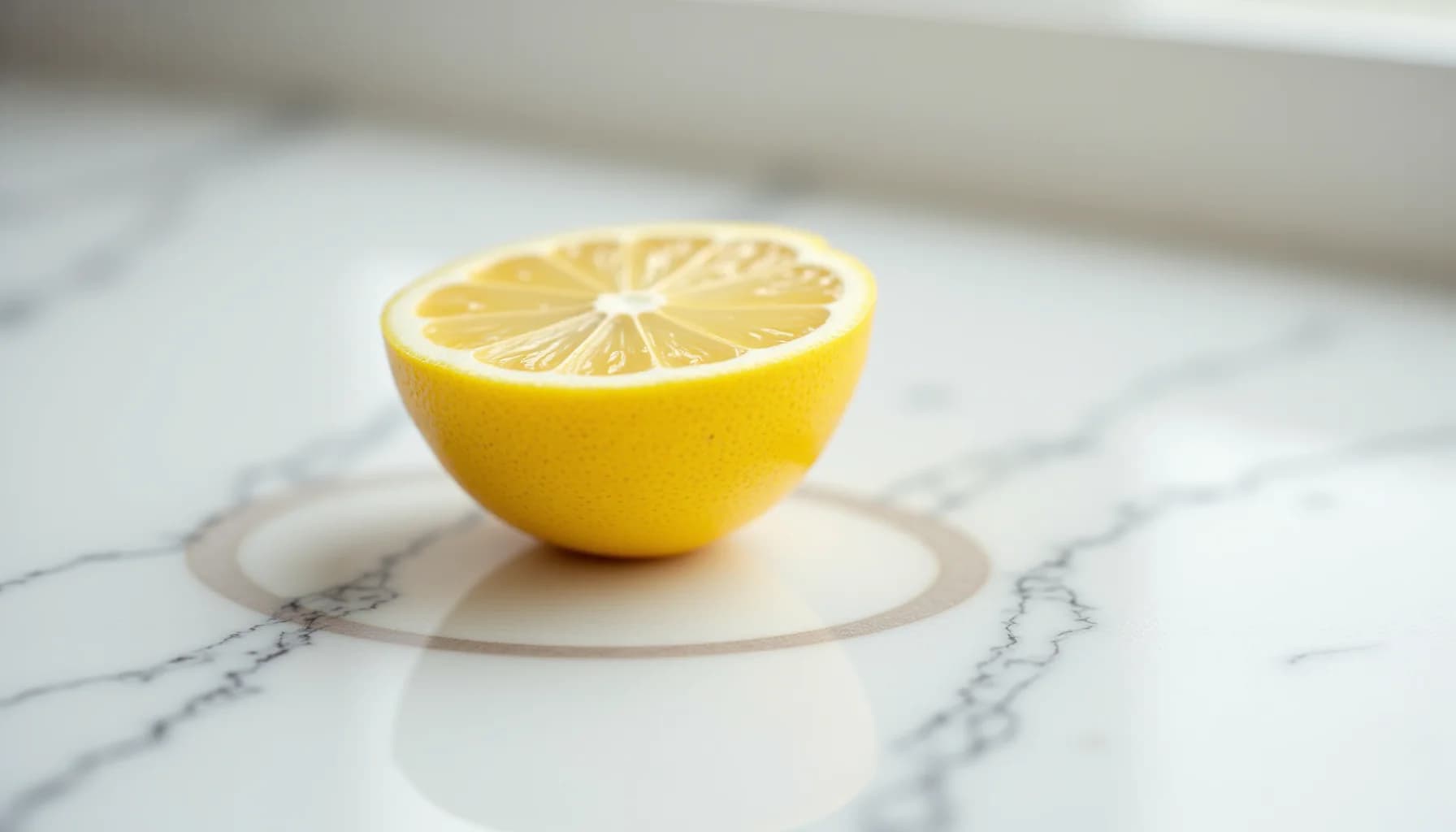
The speed of this reaction catches most homeowners off guard. A splash of lemon juice can begin etching within 30 seconds. Wine left sitting creates visible marks in under two minutes. The household substances that trigger this most often are things nobody thinks of as corrosive: red wine, coffee, orange juice, tomato sauce, cola, and salad dressing with vinegar. Even a wet citrus rind resting briefly on a marble floor is enough. Products marketed for bathroom cleaning, descalers, and grout cleaners are equally dangerous, since many contain hydrochloric or phosphoric acid.
The key point to understand is that the acid does not need to penetrate the stone to cause damage. It reacts with the surface itself, which is why vinegar permanently damages natural stone regardless of how quickly you wipe it away. Etching is a chemistry problem, not a dirt problem, and treating it as the latter only deepens the damage.
What should you use to clean marble floors every day and every week?
Dust and dry-mop the floor first
Use a microfiber or natural-fiber dry mop, or an angled nylon broom with split ends, to remove grit and debris before any wet cleaning. Loose particles act like sandpaper on marble's soft surface, which rates only 4 on the Mohs hardness scale, so this step is non-negotiable.
Mix a pH-neutral cleaning solution with distilled water
Add a few drops of mild liquid dish detergent, or a dedicated stone-care cleaner, to warm distilled water. Tap water contains minerals that leave hazy deposits on marble, and any acidic or alkaline cleaner, including vinegar, lemon juice, bleach, ammonia, and tile-and-grout products, will dissolve the calcium carbonate surface and leave permanent dull patches called etch marks.
Damp-mop the floor and dry it immediately
Wring the microfiber mop until it is barely damp, then work in sections across the floor. Follow each section with a dry microfiber cloth or mop head straight away, because standing water can penetrate marble's pores and cause staining or surface haze.
Blot spills the moment they happen
Press a clean cloth directly onto any spill, especially wine, coffee, citrus juice, or tomato sauce, and lift it away rather than wiping, which spreads the liquid. A splash of lemon juice can begin etching marble in as little as 30 seconds, so speed matters more than the size of the spill.
Treat stains with the correct poultice for each type
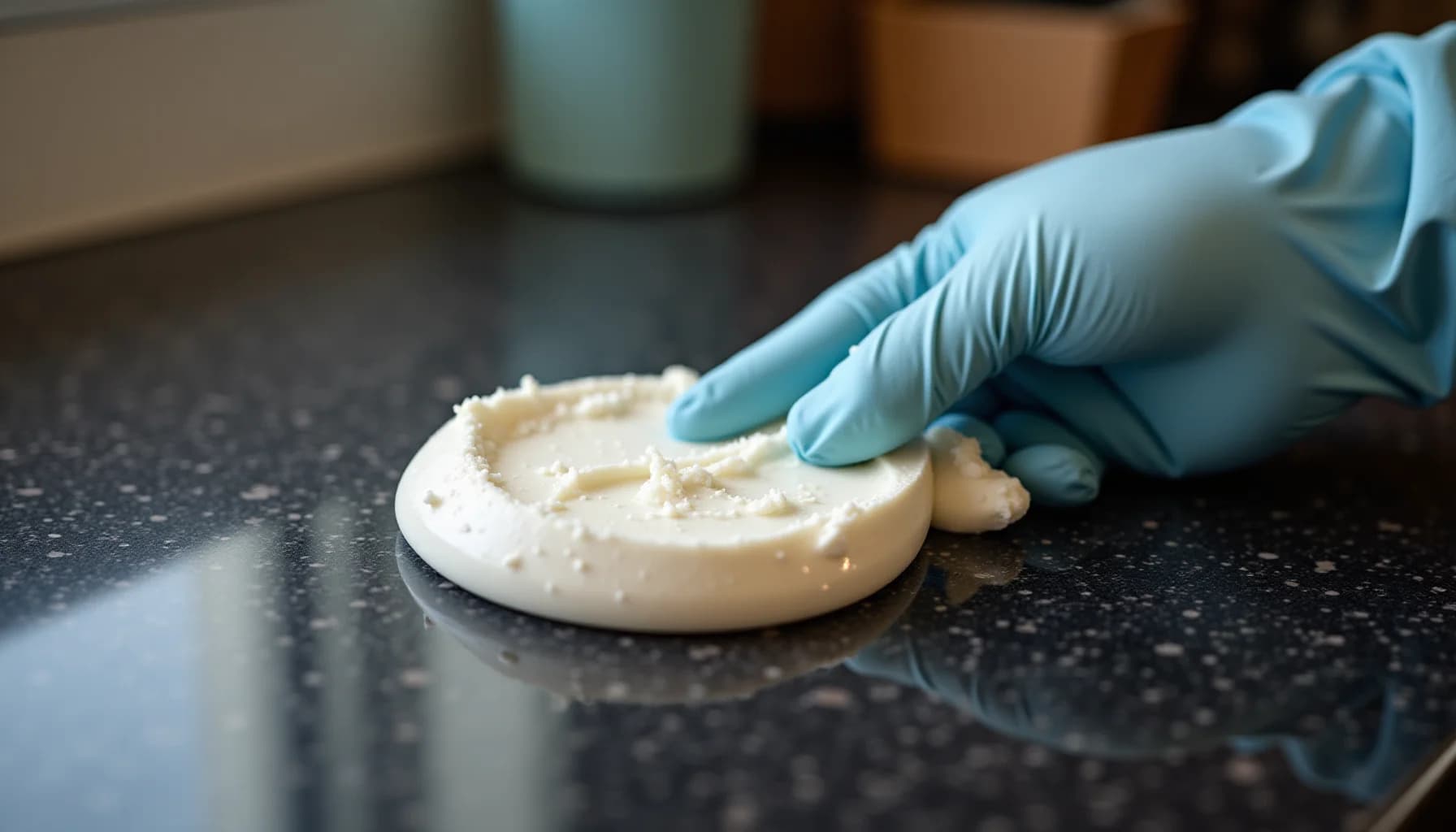
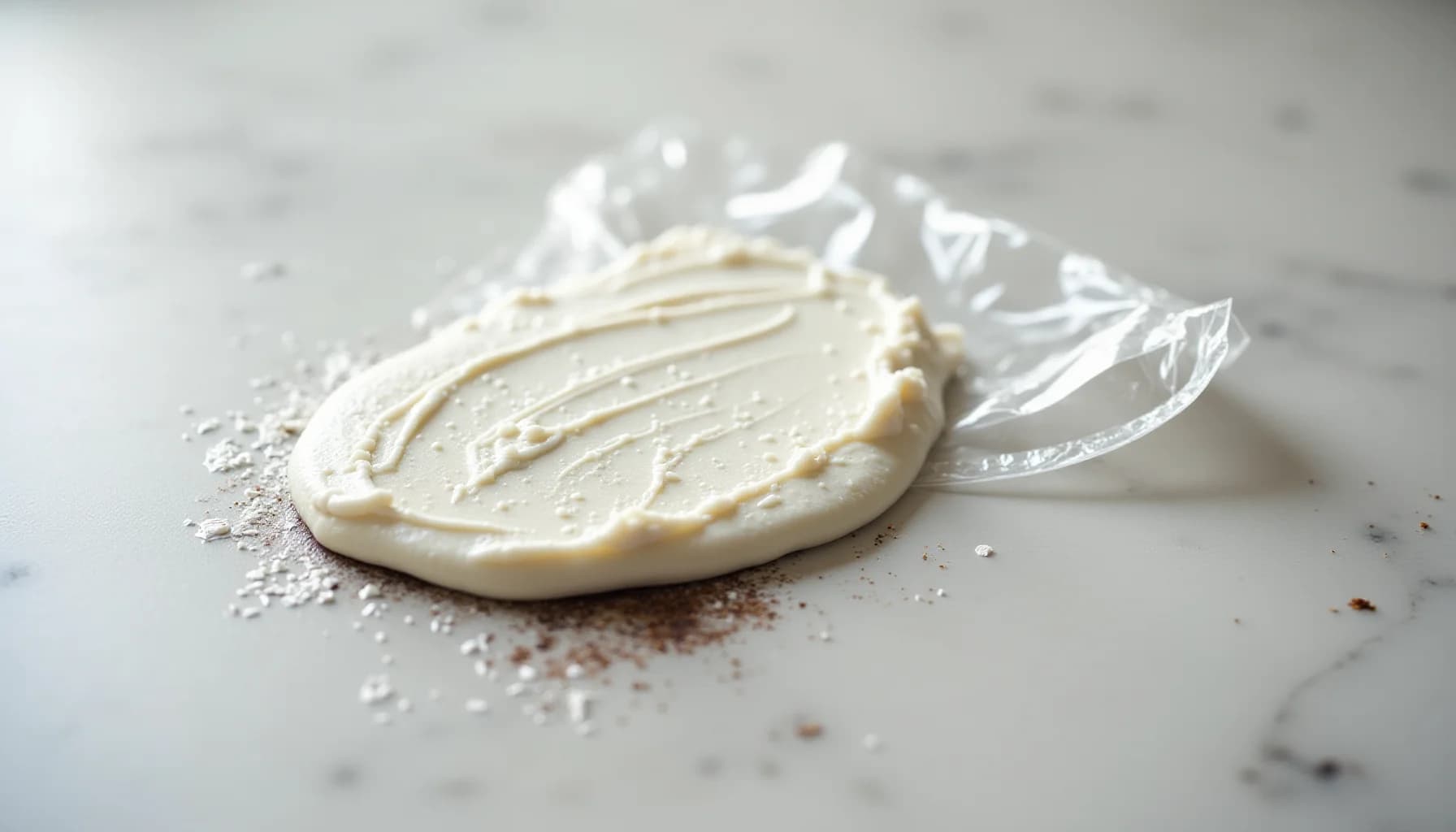
For food stains such as coffee, tea, or fruit, pour enough hydrogen peroxide to cover the stain and leave it for 30 minutes. For wine or juice stains, mix baking soda and water into a paste, apply it to the stain, cover with plastic wrap, and wait 24 to 48 hours. Note that these methods treat staining, which is discoloration inside the pores; dull rough spots are etch marks caused by acid and require professional re-polishing, not more cleaning product.
Test the seal and reseal on schedule
Pour about 3 inches of water onto the floor in several spots and wait 30 minutes. If dark marks or rings appear, the water is penetrating the stone and resealing is needed. Depending on traffic and moisture exposure, most marble floors need resealing every 6 months to 3 years. Remember that sealer prevents staining only, it does not stop acid from etching the surface.
What's the difference between a marble etch and a stain?
These two problems look similar at first glance but have completely different causes, require different fixes, and, critically, only one of them can be prevented by sealing your floor.
A stain is a discoloration caused by a substance soaking into the stone's pores. Olive oil, red wine, coffee, and rust are typical culprits. The marble changes color where the substance has penetrated, but the surface texture stays the same. Run a finger across a stain and the area feels just as smooth as the surrounding stone. Because staining is a penetration problem, a good impregnating sealer genuinely helps by slowing down how fast liquids can enter the pores. Stains can often be treated at home with a poultice: for organic stains like coffee or tea, hydrogen peroxide poured over the mark and left for 30 minutes pulls the discoloration out. For wine or juice, a paste of baking soda and water covered with plastic wrap and left 24 to 48 hours does the same job.
An etch mark is a different problem entirely. Marble is composed primarily of calcium carbonate, and acids dissolve calcium carbonate on contact. When lemon juice, vinegar, wine, tomato sauce, or any other acidic liquid touches marble, the acid does not need to penetrate the stone at all. It reacts with the surface itself, dissolving a thin layer of calcite and leaving a dull, slightly rough patch. That roughness is the giveaway: run your finger over an etch and you can feel the texture difference. A splash of lemon juice can begin this process within 30 seconds; wine left sitting creates a visible mark in under two minutes.
Here is where the most expensive misconception lives: sealing prevents staining, not etching. No sealer creates a barrier that stops an acid from reacting with the stone's surface, because the reaction happens at the surface, not inside the pores. Homeowners who seal their floors and then assume they are fully protected from acid damage are left confused when dull patches appear after a spilled glass of orange juice. Those patches are not a sealing failure; they are etch marks, and restoring them requires re-polishing the affected area, usually by a professional. No amount of resealing will reverse or prevent them.
How do you treat food and beverage stains on marble floors?
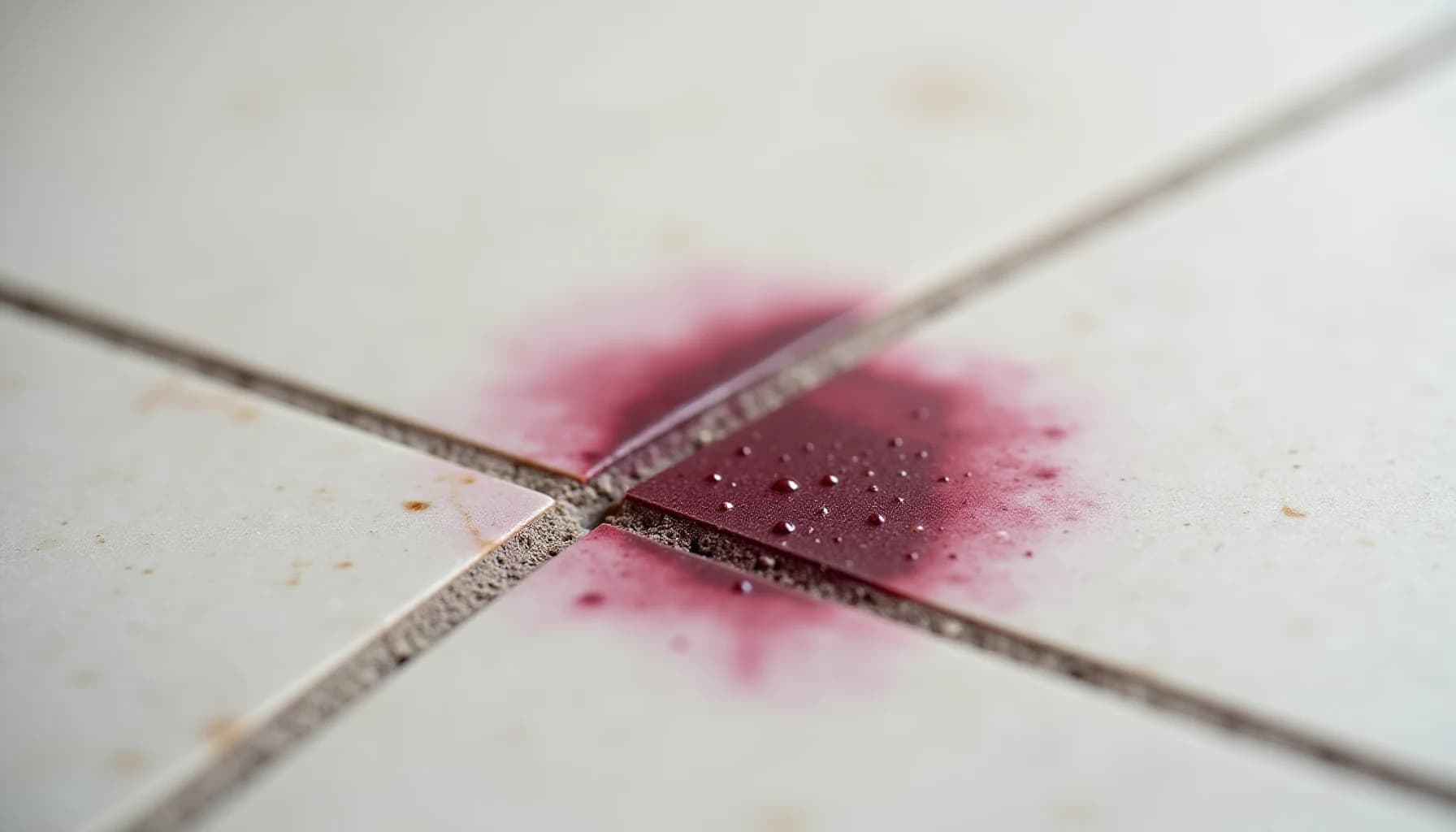
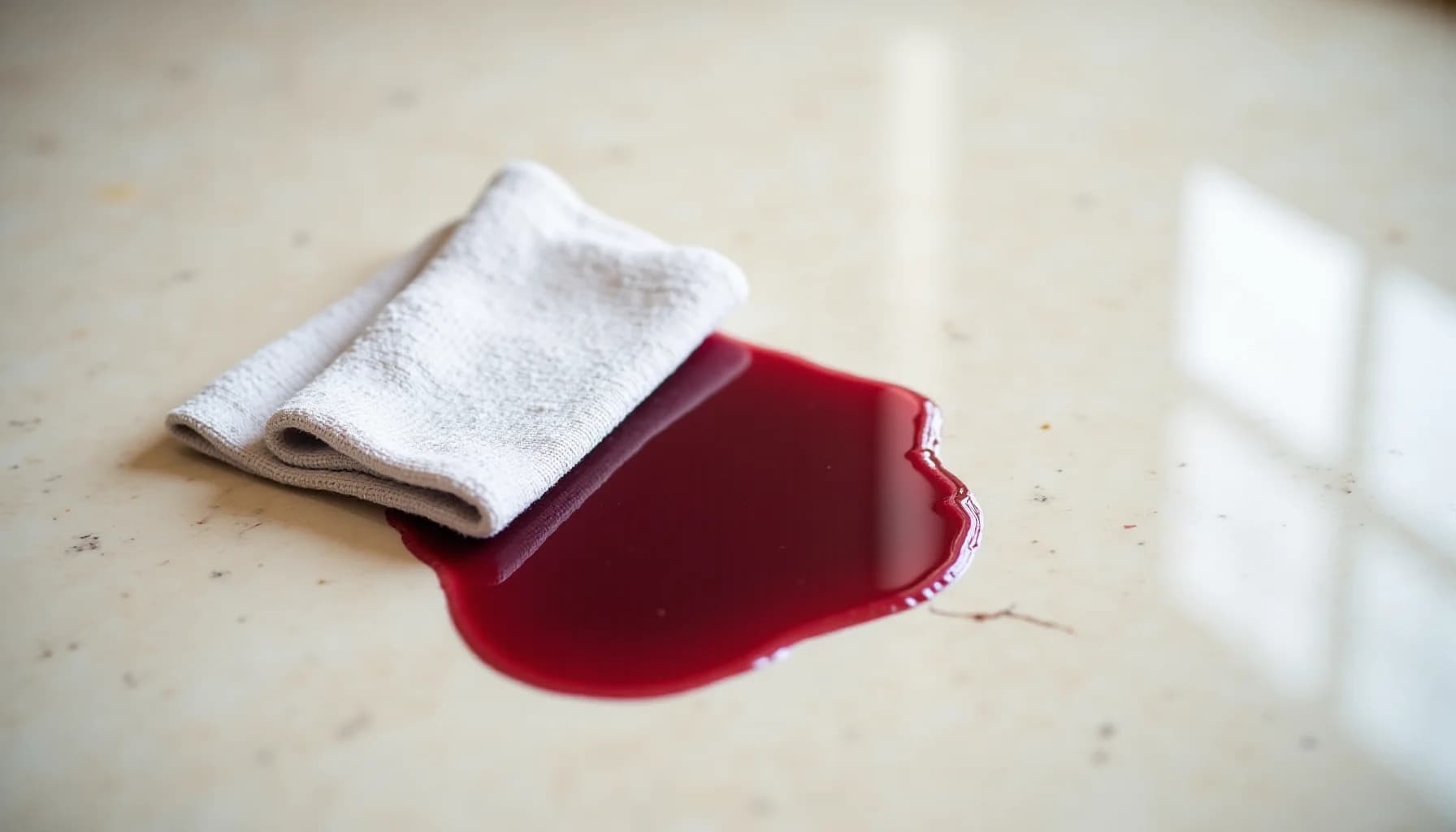
Speed matters more than anything else with food and beverage spills on marble. The moment a drink tips or sauce splashes, blot it up with a clean cloth rather than wiping across the surface. Wiping spreads the liquid over a wider area, increasing the contact zone and your chances of etching or staining. Work from the outside edge of the spill inward, pressing down to absorb rather than drag.
For acidic spills specifically, wine, coffee, citrus juice, and tomato sauce, time is genuinely critical. A splash of lemon juice can begin dissolving the calcite surface within 30 seconds, and wine left sitting creates visible marks in under two minutes. So blotting immediately is not a precaution; it is the only real window you have before damage sets in.
Once the liquid is gone, rinse the spot with a small amount of distilled water and blot dry.
If a stain has already set into the stone, meaning a substance has been absorbed into the pores and left a discoloration, a poultice treatment is the correct approach. For coffee, tea, and fruit stains, pour enough hydrogen peroxide over the affected area to cover it completely and allow it to sit for 30 minutes before blotting away. For wine or juice stains, mix baking soda and water into a paste, apply it over the stain, cover with plastic wrap, and leave it for 24 to 48 hours. The poultice draws the staining substance back out of the pores as it dries.
One important distinction: if the damage feels rough or looks dull rather than discolored, that is etching, not staining, and no poultice will fix it. Poultices address what is inside the stone; etching is surface material that has been chemically removed and requires professional re-polishing.
When should you reseal your marble floors?
Sealing protects marble against staining, not etching. That distinction matters here because resealing on the right schedule keeps the stone's pores closed against oil, wine, and other penetrating substances, but it will never stop acid from dissolving the surface. Keep those two problems separate in your mind before you decide whether resealing is urgent.
Most marble floors need resealing every one to three years, though high-traffic areas such as entryways and kitchen floors may need attention every six to twelve months. A bathroom floor used by one person differs from a foyer that sees muddy boots and wet umbrellas every day. Traffic, moisture exposure, and the original porosity of your specific marble all affect how fast a seal breaks down.
The simplest way to check is a water absorption test. Pour about 3 inches of water in several spots across the floor and leave it for 30 minutes. If the water darkens the stone or leaves a ring, it is penetrating the surface and the seal has degraded enough to warrant resealing. If the water beads and wipes away without darkening the marble, the seal is still doing its job.
Apply sealer only to clean, dry marble. Follow the manufacturer's dwell time exactly; leaving sealer on too long can cause a hazy film that requires professional removal to fix. If you see persistent cloudiness after sealing, or if stains have already penetrated deeply and do not respond to a poultice treatment, stop and call a stone restoration professional. Attempting to sand or re-polish etched or deeply stained marble yourself risks uneven removal and permanent disfigurement of the surface.
Frequently asked questions
Can I use vinegar or lemon juice to clean marble floors?
Does sealing my marble floor protect it from etching?
How often should I reseal my marble floors?
What should I do if I spill wine or coffee on my marble floor?
What should you never use on marble floors?
Vinegar is the most common mistake, and it is worth understanding exactly why it causes permanent harm. Marble is calcium carbonate, and when acid contacts that surface, it does not sit on top waiting to be wiped away. It dissolves a thin layer of the stone almost immediately. A splash of lemon juice can begin this process within 30 seconds. Wine left sitting creates visible marks in under two minutes. The result is an etch mark: a dull, slightly rough patch where the stone surface used to be. No amount of cleaning reverses that. If you have ever reached for vinegar thinking it would cut through grime on stone, you will want to read why vinegar permanently damages natural stone before using it near marble again.
Beyond vinegar and citrus-based cleaners, the list of products to keep off marble includes descalers, most bathroom spray cleaners, bleach, ammonia solutions, and anything marketed for tile and grout. That last category is a particular trap because it is sold in the flooring aisle and sounds appropriate. Most grout cleaners are alkaline, and some are acidic. Neither is safe for marble. Stronger products do not fix stubborn marks on marble; they create more damage and expand the affected area with each application. Stick to pH-neutral cleaners only, and treat anything with a strong smell or a promise to dissolve deposits as a product to keep well away from your floors.
How this article was made
Researched and written with AI assistance. What gets published is a human editorial decision. Grounded in 8 cited sources.
Edited by Claire Mercier, Editor. The guides are written with AI assistance.
Sources (8)
- How to Clean Marble Floors - The Maids
- A Guide to Cleaning and Maintaining Marble Tiles | Country Floors
- How to Clean Marble Floors: Essential Tips for Regular Care
- How to Clean Marble Floors: Safe & Effective Tips | Dreame Guide | Dreame US
- How to Clean and Care for Marble Floors: A Complete Guide - Texas Travertine
- What cleaning chemicals should I avoid on marble/stone floors in comme
- How to Clean Marble Floors (8 Tips for Preventing Damage)
- Marble Floor Maintenance | Hard Floor Care by Interworld Cleaning