How to Clean Marble Without Wrecking the Surface
Part of Stone & Countertops · article 8 of 13
On this page
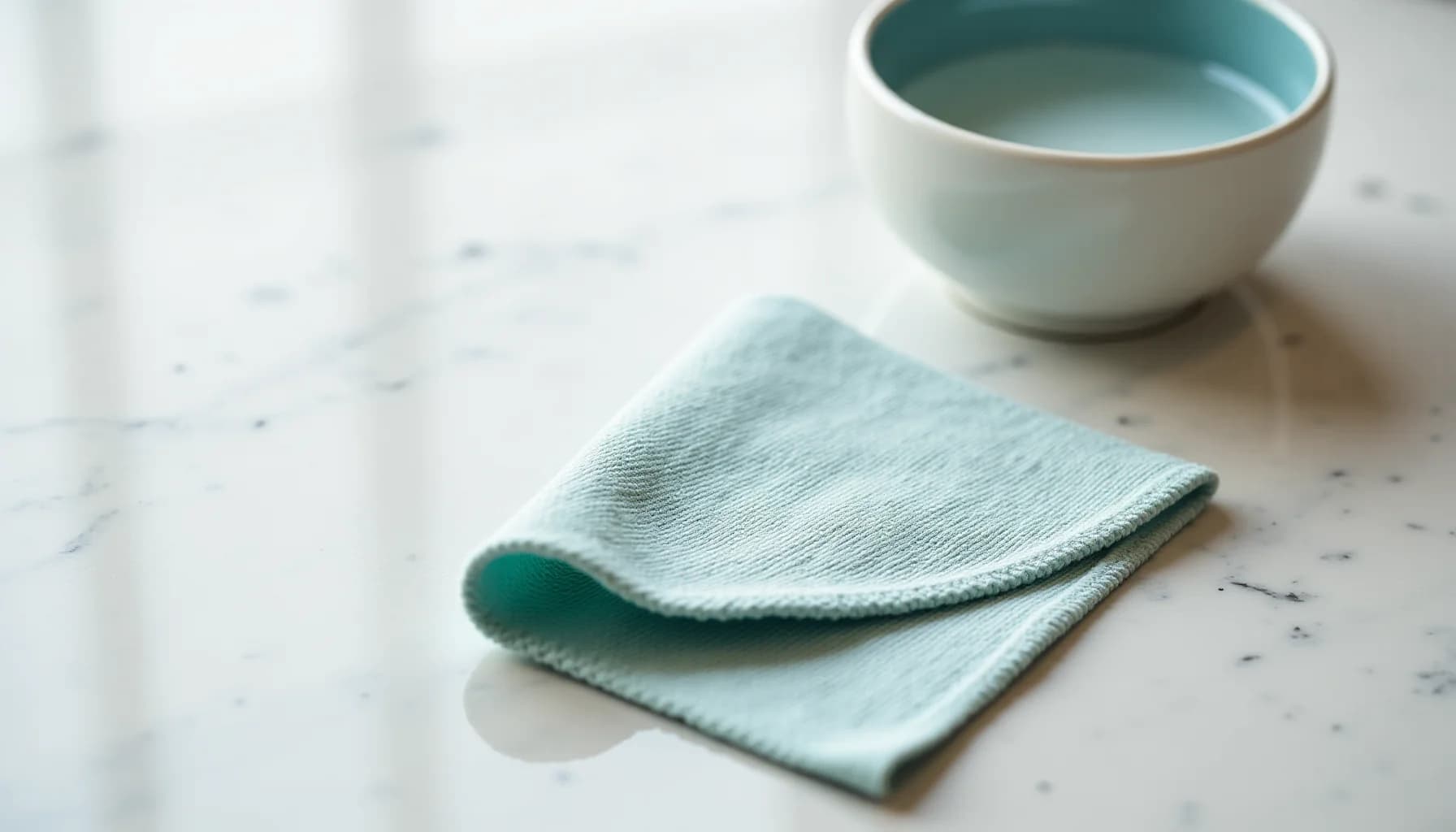
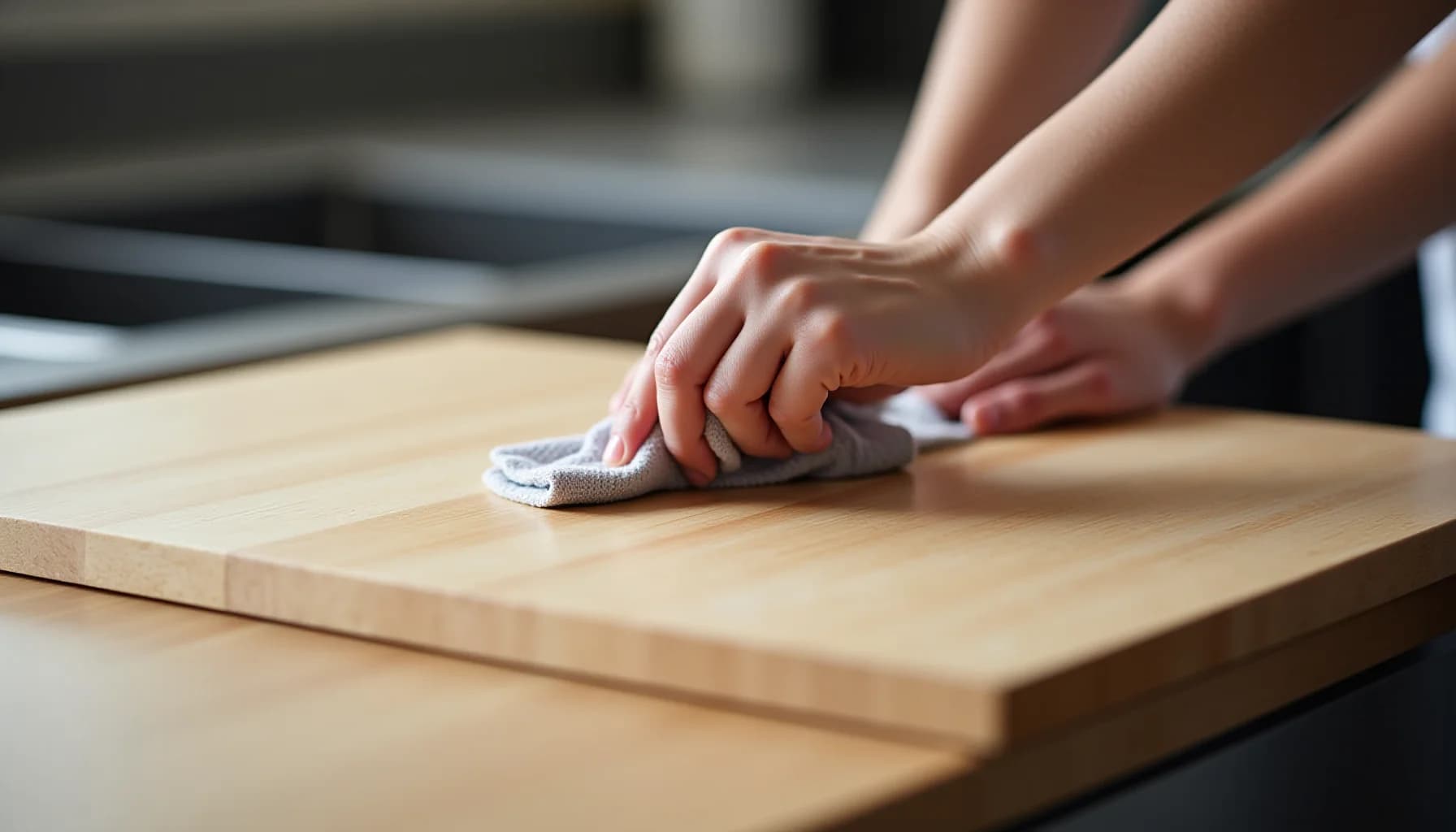
Warm water and a few drops of mild, pH-neutral dish soap is all you need. Dampen a microfiber cloth or soft sponge, wipe the surface gently, then dry it immediately with an absorbent towel. That's the complete routine. Never use vinegar, lemon juice, bleach, ammonia, or any bathroom spray on marble. Marble is composed primarily of calcium carbonate, which reacts chemically with acids, and vinegar permanently damages natural stone the moment it contacts the surface. Abrasive scrubbing pads are equally destructive, scratching away the reflective polish and leaving the stone hazy, a condition that requires professional restoration to fix.
Why marble needs special care
Marble is calcium carbonate (CaCO₃) compressed under heat and pressure into the dense, veined stone used for countertops, floors, and bathroom surrounds across millions of American homes. That chemistry is the source of every cleaning problem you will encounter with it. Calcium carbonate dissolves when it contacts acid, and the reaction is immediate: no soaking time required, no gradual process. A drop of orange juice sitting on a polished marble countertop begins chemically altering the surface the moment it lands.
On the Mohs hardness scale, marble scores a 3 out of 10. For comparison, a steel knife blade sits around 5.5 to 6.5. That gap explains why cutting directly on marble, or scrubbing it with an abrasive pad, leaves visible scratches. The reflective polish that makes marble visually striking is held at the very surface, and once that surface layer is scratched or chemically eaten away, the stone appears dull and hazy.
Marble shares this calcium carbonate composition with travertine and limestone, so the same vulnerabilities apply to all three. If you are unsure whether your countertop is actually marble or a similar stone, the field tests to identify your stone countertop can confirm the material before you settle on a cleaning routine.
The porosity adds a second concern on top of acid sensitivity: liquids can work their way into the stone's internal structure and leave stains even after the surface looks wiped clean. These are two separate problems requiring two separate responses, covered in detail below.
What is the correct way to clean marble countertops every day?
Remove loose debris before you wet the surface
Wipe the marble with a soft, dry cloth or sponge to clear crumbs, dust, and dry spills. This prevents loose particles from scratching the surface when you apply liquid in the next step.
Mix a pH-neutral cleaning solution
Fill a bucket or spray bottle with warm water and add a few drops of mild, pH-neutral dish soap. Avoid vinegar, lemon juice, bleach, ammonia, and any bathroom or all-purpose spray, as these acids react chemically with marble's calcium carbonate and cause permanent etching.
Wipe the surface with a damp microfiber cloth
Dampen a clean microfiber cloth or soft sponge in the soapy water and scrub gently across the entire surface. Never use abrasive pads, stiff brushes, or scouring materials, as they scratch the reflective polish and leave the stone dull and hazy.
Dry the marble immediately with an absorbent towel
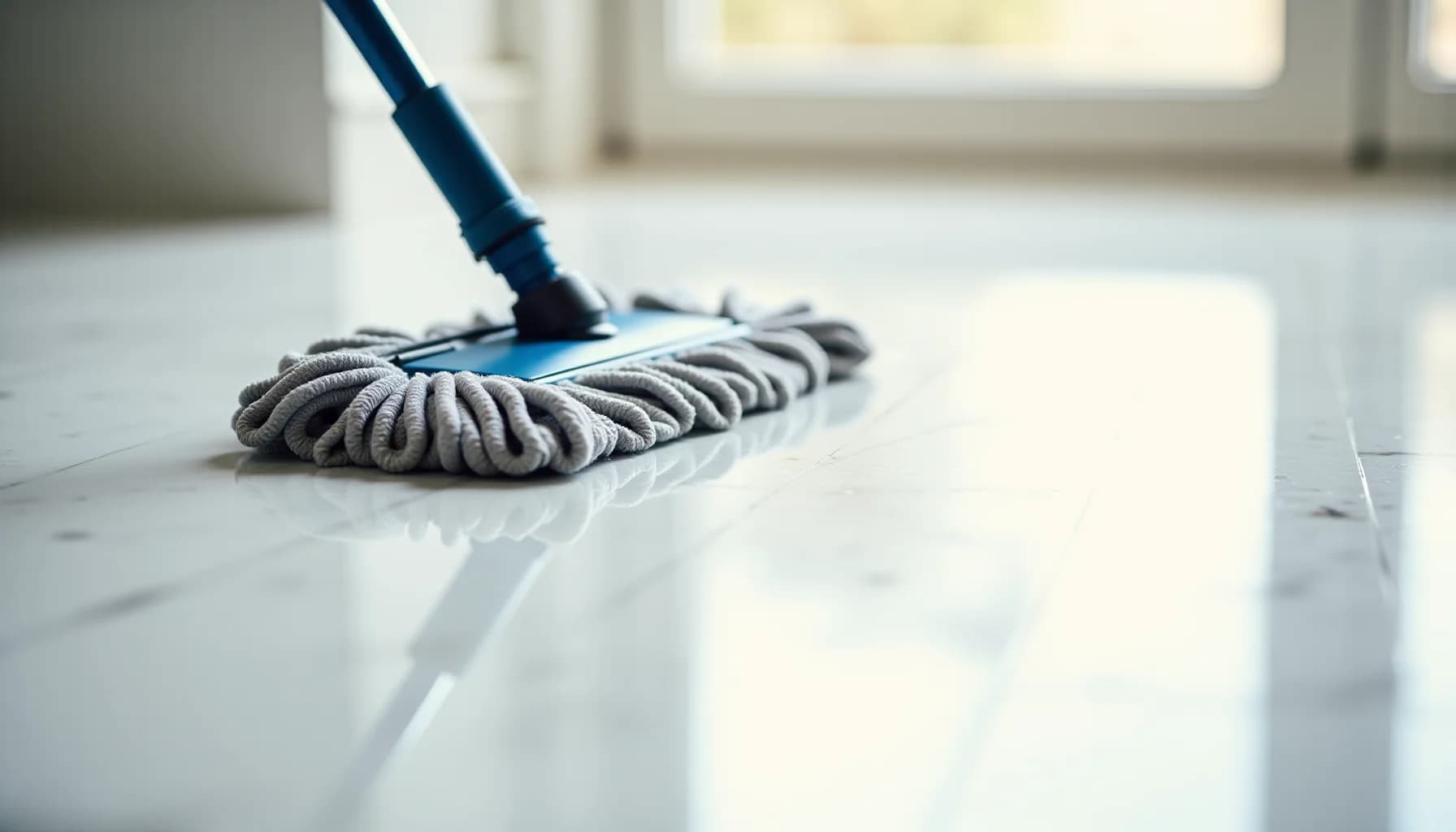
Buff the surface dry with a clean, absorbent towel right after wiping. Leaving moisture sitting on marble gives spills and residues more time to penetrate the pores and stain the stone.
Address spills the moment they happen
Blot acidic liquids such as wine, coffee, citrus juice, tomato sauce, or soda the instant they land on the marble. Etching begins as soon as acid contacts the stone surface, so even a few seconds of contact from a single drop of orange juice can leave a permanent dull mark.
Seal the surface every 6 to 12 months and use physical barriers daily
Apply a traditional impregnating stone sealer on schedule, and every 6 months for busy kitchen countertops, to protect against staining from oils and liquids. Place coasters, trivets, and cutting boards on the marble at all times, because sealing does not prevent etching and no variety of marble is resistant to acid damage.
What cleaners and tools will permanently damage marble?
The most destructive thing you can do to marble is reach for a common household cleaner without checking the label first. Bleach, ammonia, vinegar, lemon juice, and most all-purpose sprays, including products from brands like Clorox and Lysol, will chemically attack the stone's surface. The same goes for bathroom cleaners, which are almost universally formulated with acids to cut through soap scum and hard water deposits. Those acids do exactly what they're designed to do: dissolve mineral buildup. The problem is that marble is mineral, specifically calcium carbonate, and the reaction begins the moment the liquid touches the surface. The result is etching, a permanent dulling and scarring of the stone that no amount of wiping will reverse.
A particularly stubborn misconception is that natural or eco-friendly cleaners are a safe alternative. Many of them use citric acid, vinegar, or other plant-derived acids as their active ingredients. From marble's perspective, there is no meaningful difference between a "green" citric acid cleaner and a synthetic one. The acid etches the surface either way. If you're uncertain which cleaning products are genuinely safe across different stone surfaces, this guide to which cleaners are safe on natural stone breaks it down by stone type and cleaner chemistry.
Physical tools cause a separate category of permanent damage. Abrasive scrubbing pads, scouring sponges, and stiff-bristled brushes scratch through the polished surface layer, leaving the stone looking dull and hazy. Marble scores only a 3 on the Mohs hardness scale, meaning many common scrubbing materials are harder than the stone itself. Once that reflective polish is scratched away, restoring it requires professional diamond honing and re-polishing. A soft microfiber cloth or a non-scratch sponge is the only safe choice for any physical cleaning contact with marble.
What is the difference between an etch mark and a stain on marble?
Most homeowners who notice a mark on their marble assume it is a stain, reach for a cleaning product, and make the damage significantly worse. Understanding the difference between a stain and an etch mark is probably the single most useful thing you can learn about marble care.
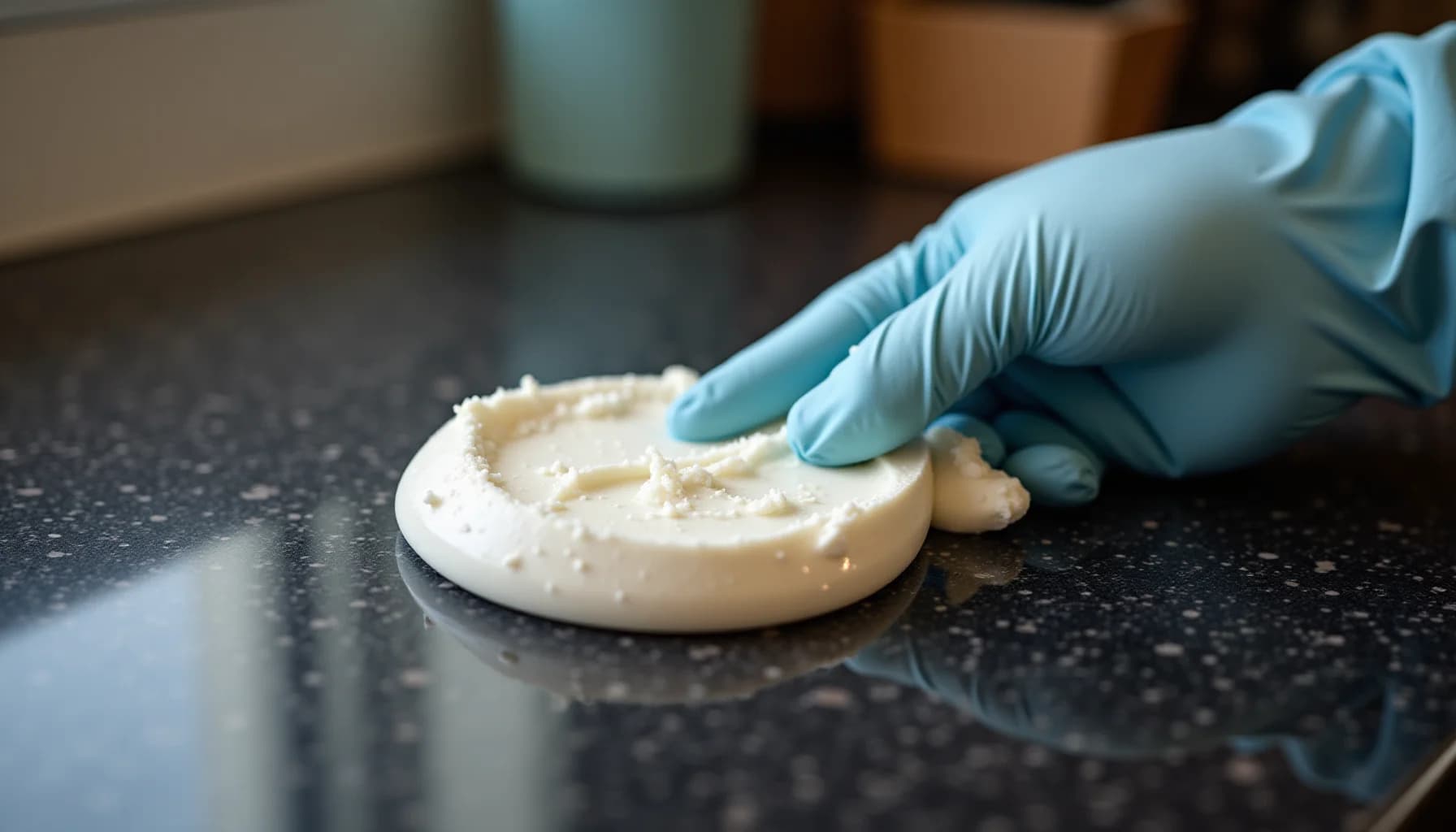
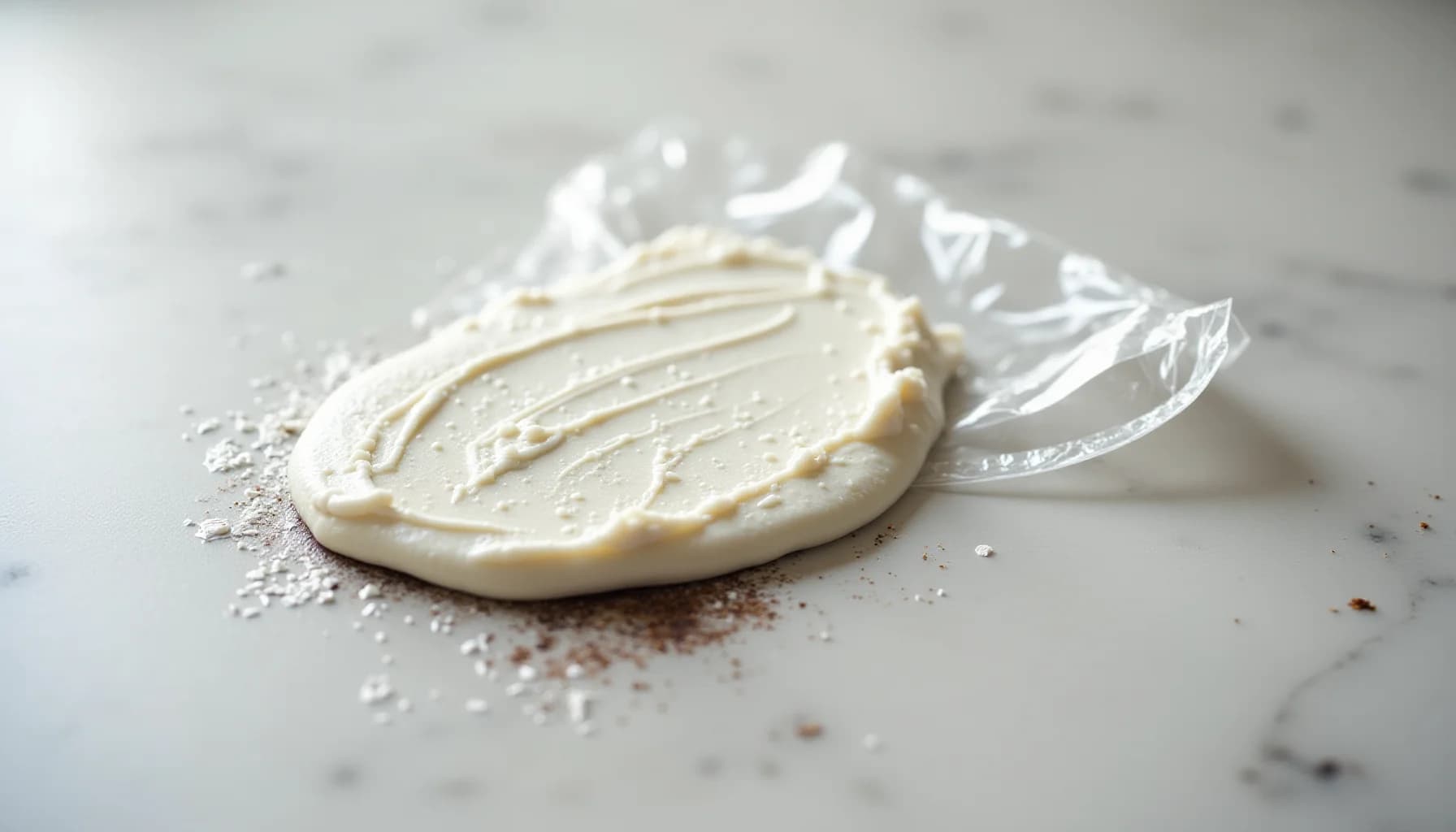
A stain is a discoloration caused by a substance seeping into the stone's pores. Olive oil, red wine, and rust are classic culprits. The staining agent sits inside the marble and darkens the surface from below. Because the stone itself is physically undamaged, stains can often be drawn back out using a poultice treatment, a paste applied to the surface that slowly pulls the absorbed material up through the pores as it dries.
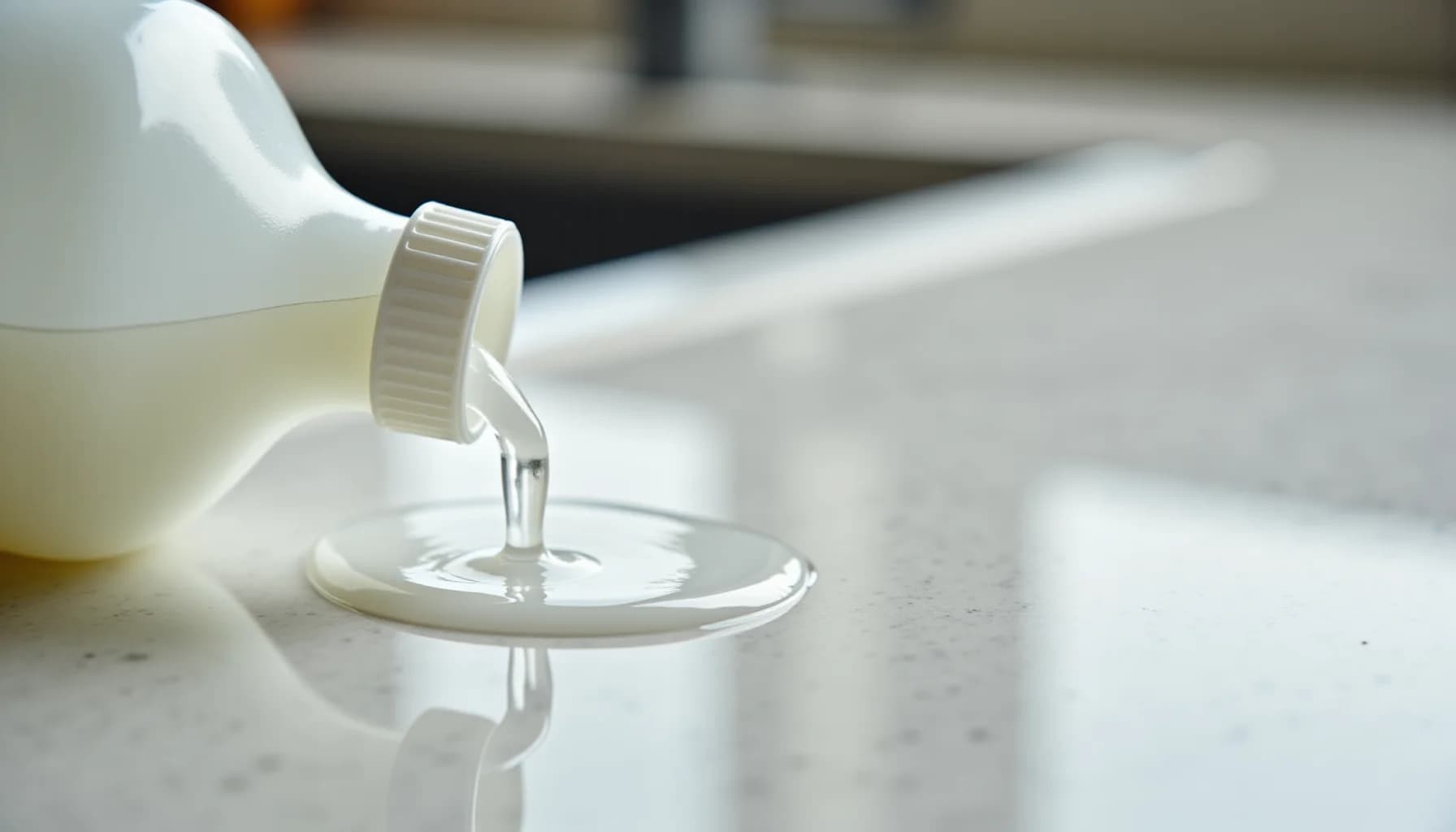
An etch mark is something entirely different. It is not a substance in the stone; it is damage to the stone itself. When an acid contacts marble's calcium carbonate surface, a chemical reaction begins dissolving the stone at the molecular level. That reaction starts the instant the acid touches the surface, which means a single drop of orange juice or a coffee cup sitting on an unsealed counter can leave a mark before you have even noticed the spill. The result is a dull, hazy patch, often lighter than the surrounding marble and frequently ring-shaped or splattered in outline. No amount of cleaning will remove it, because there is nothing to remove. The surface has been physically altered.
The two conditions also look different. Stains tend to darken the marble. Etch marks tend to lighten or dull it. If the mark looks like a pale, matte ring where a glass sat, that is almost certainly an etch, not a stain, and applying vinegar or any acidic cleaner to treat it will deepen the damage immediately.
Minor etch marks sometimes respond to marble polishing powder used at home. Moderate to severe etching requires professional honing and re-polishing to remove the damaged surface layer entirely.
| Feature | Etch Mark | Stain |
|---|---|---|
| Cause | Acid reacts with stone surface | Substance soaks into stone pores |
| Appearance | Light, hazy, or dull patch | Dark or colored discoloration |
| Instant damage? | Yes — on contact with acid | Not always; worsens if left to dry |
| Fix at home? | Minor only, with polishing powder | Yes, with poultice treatment |
| Does sealing prevent it? | No | Yes, if sealed properly |
What does sealing actually protect against?
Sealing marble is worth doing, but homeowners routinely misunderstand what it actually accomplishes. An impregnating sealer soaks into the stone's pores and creates a barrier that resists oil- and water-based liquids from penetrating deep enough to leave a stain. That is the full extent of what a sealer does. It does nothing to protect the surface from acid.
The reason matters chemically. Acid etching is a reaction that occurs at the surface of the stone, not inside it. When an acidic liquid, say, a splash of wine or a ring left by a coffee cup, contacts marble, it reacts immediately with the calcium carbonate at the very top of the stone and begins dissolving it. The acid does not need to penetrate the pores to cause that damage, so the sealer positioned inside those pores offers no protection whatsoever. A freshly sealed marble countertop etches just as readily as an unsealed one.
This distinction matters practically. Staining and etching look different: stains darken the stone, while etch marks typically appear lighter or hazy, often in ring shapes. If your marble has dull, lighter patches rather than dark spots, you are looking at surface damage, not a staining problem. No sealer, applied at any frequency, will reverse or prevent that.
For stain protection specifically, kitchen countertops and other high-use marble surfaces should be resealed every six to twelve months. Lighter-use surfaces may stretch longer between applications. If you are unsure whether a surface has been sealed or which stone type you are actually dealing with, five reliable tests can identify your stone countertop before you invest in products.
When etch damage is moderate to severe, covering more than a small area or visibly altering the surface texture, stop attempting home remedies and call a professional stone restorer. That work involves diamond honing and re-polishing to remove the damaged layer entirely, which is beyond what household polishing powders can achieve.
Frequently asked questions
Can I use vinegar or lemon juice to clean marble?
What is the safest way to clean a marble countertop every day?
Does sealing marble protect it from acid damage?
What is the difference between a marble stain and an etch mark?
Can you repair marble that has already been damaged?
The short answer is: sometimes, but not always at home. Minor etch marks, the kind left by a single drop of coffee or a brief splash of lemon juice, can sometimes be reduced with a marble polishing powder. You apply it with a damp cloth using small circular motions, and on lightly hazed areas it can restore some of the reflective polish. Moderate to severe etching, however, requires professional stone restoration. A technician will use diamond honing pads to abrade away the damaged surface layer, then re-polish the stone. It works, but it costs money and removes a fraction of the marble each time.
Prevention is the more sustainable habit to build. Use coasters under every glass, trivet under every hot pan, and a cutting board every single time, without exception. Keep a clean towel on the counter near the sink and wipe spills the moment they happen, because etching can begin the instant acid touches the surface. A single drop of orange juice or a ring left by a coffee mug is enough.
Seal the surface every six to twelve months, more frequently in the kitchen. Sealing protects against staining from oils and liquids penetrating the pores, not against acid etching, but it is still a necessary layer of defense. Mark the date on your calendar so it does not slip.
How this article was made
Researched and written with AI assistance. What gets published is a human editorial decision. Grounded in 8 cited sources.
Edited by Claire Mercier, Editor. The guides are written with AI assistance.
Sources (8)
- How to Clean Marble Surfaces Properly - Bob Vila
- How To Disinfect Marble Countertops | Marble Cleaning Tips
- How To Clean Marble Countertops | The Kitchn
- The Best Way to Clean Marble Countertops
- How to Clean Countertops
- How To Clean Marble Surfaces In Your Home
- All The Common Cleaning Mistakes That Might Be Staining Your Marble - House Digest
- Marble Etching: Causes, Prevention, and DIY Repair – Dynamic Stone Tools