How to Clean Marble Countertops Without Wrecking Them
Part of Stone & Countertops · article 9 of 13
On this page
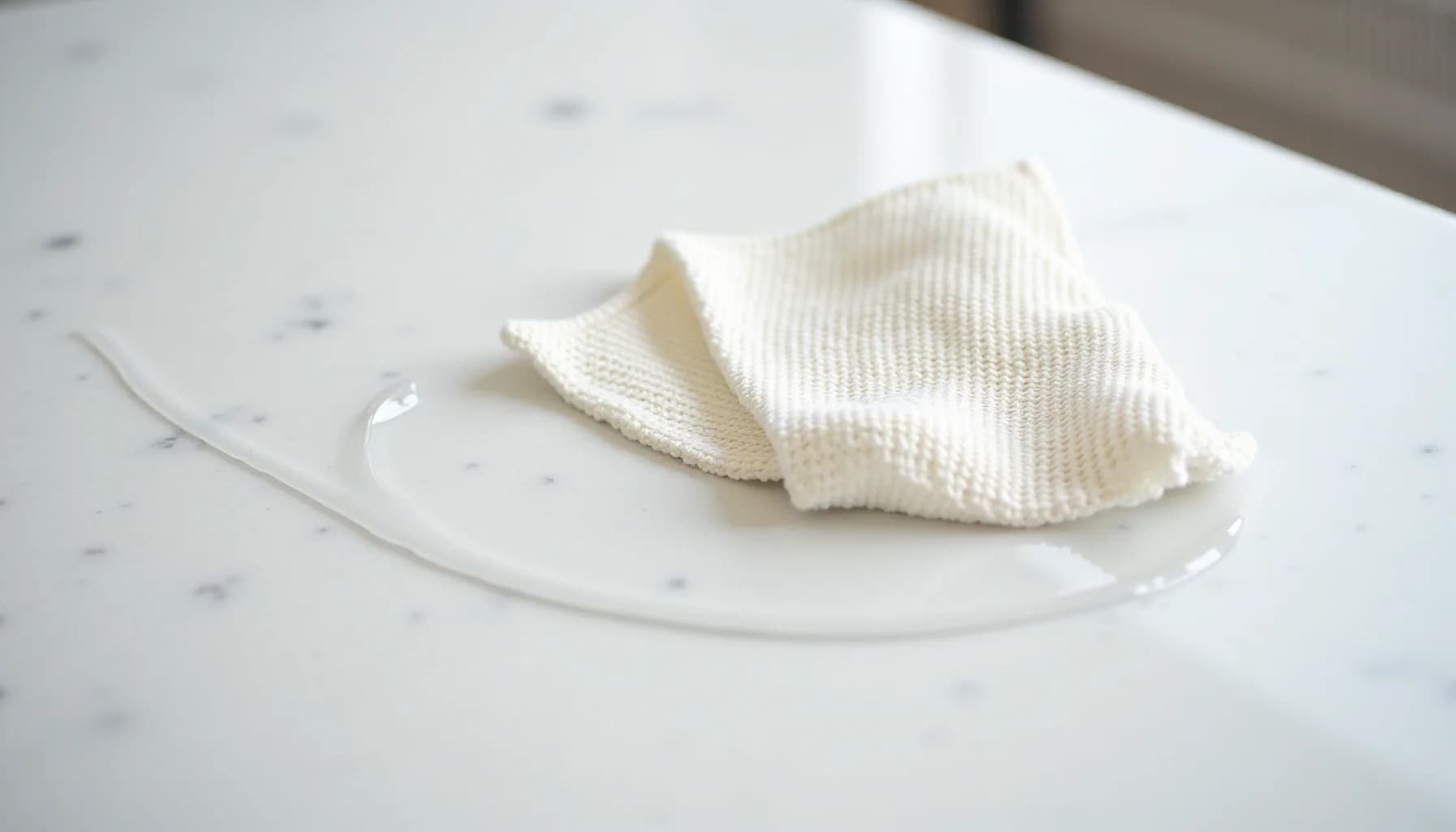
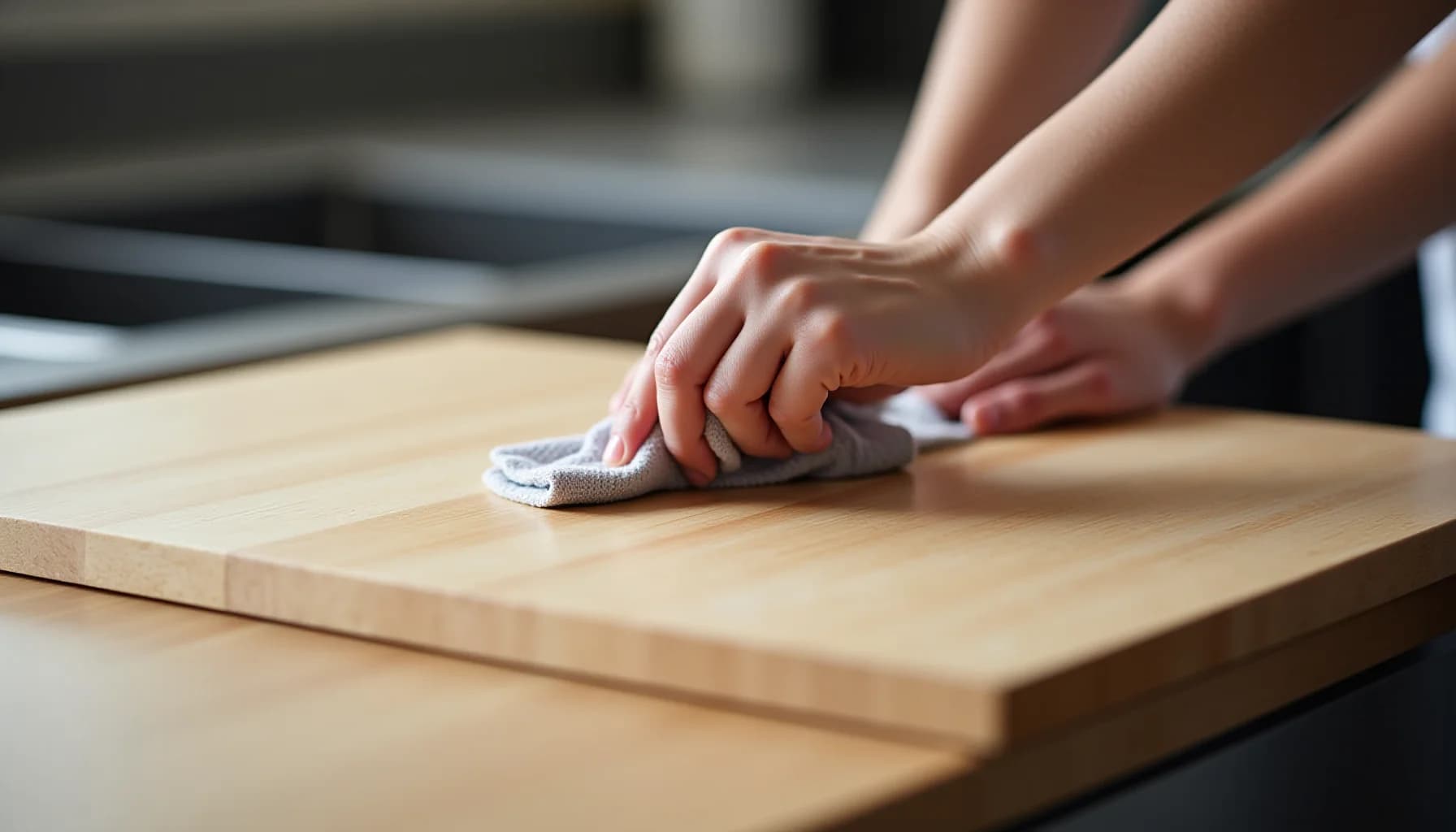
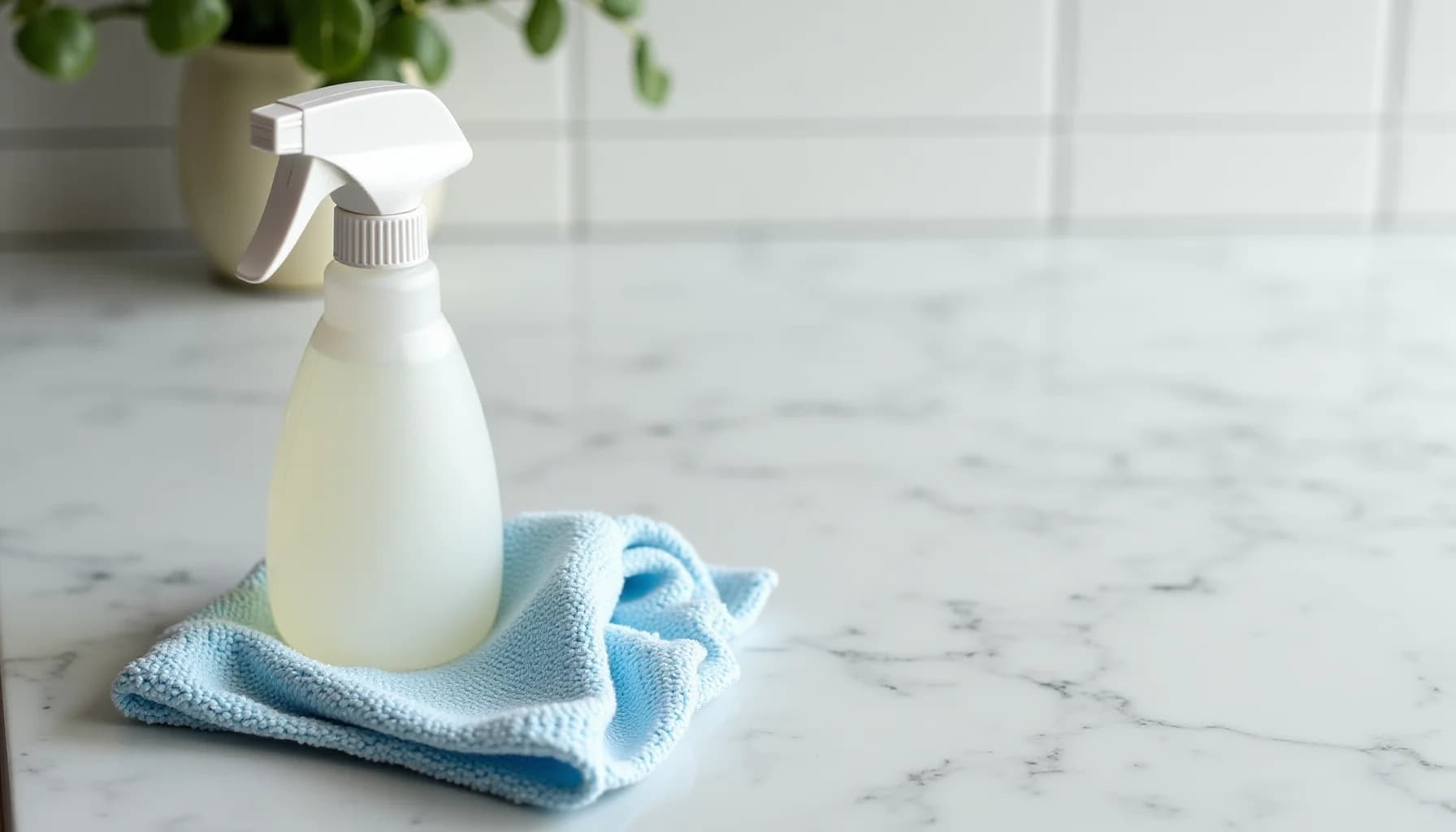
Fill a spray bottle with warm water and a few drops of mild dish soap, spritz the surface, and wipe in circular motions using a soft microfiber cloth. That is the complete daily routine. Dish soap sits at a neutral pH, which marble requires; anything acidic will etch the stone on contact, including vinegar, lemon juice, and common household sprays like Clorox, Lysol, and 409. Bleach causes the same damage. Skip abrasive scrubbers entirely. Rinse with clean water and dry the surface immediately rather than letting moisture sit.
Why marble countertops demand a different cleaning approach
Marble sits at 4 on the Mohs hardness scale, a 1-to-10 measure of scratch resistance. That number matters because granite typically scores around 6 and quartz engineered slabs are harder still. A material at 4 scratches from abrasive scrubbers, coarse sponges, or even fine grit tracked across the surface on the bottom of a coffee mug.
The deeper issue is what marble is made of: calcium carbonate. That mineral compound is the same substance found in chalk and limestone, and it reacts chemically with acids. Drop lemon juice, wine, tomato sauce, or even a splash of coffee on marble and you are not just risking a stain. You are triggering a corrosive reaction between the acid and the stone's own mineral structure.
Compounding both of these problems is porosity. Marble is a porous stone, which means its surface is riddled with microscopic channels that draw liquids inward. A spill that sits for even a few minutes begins migrating below the surface. Once a pigmented or oily liquid is inside the stone, removing it requires targeted treatment rather than simple wiping.
These three characteristics, softness, calcium carbonate reactivity, and porosity, interact constantly. A cleaner that would be unremarkable on a quartz countertop can leave permanent damage on marble. Understanding this before you reach for any bottle or cloth is the foundation of every cleaning decision you will make.
What's the difference between etching and staining, and can sealing stop both?
Know what you are working with before you start
Marble is made of calcium carbonate, rated 4 out of 10 on the Mohs hardness scale, and is naturally porous. Those two facts explain every rule that follows: acids chemically etch the finish and liquids absorb quickly into the stone, so the wrong product or a slow spill response causes permanent damage.
Mix a pH-neutral cleaning solution and wipe the surface daily
Fill a spray bottle with warm water and a few drops of mild dish soap, which sits at a neutral pH 7 and will not etch the stone. Spritz the countertop and clean in circular motions with a soft microfiber cloth or sponge, using minimal pressure. Never use vinegar, lemon juice, bleach, Clorox, Lysol, or 409: all are too acidic or too harsh and will dull or scar the finish permanently.
Blot spills the moment they happen
As soon as something spills, blot it immediately with a clean cloth rather than wiping, which spreads the substance further. Wine, coffee, tomato sauce, fruit juice, and sodas are all acidic and can begin etching the calcium carbonate or soaking into the stone's pores within minutes if left to sit.
Treat stains and etch marks with the correct targeted method
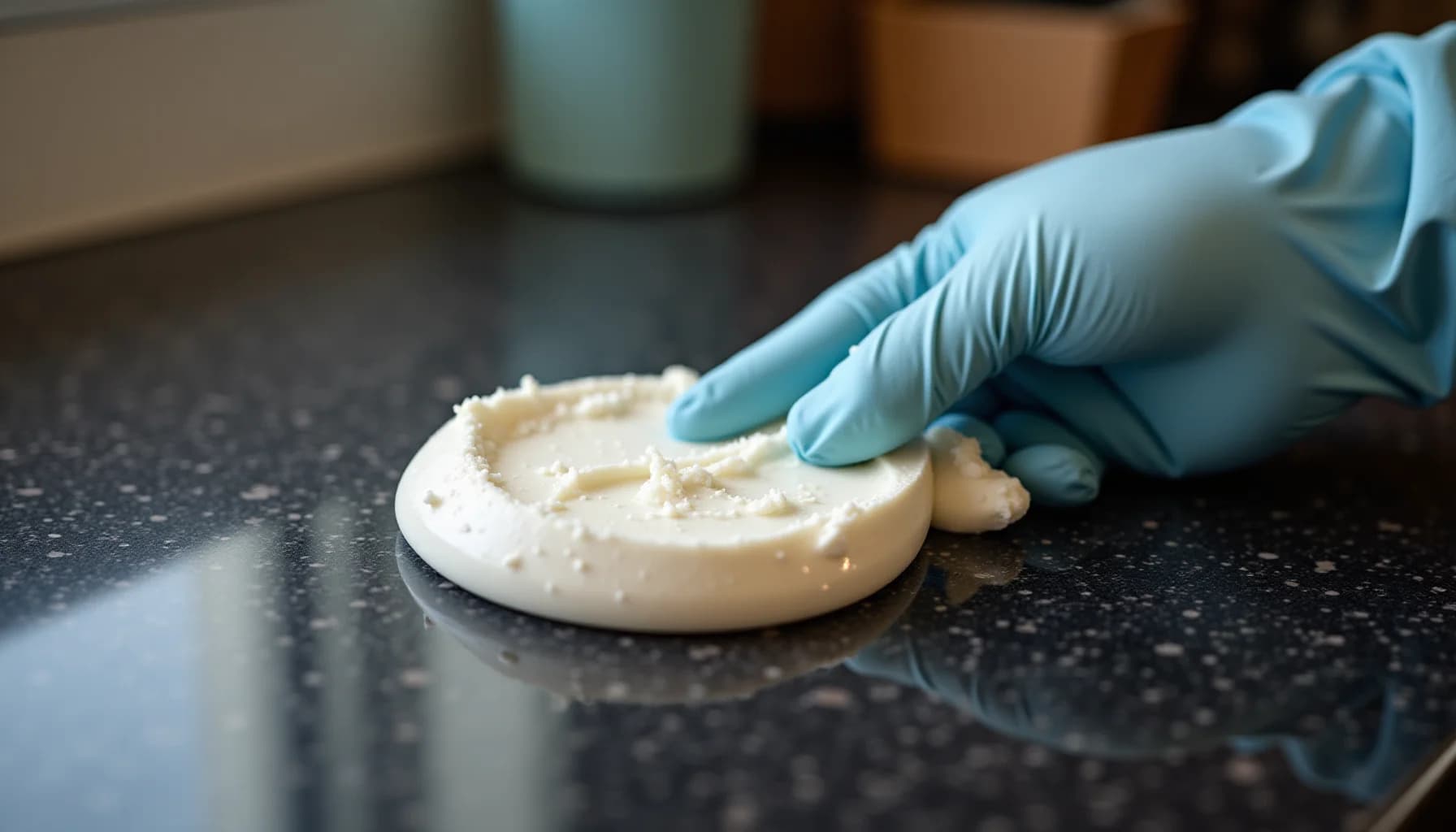
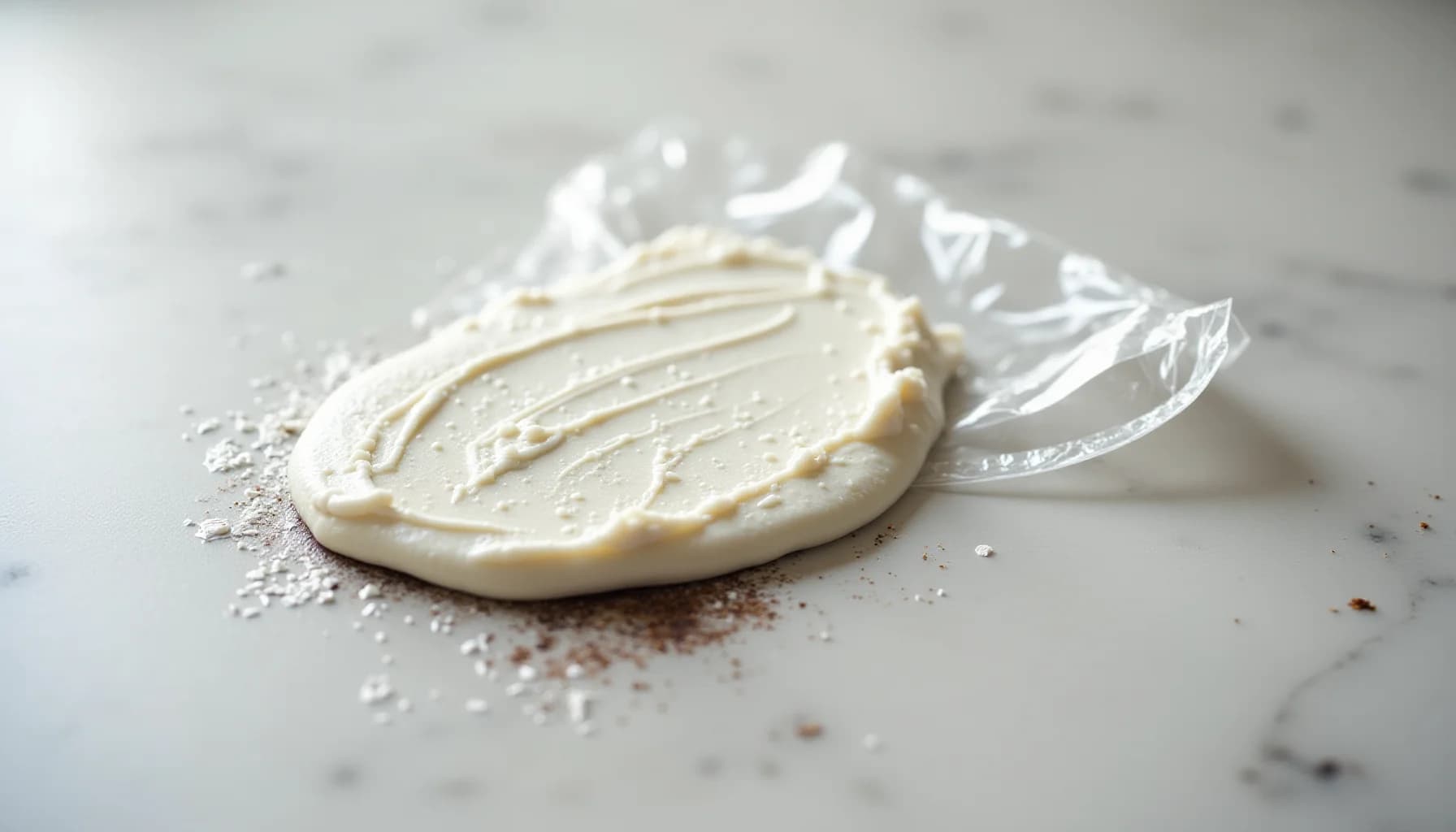
For oil-based stains, apply a paste of baking soda and water, cover it, and let it draw the oil out. For water-based stains on light-colored marble only, apply a 12% hydrogen peroxide solution. Etching is a different problem entirely: it is a chemical reaction that changes the surface finish, not an absorbed stain. Light etch marks may respond to a professional polishing compound, while deeper etching requires a stone restoration technician using diamond polishing pads to re-hone or resurface the marble.
Test your sealer and reapply it every 6 to 12 months
Drip a small amount of water onto the countertop: if it beads up, the sealer is still working; if it soaks in, reapply sealer promptly. Sealing makes the stone less absorbent and slows staining from oil, wine, and sauces, but it does not prevent etching because etching is a chemical reaction, not an absorption issue. Even freshly sealed marble will etch on contact with acid.
Use protective habits every day to reduce damage over time
Place cutting boards under acidic foods and coasters under drinks so they never contact the marble directly. Use extra caution with hot pans and pots: heat shock can cause discoloration or, in extreme cases, cracking. If you prefer a finish that is more forgiving day to day, honed marble hides etch marks better than polished marble, which shows dull spots more readily.
What should you use to clean marble countertops every day?
Fill a spray bottle with warm water and add a few drops of mild dish soap. That is genuinely all you need for daily marble countertop cleaning, and the simplicity is deliberate. Dish soap sits at a neutral pH of around 7, which means it cleans without triggering the chemical reaction that dulls marble's surface. Anything more aggressive introduces unnecessary risk.
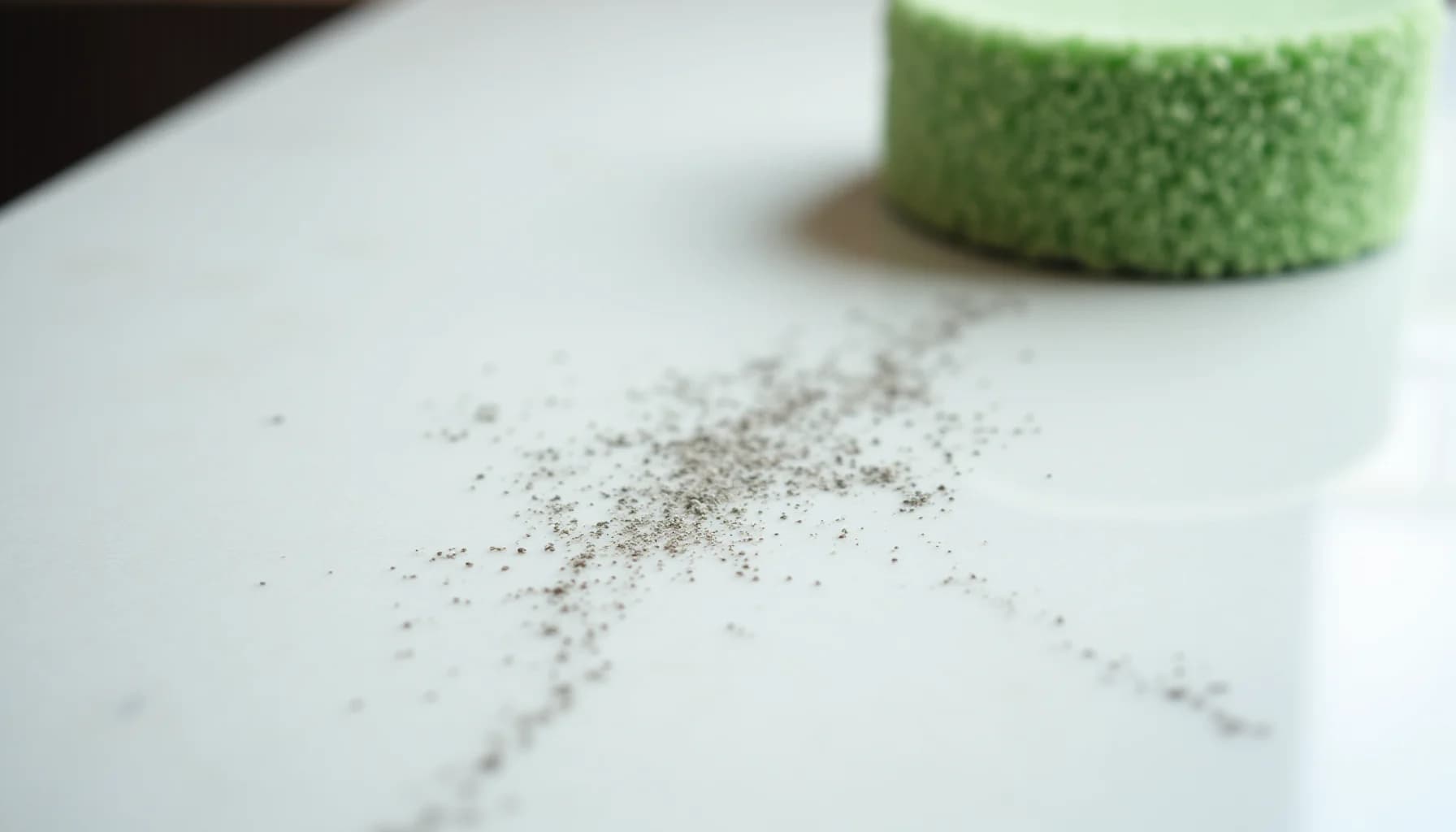
Spray the solution lightly across the countertop and wipe using a soft microfiber cloth or a non-scratch sponge. Work in circular motions with minimal pressure. The goal is lifting surface debris and residue, not scrubbing. Abrasive scrubbers, including the rough green side of a standard kitchen sponge, can leave fine scratches in marble's relatively soft surface. On the Mohs hardness scale, marble rates just 4 out of 10, softer than granite or quartz, so the cleaning tool matters more than most homeowners expect.
After wiping, rinse the cloth with clean water and go over the surface once more to remove any soap residue. Then dry the countertop thoroughly with a second clean microfiber cloth. Leaving water sitting on marble is not catastrophic in the short term, but a consistent habit of drying the surface reduces the slow buildup of water deposits and protects your sealer from unnecessary wear.
A few practical notes on what to keep away from the countertop during your routine: commercial spray cleaners marketed for kitchen surfaces, including well-known names like Clorox, Lysol, and 409, are acidic or contain chemicals that strip marble's finish over time. Vinegar, even diluted, causes the same problem. If you want a fuller breakdown of which cleaners are safe on natural stone, that is worth reviewing before you reach for anything from under the sink besides dish soap.
Consistency with this routine, done daily in a working kitchen, keeps marble looking clean without accumulating damage.
Will vinegar, bleach, or Lysol ruin your marble countertops?
Yes, all three will damage marble, and the damage they cause is permanent.
Vinegar is the most common offender. It's acidic, and marble is composed primarily of calcium carbonate, which reacts chemically with any substance below pH 7. That reaction doesn't just leave a mark on the surface; it corrodes the stone itself, producing dull, etched patches that no amount of cleaning will reverse. Lemon juice, 409, Clorox, and Lysol all fall into the same category. These are household staples that work well on many surfaces, but on marble they strip the luster and scar the finish. The damage accumulates gradually, which is why some homeowners don't notice it until the countertop has lost most of its sheen. For a fuller picture of which common cleaners cause this kind of harm across all natural stone, see which cleaners are safe on natural stone and which wreck it.
Bleach is a separate problem. It doesn't etch marble the way acids do, but it can discolor the stone and degrade sealer, leaving the surface more vulnerable to everything else.
Two myths make this worse by giving homeowners false confidence. The first is that some marble varieties are low-maintenance or acid-resistant. They aren't. All marble is calcite-based, and all calcite-based stone etches on contact with acid, without exception. There is no premium grade or specially treated marble slab that bypasses this chemistry.
The second myth is that sealing your countertop protects it from acid damage. Sealer reduces the stone's absorbency, which helps prevent staining from wine, oil, or sauces soaking into the pores. It does nothing to stop the chemical reaction that causes etching. A freshly sealed marble countertop will etch just as readily as an unsealed one if acidic liquid sits on it.
How can you protect marble countertops from everyday damage?
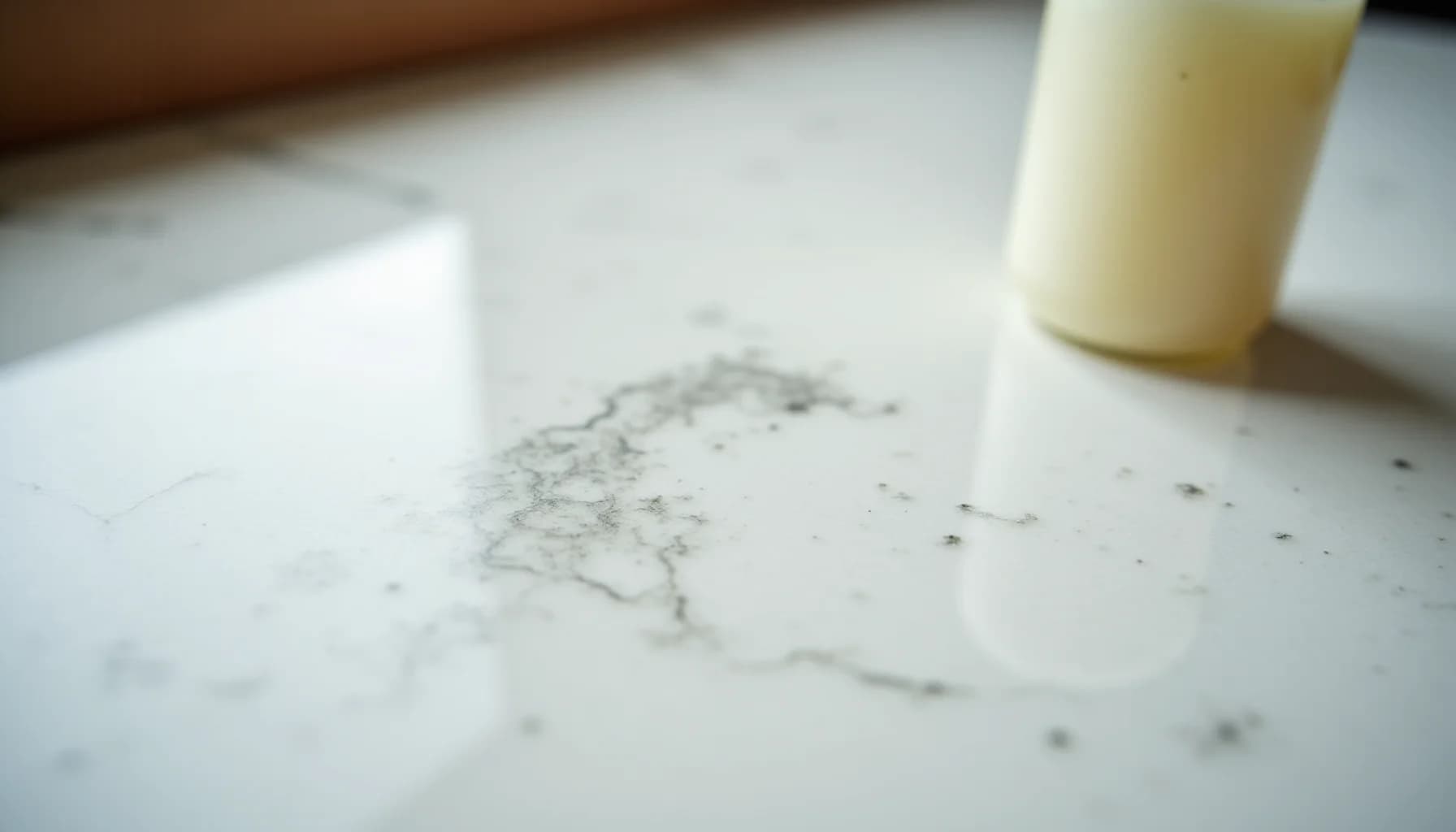
The single most protective habit with marble is speed. The moment wine, tomato juice, coffee, lemon juice, or any citrus drips onto the surface, blot it with a clean cloth immediately. Do not wipe, because wiping spreads the liquid across more stone. Marble's porosity means a liquid can seep into the pores within minutes, turning a manageable spill into a permanent stain. Acidic liquids carry a second threat beyond staining: they react chemically with the calcium carbonate in the stone and etch the finish on contact, creating dull, matte rings that no amount of cleaning will reverse. Sealing slows absorption, but it cannot stop that chemical reaction. A sealed countertop will still etch if lemon juice or vinegar sits on it.
Finish choice directly affects how much visible damage you accumulate over time. A honed, matte finish obscures etch marks because the surface is already matte. A polished finish is brighter and more striking, but every etch shows as a dull spot against the shine.
For everyday protection, keep cutting boards under acidic foods and coasters under drinks, including sodas and milk, both of which are acidic enough to etch. Keep hot pans off the surface entirely; heat shock can discolor marble or, in extreme cases, cause cracking.
If you press a damp cloth to an etch mark and the dullness remains, no home remedy will fix it. At that point, stop and call a stone restoration technician. Attempting to sand or abrasively polish a significant etch yourself risks removing material unevenly and creating a larger problem than the original mark.
Frequently asked questions
Can I use vinegar or lemon juice to clean marble countertops?
What is the difference between a stain and an etch on marble?
Does sealing marble protect it from acid damage?
How often should I reseal my marble countertops?
How often does marble need to be sealed, and what do you do when damage is already done?
Reseal marble countertops every 6 to 12 months. That range exists because usage matters: a kitchen counter that handles daily cooking, wet glasses, and sauce splatter depletes its sealer faster than a lightly used bathroom vanity. If you are unsure whether yours is still protected, do the water droplet test. Pour a small amount of water onto the surface and watch it for a minute or two. If the water beads up and sits on top, the sealer is doing its job. If it soaks in and darkens the stone, resealing is overdue.
Resealing is straightforward: clean the surface thoroughly, let it dry completely, apply a stone-specific penetrating sealer according to the product instructions, and buff off any excess before it hazes. Do not skip the drying step; sealer applied over residual moisture traps it in the stone.
For existing stains, the treatment depends on what caused them. Oil-based stains respond to a baking soda paste left on the spot for several hours. Water-based stains can be treated with hydrogen peroxide, but limit that approach to light-colored marble only, as 12% hydrogen peroxide may affect darker stone.
Etching is a different problem entirely and sealer will not fix it after the fact. Light etch marks sometimes respond to a professional-grade polishing compound worked over the dull area. Deeper etches, the kind that visibly alter the surface texture, require a stone restoration technician who uses diamond polishing pads to re-hone or resurface the marble. That work is not a DIY project.
How this article was made
Researched and written with AI assistance. What gets published is a human editorial decision. Grounded in 8 cited sources.
Edited by Claire Mercier, Editor. The guides are written with AI assistance.
Sources (8)
- How To Disinfect Marble Countertops | Marble Cleaning Tips
- How To Clean Marble Countertops | The Kitchn
- Cleaning Marble Kitchen Counters - The Martha Stewart Blog
- How to Clean Marble Vanity and Countertops in the Bathroom | Marble.com
- Guide to Effective Marble Countertop Cleaning Techniques
- How to Clean Countertops
- How To Clean Marble Surfaces In Your Home
- Granite Countertop Care & Marble Cleaning Products