Why Oven Cleaner Ruins Surfaces (And What It Attacks First)
Part of Appliance Cleaning · article 4 of 13
On this page
Oven cleaner works by chemistry, not scrubbing. The active ingredient in most commercial formulas is sodium hydroxide (lye), which creates a strongly alkaline solution with a pH between 11 and 13. At that pH level, the chemical attacks organic compounds through a process called saponification, breaking apart the molecular bonds in grease and baked-on food. The problem is that the same aggression does not stop at food residue.
Each surface in and around your oven has a protective layer: an oxide film on aluminum, a passive chromium layer on stainless steel, paint binders on enameled and coated surfaces. Sodium hydroxide dissolves or undermines those layers specifically. On aluminum, it strips the oxide coating and exposes raw metal to pitting and structural weakening. On stainless steel, it can etch the finish and cause discoloration. On enamel, it corrodes the coating and leaves permanent white marks.
The damage is also cumulative. Residual cleaner that is not fully rinsed away keeps reacting long after you close the oven door.
What makes oven cleaner so chemically destructive to surface finishes?
Oven cleaner's destructive power comes down to one number: pH. Most commercial oven cleaners sit between pH 11 and 13, with their active ingredient, sodium hydroxide (lye), driving that extreme alkalinity. At that level, the chemistry isn't just loosening grease. It's actively dismantling the molecular structure of whatever protective layer it contacts.
Sodium hydroxide works through saponification, a reaction that converts fats and oils into soap-like compounds that rinse away. That's exactly what you want on a baked-on grease deposit. The problem is that the same reaction doesn't stop at organic food residue. Paint films, lacquer coatings, and anodized finishes all contain binding agents and organic compounds that respond to strong alkalis the same way grease does: the binder softens, loses adhesion, and the finish blisters or peels away from the substrate beneath.
Metals have their own form of protection that oven cleaner undermines differently. Aluminum, for instance, relies on a thin aluminum oxide layer at its surface to resist corrosion. When a strongly alkaline cleaner contacts that layer, it dissolves it, leaving raw aluminum exposed. Stainless steel carries a similarly thin passive layer, and while it's more resistant than aluminum, prolonged contact or incomplete rinsing strips it back enough to allow etching and discoloration to set in.
That phrase, "incomplete rinsing," is critical. Residual cleaner left on any surface keeps reacting long after you've walked away. The damage isn't always visible in the moment. It accumulates as the alkaline chemistry continues attacking whatever protective layer remains.
A product marketed as "safe for stainless steel" doesn't change this chemistry. The alkalinity is the mechanism, and no label claim alters how pH 12 behaves against a metal oxide layer or a solvent-based paint finish.
Which surfaces does oven cleaner damage most, and why does each fail differently?
Switch to dish soap and warm water for countertops and adjacent surfaces
Apply a few drops of dishwashing liquid to a damp cloth and wipe down countertops, stovetop surrounds, and hood exteriors. Dish soap is a strong degreaser that cleans effectively without the alkalinity that etches marble, granite, laminate, or painted finishes.
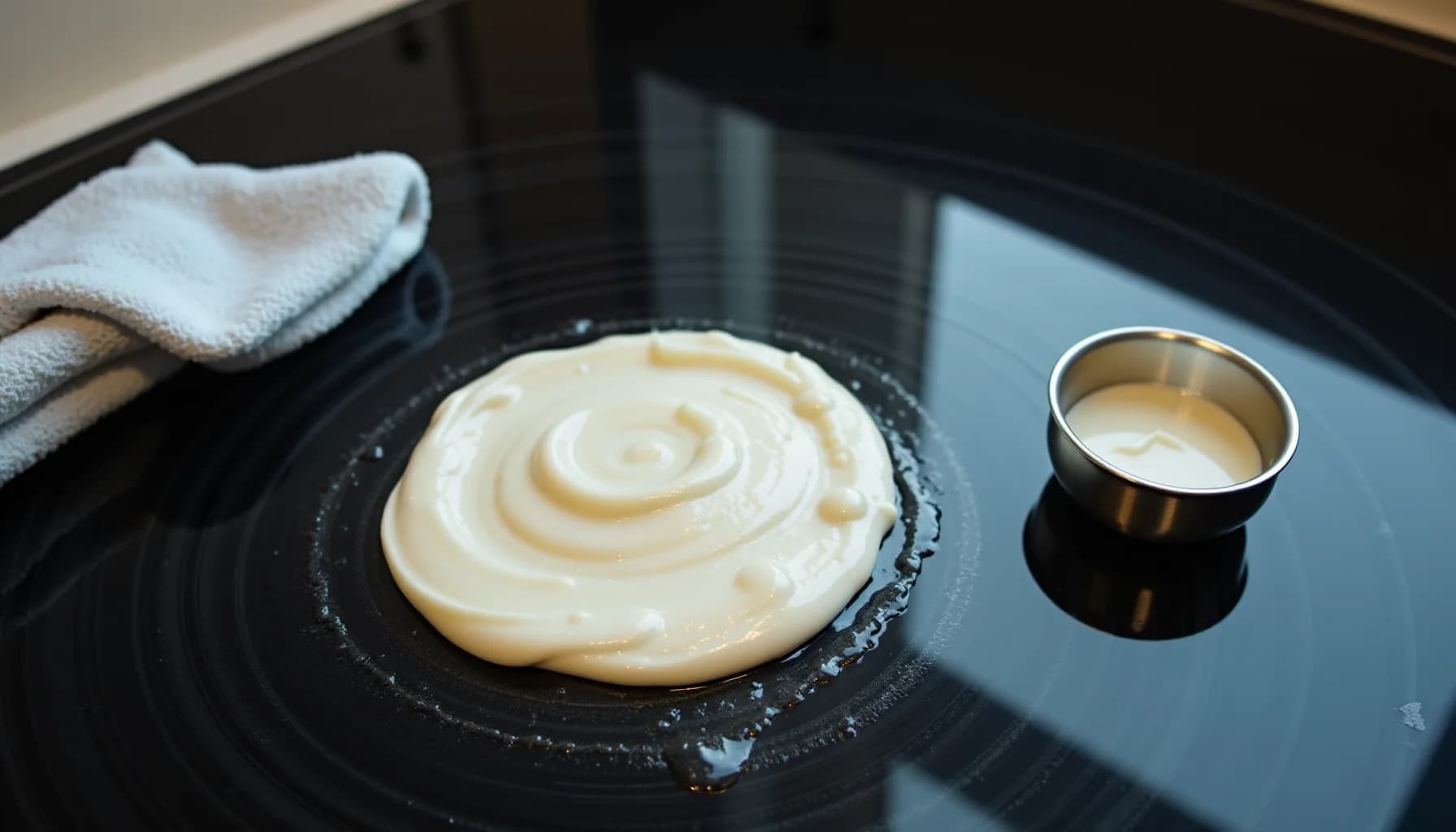
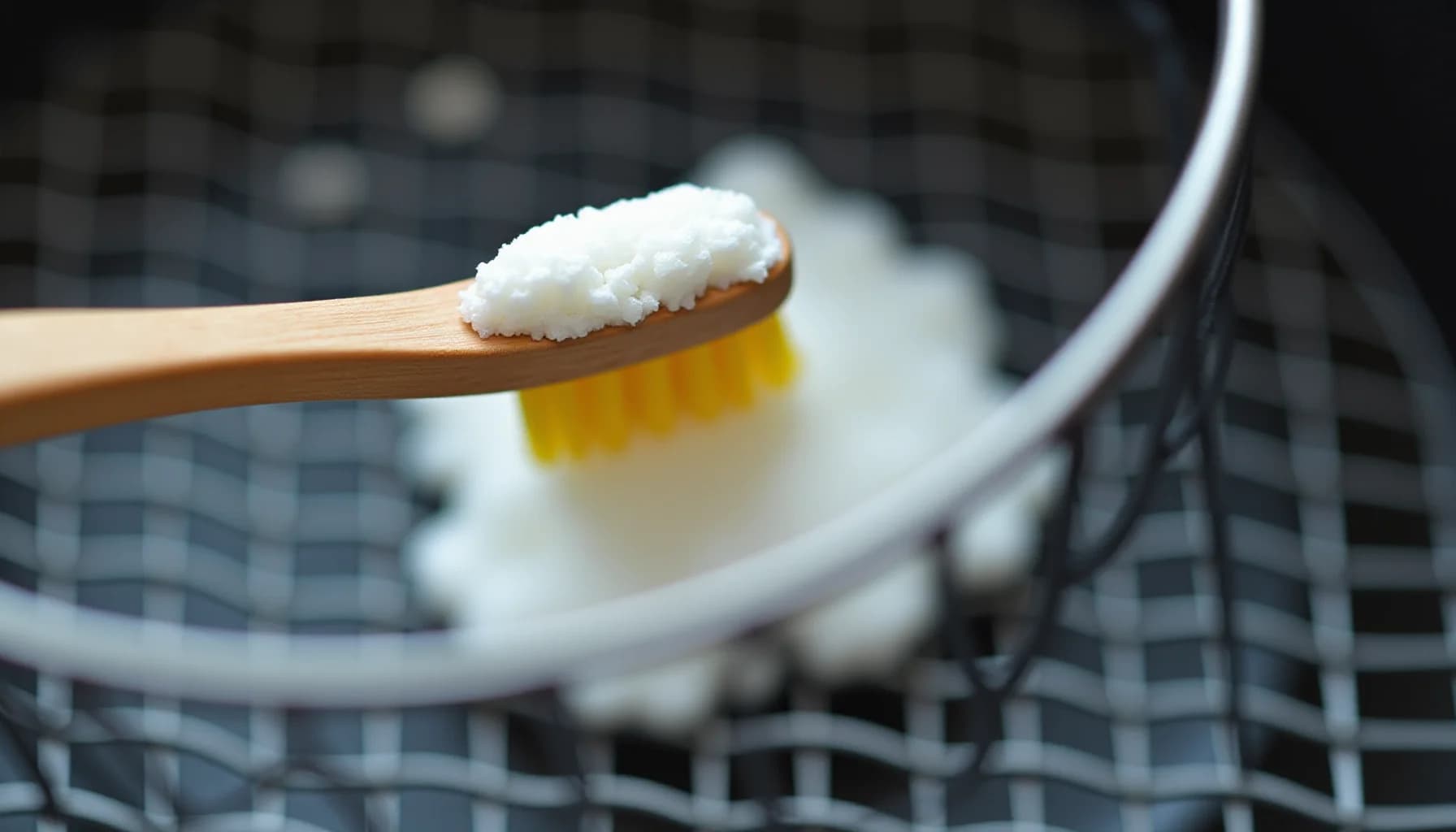
Use baking soda paste for baked-on grease inside the oven
Mix baking soda with just enough water to form a thick paste, spread it over soiled interior surfaces, and leave it for several hours or overnight. The mild abrasive action lifts carbonized residue without attacking enamel coatings, heating elements, or door seals.
Run the self-cleaning cycle if your oven has one
Set the oven to its built-in self-cleaning mode, which uses high heat to incinerate food deposits to ash. This removes the need for any chemical cleaner and avoids the risk of caustic residue absorbing into the self-cleaning liner and destroying its finish.
Wipe away residue completely with a damp cloth, then dry
After any cleaning method, rinse the cloth thoroughly and wipe all surfaces a second time to remove every trace of cleaner or paste, then dry with a clean towel. Residual cleaning agents, even mild ones, continue to react with surfaces if left behind, so complete removal is the final and critical step.
What happens if you don't rinse oven cleaner off completely?
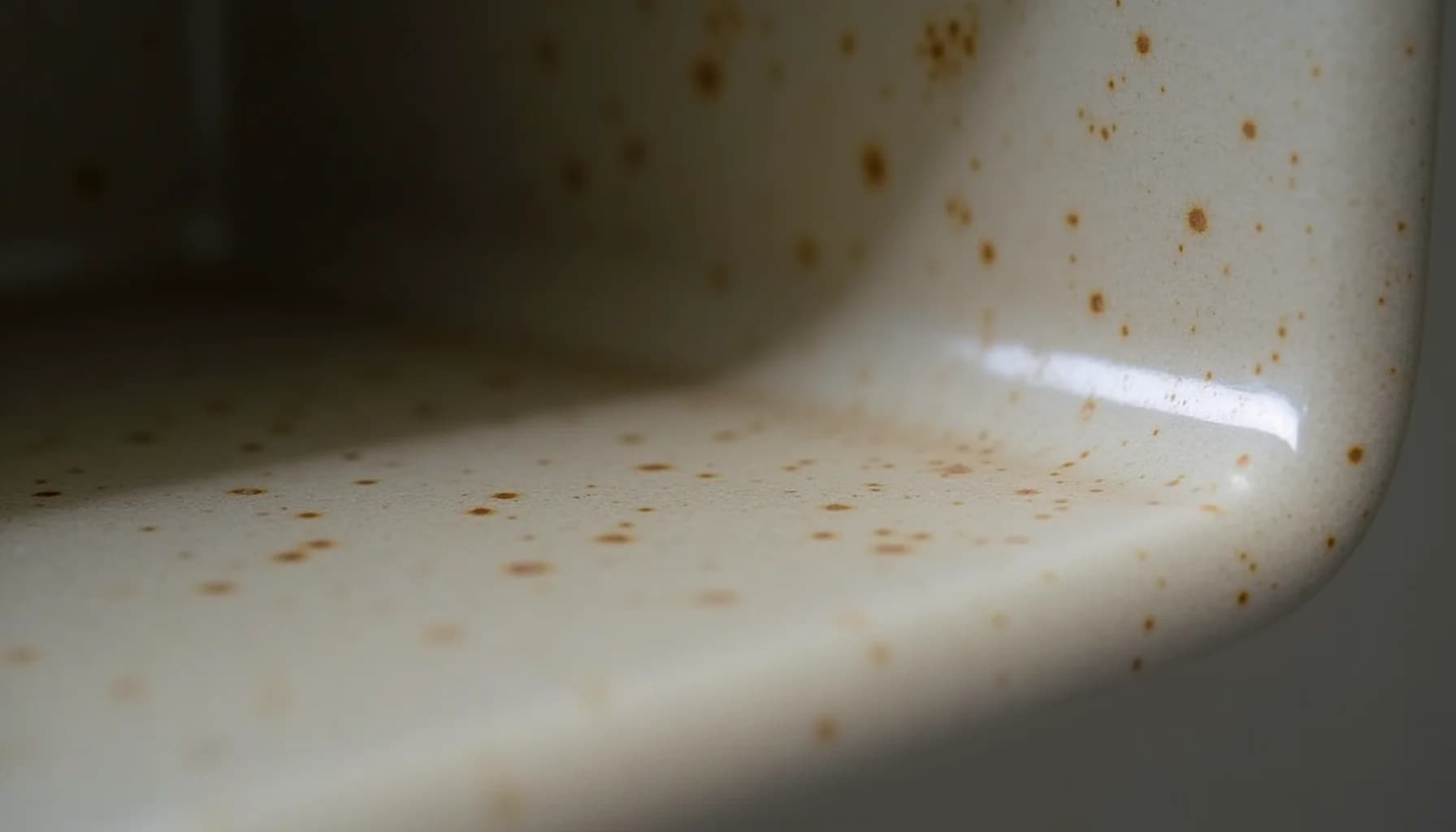
Residual oven cleaner does not simply stop working once you close the oven door. The sodium hydroxide stays chemically active as long as it remains on the surface, continuing to break down whatever protective layer it is sitting on. A thin film left in a corner of the enamel interior, or a streak missed during rinsing, will keep reacting, and the damage accumulates silently between uses. By the time discoloration or pitting becomes visible, the protective finish is already compromised beyond simple cleaning.
Overspray compounds the problem significantly. In a confined kitchen space, a short burst of oven cleaner can easily reach the hood, adjacent cabinet panels, or a nearby countertop. Alkaline residue that lands on a painted hood or a laminate surface and is not immediately wiped off will etch and dull the finish in exactly the same way it attacks enamel, just on surfaces that were never meant to receive it.
If you have already discovered damage, the honest answer is that some of it is permanent. Etched stainless steel, chalky aluminum, and whitened enamel cannot be restored to their original factory finish through cleaning alone. Light surface discoloration on stainless steel can sometimes be reduced with a dedicated stainless steel polish applied in the direction of the grain, but deep etching is structural. Enamel that has been corroded will not re-fuse; the only options are specialty enamel repair paint for cosmetic coverage, or professional appliance refinishing.
Call in a professional appliance repair technician when a heating element shows signs of corrosion, when chrome racks have rusted through, or when you suspect the door glass adhesive has been weakened. Those are structural and safety issues, not aesthetic ones, and DIY fixes will not address them reliably.
Can You Trust the Safety Claims on Oven Cleaner Labels?
So it does not happen again
- Check the surface material before spraying — confirm it is not aluminum, enamel, painted, or anodized before applying any oven cleaner
- Tape off or cover adjacent surfaces such as the range hood, countertops, and door glass before you begin to prevent overspray damage
- Set a timer and rinse the cleaner off completely within the manufacturer's contact time — do not let it sit longer or dry on the surface
- Wipe down with a damp cloth at least twice after cleaning to remove all chemical residue, since leftover product keeps reacting even after you finish
- Test any new oven cleaner on a hidden spot first, regardless of what the label claims about surface safety
How this article was made
Researched and written with AI assistance. What gets published is a human editorial decision. Grounded in 8 cited sources.
Edited by Claire Mercier, Editor. The guides are written with AI assistance.
Sources (8)
- Remove Stains From Oven Cleaner
- The Dangers of Using Oven Cleaner on Countertops
- Using Oven Cleaners & Other Oven Cleaning Tips
- Will Oven Cleaner Hurt Stainless Steel? 5 Safe Cleaning Tips - SquidAppliances
- Will Oven Cleaner Damage Aluminum Cookware? Reactions And Fixes Explained [Updated On- June 2026]
- Can I Use Oven Cleaner On Stainless Steel? Safe For Your Appliances - Kitchendemy
- Will Oven Cleaner Damage Stainless Steel? Do's, Don'ts, And Safe Cleaning Tips [Updated On- July 2026]
- Oven Cleaner: Does It Damage A Self-Cleaning Oven? Safety Risks & Cleaning Hacks [Updated On- June 2026]