Which Cleaners Are Safe for Each Appliance Surface
Part of Appliance Cleaning · article 3 of 13
On this page
| Surface / Situation | Recommended Cleaner | Key Caution |
|---|---|---|
| Stainless steel exterior | Mild dish soap + water; stainless steel-specific spray | Never use bleach or ammonia — causes permanent pitting and corrosion |
| Refrigerator interior (food contact) | Vinegar-water (1:1) or baking soda + 1 cup hot water | Baking soda only inside — not on stainless steel exterior |
| Glass shelves (refrigerator) | Mild dish soap + water; dishwasher-safe | Never rinse cold glass with warm water — thermal shock can crack it |
| Microwave interior | Lemon juice + 1 cup water, microwaved; baking soda + damp cloth | Avoid harsh chemical sprays near food-contact surfaces |
| Oven interior (non-self-clean cycle) | Baking soda + water paste; add vinegar for extra scrubbing | Never apply commercial oven cleaner before running self-clean — toxic fumes risk |
| Any appliance surface | Mild dish soap + water as universal safe baseline | Check owner's manual first — wrong cleaner can void warranty |
The table above organizes appliance surfaces into rows, each matched to its safest cleaner, what to avoid, and the specific risk of getting it wrong. Read across each row fully before reaching for a product, because the hazard column is where the real decision lives.
To distinguish rows that look similar at first glance: stainless steel exterior versus refrigerator interior are the closest pair, and the single separating test is whether the surface ever directly contacts food. If it does, only food-safe cleaners apply, such as a baking soda and water solution (two tablespoons per cup of hot water) or plain dish soap. The stainless steel exterior row allows a wider range of products, but bleach is disqualifying on either surface, just for different reasons. On the exterior, bleach causes permanent pitting. On the interior, it leaves chemical residue near stored food.
Glass shelves and microwave interiors are the next closest pair. The separating test is heat exposure: microwave interiors are cleaned with lemon juice and water before any heat cycle, while glass refrigerator shelves must never meet warm water while cold, because thermal shock can crack them.
Which Cleaners Are Safe for Each Appliance Surface?
- thermal shock
- Thermal shock is the stress that occurs when a material is exposed to a sudden, significant temperature change, causing it to crack or shatter. This is why cold glass refrigerator shelves should never be cleaned with warm water.
Each appliance surface has a different tolerance for cleaners, and matching the product to the surface is the most practical way to avoid permanent damage.
Stainless steel exteriors do best with soft gels, sprays, or stainless steel-specific wipes that clean without scratching. For ordinary dirt, a mild dish detergent diluted in water, rinsed thoroughly and towel-dried, is a reliable baseline. A 1:1 vinegar-and-water solution works for routine maintenance. Glass cleaner is usable on stainless steel but should not be a daily product; ammonia-based or chlorinated glass cleaners can cause discoloration and corrosion over repeated use. Bleach-based sprays are a hard line: they cause permanent pitting on stainless finishes. Baking soda, though gentle elsewhere, should also stay off stainless steel exteriors.
Refrigerator interiors call for food-safe options because every surface inside touches what you eat. Dishwashing soap with warm water, a 1:1 vinegar-and-warm-water spray, or a mix of two tablespoons of baking soda in one cup of hot water are the standard choices. Baking soda is particularly useful here because it cleans without leaving behind chemical scents.
Glass shelves and bins inside the refrigerator are generally dishwasher-safe, though mild dish soap and water by hand is the more commonly recommended approach. The material constraint worth knowing: cold glass shelves should never be cleaned with warm water, as the sudden temperature shift can cause cracking.
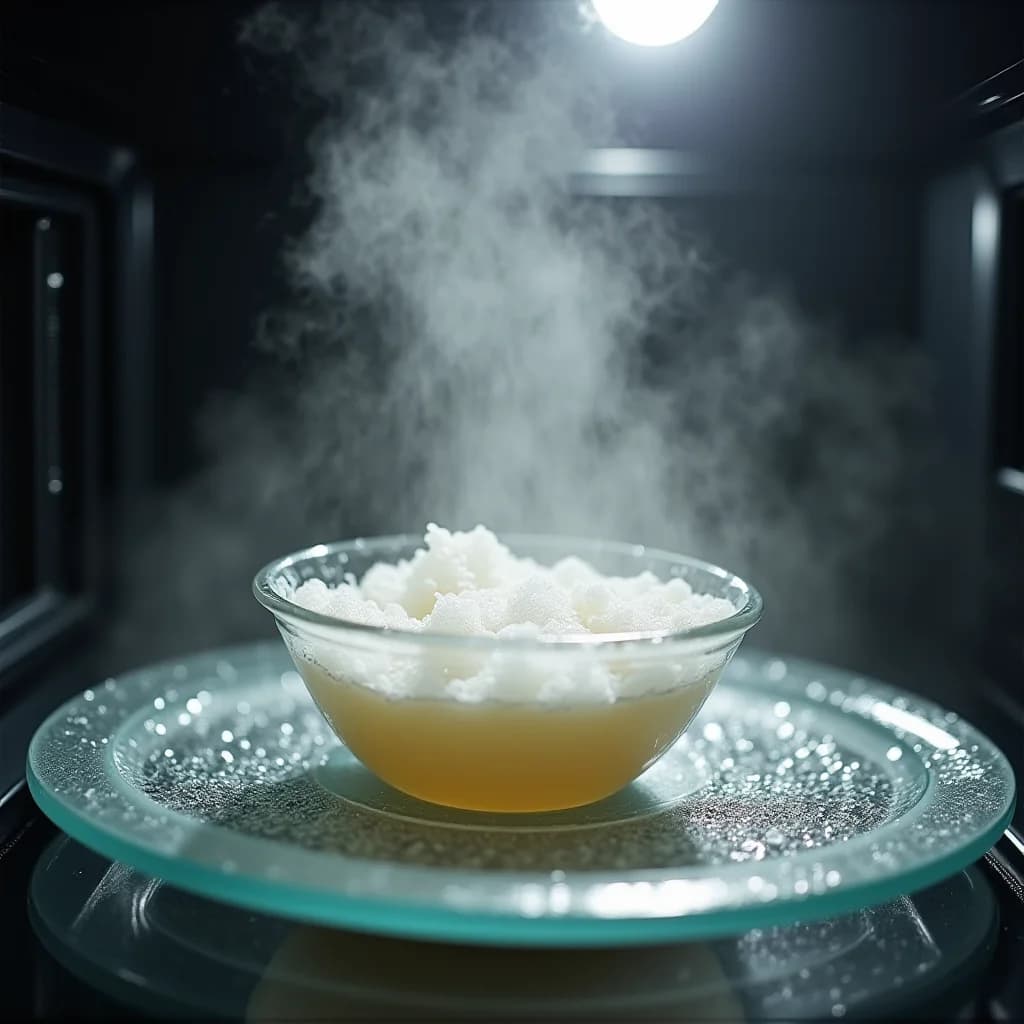
Microwaves clean well with lemon juice and water. Squeeze half a lemon into a microwave-safe dish, add one cup of water, and run the microwave. Baking soda and a dishcloth round out what you need.
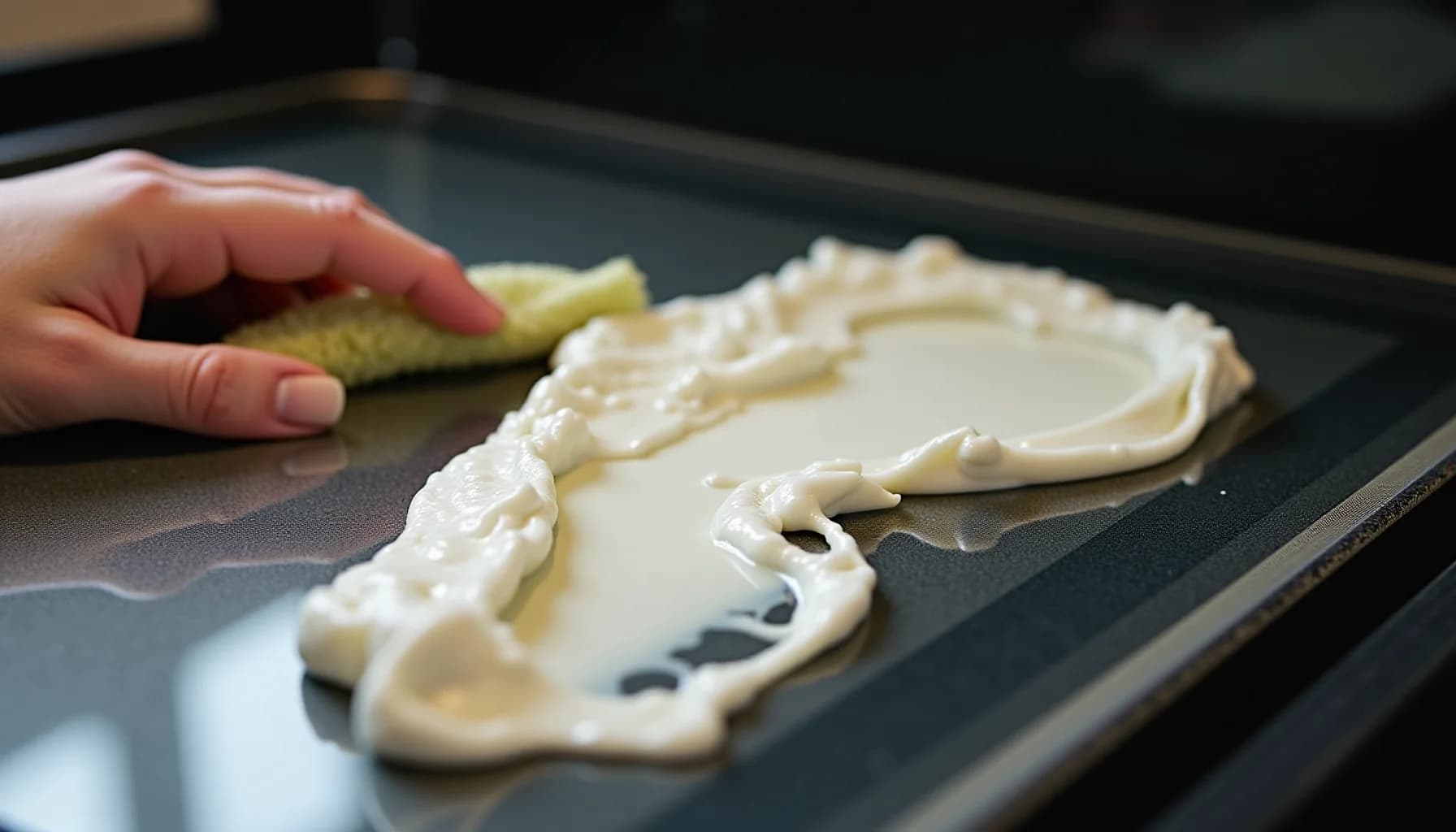
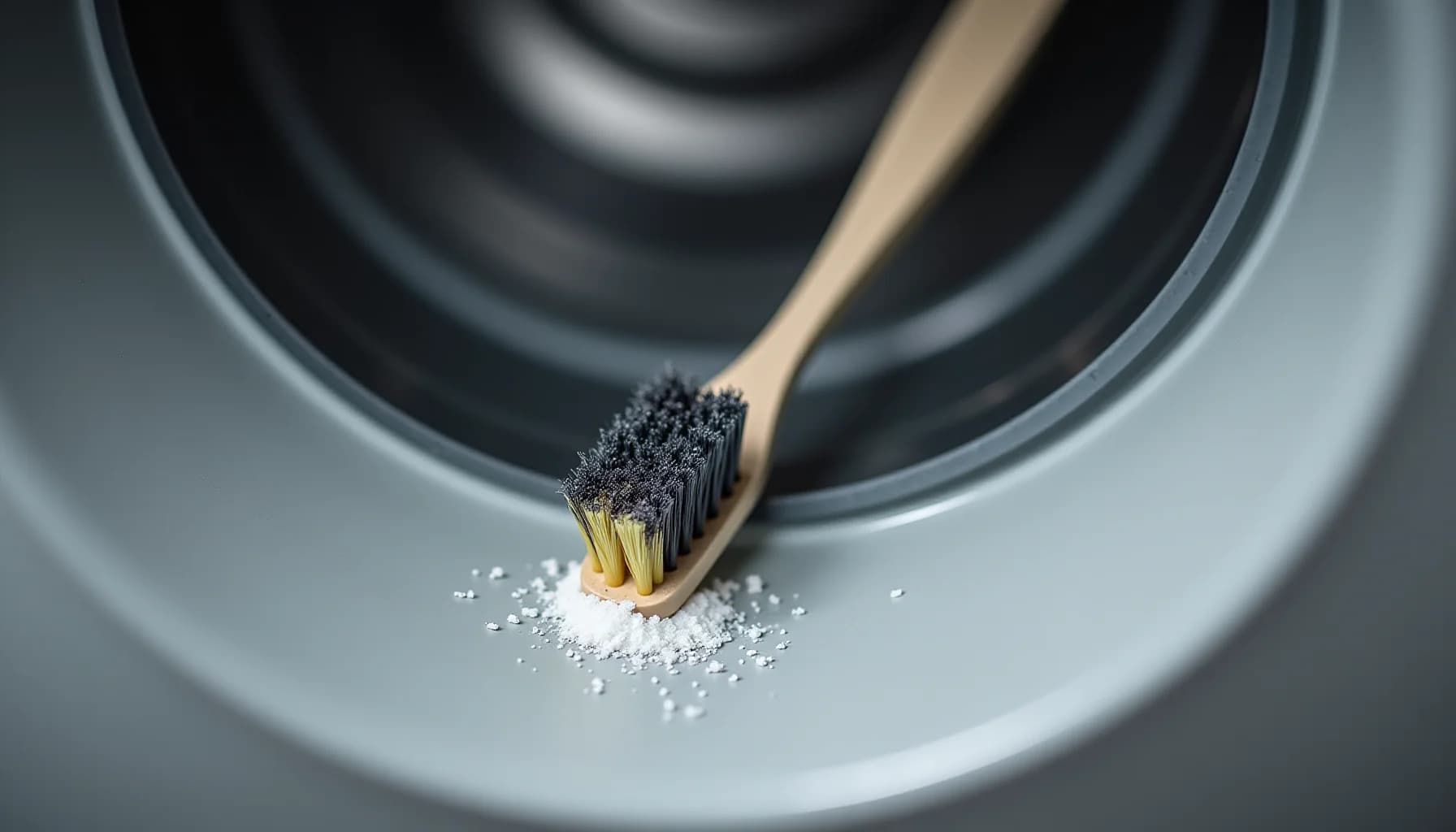
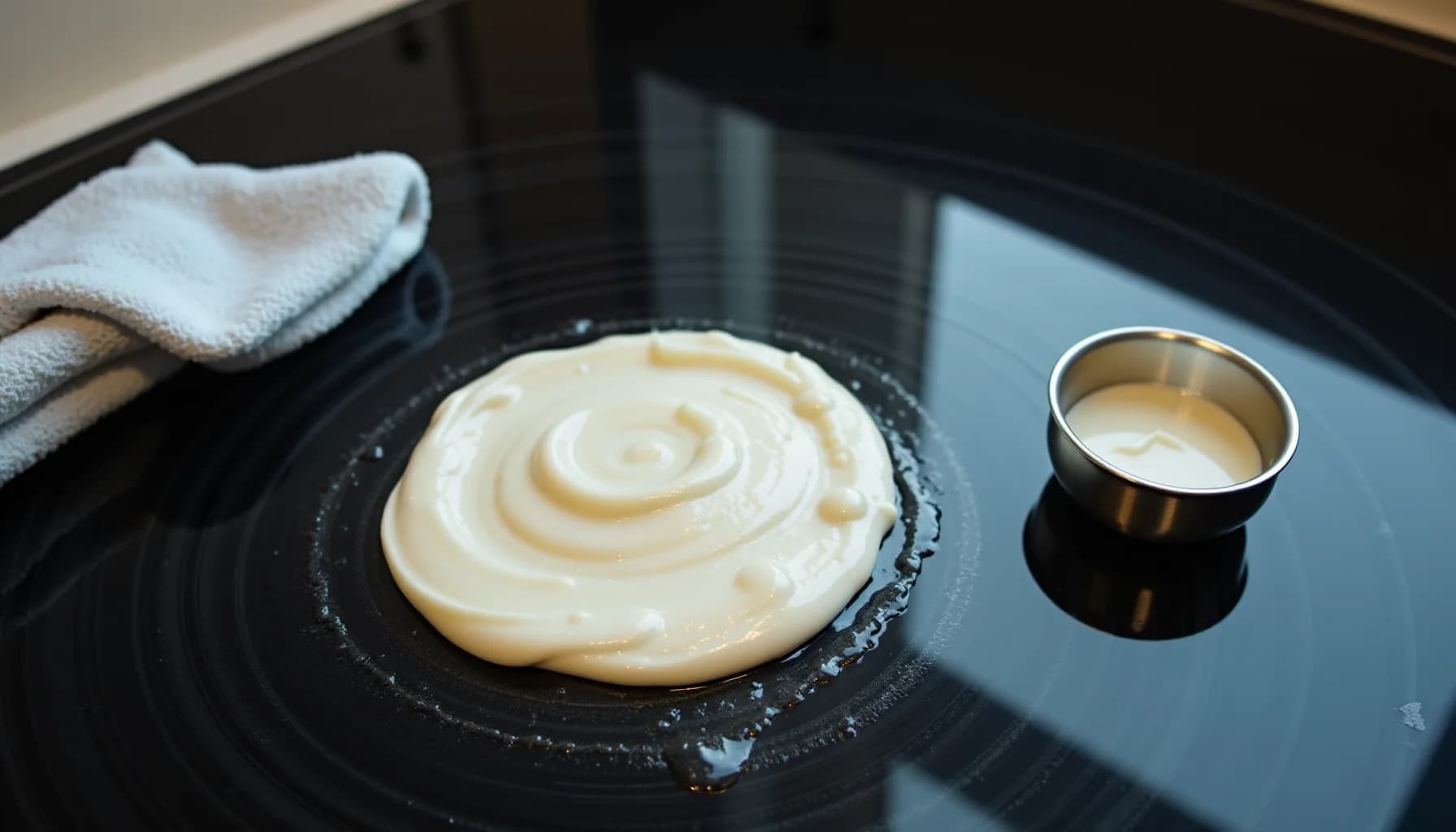
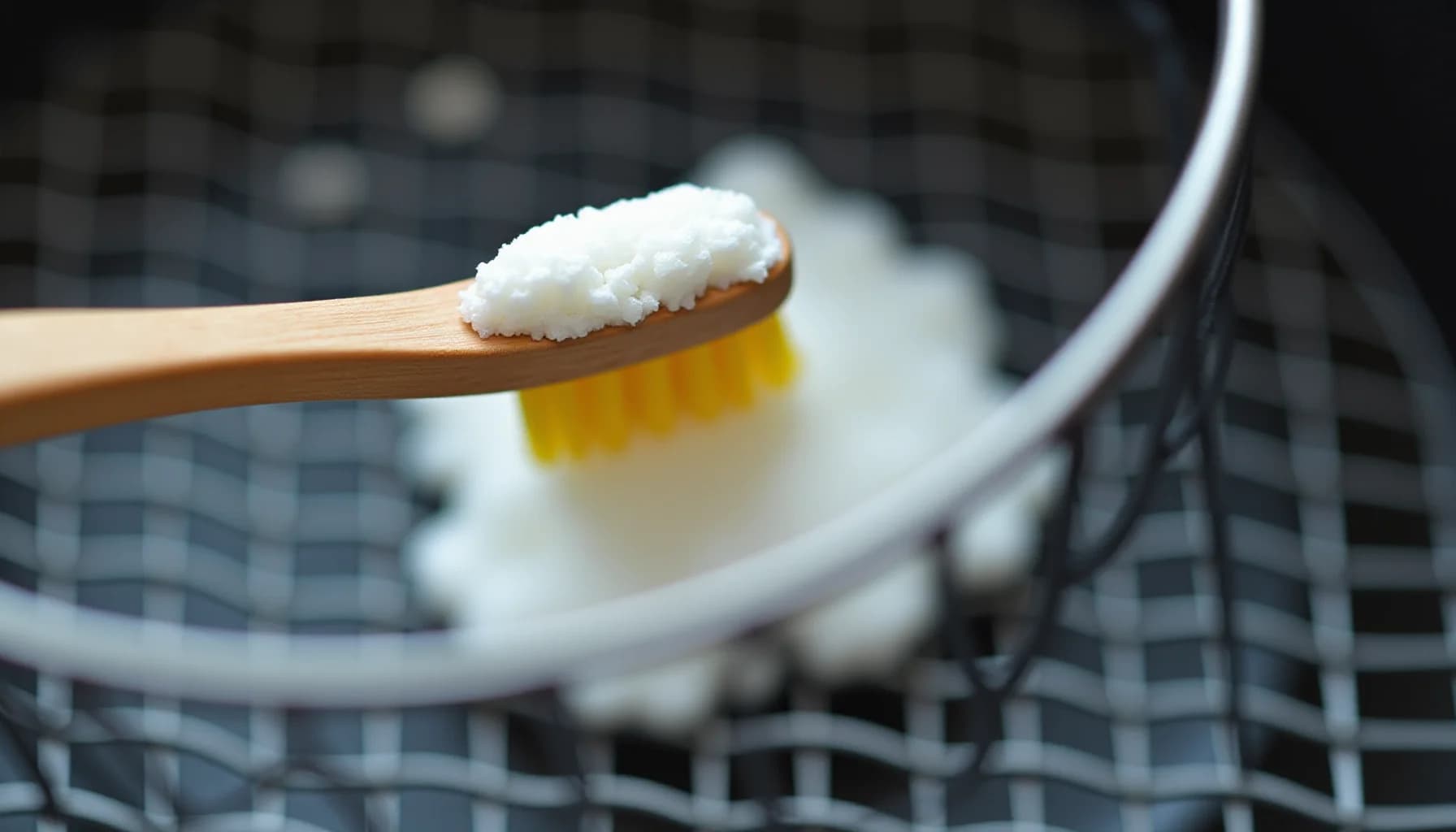
Ovens respond well to a paste of baking soda and water scrubbed with a toothbrush or plastic pad, with a small amount of vinegar added for heavier buildup. Commercial oven cleaners require careful application and full removal; using them before a self-clean cycle is a documented risk, as chemical residue combined with extreme heat can produce toxic fumes and permanently damage the oven's interior coating.
Which Cleaners Can Permanently Damage Your Appliances?
The cleaners that cause the most damage are rarely labeled as dangerous. They are staples under most kitchen sinks, and the harm they do is cumulative or invisible until the finish is already gone.
Bleach is the most destructive option you can reach for on stainless steel. A single application of a bleach-based spray on a stainless finish can cause permanent pitting, not surface discoloration you can buff out, but microscopic craters in the metal itself. That damage is irreversible. Ammonia-based cleaners, including many standard glass cleaners, create a slower version of the same problem: repeated contact degrades the passive layer on stainless steel, leading to discoloration and corrosion over time. Using a glass cleaner once in a while is unlikely to ruin a surface, but making it a daily habit will.
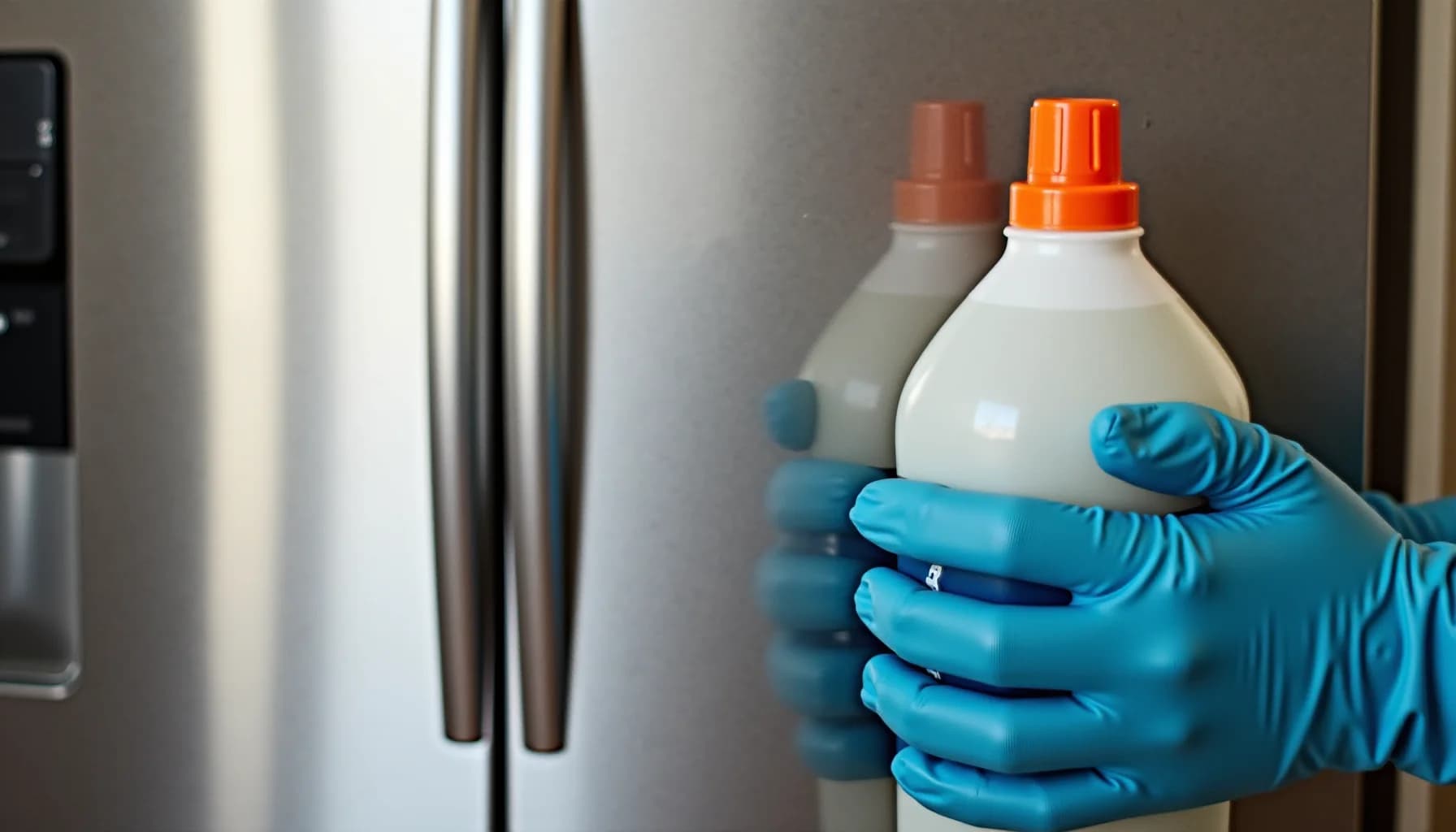
The combination of bleach and vinegar deserves its own warning, because both are common in households and people assume that natural plus chemical equals safer. It does not. Mixed together, they produce chlorine gas. In a poorly ventilated kitchen, that concentration builds quickly and is genuinely dangerous to inhale. Bleach should only ever be diluted with water. It reacts badly with acids, with bases like baking soda, and with many standard detergents and disinfectants.
Ammonia causes a separate category of harm beyond finishes: it degrades rubber seals and gaskets. Door seals on refrigerators and ovens rely on that rubber staying supple and intact. Once the material breaks down, cold air escapes, the compressor works harder, and you are looking at a repair bill or early replacement.
Abrasive pads and powders score surfaces in ways that create permanent micro-grooves where grease and bacteria collect. Using the wrong cleaner can also void your appliance warranty, since manufacturers specify prohibited products in their documentation and denial of warranty claims based on improper cleaning is standard practice.
Do Popular Cleaning Combos Actually Work?
Still unsure?
- Check your appliance owner's manual first to confirm which cleaners are approved and which are prohibited, since using the wrong product can void your warranty
- Identify the exact surface type — stainless steel exterior, refrigerator interior, glass shelf, or oven cavity — before choosing any cleaner, as safe products differ by surface
- Verify your chosen cleaner contains no bleach or ammonia if cleaning stainless steel, and no bleach if you plan to use vinegar anywhere nearby, to avoid corrosion or toxic fumes
- If you are still unsure whether a product is safe for your specific appliance, contact the manufacturer directly or consult a certified appliance repair technician before applying anything
Will Using the Wrong Cleaner Void Your Appliance Warranty?
The short answer is: yes, it can. Manufacturers including Whirlpool and KitchenAid specify approved cleaning products and methods directly in their warranty documentation. When a homeowner uses a prohibited cleaner, such as an ammonia-based spray on rubber door seals or bleach on a stainless steel finish, the resulting damage gives the manufacturer documented grounds to deny a warranty claim. That leaves the repair bill entirely with you.
The owner's manual is the first place to look before introducing any new cleaning product to an appliance surface. If you no longer have the physical copy, most manufacturers publish current versions on their websites by model number. Check it, then verify that any product you plan to use is listed as approved or at least confirmed compatible.
The measurable case for doing this correctly is real. According to a March 2025 report by the International Home Equipment Association, households that follow manufacturer-recommended care routines experience 28% fewer breakdowns annually. Cleaning refrigerator condenser coils twice a year alone can boost efficiency by up to 30%, directly reducing energy costs and reducing strain on the compressor over time.
The practical takeaway: treat the owner's manual as a maintenance document, not just a setup guide. Cross-reference cleaning products against it before use, keep a record of what you used and when, and consult the manufacturer if you are unsure whether a specific cleaner is safe for your model.
How this article was made
Researched and written with AI assistance. What gets published is a human editorial decision. Grounded in 8 cited sources.
Edited by Claire Mercier, Editor. The guides are written with AI assistance.
Sources (8)
- Safe, Effective, Non-toxic Cleaning Recipes
- Stainless Steel Cleaners & Polishes | Weiman
- How to Clean Stainless Steel Safely & Effectively
- Ask ACI: Cleaning Stainless Steel Appliances | The American Cleaning Institute (ACI)
- Get Glass & Stainless Steel Appliances Clean With A Powerful Find From Amazon - House Digest
- Stainless Steel Cleaner - Make your Appliance Look New Again
- The best way to clean stainless steel appliances, according to cleaning experts
- 5 Best Fridge Cleaner Products for a Fresh Refrigerator in 2025