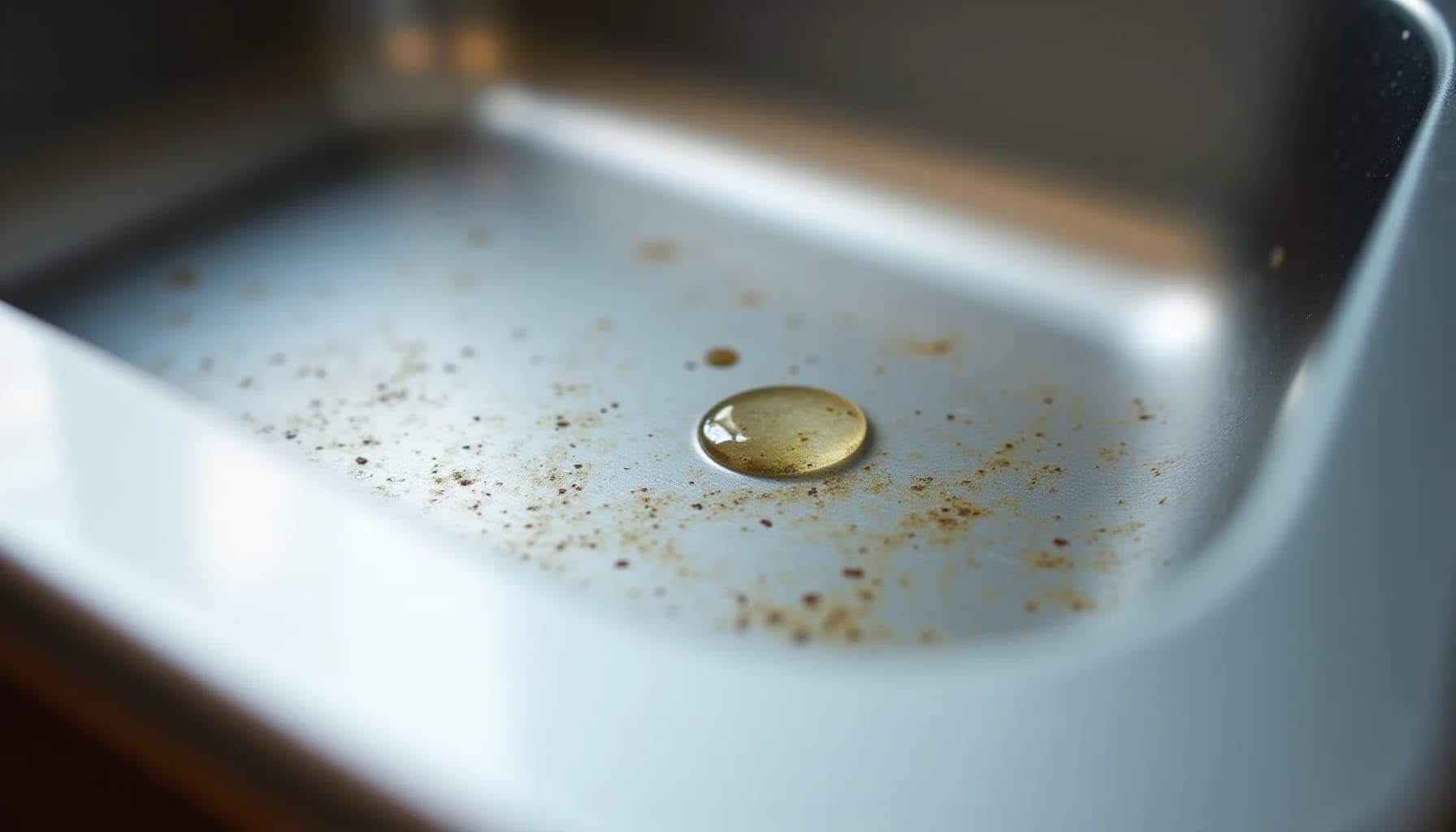
Remove Rust from Stainless Steel Without Wrecking the Finish
Part of Kitchen Sinks & Steel · article 5 of 6
On this page

Mix 1 tablespoon of baking soda with 2 cups of water, apply the paste to the rust spot, let it sit for 30 minutes, then scrub gently with a soft-bristle toothbrush and rinse clean. For tougher spots, white vinegar works because its acetic acid loosens rust, though it won't touch deep corrosion. For stubborn surface rust, an oxalic acid cleaner like Bar Keepers Friend is the strongest household option: apply it wet, let it work for no more than 60 seconds, then rinse immediately. Leaving it longer causes over-etching, which microscopically roughens the surface and gives future rust more places to grip.
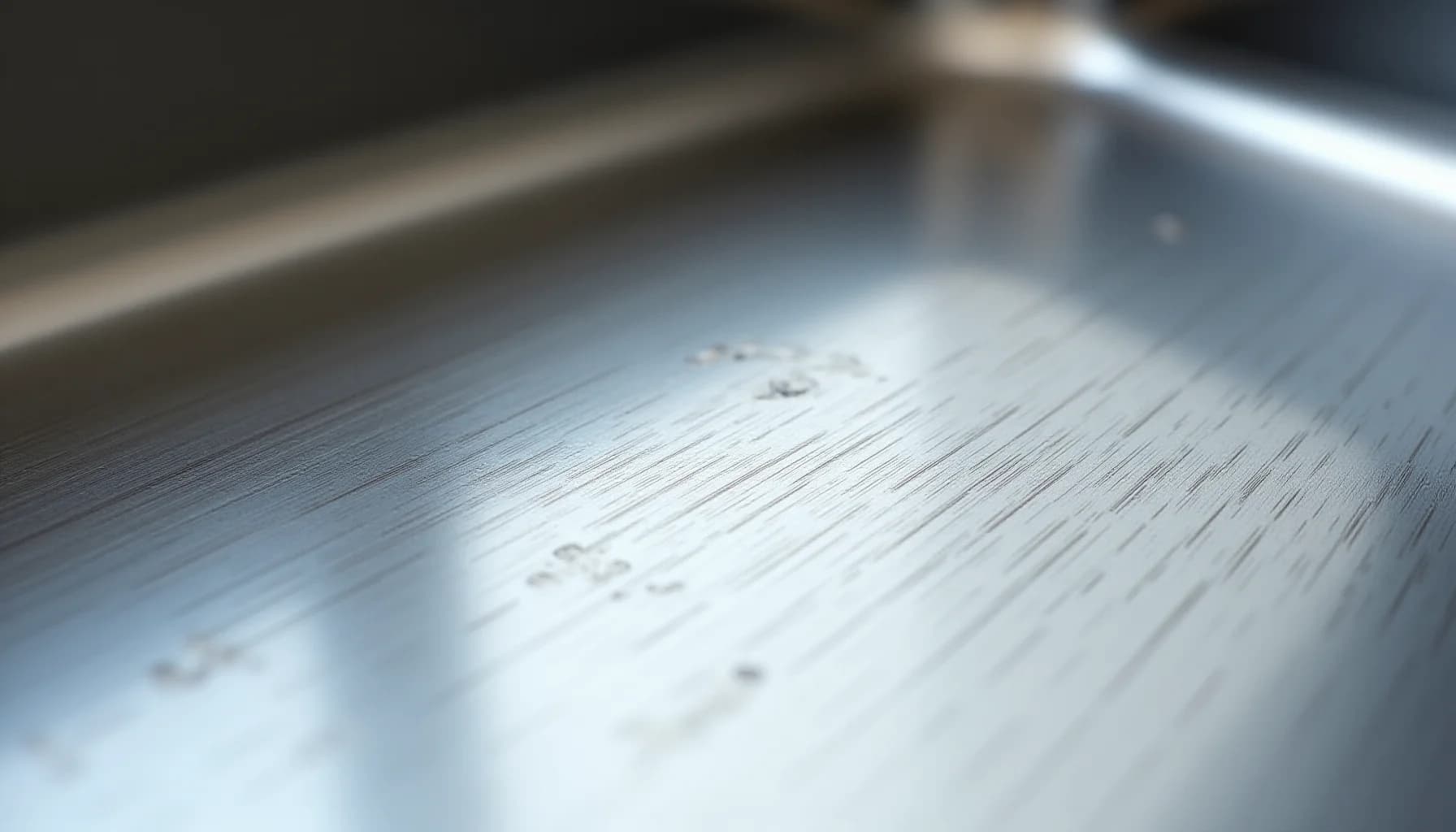
Never use steel wool. Standard carbon steel wool leaves iron fragments embedded in the finish, and those fragments begin rusting almost immediately. Reach for a soft sponge or nylon brush instead. Before cleaning, find the grain direction on your stainless steel and always work with it, not across it, to avoid visible scratches. Also check which cleaners are safe on stainless steel before reaching for anything under the sink, since several common household products, particularly those containing chlorides or bleach, damage the very protective layer you are trying to restore.
Why does stainless steel rust in the first place?
The name "stainless steel" sets up a reasonable expectation the metal does not fulfill. A more accurate label would be "harder to stain" steel, because the real protection comes not from the steel itself but from a thin, invisible layer of chromium oxide that forms on the surface whenever chromium contacts oxygen in the air. Stainless steel must contain at least 10.5 percent chromium by composition for this reaction to occur. That passive layer seals the underlying iron from moisture and oxygen, which is what prevents rust from taking hold under normal conditions.
The problem is that layer is thin and reactive. Several everyday forces strip it away. Salt is among the most aggressive: chloride ions from cooking, salty foods, sweat, or ocean air penetrate and weaken the passive layer faster than plain water ever would. Kitchens close to the coast are particularly exposed. Scratches create another entry point, breaking through the oxide film and exposing bare metal underneath. Even the cleaning tools you choose matter here; certain cleaners attack the passive layer directly, sometimes more aggressively than the grime they are meant to remove.
Iron contamination is a less obvious cause. When carbon steel particles, from a cast iron pan, a steel wool pad, or a carbon steel knife left sitting wet on a stainless surface, transfer onto the steel, those fragments rust on their own. The stainless steel looks like the culprit, but the rust belongs to the foreign material. The base metal underneath is doing its job; the surface simply needs to be decontaminated.
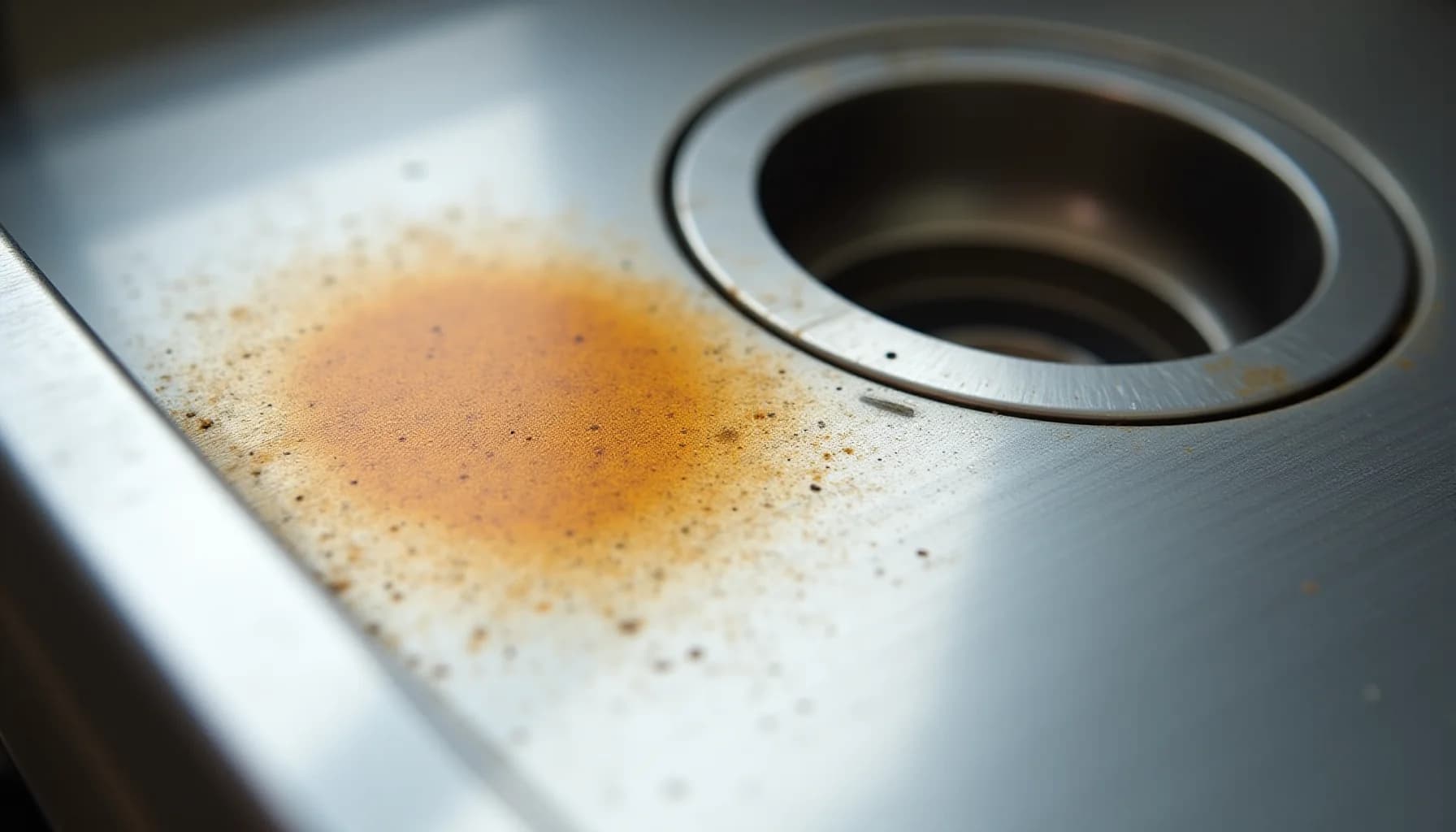
What causes rust on stainless steel in everyday home use?
Identify the rust source before you clean
Check whether the rust spots are true corrosion from salt, scratches, or acidic food residue, or iron contamination left by a carbon steel tool or pan sitting on the surface. Knowing the cause tells you how aggressive a cleaner you need and whether the problem will return without a habit change.
Choose your cleaner and apply it correctly
For light spots, mix 1 tablespoon of baking soda with 2 cups of water, apply the paste, and let it sit for 30 minutes before rinsing. For moderate rust, apply white vinegar directly to the stain and let the acetic acid work on the corrosion, keeping in mind this method will not shift heavy rust. For stubborn or oxidized stains, use an oxalic acid cleaner such as Bar Keepers Friend Soft Cleanser, but time it carefully: let it penetrate for no more than 60 seconds, because longer contact causes over-etching, which microscopically roughens the surface and gives future rust more places to take hold.
Scrub with a safe tool, then rinse thoroughly
Use a soft-bristle brush, a sponge, or a soft-bristle toothbrush for all three methods. Never use standard carbon steel wool: it leaves behind tiny iron fragments embedded in the finish that begin to rust almost immediately, creating a new problem worse than the original. Rinse the entire treated area with water to remove all cleaner residue.
Prevent rust from coming back with a daily routine
Wipe stainless steel surfaces daily with mild soap and warm water to remove chlorides, food residue, and contaminants that break down the protective chromium oxide layer. Clean spills immediately, dry surfaces after contact with water, and avoid chloride-based cleaners. If your home is in a coastal area or sees high salt exposure, look for 316 grade stainless steel on replacement items, as its molybdenum content gives it superior resistance to chlorides compared with the 304 grade standard in most kitchens.
What's the best way to remove rust from stainless steel at home?
Before you start
- Gather your chosen rust-removal agent — baking soda, white vinegar, or an oxalic acid cleaner such as Bar Keepers Friend — before you start
- Set out a soft-bristle brush, sponge, or soft-bristle toothbrush so it is ready to use without searching mid-task
- Remove any steel wool or standard carbon steel scrubbing pads from your work area so you are not tempted to reach for them
- Have clean water and a dry cloth nearby to rinse and dry the surface immediately after treatment
Three methods work reliably for household rust removal, and choosing the right one depends on how severe the staining is.
Baking soda is the gentlest starting point. Mix 1 tablespoon of baking soda with 2 cups of water to form a paste, apply it directly to the rust spot, and let it sit for around 30 minutes. Then scrub lightly with a soft-bristle brush or a soft-bristle toothbrush, working along the grain of the steel rather than against it. Rinse thoroughly with clean water. This method is safe for light surface spots and carries almost no risk of scratching or damaging the finish.
White vinegar steps things up slightly. Because vinegar contains acetic acid, it acts as a mild corrosive cleaner that can chip away at rust, dirt, and surface staining. Apply it directly to the affected area, let it sit for a few minutes, then wipe clean. It works on minor rust, but it won't touch deep or stubborn corrosion.
Oxalic acid cleaners such as Bar Keepers Friend Soft Cleanser are the strongest household option for more persistent rust. Apply a small amount to a damp sponge and work it onto the rusted surface. The key timing rule: do not let it dry on the surface. Leave it for no longer than 60 seconds, then rinse completely. The acid breaks down the rust within seconds, and extended contact causes over-etching, which microscopically roughens the metal surface and actually gives future rust more places to grip. One minute is the ceiling, not a suggestion. Because Bar Keepers Friend is non-abrasive, it won't scratch the metal the way steel wool or abrasive pads would. For guidance on which cleaners are safe on stainless steel more broadly, that distinction matters well beyond rust removal.
What cleaning tools and timing mistakes make rust worse?
The single most destructive tool a homeowner reaches for is standard steel wool. When carbon steel wool contacts a stainless steel surface, it sheds microscopic iron fragments that embed in the finish. Those fragments begin rusting almost immediately, producing what looks like a rash of new rust spots across an area you just cleaned. The damage is self-inflicted and compounds the original problem. Use a soft-bristle brush, a non-scratch sponge, or a soft toothbrush instead. If you're unsure which direction to scrub, finding the grain direction on stainless steel appliances before you start will help you avoid cross-grain scratches that permanently mar the finish.
Timing errors with oxalic acid cleaners cause a different category of harm. Leaving the product on longer than 60 seconds triggers over-etching, a process that roughens the metal's surface at a microscopic level. That rougher surface gives future rust more area to grip, so well-intentioned extra "soaking time" actually makes the appliance more rust-prone going forward, not less.
Chloride-based cleaners, including many common household bleach products, attack the chromium oxide layer directly and can cause permanent pitting. For a full breakdown of which products are genuinely safe and which cause irreversible surface damage, see which cleaners are safe on stainless steel.
Stop and consult a professional or the appliance manufacturer when rust has spread beyond surface discoloration into visible pitting, flaking, or structural softening of the metal. At that point, no household cleaning method will restore the passive layer, and continued DIY attempts risk contaminating food-contact surfaces.
Frequently asked questions
Can stainless steel actually rust, or is it something else?
Is rust on stainless steel a sign of permanent damage?
Why should I avoid steel wool when scrubbing rust off stainless steel?
How long should I leave an oxalic acid cleaner on the rust before rinsing?
How do you stop rust from coming back on stainless steel?
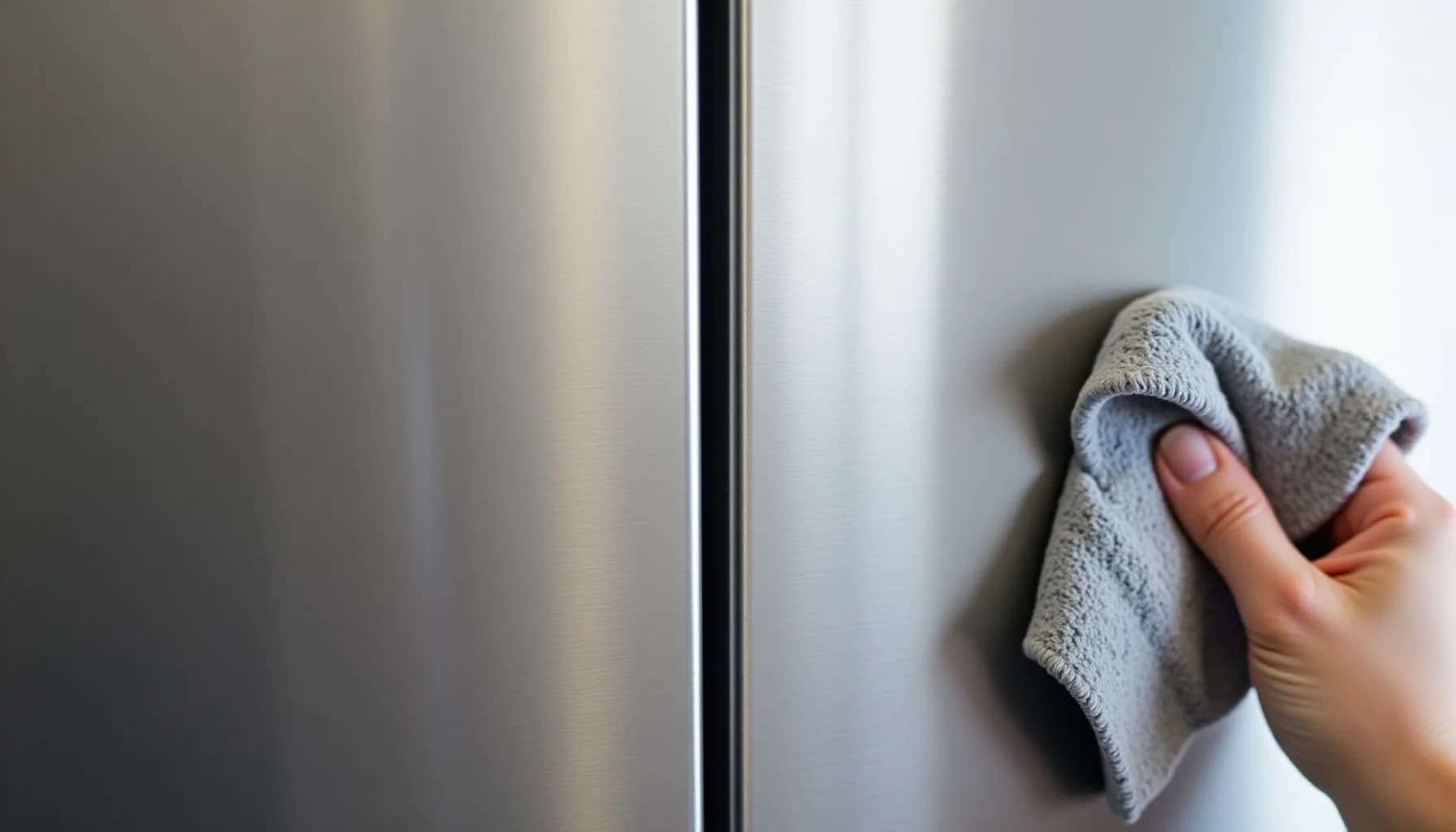
The single most effective thing you can do is build a short daily habit: wipe stainless steel surfaces with mild dish soap and warm water, then dry them completely with a soft cloth. That last step, drying, matters more than most people realize. Water left sitting on a surface carries dissolved minerals and, in many households, trace chlorides that slowly attack the passive chromium oxide layer. A quick wipe takes fifteen seconds and removes the residue before it has a chance to do damage.
Beyond daily wiping, check your cleaning products. Chloride-based cleaners, including many bathroom disinfectants, are among the worst offenders for long-term pitting. If you are unsure what you currently have under the sink, which cleaners are safe on stainless steel is worth a read before your next shopping run.
For households near the coast or kitchens that see heavy salt use during cooking, the grade of steel your appliances and sink are made from matters. Standard 304 stainless, the kind in most American kitchens, handles everyday conditions well. If your home is within a few miles of the ocean or your sink is constantly exposed to briny cooking water, 316 grade, which contains molybdenum, holds up significantly better against chloride-driven corrosion. When purchasing new appliances or a replacement sink, it is worth asking the supplier which grade is specified.
How this article was made
Researched and written with AI assistance. What gets published is a human editorial decision. Grounded in 8 cited sources.
Edited by Claire Mercier, Editor. The guides are written with AI assistance.
Sources (8)
- How to remove rust from stainless steel: an expert guide | Woman & Home
- How to remove rust from stainless steel – a simple guide using kitchen staples
- How to Clean Rust from Stainless Steel - GE Kitchen Appliances
- How to Remove Rust From Stainless Steel - Bob Vila
- 5 Amazingly Simple Ways to Remove Rust from Stainless Steel
- Does Stainless Steel Rust | Metal Casting Resources
- Will Stainless Steel Rust?
- Understanding Stainless Steel Rust and How to Prevent It