Clean Stainless Steel Stove Top Without Scratching: The Right Way
Part of Kitchen Sinks & Steel · article 9 of 11
On this page
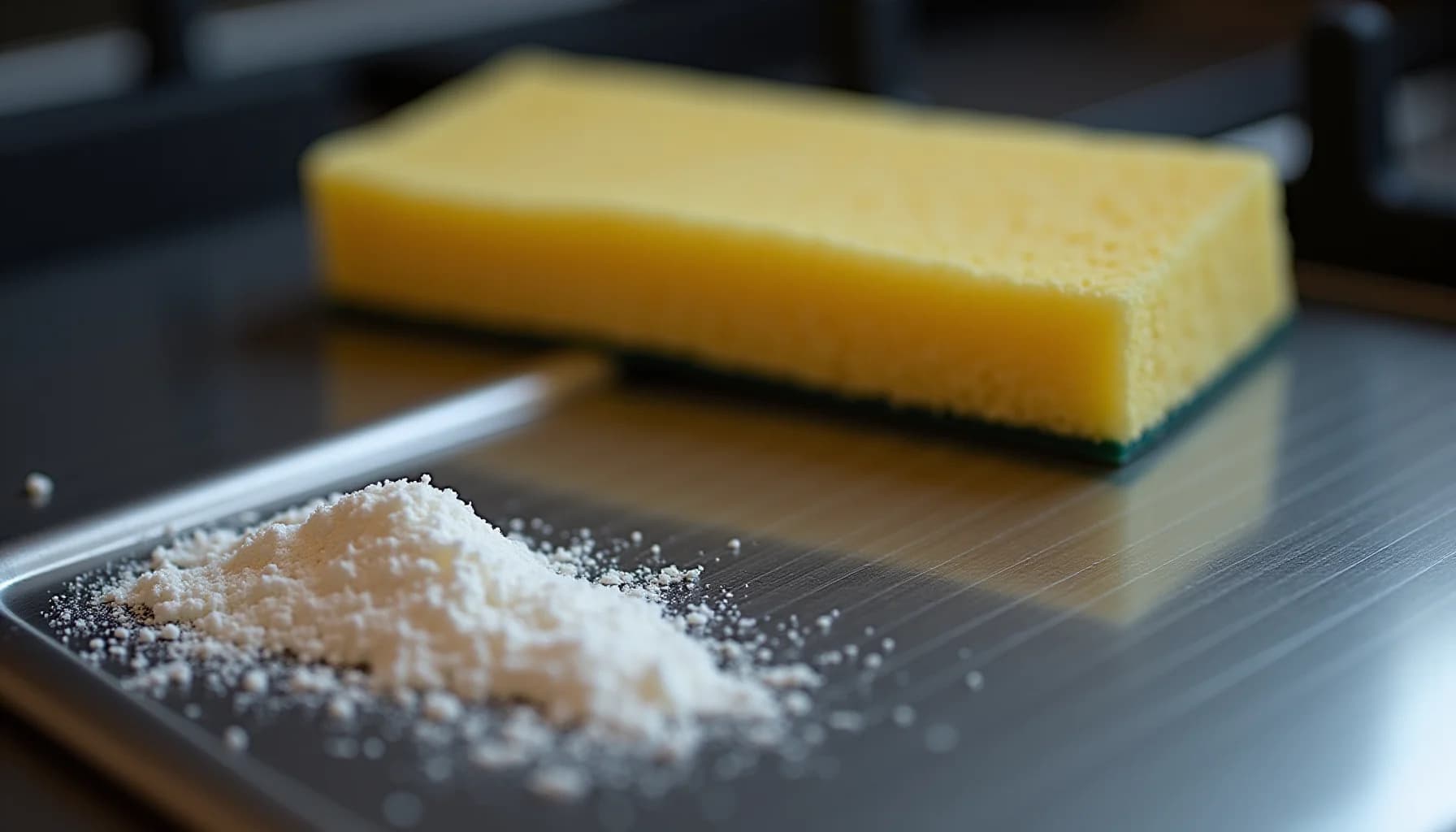
A soft cloth or non-scratch sponge with warm, soapy water removes most food soils from a stainless steel stovetop without scratching it — provided you always rub in the direction of the grain. For tougher buildup, sprinkle baking soda on the surface, mist it with a 50/50 white vinegar and water solution, let it sit for five minutes, then wipe clean along the grain. Finish by buffing dry with a microfiber cloth. Avoid steel wool, scouring pads, paper towels, and any cleaner containing bleach, ammonia, or chlorides, which can pit and corrode the surface. If you're unsure which way the grain runs, finding the grain direction on stainless steel appliances takes less than a minute and prevents most scratching mistakes from the start.
What's the best everyday routine for cleaning a stainless steel stovetop without scratching it?
The good news is that daily maintenance requires almost nothing: warm water, a few drops of dish soap, and a non-scratch sponge or soft cloth. That combination handles most grease spatters and food residue without putting the surface at risk.
The single most important habit is cleaning with the grain. Stainless steel has a brushed pattern of fine lines running in one direction across the surface. If you're not sure which way yours runs, finding the grain direction on your stainless steel appliance takes about thirty seconds and makes every cleaning session more effective. Once you spot it, keep every stroke parallel to those lines, never across them. Scrubbing across the grain drags grit and debris perpendicular to the finish, which is exactly how fine scratches accumulate.
For the actual cleaning, wet your non-scratch sponge with warm soapy water and work it across the stovetop in long, even strokes following the grain. Apply light pressure and let the soap do the lifting rather than bearing down hard. Rinse the surface by wiping with a clean damp cloth, again with the grain.
Drying is not optional. Water left to evaporate leaves mineral deposits and streaks. Once you've rinsed, immediately wipe the surface dry with a clean microfiber towel, still moving in the direction of the grain. Finish with a second dry microfiber cloth and buff lightly to clear any remaining water marks. Done consistently after each cooking session, this routine keeps the stovetop looking clean without accumulating the kind of build-up that later demands heavy scrubbing.
What Gets Rid of Burnt-On Food Without Scratching Stainless Steel?
Wipe down with warm, soapy water and a soft cloth
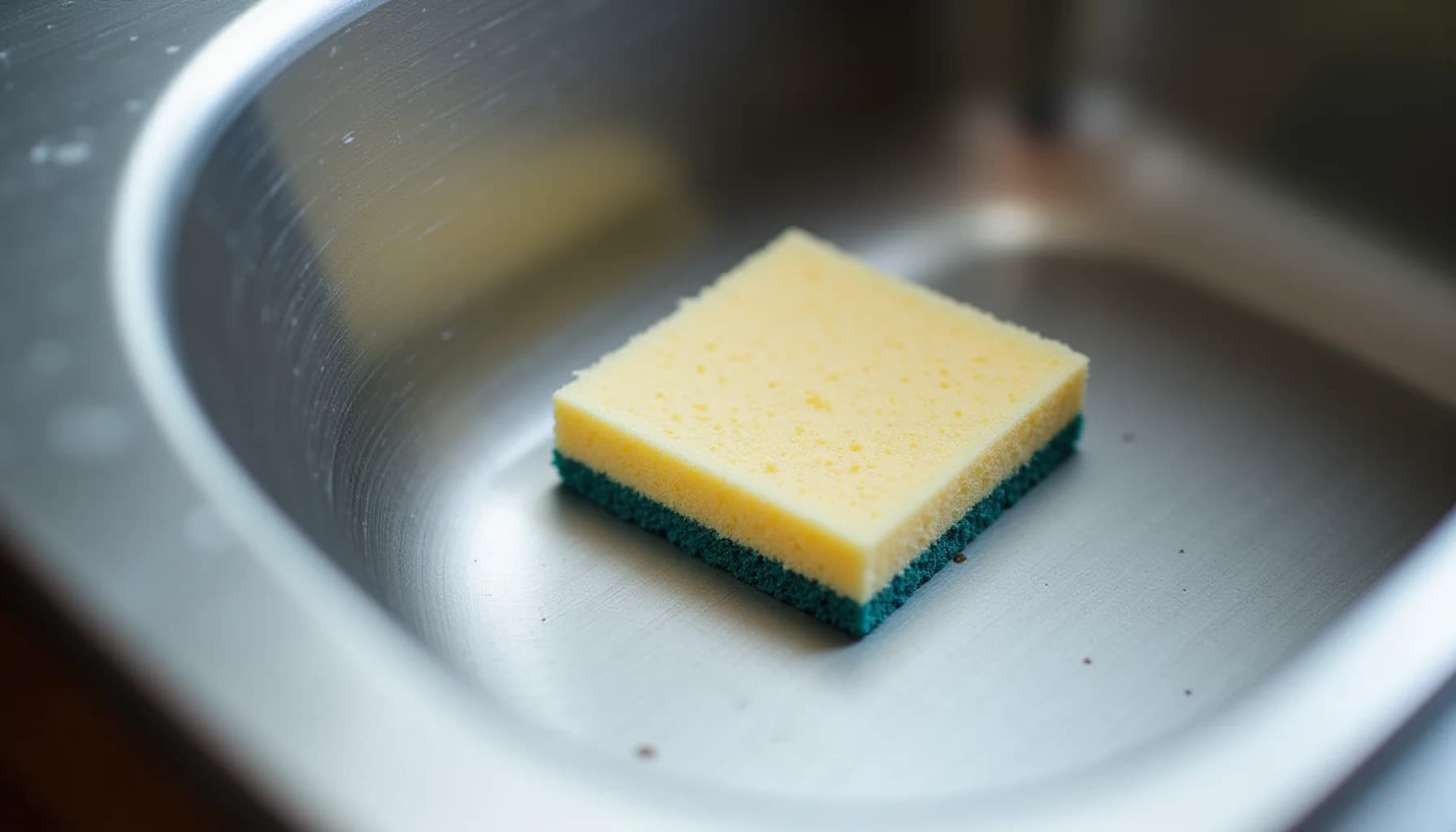
Dip a non-scratch sponge or soft cloth into warm, soapy water and rub the surface in the direction of the stainless steel grain. This removes most everyday food soils without risking scratches, and following the grain prevents fine surface marks from building up over time.
Tackle stubborn grease with baking soda and a vinegar spray
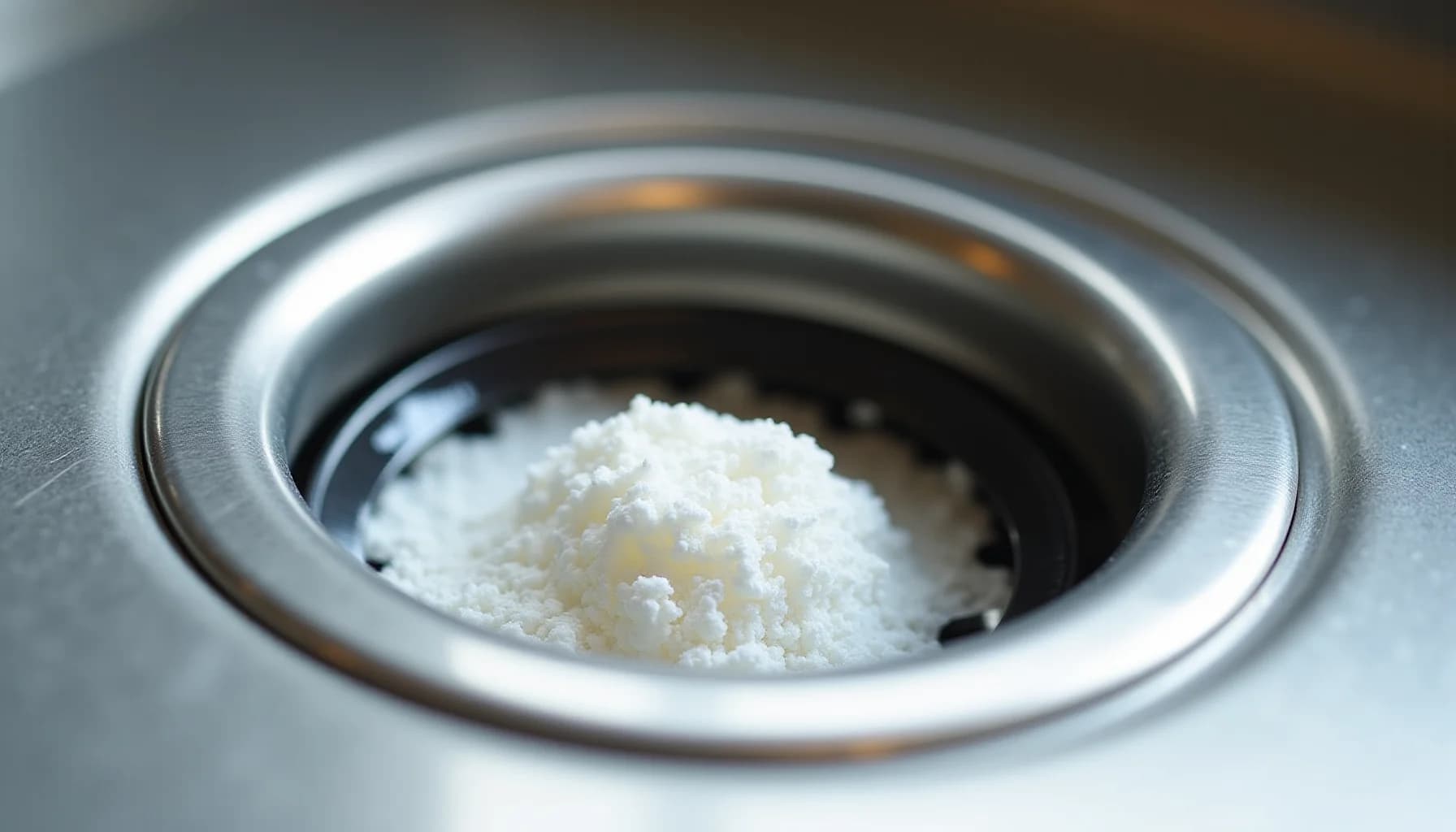
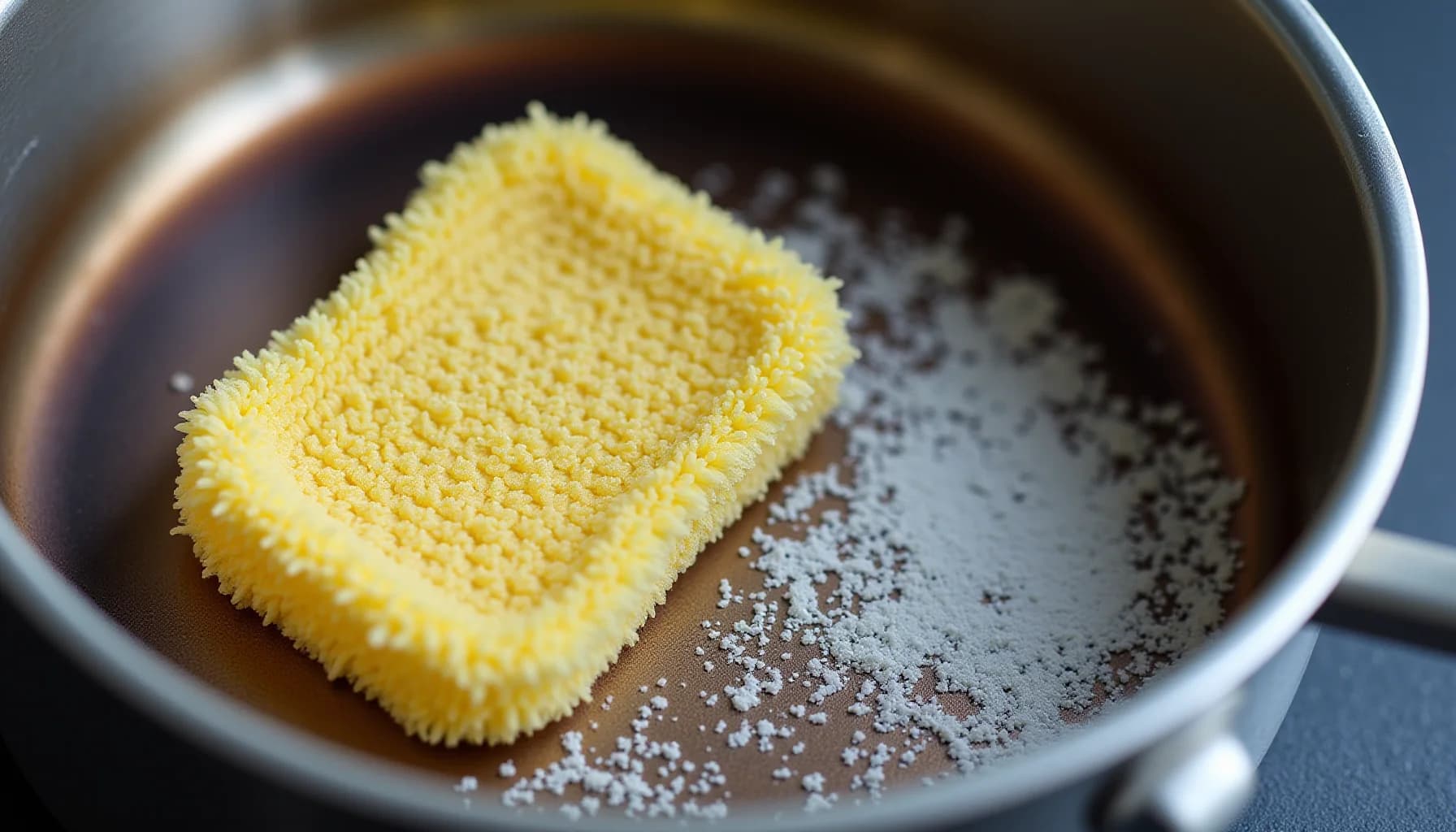
Sprinkle a small amount of baking soda directly onto burnt-on spots, then mist the area with a 50/50 mix of white vinegar and warm water from a spray bottle. Let the solution sit for about 5 minutes to soften grease and debris, then wipe away gently in the direction of the grain using a non-scratch sponge.
Dry the surface completely with a microfiber towel
Wipe off all remaining moisture and cleaning solution using a clean, dry microfiber towel, moving in the direction of the grain. Follow immediately with a second dry microfiber cloth to buff away any water spots or streaks and leave the surface looking polished.
Address existing scratches and discoloration with the right product
For heat discoloration or yellowing, a dedicated stainless steel brightener can clear the damage without harsh chemicals. Fine surface scratches can often be buffed out by applying a buffing product to a microfiber cloth and rubbing in the direction of the grain, while deep scratches call for a stainless steel scratch removal kit.
What materials and cleaners should you avoid on stainless steel stovetops?
Before you start
- Gather a soft cloth or non-scratch sponge and warm soapy water before you start
- Fill a spray bottle with equal parts white vinegar and warm water and set it within reach
- Remove steel wool pads, scouring pads, and rough-textured cloths from your workspace so you won't accidentally grab them
- Set out at least two clean, dry microfiber towels — one for wiping, one for buffing
The single biggest cause of preventable damage to a stainless steel stovetop is not what you clean but what you clean it with. Start with the physical tools. Steel wool pads, steel brushes, and coarse scouring pads all score the surface deeply enough to expose the iron underneath the protective chromium layer. Once that iron is exposed to air and moisture, rust follows. Regular paper towels and rough-textured cloths carry the same risk on a smaller scale; they seem harmless but leave fine surface scratches that dull the finish over repeated use.
On the chemical side, bleach is the most damaging single ingredient you can apply. It doesn't just stain, it permanently pits the metal. Glass cleaner, though it feels like a light product, is formulated for a completely different surface and should stay off stainless entirely. Multi-purpose sprays that list bleach or ammonia among their active ingredients fall into the same category. For a fuller breakdown of why bleach causes this kind of irreversible damage, see why bleach permanently pits stainless steel.
Beyond those common offenders, a category of chemicals gets overlooked: halide compounds. Iodine, bromine, fluorine, and chloride-based ingredients are particularly aggressive toward stainless steel and accelerate corrosion faster than almost anything else. Check the ingredient list on any unfamiliar cleaner before it touches your stovetop. If you want a clear reference for which commercial and household cleaners are genuinely safe on stainless surfaces, which cleaners are safe on stainless steel covers the full picture. The rule of thumb is simple: if a product is abrasive in texture or acidic through chloride chemistry, keep it off the cooktop entirely.
Do scratches on stainless steel actually matter?
Light scratches on a stainless steel stovetop are cosmetic. They do not affect heat distribution, cooking performance, or food safety in any practical sense. The more you cook and clean, the more fine scratches accumulate, and that is normal. Even professional kitchen environments accept this reality.
The real danger is not the scratch itself. It is what you used to create it. Abrasive tools, specifically steel wool, wire brushes, and coarse scouring pads, do not just scratch the visible surface layer. They expose the iron beneath the chromium that gives stainless steel its corrosion resistance. Once that iron is exposed to moisture and air, oxidation begins and rust forms. That rust is not cosmetic. It is structural degradation, and it compounds over time.
Certain cleaners make this worse in a different way. Bleach, ammonia-based sprays, and compounds containing chlorides, iodine, fluorine, or bromine actively attack the steel's surface at a chemical level, causing pitting rather than scratching. Pitting cannot be buffed out. It is permanent damage, and no scratch-removal kit will fix it. For a fuller picture of which specific products trigger this kind of damage, which cleaners are safe on stainless steel and which wreck it is worth reading before you reach for anything under the sink.
If you are already seeing rust spots rather than simple surface marks, stop cleaning and consult a professional appliance technician. Continued scrubbing will only deepen the damage.
Frequently asked questions
What is the safest everyday method for cleaning a stainless steel stovetop without scratching it?
How do I remove stubborn grease or burnt-on food from a stainless steel stovetop?
What cleaning tools and products should I never use on a stainless steel stovetop?
Do light scratches on a stainless steel stovetop affect its safety or cooking performance?
Can you buff out scratches on a stainless steel stovetop?
Yes, fine scratches on stainless steel can often be reduced or eliminated at home, though the approach depends on how deep they run.
For light surface scratches, apply a dedicated buffing product directly onto the scratch, then rub it in using a clean microfiber cloth, always moving in the direction of the grain. Work the product into the mark with consistent, even strokes rather than short random ones. Once the scratch starts to blend into the surrounding finish, wipe the area clean with a fresh part of the cloth. A full guide to this process is covered in how to remove scratches from stainless steel without making it worse, including which products hold up best for different scratch depths.
Deeper gouges are a different matter. A buffing cloth and polish alone won't close them, and attempting to scrub harder typically widens the affected area. A stainless steel scratch removal kit, which usually includes progressively finer abrasive pads and a finishing compound, gives you the control needed to gradually work down the surface around the scratch until it levels out.
Whichever route you take, confirm the grain direction before you start. Working against it at any stage will add new marks rather than remove existing ones. If you haven't located the grain yet, finding the grain direction on stainless steel appliances takes under a minute and makes every subsequent step more effective.
How this article was made
Researched and written with AI assistance. What gets published is a human editorial decision. Grounded in 8 cited sources.
Edited by Claire Mercier, Editor. The guides are written with AI assistance.
Sources (8)
- Cleaning Stainless Steel Cooktops or Stovetops | Maytag
- How to Clean a Stainless Steel Cooktop | Puracy
- Guide to Cleaning Stainless Steel Cooktops | KitchenAid
- Cleaning Stainless Steel Cooktops in 4 Steps | Whirlpool
- How to clean a stainless steel stove top — a 7-step guide to a shiny cooktop
- How to Clean a Stainless Steel Stovetop and Other Appliances - That's Clean Maids
- How to Clean Stainless Steel Stove Top Without Scratching
- The best way to clean stainless steel appliances, according to cleaning experts