Which AC Parts Can You Clean Yourself (And Which to Skip)
Part of Air & HVAC · article 3 of 12
On this page
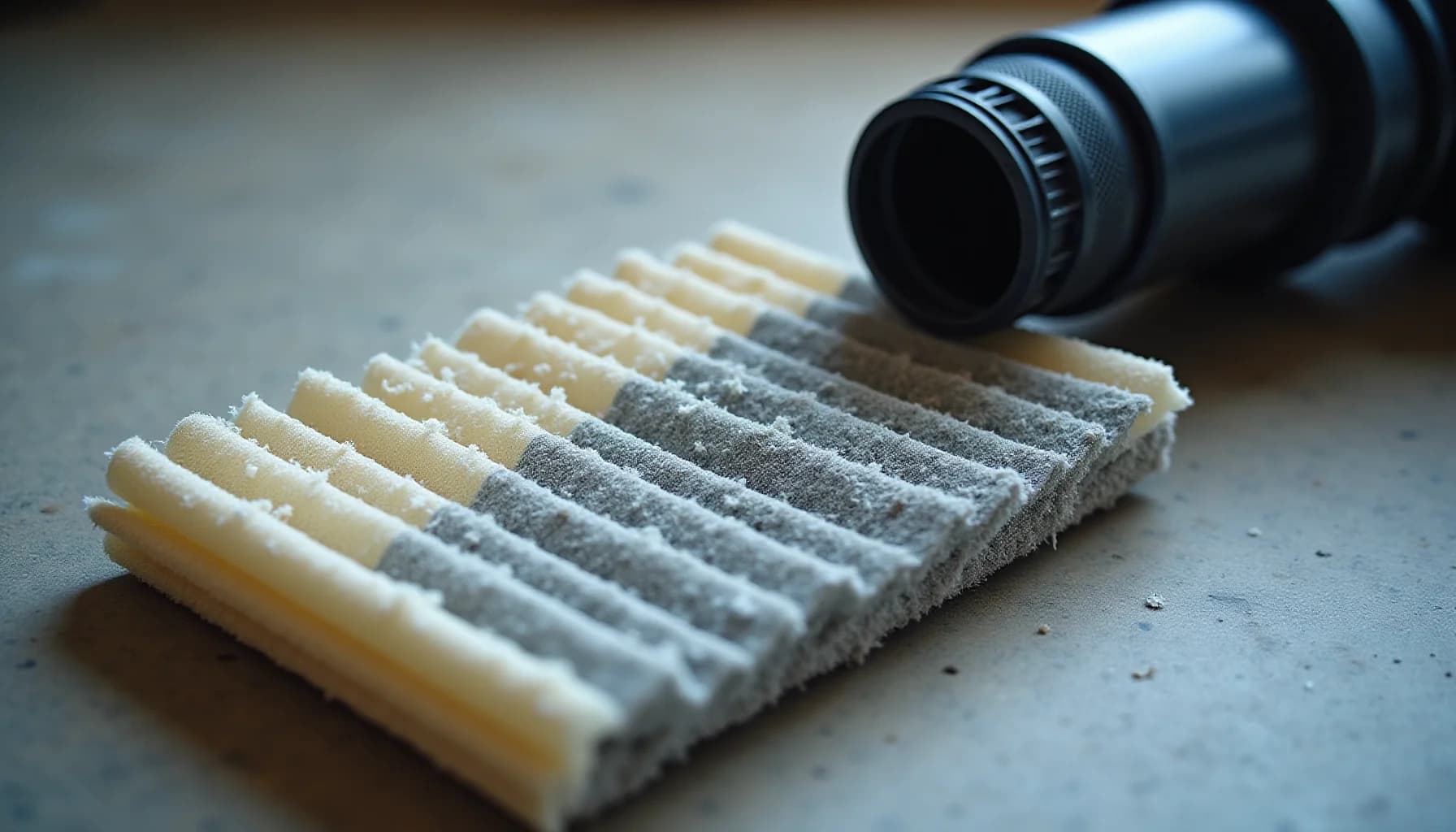
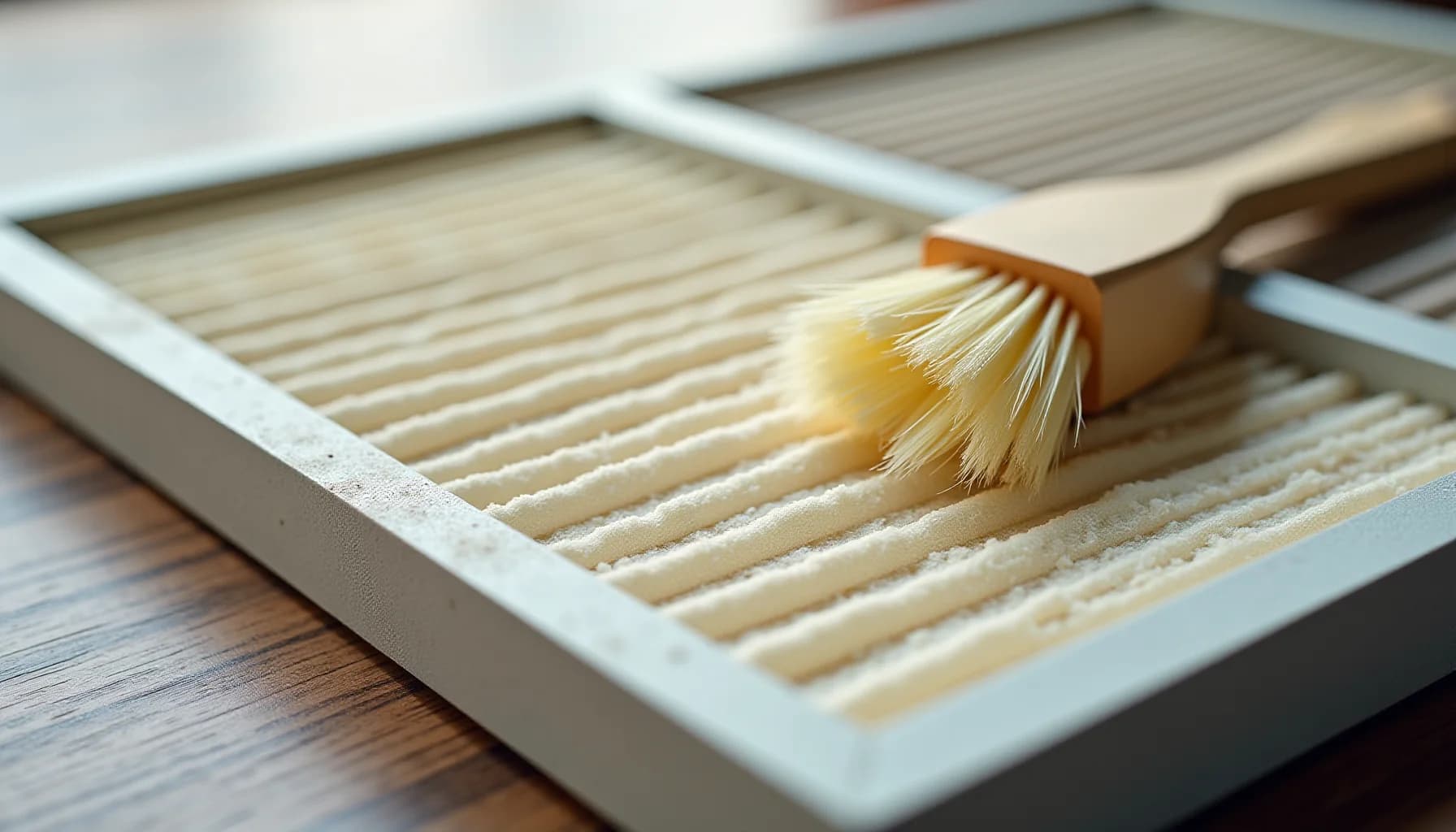
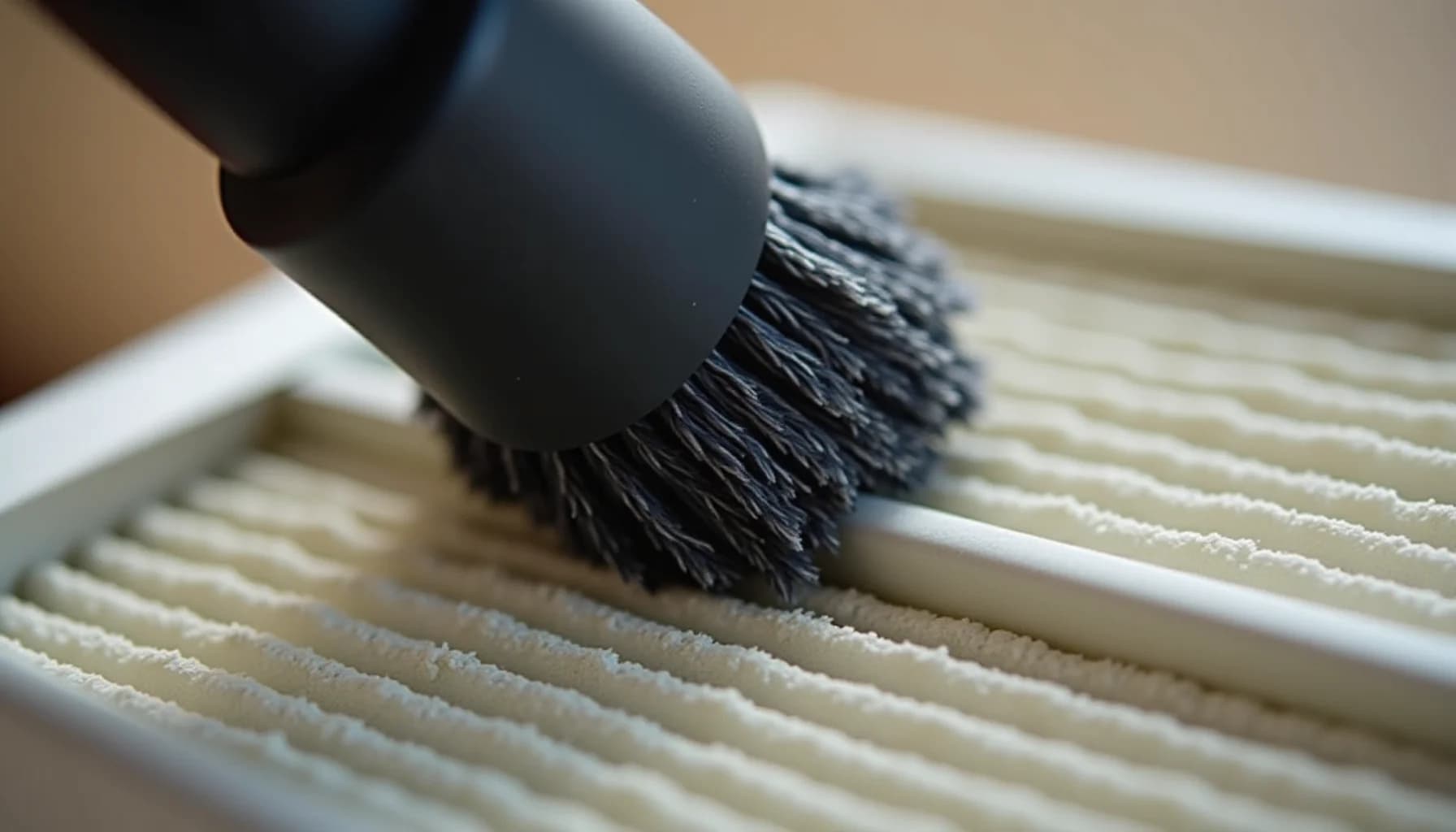
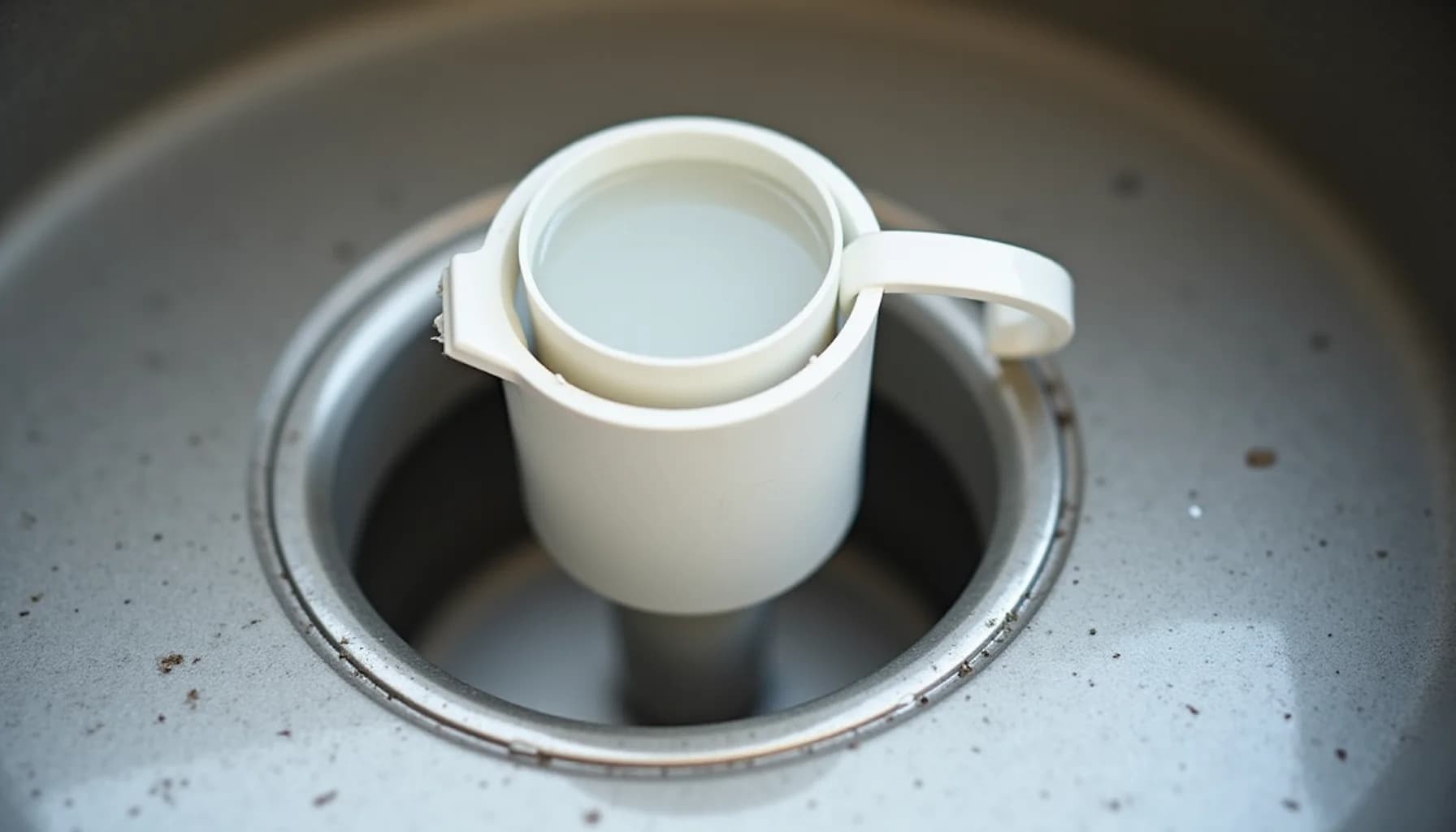
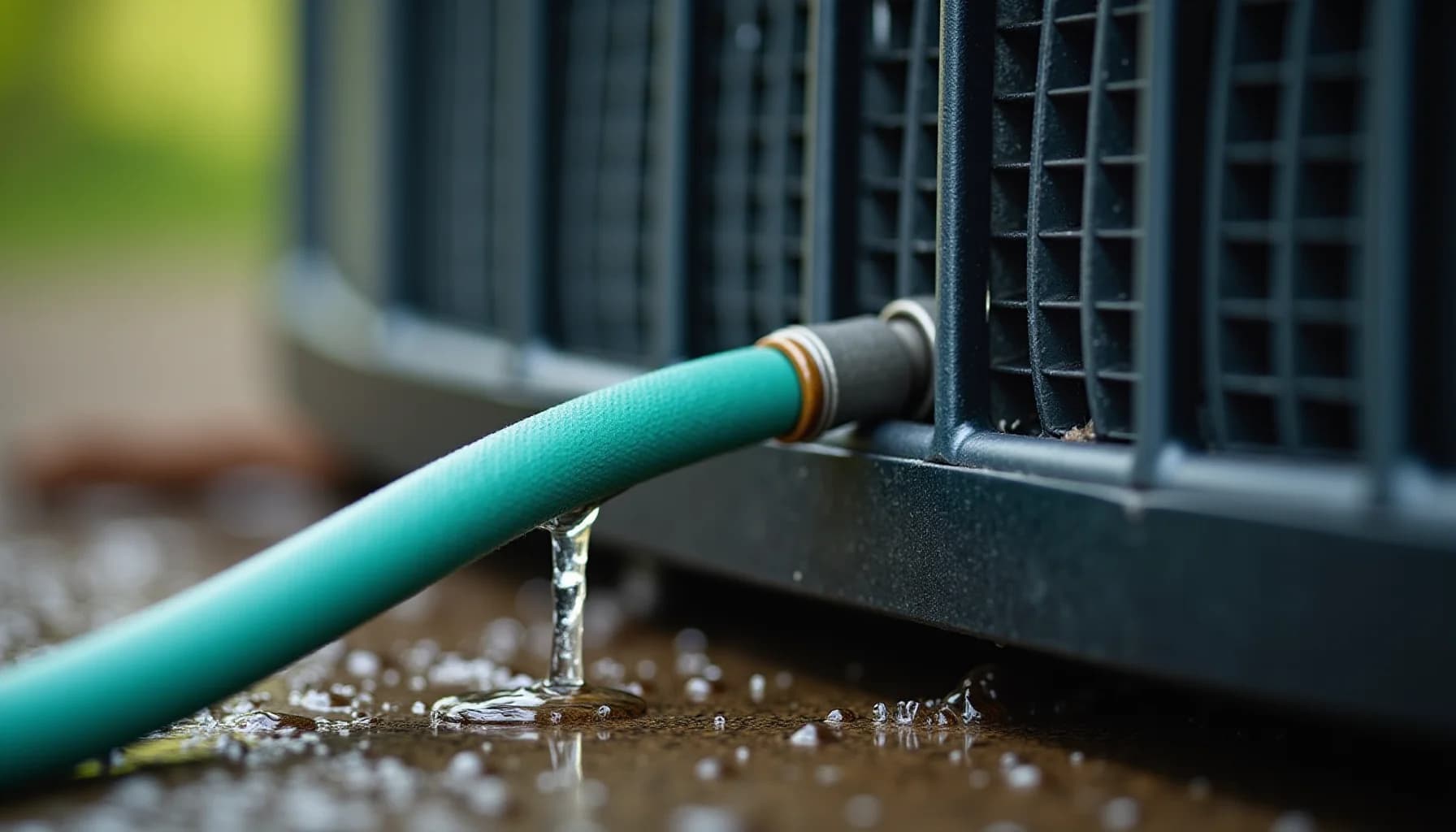
Filters, condenser fins, and the drain line are the three areas most homeowners can handle safely. For the air filter, check it monthly and replace it every one to three months — more often if you have pets, smokers, or anyone with allergies in the house. If your filter is reusable, vacuum it with a soft brush attachment rather than scrubbing it aggressively; repeated harsh washing breaks down the electrostatic mesh and actually reduces how much the filter captures. For the outdoor condenser fins, use a soft brush to clear debris, then rinse with a gentle garden hose nozzle. Never use a pressure washer — the force bends the fins and damages the coil. A two-foot clearance around the outdoor unit on all sides keeps airflow unrestricted. The condensate drain line is also DIY-friendly: flush minor clogs with a solution of one part bleach to sixteen parts water, or use plain white vinegar for a gentler approach.
The evaporator coil (the indoor coil near the air handler), the blower motor, fan blades, and anything involving refrigerant lines are all professional-only territory. Blasting the evaporator coil with compressed air pushes dust directly into the air handler. Refrigerant work requires EPA certification. Deep chemical coil cleaning uses foaming, non-corrosive cleaners left to sit for ten to fifteen minutes — a process where getting the product wrong corrodes the fins. A unit with dirty coils can consume up to 40% more energy and lose 30% or more of its cooling capacity, so annual professional service before the cooling season is worth the cost.
Which AC components can you safely clean yourself?
Four components are genuinely within reach for most homeowners, provided you cut power at the breaker first, not just at the thermostat.
Air filters are the most straightforward. Pull the filter from your indoor air handler, vacuum loose dust with a soft-brush attachment, and if it's a washable fiberglass or electrostatic filter, rinse it gently under a low-pressure faucet. Avoid scrubbing the mesh: the electrostatic surface that traps pollen and fine particles degrades with aggressive cleaning, leaving you with a filter that looks clean but performs poorly. Replace disposable filters every one to three months, or monthly if you have shedding pets, smokers in the house, or family members with asthma.
Outdoor condenser fins respond well to a soft-brush vacuum attachment followed by a gentle rinse from a standard garden hose nozzle. Work from the inside out when possible, and never use a pressure washer: the thin aluminum fins bend easily and bent fins restrict airflow significantly. Clear at least two feet of space around the unit while you're at it.
The condensate drain line can be flushed with a solution of one part household bleach to 16 parts water, or plain white distilled vinegar, to break up algae and light sludge. A small wet/dry shop vac positioned at the drain opening can pull out stubborn blockages.
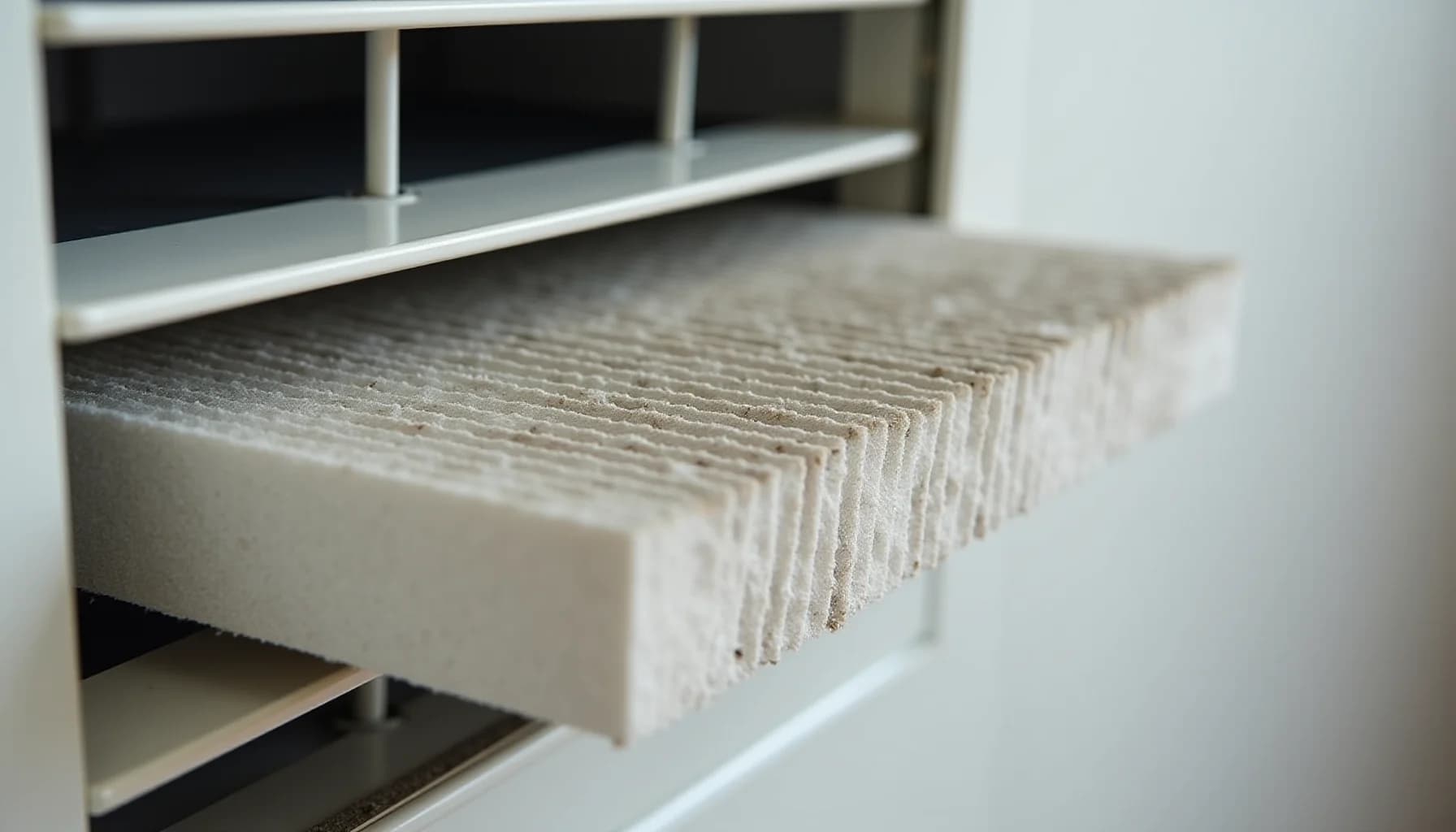
Window AC units allow slightly more DIY scope than central systems. Unplug the unit, slide out the filter, rinse it, and use a soft brush to clear dust from the visible evaporator fins at the front of the unit.
How do you actually clean the filter, condenser fins, and drain line?
Turn off power at the breaker before touching anything
Locate your home's electrical panel and switch off the circuit breaker for the AC unit, not just the thermostat. The system contains moving parts and live electrical components, so a full power cutoff is required before you open any panel or touch any part of the unit.
Replace or clean the air filter
Check the filter monthly and replace it every 1 to 3 months, or once a month if you have pets, smoke indoors, or have household members with allergies. For reusable filters, vacuum away dust with a soft brush attachment, and avoid aggressive scrubbing or over-washing, which wears down the electrostatic mesh and reduces the filter's ability to trap particles.
Clear debris from the outdoor condenser fins
Remove leaves, grass clippings, and dirt from around the outdoor unit, keeping at least two feet of clear space on all sides for airflow. Use a vacuum with a soft brush attachment on the fins, then rinse them with a gentle garden hose nozzle. Never use a pressure washer, as high water pressure bends and damages the delicate fins.
Flush the condensate drain line
Locate the condensate drain line and check it for algae or sludge buildup. Pour a solution of one part bleach to 16 parts water through the tube to clear minor clogs, or use a vinegar flush as an alternative. For stubborn blockages, a small wet/dry vacuum placed at the drain outlet can suction out debris.
Lubricate the blower motor if ports are accessible
With power still off, open the blower compartment and look for oil ports on the motor. If ports are present and reachable, apply a few drops of electric motor oil to each one. Many newer blower motors are sealed and have no ports, in which case skip this step entirely.
Call a technician for evaporator coils, refrigerant, and deep cleaning
Leave the indoor evaporator coil, blower fan blades, and all refrigerant work to a certified HVAC technician. A dirty evaporator coil can increase energy use by up to 40 percent and cut cooling output by 30 percent or more, so schedule a professional cleaning at least once a year, ideally in spring before the cooling season begins.
Can you damage your AC by cleaning it too aggressively?
Yes, cleaning your AC too aggressively can cause real damage, and the two most common culprits are excessive water pressure and over-washing reusable filters.
Starting with the condenser fins on your outdoor unit: these thin aluminum strips are designed to maximize airflow, but that same delicate construction makes them easy to crush or bend. Many homeowners reach for a pressure washer because it seems like the fastest option. It isn't a safe one. High-pressure water bends the fins inward, restricting airflow in exactly the way a season's worth of debris would. Once fins are bent, they need a fin comb to straighten, and badly damaged sections may require professional attention. A standard garden hose on a gentle spray setting is all you need. Rinse from the inside out if you can, letting the water push debris away from the coil rather than deeper into it.
Chemical coil cleaners carry their own risks if misused. Non-corrosive foaming cleaners formulated specifically for AC coils are safe when used correctly, but acidic or multi-purpose household cleaners can corrode the aluminum fins over time. If you do apply any cleaner to the outdoor condenser fins, rinse thoroughly with low pressure. Residue left behind attracts more grime and can accelerate corrosion.
Reusable filters present a subtler problem. The electrostatic mesh that makes these filters effective at trapping fine particles, pollen, and pet dander is sensitive to aggressive scrubbing. Washing a reusable filter more often than necessary, or scrubbing it with a stiff brush, degrades that mesh surface. The filter may look clean and flow air freely, but its particle-capture efficiency drops. A filter you clean too aggressively every two weeks can actually underperform a less-touched filter on a monthly schedule.
The rule across all of these components is the same: gentler and less frequent is usually better than more thorough and more often.
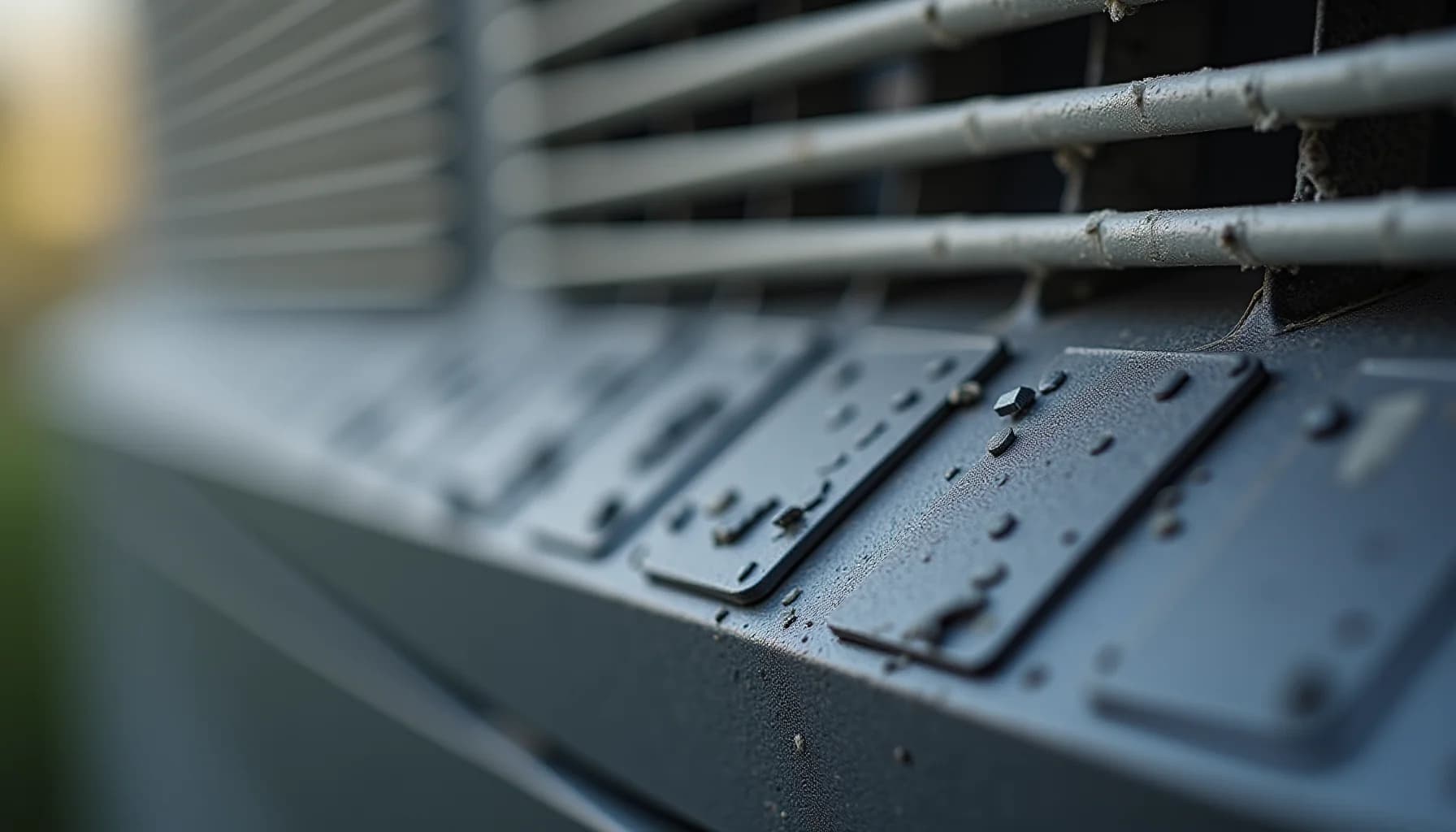
Which AC components should only a licensed technician touch?
Four components sit firmly outside DIY territory, and attempting them without the right training or equipment risks both personal safety and costly system damage.
Evaporator coils. The indoor evaporator coil is the one most homeowners are tempted to clean themselves, but it presents a real hazard. Because it sits directly beside the air handler, blasting it with compressed air pushes dust straight into the blower compartment, where it can coat electrical components and create problems down the line. Professional technicians use a non-corrosive foaming cleaner formulated specifically for coil surfaces, letting it dwell for the manufacturer-recommended 10 to 15 minutes to break down baked-on grime that a vacuum cannot reach. A dirty evaporator coil is not a cosmetic issue either: a unit working through fouled coils can consume up to 40% more energy and deliver 30% less cooling capacity than a clean system.
Refrigerant lines and charge. Federal law requires EPA Section 608 certification to handle refrigerant. There is no legal DIY path here. If your system is low on refrigerant, a licensed technician must diagnose and recharge it.
Blower motor and fan blades. These components require disassembly that goes well beyond what a homeowner should take on. A technician will inspect the blades for balance, clean deposits that affect airflow, and check motor bearings, tasks that demand both specialized tools and an understanding of how the assembly fits back together correctly.
Deep chemical coil cleaning (condenser). While homeowners can rinse condenser fins with a gentle hose, commercial-grade chemical cleaning of the condenser coil belongs to a professional. The wrong cleaner, or the right cleaner applied incorrectly, can corrode the aluminum fins and void manufacturer warranties. Schedule this as part of your annual pre-season service visit rather than treating it as a weekend task.
| Component / Task | Why DIY Is Unsafe | Professional Method |
|---|---|---|
| Evaporator coil (indoor) | Compressed air spreads dust into air handler; delicate fins damaged easily | Non-corrosive foaming cleaner applied by certified tech |
| Refrigerant check / recharge | Requires EPA certification and specialized equipment | Licensed tech with certified gauges and refrigerant |
| Blower motor & fan blades | Moving parts require trained technician to inspect and clean safely | Tech disassembles, cleans, and reassembles blower assembly |
| Deep chemical coil cleaning | Commercial-grade cleaners need controlled application and timing (10–15 min dwell) | Tech applies, monitors, and rinses without component damage |
What do dirty coils and clogged filters actually cost you?
Skipping AC maintenance is not just a comfort issue; it carries a measurable cost you can see on your electricity bill. A unit running with dirty coils can consume up to 40% more energy than a clean one, and its actual cooling output can drop by 30% or more. That means your system runs longer, works harder, and delivers less cold air for every dollar spent.
Here is why: the evaporator coil absorbs heat from the air inside your home. When a layer of dust coats that coil, it acts as insulation against the very heat transfer the coil is designed to perform. The refrigerant inside cannot pull heat efficiently through that barrier, so the air leaving your vents stays warmer than it should. Your thermostat keeps calling for cooling, the compressor keeps running, and the cycle repeats at full energy draw for diminished results.
Clogged filters compound this directly. When a filter is packed with debris, your system must work harder to pull air through the restricted surface. That added strain drives up electricity consumption and puts mechanical stress on the blower motor over time. In homes with pets that shed, smokers, or residents with allergies, filters reach this restricted state faster than the standard one-to-three-month replacement window accounts for, making monthly checks essential rather than optional.
The straightforward math: a clean system costs less to run and cools more effectively. Deferred cleaning makes both numbers worse.
Frequently asked questions
Which AC parts can I safely clean myself?
How often should I check and replace my air filter?
Can I clean the evaporator coil myself?
Why does it matter if my coils are dirty?
How often does each AC part need cleaning?
Your air filter deserves attention every single month, even if you don't replace it that often. Pull it out, hold it up to a light source, and judge the buildup. In most households, replacement falls somewhere between every one and three months. If you have pets that shed, someone in the home with asthma or allergies, or a dusty local environment, plan on the shorter end of that range. For reusable washable filters, resist the urge to clean them more aggressively than needed: scrubbing or washing too frequently breaks down the electrostatic mesh that traps fine particles, leaving you with a filter that looks clean but performs poorly.
The outdoor condenser fins need attention once a year at minimum, ideally in early spring before the cooling season starts. If your unit sits under trees or in a pollen-heavy area, a mid-summer check is worth adding to your calendar.
The condensate drain line is easy to overlook until it backs up. Flushing it with a diluted vinegar or bleach solution once a season takes five minutes and prevents the kind of slow algae buildup that causes overflow damage.
Schedule a professional visit once a year for evaporator coil cleaning, blower components, and refrigerant checks. No amount of diligent DIY replaces that annual appointment.
How this article was made
Researched and written with AI assistance. What gets published is a human editorial decision. Grounded in 8 cited sources.
Edited by Claire Mercier, Editor. The guides are written with AI assistance.
Sources (8)
- How To Clean Your Home AC Unit (2026) | Today's Homeowner
- A Step-by-Step Guide on How to Clean Your Air Conditioner | Hitachi Cooling & Heating
- How to Clean Your Home AC Unit by Yourself: DIY Steps
- How to Clean an Air Conditioner Completely | Family Handyman
- DIY AC Cleaning [FREE GUIDE]
- How To Clean Air Conditioner: Easy & Effective DIY Guide
- 6 DIY Ways to Clean Your Air Conditioner To Keep Your House Cool - PG1 Aircond
- DIY Tips on How to Clean Air Conditioner Units