Clean Carpet With Vomit Fast: A Step-by-Step Stain and Odor Fix
Part of Fabric & Carpet Care · article 10 of 14
On this page
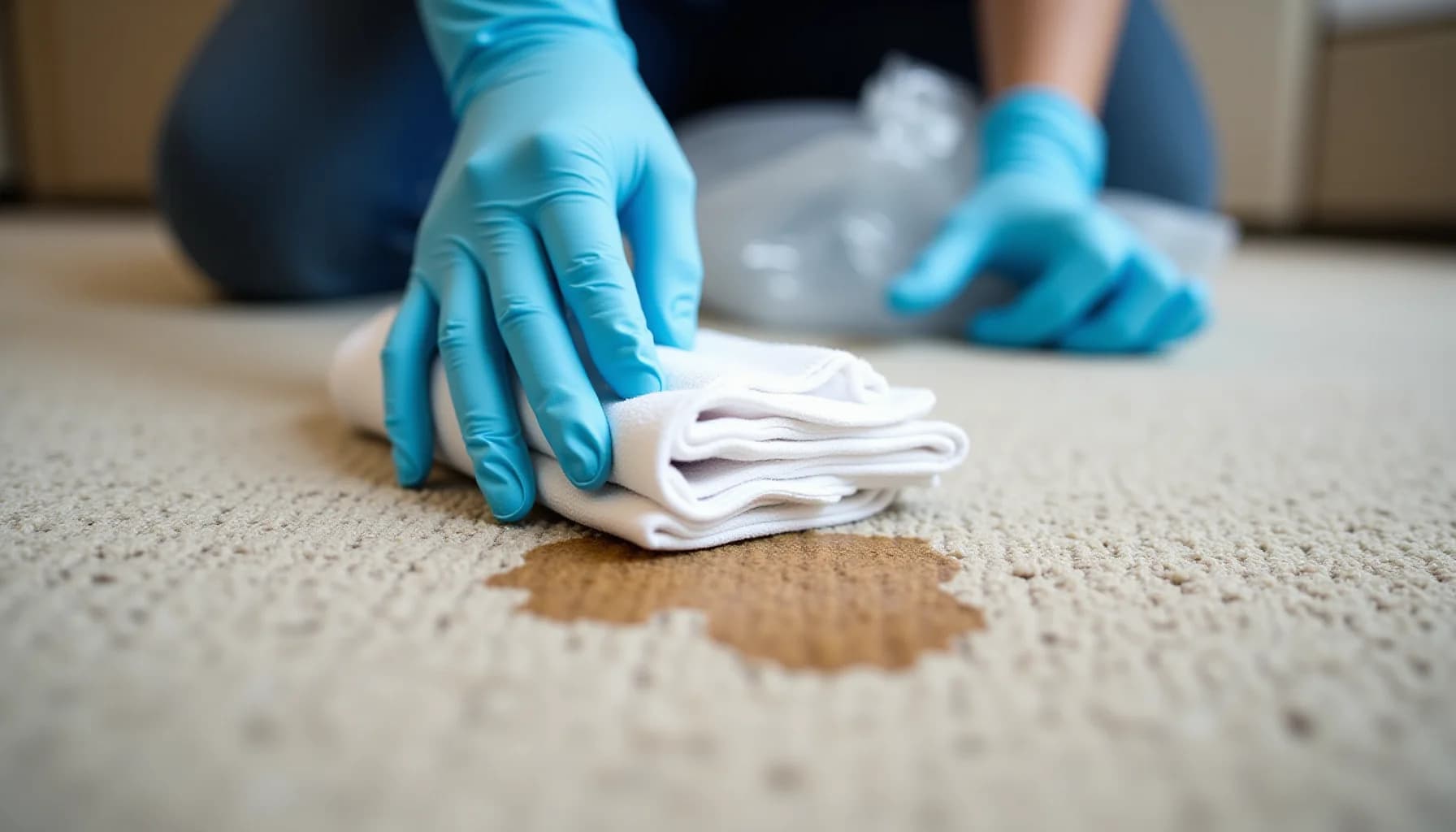
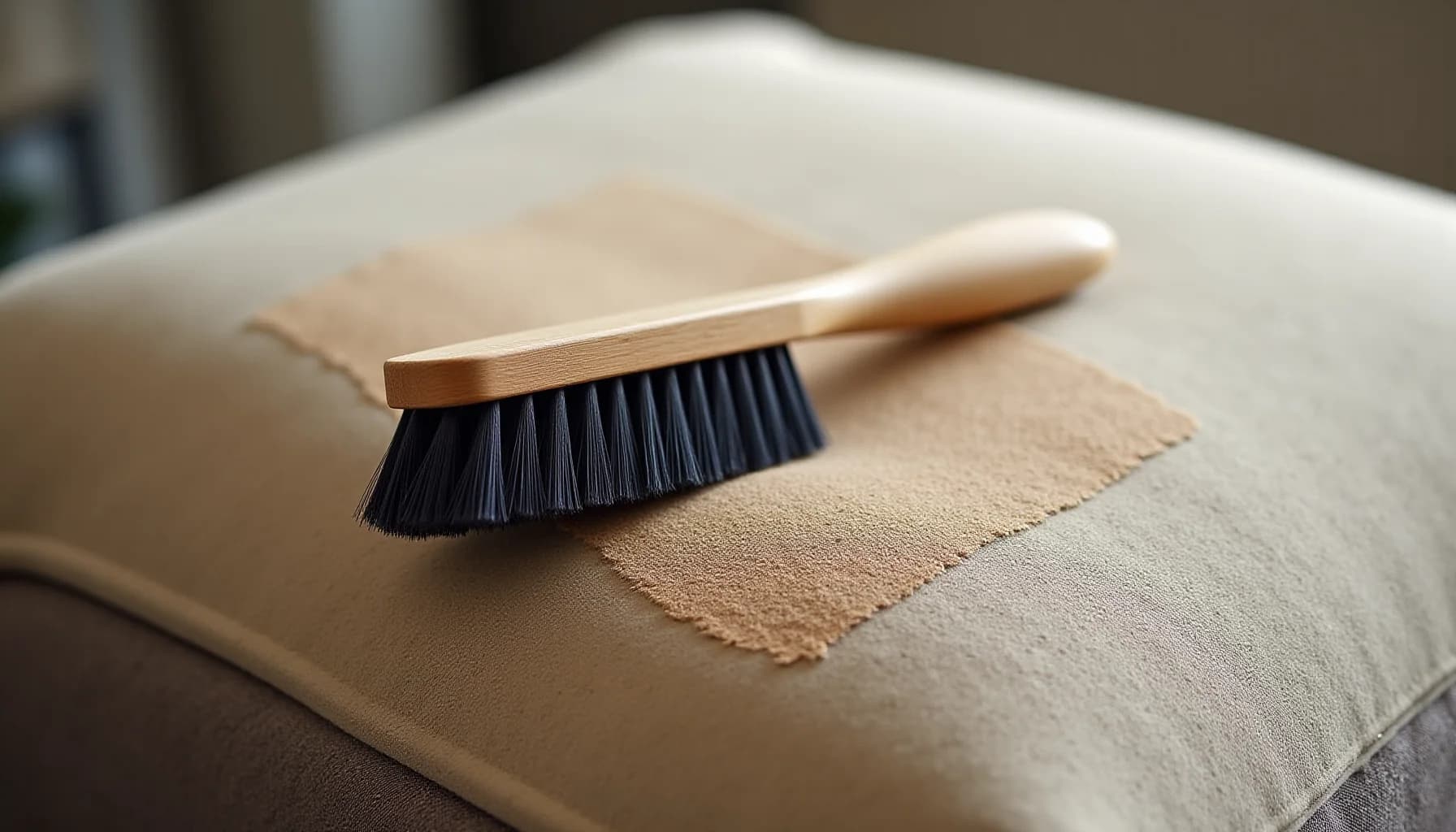
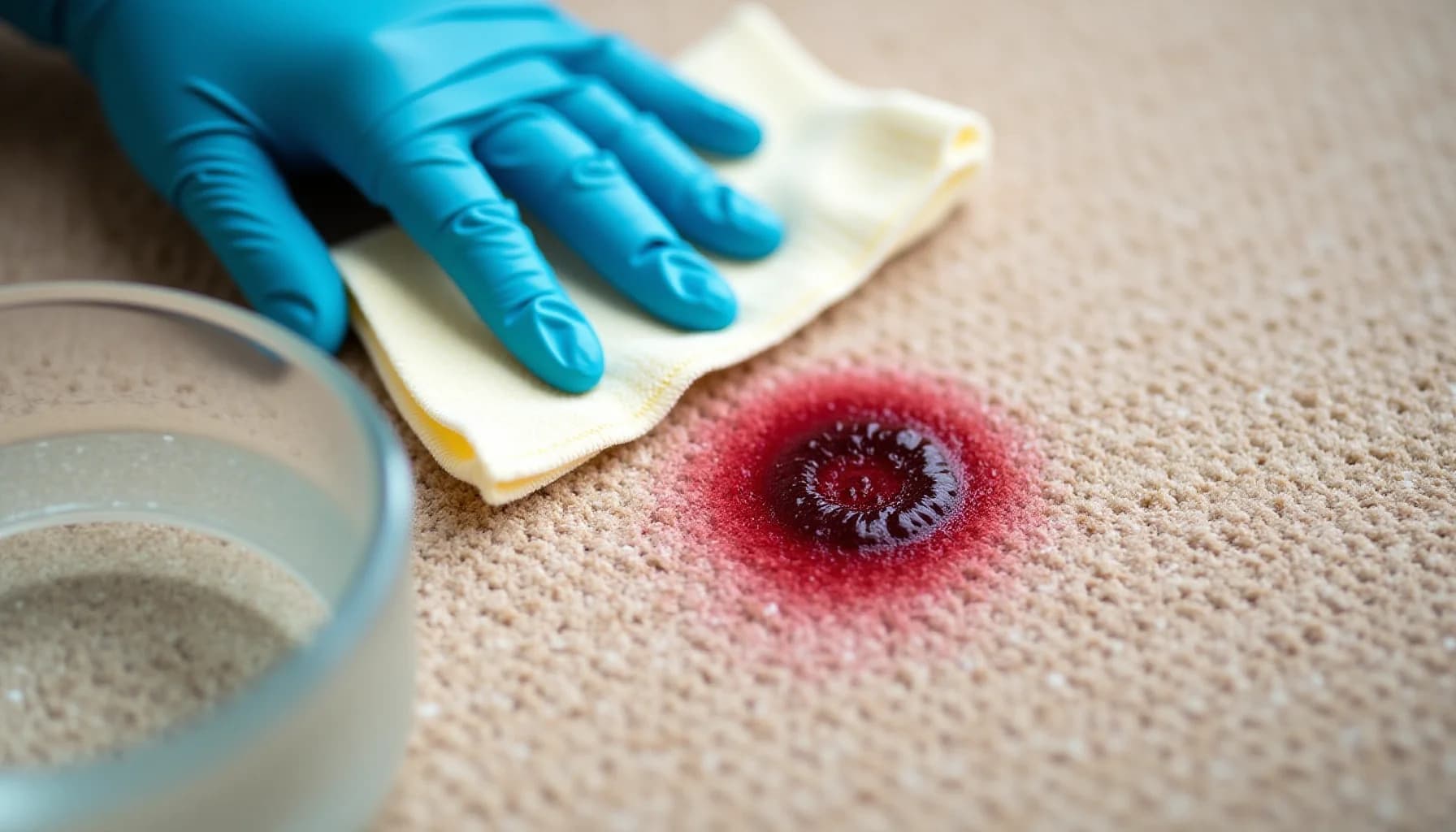
Put on disposable gloves before you touch anything: vomit is a biohazard that carries harmful pathogens. Scoop up as much solid matter as you can with paper towels, seal it in a bag, and get it into an outside trash can. Blot the remaining moisture with a clean cloth, working from the outside of the stain inward, and never rub. Rubbing drives the stain deeper into the fibers and padding. Use cold water throughout: hot water sets the proteins in vomit and makes the stain significantly harder to lift, the same reason you'd avoid it when tackling coffee stains on carpet. Spray a solution of one part white vinegar to two parts cold water over the area, let it sit for 10 to 15 minutes, then blot again. Finish with baking soda to absorb remaining moisture, leave it for at least 15 minutes, then vacuum. Never mix hydrogen peroxide and vinegar: the combination produces gases that irritate the skin, eyes, and lungs.
Why is vomit so hard to remove from carpet?
Vomit is a particularly stubborn carpet stain because of what it is made of, not just what it looks like on the surface. It contains stomach acids, food particles, digestive enzymes, and bile, and each of those components causes a different kind of damage. The stomach acids work fast, eating into carpet fibers and causing discoloration that can become permanent if the material is left to sit. The protein-based particles from food bind to carpet fibers under heat or friction, which is why using hot water or scrubbing aggressively makes the problem significantly worse instead of better.
The organic content is the second problem. Bacteria feed on the proteins, fats, and acids left in the fibers, and that biological activity is what produces the persistent, sour odor that lingers even after visible staining is gone. That smell is not just surface-level: vomit seeps quickly through carpet pile and into the padding beneath, where standard cleaning tools cannot reach. Once the padding is saturated, odor-causing bacteria have an insulated environment that is very difficult to address with DIY methods alone.
The structure of carpet itself makes things harder. The woven fibers trap solid particles and liquid simultaneously, pulling contamination deeper with every passing minute. This is the same penetration problem you see with other organic stains, similar to how coffee soaks rapidly past the surface pile before most people have time to react. Acting within the first few minutes is the single biggest factor separating a recoverable stain from a permanent one.
What should you do before you start cleaning up vomit from carpet?
Put on gloves and ventilate the room
Vomit carries hazardous pathogens, so pull on disposable gloves before touching anything. Open windows and doors to improve airflow and reduce fumes while you work.
Remove solid matter immediately
Using paper towels or a spoon, scoop up as much solid material as possible without pressing it deeper into the fibers. Seal the waste in a plastic bag and take it to an outside bin right away.
Blot the area with cold water, working from the outside in
Press a clean cloth or paper towels onto the stain, blotting from the outer edge toward the center. Use cold water only, never hot, as heat sets the proteins in vomit and makes the stain harder to lift.
Apply a cleaning solution and let it sit
Mix one part white vinegar with two parts cold water in a spray bottle, or use a 50/50 solution of hydrogen peroxide and water as an alternative. Spray generously over the stain and leave it for 10 to 15 minutes to break down the organic compounds. Never combine vinegar and hydrogen peroxide, as mixing them creates a toxic gas.
Cover with baking soda to absorb moisture and odor
After blotting away the cleaning solution with cold water, spread a generous layer of baking soda over the damp area and leave it for at least 15 minutes, or overnight if the odor is strong. Once the carpet is completely dry to the touch, vacuum up all the powder.
Treat stubborn odor with an enzymatic cleaner, or call a professional
If odor remains, apply an enzymatic cleaner, which breaks down proteins, fats, and acids at a molecular level rather than just masking the smell. If the odor persists after two full rounds of cleaning, the padding underneath is likely saturated and professional treatment or padding replacement is the next step.
How Do You Remove Fresh Vomit From Carpet Step by Step?
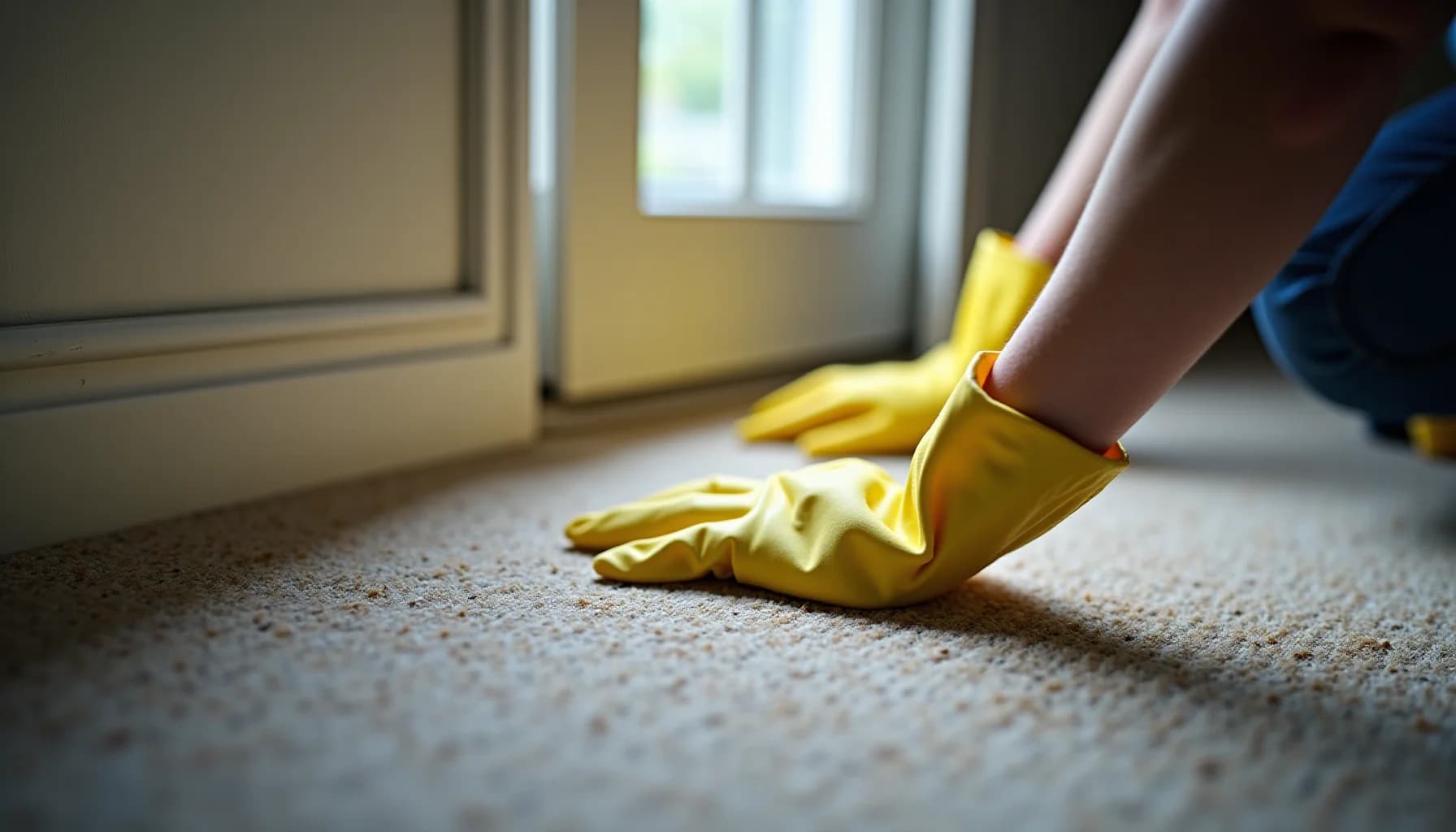
Before you touch anything, put on disposable gloves. Vomit is a biohazard, and protecting your hands is non-negotiable before the cleaning process begins. Open windows or a door nearby to keep air moving through the room; the ventilation makes the job more manageable and helps carry odors out as you work.
Step 1: Remove solid matter first. Using paper towels or a spoon, scoop up as much solid material as you can. Work from the edges inward so you don't spread the mess. Seal everything into a plastic bag and take it straight to an outside bin.
Step 2: Blot, do not rub. Press a clean cloth or fresh paper towels firmly onto the stain to lift as much liquid as possible. Always work from the outside edge toward the center. Rubbing pushes the vomit deeper into the fibers and padding, which worsens both the stain and the odor.
Step 3: Use cold water only. Hot water sets the proteins in vomit, locking the stain into the fibers. Rinse with cold water, then blot again.
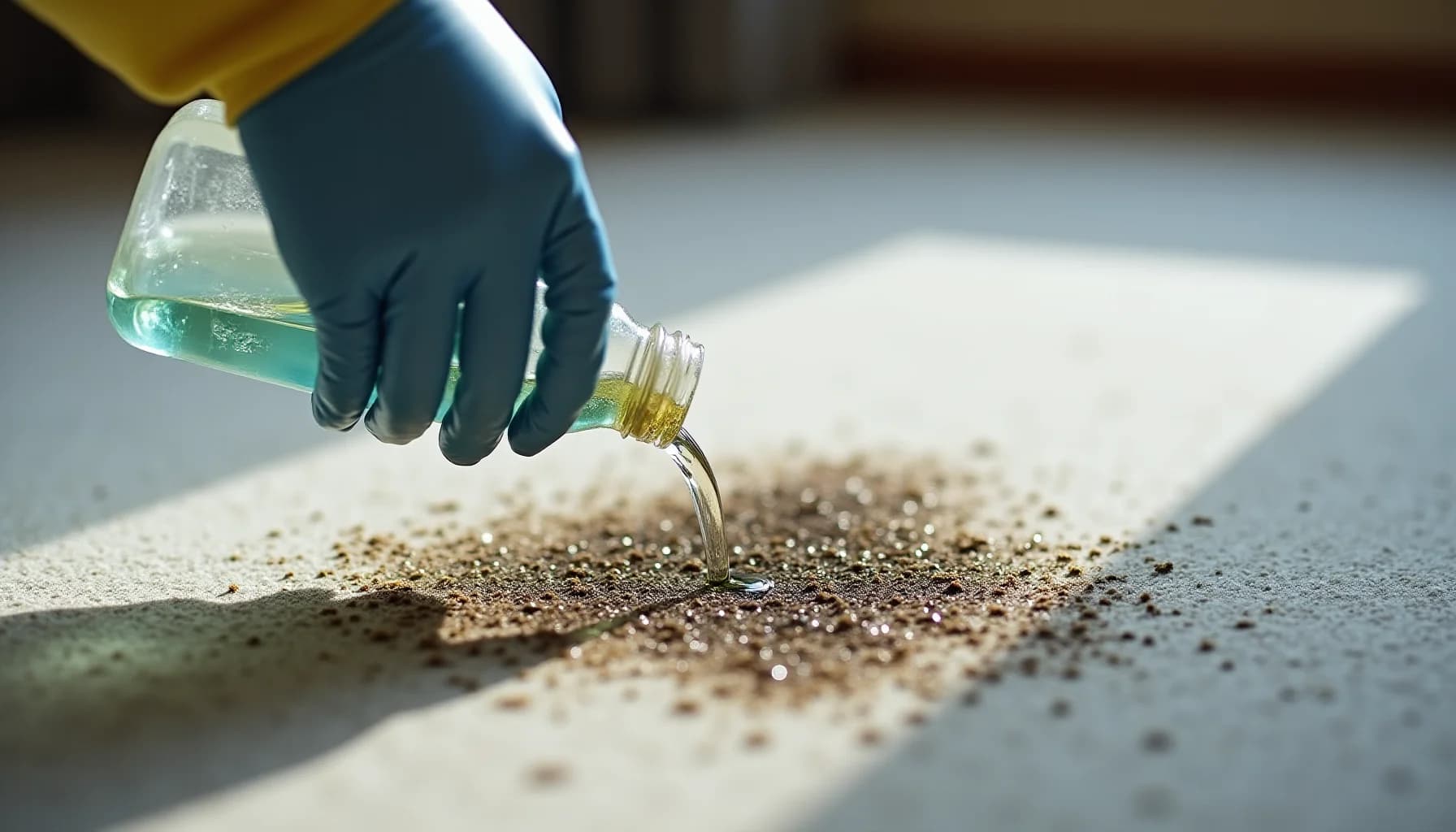
Step 4: Apply a cleaning solution. Mix one part white vinegar with two parts cold water in a spray bottle. Alternatively, use a 50/50 solution of hydrogen peroxide and cold water. A firm safety rule here: never combine hydrogen peroxide and vinegar. Together they produce a gas that irritates the skin, eyes, nose, and lungs. Choose one or the other. Spray the chosen solution generously over the stained area and let it sit for 10 to 15 minutes.
Step 5: Rinse and repeat. Blot cold water over the area to rinse, then blot dry. Repeat the application and rinsing cycle until the stain and smell are gone.
Step 6: Apply baking soda. Cover the damp area with a generous layer of baking soda and leave it for at least 15 minutes to absorb remaining moisture. Once the carpet is dry to the touch, vacuum it thoroughly. If the odor lingers, dampen the spot, reapply baking soda, leave it overnight, and vacuum the next morning.
How do you deodorize and dry carpet after cleaning up vomit?
Once the stain itself is gone, your job is only half done. Residual moisture and organic residue are what turn a cleaned carpet into a persistent odor problem, so the drying and deodorizing steps deserve as much attention as the cleaning itself.
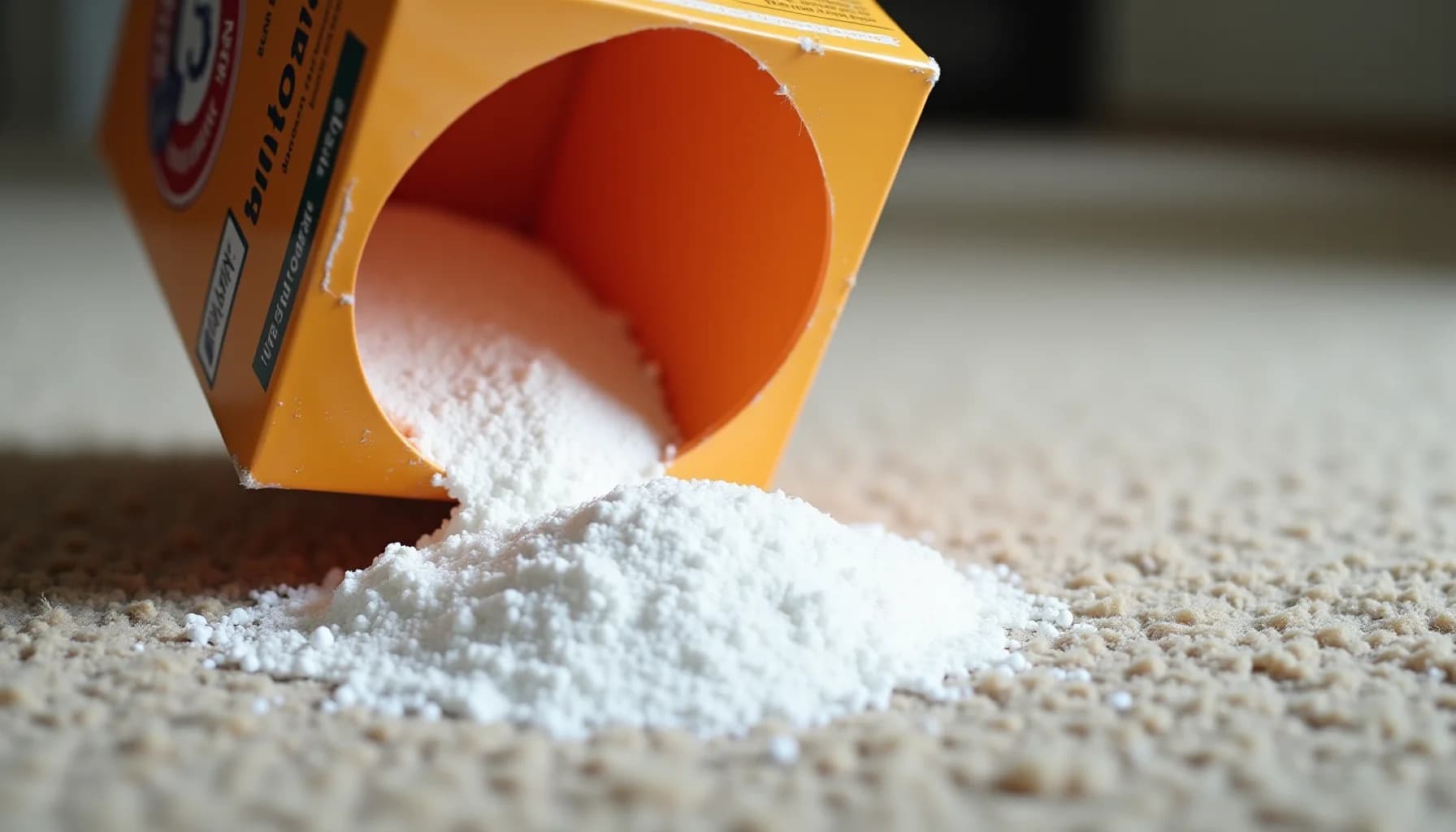
Start with baking soda. Cover the damp area generously and let it sit for at least 15 minutes to absorb remaining moisture and neutralize surface odors. If the smell is still strong after blotting, lightly dampen the carpet with water before applying the baking soda, press it in gently, and leave it overnight. Once the carpet is fully dry to the touch, vacuum it up completely. Skipping the full dry time before vacuuming just redistributes damp powder back into the fibers.
For odors that survive baking soda, an enzymatic cleaner is your next move. These products contain specific enzymes and beneficial bacteria that break down the organic compounds in vomit, including proteins, fats, and stomach acids, at a molecular level. That means the odor source is eliminated rather than masked. The biological process continues working for hours after you apply it, reaching into the carpet backing where contamination has soaked through. Follow the product's dwell time instructions exactly, since cutting it short limits effectiveness.
Complete drying is non-negotiable. Moisture left in carpet fibers or padding creates the conditions for mold growth and will keep odors cycling back. Open windows, run a fan directed at the area, or run a dehumidifier in the room. On warm days, opening doors to increase airflow speeds the process considerably. Avoid walking on the area until it is completely dry.
If strong odor returns after two full rounds of cleaning and deodorizing, the padding underneath has likely absorbed contamination. At that point, professional treatment or padding replacement is the practical next step.
How do you clean dried vomit from carpet?
Dried vomit is harder to remove because the proteins and acids have already bonded with carpet fibers. Start by rehydrating the area: dampen the stain with warm water and a small amount of mild detergent, then let it sit for several minutes to loosen the dried material before touching it. Once the surface has softened, scrape away what you can with a spoon or dull tool, then proceed with a vinegar-and-water solution (one part white vinegar to two parts cold water), blotting from the outside in.
The mistake that causes the most irreversible damage at this stage is using hot water. Heat sets proteins permanently into carpet fibers, turning a removable stain into a lasting one. Bleach is equally destructive: it strips carpet dye and degrades fibers, leaving a discolored patch that no amount of subsequent cleaning will fix. Never reach for either.
For stubborn odors that survive two cleaning passes, an enzymatic cleaner is your most effective option. These products contain specific enzymes and beneficial bacteria that break down the proteins, fats, and acids in vomit at a molecular level, rather than simply masking the smell. Apply the enzymatic cleaner directly to the affected area and let it work for the full time stated on the label. The biological process continues working for hours, reaching into the fibers and carpet backing where contamination has soaked.
If a strong odor remains after two complete rounds of treatment, stop. The carpet padding beneath has almost certainly absorbed contamination, and no surface-applied product will reach it adequately. At that point, call a professional or plan for padding replacement.
Frequently asked questions
Does it matter how quickly I clean up vomit from carpet?
Should I scrub the stain to get it out faster?
Can I use hot water to clean up vomit from carpet?
Is it safe to mix hydrogen peroxide and vinegar when cleaning carpet?
When Should You Call a Professional Carpet Cleaner?
Two mistakes undo more carpet cleanings than anything else: scrubbing instead of blotting, and using hot water. Scrubbing pushes vomit deeper into the fibers and padding, spreading the stain outward rather than lifting it. Hot water sets the proteins in vomit, locking discoloration into the pile before you even reach for a cleaning solution. A third mistake, one with real consequences, is mixing hydrogen peroxide and vinegar. That combination produces a corrosive gas that irritates skin, eyes, and lungs. Use one or the other, not both.
Incomplete drying is the mistake that lingers longest. Moisture trapped in the carpet backing and padding creates the conditions for mold growth and persistent odors that no amount of baking soda will fix. If you notice a musty or sour smell returning days after cleaning, that odor is almost certainly rising from the padding beneath the surface, not the carpet fibers themselves.
That is the threshold for calling a professional: if the smell returns after two full rounds of cleaning, the contamination has reached the padding. At that point, professional extraction equipment or padding replacement is the practical path forward. DIY products, however good, cannot reach what has already soaked through.
Preventively, applying a stain-resistant carpet spray after any deep clean creates a barrier that gives you more reaction time the next time a spill happens, making the entire process easier from the first step.
How this article was made
Researched and written with AI assistance. What gets published is a human editorial decision. Grounded in 8 cited sources.
Edited by Claire Mercier, Editor. The guides are written with AI assistance.
Sources (8)
- How to Clean Vomit from Carpet
- How to Clean Vomit from Carpet (Tips & Steps) - TMF Store
- Best Way To Clean Vomit Out Of Carpet | Merry Maids
- Nausea No More: How to Get Vomit Out of Carpet | Carpet One Floor & Home
- How to Clean Vomit From Carpet | Molly Maid
- How to Clean Vomit from Carpet? | Family Interiors
- How to Clean Vomit From Carpet Quickly to Prevent Stains
- How to Clean Up and Remove Vomit Stains from Carpet | Zerorez Carpet Cleaning