Remove Blood From Carpet Fast: The Methods That Actually Work
Part of Fabric & Carpet Care · article 14 of 16
On this page
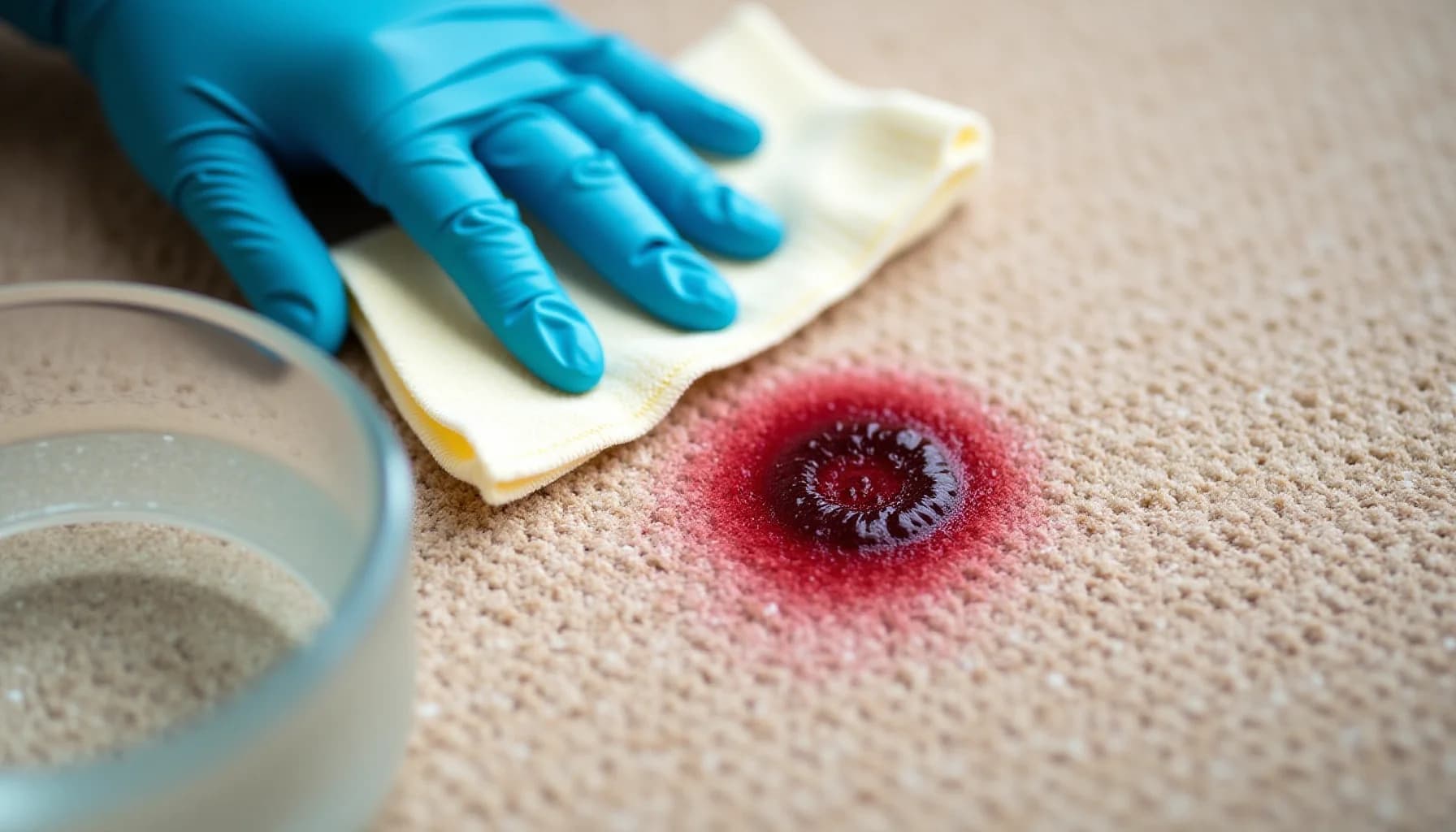
Cold water and an enzyme-based cleaner are your most reliable tools for getting blood out of carpet. Blood is a protein-based stain, and the proteins in hemoglobin bind to carpet fibers fast, so act within 10 to 15 minutes if you can. Use cold water only: hot water causes those proteins to coagulate and set the stain deeper. Blot with a clean white cloth, never rub, and never use a colored rag that could transfer dye. For fresh stains, cold water mixed with a half-teaspoon of clear dish soap often does the job. For tougher or dried stains, an enzyme cleaner (let it sit 10 to 30 minutes) or 3% hydrogen peroxide will break down the proteins more aggressively. Avoid hydrogen peroxide on wool rugs or dark carpets, as it can discolor fibers. Skip vinegar entirely; it does not break down proteins effectively. Ammonia works but risks fiber damage, so test it in a hidden spot first and treat it as a last resort.
Why does temperature matter so much for blood stains?
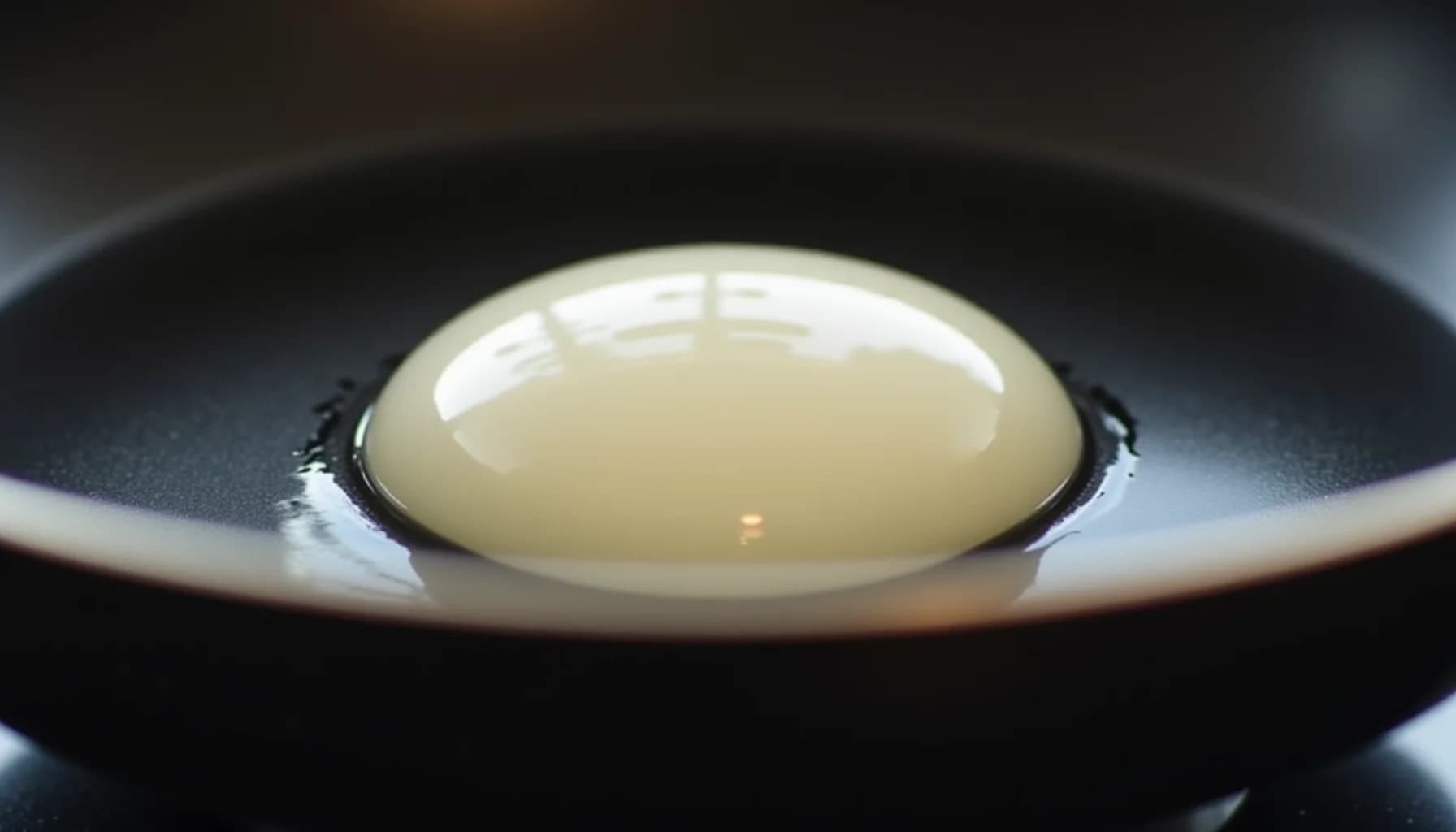
Blood contains hemoglobin, a protein that behaves very differently depending on the temperature of the water you use on it. When hemoglobin contacts heat, it begins to coagulate, essentially cooking into the carpet fibers the way egg white solidifies in a hot pan. Once that happens, no amount of scrubbing will fully undo it. Cold water keeps the proteins in a state where they can still be lifted out of the fibers rather than bonded to them.
That protein chemistry also explains why timing is just as critical as temperature. Blood stains bind to carpet fibers fast. Within 10 to 15 minutes of contact, hemoglobin begins adhering to the material in a way that makes removal significantly harder. Wet blood lifts out relatively easily with cold water and a white cloth; blood that has had 30 minutes to dry starts bonding and hardening, leaving a crusty residue that may need an enzyme-based cleaner and multiple treatment rounds to break down.
The practical takeaway: treat the stain immediately, and reach for cold water first, every time. Do not use a warm or hot setting on your tap, and do not apply a heated cleaning solution thinking it will dissolve the stain faster. It will do the opposite. This same principle applies to other protein-based stains on soft surfaces, including vomit stains on carpet, where heat similarly locks organic matter into fibers before you have a chance to remove it.
Should you blot or rub a blood stain out of carpet?
Act fast: blot the stain within 10 to 15 minutes
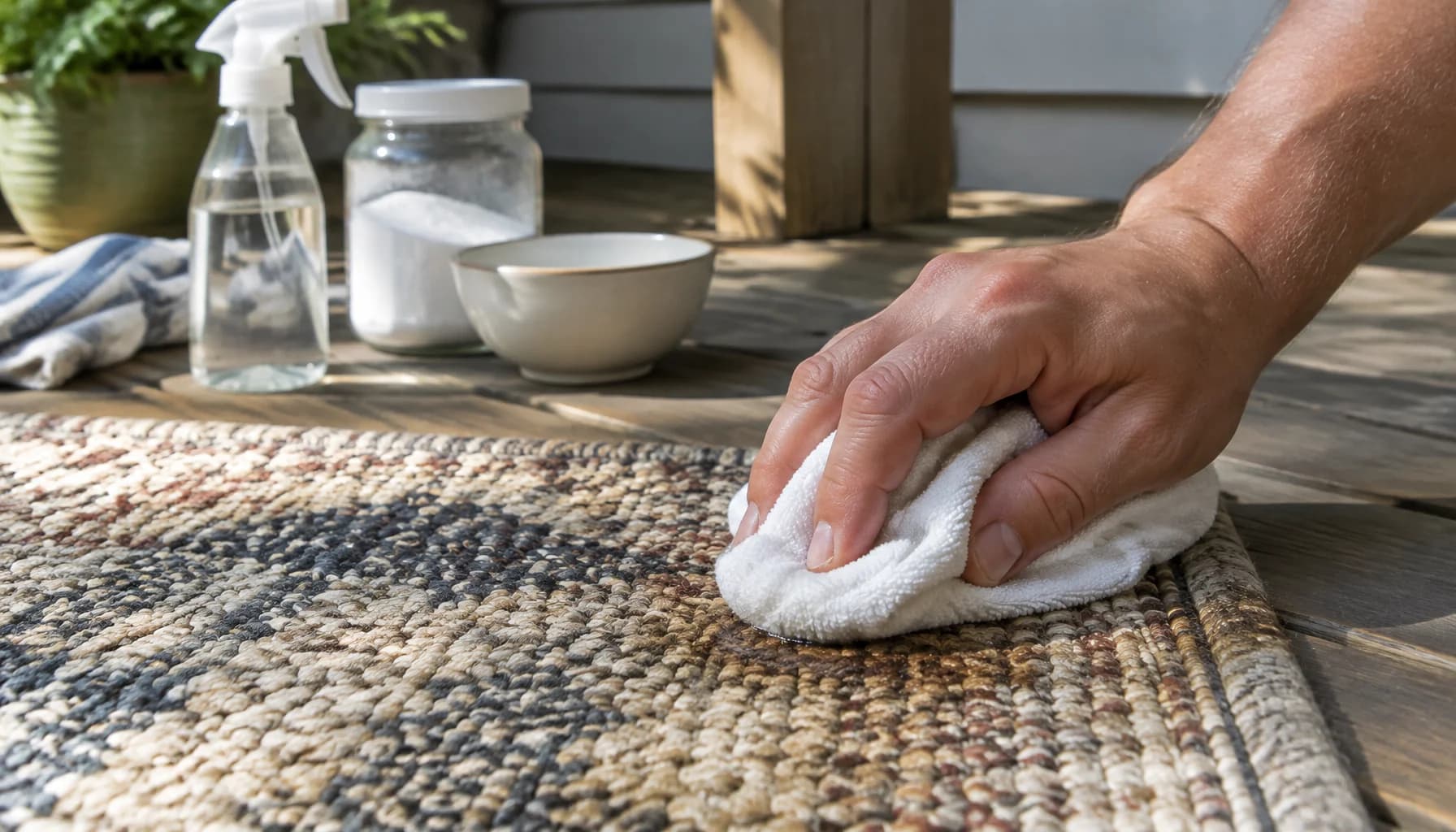
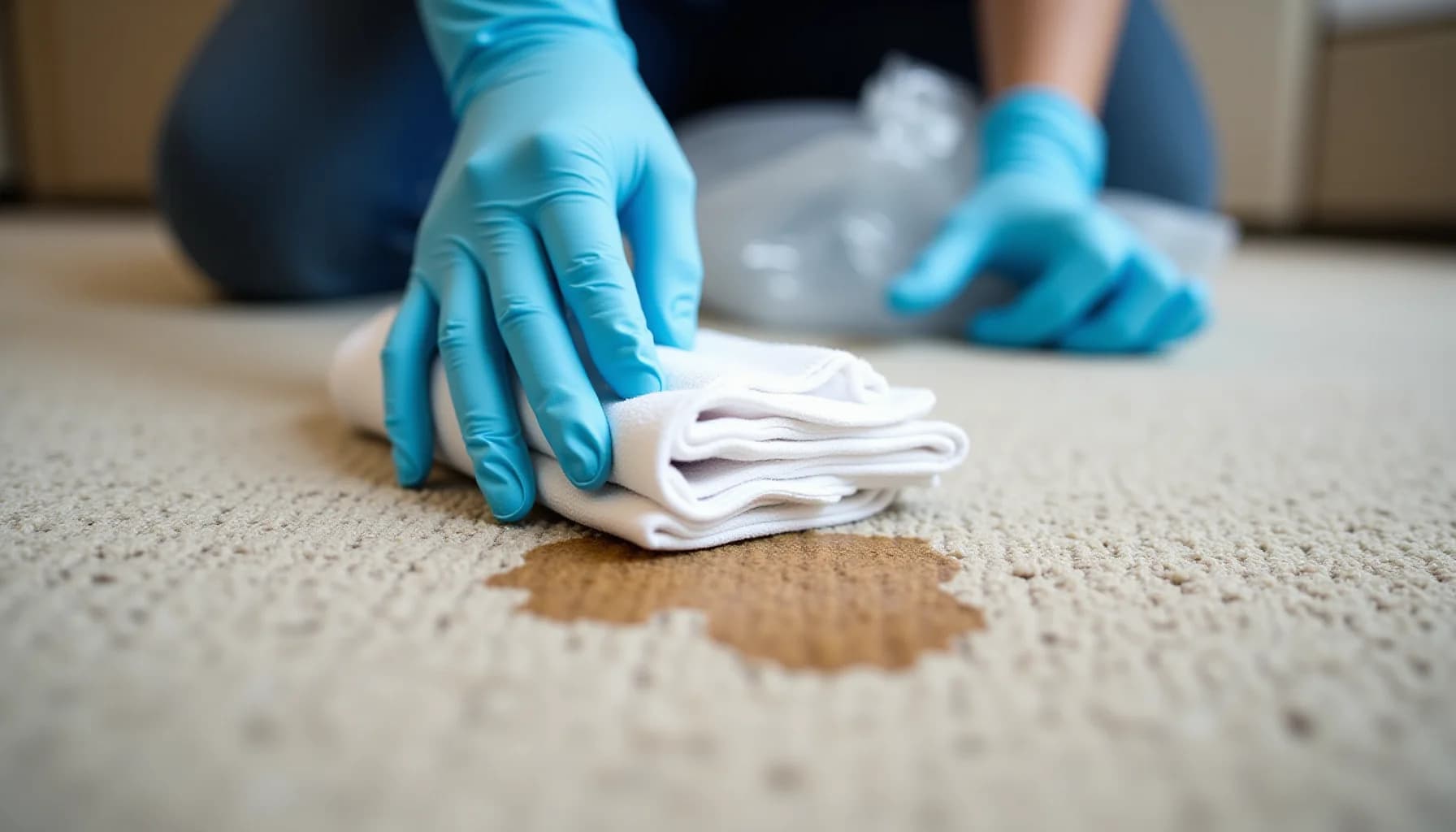
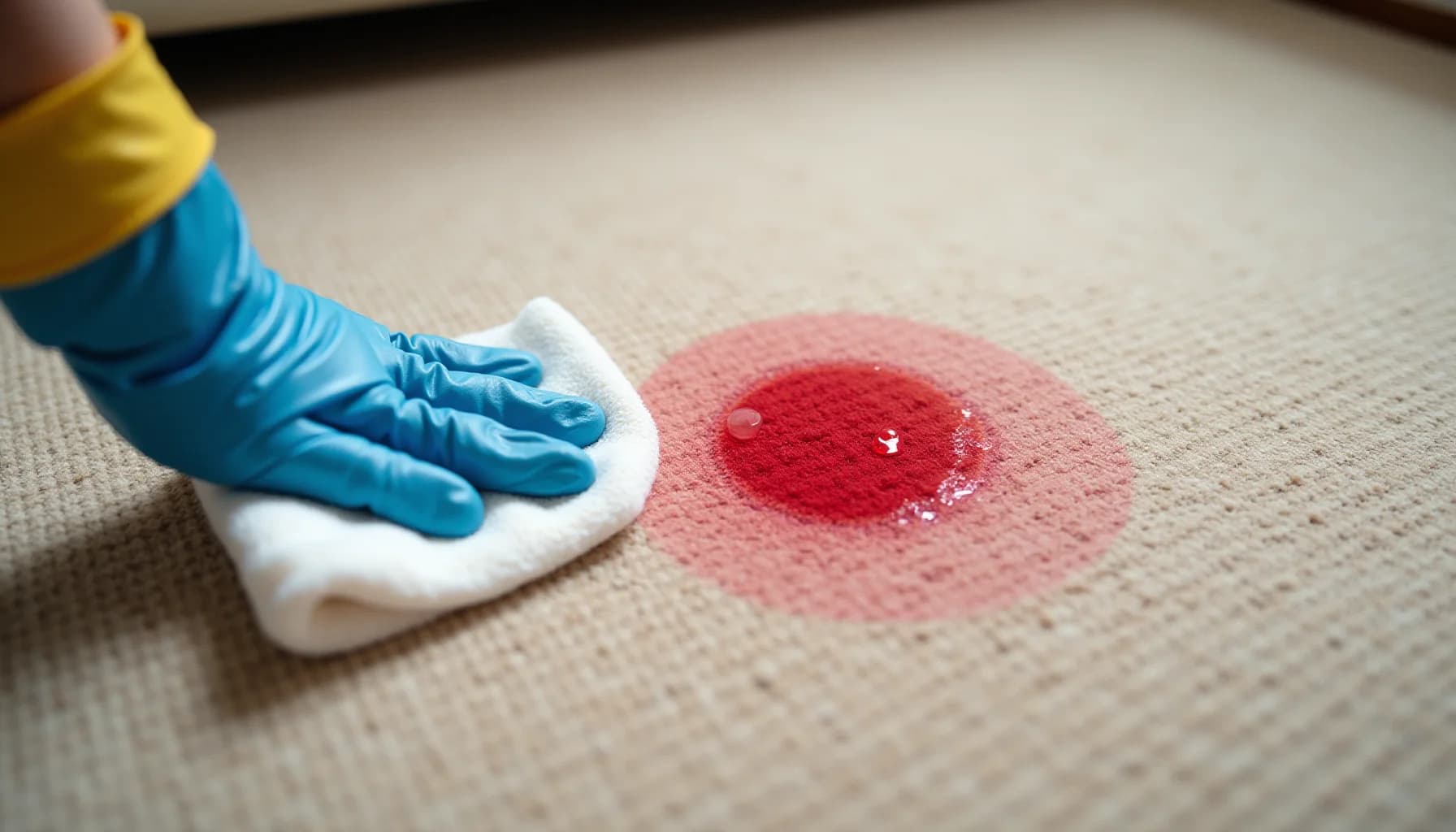
Use a clean white cloth or paper towel to blot up as much blood as possible. Press firmly and lift straight up; never rub, as rubbing spreads the stain deeper into the carpet fibers. Colored cloths can transfer dye onto the carpet, so white only.
Prepare dried blood before applying any liquid
If the blood has already dried and left a crusty residue, use a spoon or credit card to break up the hardened material, then vacuum up the loose debris. Skipping this step traps solid particles under your cleaning solution and makes removal harder.
Soak the area with cold water only
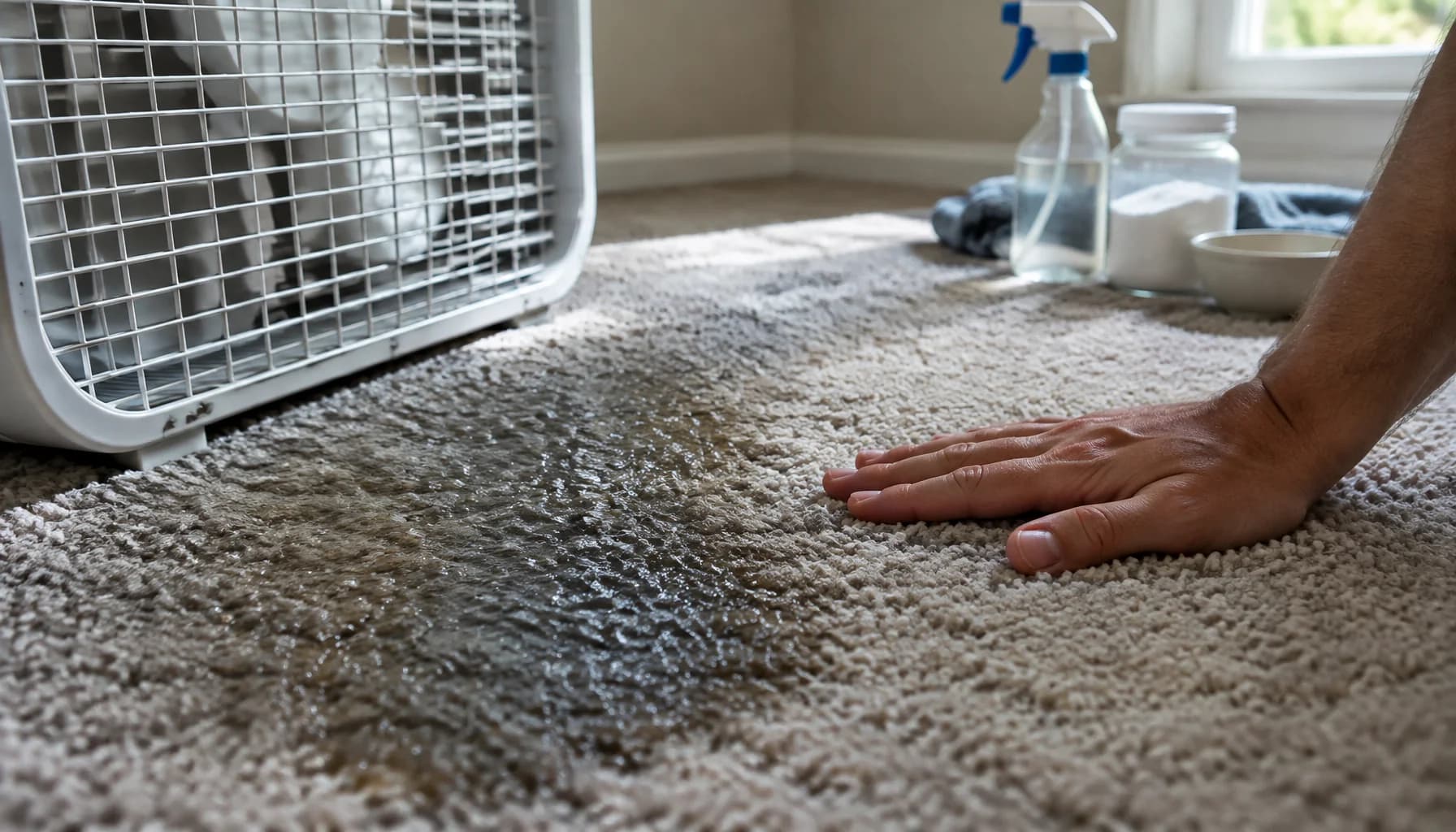
Dampen the stained area with cold water, never warm or hot. Hot water causes the proteins in blood to coagulate and bind tighter to the carpet fibers, setting the stain permanently. Cold water loosens the blood without locking it in.
Apply your chosen cleaning solution and let it sit
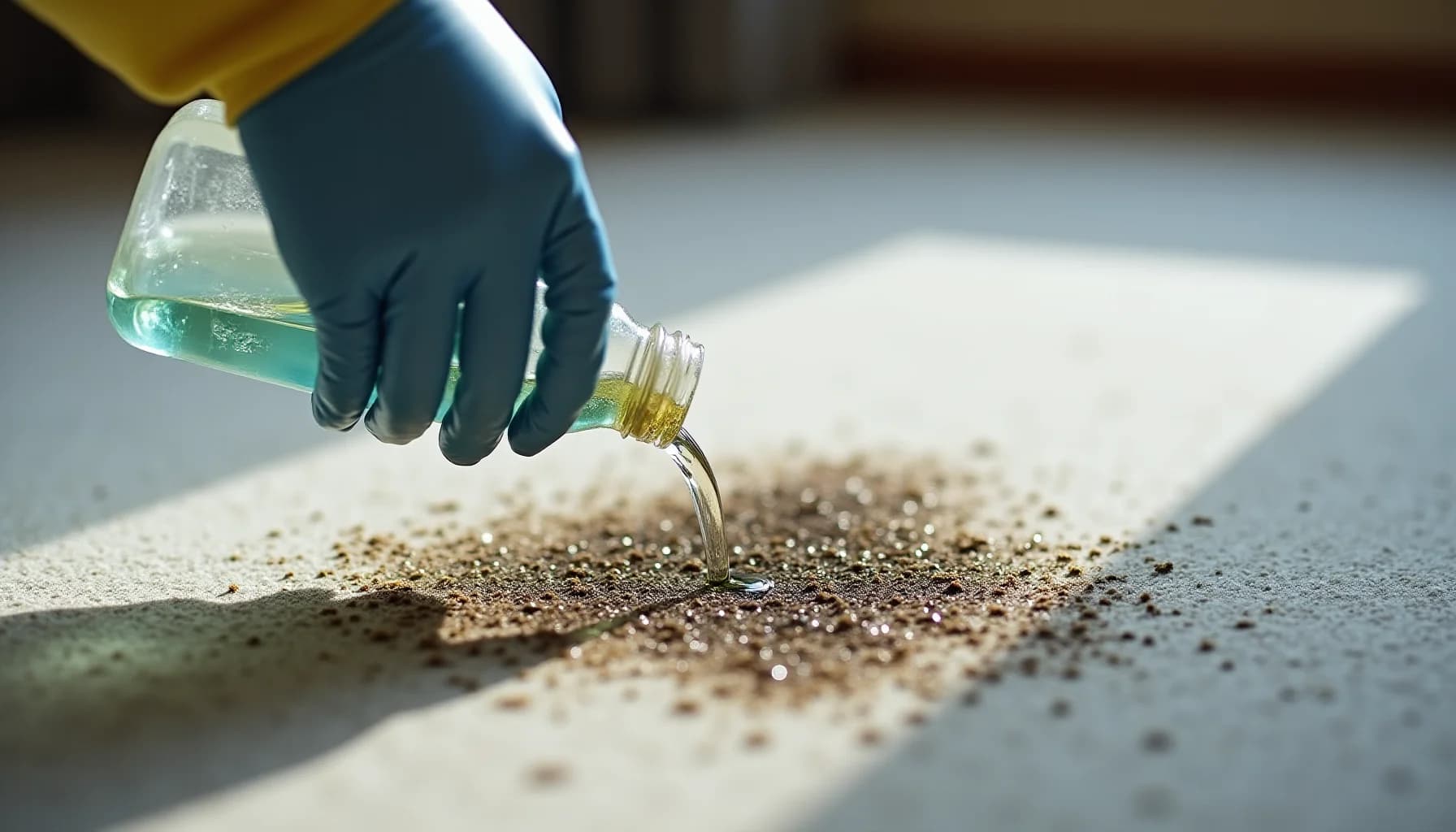
For fresh stains, mix 1/2 teaspoon of clear dishwashing detergent with one cup of cold water and blot it onto the stain. For stubborn or dried stains, use an enzyme-based cleaner, such as a solution of 1 teaspoon enzyme laundry detergent mixed with one cup of water, and let it sit for 10 to 30 minutes to break down the blood proteins. On light-colored, non-wool carpet, 3% hydrogen peroxide applied directly also works well; use 6% for older, set stains. Do not use hydrogen peroxide on dark or wool carpet, and never mix it with ammonia.
Blot the solution away and rinse with cold water
Using a fresh white cloth, blot from the outside edge of the stain inward to avoid spreading it. Rinse the area thoroughly with cold water and blot again to remove all soapy residue. Leaving detergent behind attracts dirt and can cause the stain to reappear after drying.
Test any new product first, and repeat if needed
Before applying any cleaner to a visible area, test it on a hidden spot to check for discoloration or fiber damage. Stubborn dried stains may need two or three applications of enzyme cleaner. If the stain remains after multiple attempts, a professional spot cleaning typically costs toward the lower end of the $80 to $375 range for professional carpet services.
Which cleaning method works best for blood stains on carpet?
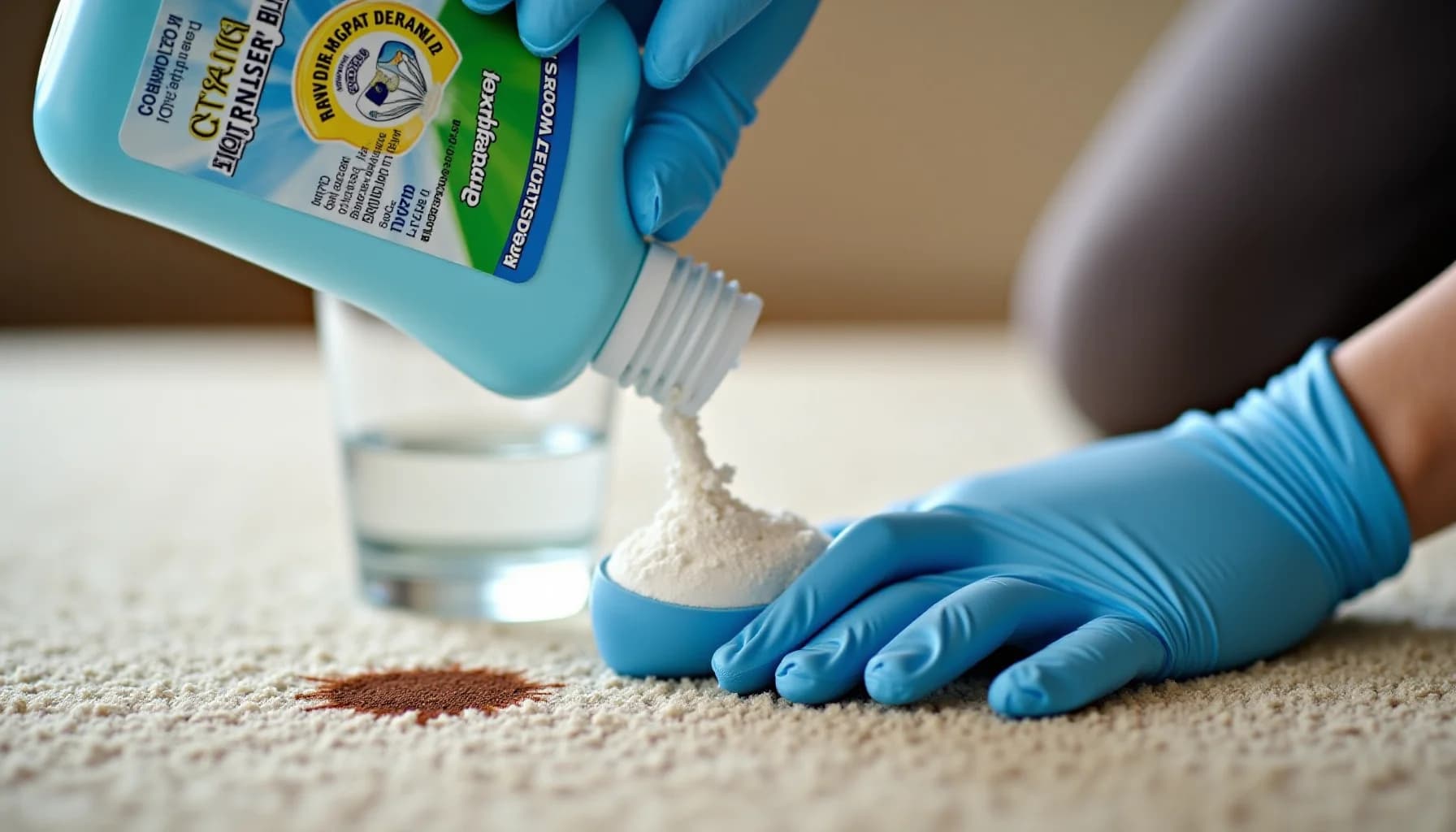
Start with enzyme-based cleaners if you want the most reliable outcome. Blood is a protein stain, and enzyme cleaners are specifically formulated to break down proteins rather than just lifting surface residue. Mix one teaspoon of an enzyme laundry detergent, such as Biz, with one cup of cold water. Apply it to the stain, let it sit for 10 to 15 minutes (up to 30 minutes on a stubborn dried stain), then blot with a clean white cloth. Repeat the application two or three times if the stain is not fully lifting.
Hydrogen peroxide is a strong second option, particularly for stains that have begun to dry and turn brown. A 3% solution handles fresh blood well; a 6% solution works better on older, set stains. Pour a small amount directly onto the stain, let it bubble for a few minutes, then blot clean. One firm caveat: do not use hydrogen peroxide on dark-colored carpets or wool. If you have a wool rug, check the guidance on cleaning a wool rug without ruining it before applying any oxidizing agent, since discoloration is a real risk.
Cold water mixed with clear dishwashing detergent is the gentlest approach and a smart first move on a fresh stain. Combine half a teaspoon of clear dish soap with one cup of cold water. Apply, blot, and rinse with cold water to remove soapy residue. Leaving residue behind is the reason stains seem to return after cleaning: the soap attracts dirt and the spot reappears within days.
Ammonia solution sits at the bottom of the ranking. It can lift blood, but its high pH makes fiber discoloration a genuine concern. Reserve it as a last resort, spot test it in a hidden area first, and never combine it with hydrogen peroxide.
Whatever method you choose, use only one at a time and rinse thoroughly between attempts.
Does dried blood need different treatment than fresh blood?
Fresh blood and dried blood are genuinely different problems, and the approach that works on one can fall flat on the other.
With fresh blood, you have a narrow window of 10 to 15 minutes before hemoglobin begins bonding to carpet fibers. During that window, cold water and a small amount of clear dish soap, about 1/2 teaspoon per cup of water, is often all you need. Blot firmly with a white cloth, working from the outer edge of the stain inward. The stain should lift relatively quickly because the proteins have not yet had time to cure into the fibers.
Dried blood is a different situation. Once blood dries, it hardens and bonds with the carpet, leaving a crusty residue that blotting alone cannot shift. Before applying any liquid cleaner, use a spoon, credit card, or similar rigid tool to break up and loosen that crust, then vacuum away the solid debris. Skipping this step means you are just rehydrating and spreading material that should have been removed first.
After clearing the crust, dried stains typically need something stronger than dish soap. An enzyme-based cleaner is the most reliable choice because it targets the proteins directly. Apply it, let it sit for at least 10 to 15 minutes, and blot clean. Stubborn older stains may need two or three applications. Hydrogen peroxide is an effective alternative: 3% solution works on lighter or more recent dried stains, while a 6% solution is better suited to older stains that have turned brown. Test peroxide in a hidden spot first, particularly on wool or dark-colored carpet, where it can cause discoloration. If your carpet is wool, cleaning a wool rug requires extra care with any oxidizing agent.
What should you avoid when treating blood stains on carpet?
Hot water is the most damaging mistake you can make with a blood stain. Blood contains proteins, and heat causes those proteins to coagulate and bond permanently to carpet fibers. Think of it the same way cooking works: once the protein sets, it is not coming back out. Always use cold water, without exception.
Rubbing is the second major error. Pressing a cloth down and scrubbing spreads the stain laterally and forces it deeper into the pile. Blot only, working from the outer edge inward.
Reaching for laundry detergent or automatic dishwasher detergent is a common but costly mistake. Laundry detergents often contain optical brighteners that can permanently dye carpet fibers. Automatic dishwasher detergents frequently include bleaching agents that will discolor your carpet on contact.
Vinegar, despite appearing in many DIY guides, does not break down blood proteins effectively. You will waste time and potentially delay treatment past the critical 10-to-15-minute window while the stain sets further.
Never mix hydrogen peroxide with ammonia. Both can be used separately for blood stains, but combining them produces a chemical reaction that is unsafe and can permanently damage carpet fibers. Use only one product at a time, and if you have a dark-colored or wool rug, avoid hydrogen peroxide entirely since it can bleach and weaken those fibers.
Using too much of any cleaning solution is also a problem. Soapy residue left in the carpet continues attracting dirt, causing a shadow stain to reappear days later. Use minimal product and rinse thoroughly with cold water.
Stop and call a professional if the stain covers a large area, if repeated applications have not lifted a dried stain, or if the carpet is an expensive natural fiber. Professional spot cleaning typically runs toward the lower end of the $80 to $375 range and is worth it before you cause permanent damage trying another pass yourself.
Frequently asked questions
Does hot water help remove blood from carpet?
How quickly do I need to treat a blood stain on carpet?
Should I rub a blood stain to clean it faster?
Is hydrogen peroxide safe to use on all carpets?
When should you call a professional carpet cleaner?
Most blood stains respond well to the methods covered in this article, but there are situations where DIY simply isn't enough. If the stain has been set for days or weeks, has soaked deep into the carpet backing, or covers a large area, a professional cleaner has access to hot-water extraction equipment and commercial-grade enzyme treatments that go beyond anything available at a hardware store.
Wool and other delicate carpets are another clear case for professional help. Hydrogen peroxide and ammonia can both cause irreversible discoloration on these fibers, and if you own a wool rug that needs careful handling, it is worth getting a professional opinion before attempting any chemical treatment yourself.
On cost: professional carpet cleaning runs around $180 on average, with most homeowners paying somewhere between $80 and $375. A spot treatment for a single blood stain typically falls toward the lower end of that range, so the expense is often modest compared to the risk of permanently damaging an expensive carpet with the wrong product.
The habit worth building is simple: the faster you treat a stain yourself, the less likely you are to need professional help. Keep cold water, a clean white cloth, and an enzyme cleaner within reach, and most fresh stains will never reach the point where a professional call becomes necessary.
How this article was made
Researched and written with AI assistance. What gets published is a human editorial decision. Grounded in 8 cited sources.
Edited by Claire Mercier, Editor. The guides are written with AI assistance.
Sources (8)
- How to Remove Fresh or Dried Blood Stains on Carpet | Zerorez Carpet Cleaning
- How to Get Blood Out of Carpet | COIT Stain Remover Guide
- How to Get Blood Out of Carpet or Upholstery
- How to Get Blood Out of Carpet: 6 Methods from Cleaning Experts
- How To Get Blood Out Of Carpet | Carpet One Floor & Home
- 7 Ways To Get Blood Out Of Carpet
- How to Remove Blood from Carpet (Without Making It Worse)
- How to Remove Blood Stains from Carpet