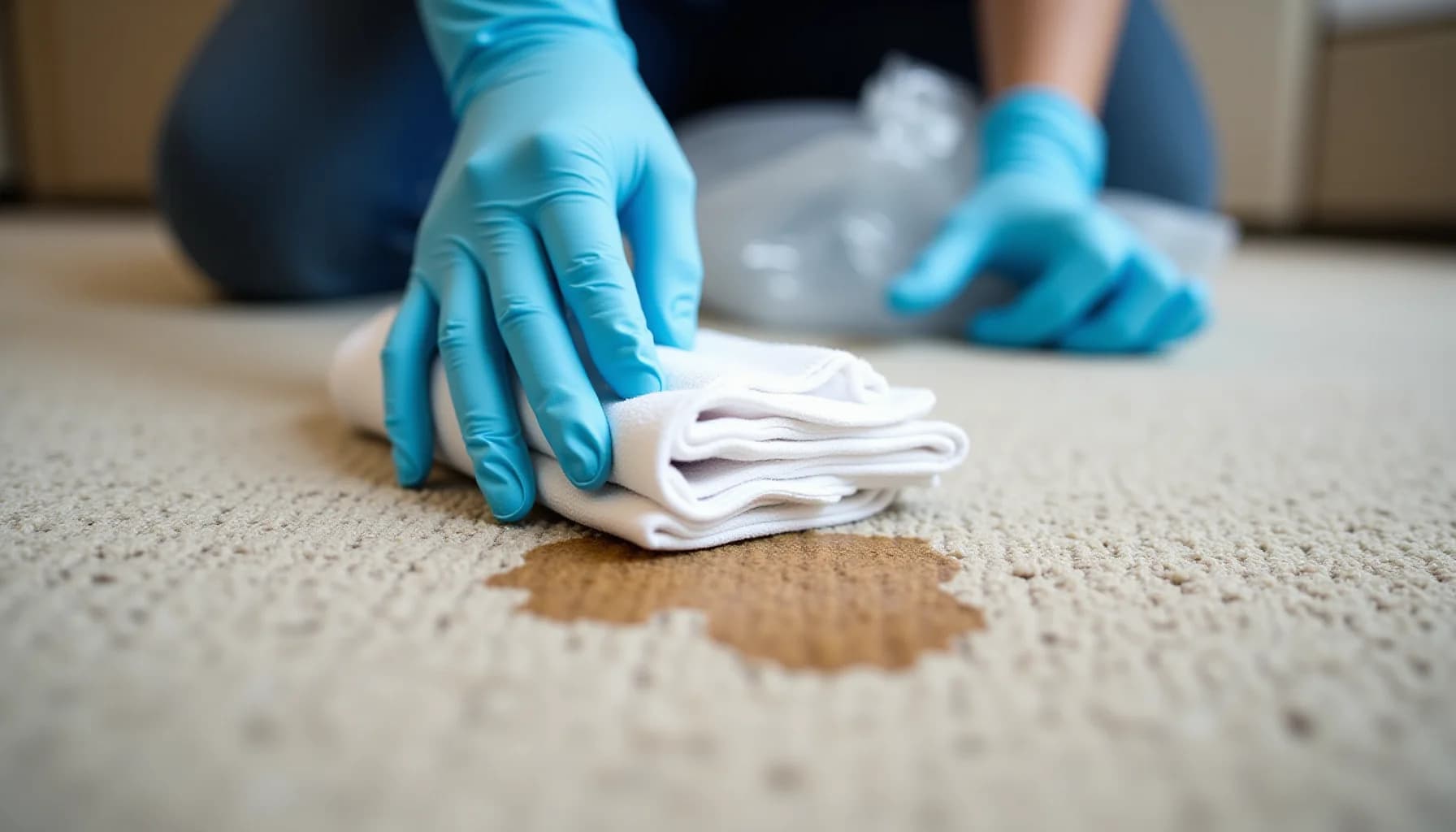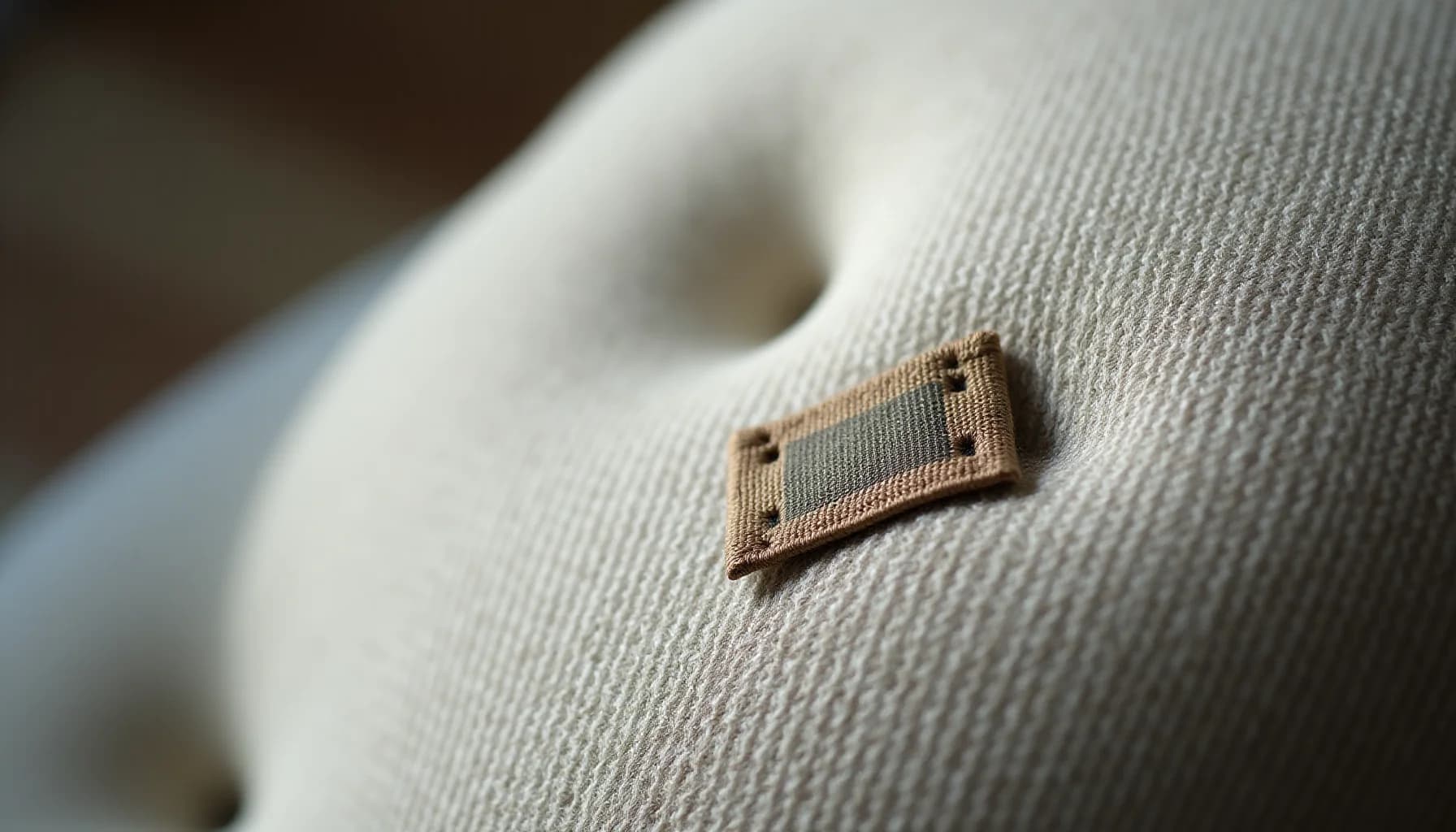
How to Clean a Suede Couch Without Wrecking It
Part of Fabric & Carpet Care · article 8 of 16
On this page
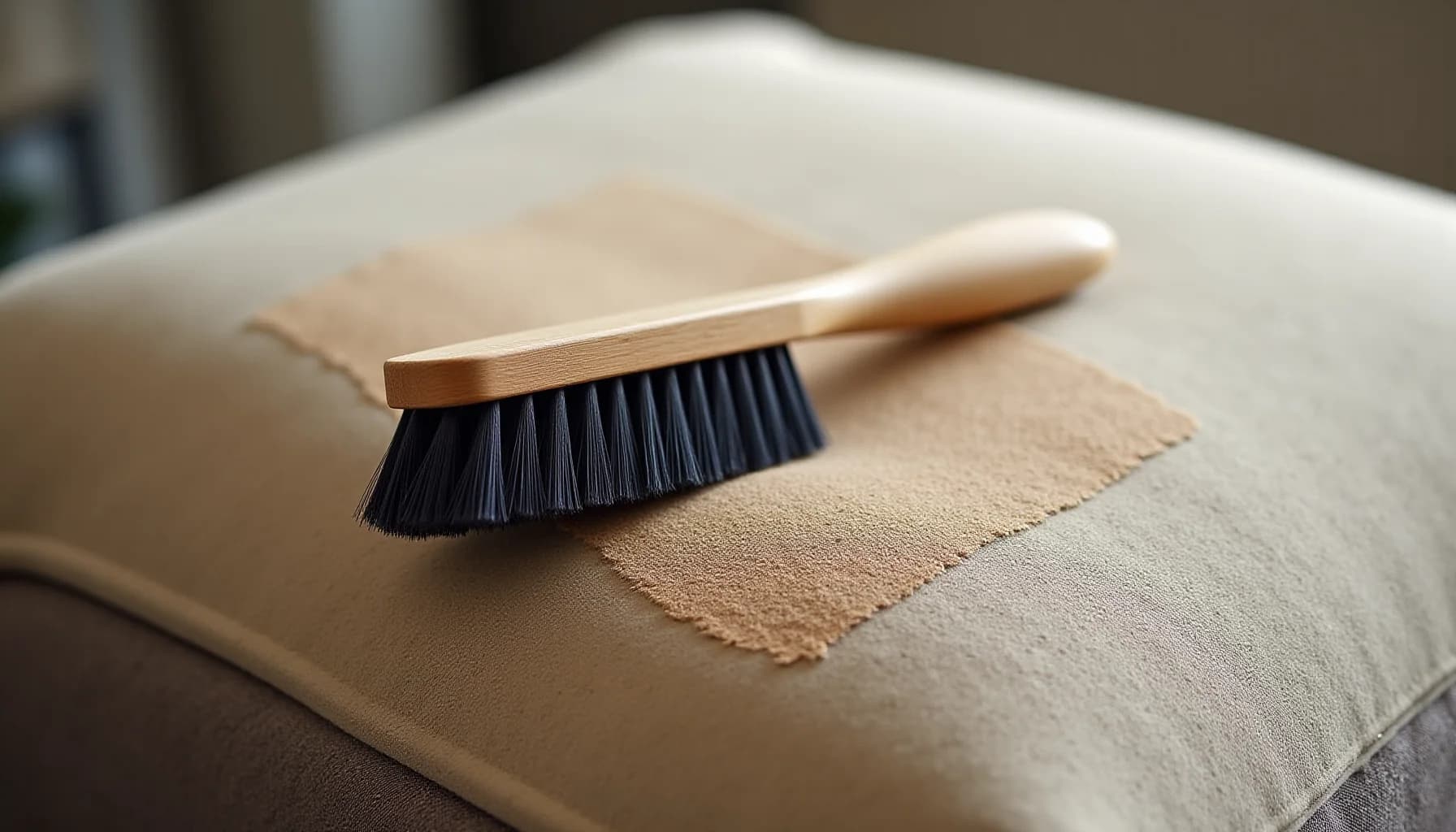
Clean a suede couch by vacuuming monthly with a soft brush attachment, brushing the nap weekly with a nylon brush, and doing a proper spot clean every three to four months. Before using any product, check the care tag on your furniture: an "S" code means water-based cleaners are off-limits, while "W" or "S/W" gives you more options. For spills, blot immediately with a clean white microfiber cloth, working from the outside inward. Never rub. Avoid bleach, ammonia, stiff brushes, and excess moisture. Let the couch air-dry completely, then brush the fibers back into place.
Is suede really that hard to clean, and does it matter if yours is real or faux?
Suede comes from the middle layers of animal hide, which gives it that characteristic soft, velvety surface. Those small, raised fibers are what make it feel so appealing on a couch, but they are also what make the material porous and absorbent. Liquids soak in quickly, and because the fiber structure is open rather than tightly bound, moisture can cause the surface to stiffen, discolor, or develop visible water spots. The same porosity that creates its texture makes it prone to smearing and scuffing if you handle it wrong.
Faux suede, often sold as microsuede, is an entirely different material underneath that similar look. It is made from tightly woven nylon and polyester fibers rather than animal hide. That dense construction is why it resists stains and moisture far better than the real thing. You still need to treat it with care, but you have considerably more flexibility with the products you can use, including dish soap and white vinegar, and you can use slightly more moisture without risking permanent damage.
That distinction matters practically. On a natural suede couch, water-based cleaners are usually off the table, and you are working in very small amounts of moisture at all times. On a microsuede couch, the same spill is genuinely less urgent. If you are unsure which fabric you own, check the product tag or manufacturer spec sheet before you touch anything. The cleaning codes on your furniture tag will confirm which cleaning agents are actually safe for your specific piece.
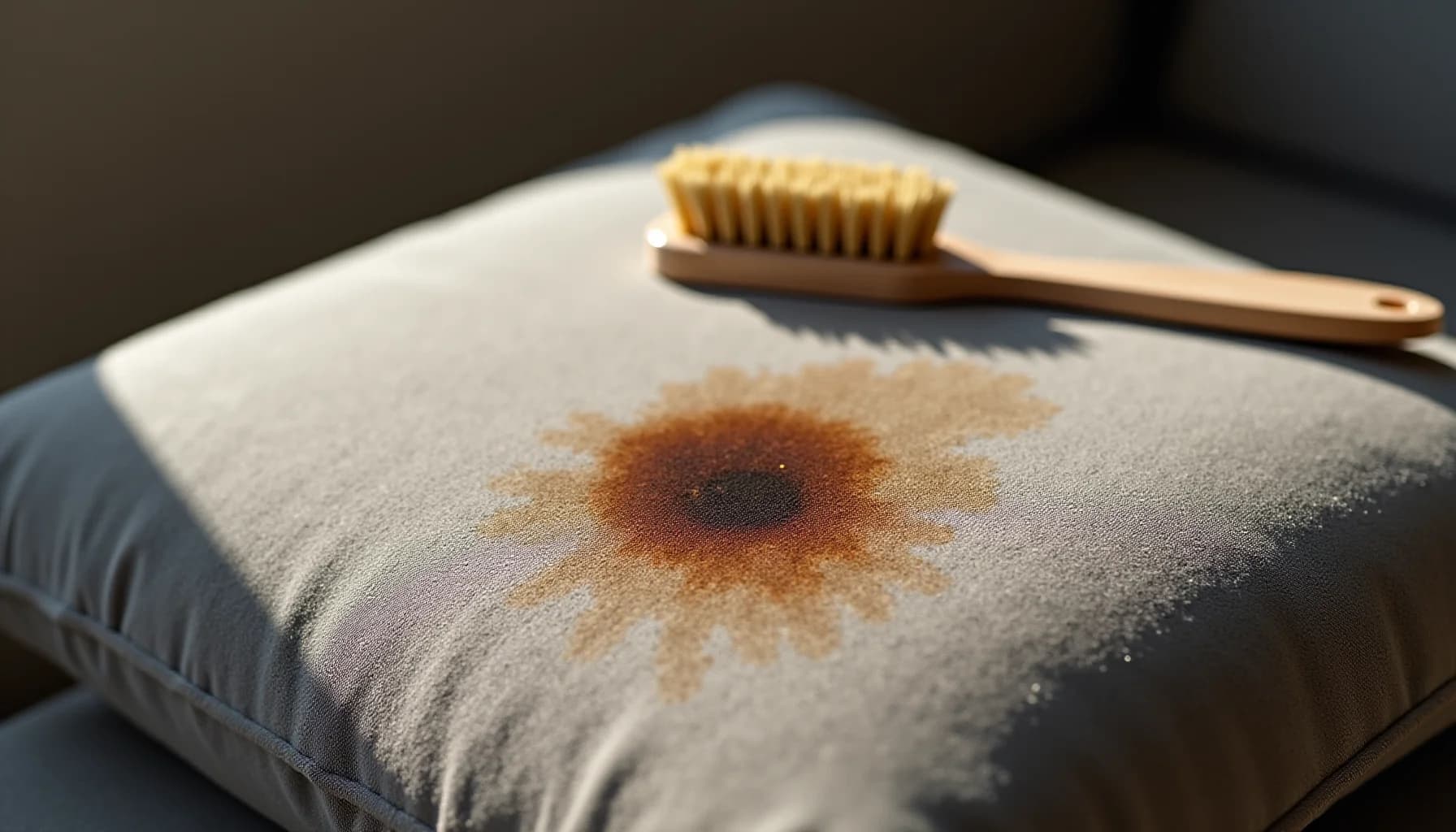
What do the care tag codes on your suede couch actually mean?
Check the care tag before anything else
Find the manufacturer tag on your couch and read the care code: W means water-based cleaners only, S means solvent or water-free cleaners only, S/W means both are safe, and X means vacuuming only. Using the wrong product for your code can cause permanent color loss, puckering, or texture damage.
Vacuum and brush the entire surface
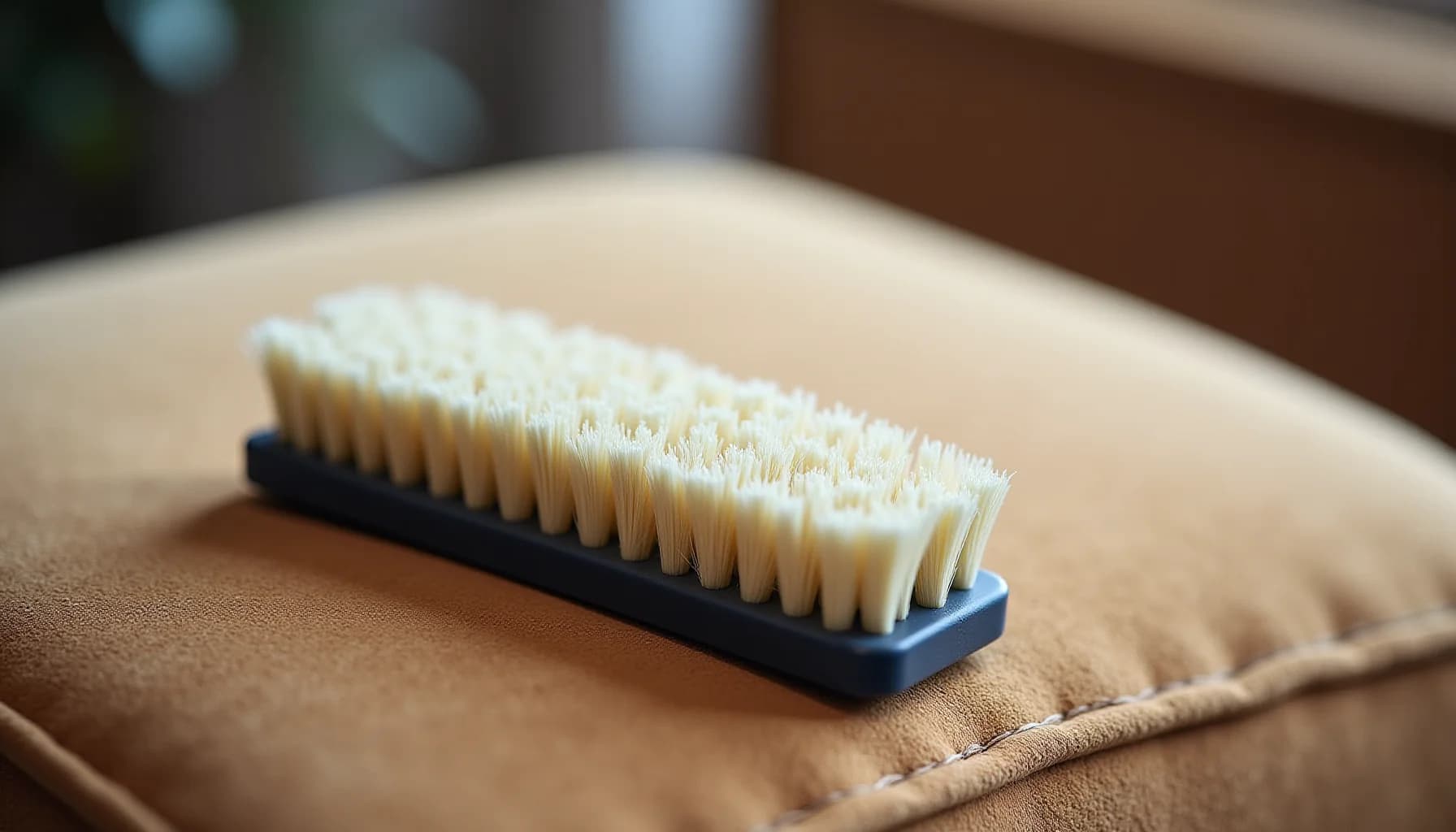
Attach the soft brush head to your vacuum and go over every cushion and crevice to lift loose dirt and debris. Follow with a nylon brush to loosen any matted food or dirt the vacuum missed, which also realigns the fibers and restores the couch's natural softness.
Blot spills immediately, working from the outside in
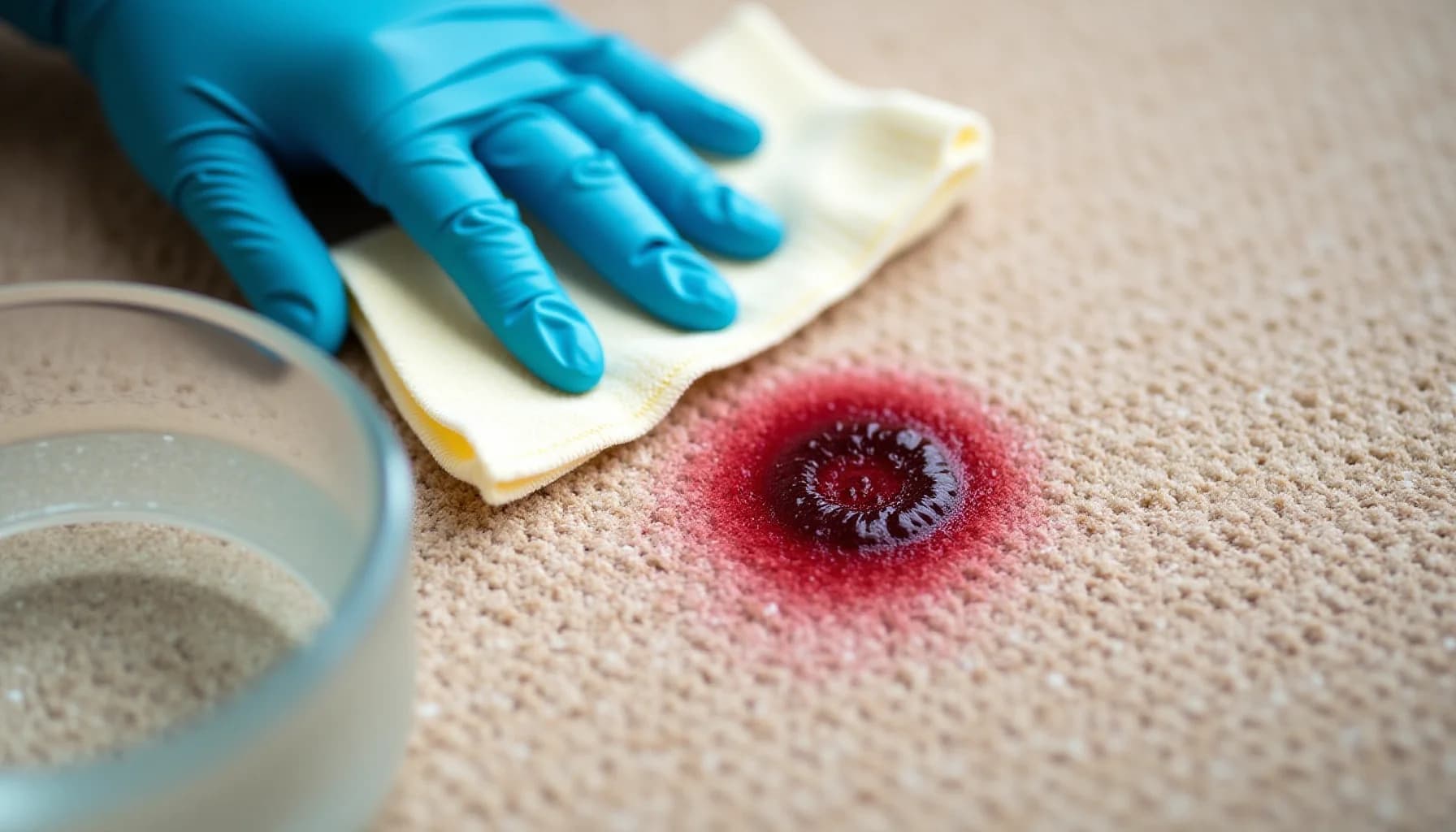
Press a clean white microfiber cloth onto the spill the moment it happens, blotting from the outer edge toward the center to stop a ring from forming. Never rub, as rubbing spreads the stain deeper into the porous fibers.
Apply the right stain treatment for your suede type
For natural suede, dampen a sponge with a solution of one part distilled white vinegar to two parts water and dab gently, keeping the sponge damp rather than wet. For faux suede, you have more flexibility: use baking soda on grease stains, a cleaning fluid on ink, and a single drop of dish soap for blood, then dab with minimal moisture.
Spot test any solution on a hidden area first
Apply your chosen cleaning solution to an out-of-sight spot, such as the back of a cushion, and wait for it to dry fully before treating the visible stain. This confirms the solution will not alter the color or texture of your specific couch.
Air dry completely, then finish with a final brush
Keep the couch away from radiators, heaters, and hairdryers, and let it dry at room temperature. Once fully dry, brush the entire surface again with your nylon brush: this final step is what lifts the nap back up and restores the soft, velvety appearance.
How often should you clean a suede couch?
Suede is more forgiving than most people assume, but it does reward a consistent routine. The schedule breaks down into three tiers: weekly, monthly, and a deeper clean every three to four months.
Every week, give the couch a light brushing with a nylon brush. This takes two or three minutes and stops the fibers from matting between sessions. Suede's raised surface naturally flattens with use, and a quick weekly pass keeps the nap standing the way it should.
Once a month, move up to vacuuming. Use the soft brush attachment, never a bare nozzle, which can catch and pull the fibers. Vacuuming lifts dust, pet hair, and fine debris that the nylon brush alone can't fully reach. Follow the vacuum with another pass of the brush to realign anything the suction may have disturbed. Weekly brushing also matters structurally: it works deep into the fibers to loosen compacted debris before it has a chance to settle in.
The deep clean, recommended every three to four months by Marla Mock, president of Molly Maid, is when you treat the whole surface systematically rather than spot-treating individual marks. That session is also when you assess the cushions for stains that crept in unnoticed.
One rule sits above all the others: treat spills the moment they happen. No schedule overrides that. Blot immediately with a clean, white microfiber cloth, working from the outside of the spill inward. Every minute a liquid sits in suede's porous fibers, it works deeper and becomes harder to lift.
If your couch has a care tag you haven't read yet, check it before any cleaning session. The W, S, S/W, and X codes on furniture tags tell you exactly which cleaning agents are safe, and getting that wrong matters far more with suede than with most other upholstery fabrics.
What's the right way to handle spills and stains on a suede couch?
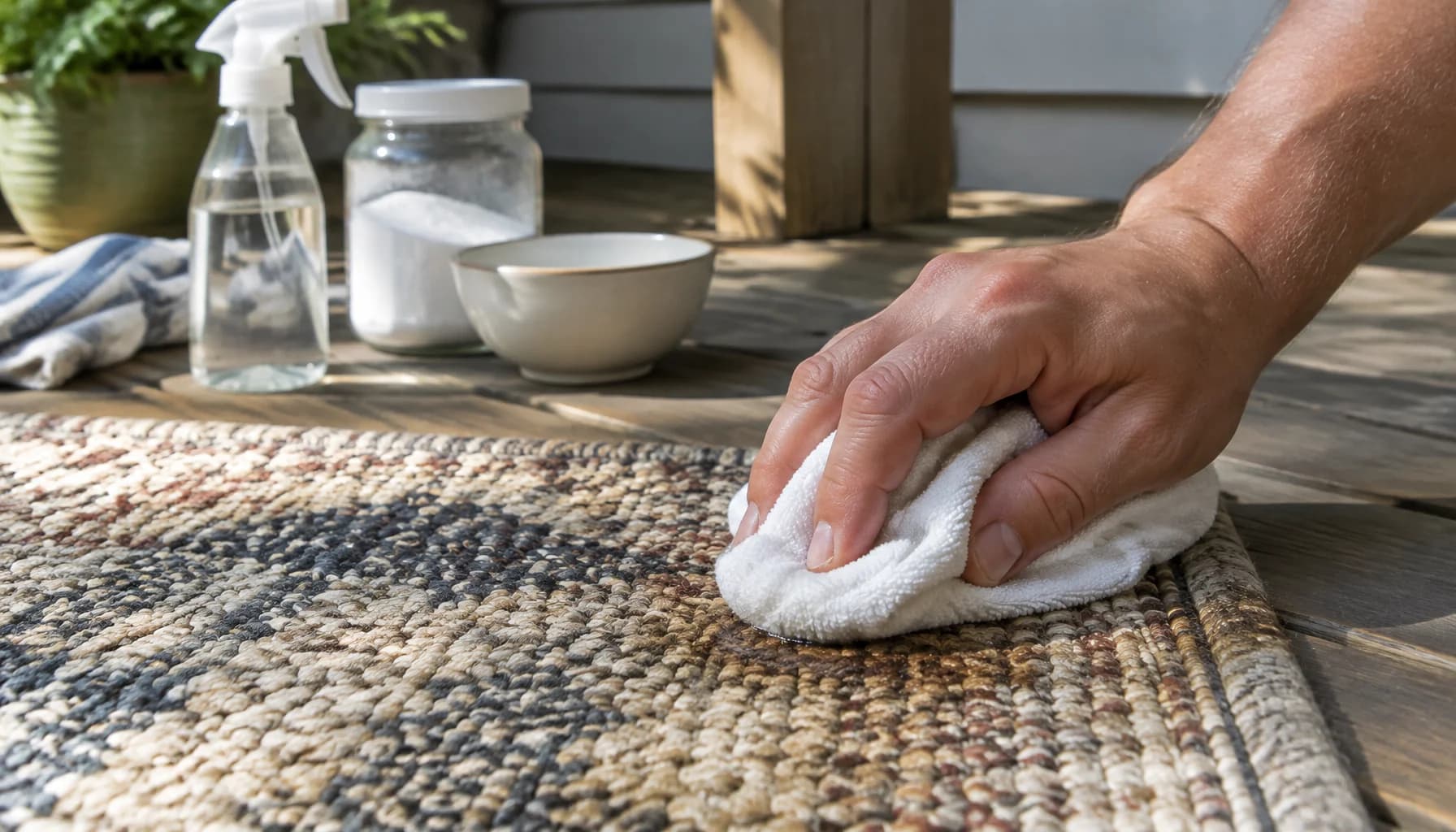
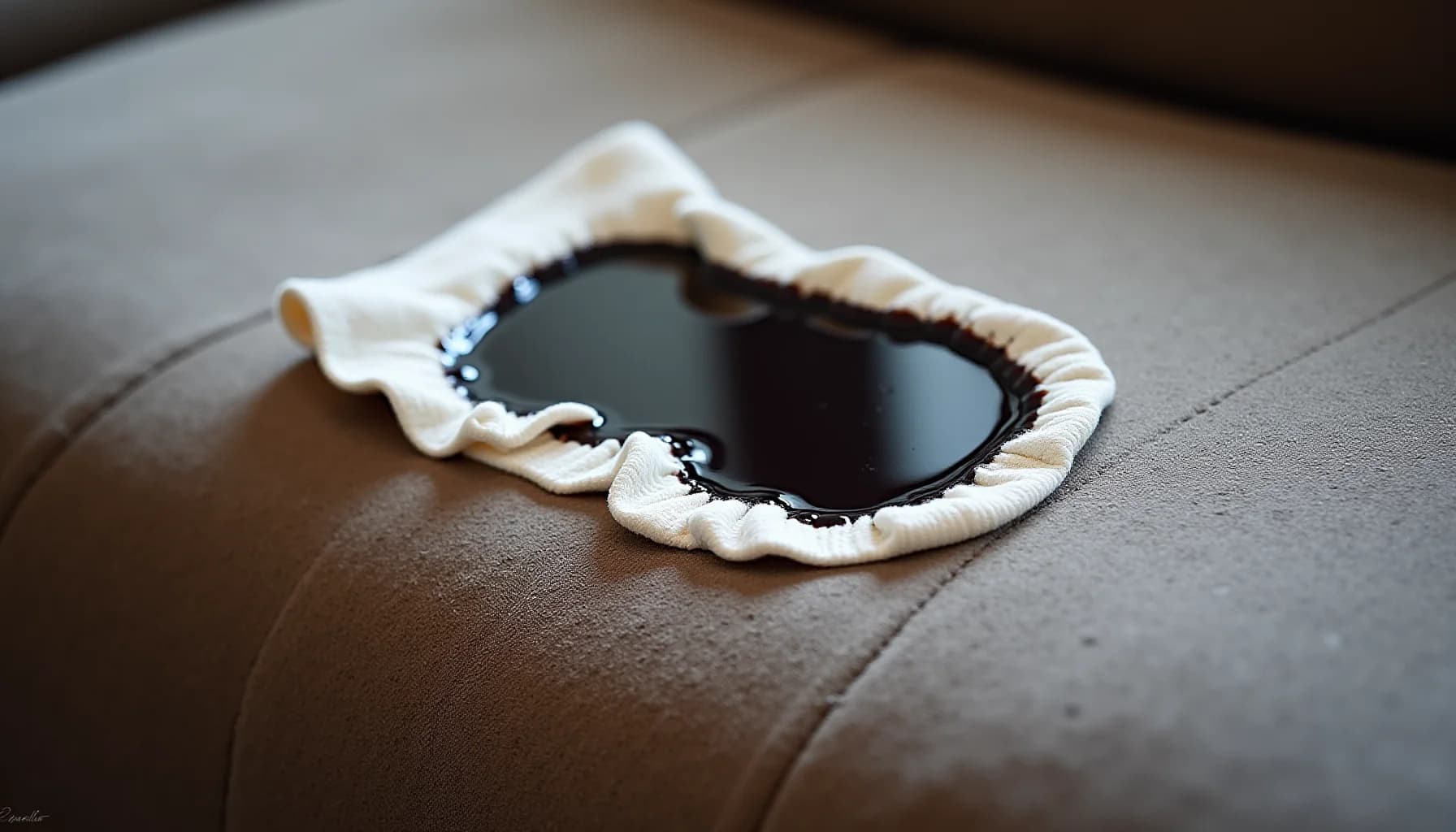
The first rule with any spill on suede is speed. The longer a liquid sits against those open pores, the deeper it penetrates and the harder it is to lift out. The moment something lands on the couch, grab a clean white microfiber cloth and blot, starting at the outer edge of the spill and working inward. That outside-in motion stops the stain from spreading into a wider ring. Press the cloth firmly but never rub; rubbing drives the liquid deeper into the fibers and smears the stain across a larger area.
Keep the cloth damp, not wet. Excess moisture is a real problem for natural suede, causing stiffness, discoloration, and water spots. If you need a cleaning solution, mix distilled white vinegar and water in a 1:2 ratio, dip a sponge lightly into it, and dab the stain gently. The sponge should feel barely moist when it touches the fabric.
Different stains call for different treatments. For grease, sprinkle baking soda directly on the mark, let it sit for several hours to absorb the oil, then brush it away gently with a nylon brush. For ink, apply a small amount of cleaning fluid to a clean cloth and dab carefully. For blood, a single drop of dish soap worked into a damp cloth and blotted onto the stain is usually sufficient. For stubborn or general marks, the vinegar-and-water solution applied with a cloth handles most situations.
Before using any of these solutions on a visible area, test it on a hidden spot first, such as the underside of a cushion. The wrong product can alter the texture or pull color from the fabric permanently.
Once the stain is gone, let the couch air dry completely away from any heat source. When it is fully dry, brush the treated area with a nylon brush to restore the nap. Skipping that final brush leaves the surface flat and matted, which is the difference between a couch that looks restored and one that looks cleaned-at.
Why does water damage suede and how do you dry it correctly?
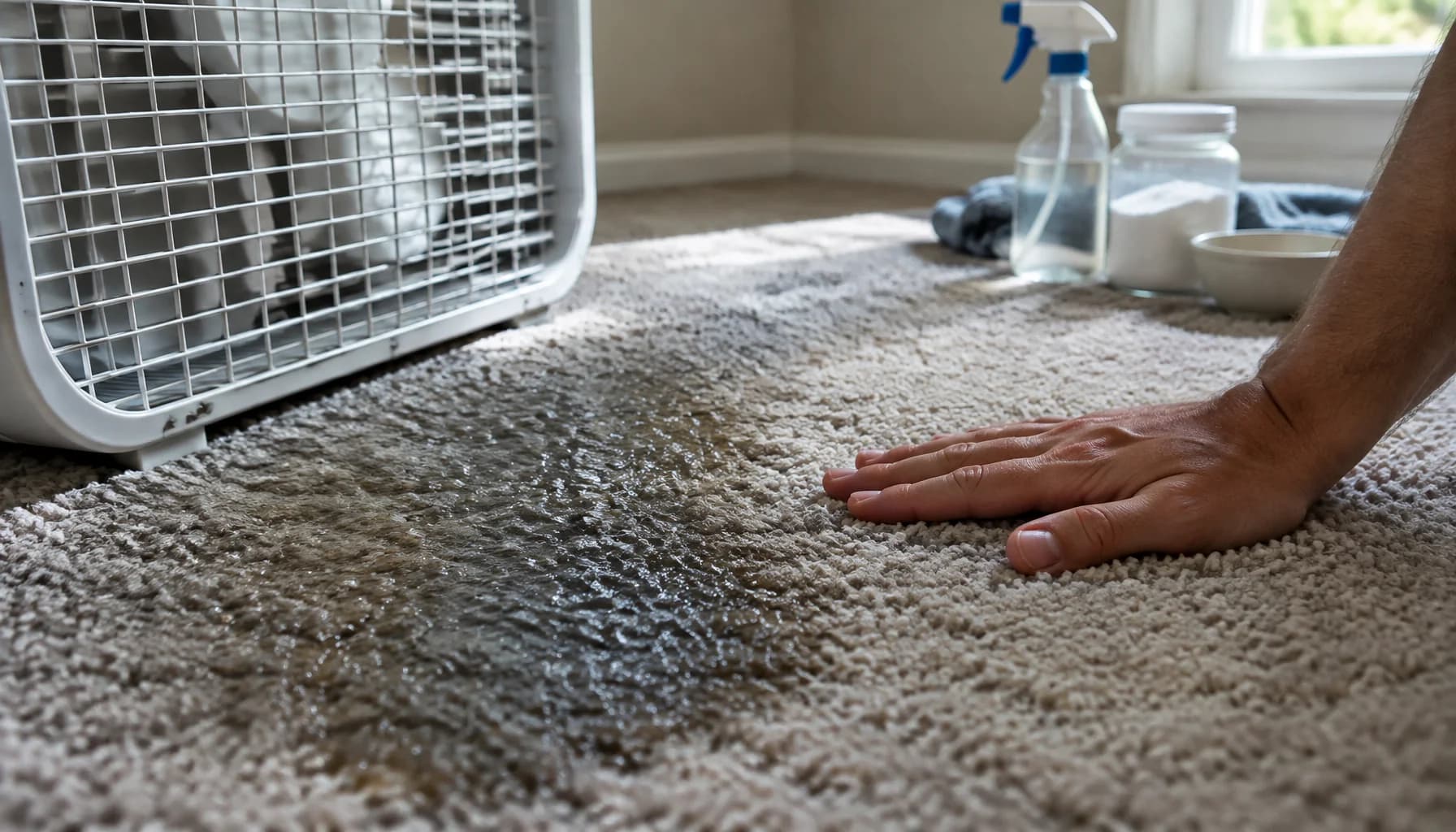
Suede's open-pored surface absorbs liquid almost instantly. When water penetrates those raised fibers, it disrupts the structure underneath, and as the moisture evaporates unevenly, it leaves the fibers stiffened, discolored, or marked with visible water rings. This is not cosmetic damage you can brush out later. On natural suede, water spots can permanently alter the texture, and flooding the fabric with a soaking cloth is one of the fastest ways to ruin a couch that was otherwise in good shape. If your couch carries an "S" care code, water-based cleaners are off the table entirely, and using them anyway risks puckering the hide and lifting the color.
The specific mistakes that cause irreversible damage are: applying a dripping-wet sponge instead of a barely damp one, rubbing rather than dabbing (which pushes moisture deeper into the fibers and mats them permanently), and using a hairdryer or placing the couch near a radiator to speed up drying. Heat sets the damage. It locks fibers in whatever distorted position they dried in, and no amount of brushing reverses that.
The correct approach is to dab with a sponge or cloth that feels damp to the touch but releases no liquid when squeezed. Then let the couch air dry completely at room temperature, away from vents and sunlight. Once the fabric is fully dry, run a nylon brush across the entire surface using short, even strokes. That final brush is not optional: it realigns the fibers, lifts the nap, and restores the soft, velvety appearance that makes suede worth owning in the first place. Skipping it leaves the couch looking flat and matted.
If the couch is already stiff, has visible tide marks from a previous soaking, or the discoloration covers a wide area, stop. Those are signs the damage has passed the point of home treatment, and continuing risks making it worse. Call a professional upholstery cleaner at that point.
Frequently asked questions
How often should I deep clean my suede couch?
What does the care tag code on my suede couch actually mean?
Is it safe to use water on a natural suede couch?
Can I clean a suede couch with household products, or do I need specialist cleaners?
When should you call a professional instead of cleaning it yourself?
Most suede stains yield to quick action and the right technique, but some situations genuinely call for a professional upholstery cleaner rather than another home attempt.
Stop DIY efforts if you have already applied water or a cleaning product and the couch has developed water rings, stiffness, or color change. Each additional home treatment risks compounding that damage. The same applies if the stain, whether a deep grease mark, a widespread ink spill, or a large pet accident, has had time to set fully into the fibers. Stubborn, dried-in stains that do not lift with minimal work are a clear signal to step back.
The value of the piece matters too. A high-end natural suede sofa represents a significant investment, and the cost of professional cleaning is almost always lower than repair or reupholstering. If your care tag reads X (vacuum only, no liquids at all), a professional cleaner is the appropriate choice for anything beyond routine vacuuming. If you are uncertain how your specific fabric will react to any product, a professional can assess it before any damage is done.
Professionals carry solvent-based equipment and dry-cleaning methods designed for delicate hides, and they can restore the nap in ways that home brushing cannot replicate after serious damage. For context on how fabric type shapes the right cleaning call, understanding your upholstery's care requirements before attempting any treatment is worth the few minutes it takes.
How this article was made
Researched and written with AI assistance. What gets published is a human editorial decision. Grounded in 10 cited sources.
Edited by Claire Mercier, Editor. The guides are written with AI assistance.
Sources (10)
- How to Clean a Suede Couch (Without Ruining It) | Wayfair
- How to Clean a Suede Couch | Lowe's
- How Professional Suede Cleaners Clean Suede Couches | Zerorez Carpet Cleaning
- How to Clean a Suede Sofa (Without Wrecking It) – OMHU
- How to Clean a Suede Couch Without Ruining It
- How to Wash Suede Sofa Without Water Marks
- How to Clean a Suede Couch | Curtain Clean - North Island
- The Right Way to Clean a Suede Couch
- Guide G-402 — New Mexico State University Cooperative Extension
- Stain Removal Guide | The American Cleaning Institute (ACI)