How to Clean a Leather Couch Without Wrecking It
Part of Fabric & Carpet Care · article 5 of 14
On this page
Mix equal parts water and white vinegar, apply with a microfiber cloth using light, even strokes across the surface, then dry thoroughly with a clean towel. Before you do anything else, though, check your couch's care tag: a W or WS code means water-based cleaning is safe, while an S code means solvents only and an X means the cleaning code on your furniture restricts you to vacuuming alone. Never use bleach, ammonia, acetone, or alcohol-based products, including window cleaners. They strip dye on contact and leave permanent discoloration.
What do the care tag codes on your leather couch actually mean?
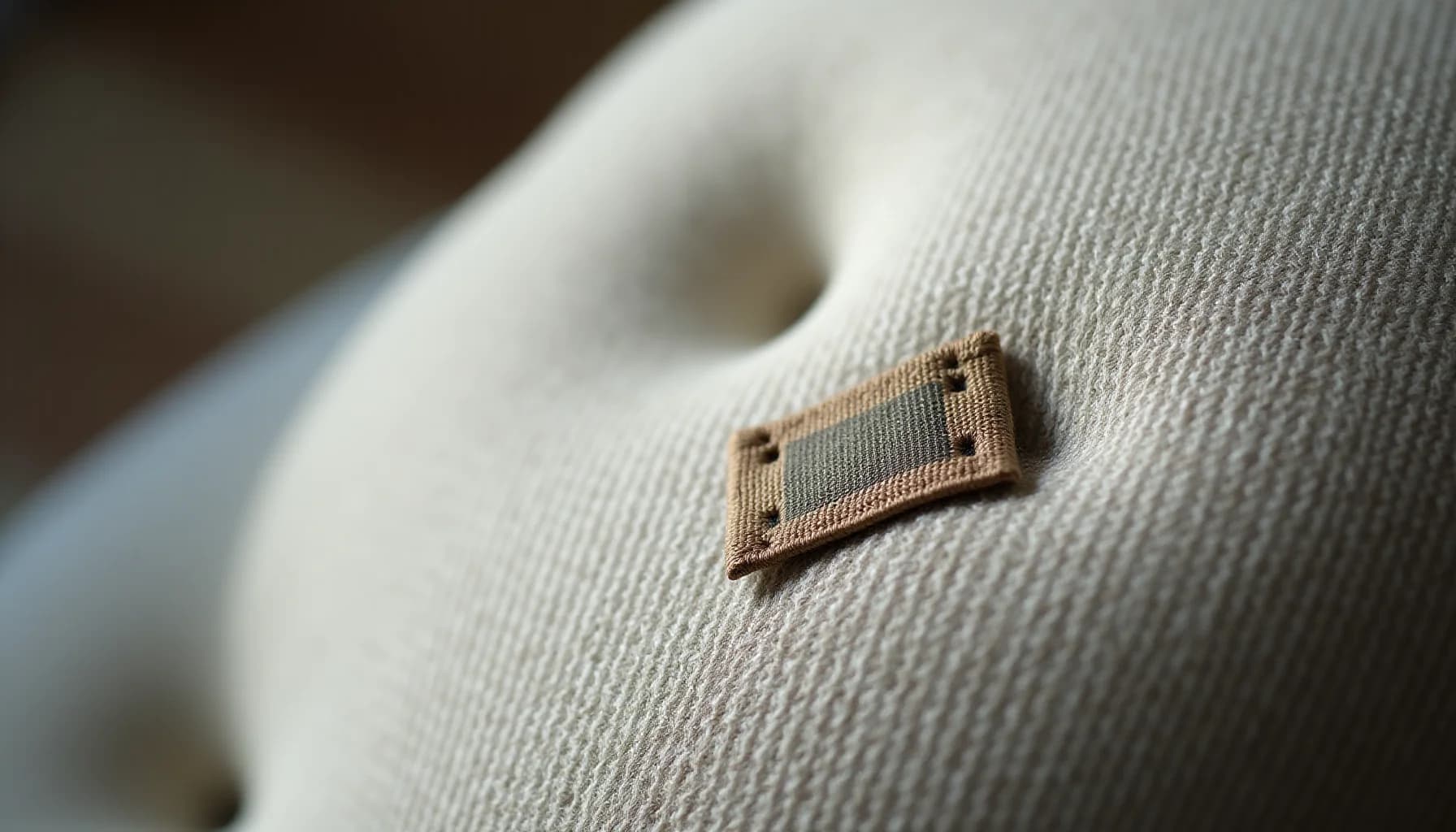
Before you touch your couch with any cleaner, flip the cushions and check the care tag sewn into the frame or underside of the upholstery. That tag carries a code that tells you exactly what the manufacturer has tested and approved. A W means water-based cleaners are safe. An S means solvent-based cleaners only, no water. WS allows either. An X means vacuum only, no liquid of any kind. Skipping this step and guessing wrong can void your warranty and cause damage that no amount of conditioning will fix. If you own other upholstered furniture and want a fuller breakdown of what these codes mean across different materials, the cleaning codes on your furniture are worth understanding before you clean anything.
Once you have the code, identify your leather type, because finished and unfinished leather behave very differently under moisture. Finished leather, also called protected or pigmented leather, has a surface coating applied during manufacturing. That coating makes it noticeably more resistant to water and stains, and it is what most mass-market sofas use. Aniline leather has no surface coating, so it absorbs liquid almost immediately and shows water marks far more readily. Semi-aniline sits between the two, with a light protective layer but still more sensitive than fully finished hides.
If you are unsure which type you have, place a single drop of water on an inconspicuous area, such as the back panel near the floor. Finished leather will bead the water up. Aniline leather will absorb it within seconds and darken slightly. That result, combined with the care tag code, determines every product and technique you should use going forward.

How often should you clean and condition a leather couch?
Check the care tag before touching anything.
Locate the tag sewn into your couch cushions or frame. A W tag means water-based cleaners are safe, S means solvent or dry-clean only, WS allows either, and X means vacuum only. Using the wrong method can cause permanent damage and void any warranty.
Dust and vacuum the entire surface.
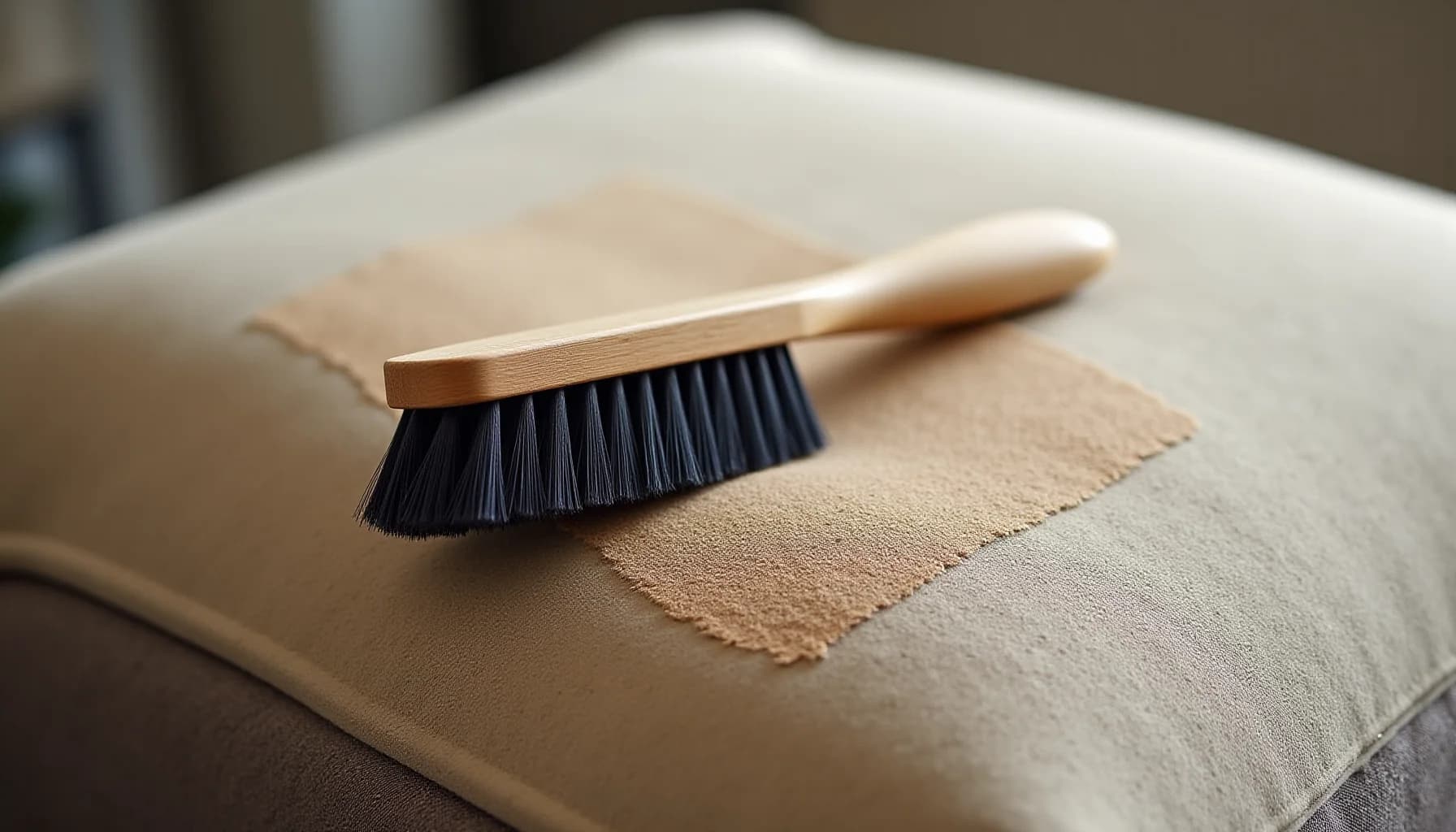
Wipe every surface with a clean, dry microfiber cloth to lift dust, skin oils, and hair. Follow with a vacuum on the soft brush attachment, working carefully into all crevices and seams.
Test your cleaner on a hidden spot first.
Apply a small amount of your chosen cleaning solution to an inconspicuous area, such as the underside of a cushion, and wait several minutes. If the leather shows no discoloration or texture change, proceed to the full surface.
Clean the couch with a gentle solution.
Mix equal parts water and white vinegar, dampen a microfiber cloth with the mixture, and wipe down the entire surface. Alternatively, use warm soapy water, then wipe again with a plain damp cloth to rinse. Buff dry immediately with a clean towel: never leave leather wet or saturated.
Condition the leather to restore moisture.
Mix one part white vinegar with two parts flaxseed oil, or combine half a cup of olive or linseed oil with a quarter cup of white vinegar. Apply with a soft cloth using circular motions, leave overnight, then buff with a clean rag in the morning to restore shine. Repeat every 6 to 12 months, or more often in dry climates or sunny rooms.
Blot spills immediately and keep the couch out of direct sunlight.
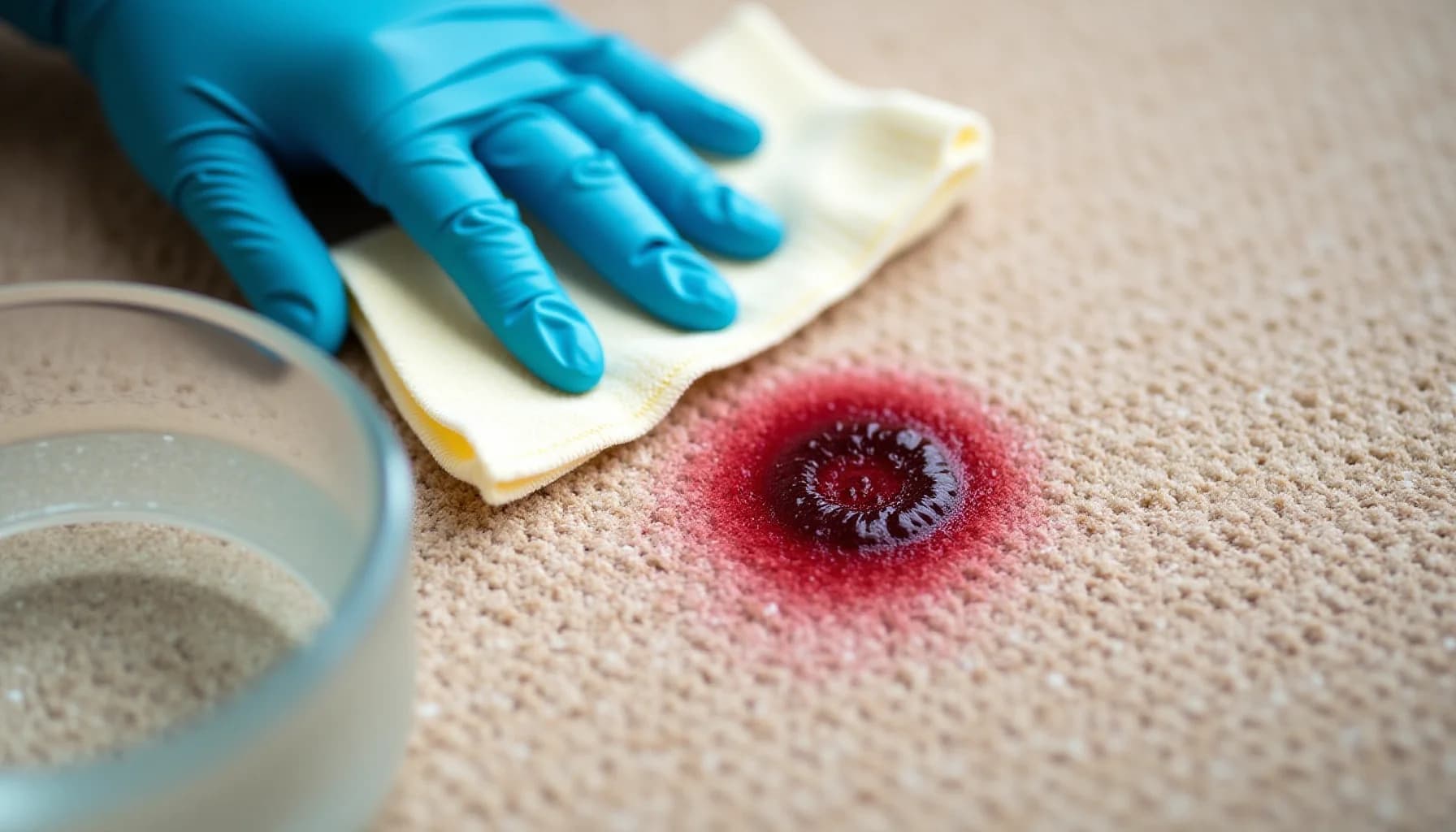
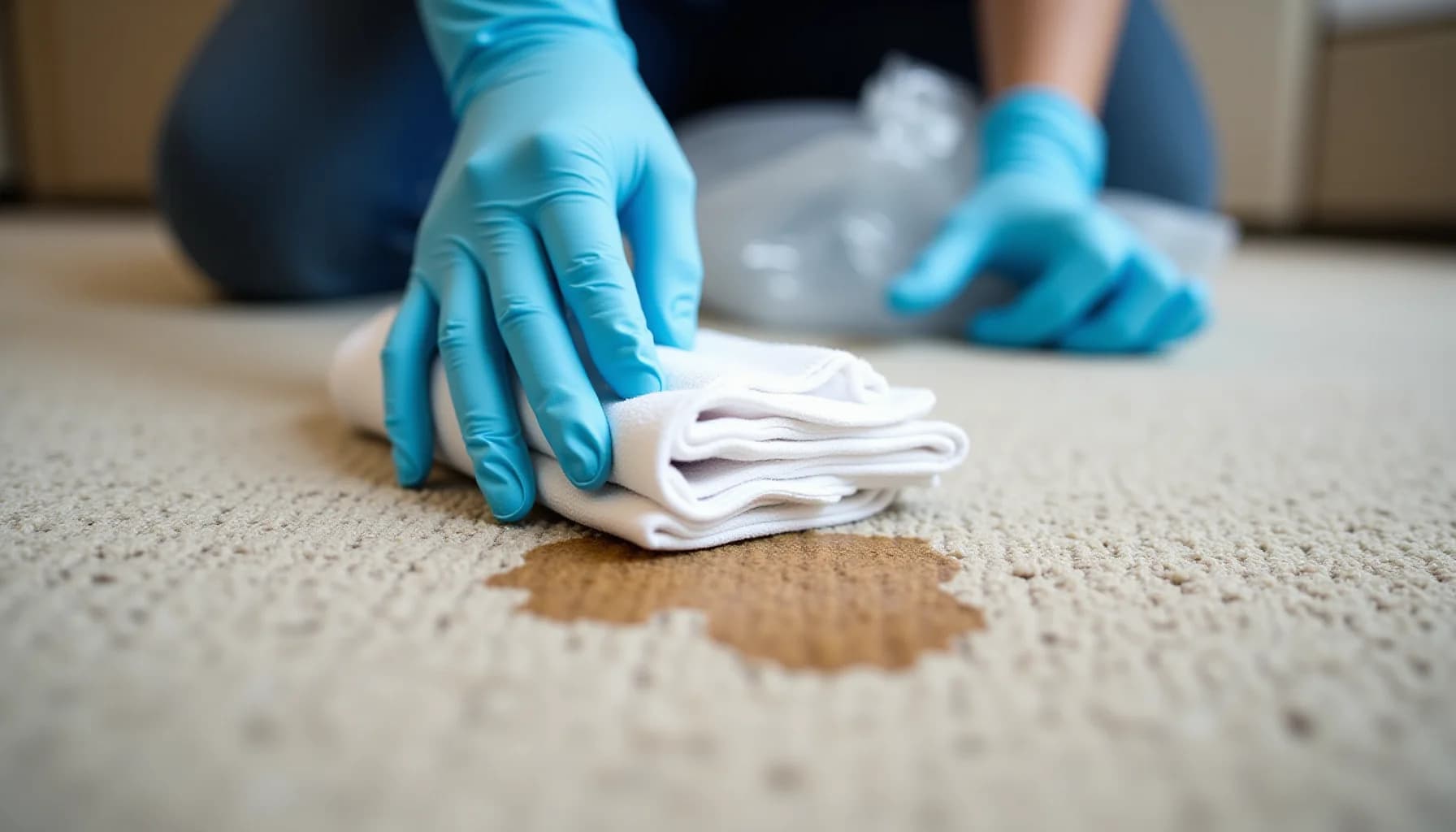
Press a clean, damp towel firmly onto any fresh spill and lift: never rub, as rubbing drives liquid deeper into the leather. Position the couch away from windows or use blinds to block UV rays, which fade color and strip the natural oils that keep leather from cracking over time.
How do you wet-clean a leather couch with vinegar or dish soap?
Before mixing anything, confirm your couch carries a W or WS tag. A couch tagged S or X should never receive liquid treatment. If you need a refresher on what those codes mean, reading the cleaning code on your furniture before you start will save you an expensive mistake.
Once you have confirmed water-based cleaning is appropriate, begin by wiping the entire surface with a clean, dry microfiber cloth. Follow that with a vacuum pass using a soft brush attachment, working the nozzle into the crevices between cushions and along the base. Skipping this step means you will be pushing loose grit around during the wet phase, which scratches the leather's surface coating.
Vinegar solution method: Mix equal parts white vinegar and water in a bowl. Dampen a clean microfiber cloth in the solution, then wring it out firmly so the cloth is barely moist, not dripping. Wipe down the couch in sections, using light, even strokes. Immediately follow with a separate dry towel to lift the moisture before it can sit on the surface.
Dish soap method: Add a small amount of mild dish soap to a bowl of warm water and stir until it produces a light lather. Dampen a microfiber cloth in the soapy water, wring it thoroughly, and wipe the couch in sections. Rinse by going over each section with a second cloth dampened in plain water. Buff dry right away with a clean towel.
For both methods, the critical rule is the same: never saturate the leather. A lightly damp cloth is the target. Excess moisture can seep under the surface coating, cause swelling, and leave watermarks that are difficult to reverse. Keep the cloth barely damp throughout, re-wringing frequently as you work across larger sections.
When should you condition your leather couch, and how do you do it naturally?
Conditioning is the step most leather couch owners skip until something goes wrong. Cracks and stiffness are almost always the result of oils leaving the leather over time, and by the time you notice them, the damage is already done. The better approach is to condition on a fixed schedule before the leather shows any sign of distress.
Most leather care professionals recommend conditioning residential furniture every six to twelve months. That range exists because conditions vary. A couch sitting near a south-facing window, positioned under a ceiling vent, or used heavily every day loses its natural oils faster than one in a shaded, climate-controlled room. If your home runs dry in winter or the couch gets direct sunlight for part of the day, lean toward the six-month end of that range. Two to three conditioning treatments per year is a reasonable maximum; beyond that, you risk clogging the leather's pores and leaving a sticky residue that attracts dirt.
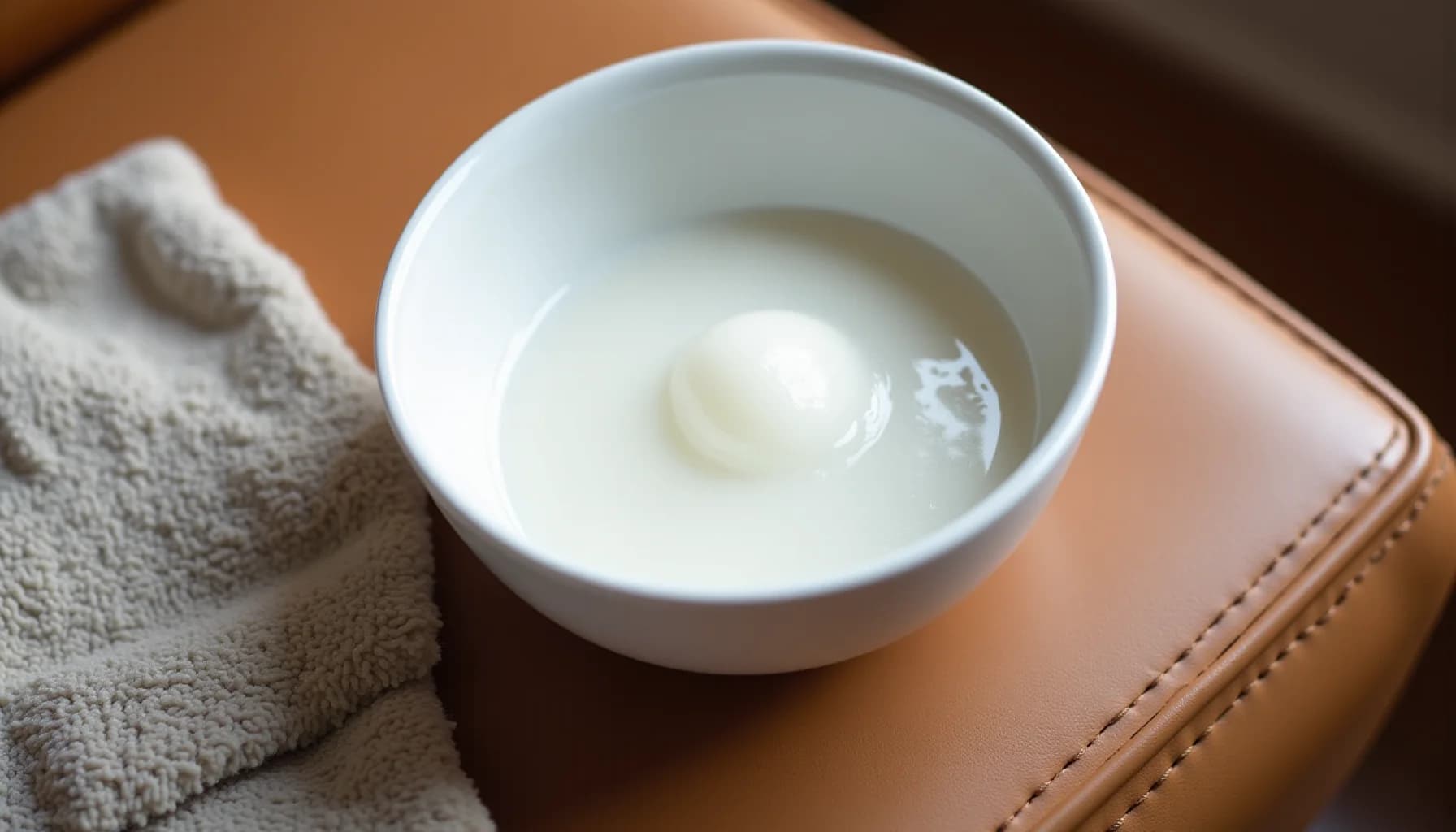
For a natural conditioner you can mix at home, combine one part white vinegar with two parts flaxseed oil. Apply the mixture with a soft cloth, working it in using small circular motions across the entire surface. Then leave it overnight. In the morning, buff the couch with a clean, dry rag to bring up a gentle shine and remove any excess. A second option is to mix half a cup of olive oil or linseed oil with a quarter cup of white vinegar, which produces a slightly thinner blend that some people find easier to spread evenly.
Before applying either mixture to the full couch, test it on a small, hidden area, such as the underside of a cushion or a back corner near the floor. Wait a few minutes and check that the color and texture are unaffected. Only then should you proceed across the rest of the surface.
| Conditioner Option | Key Ingredients | Mix Ratio | Best For |
|---|---|---|---|
| Vinegar-flaxseed oil | White vinegar + flaxseed oil | 1 part vinegar : 2 parts oil | Restoring shine overnight |
| Olive oil blend | Olive oil + white vinegar | ½ cup oil : ¼ cup vinegar | General conditioning |
| Linseed oil blend | Linseed oil + white vinegar | ½ cup oil : ¼ cup vinegar | General conditioning |
| Store-bought conditioner | Varies by brand | Per label | Heavily used or sun-exposed leather |
What products and spills can permanently damage your leather couch?
A fresh spill is the single moment where you have real control. Blot it immediately with a clean, dry cloth, pressing firmly to lift the liquid rather than spreading it. Rubbing is the critical mistake here: rubbing forces the liquid deeper into the leather's pores and fiber structure, turning a recoverable accident into a set stain. Once a liquid is worked in that way, the damage is often irreversible, particularly on unfinished or aniline leather that lacks a protective surface coating.
The products you reach for matter just as much as your technique. Alcohol strips the dye out of leather on contact, leaving pale, bleached patches that no conditioner can correct. Bleach does the same, and faster. Ammonia and acetone break down the surface finish, leaving the leather dull, brittle, and vulnerable to cracking. Window cleaners fall into this category too, since most contain alcohol or ammonia. Products with waxes or silicone are subtler offenders: they seal the leather's pores over time, trapping dirt beneath the surface and preventing the leather from absorbing conditioner.
Stop the DIY approach and call a professional if the stain covers a large area, has fully dried into unfinished leather, or if the surface has already begun cracking or peeling. Professional leather cleaning runs $195 to $475, but that cost is still considerably lower than reupholstering or replacing a quality piece. Attempting aggressive home remedies on damaged leather almost always makes the restoration harder and more expensive.
Frequently asked questions
What cleaning products should I never use on a leather couch?
How often should I clean and condition my leather couch?
What is the best way to handle a spill on a leather couch?
Is a leather couch hard to maintain compared to a fabric sofa?
Will sunlight ruin your leather couch?
UV rays are one of the most damaging forces your leather couch faces, and the problem is gradual enough that most homeowners miss it until fading or cracking has already set in. Direct sunlight strips leather of its natural oils over time, dulling the color, drying out the surface, and eventually causing it to crack. Darker and unfinished leathers are especially vulnerable to UV-related color loss. Heat compounds the damage: a couch positioned near a south-facing window or a heating vent faces a steady, slow deterioration that no cleaning routine can fully reverse once it takes hold.
The habit-building response is positional. Move the couch away from direct sunlight if possible, use curtains or UV-filtering window film during peak sun hours, and treat conditioning as a preventive measure rather than a repair. A leather couch conditioned every six to twelve months, with more frequent attention in dry climates or air-conditioned rooms, retains enough moisture in its fibers to resist the cracking that sun and heat accelerate.
That consistent care pays off over decades. Quality leather upholstery can last anywhere from five to twenty years, and the upper end of that range belongs to furniture that receives regular maintenance. Far from being demanding, that schedule, weekly dusting, occasional wiping down, and twice-yearly conditioning, is far less involved than keeping fabric upholstery clean and fresh.
How this article was made
Researched and written with AI assistance. What gets published is a human editorial decision. Grounded in 8 cited sources.
Edited by Claire Mercier, Editor. The guides are written with AI assistance.
Sources (8)
- What to Clean Leather Couches With
- How to Clean a Leather Couch | BISSELL Blog
- How To Clean A Leather Couch – Simple and Effective Steps
- Tips From the Experts: How to Clean a Leather Sofa
- How to Clean A Leather Couch & Keep It Looking Its Best | Octane Seating
- How to clean a leather couch and remove everyday stains
- How to clean a leather couch and remove everyday stains
- How to Clean a Leather Couch | COIT Cleaning and Restoration