Which Cleaners Are Safe on Natural Stone (And Which Wreck It)
Part of Stone & Countertops · article 3 of 13
On this page
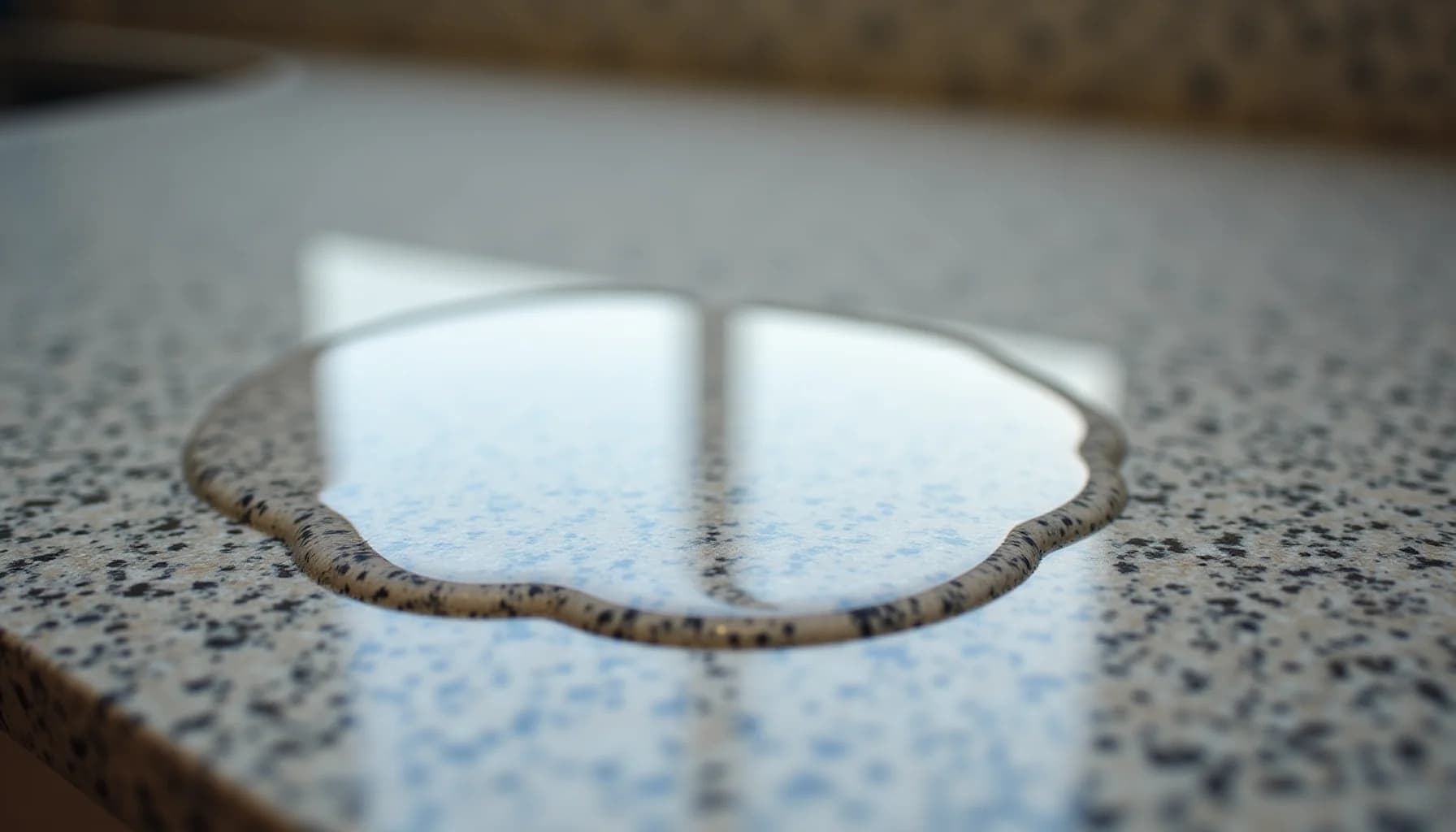
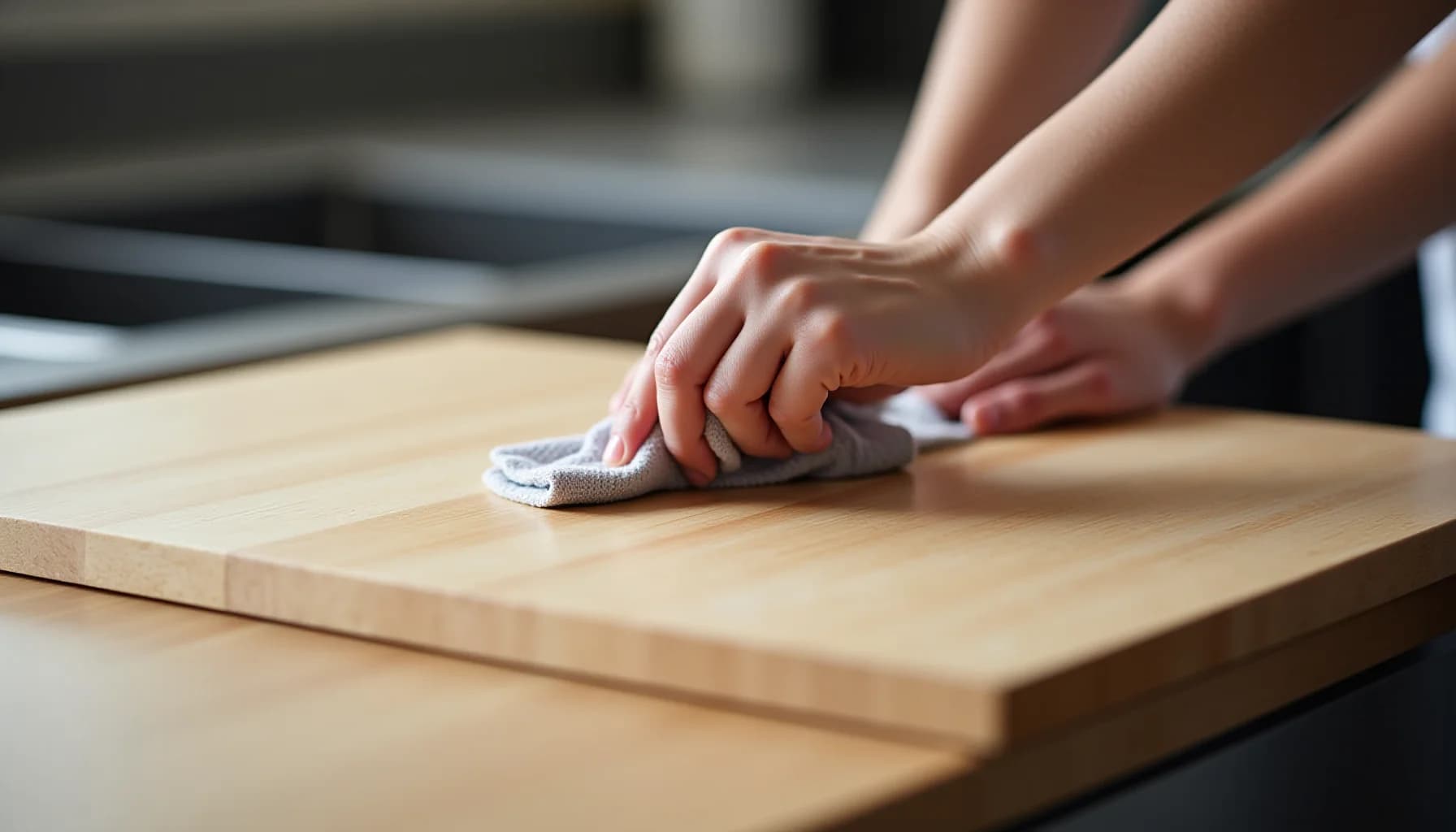
pH-neutral cleaners are safe on natural stone; most common household cleaners are not. Products specifically formulated for stone, such as Granite Gold, StoneTech, MB Stone Care, Stone Care International, and Lithofin, sit between 6.5 and 7.5 on the pH scale and clean without disturbing sealers or the stone's surface chemistry. For daily cleaning, warm water on a microfiber cloth is enough. When you need more, mild dish soap diluted in water works as a fallback.
The products that cause damage are the ones most homeowners reach for automatically. Vinegar, lemon juice, and citrus-based cleaners etch marble, travertine, limestone, and onyx permanently, dissolving the polished surface and leaving dull spots that cannot be wiped away. Bleach breaks down penetrating sealers even in diluted form. Ammonia dulls the finish over time. Glass cleaners and disinfecting wipes cause permanent damage to granite. Abrasive cleaners scratch polished surfaces regardless of pH. If your stone is travertine specifically, the care requirements are covered in detail here.
One misconception worth correcting: "natural" does not mean safe. Vinegar and lemon juice are natural; they will still etch calcium-based stone on contact. Granite behaves differently because it is silicate-based and does not react to most household acids, but it still benefits from pH-neutral products to protect its sealer. The damage from wrong cleaners is slow and cumulative, typically invisible until dull patches or etch marks have already set in.
Why pH-neutral cleaners are the safest choice for natural stone
The concept of pH sits at the center of stone care. The scale runs from 0 to 14, with 7 being perfectly neutral. Anything below 7 is acidic; anything above is alkaline. pH-neutral cleaners are formulated to fall between 6.5 and 7.5, a range tight enough that they won't trigger any chemical reaction with your stone's mineral structure. That matters because natural stone is not inert: it is a mineral surface that responds to chemistry, and the wrong chemistry causes damage that no amount of wiping will reverse.
Specialized stone cleaners from brands like Granite Gold, StoneTech, MB Stone Care, and Lithofin are engineered to hit that neutral range consistently. They are also formulated to be rinse-free when used correctly, which means they don't leave soap film behind. That detail matters: even ordinary dish soap used repeatedly will build up on the surface and gradually dull the stone's shine, even though dish soap is a reasonable short-term substitute when nothing else is on hand.
The other advantage of pH-neutral stone cleaners is what they don't do to your sealer. Penetrating sealers protect stone by filling its pores. Acidic, alkaline, and bleach-based cleaners attack the polymer chains in that sealer and degrade its protection over time, which is a separate problem from surface etching. A pH-neutral cleaner cleans the surface without touching what's underneath it.
For daily use, warm water on a clean microfiber cloth is usually sufficient. The specialized cleaner earns its place for heavier messes.
Why marble etches but granite doesn't
Know your stone type before you clean anything
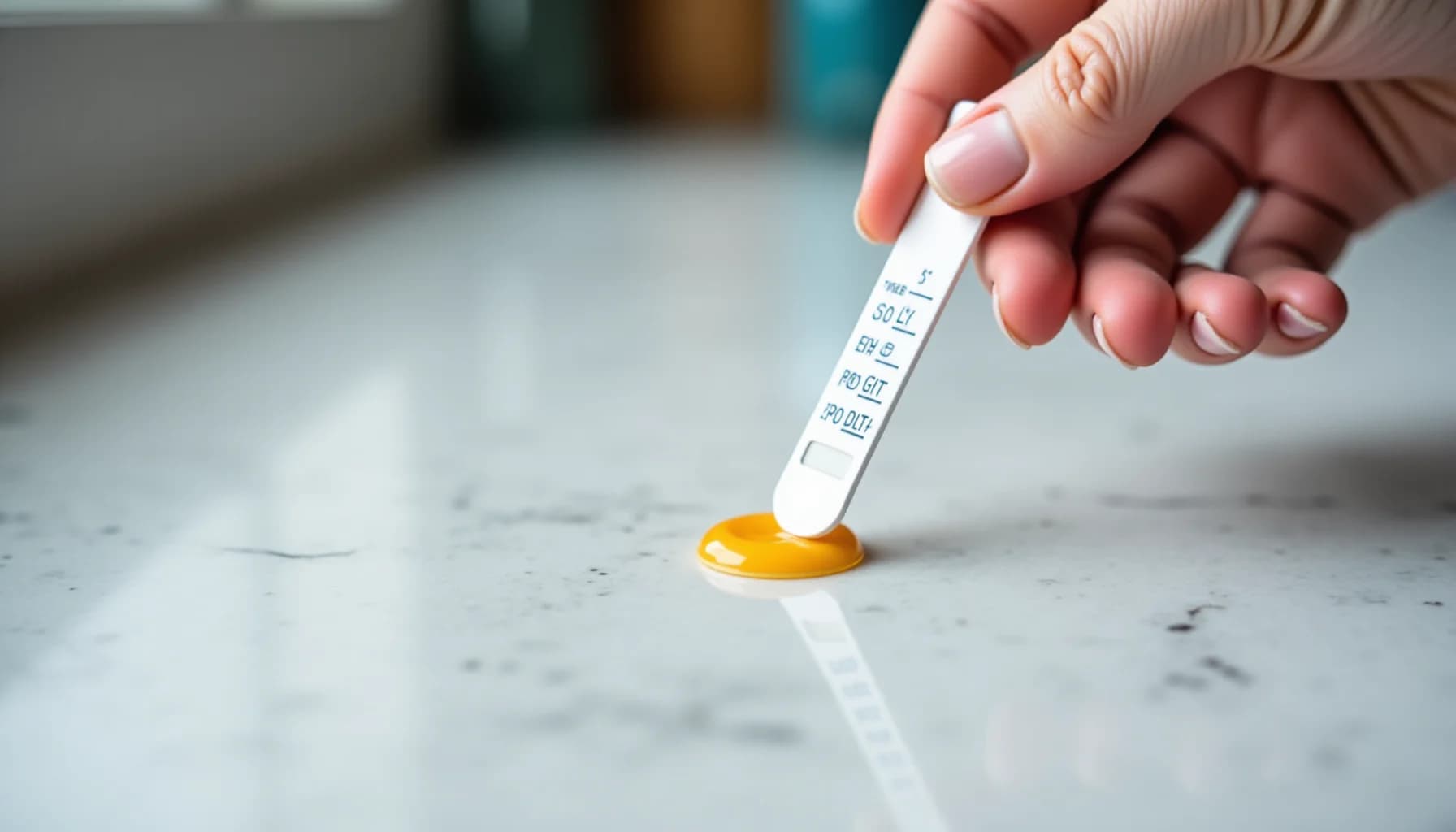
Calcium-based stones such as marble, limestone, travertine, and onyx react chemically with acids and need the gentlest care. Granite is a silicate stone and will not etch from household acids, though it still benefits from the same pH-neutral approach.
Use warm water and a microfiber cloth for daily cleaning
For marble and granite, warm water on a clean microfiber cloth is enough for everyday maintenance. When you need more cleaning power, add a small amount of mild dish soap to the water, but rinse the surface thoroughly, as soap residue builds up and dulls the stone's shine over time.
Choose a pH-neutral cleaner formulated for natural stone
When water alone is not enough, reach for a cleaner with a pH between 6.5 and 7.5. Brands such as Granite Gold, StoneTech, MB Stone Care, Stone Care International, and Lithofin produce products specifically formulated to clean without disturbing the stone's surface or breaking down its sealer.
Keep bleach, ammonia, acids, and abrasives away from the stone
Bleach degrades the polymer chains in penetrating sealers, even when diluted. Ammonia causes gradual color and shine loss. Acids such as vinegar and lemon juice permanently etch calcium-based stones, leaving dull spots that cannot be wiped away. Abrasive cleaners scratch polished surfaces, and glass cleaners and disinfecting wipes cause lasting damage to granite and other stones.
Do not assume a natural or DIY cleaner is safe
Products containing vinegar or lemon juice are widely promoted as natural cleaning solutions, but these acidic ingredients chemically dissolve the polished surface of marble, travertine, limestone, and onyx. A cleaner being natural does not make it stone-safe.
Address etch marks promptly and test repairs in a hidden spot first
On polished stone, acid damage appears as a dull patch within the surrounding glossy surface. Etch repair kits combining a mild acid solution and physical abrasion are available at hardware stores and on Amazon. Always test the kit on a small, inconspicuous area first, as some stones are delicate enough to suffer further damage from the repair process.
What common household products damage natural stone, and how?
The damage that common household cleaners do to natural stone falls into four distinct categories, each driven by a different mechanism. Understanding which product causes which type of harm makes it far easier to protect a stone surface for the long term.
Acids: etching, not staining. Vinegar, lemon juice, CLR, Lime-A-Way, citrus-based sprays, and many bathroom descalers all sit well below pH 7. On marble, limestone, travertine, and onyx, the acid reacts chemically with the calcite crystal structure, dissolving the polished surface and leaving dull, rough patches. That result is etching, not a stain. A stain sits on top of the stone; an etch is a physical change to the stone itself. No amount of cleaning removes it. The only fix is mechanical refinishing. Granite behaves differently because it is composed of silicate minerals, primarily quartz and feldspar, that do not react with most household acids. Granite will not etch from vinegar. That said, acid is still not a good routine choice even on granite, because of its effect on sealers.
Bleach: sealer degradation. Sodium hypochlorite attacks the polymer chains in penetrating stone sealers, breaking down the protective layer even in diluted form. Each application compounds the damage, leaving the stone progressively more exposed to staining.
Ammonia: gradual dulling. Ammonia-based cleaners cause stone to lose its color and shine incrementally. The effect is slow enough that many homeowners don't connect the cause to the result until the surface looks visibly flat.
Abrasives and wipes: surface scratching. Abrasive powders and scrubbing pads scratch the polished surface of softer stones. Disinfecting wipes and glass cleaners, which seem mild, contain surfactants and solvents that cause cumulative surface damage to granite in particular.
One widespread misconception worth addressing directly: "natural" does not mean "stone-safe." A homemade cleaner built around vinegar or lemon juice carries exactly the same etching risk as a commercial acid. The chemistry does not change because the ingredient is food-grade. If you use vinegar elsewhere in your cleaning routine, as many homeowners do for cleaning mold or descaling fixtures, keep it well away from any calcium-based stone surfaces.
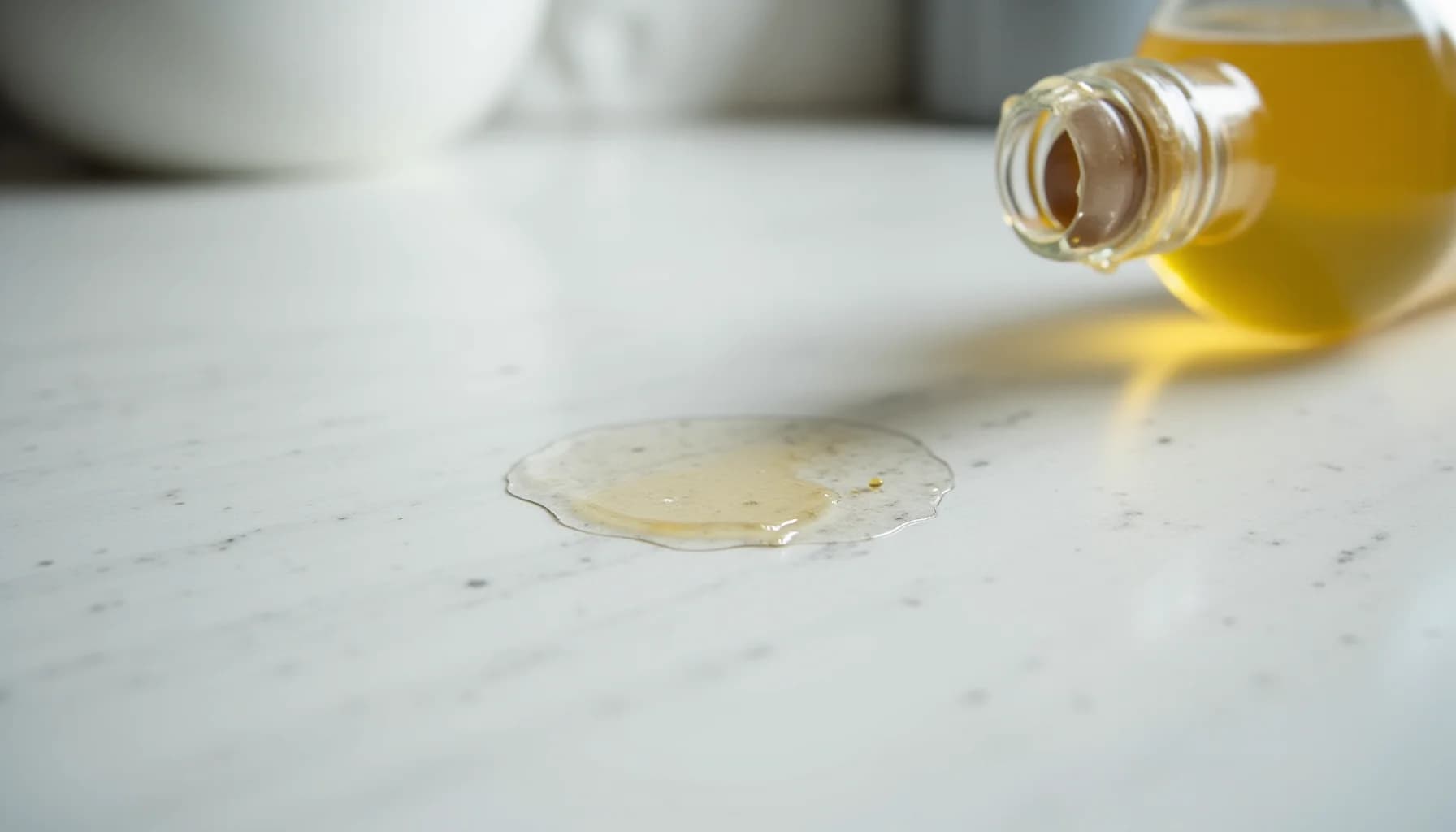
Are "Natural" Cleaners Safe for Stone Surfaces?
The phrase "natural cleaner" carries an implied safety guarantee that simply does not hold for stone surfaces. Vinegar, lemon juice, and citrus-based sprays are among the most popular DIY cleaning solutions in American homes, and they are also among the most reliably destructive things you can apply to marble, limestone, travertine, or onyx. The problem is chemistry, not intention: these ingredients are acidic, and calcium-based stones react chemically with acids, regardless of whether those acids come from a laboratory or a lemon. The result is etching, a physical dissolution of the polished surface that leaves dull, rough patches behind. That damage is not a stain you can wipe away later.
This misconception shows up constantly in cleaning advice passed between homeowners. A diluted white vinegar solution feels harmless because it smells mild and rinses clean. On granite, which is composed of silicate minerals that do not react with most household acids, it largely is harmless. But marble is not granite, and the assumption that all natural stone behaves the same way leads people to treat their marble backsplash the way they treat their granite countertop. If you are unsure which stone you have, the guidance in Seven Field Tests to Identify Your Tile Type covers practical identification methods before any cleaning product touches the surface.
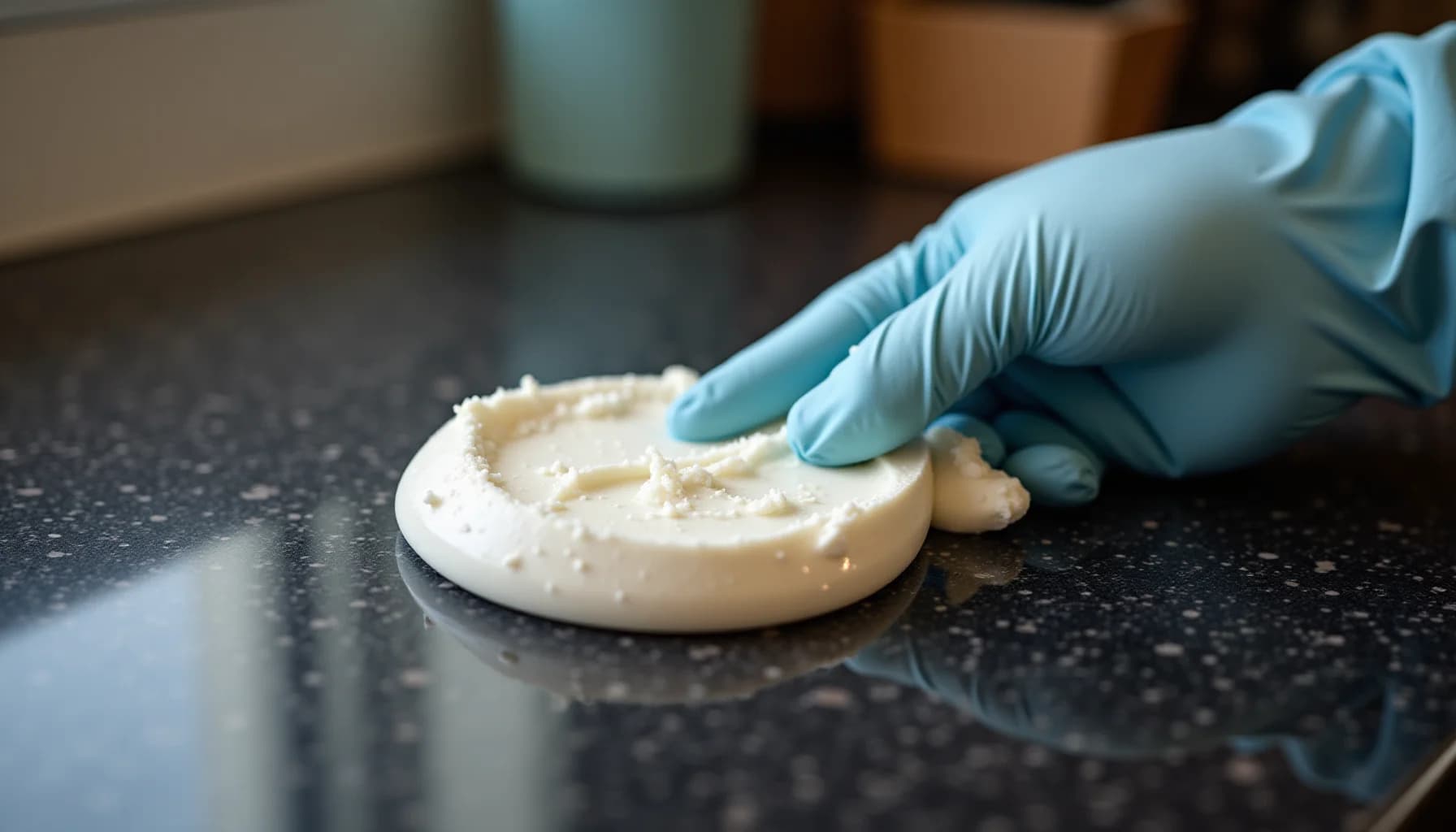
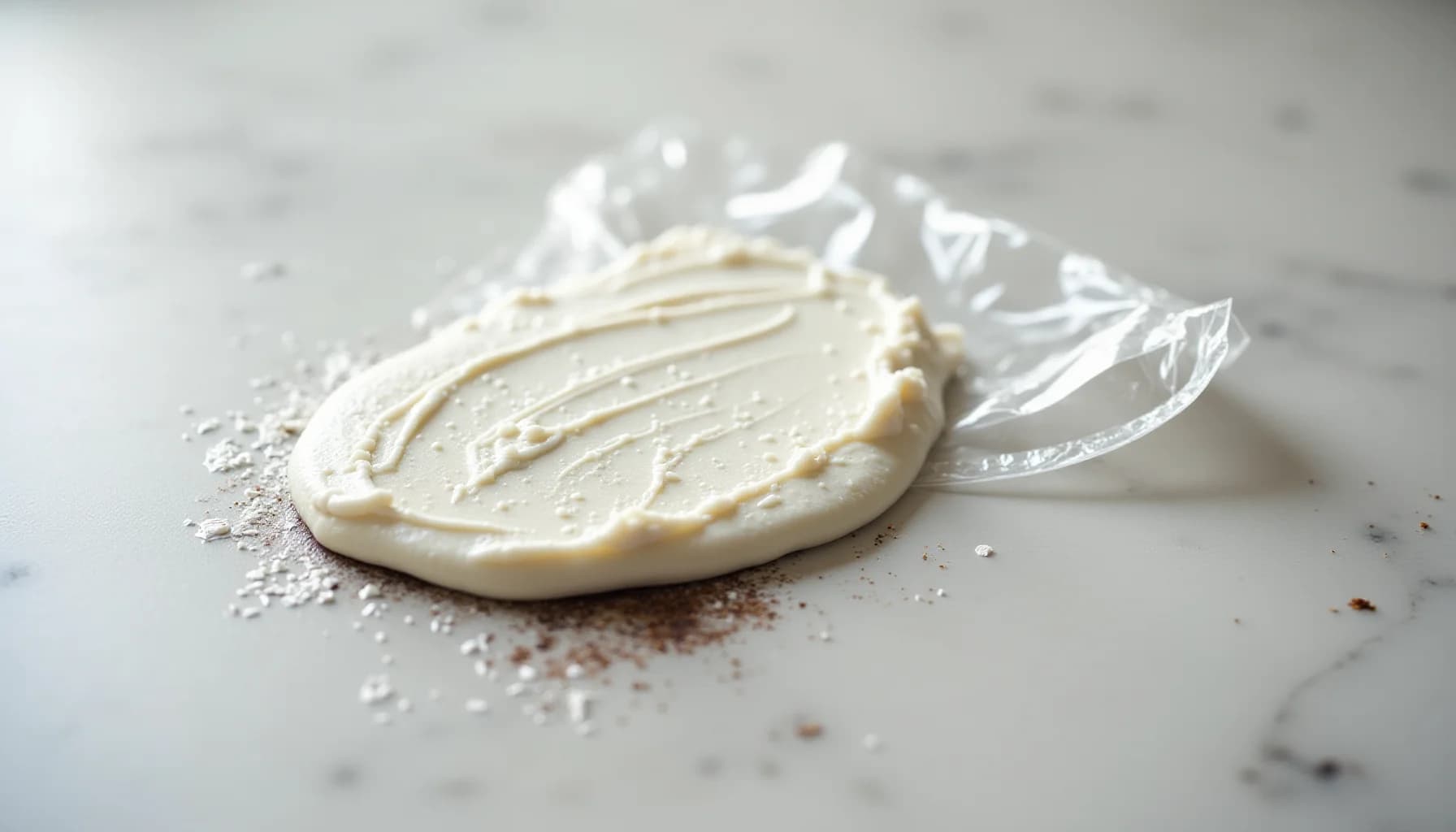
Baking soda, another staple of DIY cleaning, presents a different problem: it is mildly alkaline and abrasive. On polished stone, even gentle abrasion scratches the finish over time. Essential oil blends marketed as "stone-safe" or "all-natural" often contain citrus extracts that are acidic by definition. The label tells you nothing about pH. Only a cleaner formulated and tested to sit between 6.5 and 7.5 on the pH scale earns the pH-neutral designation that stone surfaces actually require.
| Cleaner | Main Ingredient | Safe on Marble/Limestone? | Safe on Granite? |
|---|---|---|---|
| White vinegar | Acetic acid (acidic) | No — etches surface | Yes — does not etch |
| Lemon juice | Citric acid (acidic) | No — etches surface | Yes — does not etch |
| Baking soda paste | Sodium bicarbonate (mildly alkaline + abrasive) | No — scratches polish | No — scratches polish |
| Castile soap solution | Plant-based soap (near-neutral) | Use sparingly — can cause buildup | Use sparingly — can cause buildup |
| Plain warm water | Neutral pH 7 | Yes — safest daily option | Yes — safest daily option |
Can the wrong cleaning routine slowly ruin your stone countertops?
Most stone countertop damage doesn't happen in a single incident. It accumulates across months of ordinary cleaning, invisible until the morning you notice a patch that looks faded, slightly rough, and nothing like the polished surface around it.
The mechanism is chemical, not mechanical. Marble, travertine, and limestone are calcium carbonate-based stones. Every time an acidic substance contacts the surface, a chemical reaction dissolves a microscopic layer of the calcite crystals. A single wipe with a vinegar-based spray, a squeeze of lemon juice left for thirty seconds, or a disinfecting wipe pulled across the counter does measurable structural damage. None of it looks like anything immediately. Repeat it daily, and the polished finish gradually becomes a dull, rough ghost of itself.
Soap-based cleaners compound the problem differently. Even mild dish soap, used repeatedly without full rinsing, leaves a residue film that builds up over time and deadens the stone's reflective surface. It isn't etching, but the result looks similar: a progressive loss of clarity and shine.
Bleach and ammonia-based products attack the stone's sealer rather than the stone directly. The sealer is what keeps liquids from penetrating and staining the stone beneath. Once the sealer degrades, the stone itself is exposed to everything. By the time staining appears in the body of the stone, the surface can no longer be remediated by cleaning alone.
If you are seeing dull patches that don't respond to cleaning, or discoloration that sits inside the stone rather than on it, stop cleaning and call a stone restoration professional. Continuing to apply product at that stage causes further damage.
Frequently asked questions
Can I use vinegar to clean my marble or granite countertops?
What is the safest everyday cleaner for natural stone?
Will bleach damage my stone countertops?
Are natural cleaners like lemon juice safe on stone?
Which stone-safe cleaner brands should you buy, and how do you use them correctly?
A handful of brands have built their entire product lines around stone-safe formulations, and they're worth knowing by name. Granite Gold offers a daily cleaner and a separate sealer, both widely stocked at Home Depot and Lowe's. StoneTech and MB Stone Care are professional-grade lines favored by installers and fabricators, available at tile specialty stores and online. Stone Care International and Lithofin round out the field with concentrated neutral cleaners that work across marble, granite, travertine, and limestone.
When selecting a product, check two things on the label: pH-neutral (or pH 6.5 to 7.5), and "safe for sealed stone." Any product that lists ammonia, bleach, or citric acid in its ingredients is out, regardless of what the front of the bottle claims. If you have travertine floors specifically, the care requirements for travertine tile are close but not identical to countertop marble, so verify the product covers your surface type.
For daily use, spray a light mist onto the surface and wipe with a clean microfiber cloth, working in the direction of the stone's veining. Do not let the cleaner pool or sit. For weekly maintenance, slightly increase the dilution or use a second pass with a damp, product-free cloth to prevent residue build-up, which dulls polish over time even when the cleaner itself is stone-safe.
How this article was made
Researched and written with AI assistance. What gets published is a human editorial decision. Grounded in 8 cited sources.
Edited by Claire Mercier, Editor. The guides are written with AI assistance.
Sources (8)
- Granite & Marble Cleaner - Fragrance Free – Eco-Me
- Granite Gold® Daily Cleaner For Stone & Quartz Surfaces
- Safe and Effective Natural Stone Cleaners That Won't Harm Your Investment - The Marble Guide
- How to Clean Marble or Any Other Stone Surface | MB Stone Care
- DIY Counter Cleaner Recipe! (Safe on Marble & Granite) – Maker's Clean
- Natural Stone Cleaner - MarbleSafe® Stone Cleaner
- Best (and Worst) Cleaners for Marble & Granite
- Acid Damage on Marble & Stone: Causes, Fixes, Safe Cleaners