How to Clean a Microfiber Couch Without Wrecking It
Part of Fabric & Carpet Care · article 1 of 14
On this page
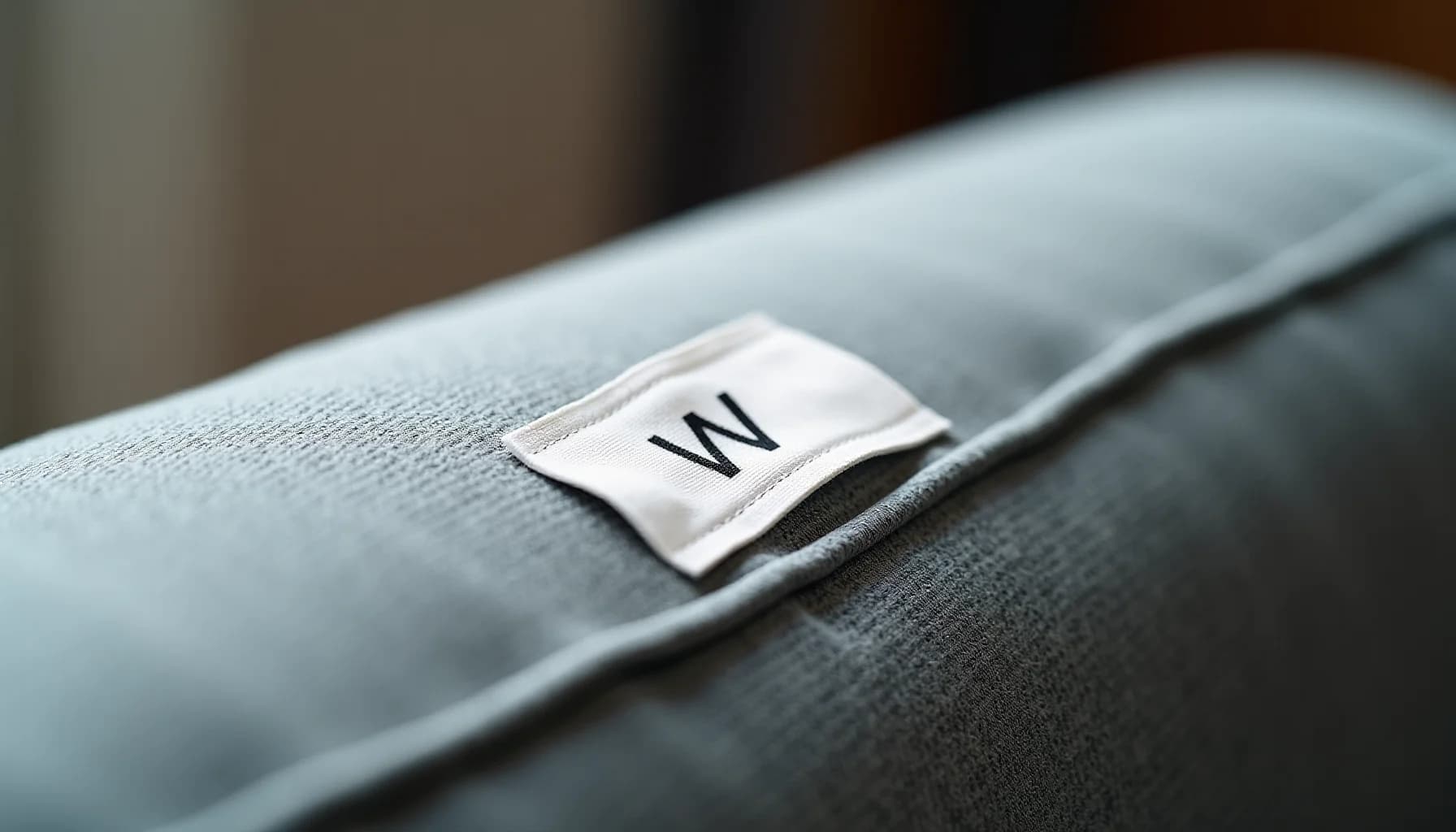
Check the care tag on your couch before you touch it with any cleaner. That tag carries a code: W means water-based cleaners only, S means solvent-based only, S-W means either is fine, and X means vacuuming or brushing only. For W-coded fabric, mix one tablespoon of clear dish soap into a spray bottle of warm water, mist lightly onto small sections, and work a clean cloth in circles. For S-coded fabric, pour rubbing alcohol into a spray bottle and coat the stain lightly. Never soak either type. Scrubbing hard, using too much liquid, or skipping the care code check all cause watermarks, stiffening, or permanent fading. Once clean, air-dry completely, then restore the texture with a soft-bristled brush.
What do microfiber fabric properties and care code labels actually mean for cleaning?
Microfiber is a synthetic fabric, typically polyester or a polyester-polyamide blend, made from fibers far finer than a human hair woven together in a dense, tight structure. That construction gives it the soft, almost suede-like hand feel most people associate with it. It also explains two properties that directly affect how you clean it: microfiber repels water-based liquid spills reasonably well in the short term, but it holds onto oils from skin, food, and hair with surprising tenacity. Over time, those trapped oils cause the fabric to look dull, develop flattened patches, or show discoloration in high-contact areas like armrests.
None of that matters as much as the care code tag sewn into your couch's upholstery. Manufacturers are required to include one, and it overrides everything else. The four codes are W, S, S-W, and X. A W tag means only water-based cleaners are safe. An S tag means solvent-based cleaners only, and using water on an S-coded couch is a reliable way to produce watermarks or worse. S-W allows either type. X means no liquid cleaner at all, only dry methods like brushing or vacuuming.
The practical takeaway: many microfiber couches cannot be cleaned with soap and water, even though the fabric feels durable. If your couch has no tag at all, a solvent-based cleaner is generally the safer default assumption. Find the tag first, read the code, then choose your cleaner. Every other step depends on getting this right.
What do you need before you start cleaning your microfiber couch?
Check the Care Tag Before Touching Anything
Find the manufacturer's tag on your couch and note the code: W means water-based cleaner only, S means solvent-based cleaner only, S-W means either is fine, and X means brushing or vacuuming only. Using the wrong cleaner based on this code can leave stains, fading, or a rough finish that is difficult to reverse.
Vacuum the Entire Couch Thoroughly
Run a vacuum over every surface, including seams, under cushions, and corners where dust and crumbs collect. This removes loose debris so it does not turn into mud or spread when you apply any cleaning solution.
Treat Odors with Baking Soda Overnight
Sprinkle plain baking soda across all cushions the night before cleaning, then work it in lightly with a soft-bristled brush. Vacuum it up the next day before moving on to wet cleaning.
Test Your Cleaning Solution in a Hidden Spot
Apply a small amount of your chosen solution to an inconspicuous area and let it dry completely before treating the whole couch. If the color changes or the fabric looks wrong, stop and choose a different approach.
Clean the Couch Using the Correct Method for Your Care Code
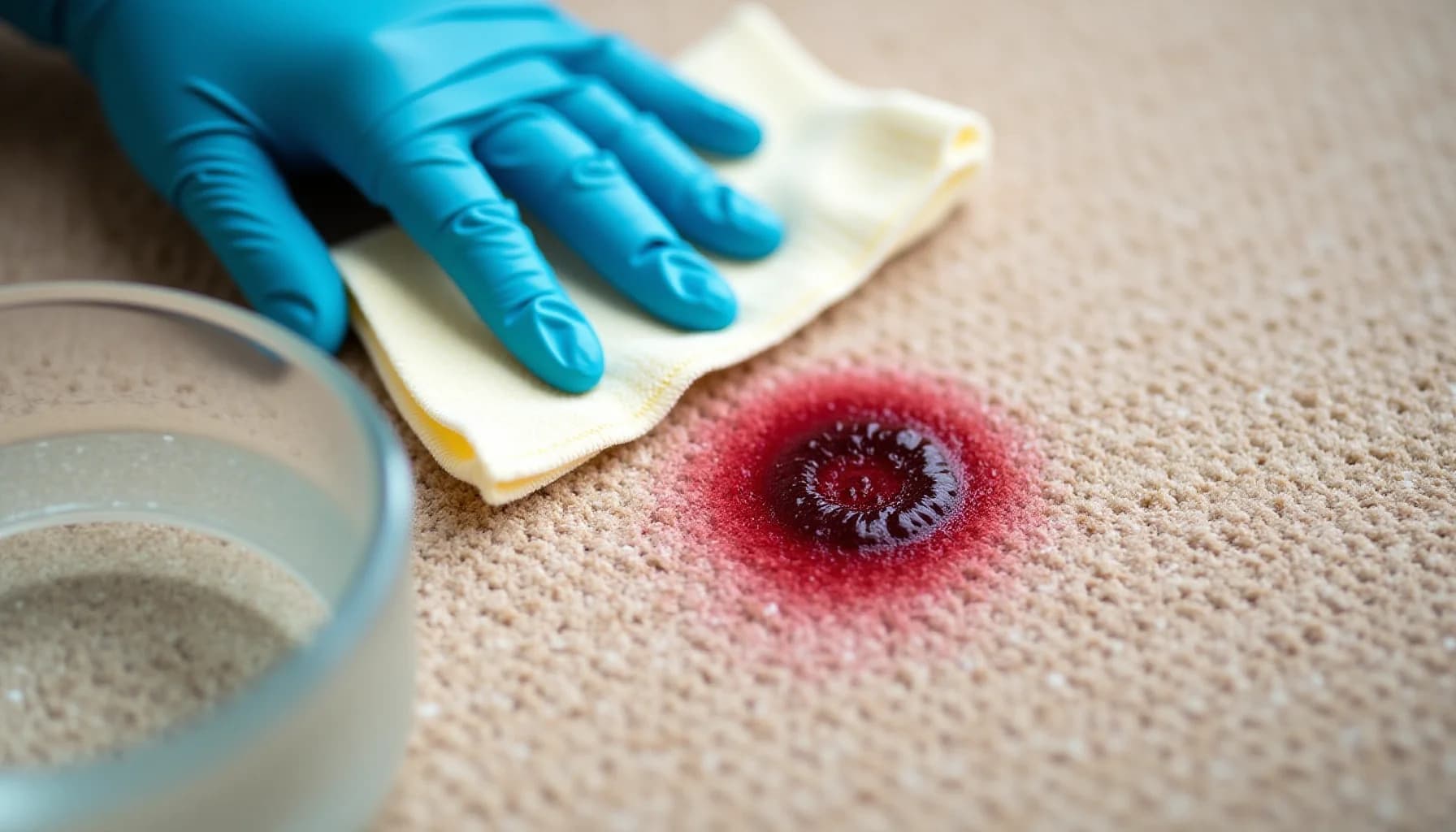
For W-coded fabric, lightly mist half a cushion at a time with a solution of 1 tablespoon of clear dish soap per 4 cups of warm water, then work a clean washcloth in circles to lift dirt. For S-coded fabric, pour rubbing alcohol into a spray bottle, coat the stained area lightly without soaking it, and work from the outside of the stain inward using a lint-free cloth. In either case, blot rather than scrub, and mist rather than soak, to prevent watermarks and mold.
Air Dry Completely, Then Restore the Texture
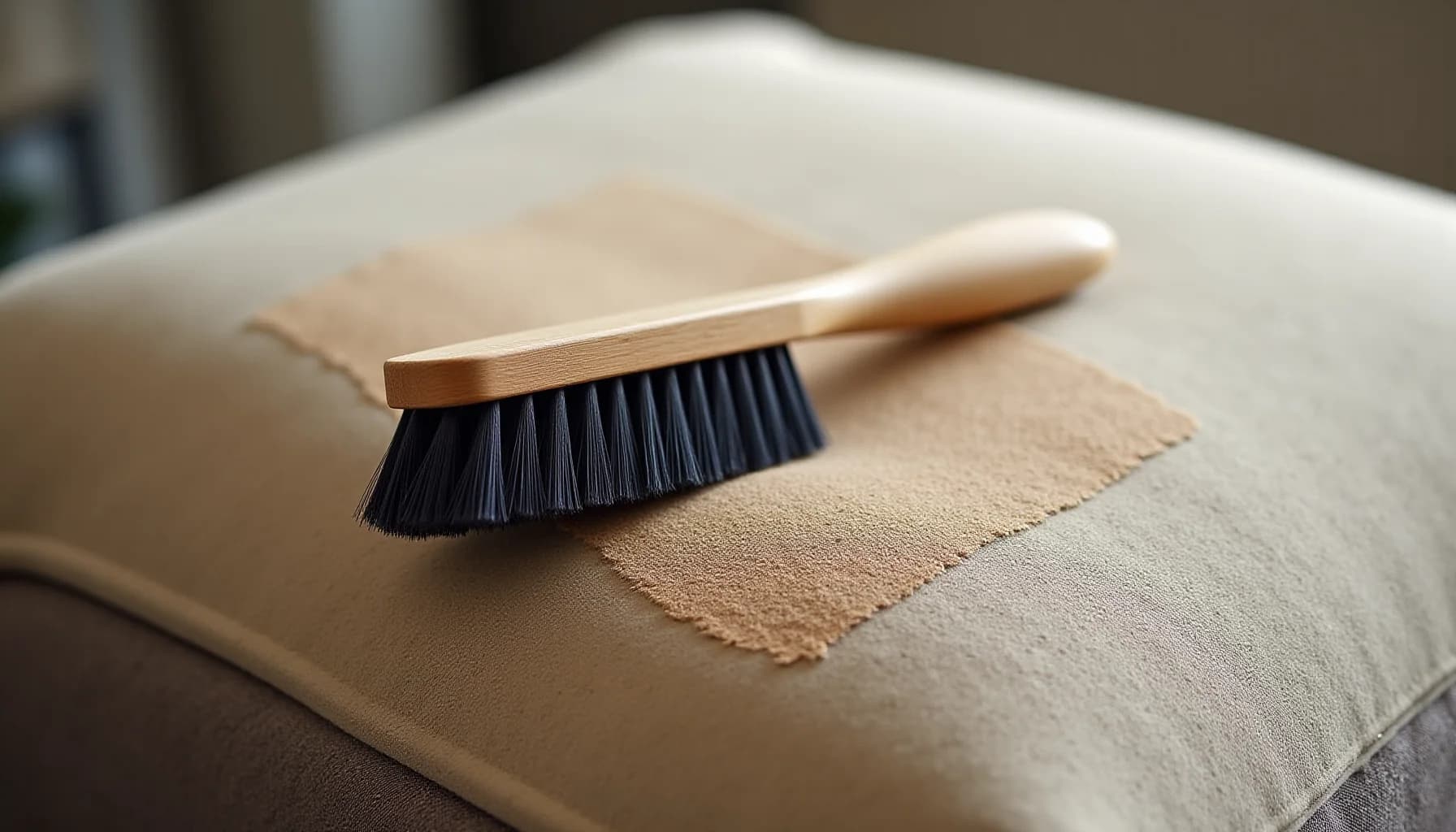
Let the couch dry naturally with a fan circulating air in the room. Keep hair dryers and heaters away from the fabric, as heat can alter the texture. Once fully dry, the fabric may feel stiff or crisp, so rub it gently with a soft brush to restore its original softness.
What cleaning method should you use for W-coded and S-coded microfiber?
Once you know your couch's care code, the cleaning approach becomes straightforward, but the details matter.
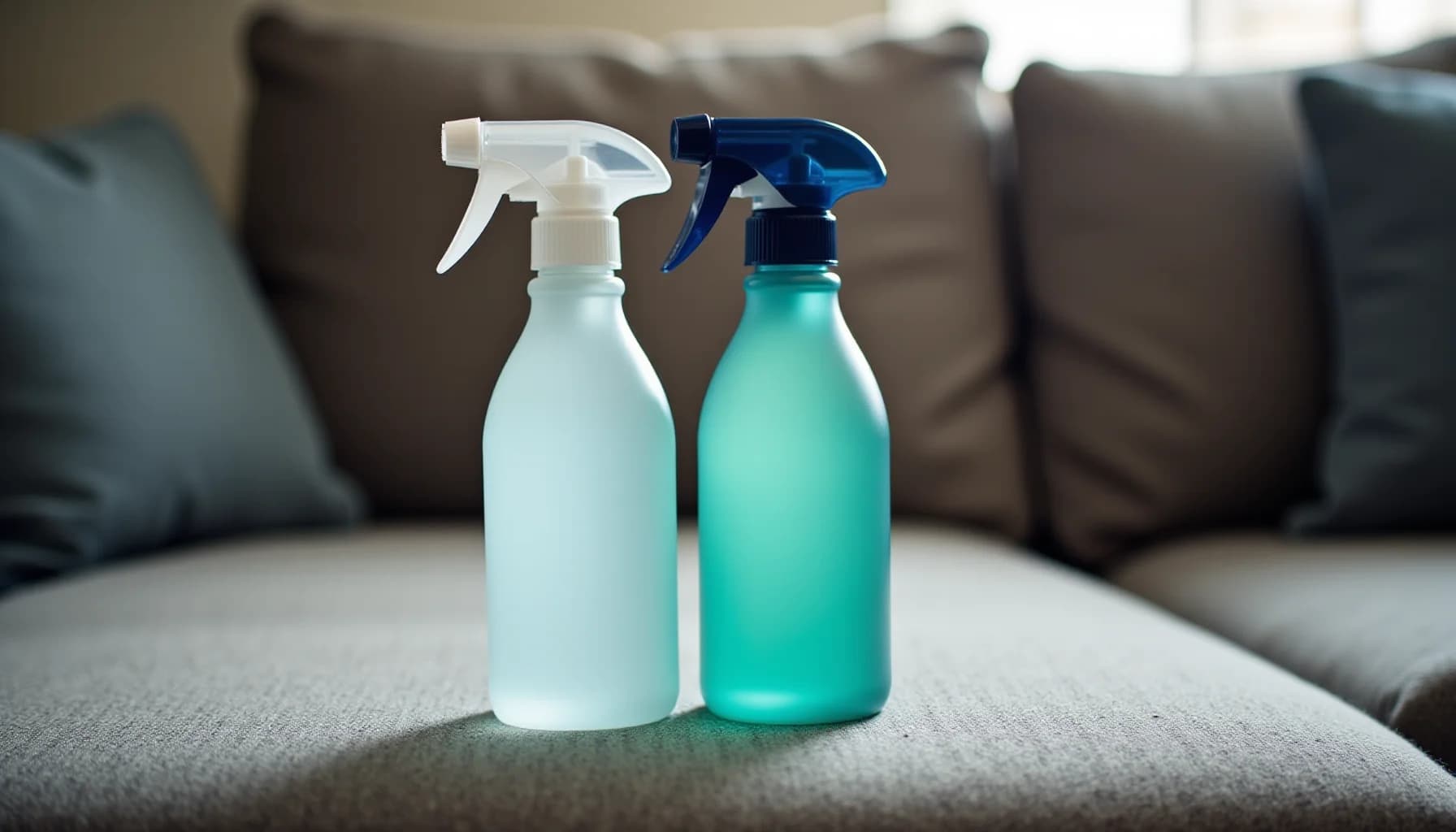
W-coded microfiber tolerates water-based cleaners, which makes it the more forgiving of the two. Mix 1 tablespoon of clear liquid dish soap into a spray bottle filled with warm water. Clear soap is the right choice here: colored or opaque formulas can leave their own staining behind. Lightly mist half a cushion at a time rather than saturating the fabric, then work a clean washcloth in small circular motions to lift dirt. The goal is a light, even dampness across the section you are treating, not a soaked cushion. Oversaturation is what produces those unsightly watermark rings, so keep your hand light on the trigger.
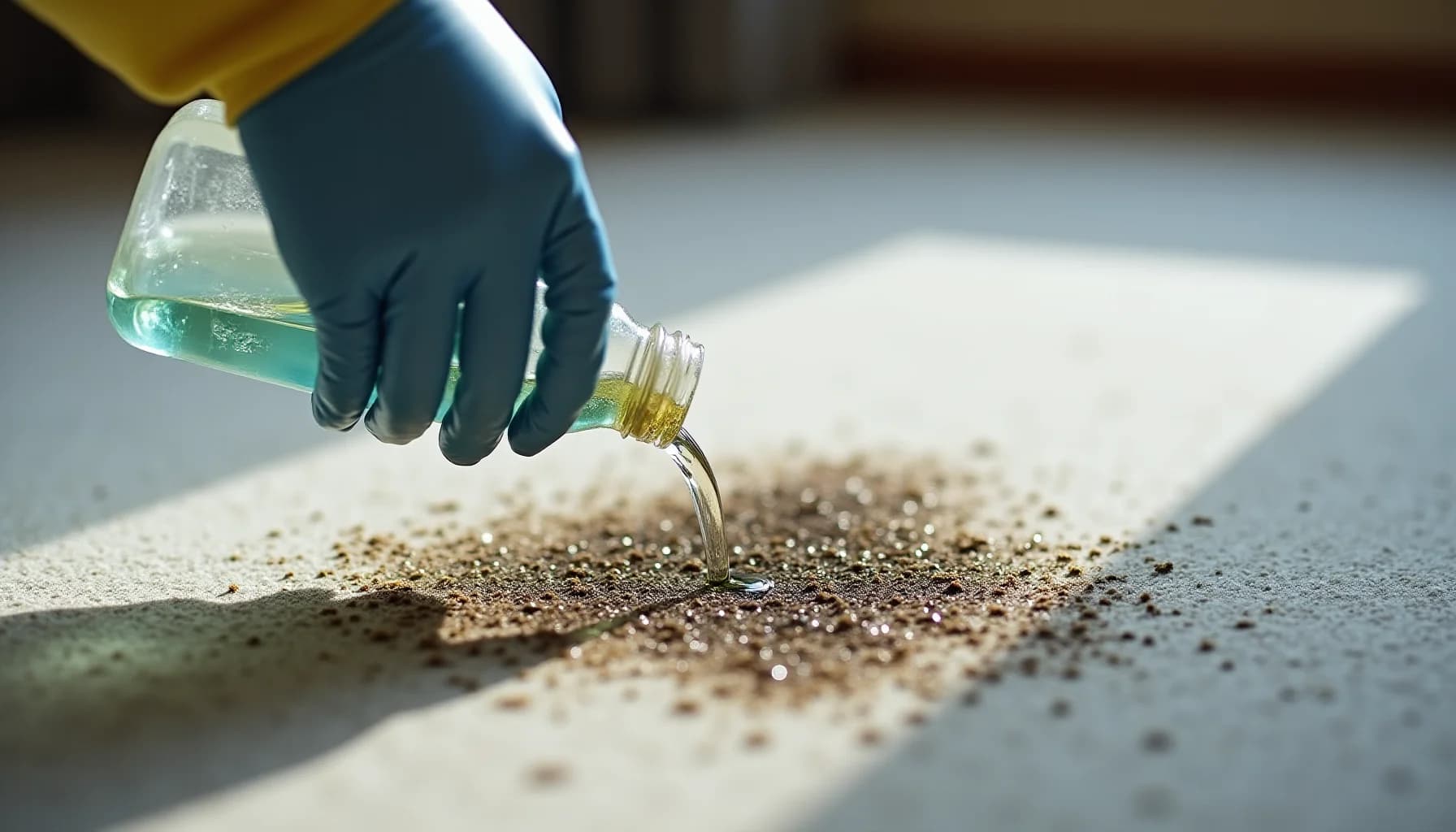
S-coded microfiber requires a solvent-based cleaner exclusively, and rubbing alcohol is the most practical option most homeowners already have on hand. Mix isopropyl alcohol and distilled water at a 1-to-4 ratio, pour the solution into a spray bottle, and coat the stained area lightly. The spray bottle matters: pouring liquid directly from a container makes it too easy to over-apply, and too much alcohol, combined with heavy scrubbing, will leave a yellow ring once the fabric dries. Apply just enough to dampen the fibers, then blot with a lint-free cloth, working from the outside edge of the stain toward its center to stop it from spreading.
For grease-based spots on either code type, working a small amount of shaving cream into the stain with an old toothbrush can help pull the oil out before you apply your main cleaner. Let the area dry fully before wiping away any residue with a soft, damp cloth.
One rule applies regardless of code: test your solution on a hidden spot first and let it dry completely before treating a visible area. If the fabric's color shifts at all during the test, stop and reassess your cleaner choice.
How do you get grease stains and odors out of a microfiber couch?
Grease is one of the harder problems microfiber throws at you, because the fabric that shrugs off a glass of water will readily hold onto cooking oil, salad dressing, and the oils from skin and hair. The good news is that a few common household supplies handle it well, provided you apply them correctly.
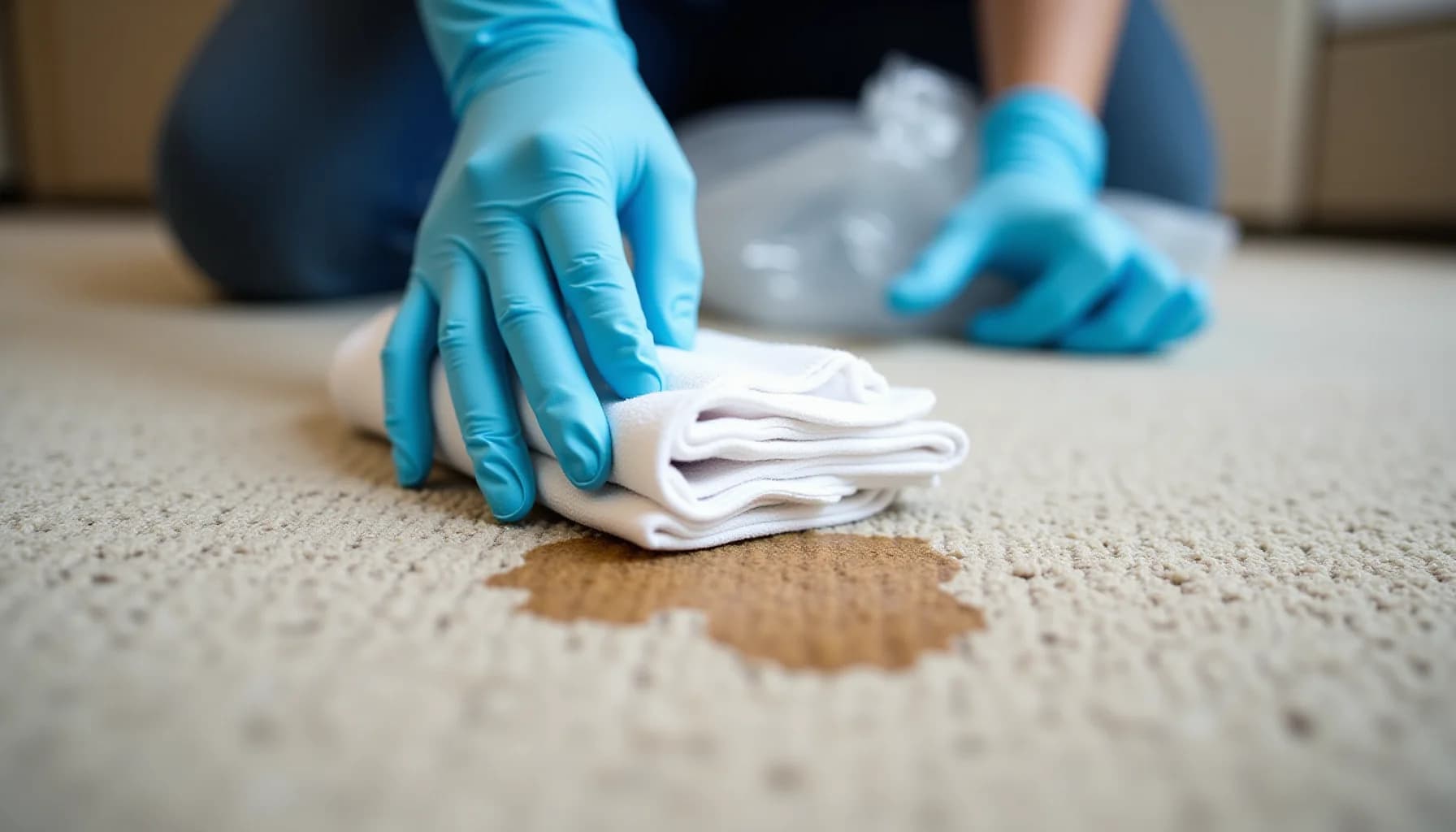
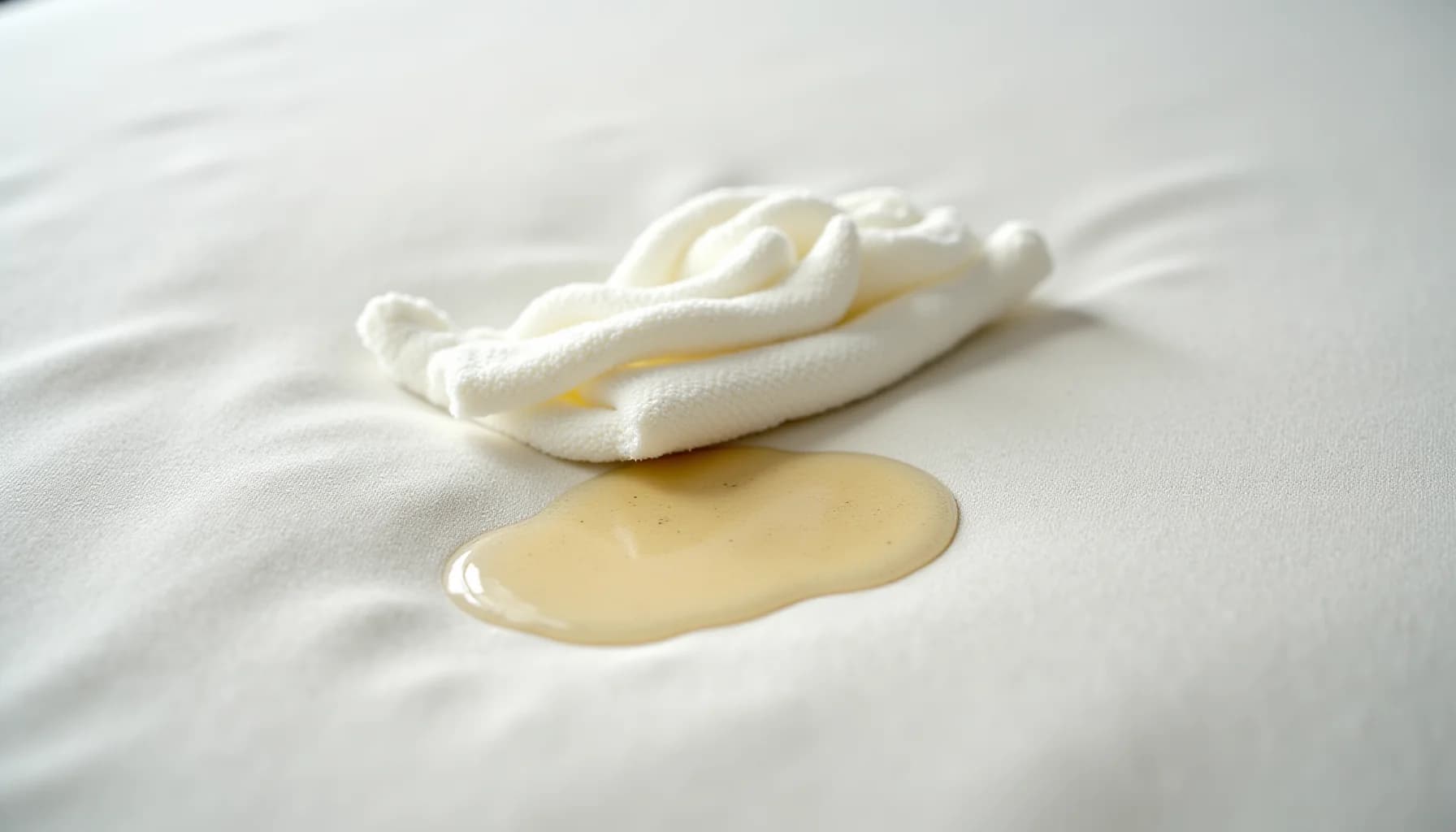
For a fresh grease spill, start by blotting, not rubbing. Rubbing spreads the oil laterally and pushes it deeper into the fibers. Once you've lifted as much of the spill as you can with a clean cloth, work a small amount of shaving cream directly into the spot using a clean rag or an old toothbrush. Shaving cream helps absorb the grease rather than dilute it. Let the area dry completely, then rub gently with a soft, slightly damp cloth to lift any remaining residue. Baking soda and cornstarch are also worth knowing: either can be pressed into a greasy spot to pull up oil before you apply any liquid treatment.
For stubborn marks, rubbing alcohol applied lightly to a lint-free cloth works well on S-coded microfiber. The key word is lightly. If you saturate the area or agitate it too aggressively, the alcohol tends to leave a yellow ring once it dries. Coat the stain, don't flood it.
Odors call for a different approach entirely. The night before you plan to clean, sprinkle plain baking soda across all the cushions, work it gently into the fabric with a soft-bristled brush, and leave it overnight. The next day, vacuum it up thoroughly. This dry method pulls embedded odors out of the fibers without introducing any moisture, which matters especially for S-coded sofas where water is off-limits.
| Problem | Treatment Agent | How to Apply | Key Caution |
|---|---|---|---|
| Grease stain | Shaving cream | Work into spot with clean rag or old toothbrush; let dry, then wipe with damp cloth | Ensure fully dry before wiping residue |
| Grease or general stain | Rubbing alcohol | Spray lightly over stain; do not soak | Excess alcohol or agitation leaves yellow ring when dried |
| Odor | Baking soda | Sprinkle over cushions overnight, work in with soft brush, vacuum next day | Allow full overnight contact before vacuuming |
| Grease or oily residue | Cornstarch | Apply to stain to absorb grease before wiping away | Not confirmed effective on set-in stains |
| Fresh grease spill | Dish soap solution (W-code only) | Lightly mist with 1 tbsp clear dish soap in spray bottle of warm water; blot, do not rub | Only safe if care tag shows W; avoid soaking |
How do you dry a microfiber couch without ruining the texture?
Air drying is the only safe option for microfiber. Applying a hair dryer or placing the cushion near a space heater can alter the fiber texture permanently, leaving patches that feel rough or look matted even after brushing. The heat bond in synthetic fibers is not reversible. Set up a fan in the room instead and let air circulate evenly across the surface until the fabric is completely dry, which may take a couple of hours depending on how much moisture was used during cleaning.
The more common mistake homeowners make is sitting on or using the couch before it is fully dry. Pressure on damp microfiber compresses the fibers while they are still pliable, and they set in that flattened position as they finish drying. The result is a permanent patch that looks worn and dull, even on a couch that was barely used.
Once the fabric is dry, expect it to feel stiff or slightly crisp. This is normal with microfiber and does not mean the cleaning went wrong. Work over the surface with a soft-bristled brush using light, short strokes to separate the fibers and restore the nap. Avoid anything abrasive: a stiff wire brush will pull individual fibers loose and create pilling that cannot be fixed at home.
If the fabric remains stiff, discolored, or pilled after drying and brushing, stop attempting further DIY treatment. Repeated over-wetting, especially in S-coded microfiber, can cause mold to develop inside the cushion fill, at which point a professional upholstery cleaner is the only practical recourse.
Frequently asked questions
How do I know which cleaning method is safe for my microfiber couch?
Can I just use soap and water on my microfiber couch?
Why does my microfiber couch feel stiff and hard after I clean it?
What is the best way to remove odors from a microfiber couch?
What mistakes ruin microfiber couches and how do you avoid them?
The single most damaging habit is reaching for whatever cleaner is under the sink without checking the care tag first. Using a water-based cleaner on an S-coded couch, or dousing any microfiber with far more liquid than needed, produces watermarks: those unsightly rings that form when moisture pools and dries unevenly. Once you see them, you have to clean the entire cushion face to blend them out. Over-wetting also pushes moisture deep into the padding, where mold and mildew can take hold in the fabric layers, creating a hygiene problem that is harder to fix than the original stain.
Scrubbing is the other reflex to break. Rubbing a fresh spill spreads it outward and forces it deeper into the fibers. Blot instead, working from the outer edge of the stain inward. The same logic applies to alcohol-based cleaning on S-coded fabric: coat the stain lightly and stop. Too much alcohol, or too much agitation while it is wet, tends to leave a yellow ring once the area dries.
Strong chemicals are rarely necessary and frequently destructive, leaving fading or a rough, matted finish that cannot be reversed.
Build a weekly habit of vacuuming the entire sofa, including seams and beneath cushions. Most surface soil never becomes a stain if it is lifted before it has time to work into the fibers. Prevention costs far less effort than correction.
How this article was made
Researched and written with AI assistance. What gets published is a human editorial decision. Grounded in 8 cited sources.
Edited by Claire Mercier, Editor. The guides are written with AI assistance.
Sources (8)
- 3+ Proven Methods to Clean Microsuede Couch
- How Do I Clean a Microfiber Sofa the Right Way?
- How to Clean Microfiber Couches | Rug Doctor by BISSELL
- How to Clean a Variety of Microfiber Couch Stains | Zerorez Carpet Cleaning
- How to Clean a Microfiber Couch
- How to a Clean Microfiber Sofa - This Old House
- How to Clean a Microfiber Couch (2 Easy Methods) | Apartment Therapy
- How to Spot Clean Microfiber Couches Like the Pros | Zerorez Carpet Cleaning