How to Read the Cleaning Code on Your Furniture (and Not Ruin It)
Part of Fabric & Carpet Care · article 2 of 14
On this page
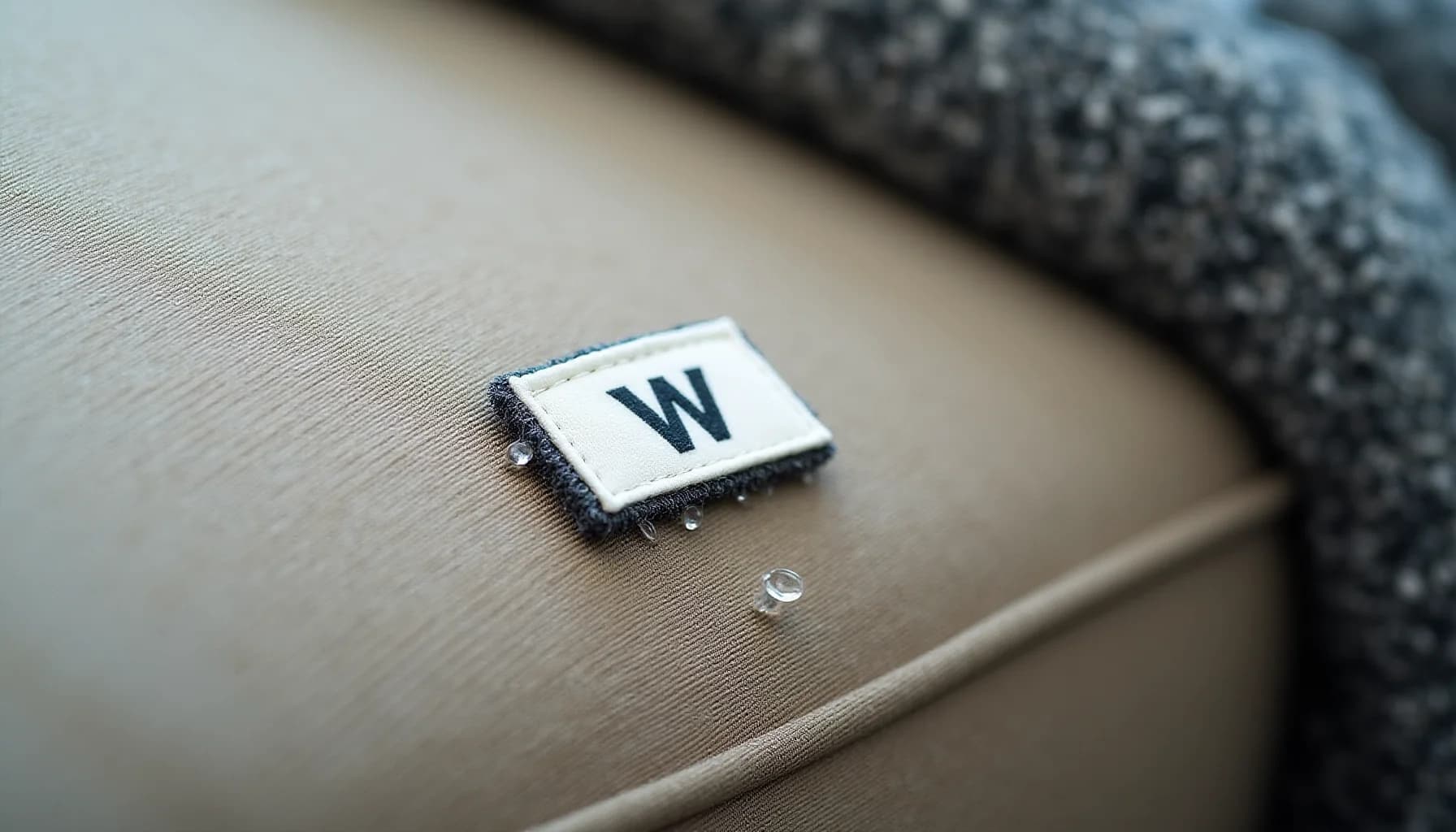
The tag tucked under a cushion or along a seam carries one of five codes: W, S, WS (or SW), X, or the less common D. Each one tells you exactly which type of cleaner is safe on that fabric. W means water-based cleaners only, including mild detergent foam or an upholstery steam cleaner, but not machine washing or soaking. S means solvent-based products only; water can cause bleeding, shrinkage, puckering, and brown watermarks. WS allows either method. X means vacuuming only, no liquids at all. D means dry clean only. Before using any cleaner, test it on a hidden area first, and blot spills immediately rather than rubbing them in.
Where is the cleaning code tag on your furniture?
The tag is small and easy to miss, so knowing where manufacturers typically attach it saves you from guessing. On a sofa or sectional, start by lifting the seat cushions and checking the fabric panel underneath. Many manufacturers also tuck the tag along the sides, in the gap between the seat cushion and the armrest. If you don't find it there, run your hand along the back of the couch near the base, or check the underside of the frame itself.
One thing worth knowing: separate cushions, back pillows, and the main body of a sofa can carry different tags with different codes. A seat cushion might be coded W while the body fabric is coded S, so check each piece individually before you reach for any cleaner.
On chairs and armchairs, look under the seat or along the inner edge of the skirt if the chair has one. On ottomans, flip it over and check the dust cover on the bottom. For dining chairs with upholstered seats, the tag is usually stapled or sewn to the underside of the seat pad.
If the tag has been removed or worn to the point of being unreadable, check the original documentation that came with the furniture, or look up the fabric name on the manufacturer's website, where fabric data sheets often list the cleaning code directly. When none of that is available, treat the piece as if it has no code and call a professional before applying anything to it.
What does each cleaning code letter actually permit?
Find the cleaning code tag
Check under seat cushions, along seams, near the base, or around the back of the piece. Note that seat cushions, back cushions, and pillows may each carry different codes, so check every tag.
Decode the letter on the tag
W means water-based cleaners only; S means solvent-based cleaners only, no water; WS or SW means either method can be used; X means vacuum only, no liquids; D means dry clean only; NA means no special cleaning instructions beyond typical care.
Test your chosen cleaner in a hidden spot first
Apply a small amount of the appropriate cleaner to an out-of-sight area of the fabric before cleaning any visible surface. Wait for it to dry completely and check for color change, shrinkage, or puckering.
Blot fresh spills immediately
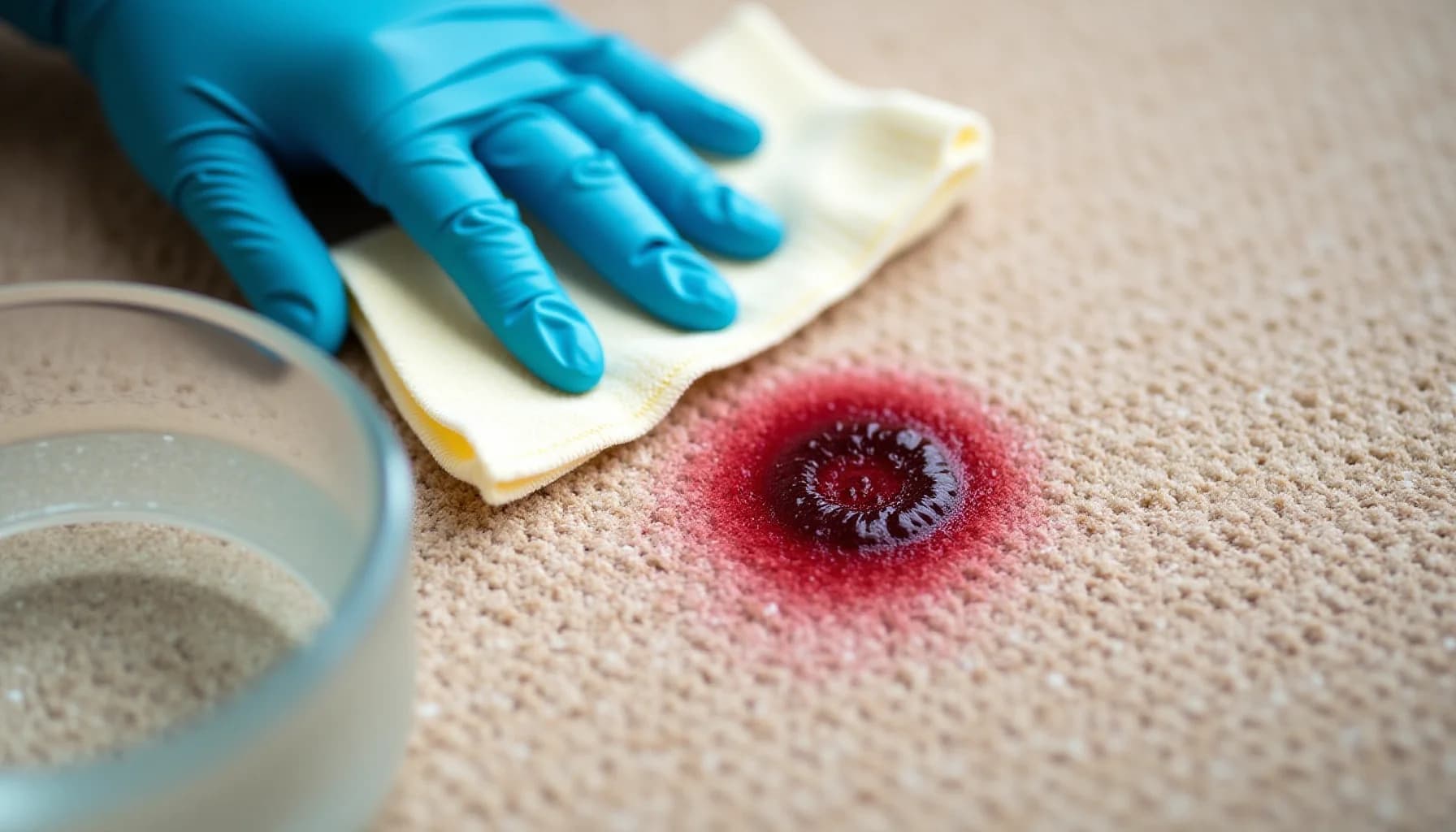
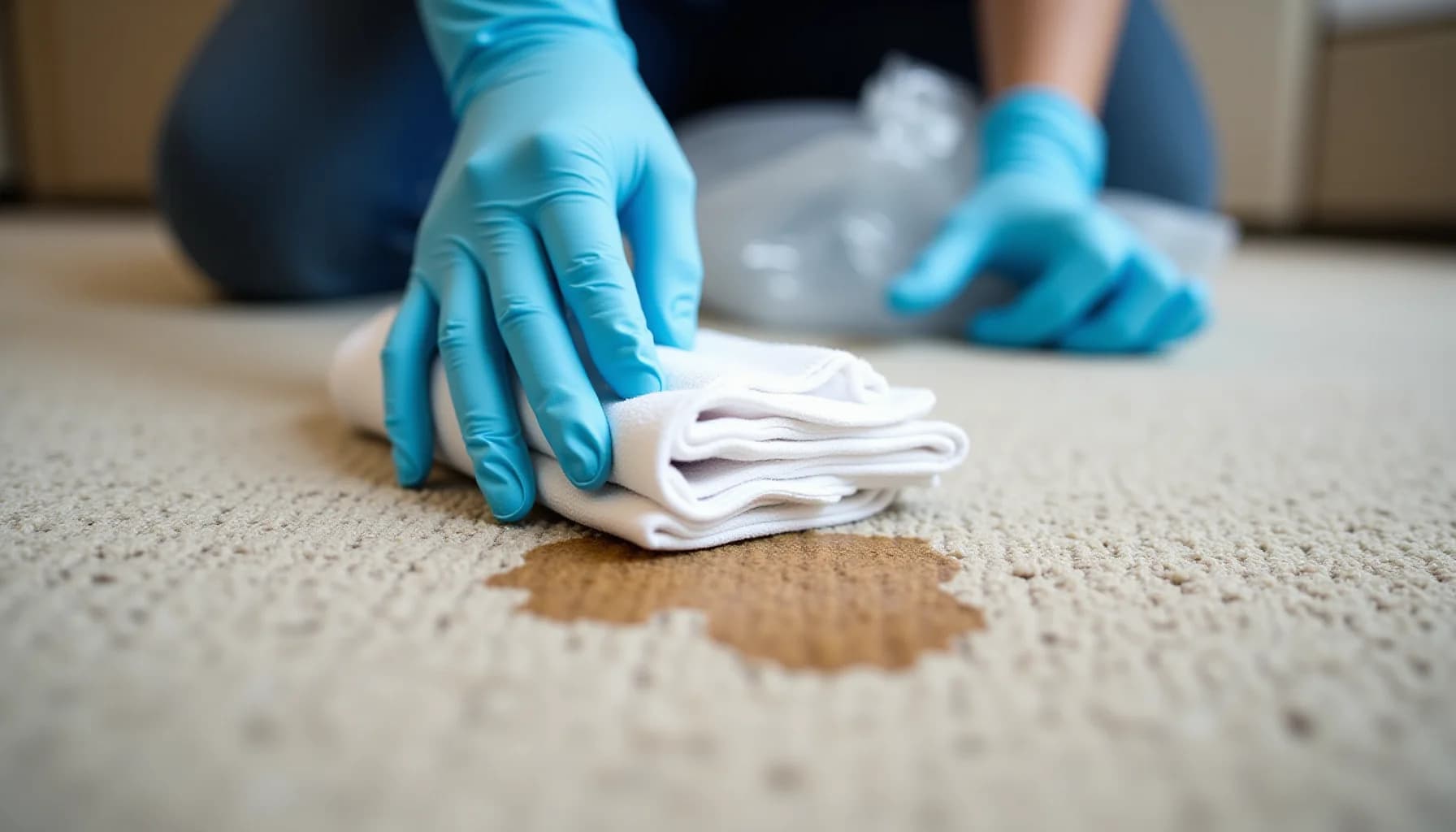
Press a clean, absorbent cloth gently onto the spill to lift moisture, and do not rub. If a stain remains after blotting, move on to deeper cleaning with the correct product for your code.
Clean with the right product for your code
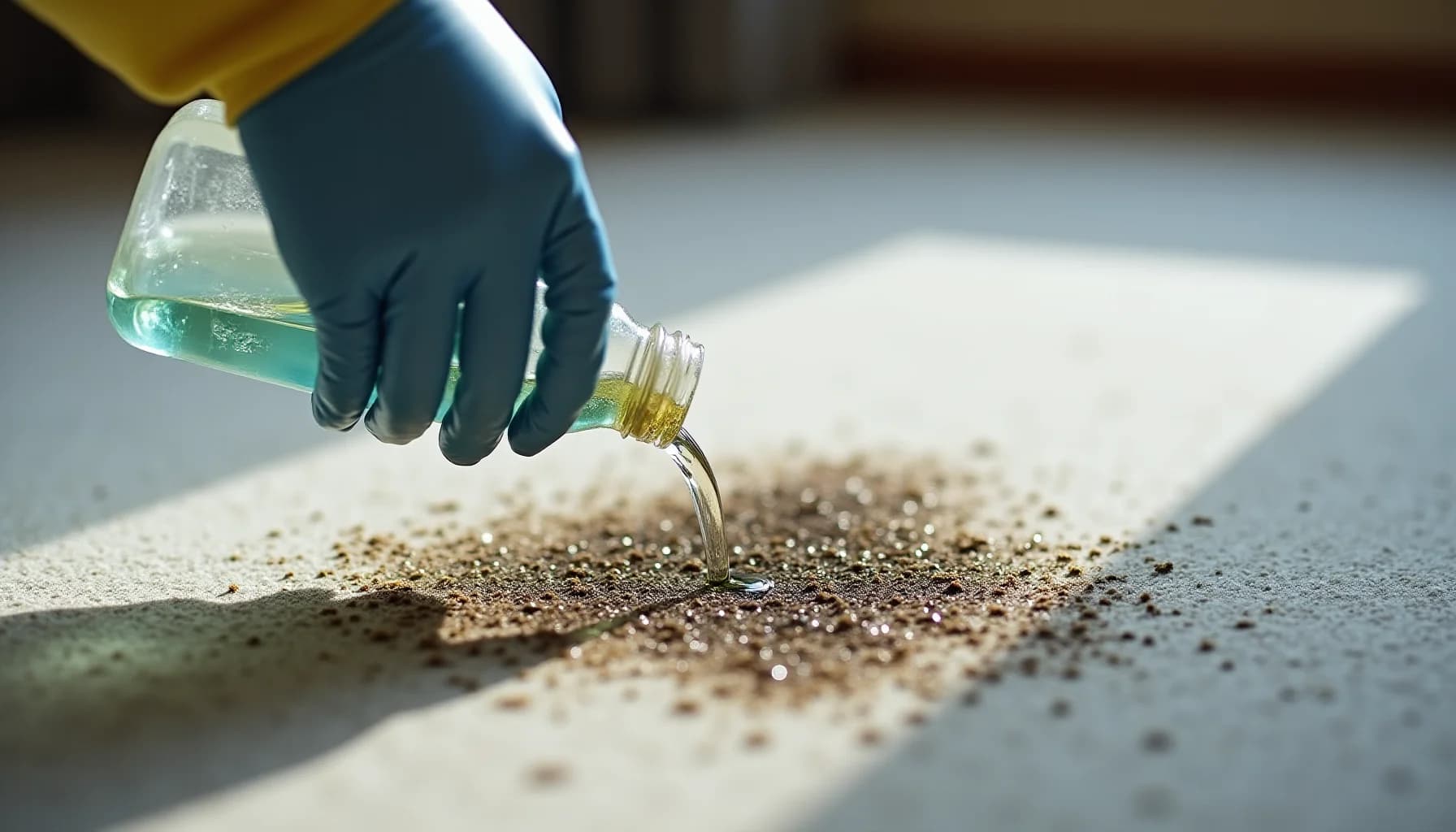
For W fabrics, use a small amount of mild detergent foam, a non-solvent upholstery spray, or a steam cleaner, but do not soak the fabric. For S fabrics, use a mild solvent in a well-ventilated room and keep all water away, since water can cause bleeding, shrinkage, or brown watermarks on natural fibers like wool, linen, and silk.
Call a professional when the situation calls for it
Hire a certified upholstery cleaner if the tag is missing, the stain is large or has already set, the fabric is delicate or high value, or you are dealing with strong odors or pet accidents. WS-coded pieces are also often best left to professionals.
What fabrics typically carry each cleaning code
The connection between fabric type and cleaning code is not arbitrary. Manufacturers assign codes based on how a fiber responds to moisture and solvents, so knowing the typical pairings helps you anticipate what you are dealing with before you even find the tag.
Code W fabrics are usually synthetic. Polyester, nylon, and other man-made fibers are the most common candidates here. These materials tolerate water well because they do not absorb it the way natural fibers do, which means they are less likely to shrink, bleed, or water-stain when you apply a foam cleaner or run an upholstery steam cleaner over them.
Code S fabrics skew toward natural fibers. Wool, linen, and silk are the classic examples. These materials are sensitive to moisture in ways that synthetics are not: water can cause the fibers to swell unevenly, leading to shrinkage, puckering, or the brown watermarks that are notoriously difficult to reverse. A mild, water-free solvent applied with gentle strokes, along with good ventilation while you work, is the appropriate approach. Because these fabrics are often expensive or delicate, mistakes tend to be costly.
Code X, the vacuum-only category, is most closely associated with velvet and fabrics engineered to replicate velvet's pile and nap. The dense, directional surface of these materials can mat, crush, or distort permanently if liquids or solvents are introduced, so any cleaning beyond dry vacuuming is off the table.
Code WS fabrics do not map as cleanly to a single fiber type, which is part of why that code exists. It signals a fabric with enough tolerance for both approaches that either can work depending on the stain, though the blended nature of many WS upholstery fabrics is precisely why professional cleaning is often the smarter call.
These patterns are tendencies, not rules. Always confirm with the actual tag rather than guessing from the fabric's appearance alone.
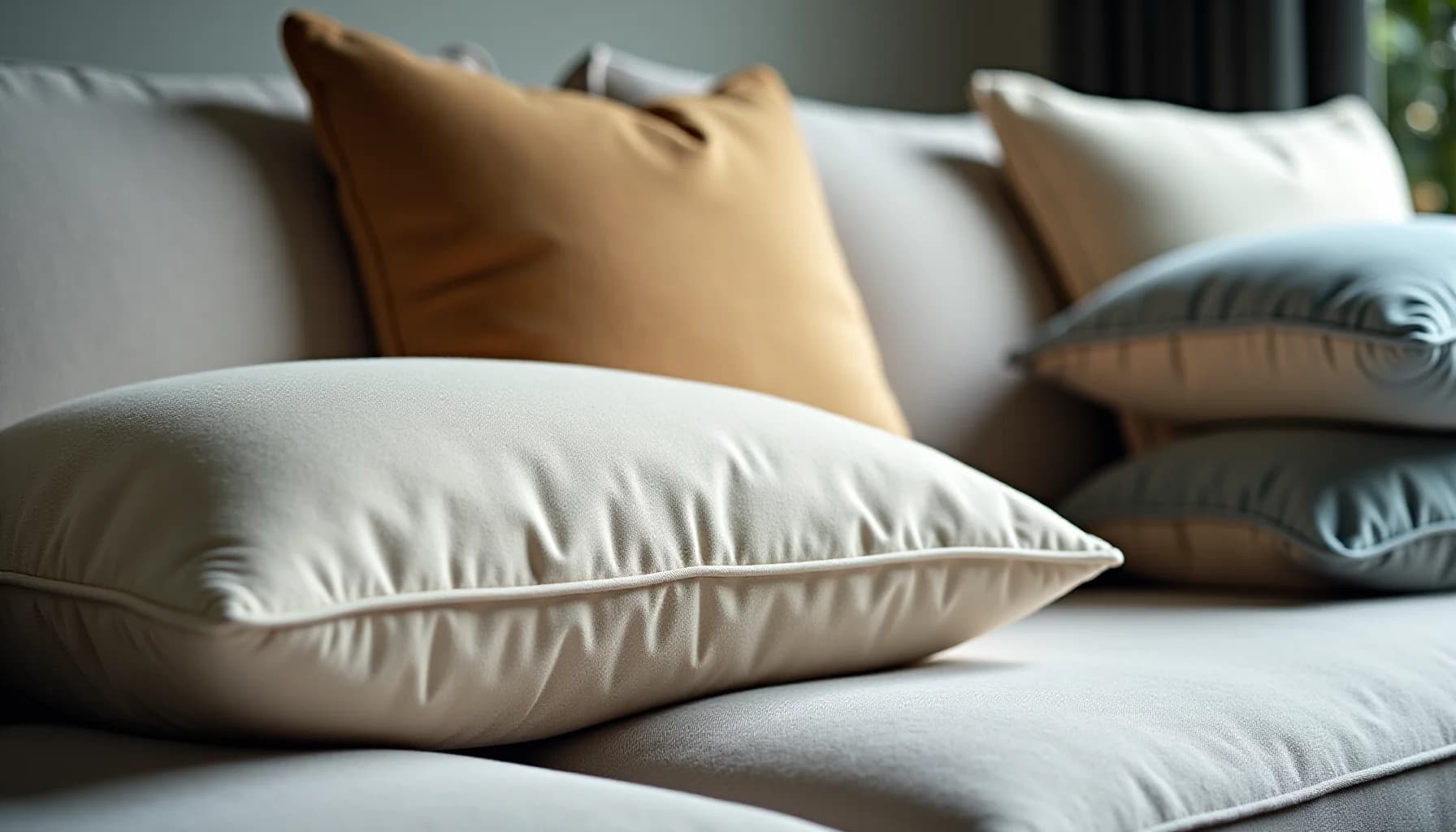
What does Code W actually mean for your sofa
Code W is probably the most misread label in upholstery care, and two mistakes come up so consistently that they are worth addressing directly.
The first is that W means machine washable. It does not. W stands for water-based cleaner, which is a meaningful but narrow distinction. It tells you that a water-based solution, such as a small amount of foam from mild dish detergent mixed with water, or a non-solvent upholstery product from the grocery store, is safe to use on the fabric. That is very different from pulling the cushion cover off and running it through a wash cycle. Machine washing can fade the fabric, cause it to shrink, and distort the shape of covers that were cut to fit snugly. The code says nothing about washability. It only tells you what cleaning agent chemistry is compatible with the fiber.
The second myth follows from the first: that W gives you permission to use water freely. Homeowners sometimes read the code, relax, and then over-wet the fabric while cleaning a stain. Even on a fully W-coded sofa, soaking the upholstery is a mistake. Excess moisture can soak into the cushion fill, create conditions for mildew growth inside the cushion, and leave tide marks on the fabric surface as it dries. The correct approach is to apply a small amount of cleaner, work it in gently, and blot rather than scrub or flood the area.
Code W fabrics are often man-made fibers such as polyester or nylon, which tolerate water-based cleaning well, but that tolerance has limits. The code defines the type of cleaner to reach for, not a license to treat the sofa like something that can be rinsed out.
| Cleaning Code | Cleaning Agent Allowed | Water Risk | Typical Fabrics |
|---|---|---|---|
| W | Water-based cleaners only | Safe; avoid soaking | Polyester, nylon |
| S | Solvent-based only | Causes bleeding, shrinking, watermarks | Linen, wool, silk |
| WS / SW | Water-based or solvent | Low; use care | Varies |
| X | Vacuum only — no liquids | Any liquid risks damage | Velvet and velvet-like fabrics |
How do you clean upholstery once you know its code?
Start by vacuuming the entire piece with the upholstery attachment, including underneath and between cushions. This removes loose grit that would otherwise grind into fibers the moment you apply any moisture or solvent. Skip this step and you are scrubbing dirt deeper into the fabric.
Next, find the cleaning code and test your chosen product on a hidden area, such as the back panel near the floor or the underside of a seat cushion. Wait five minutes and check for color bleed, shrinkage, or texture change before touching any visible surface.
Code W: Mix a small amount of mild dish soap with water and work up a light foam. Apply the foam only, not the liquid beneath it, to the stained area using a clean white cloth. Blot from the outer edge of the stain inward. Never scrub in circles, which spreads the stain and breaks down fibers. Never saturate the fabric. Soaking a W-coded piece can cause mold inside the cushion and leave a visible tidemark that is extremely difficult to remove.
Code S: Use a dry-cleaning solvent in a well-ventilated room. Inhaling concentrated solvent fumes in an enclosed space causes dizziness and, with prolonged exposure, more serious harm. Apply a small amount to a clean cloth and blot. Never apply water to S-coded upholstery. Water causes wool, linen, and silk to shrink, pucker, and leave a permanent brown watermark.
Code WS: Choose your method based on the stain type, but apply the same restraint as above for whichever you use.
Code X: Vacuum only. Any liquid, including water, risks permanent staining or pile distortion on velvet and similar fabrics.
Stop and call a professional if the stain covers a large area, if the fabric is vintage or high-value, or if pet accidents or deeply set stains remain after one careful attempt. A second amateur pass on a failing treatment almost always makes the damage permanent.
Frequently asked questions
Where do I find the cleaning code on my sofa?
Can I put a Code W cushion cover in the washing machine?
What happens if I use water on a Code S fabric?
My furniture tag just says X. Does that mean I can never clean it?
When should you call a professional upholstery cleaner?
Some cleaning jobs are straightforward to handle yourself, but knowing when to stop and pick up the phone saves you from turning a manageable problem into an expensive one.
Start with the label itself. If the cleaning code tag is missing entirely, do not guess. A professional can identify the fabric and choose the right method without risking irreversible damage.
The nature of the stain matters too. A fresh coffee spill on a W-coded microfiber is a reasonable DIY task. A pet accident that soaked through to the cushion fill, a set-in grease stain, or a large area of general grime are different situations. Those problems often require extraction equipment and commercial-grade products that go well beyond what a spray bottle and cloth can accomplish.
Pay attention to the fabric itself. S-coded upholstery, which is most often natural fiber, such as wool, silk, or linen, calls for mild solvents and good ventilation. If you are not confident handling solvents safely and correctly, a professional is the right call. The same applies to velvet or velvet-like fabrics that carry an X code: even a well-meaning attempt at cleaning can permanently crush the pile.
Finally, if the piece is expensive, vintage, or holds significant sentimental value, the cost of a professional clean is almost always less than the cost of replacing or reupholstering something you damaged trying to save money.
How this article was made
Researched and written with AI assistance. What gets published is a human editorial decision. Grounded in 8 cited sources.
Edited by Claire Mercier, Editor. The guides are written with AI assistance.
Sources (8)
- Clothes Captioning: Complying with the Care Labeling Rule | Federal Trade Commission
- How to read furniture cleaning codes - Plumbs
- How To Find Cleaning Code On Furniture
- Furniture Care Symbols | Luonto Furniture
- How To Read Upholstery Cleaning Codes (W S WS X): Step-by-Step Guide
- How to Identify Cleaning Codes on Furniture and Upholstery
- How To Read Upholstery Cleaning Codes | Apartment Therapy
- Making Sense of Upholstery Cleaning Codes