How to Clean Pee Out of a Mattress (and Kill the Odor for Good)
Part of Fabric & Carpet Care · article 12 of 14
On this page
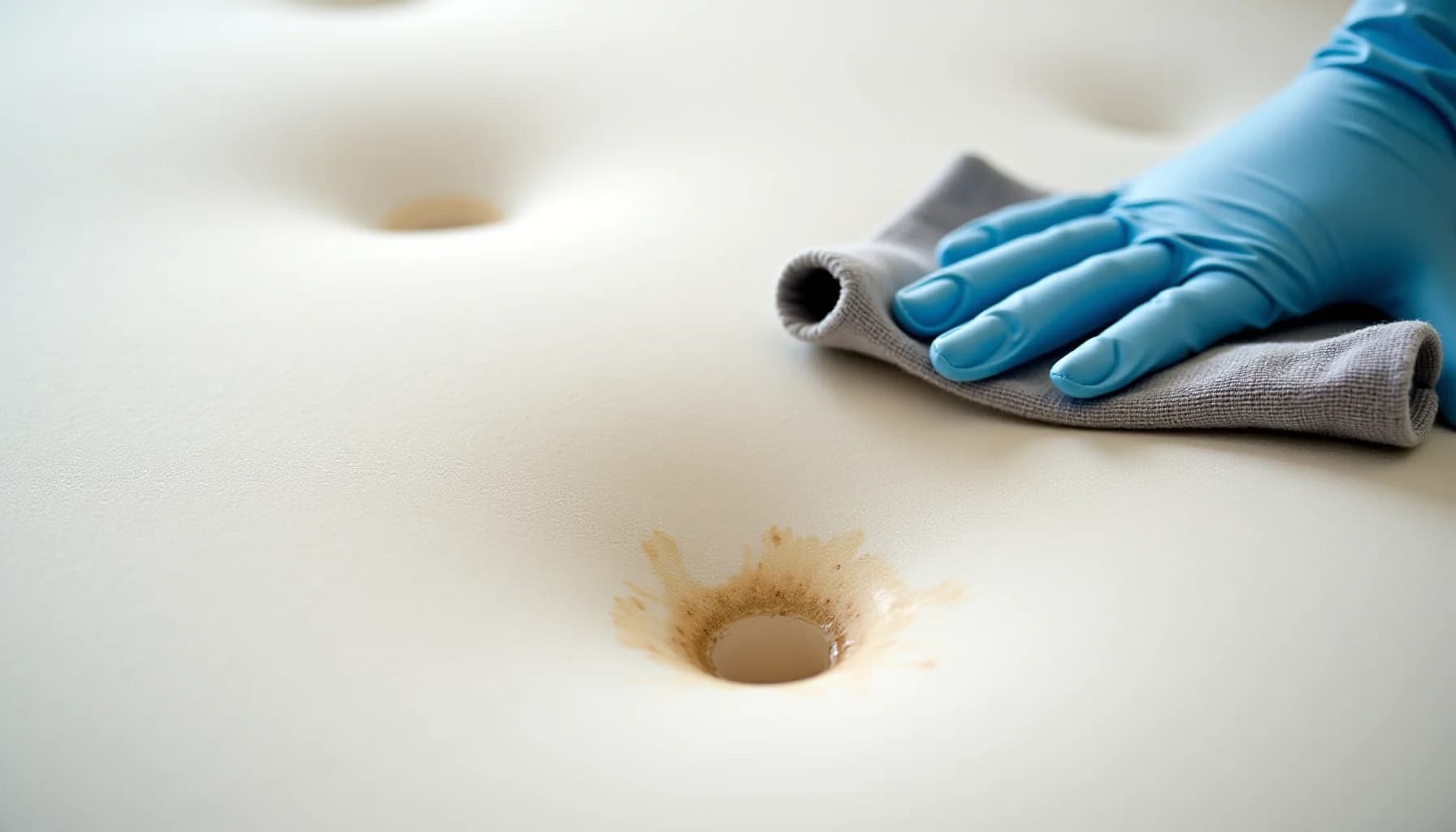
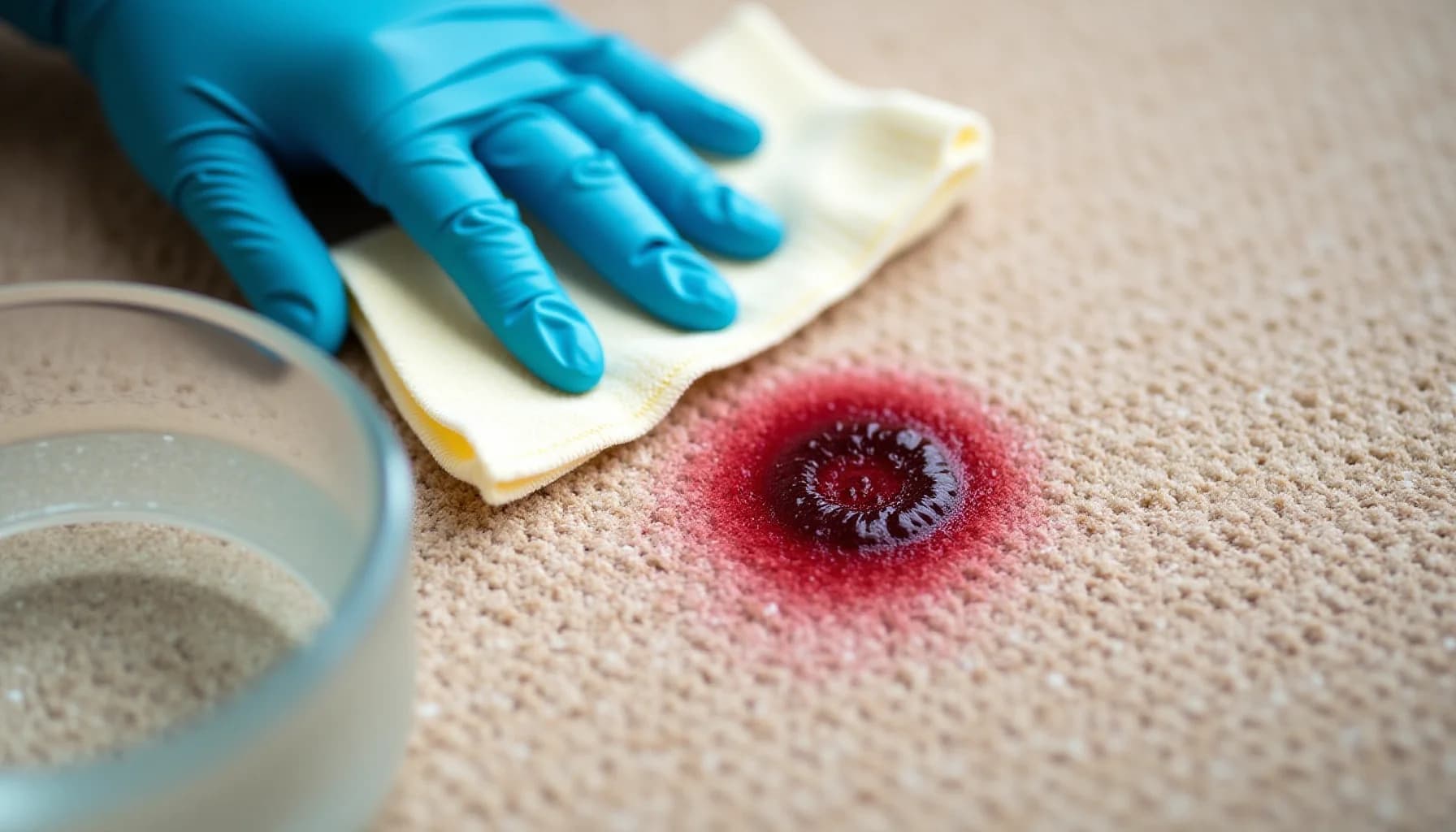
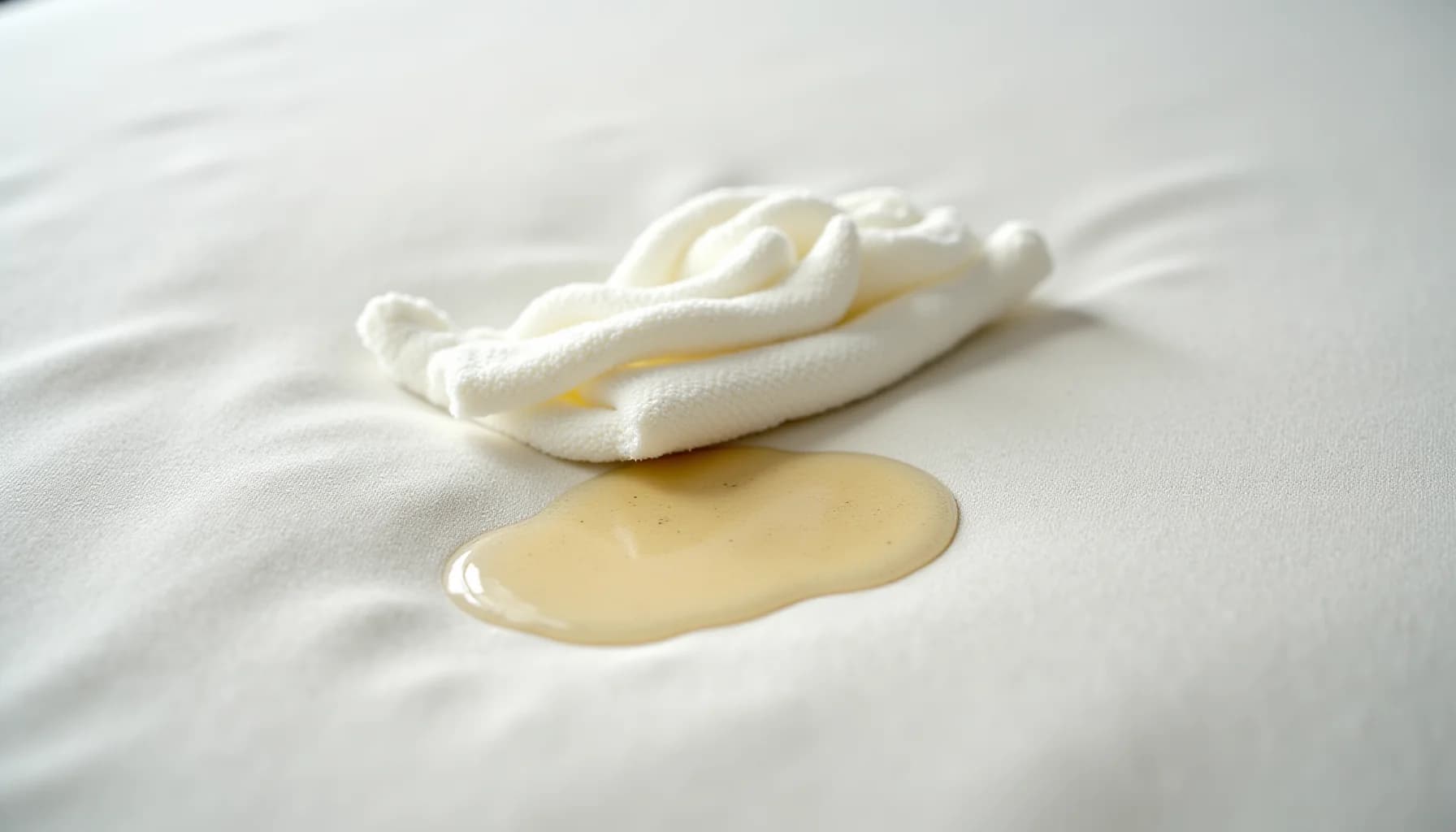
Blot the wet area with a dry towel, pressing down firmly rather than wiping, which only pushes urine deeper into the mattress. Strip your sheets immediately and get them into the wash. For a fresh stain, mix white vinegar and warm water in a 50/50 ratio, spray it over the soiled area, and let it sit for 10 to 15 minutes. Then cover the entire area with baking soda and leave it for 8 to 10 hours. For older, set-in stains, use an enzymatic cleaner. Apply enough product to match the depth the urine reached — spraying only the surface will not reach urine that has soaked into the foam. Avoid ammonia-based cleaners, bleach, and high heat, all of which make the problem worse or deactivate the biological ingredients in enzyme products. Once treated, let the mattress air dry fully; any remaining moisture will reactivate the odor and encourage mold growth.
What happens to a mattress if urine is left untreated?
Urine is mostly water when it first soaks in, but it doesn't stay that way. As the liquid evaporates, it leaves behind a concentrated residue of salts, urea, and uric acid crystals embedded in the foam or fibers. Those crystals are the real problem. They don't disappear on their own.
Uric acid salt is hygroscopic, meaning it actively pulls moisture from the surrounding air. In homes where night sweats are common, or in climates with high humidity, that salt keeps drawing in enough moisture to stay active. Once the affected area gets damp again, the odor compounds reactivate and the bacteria that feed on organic residue get a warm, wet environment to thrive in. That's when mold becomes a genuine risk, not just an unpleasant smell.
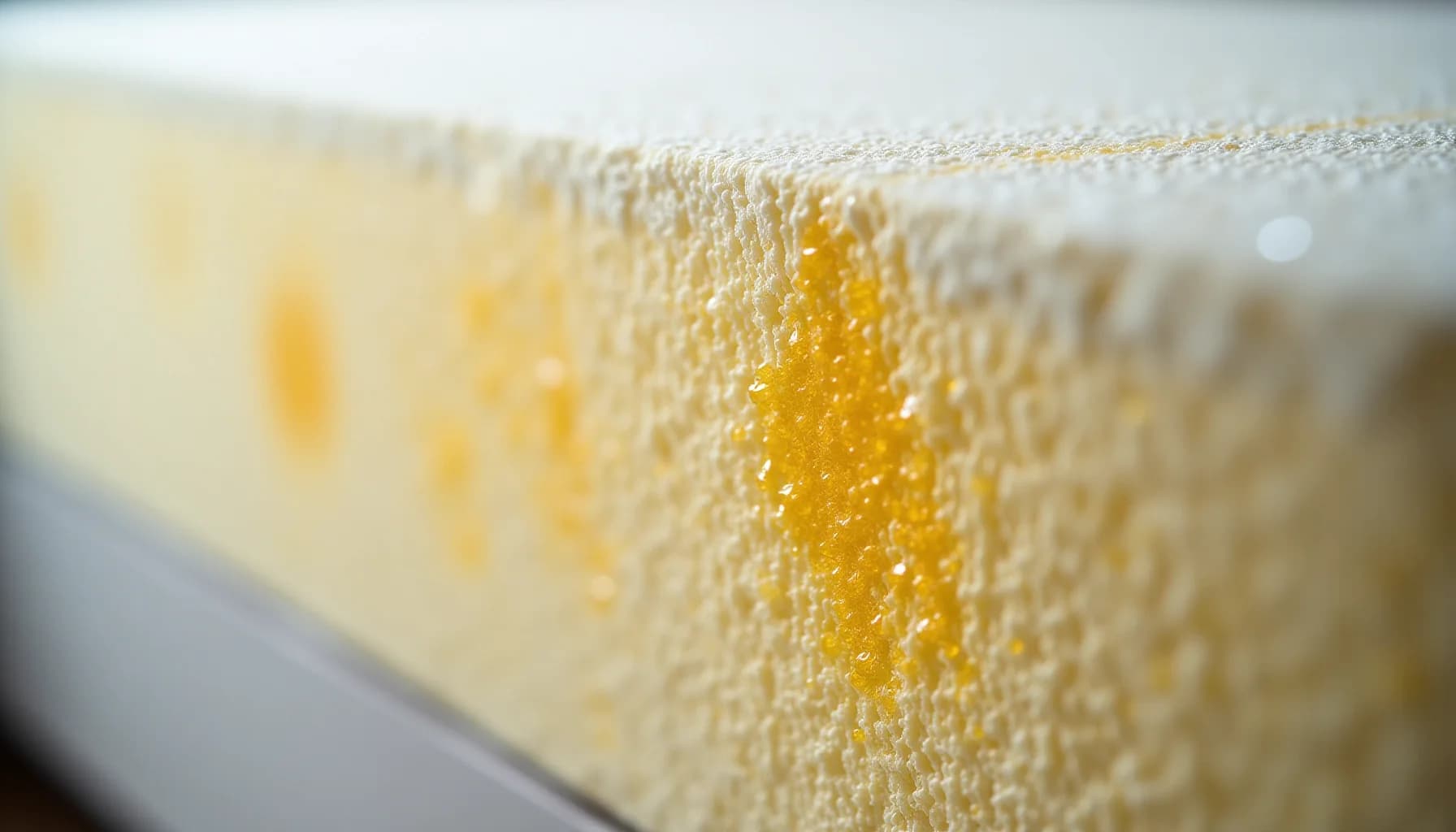
Memory foam and all-foam mattresses make this worse than other mattress types. They absorb liquid fast and hold onto moisture far longer than innerspring or hybrid models, giving bacteria more time to establish. A stain that goes unaddressed for even a few days can penetrate several inches into the foam core, well beyond the reach of surface-level cleaning.
Beyond the hygiene issue, repeated moisture cycles degrade foam and fiber over time. The structural integrity of the mattress, particularly its support layers, weakens as organic material breaks down inside it. What starts as a single accident, left untreated, can shorten a mattress's usable life significantly and create a persistent odor that no amount of airing out will fully resolve.
How do you clean a fresh urine stain with vinegar and baking soda?
Strip the bed and blot the stain immediately
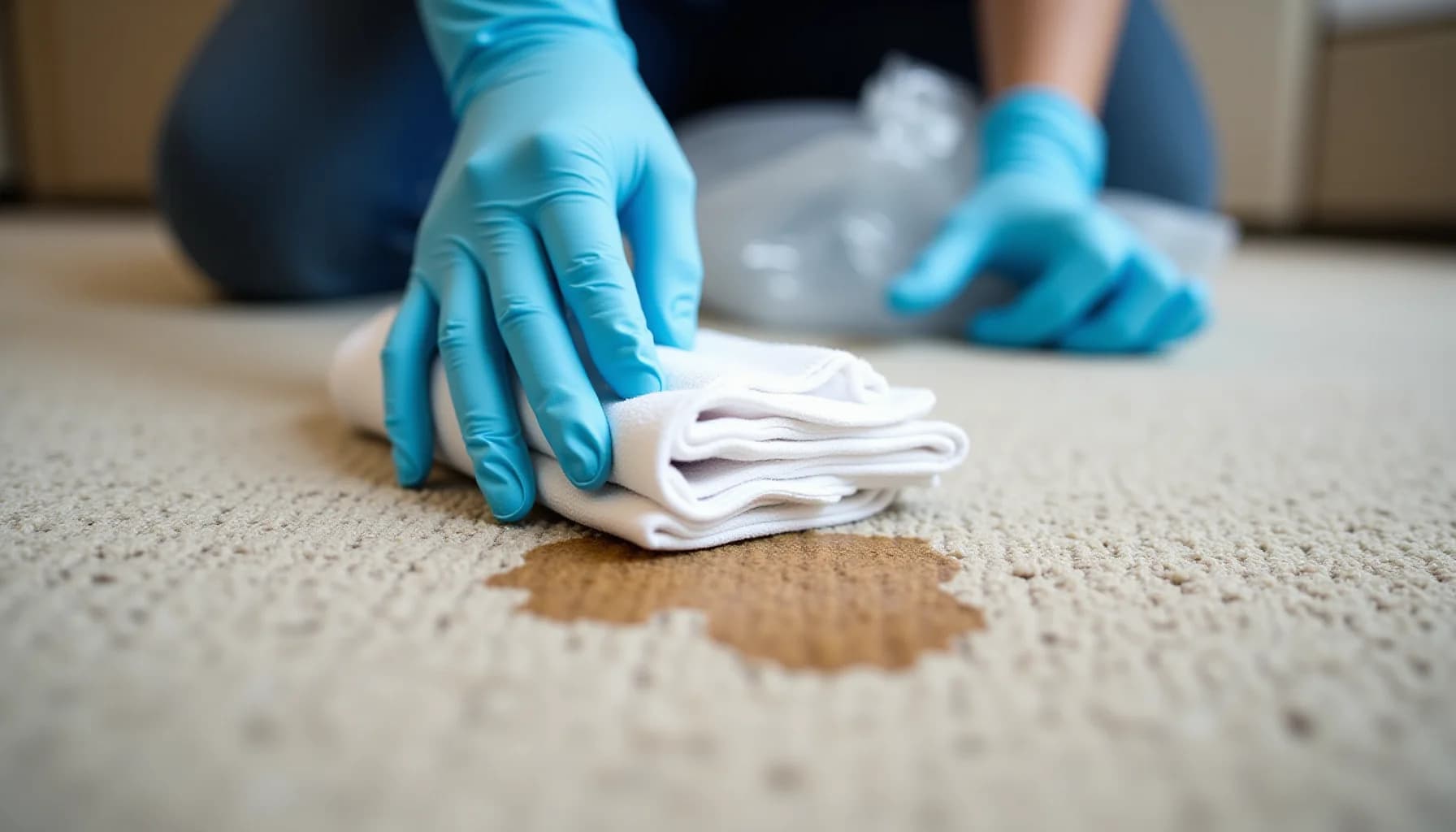
Pull off all sheets and bedding and put them straight in the wash. Press a dry towel firmly onto the wet spot repeatedly to soak up as much urine as possible, blotting only: wiping pushes the urine deeper into the mattress.
Apply a vinegar and water solution
Mix white vinegar and warm water in a 50/50 ratio in a spray bottle and saturate the stained area. Let the solution sit for 10 to 15 minutes, then blot the area dry with a clean towel before moving to the next step.
Cover the area with baking soda and leave it overnight
Pour a generous layer of baking soda over the entire soiled area and leave it for 8 to 10 hours. The baking soda absorbs residual moisture and neutralizes the alkaline ammonia compounds that form as urine breaks down.
Vacuum up the baking soda and assess the stain
After the wait time, vacuum the baking soda off the mattress completely. Check whether a stain or odor remains: if it does, the urine has likely set into the foam and needs enzymatic treatment rather than a repeat of the vinegar method.
Treat set-in stains or pet urine with an enzymatic cleaner
Spray enough enzymatic cleaner to match the depth the urine originally soaked to, since surface wetting will not reach uric acid crystals embedded in the foam. For pet accidents, use a cleaner formulated specifically for pet urine: vinegar-based solutions can trigger marking behavior in cats and dogs.
Dry the mattress thoroughly before remaking the bed
Stand the mattress on its side, open windows, or run a fan to circulate air: any moisture left inside will reactivate odors and create conditions for mold growth. Drying can take several hours to several days depending on the size of the stain and the humidity in the room.
Can you still clean a urine stain that has already dried?
Yes, and the process is straightforward once you accept that it will take more effort than a fresh accident. The urine has had time to dry, and what remains is not just a stain but a deposit of uric acid salts embedded in the foam or fibers. Standard household cleaners, including plain vinegar, cannot break those salts down. You need either a hydrogen peroxide solution or an enzymatic cleaner, and for most dried stains, an enzymatic cleaner is the more reliable choice.
For a set-in stain, start by mixing 8 oz. of hydrogen peroxide with 3 teaspoons of baking soda and 2 to 3 drops of dish soap in a spray bottle. Apply it directly to the stained area, let it sit long enough to penetrate, then blot it up with a clean towel. Hydrogen peroxide acts as a mild bleaching agent, which helps lift the discoloration that dried urine tends to leave behind. This method works reasonably well on surface-level staining but has limits if the urine has soaked deep into the mattress core.
That is where enzymatic cleaners earn their reputation. These products contain biological enzymes that break down the proteins, fats, and carbohydrates holding the stain together at a molecular level, something no detergent or acidic spray can do. The single most common mistake people make with enzyme cleaners is under-applying them. The cleaner needs to reach as deep into the mattress as the urine did. If the original accident soaked several inches into the foam, a light misting of the surface will not reach it. Saturate the area proportionally.
After applying an enzymatic cleaner, allow it to sit and work before blotting. Plan for two full treatment cycles, which takes roughly 4 to 5 days in total. If noticeable odor persists after that, the urine has almost certainly penetrated beyond what home treatment can fully address, and professional cleaning or mattress replacement becomes worth considering.
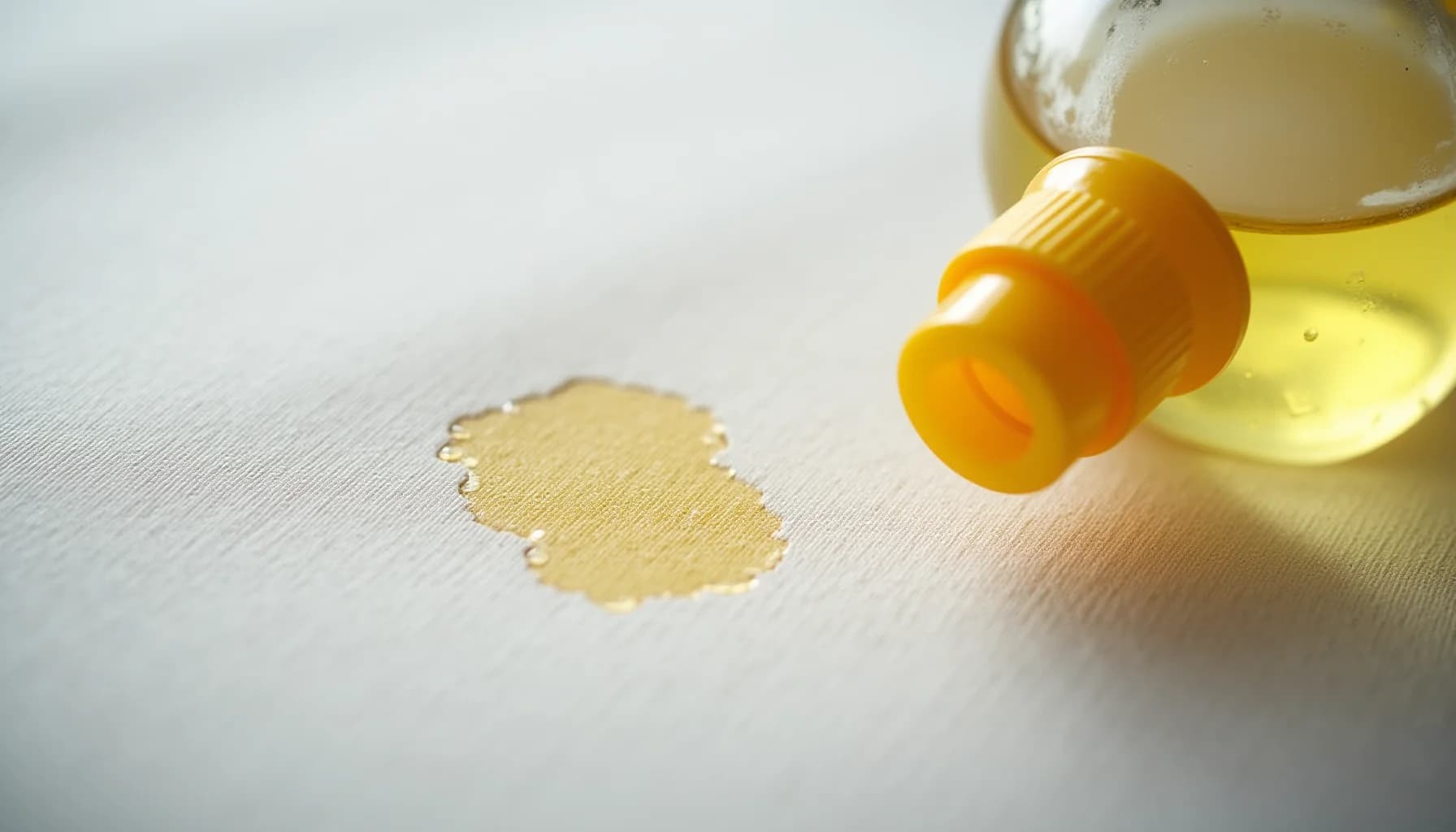
Why Does Pet Urine Smell Worse and Need Different Treatment?
Dog and cat urine contains the same basic components as human urine, but the concentrations are significantly higher. The ammonia compounds are stronger, and the odor they produce is sharper and harder to shift with household staples like white vinegar and baking soda.
There is also a practical problem with using a vinegar-based solution on a pet accident: the strong scent of distilled white vinegar can trigger marking behavior in dogs and cats. If your pet can detect the vinegar, they may return to the same spot and urinate again, compounding the problem before you have had a chance to fully resolve the first one. This alone makes homemade vinegar solutions a poor choice for pet accidents, regardless of their limited effectiveness against uric acid crystals.
The better approach is an enzymatic cleaner formulated specifically for pet urine. These products contain biological compounds that break down the proteins, fats, and carbohydrates holding the urine's molecular structure together, rather than simply masking the smell at the surface. Because the odor compounds in pet urine are more concentrated than in human urine, you need that molecular breakdown to actually happen, not just a temporary suppression of the smell.
One detail that is easy to overlook: the amount of enzymatic cleaner you apply matters as much as the product itself. If your pet's accident soaked several inches into the mattress, a light surface spray will not reach it. You need to use a volume of cleaner roughly equivalent to the volume of urine that originally went in, pressing it down so it penetrates to the same depth. Skipping this step is the most common reason pet urine odor comes back after treatment.
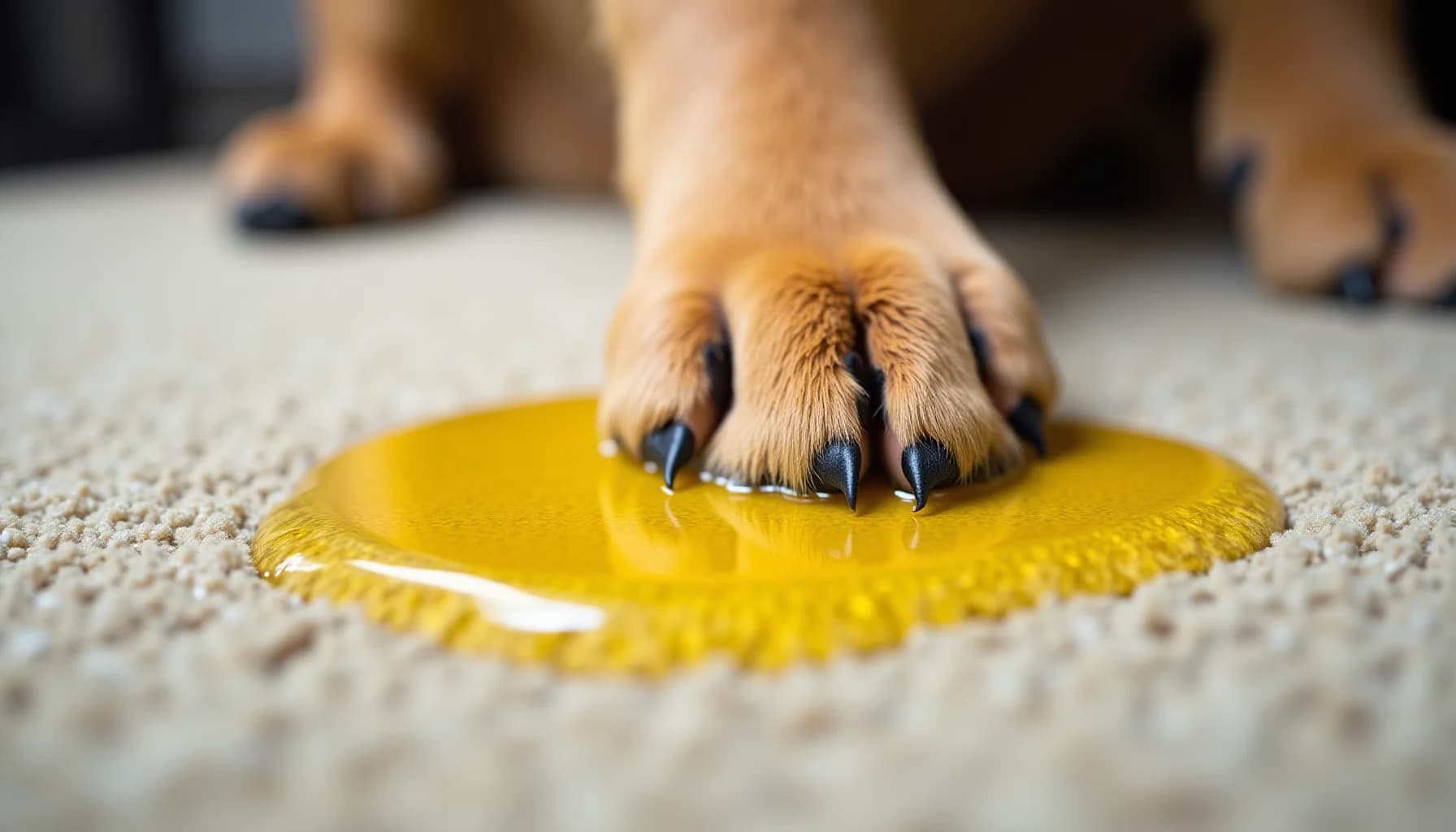
Does your mattress type change how you should clean a urine stain?
Yes, mattress type changes everything here, and ignoring the difference is how people permanently ruin a bed they could have saved.
Memory foam is the most unforgiving material. It absorbs liquid fast and holds moisture deep inside the foam cells for days. That combination means two things: you have almost no window before urine reaches the core, and drying takes far longer than most people expect. Never press hard when blotting a memory foam mattress, and never saturate it with cleaning solution. Flooding the surface pushes liquid deeper, exactly where you cannot reach it. If urine has penetrated the core of an all-foam mattress after two full enzyme treatments over four to five days and odor persists, the contamination is past the point of home remedies. Stop treating and replace the mattress.
Hybrid mattresses carry a specific risk most people overlook: the metal coils inside can rust if moisture reaches them. Blot conservatively, apply minimal liquid, and make sure the mattress dries completely before putting sheets back on.
Latex mattresses cannot be placed in direct sunlight to speed drying. Prolonged UV exposure degrades latex permanently, causing it to crumble and break down inside the cover.
Drying conditions matter as much as the cleaning method itself. High humidity slows drying dramatically and keeps the affected area damp long enough for mold to establish. In humid climates or during rainy seasons, run a dehumidifier in the room and position a fan directly over the stain. A mattress that feels dry on the surface may still hold moisture an inch or two below, so allow more time than seems necessary before declaring the job done.
Frequently asked questions
Does vinegar actually remove urine odor permanently?
How long does it take for a mattress to stop smelling after cleaning?
Can you clean a urine stain that has already dried and set in?
Why should you use an enzymatic cleaner instead of regular detergent?
What mistakes and myths make urine stains worse
Several common mistakes turn a manageable accident into a permanent problem. The most damaging one is wiping instead of blotting. Wiping spreads the urine laterally and pushes it deeper into the foam or fibers. Press a dry towel firmly into the spot and lift straight up, repeatedly, until you have absorbed as much liquid as possible.
Using ammonia-based cleaners is another serious error. Urine already produces ammonia compounds as it breaks down, so adding more of the same chemical intensifies the odor rather than removing it. Bleach is equally problematic: it is too harsh for mattress materials and does nothing to address the organic compounds driving the smell.
A few myths are worth putting to rest. Vinegar is widely recommended as a complete solution, but it only counteracts the alkaline ammonia compounds temporarily. It does not break down uric acid crystals, which means the odor will return when moisture reactivates them. Similarly, adding essential oils to your baking soda gives the mattress a pleasant scent for a day or two, but the oil itself has no effect on odor compounds whatsoever.
One overlooked mistake is applying enzyme cleaner too lightly. If the urine has soaked several inches into the mattress, a light surface mist will not reach it. Match the volume of cleaner to the original volume of urine. Skimping on product is one of the main reasons treatments appear to fail.
How this article was made
Researched and written with AI assistance. What gets published is a human editorial decision. Grounded in 8 cited sources.
Edited by Claire Mercier, Editor. The guides are written with AI assistance.
Sources (8)
- How to Get Urine Smell and Stains Out of a Mattress: Step-by-Step
- How To Clean A Mattress After Bedwetting | Goodnites® US
- How to Get Pee Out of a Mattress: 6 Easy Steps | Casper Blog
- How to Get Pee Out of a Mattress | 6 Simple Cleaning Steps
- How to Get Urine Out of a Mattress – Nectar
- How to clean and dry a mattress after bedwetting
- How to clean urine from a mattress — 7 pro tips for removing stains and smells
- How to Remove Urine Stains and Smell From a Mattress - Amerisleep