Which Cleaners Are Safe on Stainless Steel (And Which Wreck It)
Part of Kitchen Sinks & Steel · article 2 of 3
On this page
| Cleaner | Safe for Stainless Steel? | Why It Matters |
|---|---|---|
| Microfiber cloth + water | Yes | Removes smudges without scratching or attacking the passive layer |
| pH-neutral spray (e.g., Weiman, Therapy) | Yes | Preserves chromium oxide layer; no corrosive ions introduced |
| Bleach (any dilution) | No | Chloride ions cause pitting corrosion even at 50 ppm; no safe dilution exists |
| Ammonia-based cleaners | No | Corrodes the finish and promotes rust over time |
| Vinegar (undiluted) | No | Acetic acid etches polished surfaces within 2 minutes |
| Abrasive powders / steel wool | No | Physically scratches surface, destroying grain and finish |
The table above sorts common cleaners into three bands: safe, situational, and damaging. To read it correctly, focus on two columns: the chemical mechanism and the contact threshold.
The single test that separates pH-neutral sprays from diluted vinegar is whether the formula contains acetic acid, because even a 5% acetic acid solution etches a polished stainless surface within two minutes, while a true pH-neutral cleaner leaves the chromium oxide passive layer intact.
The single test that separates bleach at any dilution from quaternary ammonium compounds is the presence of chloride ions: bleach introduces chlorides that initiate pitting corrosion at concentrations as low as 50 ppm, whereas properly formulated quaternary ammonium compounds carry no chloride load.
For cleaners that touch multiple appliance types in your kitchen, which cleaners are safe for each appliance surface extends this logic across materials beyond stainless steel.
What actually protects stainless steel from rust and corrosion?
- Passive layer
- A thin, invisible film of chromium oxide that forms on the surface of stainless steel and shields the metal's iron content from corrosion. Harsh chemicals such as bleach and acids break down this layer, leaving the steel vulnerable to pitting and rust.
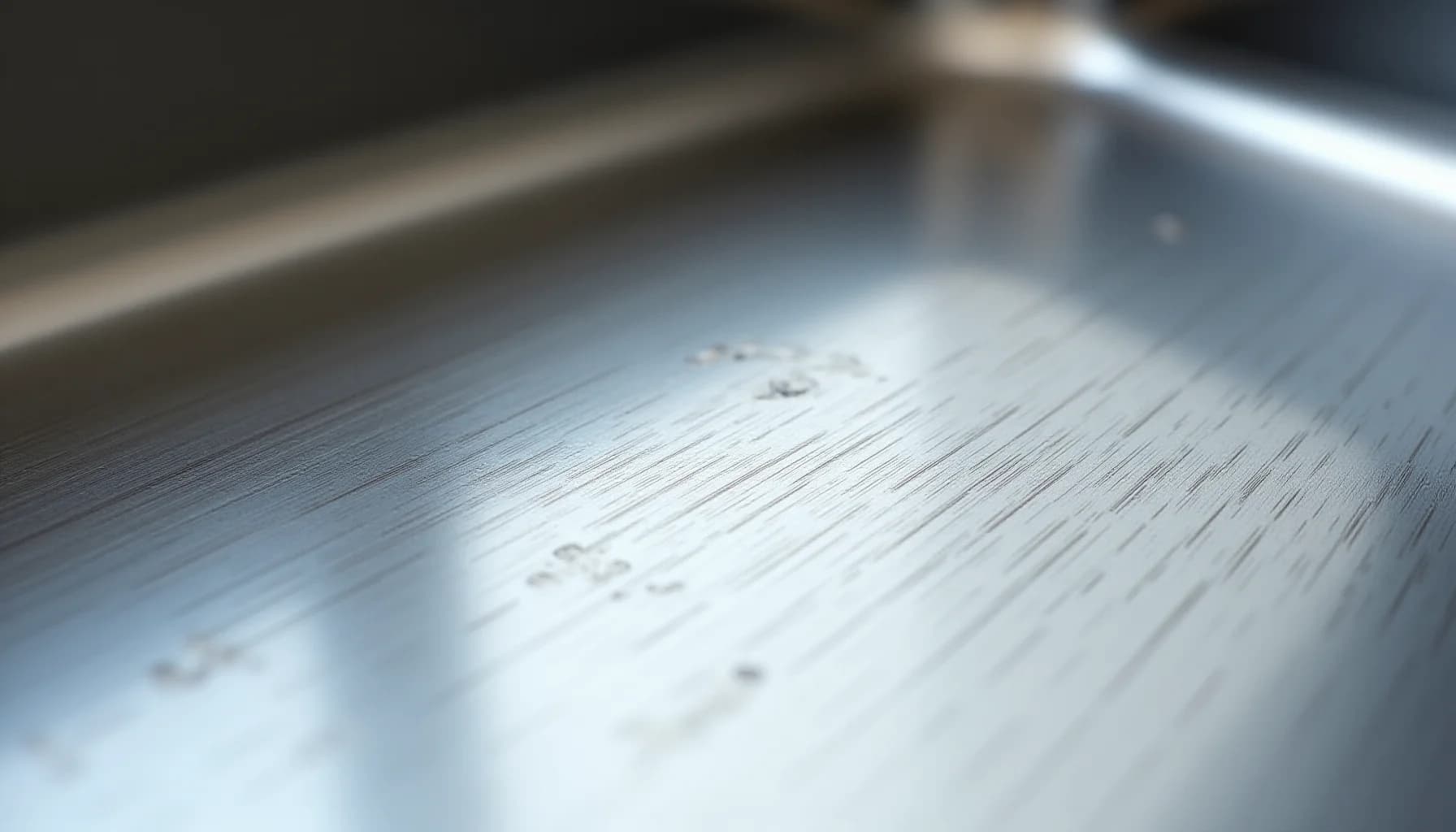
Stainless steel gets its corrosion resistance from a chemical reaction that happens automatically at the surface. When chromium (present in all stainless steel at a minimum of around 10.5% by weight) is exposed to oxygen in the air, the two react to form chromium oxide. That compound settles into an extremely thin, invisible layer across the entire surface of the metal. This is called the passive layer.
The passive layer acts as a barrier between the iron content inside the steel and the surrounding environment. Iron on its own rusts readily when exposed to moisture, acids, or oxygen. The chromium oxide layer prevents that contact from happening. As long as the layer remains intact, the iron stays protected.
The critical point about this layer is that it is self-repairing under normal conditions. If it is lightly disturbed, oxygen from the air will re-form it within a short time. That self-repair ability is exactly what certain cleaning chemicals destroy. Sodium hypochlorite (bleach), acetic acid (vinegar), free chloride ions from chlorine-based products, and strong alkaline compounds can all attack the chromium oxide in different ways. Some strip it chemically, others introduce ions that undermine it at a microscopic level. Once the layer is compromised and the underlying iron is exposed, rust and pitting can begin, and the passive layer cannot always recover on its own.
This is why cleaner chemistry is not an aesthetic concern but a structural one. The surface-specific guidance on which cleaners are safe for each appliance surface follows directly from what a given product does to this layer.
What household cleaners actually damage stainless steel?
The most common household cleaners are also some of the most destructive things you can put on stainless steel, and the damage often happens faster than you'd expect.
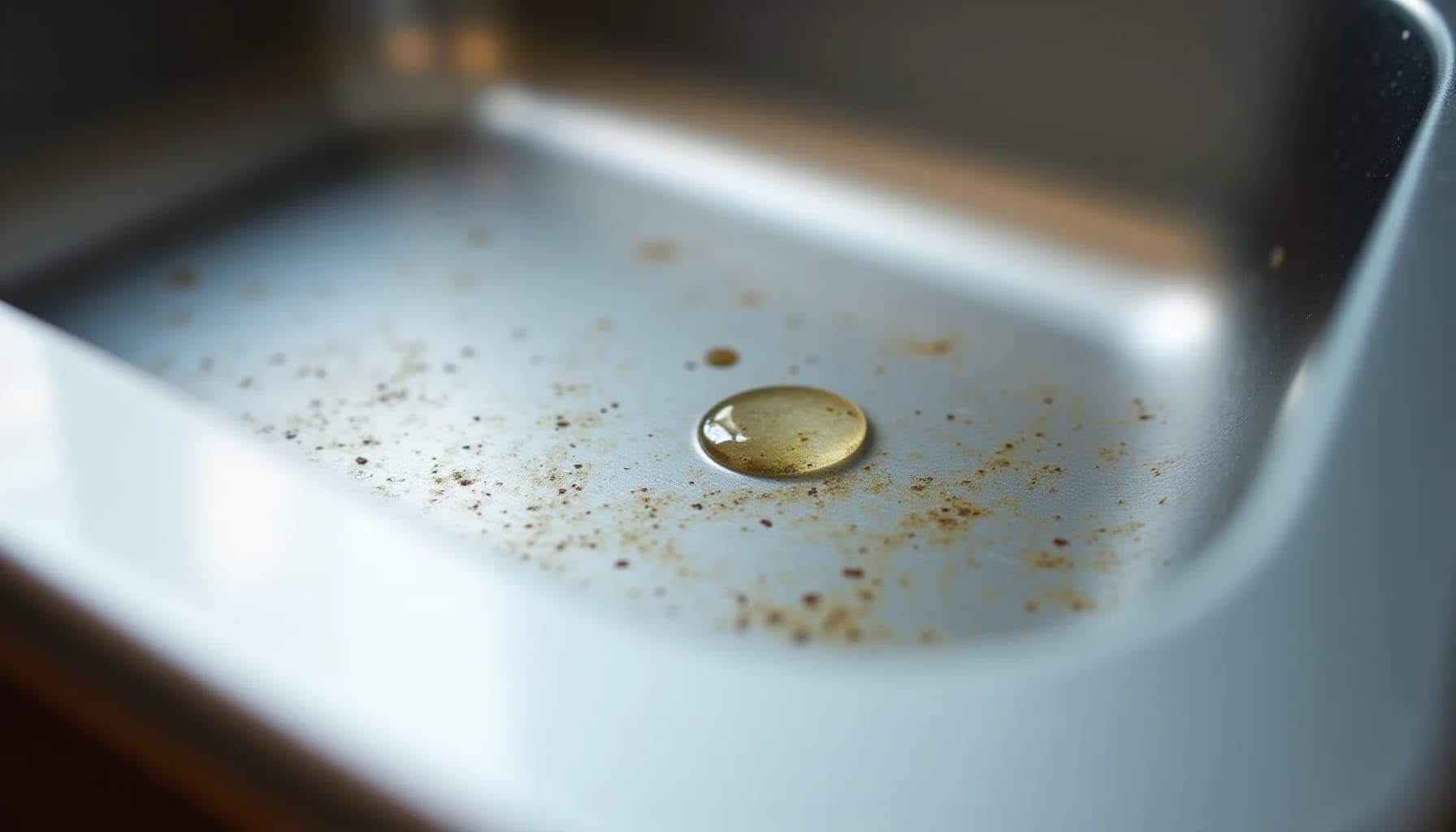
Bleach is the biggest offender. The sodium hypochlorite it contains reacts with carbon dioxide to produce chlorine gas, which attacks the chromium oxide passive layer that gives stainless steel its corrosion resistance. Once that layer is compromised, chloride ions penetrate the surface and initiate pitting, a form of localized corrosion that creates tiny craters invisible at first but increasingly ugly over time. This isn't a problem of concentration: laboratory testing showed measurable corrosion on stainless steel after eight weeks of exposure to bleach diluted at both 1:10 and 1:50 ratios. Even a brief splash left to sit can leave permanent blotches and dull spots.
Ammonia-based cleaners, including many standard glass cleaners, corrode the finish through sustained alkaline attack and can eventually introduce rust where the surface has been weakened.
Acid-based cleaners and undiluted citric acid strip the passive layer directly. Vinegar's acetic acid, at concentrations of 5% or more, can etch a polished stainless steel surface within two minutes of contact. That speed matters: what looks like a harmless wipe-down can leave a permanently dulled patch before the cloth is even rinsed.
Oven and grill cleaners are formulated to dissolve heavy grease and carbonized residue, and that chemical aggression does not distinguish between burned-on food and a stainless steel finish. The same applies to abrasive powders such as baking soda paste, which create alkaline microenvironments that accelerate intergranular attack, particularly along welded seams where the steel's structure is already stressed.
Steel wool and stiff-bristled brushes cause a different category of harm: physical scratches that cut through the passive layer and expose bare iron to moisture and air, creating the conditions for surface rust even on grades of stainless steel that would otherwise resist it.
What cleaners and tools are actually safe for stainless steel surfaces?
Still unsure?
- Check the cleaner's ingredients for bleach (sodium hypochlorite), ammonia, chlorine compounds, or acetic acid (vinegar) — any of these can attack the protective chromium oxide layer and cause pitting, discoloration, or rust
- Check that your cloth is clean and unused since that cleaning session — microfiber and soft cotton cloths can trap microscopic dust and grit that scratch the finish when rubbed across the surface
- Check that you are spraying the cleaner onto the cloth, not directly onto the surface, then wipe with the grain and dry immediately to prevent moisture damage
- If discoloration, dull spots, or rust pitting are already present and do not respond to a pH-neutral stainless steel cleaner, stop scrubbing and consult a professional — deep corrosion damage may require panel replacement that DIY buffing can worsen
Can you trust "natural" or "eco-friendly" labels on stainless steel cleaners?
"Natural" and "eco-friendly" are marketing terms, not safety certifications. A product can carry both labels and still contain ingredients that destroy stainless steel's protective chromium oxide layer. Vinegar is a common example: it appears on countless "green cleaning" lists, yet its acetic acid etches polished stainless steel surfaces within two minutes. Undiluted citric acid and abrasive powders like baking soda paste appear regularly on natural-cleaning blogs but carry real risk to the passive layer, particularly at welded seams where the steel is already more vulnerable.
The bleach myth deserves special mention. Many homeowners assume a heavy dilution makes bleach acceptable, but laboratory data shows corrosion occurring at both 1:10 and 1:50 dilutions after eight weeks of exposure. Chloride ions, which bleach introduces, initiate localized pitting at concentrations as low as 50 ppm. No dilution ratio changes this chemistry.
The practical takeaway: ignore the front of the label and read the ingredient list. If you see sodium hypochlorite, ammonia, acetic acid, or citric acid listed, the product is not safe for stainless steel regardless of what the packaging claims. For surfaces that span multiple materials, which cleaners are safe for each appliance surface offers a broader breakdown by surface type. When in doubt, check your appliance manufacturer's care guide, as it supersedes any generalized advice.
How this article was made
Researched and written with AI assistance. What gets published is a human editorial decision. Grounded in 8 cited sources.
Edited by Claire Mercier, Editor. The guides are written with AI assistance.
Sources (8)
- 7 Best Stainless-Steel Appliance Cleaners of 2026, Tested and Reviewed
- Best Non-Toxic Stainless Steel Cleaners for a Safe, Streak-Free Shine – Evac Compass
- CleanBoss Perfect Polish Stainless Steel Cleaner
- The best way to clean stainless steel appliances, according to cleaning experts
- How to Remove Scratches From Stainless Steel Appliances | HowStuffWorks
- How to Remove Scratches and Polish Stainless Steel | Family Handyman
- Products to Remove Scratches From Stainless Steel - Ruvati USA
- 6 Ways You’re Ruining Your Stainless Steel Without Realizing It - AOL