Why You Must Cut Power Before Cleaning an AC Unit First
Part of Air & HVAC · article 4 of 12
On this page
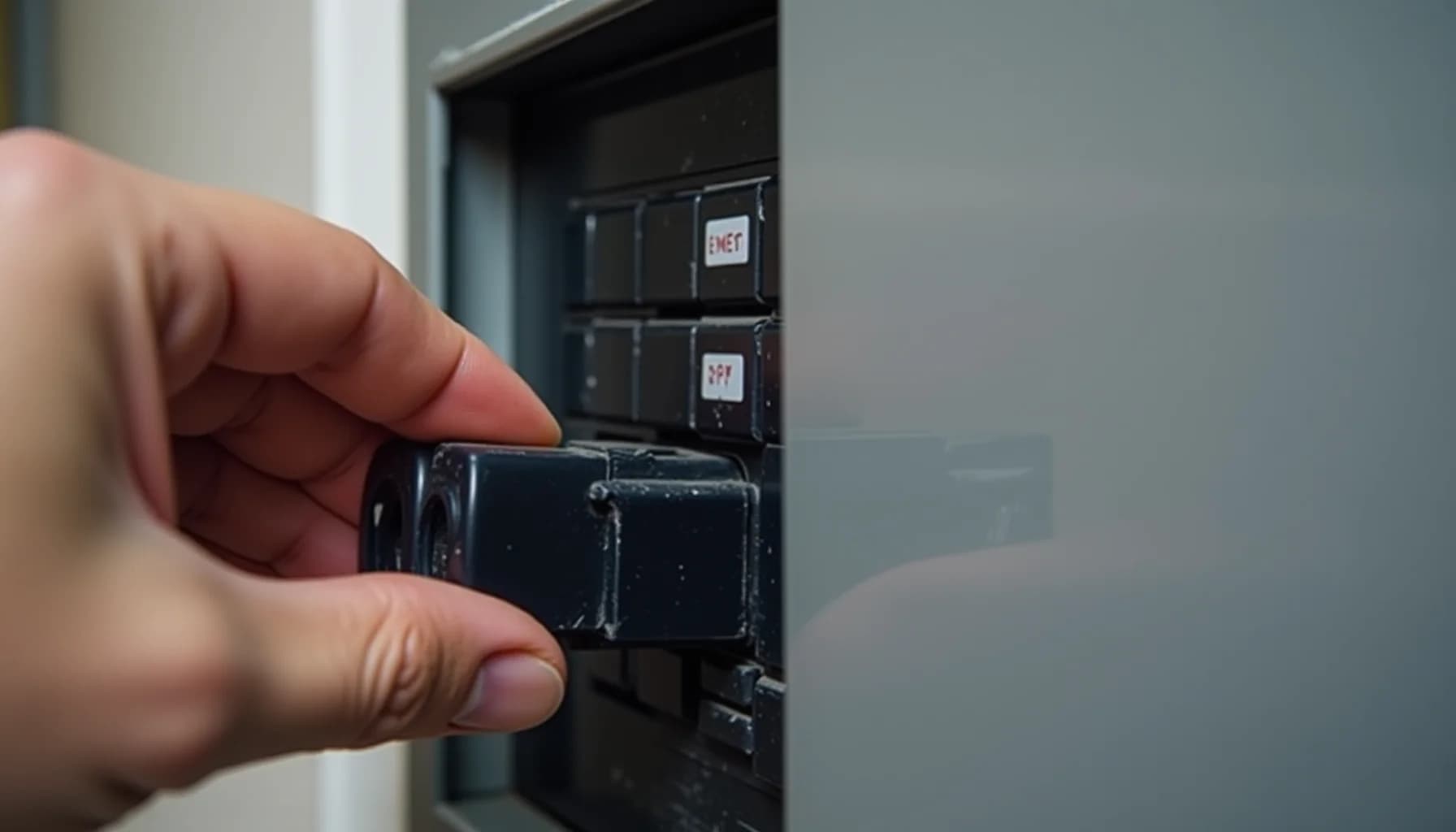
Cutting power at the circuit breaker or the outdoor disconnect switch is the only safe way to de-energize an AC unit before cleaning it. Turning off the thermostat does not cut power; it only tells the system to pause, while every electrical component inside the unit stays fully live. That distinction matters because touching internal parts or spraying water near energized components can cause serious electric shock.
There is a second hazard that persists even after the breaker is off: capacitors inside the unit store electrical charge and can hold up to 600 volts even when the system is disconnected from the grid. If the unit's internal bleed resistors are functioning, that charge typically dissipates within about three minutes, but homeowners should wait at least five full minutes as a safety margin. Without a proper discharge path, that stored charge can linger indefinitely.
Between 1995 and 2003, the Electrical Safety Foundation International documented an average of 11.5 electrocution deaths per year involving air conditioners. A separate but equally real risk is mechanical: a family member could restore power while you are working on the outdoor unit, spinning up the condenser fan and causing serious injury. Flip the breaker, switch off the outdoor disconnect, and wait five minutes before touching anything inside the unit.
Does turning off the thermostat actually cut power to your AC unit?
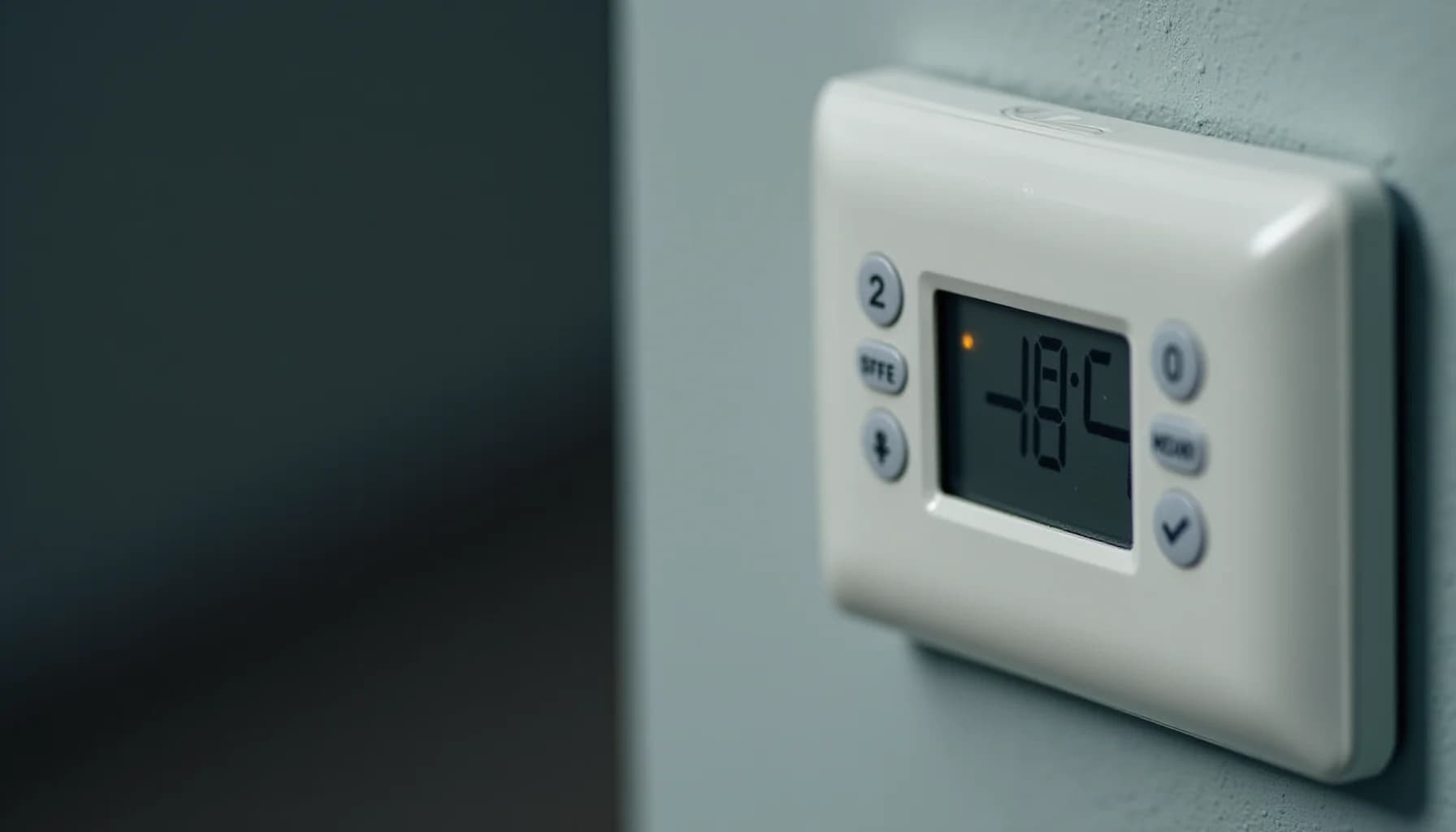
No, the thermostat does not cut power to your AC unit. It is a control signal device, roughly equivalent to a dimmer switch telling a lamp what to do, not the switch that controls current at the wall. When you push the thermostat to "off," you are sending an instruction to pause the compressor and fan cycles. The electrical supply to the unit itself stays live. The contactors, control boards, and capacitors inside the outdoor condenser remain energized and ready to respond the moment a call for cooling comes through.
The only way to actually de-energize an outdoor AC unit is to cut supply at one of two points: the circuit breaker in your main panel that feeds the condenser circuit, or the outdoor disconnect switch, which is typically a gray or beige weatherproof box mounted on the exterior wall within a few feet of the outdoor unit. Most disconnects use a pull-out cartridge fuse block or a handle that you flip or slide out. Either method physically interrupts the electrical supply at the source.
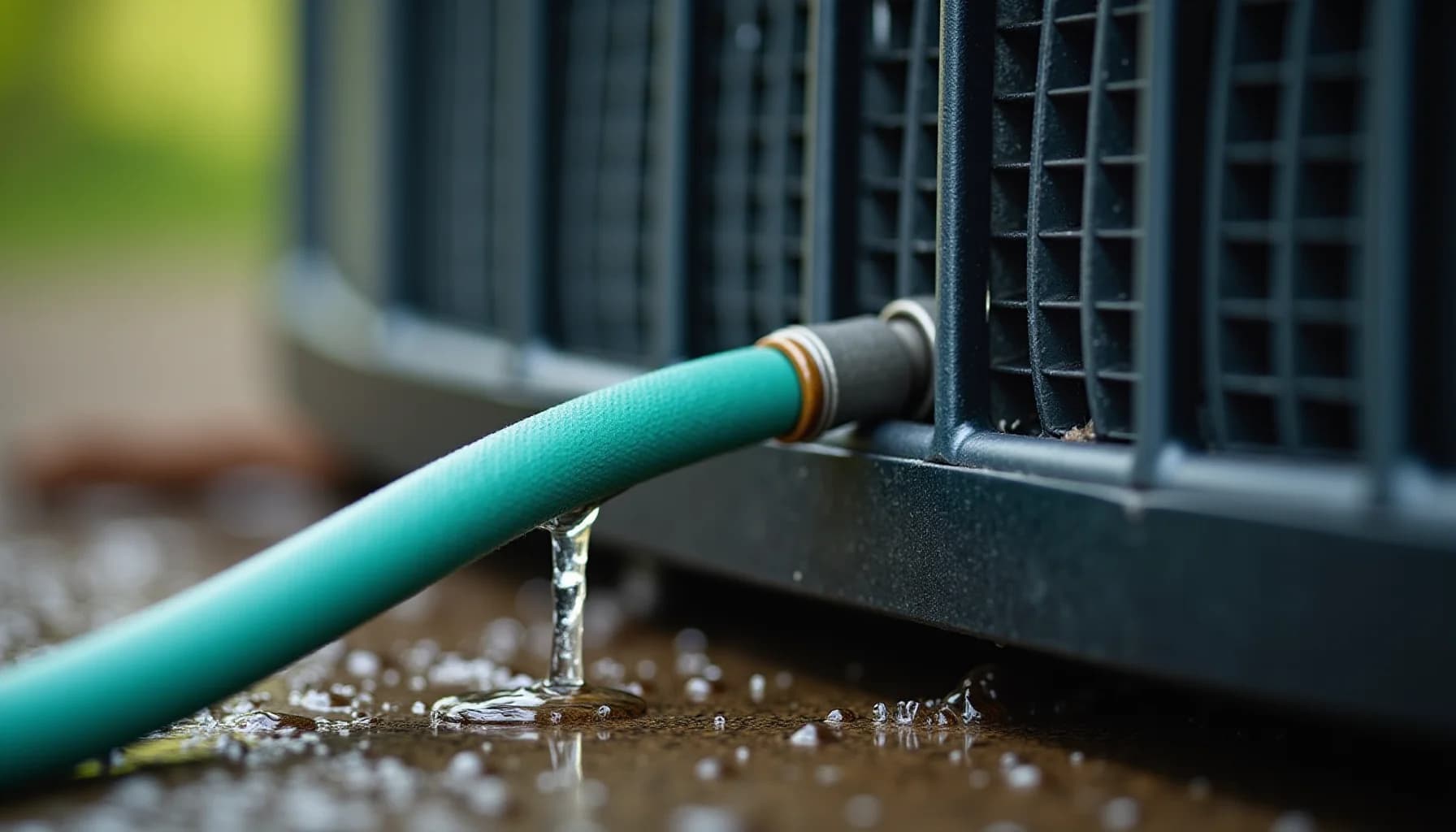
This matters most when the work involves water, because spraying a coil cleaner or rinsing with a garden hose while the unit is merely "thermostat off" means you are introducing moisture into an energized cabinet. A family member walking inside and bumping the thermostat up a degree is all it takes to re-engage the system mid-task. Flip the breaker, pull the disconnect block, and treat both steps as non-negotiable before you pick up a fin comb or a spray bottle.
How long does dangerous voltage stay in your AC capacitor after you cut power?
Switch Off at the Circuit Breaker, Not the Thermostat
Flip the circuit breaker that controls your AC unit to the off position. The thermostat only tells the system to pause, it does not remove power from the electrical components inside the unit.
Turn Off the Outdoor Disconnect Switch
Locate the outdoor disconnect box mounted on the wall near your condenser unit and switch it off. This second shutoff removes any remaining supply voltage reaching the unit from the breaker panel.
Wait at Least Five Minutes for Capacitor Discharge
AC capacitors can hold a residual charge as high as 600 volts even after the breaker is cut, so wait a full five minutes before touching anything. Internal bleed resistors may discharge the capacitor within about three minutes when working correctly, but five minutes gives you a reliable safety margin.
Tag or Label the Breaker to Block Accidental Restart
Place a label or a piece of tape on the breaker so no other household member restores power while you are working. A family member turning the system back on could activate the condenser fan and cause serious injury.
Check for Moisture Before Touching Internal Parts
Water conducts electricity, so inspect gloves and the surrounding area for wet surfaces before reaching inside the unit. Any coil cleaning that involves liquid spray must only happen after full power isolation is confirmed.
Clean the Coils and Confirm the 5 to 15 Percent Efficiency Payoff
With power fully isolated and capacitors discharged, clean the outdoor coils and fins as directed. Proper coil cleaning restores heat transfer and airflow, and most homes see a 5 to 15 percent improvement in efficiency as a result.
What are the two electrical dangers hiding inside a powered-down AC unit?
There are two separate electrical threats inside an AC unit, and conflating them is where homeowners get into trouble. They operate differently, persist for different durations, and each demands its own response.
The first is live line voltage. Your AC system draws significant amperage from the grid, and that supply does not stop simply because the unit is idle. The thermostat is a control signal device, not a power isolator. When you set it to "off," you are telling the system's control board to pause operation. The electrical supply to the compressor, the fan motor, and the capacitors remains fully energized. Spraying water onto coils, probing with your hands, or working around internal components while this voltage is present puts you in contact with potentially lethal current. The mitigation here is straightforward: cut power at the circuit breaker or the outdoor disconnect switch before you touch anything. This severs the supply from the grid and removes the live voltage hazard.
The second threat is residual capacitor charge, and it operates on a completely different timeline. Capacitors store electrical energy and do not release it the moment you flip the breaker. The charge on a failing or older capacitor can reach as high as 600 volts, and without a functioning internal bleed resistor to drain that energy, it can persist on the terminals for weeks or even months. Under normal conditions, with bleed resistors working correctly, a capacitor typically discharges within about three minutes. Because homeowners cannot easily verify whether their unit's resistors are intact, the practical guidance is to wait a full five minutes after cutting power before working near internal components. This margin accounts for variability and gives stored energy a complete discharge path. Failing to observe this wait has caused shocks even after the main breaker was confirmed off.
The safety response for each hazard is therefore sequential, not interchangeable: cut supply voltage first, then wait for capacitor discharge before proceeding.
What Happens If You Skip the Power-Off Step
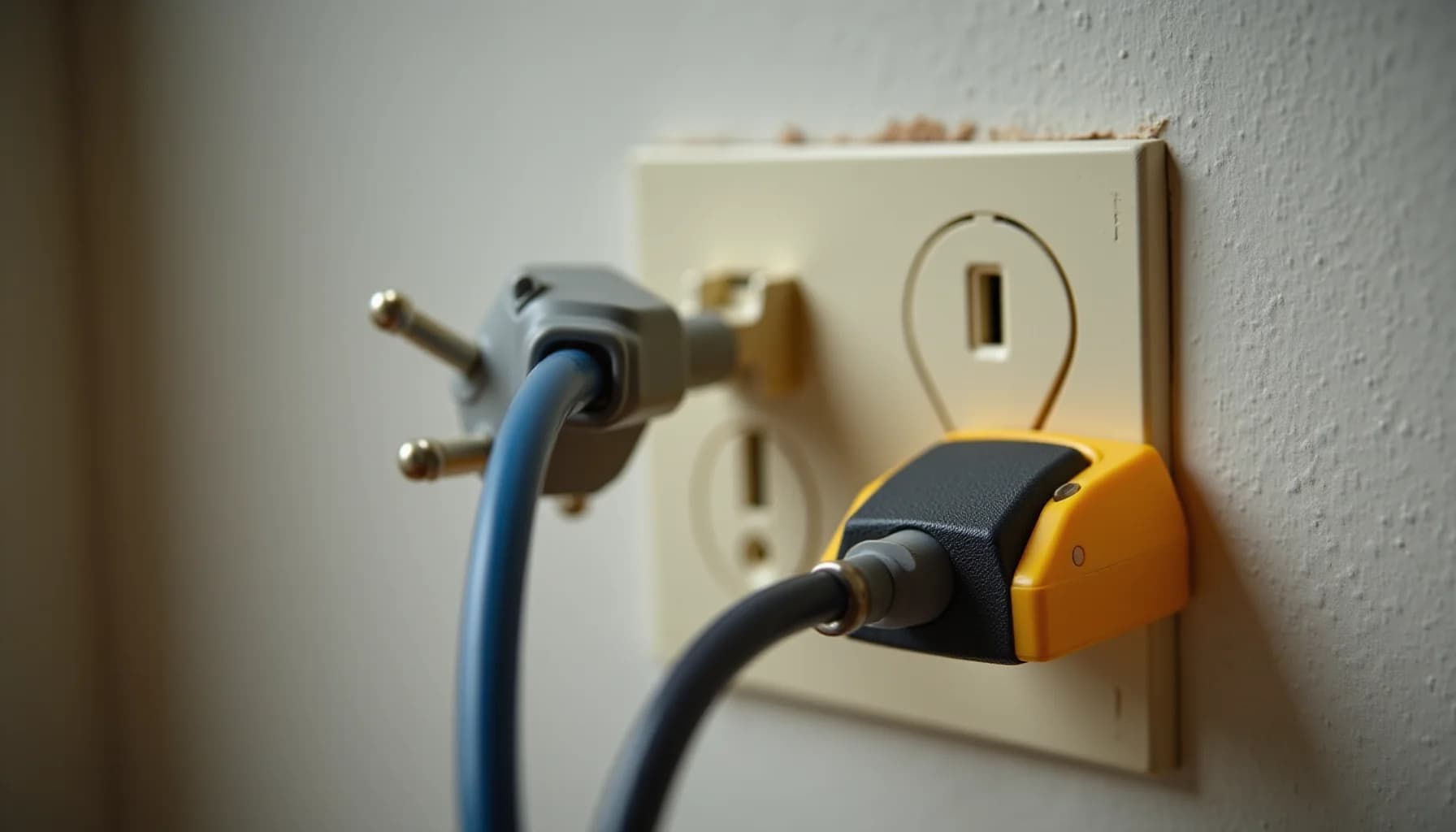
The condenser fan sitting on top of your outdoor unit spins at high speed the moment power reaches the unit. If you are leaning over the housing to rinse or brush the coils and a family member walks inside and bumps the thermostat up a degree, that fan engages instantly. There is no warning sound, no ramp-up delay you can react to. Fingers, loose clothing, and tool cords are all at risk in that fraction of a second. This is not a theoretical concern. It is exactly the scenario HVAC technicians cite as a leading cause of preventable field injuries, and it is entirely avoided by flipping the outdoor disconnect before you touch anything.
Fire risk follows a similar logic. Moisture from coil-cleaning sprays or a garden hose can reach energized terminals, wiring insulation, or the contactor inside the electrical compartment. Water bridging those components does not just cause a shock hazard. It can produce arcing that ignites insulation material or dried debris packed around the base of the unit. The resulting fire can damage the unit beyond repair and spread to nearby structures.
The electrocution figures make the overall danger concrete. According to the Electrical Safety Foundation International, air conditioners were associated with an average of 11.5 electrocution deaths per year in the United States between 1995 and 2003. For context, that is nearly three times the rate recorded for fans over the same period. These are fatalities, not hospitalizations, and they occurred across ordinary household settings. The people involved were not ignoring obvious danger. Most likely believed the unit was off because the thermostat was set low or the system had cycled down. That belief, and the few minutes it saves, is what the power-off step exists to correct.
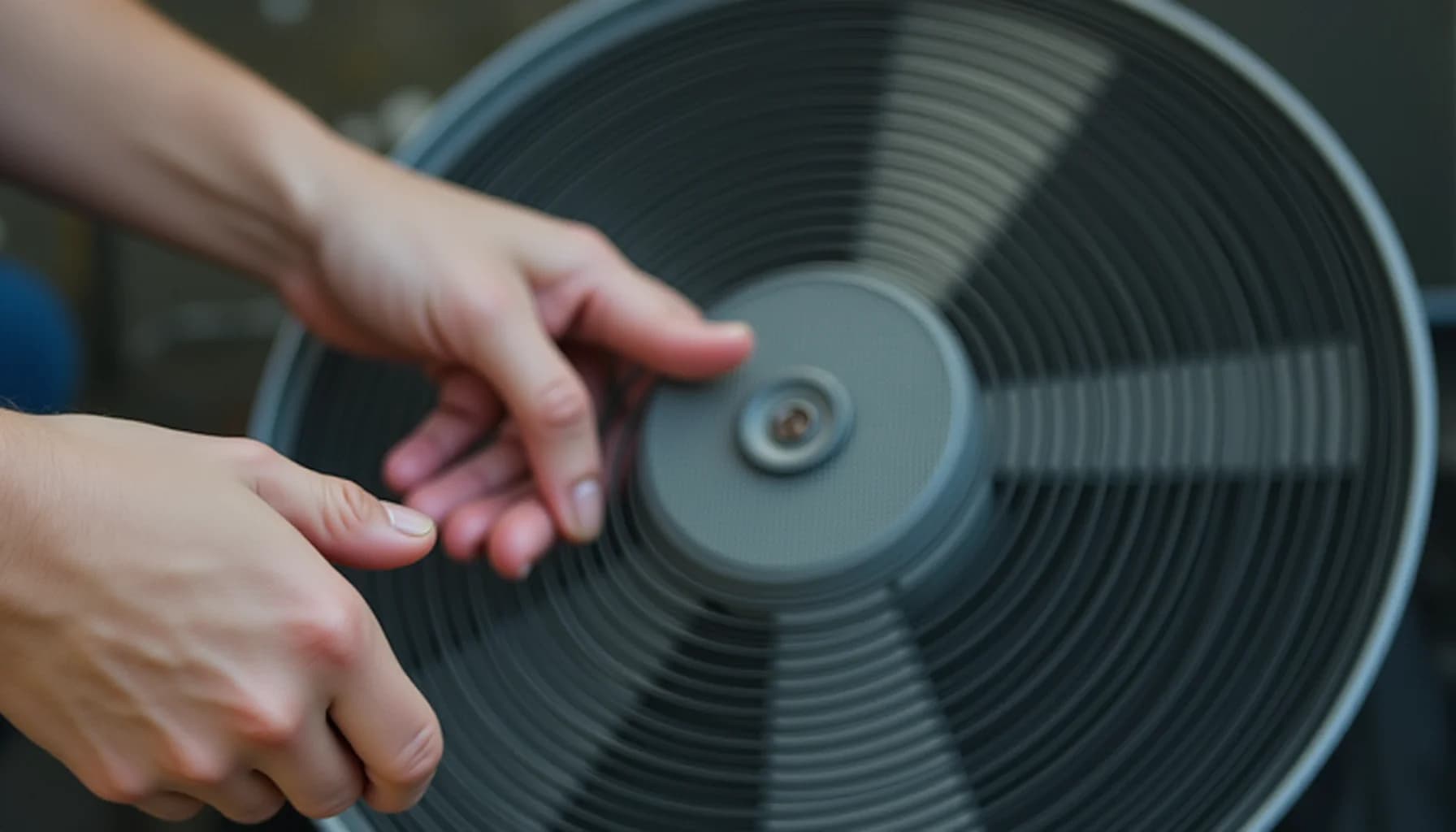
Which cleaning tasks actually require a full power cut?
The dividing line is water. Any cleaning task that involves liquid, a wet cloth, a spray bottle, or a hose puts you in contact with a conductor, and that contact can complete a circuit through your body if the unit is still energized. That is not a theoretical risk: even a damp hand resting against a metal coil fin while line voltage is present is enough to cause a fatal shock.
Full power disconnection at the breaker and the outdoor disconnect is non-negotiable for these tasks: rinsing the condenser coils with a garden hose, applying coil cleaner (which is liquid-based), wiping down internal components with a wet rag, replacing or hosing off a washable filter, and any work that requires reaching past the outer casing toward the fan motor or wiring. These jobs bring moisture, reach, or both into proximity with components that carry line voltage and, separately, capacitor charge that can linger at up to 600 volts even after the breaker is off.
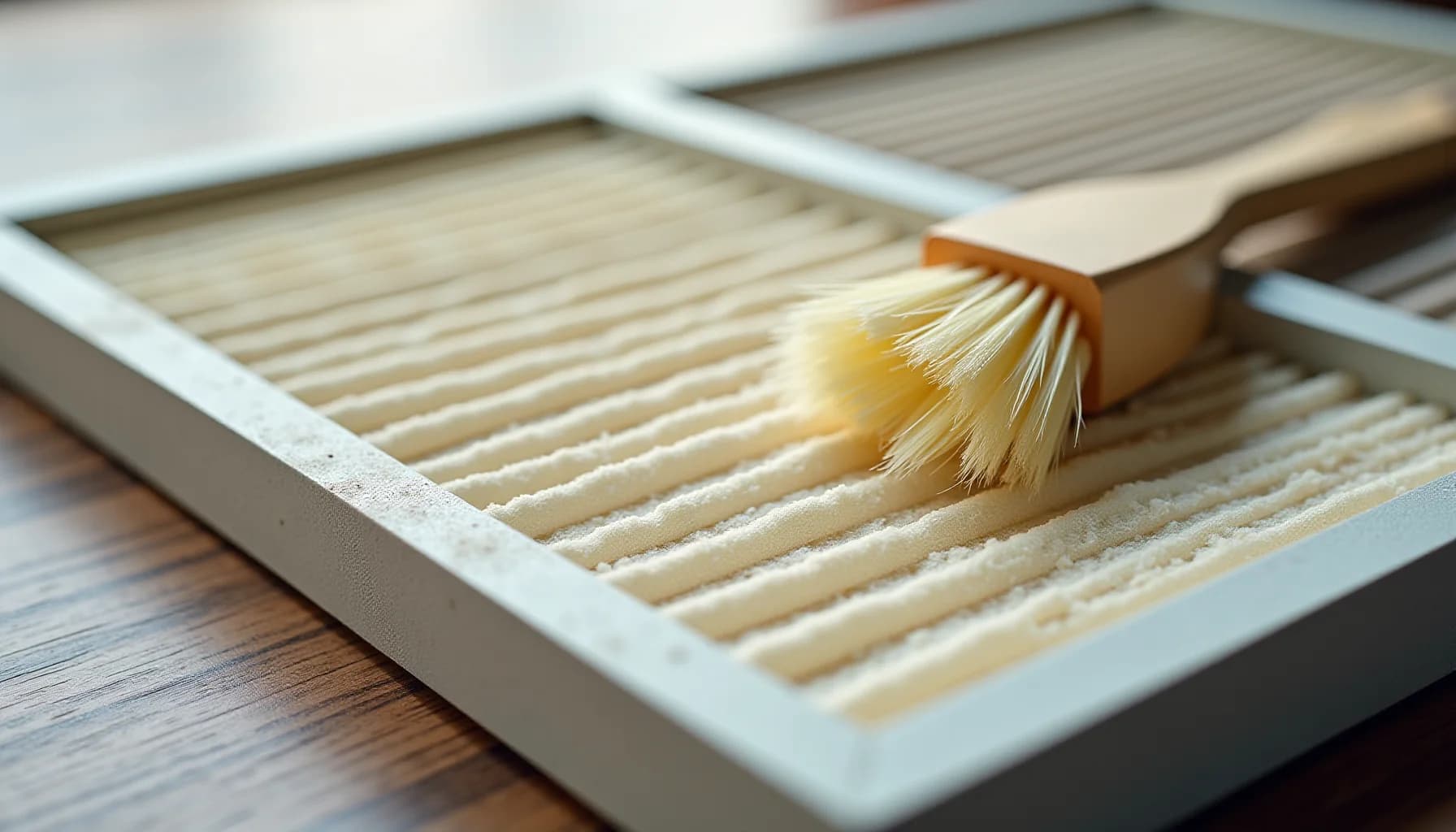
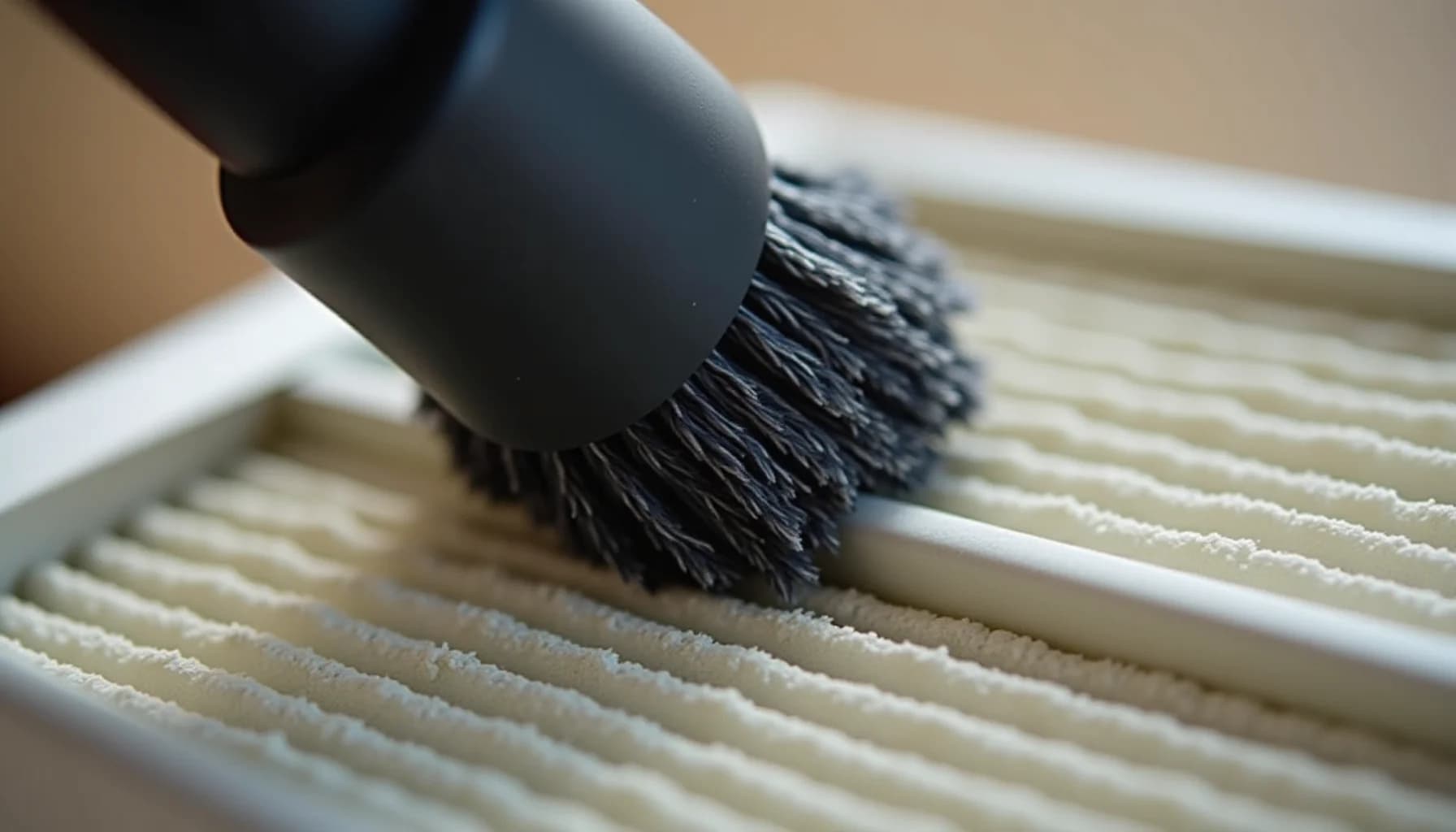
Lower-risk tasks, ones that do not absolutely demand a full power cut but still benefit from it, include brushing loose debris off the exterior fins with a dry, soft brush or clearing leaves and grass clippings from around the unit's base with dry gloved hands. The risk is lower because no conductive path forms. Even so, cutting power first remains the correct habit.
Stop and call a licensed HVAC technician if you see burned or corroded wiring inside the unit, if the capacitor shows signs of bulging or leaking, or if any internal component is wet from a source you cannot identify. Those are conditions where amateur cleaning has already crossed into repair territory.
Frequently asked questions
Does turning off the thermostat cut power to the AC unit?
Can I still get shocked after turning off the breaker?
Why is water near a running AC unit so dangerous?
What are the real risks if I skip cutting the power?
How do you safely power down an AC unit before cleaning it?
Start at the circuit breaker panel, not the thermostat. Find the breaker labeled for your AC or condenser unit and flip it to the off position. That cuts the electrical supply to the outdoor unit. Next, walk to the outdoor disconnect box, usually mounted on the exterior wall within a few feet of the condenser. Open the cover and pull out the disconnect block or flip its switch to off. This two-step approach, breaker first, then disconnect, removes line voltage from both ends of the circuit.
Once both are off, set a timer for five full minutes. Capacitors inside the unit can hold a residual charge of up to 600 volts even after power is removed, and the internal bleed resistors that gradually drain that charge need time to do their job. Five minutes gives them a reliable margin to work with.
The most overlooked step is preventing someone else from restoring power while you are elbow-deep in the unit. A family member who walks in, feels the heat, and flips the thermostat will not realize the condenser fan is about to spin up. Before you start cleaning, place a piece of tape over the breaker switch or hang a handwritten note on it. Some homeowners keep a small lockout clip on the breaker for exactly this purpose. It takes ten seconds and eliminates a serious injury risk entirely.
How this article was made
Researched and written with AI assistance. What gets published is a human editorial decision. Grounded in 8 cited sources.
Edited by Claire Mercier, Editor. The guides are written with AI assistance.
Sources (8)
- Electrical safety - Cleaning split system air-conditioners | NT WorkSafe
- How To Turn Off Your AC Unit: Safely Power Down for Maintenance or the Season - Today's Homeowner
- How To Clean A Wall Air Conditioner: A Step-by-Step Guide
- AC unit cleaning: Top 3 Benefits
- How To Clean Ac Unit Inside — Home Essentials Guide (HEG)
- Air Conditioner Cleaning | The Importance of Turning Off Power During AC Maintenance
- How to Clean Air Conditioner Wall Unit in 5 Easy Steps - Air Conditioner
- Clean Wall-Mounted AC Safely: Step-by-Step Guide