How to Clean a Dishwasher (and Keep It Smelling Fresh)
Part of Appliance Cleaning · article 1 of 13
On this page
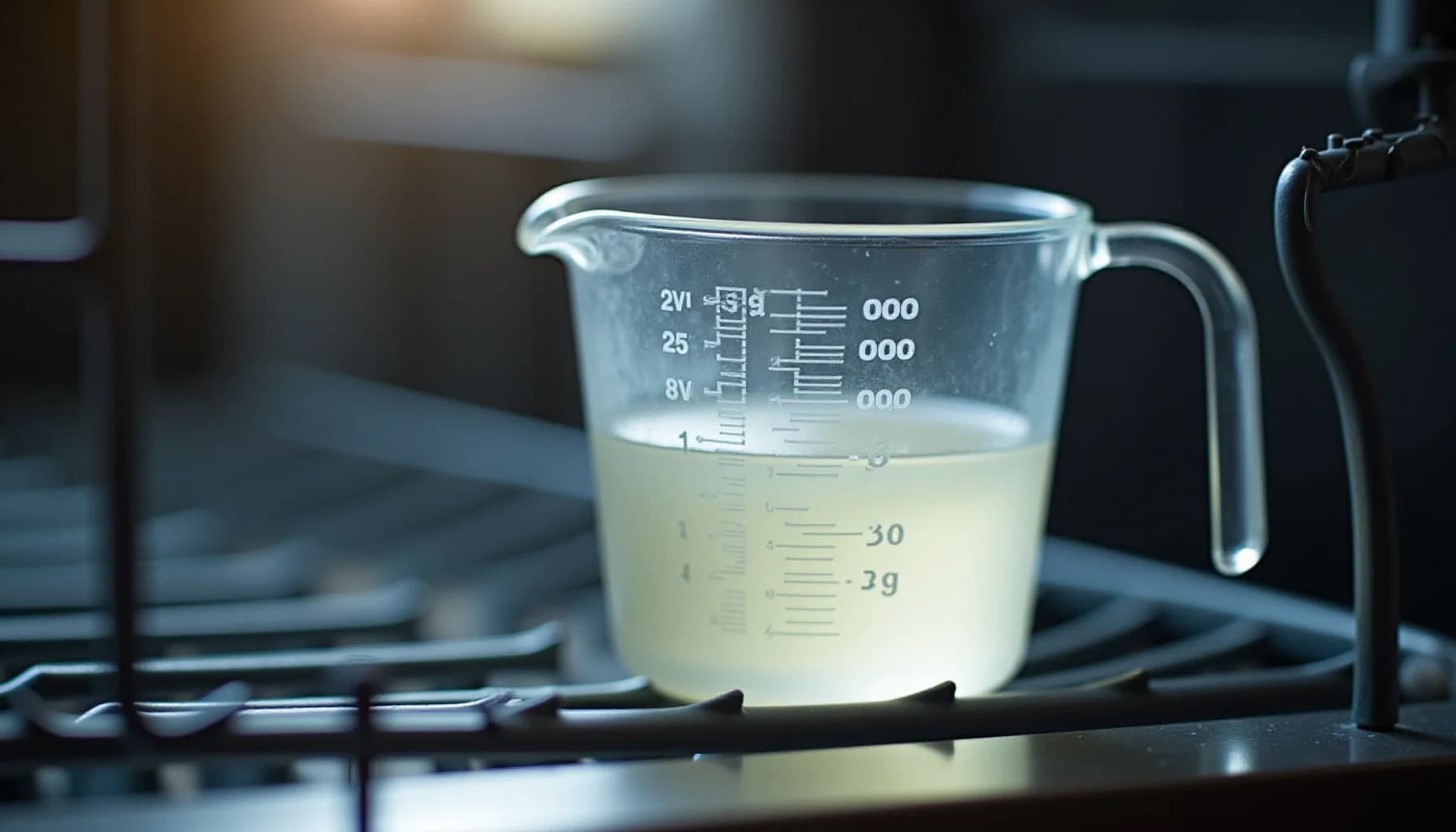
Clean your dishwasher by removing visible food debris after every use, wiping the door gasket weekly with a damp cloth and mild dish soap, and running a monthly deep clean using white vinegar and baking soda in separate cycles. Place 2 cups of white vinegar in an open, dishwasher-safe container on the lower rack and run a hot water cycle alone. Once finished, sprinkle 1 cup of baking soda across the bottom and run a second hot cycle. Never combine them at the same time: mixed together, they produce mostly salt water and lose their cleaning power entirely.
Avoid bleach if your dishwasher has stainless-steel parts, and never mix bleach with vinegar, as the combination produces dangerous fumes. Vinegar is acidic enough to cause damage over time, so limit it to occasional deep cleans and check your owner's manual first.
Pull and rinse the filter, located beneath the lower spray arm, every three to six months. Use a toothpick or small brush to clear clogged spray arm holes, then soak the arms in warm water and vinegar for 15 to 20 minutes if mineral deposits remain. DIY supplies run under $20; a professional drain cleaning averages $240. Regular maintenance keeps that cost where it belongs: at zero.
What happens when you stop cleaning your dishwasher?
Every time your dishwasher runs, it pulls grease, food scraps, and hard water minerals into its interior. The problem is that draining soapy water does not carry all of that debris out with it. Grease clings to interior walls, mineral deposits from hard water crystallize on the spray arms, and food particles settle into the filter and drain system where standing water can turn them into a breeding ground for bacteria and mold. The result is a machine that smells like a neglected drain and leaves a film on your glasses instead of cleaning them.
The filter is almost always the first component to show the effects of neglect. It is designed to trap food particles so they do not recirculate onto your dishes, but once it becomes clogged, water cannot flow through the system properly. Spray arms follow: clogged nozzles reduce water pressure unevenly across the dishwasher tub, so entire sections of a load can come out with residue still on them. What looked like a thorough wash was not.
From a cost standpoint, the math is straightforward. DIY cleaning supplies, including white vinegar, baking soda, and a small brush, run under $20. A professional drain cleaning, if neglect forces your hand, averages around $240, with some jobs reaching $345. That gap is significant for what amounts to a monthly task. Regular maintenance is not about perfection; it is about avoiding an avoidable repair bill.
How often should you clean your dishwasher?
Remove visible debris and inspect the filter
After each use, clear any large food bits from the bottom of the tub by hand. Locate the cylindrical filter beneath the lower spray arm, twist it out, and rinse it under warm running water, using a soft brush to scrub away trapped particles.
Clean the spray arms
Unclip or unscrew the spray arms and use a toothpick or small brush to dislodge any food particles from the spray holes. If mineral deposits remain, soak the arms in a solution of warm water and white vinegar for 15 to 20 minutes, then rinse thoroughly before reattaching.
Wipe down the door gasket and edges
Dip a damp cloth in warm water mixed with a small amount of mild dish soap, then wipe along the rubber gasket that runs around the door opening. Pay close attention to the folds and crevices, where grease and grime collect most heavily.
Scrub the racks
Pull both racks out of the dishwasher and inspect them for stuck-on food or stains. Use a sponge or soft brush soaked in warm, soapy water to wipe every surface, then rinse and slide the racks back into place.
Run a white vinegar cycle
Place 2 cups of white vinegar in a lidless, dishwasher-safe container on the bottom rack of an otherwise empty dishwasher. Run a full hot-water cycle to descale mineral deposits, cut grease, and deodorize the interior. Note: check your dishwasher's user manual first, and use vinegar only for occasional deep cleans, as its acidity can cause damage with overuse.
Follow up with a baking soda cycle
Once the vinegar cycle has finished and the dishwasher is cool, sprinkle 1 cup of baking soda across the bottom of the tub and run a second hot-water cycle. Keep the two steps separate: combining vinegar and baking soda at the same time produces mostly salt water and cancels out the cleaning benefit of both.
How do you clean the filter, spray arms, door gasket, and racks?
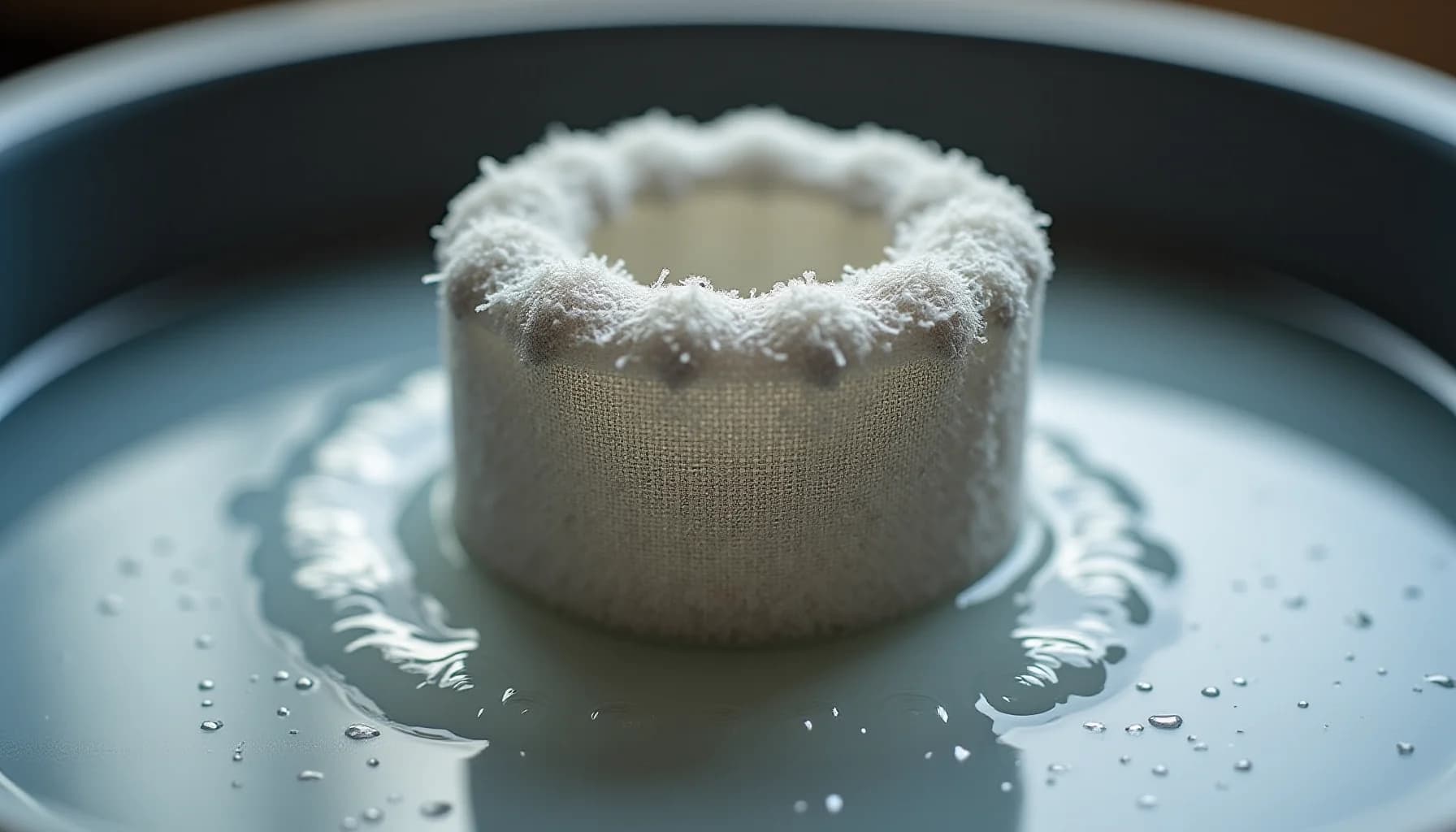
Start with the filter, since it is almost always the culprit behind bad smells and dishes that come out grimy. Locate it at the bottom of the tub, directly beneath the lower spray arm. It typically looks like a cylinder with a fine mesh sleeve around it. Twist it counterclockwise, lift it out, and separate the two parts if your model has a coarse outer filter and a finer inner one. Rinse both under warm running water, using a soft brush or an old toothbrush to scrub away trapped food and grease. If the mesh is slimy, a drop of dish soap helps cut through it. Once clean, twist the filter back into place until it locks.
Move on to the spray arms next. Pull each arm off, which usually means unclipping or unscrewing a central nut, and hold it up to the light so you can see which holes are blocked. Use a toothpick to clear any clogged nozzles, then follow up with a small brush. If mineral deposits remain after that, submerge the arm in a bowl of warm water and white vinegar for 15 to 20 minutes. The mild acid dissolves limescale without damaging the plastic. Rinse thoroughly and snap the arms back on, checking that each rotates freely before you close the door.
For the door gasket, run your finger along the rubber seal and you will likely find a strip of dark grime sitting in the folds. Dampen a cloth with warm water and a small amount of mild dish soap, then work it carefully into every crease around the perimeter. Pay particular attention to the bottom corners, where debris collects and mold can start.
Finally, pull out the racks and check for stuck food or staining. A sponge soaked in warm, soapy water is enough for routine buildup. Rinse the racks before sliding them back in so no soap residue is left to interfere with the next wash cycle.
How do you deep clean your dishwasher interior with vinegar and baking soda?
Before starting, check your dishwasher's manual to confirm vinegar is safe for your specific model. Some manufacturers advise against it, and the acid can cause damage if used too frequently, so reserve this method for monthly deep cleans rather than routine washes.
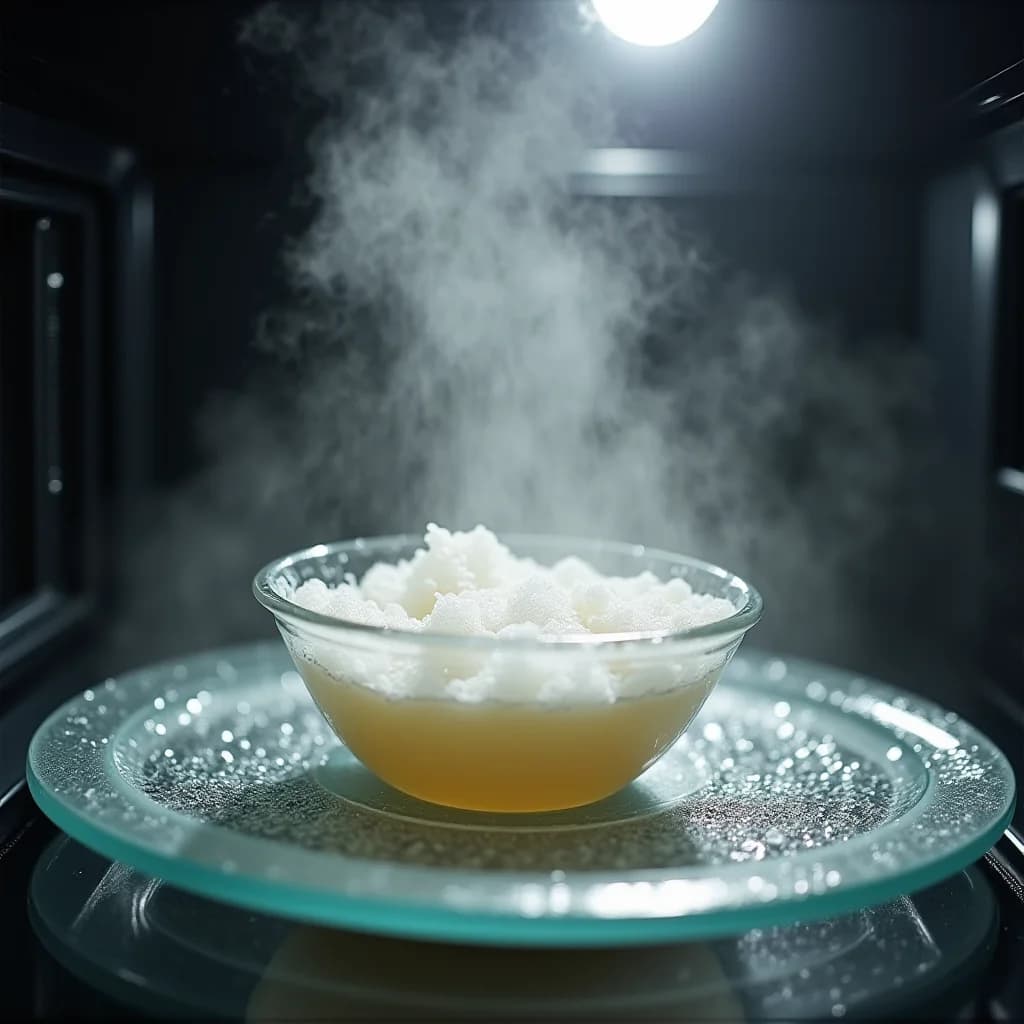
Once you have the green light, empty the dishwasher completely. Pour 2 cups of plain white vinegar into a dishwasher-safe bowl or container, leave the lid off, and set it upright on the lower rack. Run a full hot-water cycle. The heat disperses the vinegar throughout the tub, where it cuts through grease, dissolves mineral deposits left by hard water, and neutralizes odors without any scrubbing on your part.
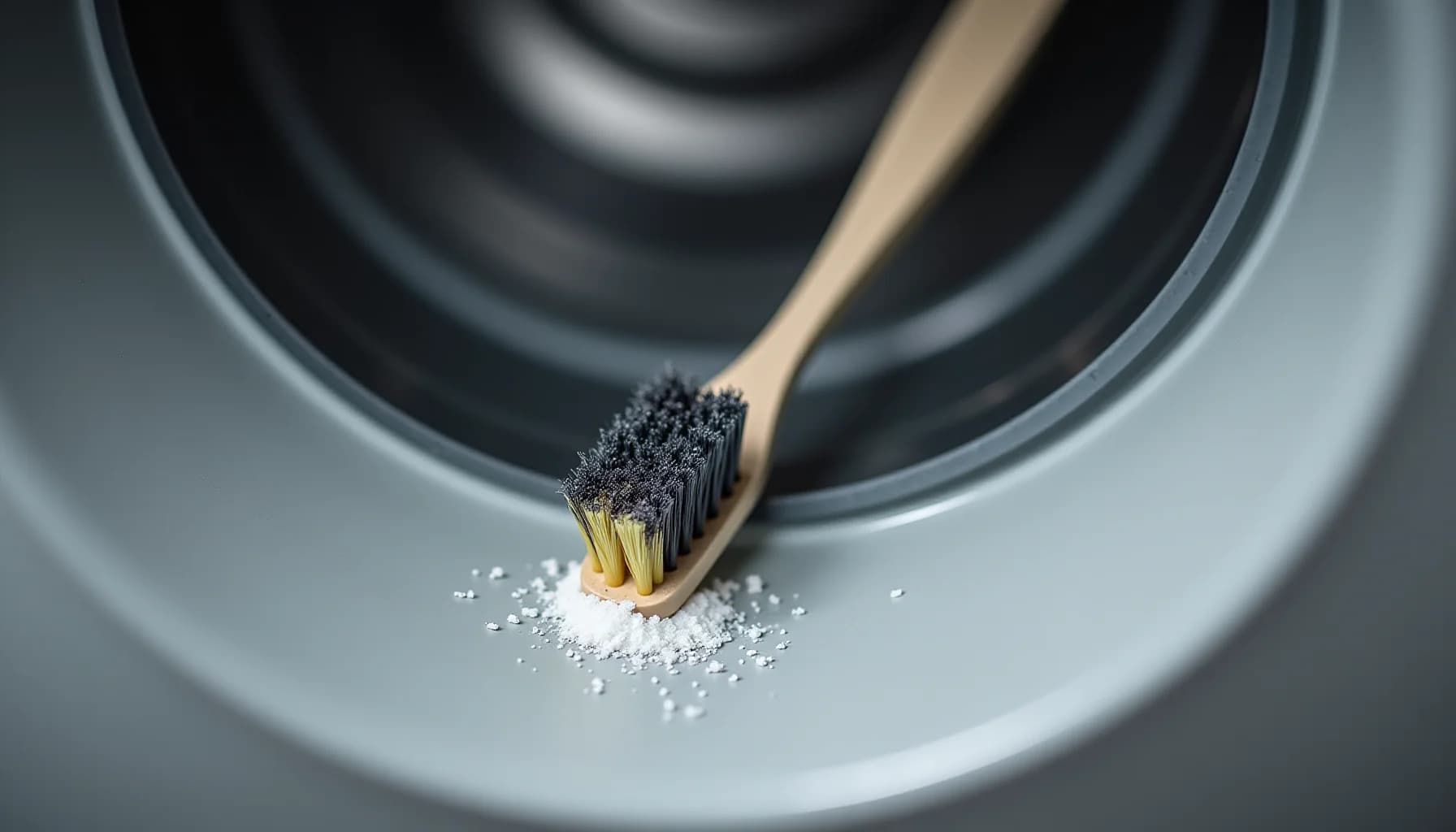
When that cycle finishes, open the door and sprinkle 1 cup of baking soda evenly across the bottom of the tub. Run a second hot-water cycle. The baking soda lifts any loosened residue, brightens the interior, and leaves the dishwasher smelling clean.
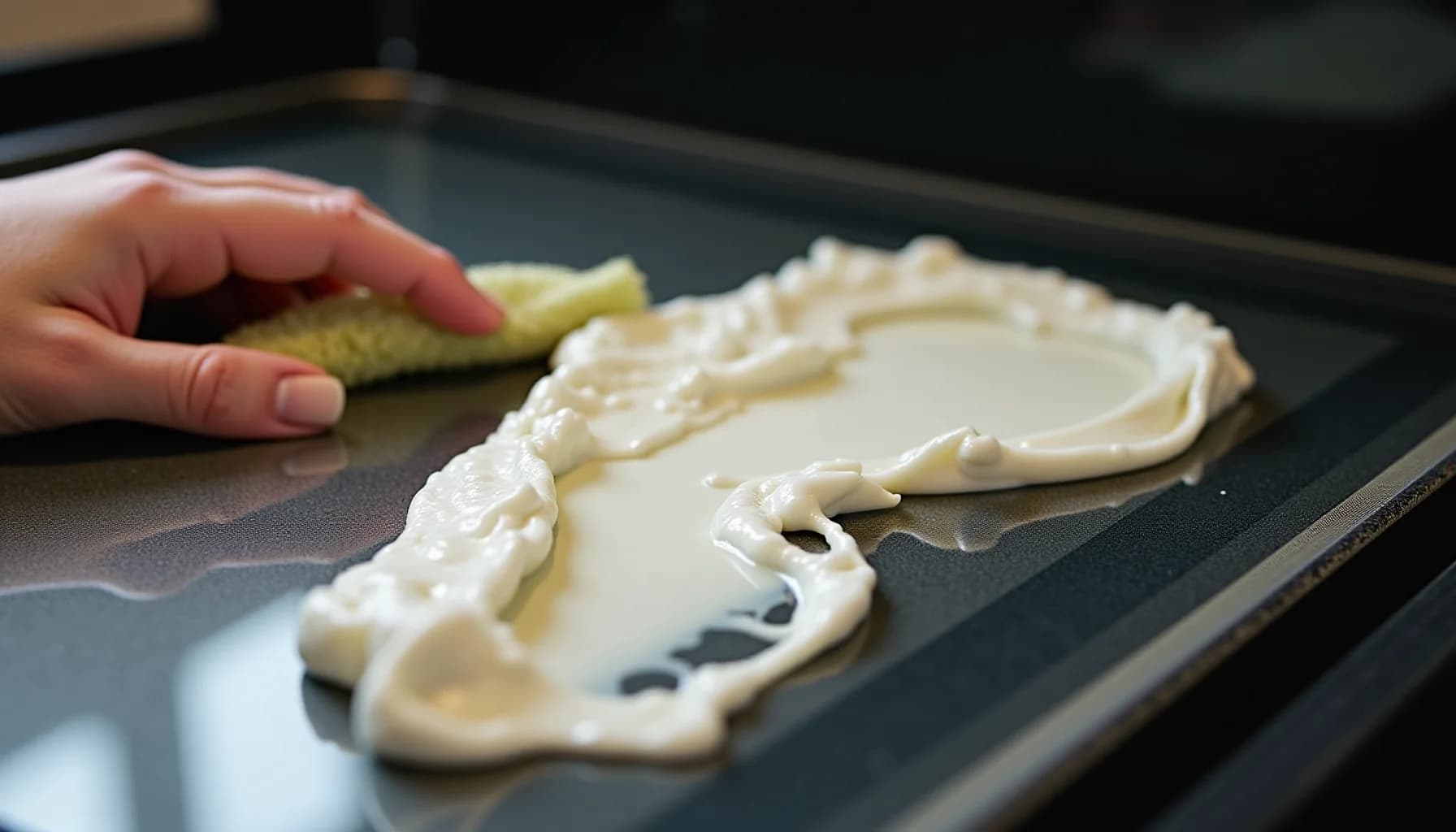
The sequence matters. Never add vinegar and baking soda at the same time. Mixed together, they produce a fizzing reaction that looks dramatic but results in little more than salt water, canceling out the cleaning benefit of both. Running them in back-to-back, separate cycles is what gives each ingredient the chance to do its actual job.
Two additional notes worth keeping in mind: vinegar is highly acidic, so using this method more often than monthly is counterproductive and risks surface degradation over time. And if you use any bleach-based products during cleaning, make sure no bleach residue remains in the tub before adding vinegar, as the two combined release dangerous fumes.
What should you never mix or use when cleaning your dishwasher?
Three combinations can cause permanent damage or serious injury, and knowing them before you reach for a cleaning product matters.
Bleach on stainless steel. If your dishwasher tub, interior door, or any removable parts are stainless steel, bleach will corrode the surface on contact. The damage is irreversible: pitting and discoloration cannot be buffed out or restored. Check your user manual to confirm your tub material before using any bleach-based cleaner, and if there is any stainless steel present, rule bleach out entirely.
Vinegar and bleach together. Combining these two, even sequentially without rinsing properly between uses, produces chlorine gas inside the tub. That gas vents through the door seals into your kitchen. Symptoms of exposure include throat and eye irritation, coughing, and at higher concentrations, serious respiratory harm. Never run a bleach-based cycle and a vinegar cycle back-to-back without completely flushing the machine first, and ideally, choose one or the other rather than alternating.
Vinegar used too frequently. White vinegar is acidic enough to degrade rubber gaskets and certain internal seals over time with repeated use. Reserve it for occasional deep cleans only, not every cycle, and always check your manufacturer's manual before adding it to the tub at all.
If you notice the door gasket cracking, spray arms cracking rather than merely clogging, or persistent foul odors that no cleaning cycle resolves, stop and call a plumber or appliance technician. Professional drain cleaning typically runs between $150 and $345, but attempting to force a repair with harsh chemicals at that stage risks compounding the damage.
Frequently asked questions
How often should I deep clean my dishwasher?
Can I mix vinegar and baking soda together to clean my dishwasher?
Why does my dishwasher smell bad even though it runs with soap every day?
Is it safe to use bleach to clean a stainless-steel dishwasher?
Are dishwashers really self-cleaning?
The short answer is no, and assuming otherwise is one of the costliest habits a homeowner can develop. It seems logical: a machine that runs hot water and detergent every day should stay clean on its own. In practice, grease coats the interior walls, food debris settles into the drain system, and mineral deposits crust over the spray arm holes, none of which rinse away during a normal cycle.
Two other myths are worth setting straight. First, pre-rinsing dishes before loading them is not necessary and can actually work against you. Modern dishwashers rely on sensors and powerful jets to handle food residue. Scraping large scraps into the trash is all that is needed. Full pre-rinsing wastes water and, in some machines, confuses soil-sensing technology into running a lighter wash than the load actually needs.
Second, dishwashers are often assumed to be heavy water users compared to hand washing. A standard dishwasher cycle uses roughly 3 to 5 gallons per load. Hand washing a comparable number of dishes can easily match or exceed that for a single sinkful, making the dishwasher the more water-efficient option when used with full loads.
Correcting these assumptions shapes better habits: plan your monthly deep clean, skip the pre-rinse, and run full loads confidently.
How this article was made
Researched and written with AI assistance. What gets published is a human editorial decision. Grounded in 8 cited sources.
Edited by Claire Mercier, Editor. The guides are written with AI assistance.
Sources (8)
- Safe, Effective, Non-toxic Cleaning Recipes
- 5+ Effective Ways to Clean Fruit with Baking Soda and Vinegar
- How to Clean a Dishwasher | Whirlpool
- How to Deep Clean a Dishwasher | Maytag
- How To Deep Clean Your Dishwasher (Easy Step-by-Step)
- How to clean a dishwasher | Finish® US
- How to Deep Clean Your Dishwasher – Love & Renovations
- How to deep clean a dishwasher — with top tips from a cleaning expert