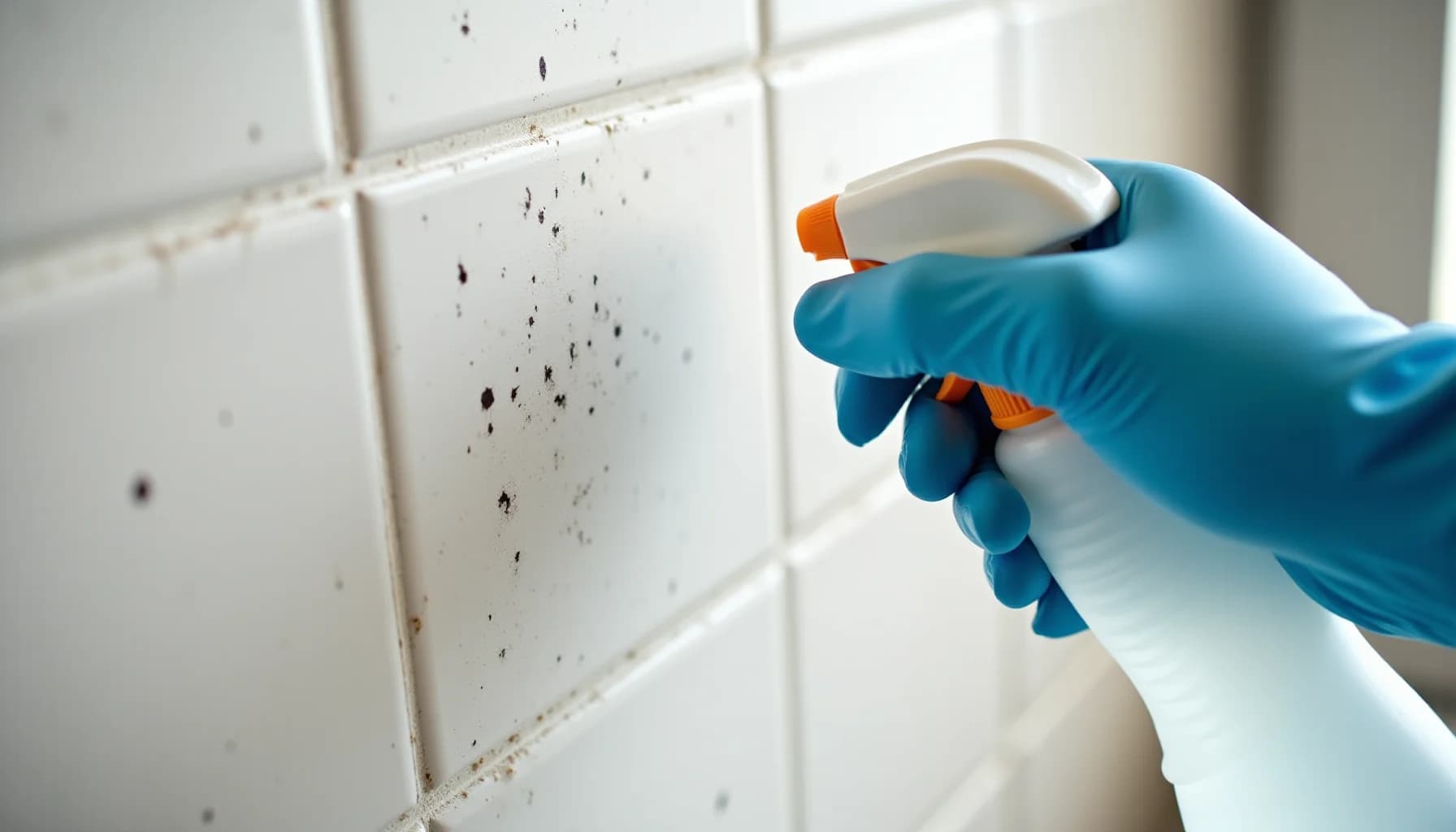
The Right Way to Clean Glass Shower Doors, and Keep Them Clear
Part of Bathroom Cleaning · article 11 of 16
On this page
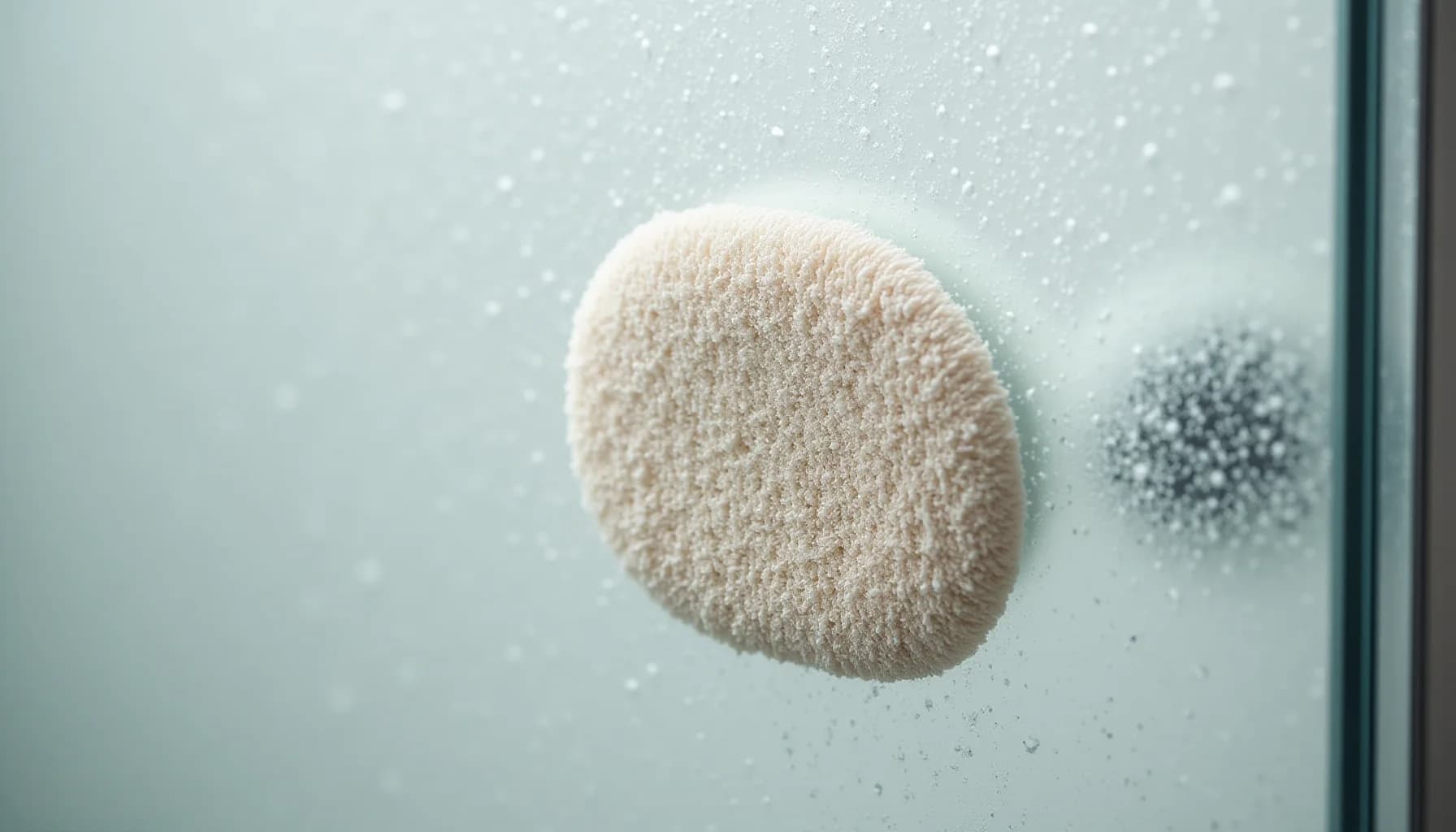
Mix equal parts white vinegar and water in a spray bottle, mist the glass, wait five minutes, then wipe clean with a non-abrasive cloth or microfiber pad. For heavier buildup, heat half a cup of undiluted vinegar in the microwave for 30 seconds before spraying, or follow the vinegar treatment with a baking soda paste left on for 15 to 20 minutes and scrubbed gently. Never use steel wool, scouring pads, or bristle brushes; they scratch glass permanently. If your shower has natural stone surrounds, keep acid-based cleaners off the stone entirely, since vinegar etches it. Your single best long-term habit is a rubber squeegee after every shower: 15 seconds of wiping removes water before minerals can settle, eliminating roughly 90% of hard water staining before it starts.
Why does soap scum build up on glass shower doors?
Soap scum and hard water stains look similar but form through two distinct processes, and knowing the difference matters for choosing the right cleaner.
Soap scum is a chemical byproduct. When bar soap mixes with tap water that contains calcium and magnesium ions, a reaction produces calcium stearate and magnesium stearate. These compounds are water-insoluble, meaning rinsing alone won't shift them. They cling to glass and accumulate with every shower. Liquid body wash and shower gels contain fewer fatty acids than bar soap, so they react less aggressively with minerals and leave significantly less residue behind. Switching from bar soap to a gel formula is one of the simplest ways to reduce scum formation at the source.
Hard water stains form differently. Every time you shower, water droplets settle on the glass. When those droplets evaporate, the water disappears but the dissolved minerals, primarily calcium and magnesium, stay behind as a microscopic deposit. Each shower adds another layer. Over weeks and months, those invisible layers stack into the visible white cloudiness and chalky patches you see on neglected shower doors. Unlike soap scum, this buildup isn't related to the type of soap you use. It's a function of your water supply's mineral content and how long water sits on the glass before it evaporates.
The two problems often appear together, which is why shower glass can look both hazy and grimy at the same time, even in a bathroom that gets cleaned regularly.
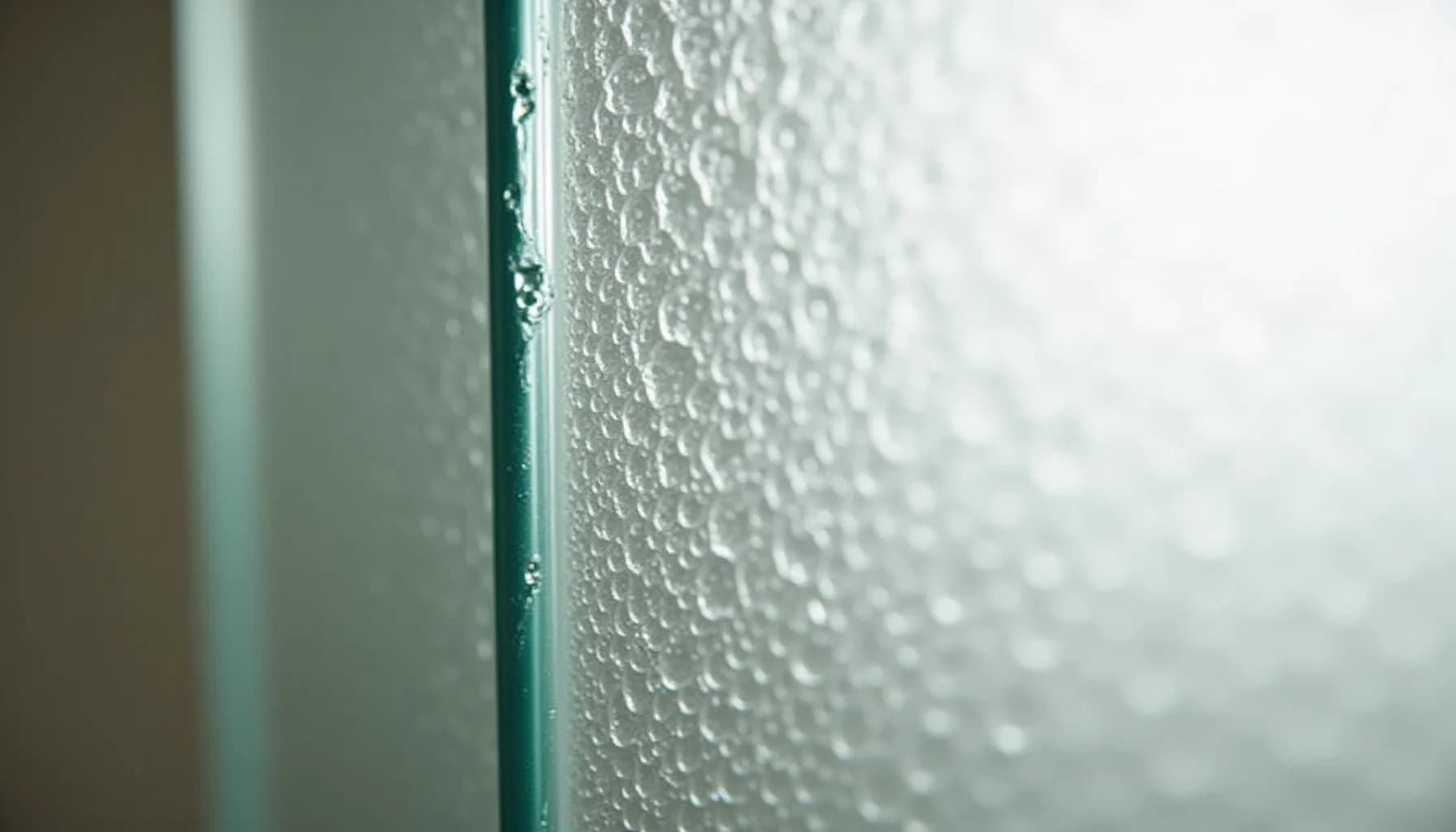
Can you prevent soap scum before it starts?
Squeegee the glass after every shower
Pull a rubber squeegee across the full surface of the door within 30 seconds of turning the water off. This removes water before it evaporates and deposits minerals, preventing up to 90% of hard water staining.
Mix and apply a vinegar spray for weekly cleaning
Combine equal parts white vinegar and water in a spray bottle, mist the glass thoroughly, and let the solution soak for five minutes before wiping with a non-abrasive microfiber cloth. For tougher buildup, heat half a cup of undiluted vinegar in the microwave for 30 seconds before pouring it into the spray bottle.
Follow with a baking soda scrub for stubborn soap scum
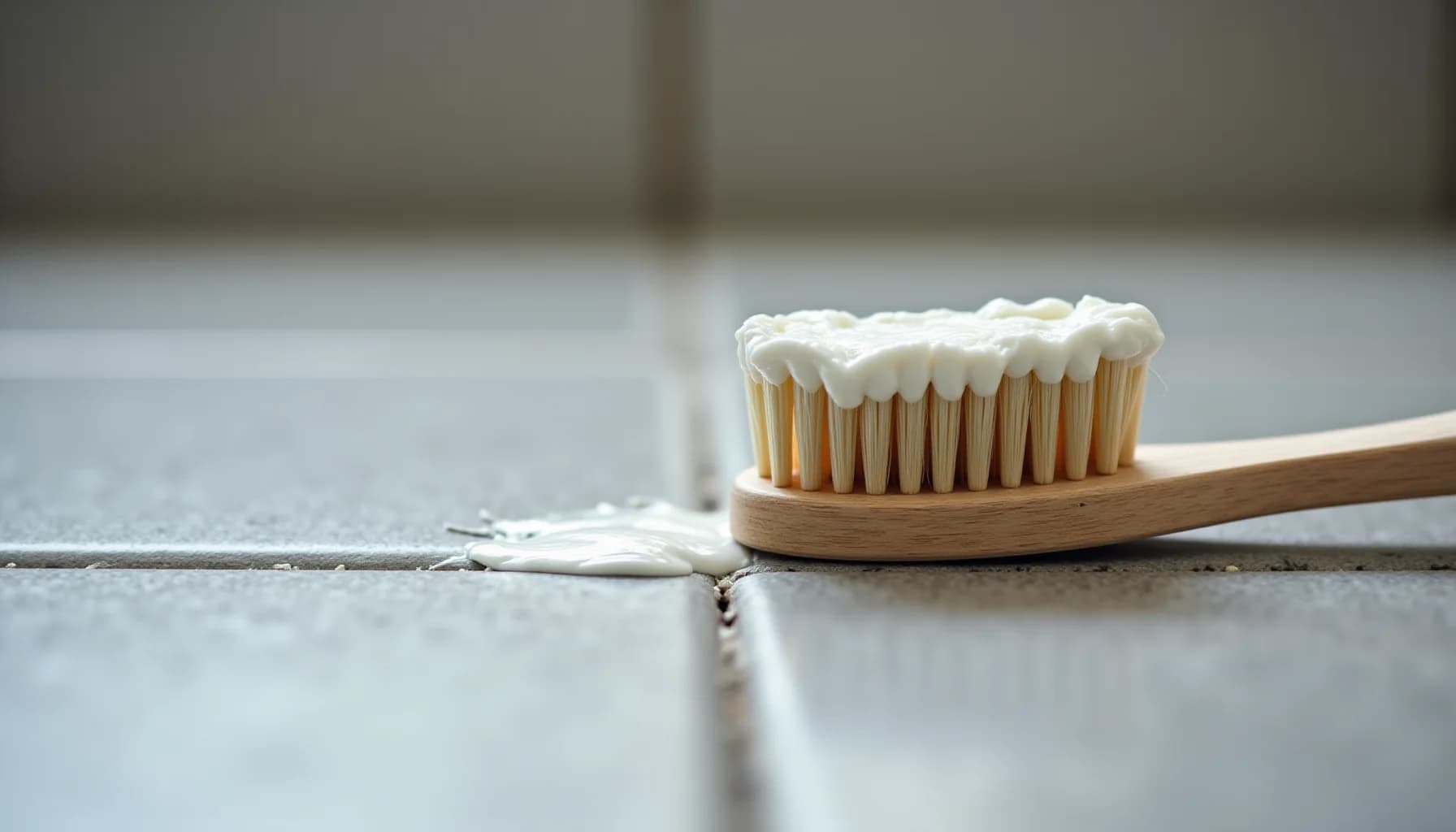
Make a paste with baking soda and a small amount of water, apply it directly to problem areas, and let it sit for 15 to 20 minutes. Scrub gently with a non-abrasive sponge, then rinse thoroughly: use this step after the vinegar spray so the acid weakens the deposits first and the baking soda provides mechanical scrubbing power second.
Use a commercial cleaner for severe mineral deposits
Apply Bar Keepers Friend or CLR to heavily stained glass according to the product label, allowing the oxalic or citric acid up to one minute to penetrate the grime. Scrub gently, rinse the door well, and dry it with a soft cloth, as these products are more concentrated than vinegar and require thorough rinsing.
Avoid anything that scratches or etches the surface
Never use steel wool, scouring pads, abrasive cleansers, bristly brushes, or rough sponges on glass shower doors, as all of these will scratch the surface. If natural stone tiles surround the door, keep acid-based cleaners like vinegar and lemon juice off the stone, since the acid etches and dulls natural stone finishes.
Set a maintenance schedule to keep buildup from returning
Squeegee daily after each shower, spray and wipe with the vinegar-water solution once a week (about five minutes of work), and do a full deep clean with baking soda paste or a commercial cleaner once a month (15 to 30 minutes). Switching from bar soap to liquid body wash or shower gel also reduces soap scum, since liquid formulas contain fewer fatty acids and rinse away more cleanly.
What household cleaners actually work on soap scum and hard water stains?
Most of what's already in your cleaning cabinet will handle soap scum and hard water stains effectively, provided you match the right product to the right job.
White vinegar is the workhorse here. Its acidity breaks down both soap scum and the alkaline mineral deposits hard water leaves behind. For a standard spray solution, mix equal parts white vinegar and water in a spray bottle, mist the glass, and let it sit for five minutes before wiping. For heavier buildup, skip the dilution: heat ½ cup of undiluted white vinegar in the microwave for 30 seconds, pour it into a spray bottle, and apply it warm. The heat makes it more effective at penetrating stubborn limescale. Wipe clean with a microfiber cloth.
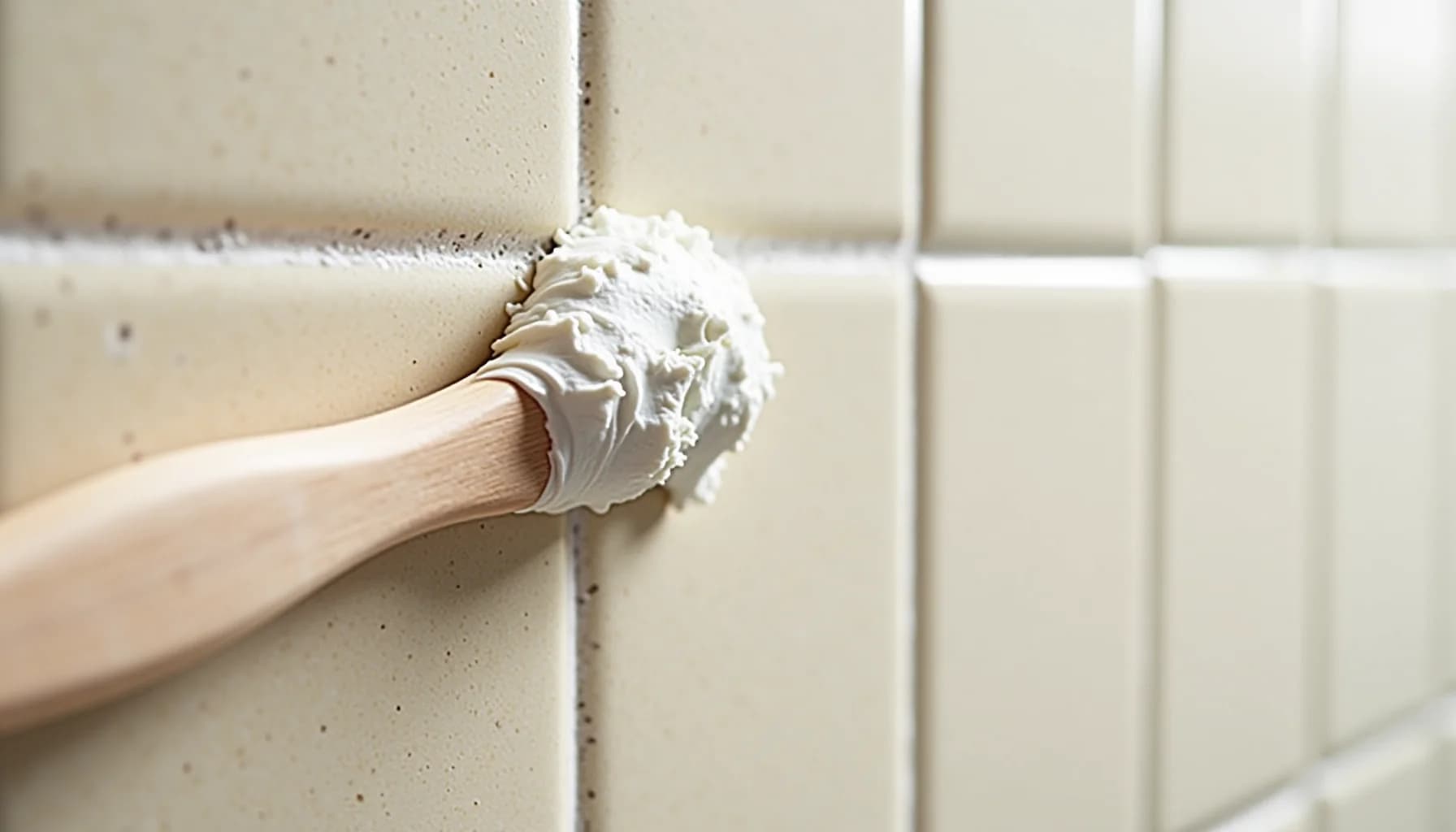
Baking soda works differently. Rather than dissolving mineral deposits, it acts as a mild abrasive that scrubs away what's already been loosened. Make a paste, apply it directly to the scum, and let it sit for 15 to 20 minutes before scrubbing gently with a non-abrasive sponge. Rinse thoroughly.
The question of whether to combine vinegar and baking soda is genuinely contested. Some sources treat the fizzing reaction as extra cleaning power. Chemically, though, mixing an acid with an alkaline neutralizes both, lowering the pH of the vinegar and reducing its effectiveness. A more reliable approach: use the vinegar first to break down the deposits, then follow with a baking soda scrub to remove what remains. Sequential use preserves the strength of each.
Lemon juice offers a gentler acid option. Combine 3 tablespoons of lemon juice with 1 cup of water in a spray bottle. The citric acid dissolves mineral buildup and leaves less odor than vinegar.
Ammonia handles grease and grime well: mix 2 tablespoons of ammonia with 2 quarts of warm distilled water, spray the door, and wait three minutes before wiping. Always work with ammonia in a well-ventilated bathroom, never mix it with bleach, and keep the exhaust fan running throughout.
One important caveat: if your shower has natural stone tile surrounds, check which cleaners are safe for your tile type before spraying anything acidic. Vinegar and lemon juice can etch stone surfaces, so keep acid-based solutions strictly on the glass.
What commercial cleaners work best on stubborn shower door buildup?
When household products stop making a dent on thick, long-neglected buildup, two commercial cleaners consistently stand out: Bar Keepers Friend and CLR (Calcium Lime Rust remover).
Bar Keepers Friend is a powder-based cleanser whose active ingredient is oxalic acid. Oxalic acid penetrates mineral deposits and soap scum chemically rather than just abrading them away. To use it on shower doors, dampen the glass, sprinkle or apply a small amount of the powder as a paste, and give the oxalic acid up to one minute to work into the grime before scrubbing gently. Rinse thoroughly and dry with a soft cloth. The product is widely available and inexpensive, and it performs well on the combination of soap scum and light-to-moderate hard water staining you typically find on glass doors that haven't been deep-cleaned in a few months.
CLR is formulated specifically to dissolve calcium, lime, and rust deposits, making it more targeted at mineral buildup than Bar Keepers Friend. It is also more chemically concentrated than a standard vinegar solution, so thorough rinsing after use is important. Follow the manufacturer's instructions on dilution and contact time, because leaving a concentrated acid-based product on glass longer than recommended does not improve results and risks damaging surrounding fixtures.
One caution applies to both products: if your shower surround includes natural stone tiles such as marble, travertine, or slate, keep acid-based cleaners strictly off those surfaces. Acids etch natural stone, stripping its finish permanently. If you are uncertain about the materials in your bathroom, the guide to which cleaners are safe for your tile type can help you identify what your tiles can and cannot tolerate before you start scrubbing.
What tools and techniques are safe for glass shower doors?
The single most damaging mistake homeowners make is reaching for a steel wool pad or a stiff-bristled scrub brush when soap scum resists light wiping. Both will scratch the glass surface permanently. Those scratches are not cosmetic: they create microscopic grooves where minerals and soap residue accumulate faster, making future cleaning harder and the damage self-compounding. There is no repair short of professional glass resurfacing or door replacement.
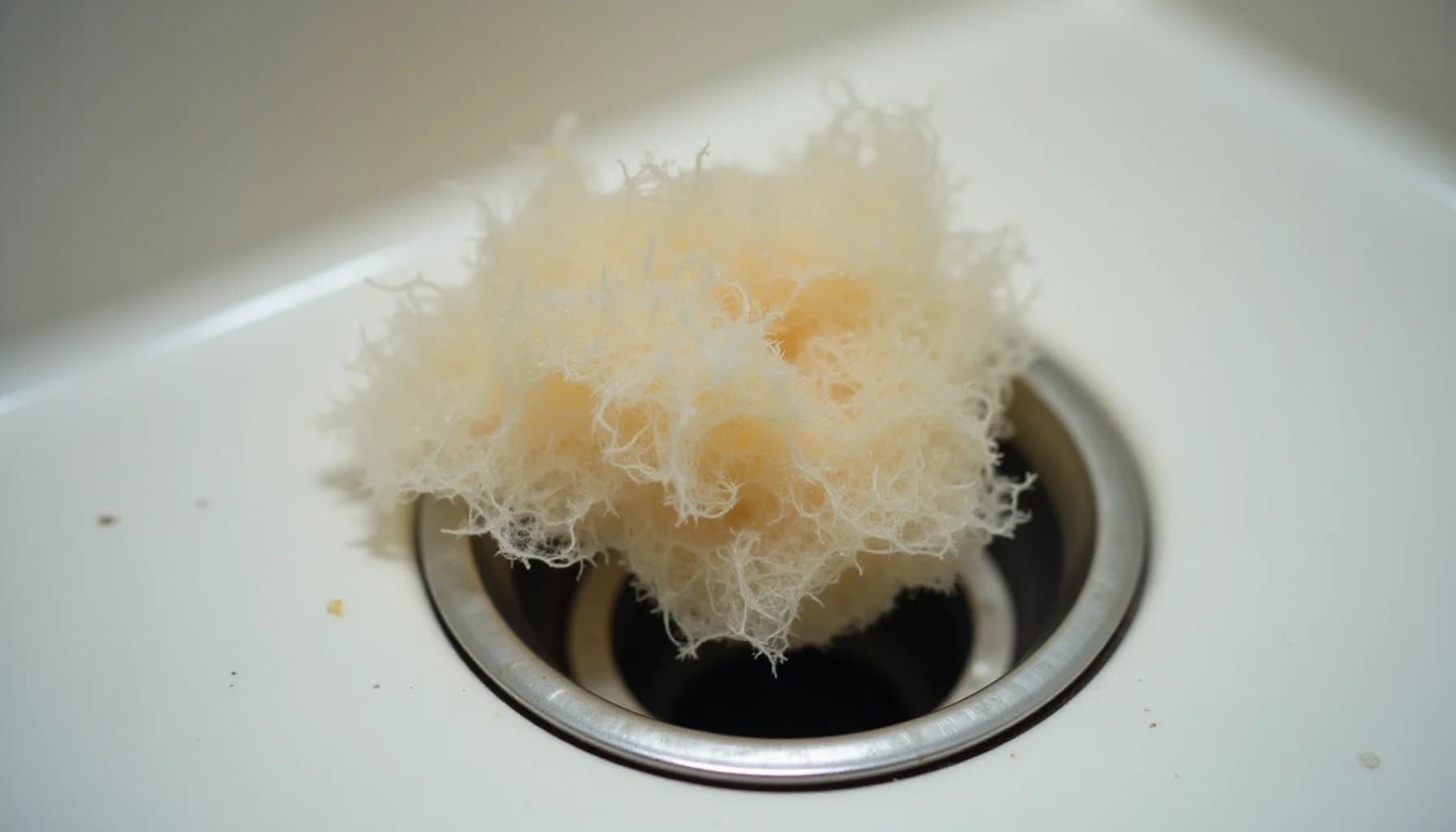
Stick to a microfiber cloth, a non-abrasive sponge, or a rubber squeegee. These are the only tools that belong on glass shower doors. Baking soda is often listed as a gentle abrasive and, for most standard tempered glass, the scratch risk appears low in practice, but if your doors have a factory-applied protective coating, any abrasive, however mild, can degrade that coating over time. When in doubt, use a vinegar-and-water spray and a microfiber cloth first.
The surface-specific caution that causes the most irreversible damage is using acid-based cleaners on natural stone. If your shower surround includes marble, travertine, limestone, or slate, vinegar and lemon juice will etch the surface, stripping its finish in a way that cannot be undone with household products. Apply acid-based solutions only to the glass itself, and mask or rinse any surrounding stone immediately if overspray occurs. For guidance on which products are safe on which materials, choosing the right cleaner by tile type will prevent a costly error.
Ammonia-based solutions require a different precaution: work with the bathroom exhaust fan running and the door open. Ammonia fumes in an enclosed shower stall accumulate quickly and can cause dizziness or respiratory irritation. Never mix ammonia with any chlorine-based cleaner; the reaction produces toxic chloramine gas.
If buildup has reached the point where none of these methods shift the cloudiness after two or three attempts, stop. Deeply etched mineral deposits that have been layering for months sometimes require professional restoration, and continued aggressive scrubbing at that stage risks scratching the glass in pursuit of stains that household chemistry cannot resolve.
Frequently asked questions
What causes that cloudy film on glass shower doors?
Does mixing vinegar and baking soda make a better cleaner?
What is the single best way to prevent hard water stains from forming?
Can I use any scrubbing pad to clean glass shower doors?
How often should you clean your glass shower doors?
The simplest maintenance schedule breaks into three tiers: daily, weekly, and monthly. After every shower, run a rubber squeegee down the glass. It takes about 15 seconds and removes water before minerals can settle. Do this consistently and you eliminate roughly 90% of hard water buildup before it ever forms, which means far less scrubbing later.
Once a week, spray the glass with an equal-parts white vinegar and water solution, let it sit for five minutes, then wipe with a microfiber cloth. This handles fresh soap residue and any mineral film that made it past the squeegee.
Monthly, give the doors a proper deep clean using whichever method matches your buildup level — a baking soda paste, heated undiluted vinegar, or a commercial product like Bar Keepers Friend.
Beyond cleaning frequency, two longer-term strategies are worth considering. First, some modern shower glass comes with factory-applied protective coatings that resist mineral deposits; if your doors lack this, aftermarket hydrophobic coatings are available and can be applied yourself. Second, if your home has genuinely hard water, a whole-house water softener reduces the calcium and magnesium load at the source, making every surface in your shower easier to maintain.
Switching from bar soap to a liquid body wash also helps, since liquid formulas contain fewer fatty acids and leave significantly less scum behind.
How this article was made
Researched and written with AI assistance. What gets published is a human editorial decision. Grounded in 7 cited sources.
Edited by Claire Mercier, Editor. The guides are written with AI assistance.
Sources (7)
- How to Clean Glass Shower Doors
- How to Clean Your Glass Shower Door Like a Pro
- How to Clean Glass Shower Doors – Bar Keeper's Friend
- How to Clean Shower Glass Properly
- The Best Way to Clean Glass Shower Doors
- How to Clean Glass Shower Doors
- How to clean a glass shower door — top tips to remove water marks